Everest Base Camp vs Annapurna Base Camp: Which Trek Should You Choose?
Choose Everest Base Camp if seeing Everest is the goal and you’re comfortable with higher altitude and a mountain flight to Lukla. Choose Annapurna Base Camp if you want big mountain scenery with a lower top altitude, no domestic flight and a lower price.
Both of MountainKick’s standard trips take 14 days. EBC starts at $1,020 per person and ABC at $760 for groups of 4 to 9. ABC is generally the easier choice for a first high-altitude trek.
- Trip length: 14 days for both, Kathmandu to Kathmandu
- Max altitude: EBC 5,545m (Kala Patthar), ABC 4,130m
- Getting there: EBC flies to Lukla, ABC goes by road via Pokhara
- EBC price: $1,020 to $1,440 per person depending on group size
- ABC price: $760 to $1,280 per person depending on group size
- Main challenge: altitude on EBC, steep stone steps on ABC
- Best seasons: March to May and late September to November
- Short on time: our ABC Express reaches Annapurna Base Camp in 10 days
Last updated: October 2026
In This Guide
- EBC vs ABC at a glance
- What we tell clients when they can’t decide
- The main difference
- Which trek is harder?
- How many days you need
- Which trek costs more?
- Flights and access
- Scenery
- Culture
- Crowds
- Teahouses
- Safety and altitude
- Permits
- Which is better for first-time trekkers?
- Which one should you choose?
- FAQs
Everest Base Camp and Annapurna Base Camp are the two treks we get asked to compare more than any others. They take about the same time, but they suit very different trekkers. This guide uses our actual itineraries and prices, so you can see what each trek really involves and which one fits you.
EBC vs ABC at a Glance
| Everest Base Camp | Annapurna Base Camp | |
|---|---|---|
| Days (our trip) | 14 | 14 |
| Highest point | 5,545m (Kala Patthar) | 4,130m (base camp) |
| Access | Flight to Lukla, often from Ramechhap in peak season | Tourist bus to Pokhara, then road to the trailhead |
| Price, 4 to 9 people | $1,020 | $760 |
| Price, 2 to 3 people | $1,160 | $820 |
| Price, solo | $1,440 | $1,280 |
| Main challenge | Altitude and long days at altitude | Steep stone steps and repeated climbs and descents |
| Culture | Sherpa, Buddhist | Gurung and Magar villages |
| Bonus viewpoint | Kala Patthar sunrise | Poon Hill sunrise |
What We Tell Clients When They Can’t Decide
We guide both treks every season, and this question lands in our inbox all the time. Here’s what we usually tell people.
- If Everest itself is the reason you’re coming to Nepal: EBC. Nothing else will scratch that itch.
- If this is your first high-altitude trek: ABC. You still get a real Himalayan base camp, with less altitude to deal with.
- If the idea of Lukla flights worries you: ABC. It’s road access all the way.
- If you want Sherpa culture and mountaineering history: EBC. Namche, Tengboche and the base camp itself carry a lot of that story.
- If you only have 10 days: our ABC Express.
- If altitude is your main worry: ABC. It tops out about 1,400m lower.
What’s the Main Difference Between EBC and ABC?
It comes down to altitude and access.
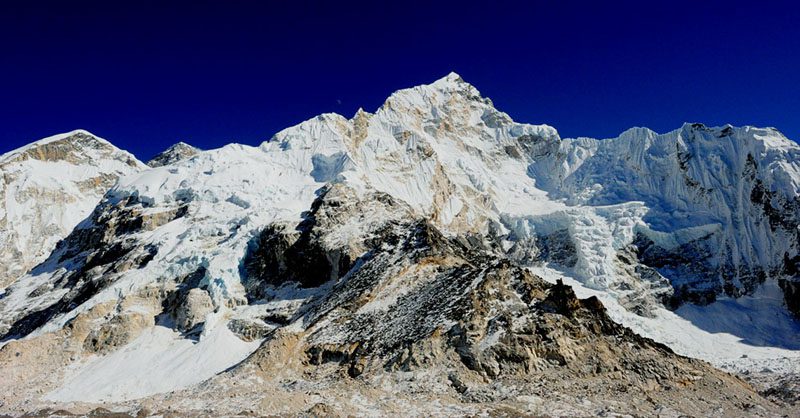
EBC takes you up the Khumbu valley to the foot of the world’s highest mountain. You fly into Lukla, walk up through Sherpa villages and Namche Bazaar, and spend several nights above 4,000m before you reach base camp. For most people the highlight is the sunrise view of Everest from Kala Patthar.
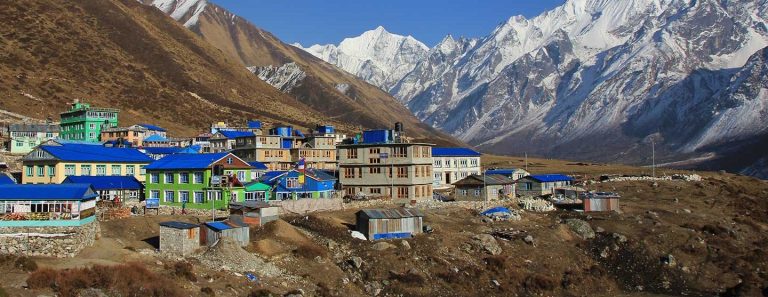
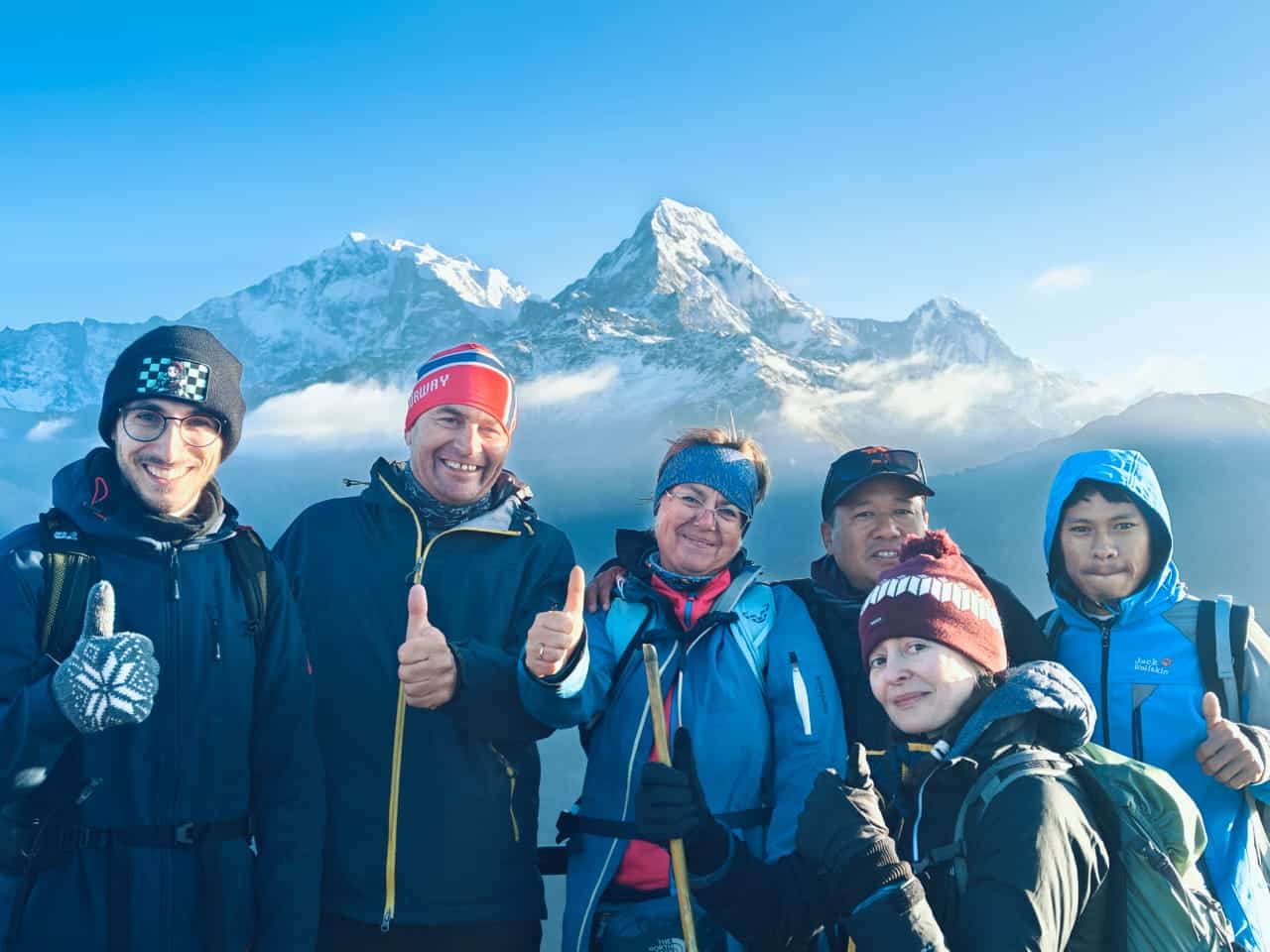
ABC takes you into the Annapurna Sanctuary, a ring of peaks with base camp sitting right in the middle. You start near Pokhara and walk through Gurung villages, terraced fields and rhododendron forest. Our route also goes over Poon Hill on the way in, so you get one of the best sunrise viewpoints in Nepal as part of the same trek.
Neither one is “better.” They just suit different people.
Which Trek Is Harder?
EBC is harder, mainly because of altitude.
Kala Patthar reaches 5,545m, about 1,415m higher than Annapurna Base Camp at 4,130m. Everest Base Camp itself sits at around 5,364m. At that height the air is thin, even easy walking feels slow, and altitude sickness is the main reason people don’t finish. That’s why our EBC itinerary has acclimatisation days built in.
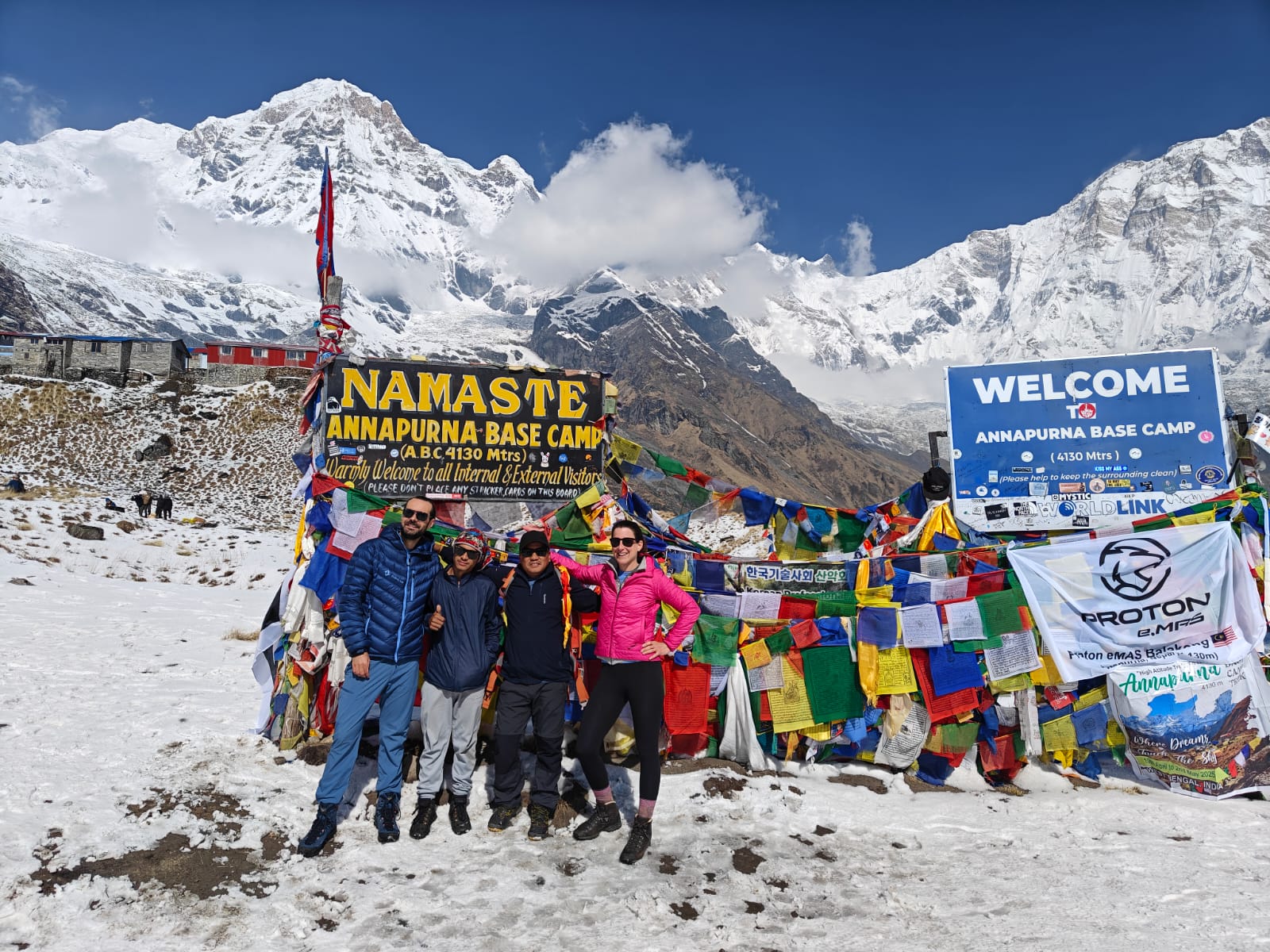
ABC tops out at 4,130m, so altitude is generally less of a problem. But it’s not an easy walk. The trail has thousands of stone steps, especially between Nayapul and Ghorepani, and many days climb and drop again before the next village. ABC has no dedicated acclimatisation day, so pacing and recovery become more important as you approach base camp.
So EBC is harder on your lungs. ABC can be harder on your legs and knees than people expect.
For more on EBC, read our honest take on how hard the Everest Base Camp trek really is, or see where both treks sit in our Nepal trek difficulty guide.
How Many Days Do You Need?
Both of our standard trips take 14 days, including arrival and departure days in Kathmandu.
On EBC, you can’t safely make it much shorter, because the acclimatisation days are what keep you healthy. It’s also smart to add a spare day or two at the end, because Lukla flights are often delayed by weather.
ABC has more flexibility. If you only have 10 days, our Annapurna Base Camp Express Trek gets you to the same base camp by going direct through Ghandruk and Chhomrong and skipping Poon Hill. The pace is faster and the days are longer, so it suits fit trekkers with some hiking experience.
Which Trek Costs More?
EBC costs more, mainly because of the Lukla flights and higher prices for food and supplies in the Khumbu. Our package prices per person:
| Group size | EBC (14 days) | ABC (14 days) | ABC Express (10 days) |
|---|---|---|---|
| 4 to 9 trekkers | $1,020 | $760 | $465 |
| 2 to 3 trekkers | $1,160 | $820 | $568 |
| Solo | $1,440 | $1,280 | $895 |
Meals on the trail aren’t included on any of these trips. That’s on purpose. Appetites vary a lot, and paying as you go means you only pay for what you eat. Expect food to cost more the higher you go, and generally more in the Everest region than in Annapurna.
For full breakdowns, see our EBC cost guide and ABC cost guide.
Do You Have to Fly?
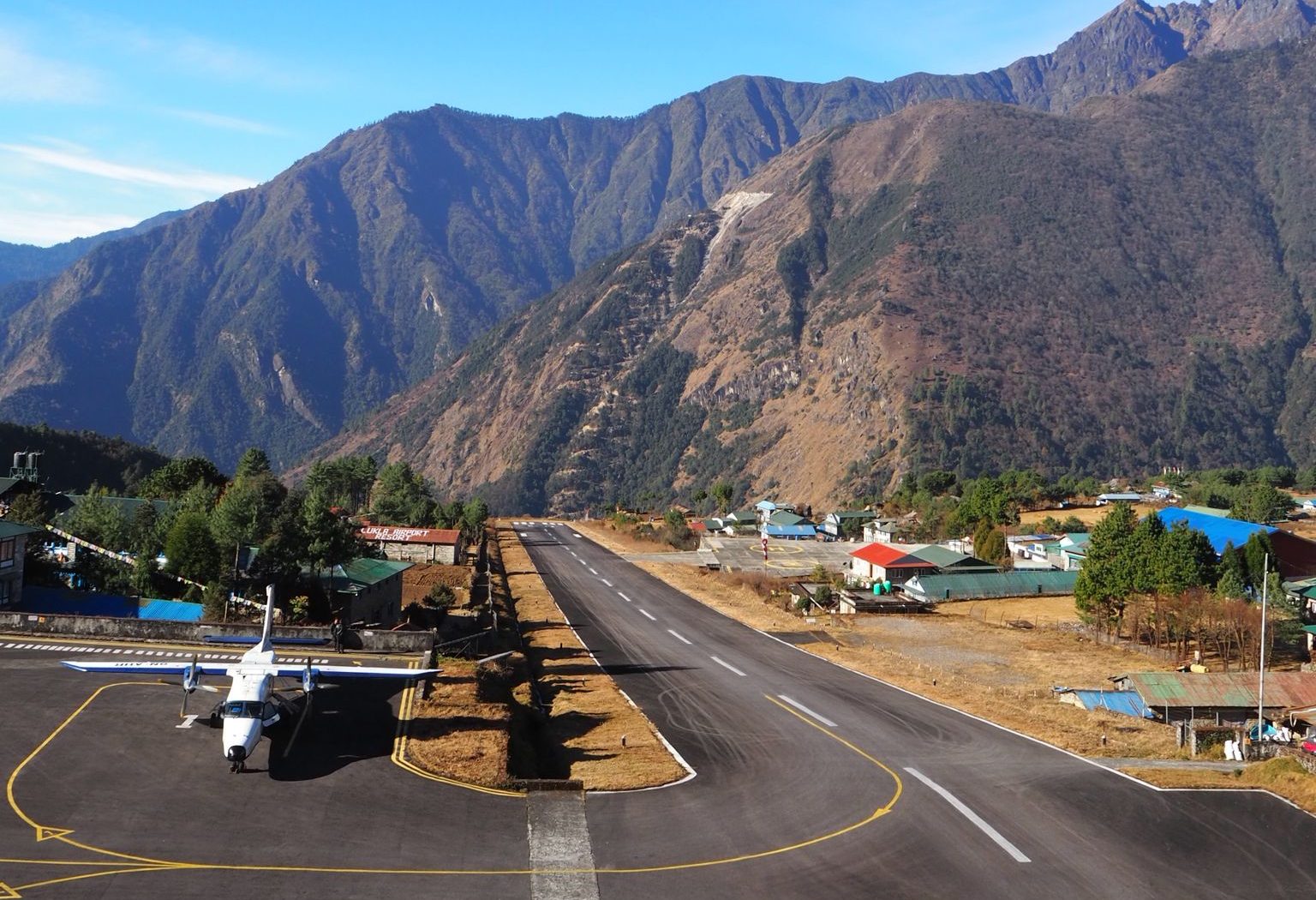
For EBC, almost always yes. The standard route flies to Lukla, a small mountain airstrip where flights only go when the weather is clear. In the busy spring and autumn seasons, most Lukla flights leave from Ramechhap instead of Kathmandu, which means an early drive of several hours first. We cover both in our guides to Lukla flight delays and flying to Lukla from Ramechhap.
For ABC, no. You take a tourist bus from Kathmandu to Pokhara, then continue by road to the trailhead at Nayapul. If you’d rather skip the long bus ride, you can upgrade to a private vehicle.
If flying into a mountain airstrip makes you nervous, or your schedule has no room for delays, that alone can point you to ABC.
Which Has Better Scenery?
This one is personal.
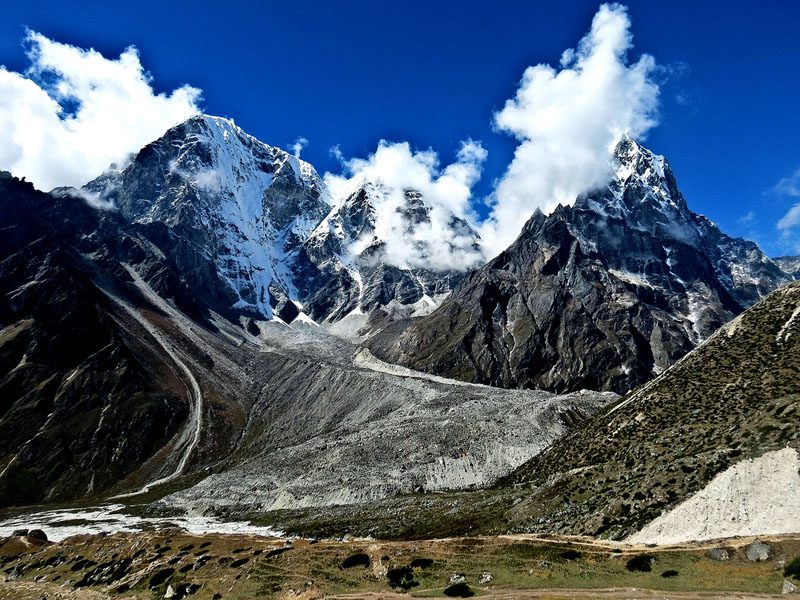
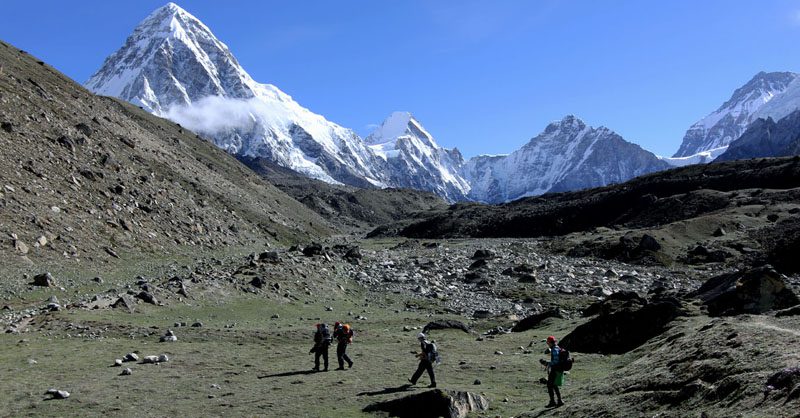
EBC is about scale. You walk among some of the highest peaks on earth, including Everest, Lhotse, Nuptse and Ama Dablam. Above Dingboche the valley turns rocky and glacial, with very little green.
ABC is about variety and the finish. In a few days you go from farmland and forest to high alpine terrain. At base camp you stand inside a bowl of mountains, with Annapurna I, Annapurna South, Hiunchuli, Gangapurna and Machhapuchhre all around you.
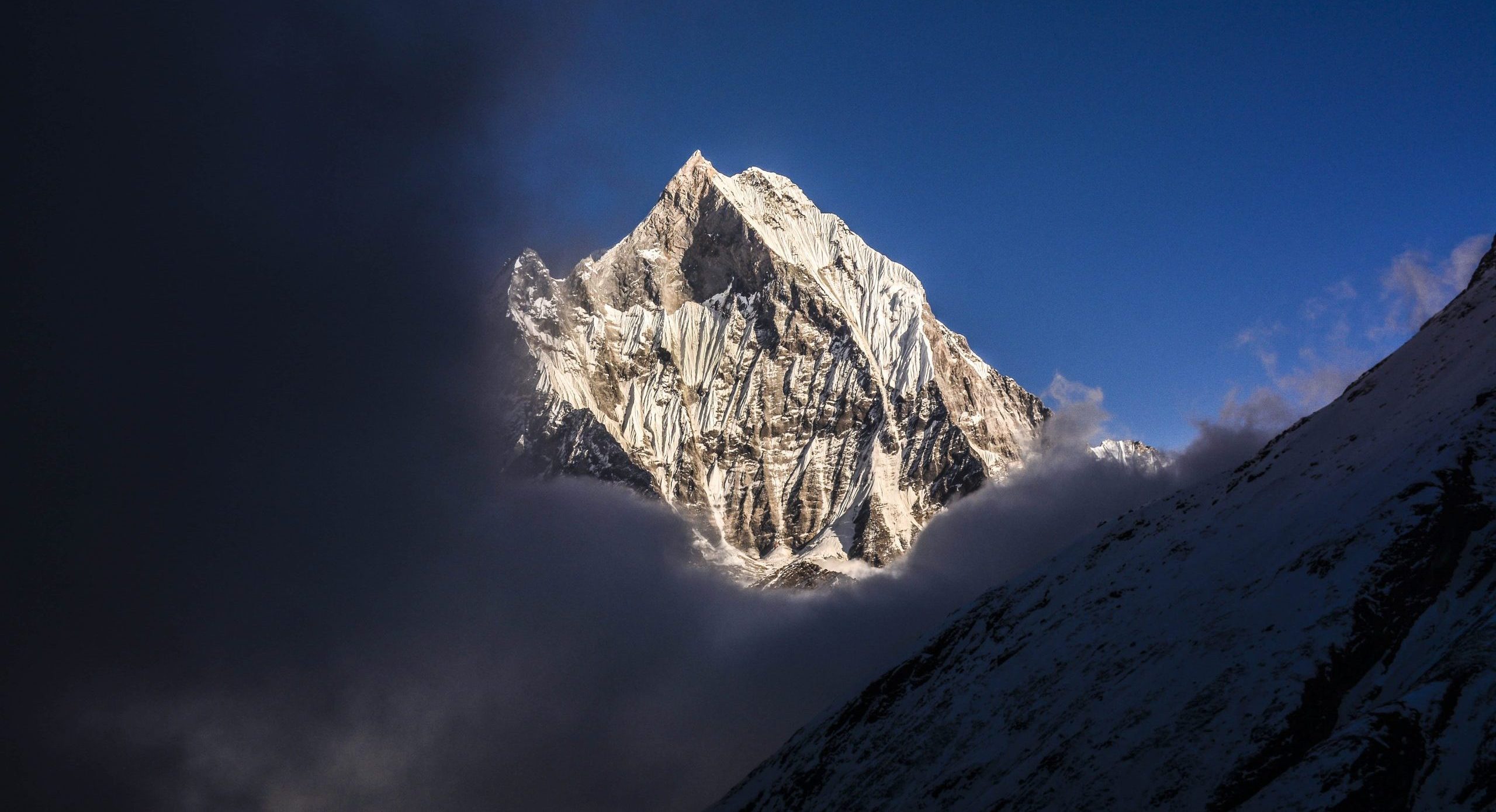
If seeing Everest with your own eyes is the point of the trip, choose EBC. If you want the scenery to keep changing along the way, ABC gives you that.
What About Culture?
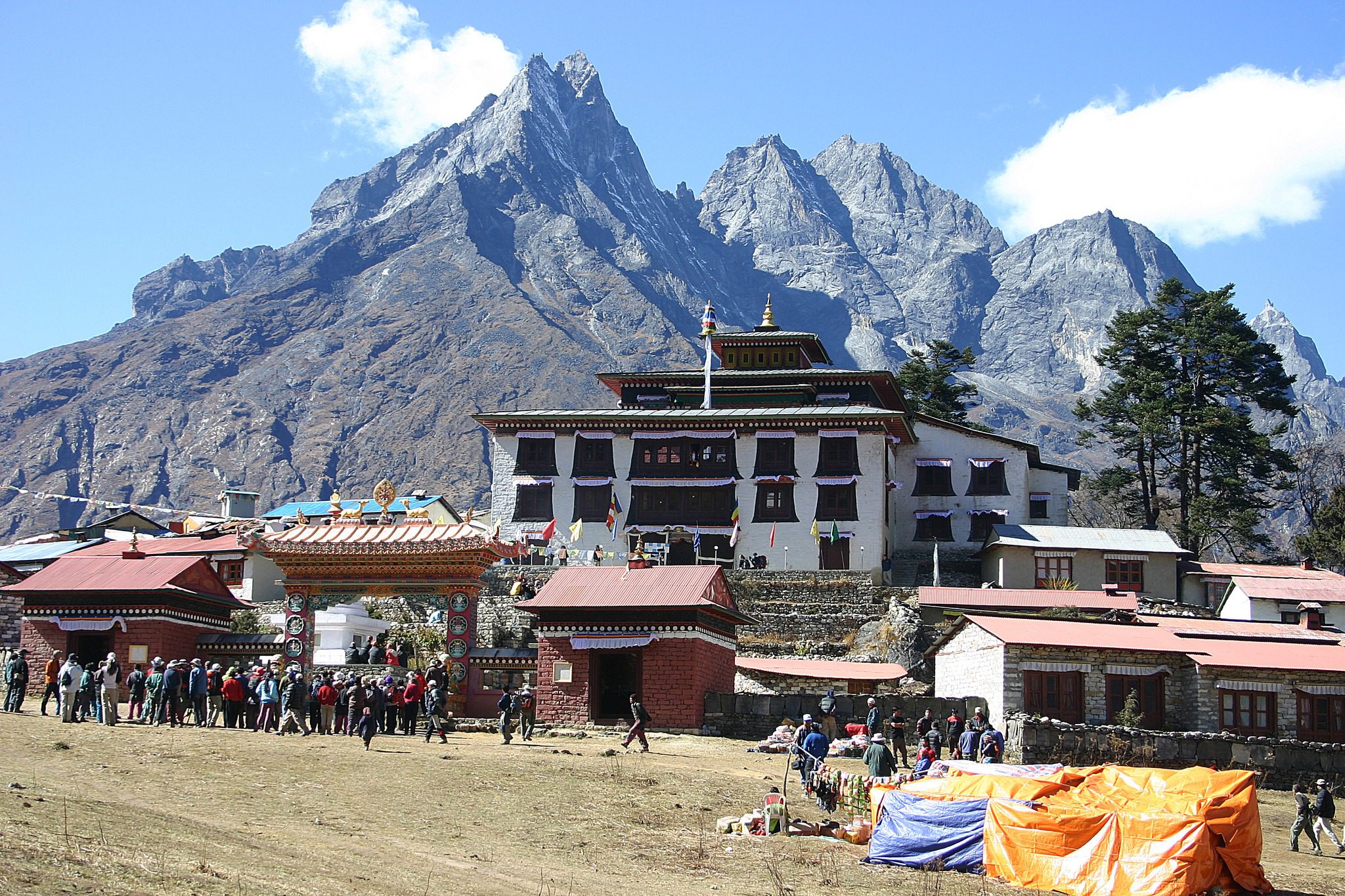
On EBC you’re in Sherpa country. You’ll see Buddhist monasteries like Tengboche, prayer wheels, mani walls and a lot of mountaineering history in places like Namche.
On ABC you’ll walk through Gurung and Magar villages like Ulleri and Chhomrong, with a mix of Hindu and Buddhist influence.
Both are rich. They’re just different.
Which Is More Crowded?
Both are busy in October, November and April. EBC tends to feel busier because everyone funnels through the same narrow valley. ABC also gets busy in peak season, especially between Chhomrong and base camp, where there are only a few teahouses.
If you want quieter trails on either route, look at early March, late November or early December, as long as you’re ready for colder nights.
What Are the Teahouses Like?
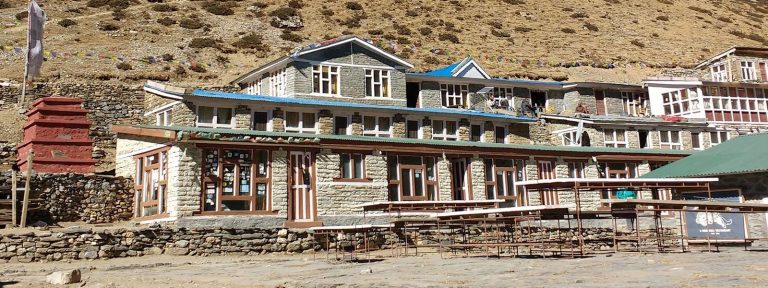
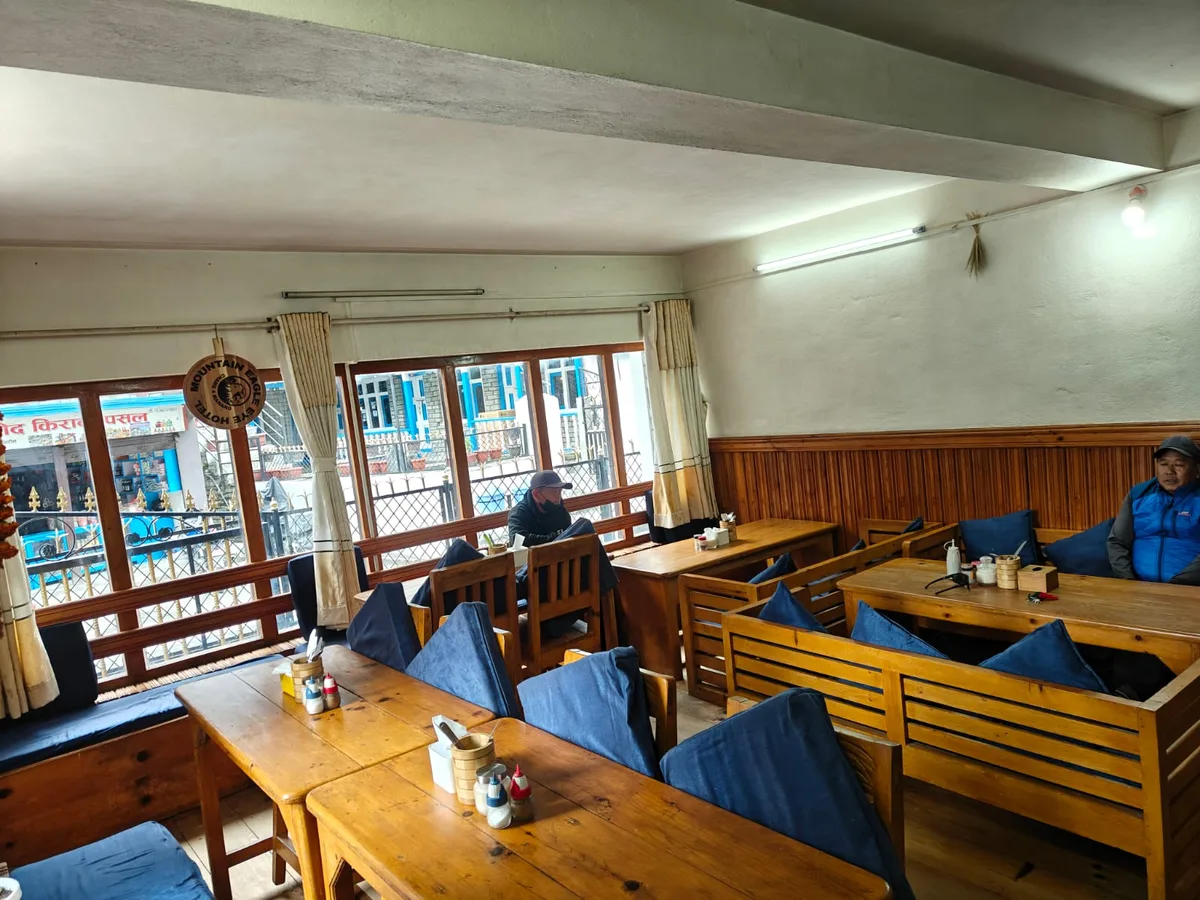
On both treks you stay in teahouses. These are simple lodges with twin rooms and a shared dining room. Lower down they’re fairly comfortable, often with hot showers, Wi-Fi and charging for a small fee.
On EBC, the teahouses in Namche are some of the best on any trek in Nepal. Higher up, at Lobuche and Gorak Shep, they’re basic and very cold at night.
On ABC, standards are good up to Chhomrong and get more basic above Sinuwa. Rooms at the top can be hard to get in peak season. Your guide handles the bookings, so this is less of a worry on a guided trip.
Are There Safety Concerns Specific to Each Trek?
On EBC, the main risk is altitude sickness. Good acclimatisation, staying hydrated and listening to your guide all matter a lot. Read our guide to altitude sickness in Nepal before you go.
On ABC, the section above Deurali toward Machhapuchhre Base Camp is exposed and can carry avalanche risk after heavy snow. Guides watch the conditions closely and will hold or change plans when needed.
On either trek, your travel insurance should cover trekking and emergency helicopter evacuation at the maximum altitude on your itinerary. See our travel insurance guide for trekking in Nepal.
What Permits Do You Need?
For EBC, we arrange the permits required for the trek, including the Sagarmatha National Park permit and the Khumbu Pasang Lhamu Rural Municipality entry permit. TIMS requirements can vary by trekking area and are handled as part of our permit process.
For ABC, we arrange the Annapurna Conservation Area Permit (ACAP) and the other required trekking documents.
Fees can change, so see our Nepal trekking permits guide for the latest.
Which Trek Is Better for First-Time Trekkers?
ABC is generally the easier choice for a first high-altitude trek. The lower top altitude means altitude problems are less likely, and having no flight means fewer delays.
That said, plenty of first-timers do EBC every year without trouble. If you’re reasonably fit, you’ve trained, and Everest is the dream, don’t let “first trek” stop you. Our guide on how to train for Everest Base Camp is a good place to start.
So Which One Should You Choose?
Choose Everest Base Camp if
- Seeing Everest is the main goal
- You have two weeks plus a buffer day or two
- You’re comfortable with high altitude and a mountain flight
- You want Sherpa culture and mountaineering history
Choose Annapurna Base Camp if
- You want serious mountain scenery with a lower top altitude
- You’d rather avoid domestic flights
- You want more variety on the way up, including the Poon Hill sunrise
- You’re working with a smaller budget, or fewer days with the Express option
Frequently Asked Questions
Is ABC easier than EBC?
Generally yes. ABC tops out at 4,130m compared to 5,545m on EBC, so altitude is less of a factor. ABC still has a lot of stone steps and some long days, so you need decent fitness.
Can I do both EBC and ABC on one trip?
Yes, but not as one continuous trek. They’re in different regions, so you’d finish one, go back to Kathmandu or Pokhara, then start the other. Plan on roughly four weeks in total.
Which trek is cheaper?
ABC. On our trips it’s $260 less per person for groups of 4 to 9, mainly because there are no Lukla flights.
Can I do ABC in less than two weeks?
Yes. Our ABC Express takes 10 days by skipping Poon Hill and going direct to base camp. It’s faster and more demanding, so it suits trekkers with some experience.
Do I need a guide for EBC or ABC?
In most cases, yes. Rules introduced in 2023 generally require foreign trekkers to go with a licensed guide, although enforcement has varied by region. See our guide on whether you need a guide to trek in Nepal.
What’s the best month for EBC and ABC?
October and November usually give the clearest views on both. April is also very good, and rhododendrons are in bloom on the lower ABC trail.
Can you get altitude sickness on ABC?
Yes, it can happen above about 2,500m. The risk is lower than on EBC because ABC doesn’t go as high, but you should still know the symptoms and tell your guide early if you feel unwell.
Still not sure which one to pick?
Tell us how many days you have, how much trekking you’ve done, and whether altitude or flights are your bigger worry. We’ll tell you which of the two makes more sense. WhatsApp: +977 985 118 2718.
View the Everest Base Camp Trek → View the Annapurna Base Camp Trek → Ask us anything →