

Mardi Himal Base Camp Trek
●●●●● 4.9 · 60+ TripAdvisor reviewsAn exposed alpine ridgeline with close-up views of Machhapuchhre, Annapurna South, and Hiunchuli that most trekkers on the classic routes never see
Friends paying separately still get the group price.
On The Trail
What It Really Looks Like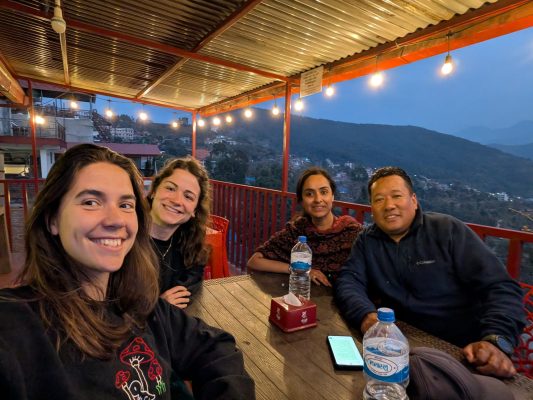
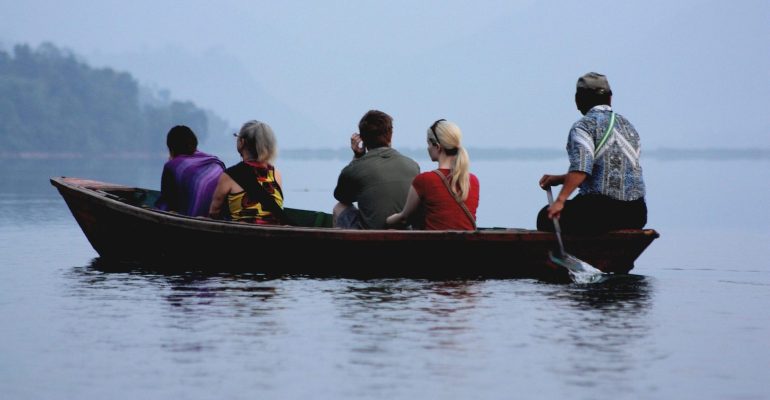

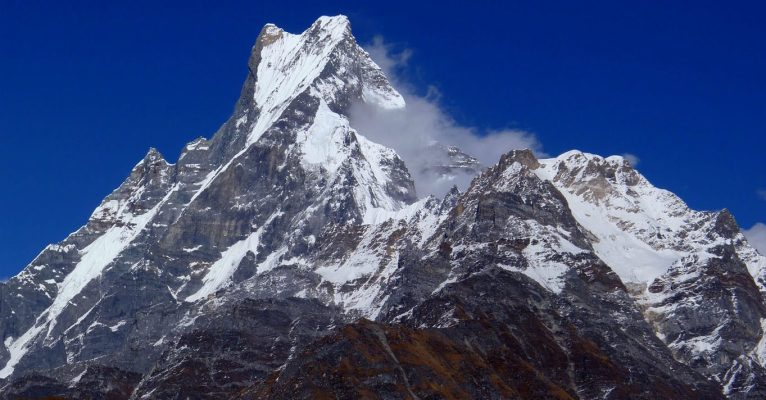
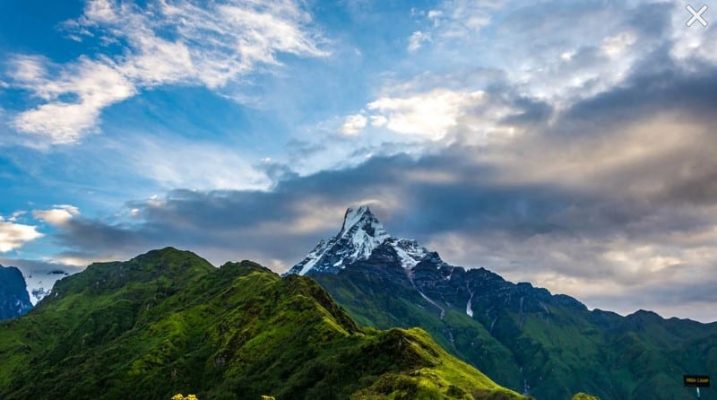
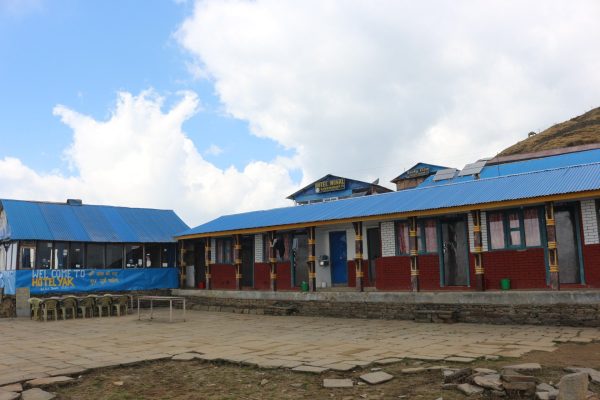
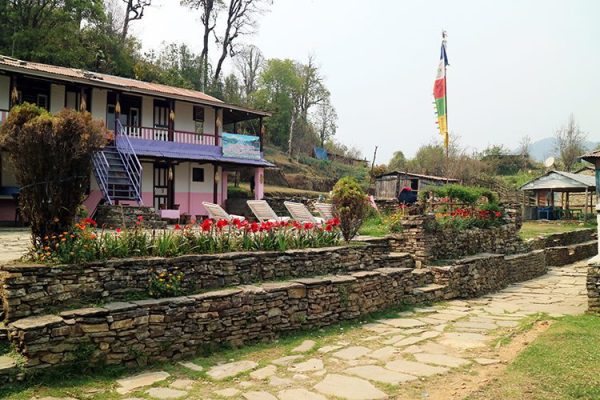
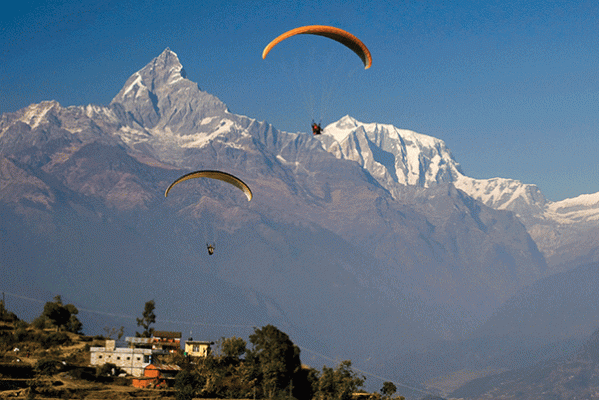
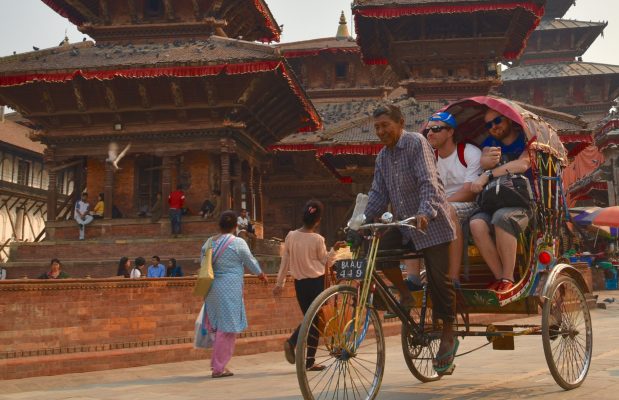
Mardi Himal Base Camp Trek: What to Expect
The whole route follows a ridge with Machhapuchhre, Annapurna South, and Hiunchuli visible for most of the day from Low Camp onward
Opened in 2012 and still off the main Annapurna circuit. A fraction of the trekkers, the same peaks
Government-licensed guides who know the ridge conditions and the narrow exposed section from High Camp to Base Camp
The lower sections pass through traditional Gurung villages with direct Annapurna views before the ridge trail begins
The Mardi Himal Base Camp Trek follows a southeast ridge of the Annapurna massif, opened as a trekking route in 2012. From Kande, 45 minutes from Pokhara, the trail climbs through rhododendron forest and Gurung villages to the ridgeline. From Low Camp at 2,985m the views open and stay open. The final section is an exposed alpine ridge with Machhapuchhre rising directly overhead at Base Camp — a perspective no other Annapurna route gives you.
The hardest moments are the pre-dawn push from High Camp to Base Camp on Day 6, gaining 920m on a narrow rocky ridge with drop-offs on both sides, and the long 1,300m descent on Day 7. Both need poles and an early start. Most other days are 5 to 6 hours on moderate terrain. Fit beginners can complete this trek. Prior experience helps but is not required.
Trail highlights:
- The ridgeline above Low Camp with Machhapuchhre, Annapurna South, and Hiunchuli visible all day
- Base Camp at 4,500m with Machhapuchhre directly overhead
- Sunset from High Camp over a sea of cloud in the valleys below
- Rhododendron forest between Kande and Forest Camp — Nepal’s national bird the Himalayan Monal spotted here in spring
- Gurung villages at Dhampus and Pothana with direct Annapurna views
For comparisons read our Poon Hill vs Mardi Himal guide and Annapurna region guide.
Day-by-Day Itinerary
Arrival in Kathmandu
Your guide meets you at arrivals and transfers you to the hotel in Thamel. That evening we hold a pre-trip briefing covering the full route, kit check, and permit paperwork. Bring your passport. If you need last-minute gear, Thamel shops open from 8am and stock everything from trekking poles to sleeping bags.

Drive to Pokhara
The tourist bus departs at 7am from Sorakhutte near Thamel. The 200km drive along the Prithvi Highway takes 7 to 8 hours. Arrive in Pokhara by late afternoon. Phewa Lake and the Annapurna range reflections are 10 minutes from most hotels. The trek starts tomorrow with a short jeep ride to Kande

Drive to Kande, Trek to Pittam Deurali
A 45-minute jeep ride along the Pokhara-Baglung highway to the Kande trailhead at 1,770m. ACAP and TIMS permits are checked at Pothana. The trail climbs through rhododendron and pine forest via Australian Camp with early views of Annapurna South and Machhapuchhre. Pittam Deurali is a small ridge settlement where the Mardi Himal trail branches off from the main Annapurna Sanctuary route.
Trek to Low Camp
The longest day on the ascent. The trail leaves the main sanctuary route and enters dense oak, maple, and rhododendron forest. Forest Camp at 2,500m is a good lunch stop. Above Forest Camp the trees thin and the ridgeline begins to emerge. Low Camp at 2,985m is the first overnight stop with clear open views of Machhapuchhre directly ahead. The Nepal national bird, the Himalayan Monal pheasant, is often spotted in the forest sections today.
Trek to High Camp
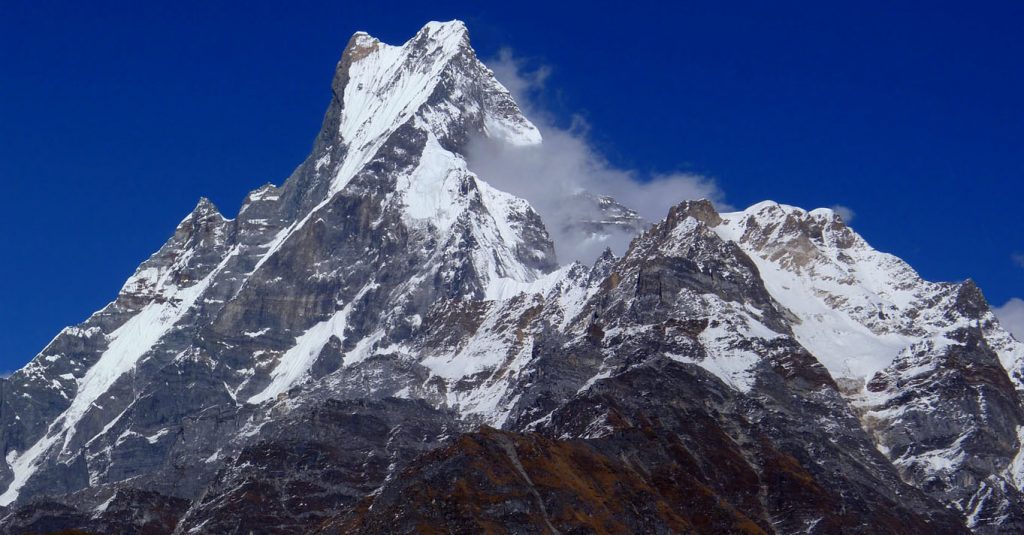
The ridge walk begins in earnest. From Low Camp the trail follows an increasingly exposed ridgeline with deep valleys dropping away on both sides — Modi Khola to the left, Mardi Khola to the right. Badal Danda at 3,210m, meaning Cloud Ridge in Nepali, is the best lunch viewpoint on the entire route. High Camp at 3,580m sits above the treeline with unobstructed Annapurna South and Machhapuchhre views. Set alarm for 4am.

Base Camp and Descent to Badal Danda
Alarm at 4am. The 920m climb to Base Camp follows a narrow rocky ridge with significant drop-offs on both sides. Two to three hours up in thin cold air. At 4,500m, Mardi Himal (5,587m) and Machhapuchhre (6,993m) rise directly above you in a way no other trekking route in Nepal offers. After time at the summit return to High Camp for breakfast then descend to Badal Danda. A long but defining day.

Descend to Pothana
The longest descent of the trek. From Badal Danda the trail drops back through Low Camp and Forest Camp to Pothana, losing nearly 1,300m in around 6 hours. The knees take the load today. Poles are essential throughout. The forest sections on the descent are quieter and cooler than on the way up. Pothana has good teahouses with more comfortable facilities than the upper camps.

Drive to Pokhara
A short walk down to the Kande road then a 45-minute jeep ride back to Pokhara. Arrive by mid-morning with the rest of the day free. Phewa Lake boating, the International Mountain Museum, and paragliding are all within easy reach. Tonight is your last night in Pokhara before the long drive back to Kathmandu.

Drive to Kathmandu, Farewell Dinner
Tourist bus back along the Prithvi Highway, 200km in 7 to 8 hours. Arrive by early evening. That night your guide takes you to a local restaurant for a farewell dinner of dal bhat, momos, and traditional Nepali dishes. A good moment to let five days on the Mardi ridge sink in.

Final Departure
Breakfast at the hotel then a private transfer to the airport timed to your flight. If you have time before departure, Boudhanath is 20 minutes by taxi and worth a final morning visit.

3D Route Map
Includes & Excludes
-
Airport transfers in Kathmandu Private vehicle, arrival and departure
-
3-star hotel in Kathmandu 2 nights, twin-sharing, breakfast included
-
3-star hotel in Pokhara 2 nights, twin-sharing, breakfast included
-
Teahouse accommodation on trek 5 nights, twin-sharing throughout
-
Tourist bus Kathmandu to Pokhara return Both directions, departs 7am from Sorakhutte
-
Private transport Pokhara to kande return Includes pothana pickup on return
-
Government-licensed trekking guide NTB-certified, English speaking, full trek
-
Porter service 1 porter per 2 trekkers, 20kg load limit
-
All staff costs Salary, insurance, equipment, food and accommodation
-
Annapurna Conservation Area Permit (ACAP) Required entry permit for the Annapurna region
-
TIMS card Trekkers' Information Management System
-
Oximeter and first aid kit Carried by guide throughout the trek
-
Farewell dinner in Kathmandu Traditional Nepali meal with your guide
-
Duffel bag Yours to keep as a souvenir
-
International flights To and from Kathmandu
-
Nepal visa fee 15 days $30 / 30 days $50 / 90 days $125, available on arrival
-
Travel insurance Mandatory. Must cover helicopter evacuation to at least 4,500m
-
All meals on trek Budget $30 to $40 per day. Teahouses serve breakfast, lunch and dinner
-
Lunch and dinner in Kathmandu and Pokhara Except the farewell dinner
-
Personal trekking gear Sleeping bag, trekking poles. Rentable in Kathmandu or Pokhara
-
Hot showers, Wi-Fi, battery charging Small charge at teahouses, typically $2 to $5 each
-
Guide and porter tips Customary. Roughly 10-15% of the trip price
-
Personal expenses Snacks, bottled water, laundry, souvenirs
Enhance Your Trek
We Handle the Details
FreeWhere You'll Sleep & What You'll Eat
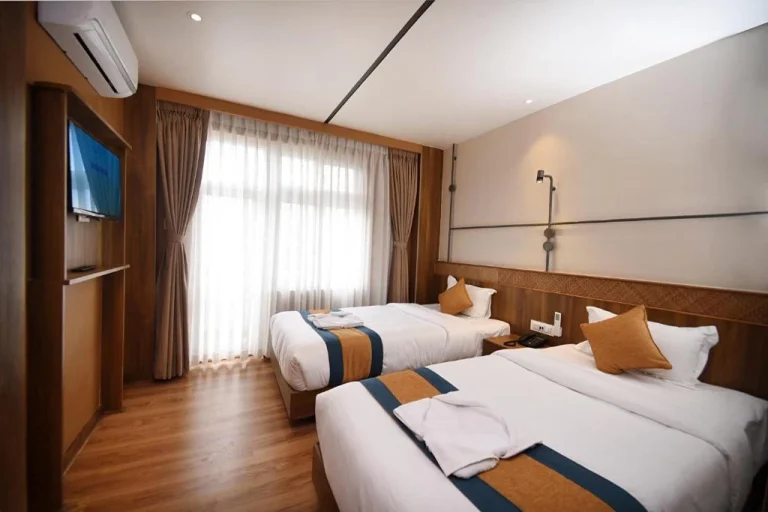
Two tiers on this trek. Kathmandu and Pokhara are 3-star hotels with private bathrooms and breakfast included. From Pittam Deurali to Low Camp teahouses are well-established with twin rooms, shared bathrooms, and solar hot showers at extra cost. Above Low Camp facilities become progressively more basic. High Camp has unheated rooms, shared bathrooms, and limited electricity. Sleeping bag rated to -5°C essential throughout.
- Kathmandu and Pokhara: 3-star hotel, private bathroom, breakfast included
- Pittam Deurali and Low Camp: established teahouses, shared bathroom, solar hot shower at extra cost
- Badal Danda and High Camp: basic unheated rooms, shared bathrooms, cold nights, bring all your layers to bed
- Sleeping bag rated to -5°C recommended throughout
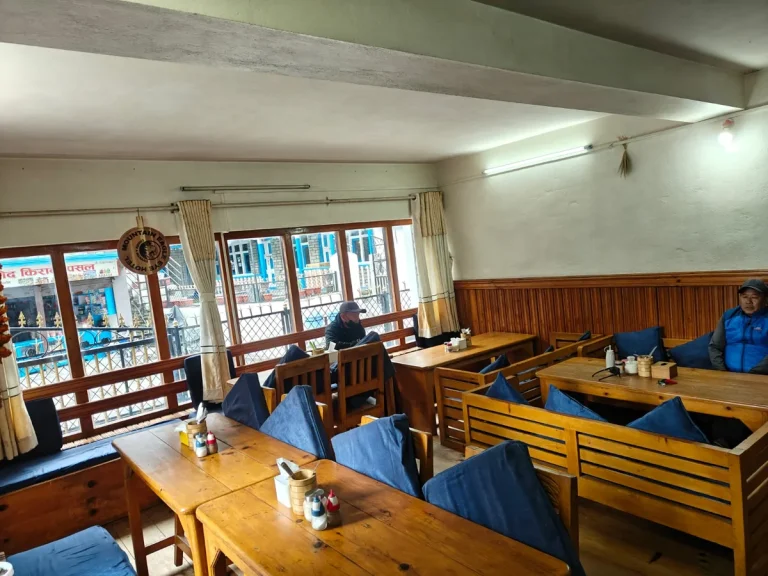
Teahouse menus are consistent from Pittam Deurali to High Camp: dal bhat, garlic soup, noodle soup, fried rice, eggs, pancakes, and ginger tea. Dal bhat is the safest and most nutritious option at every stop, cooked fresh to order. Do not eat meat above Low Camp where freshness cannot be guaranteed. Vegetarian food is available everywhere. Prices increase significantly at High Camp where all supplies are porter-carried up the ridge. Budget $30 to $40 per day for three meals and drinks on trail.
| Meals on trail | $30 to $40 / day |
| Meals at High Camp and Base Camp | $40 to $50 / day |
| Hot shower | $3 to $5 |
| Wi-Fi (Pittam Deurali and Low Camp only) | $2 to $3 |
| Battery charging per device | $2 to $3 |
| Bottled water | $1 to $2 |
What Our Trekkers Say
“A fantastic short trek”
Hari made our Mardi Himal trek genuinely enjoyable. The trail through the forest was beautiful, and the views opened up more and more as we climbed. Reaching Mardi Himal Base Camp with the mountains so close was an amazing feeling, and MountainKick had everything well organized from the start.
“Beautiful route and wonderful experience”
Jeevan was friendly and patient and made sure we were comfortable the whole way through. The sunrise and mountain views from the higher camps were incredible. This was our first trek in Nepal, and MountainKick made the whole thing feel very easy to navigate.
“Amazing mountain views”
Balkumar looked after our group really well and was a pleasure to trek with. Mardi Himal was exactly what we were after, beautiful trails and spectacular views without needing weeks on the trail. The upper section was easily the highlight. Happy to recommend MountainKick.
“A memorable few days in the Himalayas”
Jeevan was excellent throughout. As a small group of friends, we appreciated how he kept things relaxed while still keeping us on schedule. The landscape shifted constantly as we climbed, and waking up to the mountains at High Camp is something none of us will forget.
“One of our favourite treks in Nepal”
Gopal knew the route well and was a fantastic guide throughout. It was challenging in parts, but the scenery made every climb worth it, we especially enjoyed the quieter trails and the incredible views of Machhapuchhre from the upper camps. MountainKick took care of everything and made the whole trip…
Frequently Asked Questions
How difficult is the Mardi Himal Base Camp Trek?
This trek is rated Challenging (Level 3 on our scale). The route reaches 4,500m at Base Camp, gains altitude faster than the standard Annapurna Base Camp trail, and has two demanding days — the pre-dawn Base Camp push on Day 6 and the long 1,300m descent to Pothana on Day 7. The exposed ridge above Low Camp requires care in wet or windy conditions. That said, there is no technical climbing and first-time trekkers complete this route every season with good fitness and preparation. If you can walk 5 to 6 hours per day on uneven ground you can do this trek. See our full trek difficulty guide for context.
Is this trek suitable for beginners?
Yes, with caveats. Fit beginners with no prior trekking experience complete this route regularly. The trail is well-marked, teahouses are available at every overnight stop, and the itinerary builds altitude gradually with a night at Low Camp before High Camp. The two things that catch beginners off guard are the fast altitude gain — you reach 4,500m without a dedicated acclimatisation rest day — and the steepness of the descent on Day 7. If you can sustain uphill effort for 5 to 6 hours, you can manage this trek. Prior hiking experience helps but is not a requirement.
How fit do I need to be and how should I prepare?
You should be comfortable walking 5 to 6 hours per day carrying a daypack of 3 to 5kg. Train for 6 to 8 weeks before departure with cardiovascular exercise 4 to 5 times per week — running, cycling, stair climbing, and long hikes all work well. Practice hikes on consecutive days with significant elevation gain are the most specific preparation. Pay attention to downhill training — the 1,300m descent from Badal Danda to Pothana on Day 7 puts sustained pressure on the knees. Trekking poles are not optional on this route.
What is the best time to do this trek?
Spring (March to May) and autumn (September to November) are the two reliable windows. Autumn brings the clearest skies and best mountain visibility after the monsoon. Spring is warmer with rhododendrons in bloom in the forest sections between Kande and Forest Camp — spectacular in March and April. December is possible but cold above Low Camp with some snow on the ridge. Avoid January and February when the ridge above Badal Danda can be icy and snowbound. Monsoon (June to August) is not recommended — the exposed ridge is slippery, views are blocked above High Camp for days at a time, and the Base Camp approach becomes unsafe in heavy rain.
Can altitude sickness be a problem on this trek?
Yes. Base Camp sits at 4,500m and the ascent is faster than many comparable routes. You sleep at Low Camp (2,985m), then High Camp (3,580m) on consecutive nights before pushing to 4,500m on Day 6. Mild symptoms including headache, reduced appetite, and disrupted sleep are common above 3,000m. The night at High Camp before the Base Camp push is the key acclimatisation stop — do not skip it. Your guide carries an oximeter and monitors your oxygen saturation from Low Camp onward. If symptoms worsen, descent is always the correct response. Talk to your doctor about Diamox before you travel. Read our full altitude sickness guide for a detailed breakdown.
What is the Base Camp push like on Day 6?
Alarm at 4am. From High Camp the trail follows an exposed ridge gaining 920m to Base Camp at 4,500m. The final section is narrow and rocky with steep drop-offs on both sides. It takes 2 to 3 hours up in cold pre-dawn air. At Base Camp, Mardi Himal (5,587m) and Machhapuchhre (6,993m) rise directly overhead in a way that no other trekking route in Nepal offers. After time at the summit you return to High Camp for breakfast then descend to Badal Danda. The round trip from High Camp is 8 to 9 hours in total. It is the hardest and most rewarding day on the trek.
How does Mardi Himal compare to Poon Hill or Annapurna Base Camp?
Poon Hill (9 days, $550) is lower at 3,210m, focused on a sunrise viewpoint, and significantly less demanding. Mardi Himal (10 days, $615) reaches 4,500m on an exposed alpine ridge with close-up views of Machhapuchhre that neither Poon Hill nor ABC offers from the same angle. Annapurna Base Camp (15 days, $820) goes into the glacial Annapurna Sanctuary at 4,130m — slightly lower than Mardi, more days on trail, more established teahouses, and a completely different landscape. Mardi is the best option if you want serious altitude and dramatic ridgeline views in 10 days. Our Poon Hill vs Mardi Himal guide and Annapurna region guide break down all three in detail.
What permits do I need and are they included?
Two permits are required: the Annapurna Conservation Area Permit (ACAP) and the TIMS card. Both are included in the MountainKick package price. We handle all paperwork before you leave Kathmandu. Bring your passport and two passport-sized photos to the pre-trip briefing. Permits are checked at the Pothana checkpoint on Day 3 and carried throughout the ridge. For full 2026 permit details read our Nepal trekking permits guide.
Is a licensed guide mandatory on this route?
Yes. Since April 2023 Nepal requires all foreign trekkers on designated routes including the Annapurna region to trek with a licensed guide. Beyond the legal requirement, the trail above Forest Camp becomes less defined and the ridge above Badal Danda can be confusing in poor visibility. The pre-dawn Base Camp push on a narrow rocky ridge in the dark is not a section to navigate without someone who has walked it before. Your MountainKick guide has done this route many times and knows where the trail goes when it disappears under snow or cloud.
What food is available and is it safe?
Teahouses from Pittam Deurali to High Camp serve dal bhat, garlic soup, noodle soup, fried rice, eggs, pancakes, and ginger tea. Dal bhat is always the safest option, cooked fresh to order. Do not eat meat above Low Camp where freshness cannot be guaranteed. Vegetarian food is available at every stop. Prices increase significantly at High Camp where all supplies are porter-carried up the ridge. Budget $30 to $40 per day for three meals and drinks on trail, more at High Camp.
What should I budget beyond the package price?
Budget for: international flights, Nepal visa (15-day $30 / 30-day $50 / 90-day $125), travel insurance, all meals on trek ($30 to $40 per day, more at High Camp), hot showers and Wi-Fi ($2 to $5 each, available at Pittam Deurali and Low Camp only), and tips for your guide and porter (10 to 15% of trip cost). Withdraw all cash before leaving Pokhara as there are no ATMs on trail. Most trekkers spend an additional $300 to $400 on top of the $615 package price.
What travel insurance do I need?
Your policy must cover emergency helicopter evacuation to at least 4,500m. A helicopter evacuation from the High Camp or Base Camp area without insurance can cost $2,500 to $4,000. Make sure your policy also covers trip cancellation, medical treatment, and altitude-related illness. Standard travel insurance often excludes activities above 3,000m — check the fine print before you buy. Carry a printed copy of your policy and emergency contact number throughout the trek. Read our travel insurance guide for what to look for.
What medical facilities are available along the trek?
Medical facilities are extremely limited along the Mardi Himal route. Low Camp and High Camp have no medical facilities. Pothana has a basic health post with limited supplies. The nearest full-service hospital is in Pokhara. Your guide carries a first aid kit for treating minor issues. Serious medical emergencies require evacuation to Pokhara or Kathmandu. This trek is more remote than some other routes, so being prepared with personal medications, basic first aid knowledge, and comprehensive travel insurance is critical.
What essential gear do I need for this trek?
Key items include moisture-wicking base layers and insulating mid-layers for temperature management. You’ll need waterproof and windproof jacket and pants for weather protection. A down jacket rated for cold temperatures (-5°C to -10°C) is essential for High Camp and Base Camp. Bring a warm beanie, sun hat, gloves, and neck gaiter. Waterproof hiking boots (well broken-in) are critical—practice hikes should be in the boots you’ll trek in. Sleeping bag rated -10°C to -5°C is necessary. Pack a 25-35L daypack for daily essentials, trekking poles for steep sections, and a headlamp with extra batteries for the pre-dawn Base Camp hike. Bring water bottles and a purification method, sunglasses with 100% UV protection, sunscreen SPF 50+, and a personal first aid kit. Mardi Himal requires warmer gear than lower-altitude treks due to higher altitude.
What communication options are available during the trek?
Mobile coverage is available in most villages but spotty and unreliable at High Camp and near Base Camp. Wi-Fi is available at most teahouses for a daily fee of $2-$4. Internet speed is generally slow, suitable for basic messaging but not video calls. Local SIM cards from NCell and Nepal Telecom can be purchased in Kathmandu before your trek. Signal strength is generally good at lower elevations but limited at High Camp. For emergency communication, your guide has alternative methods to contact MountainKick’s Kathmandu office. Inform family and friends that you may be out of contact during portions of the trek.
Can I customize my Mardi Himal trek?
MountainKick offers flexible customization options. You can choose private departure dates, modify the itinerary by adding or removing days, change pace, or include side trips. Extensions are available like adding activities in Pokhara or combining Mardi with nearby treks like Poon Hill. Accommodation upgrades to higher-standard lodges are available where feasible. You can focus on photography, culture, wildlife, or combine Mardi with other experiences. Simply contact us with your preferences and we’ll create a customized itinerary matching your needs. We never force customers to follow the standard itinerary.
What if I'm a solo traveler?
Solo travelers are welcome. You can join one of our scheduled group departures to share costs and meet other trekkers. Alternatively, arrange a private solo trek with dedicated guide and porter at higher cost. Single room supplements are available in Kathmandu and Pokhara. Single rooms may be available at lower elevations along the trek but are limited at High Camp. Solo trekkers often find teahouse environments social, with opportunities to meet other trekkers. MountainKick ensures solo travelers receive the same attention and service as groups, with safety as our primary concern.
How much cash should I carry during the trek?
Carry sufficient Nepalese Rupees for the entire trek as ATM access is extremely limited. ATMs only exist in Kathmandu and Pokhara, so exchange currency there before starting your trek. Carry small denominations as change is limited in remote areas. Keep money secure in a money belt or hidden pouch. Budget approximately $30-$40 per day for meals and extra expenses like hot showers, Wi-Fi, and battery charging. Add extra for optional expenses and porter tips. Credit cards are not accepted at teahouses. The Mardi Himal trek is more remote than some other treks, making adequate cash essential.
Departure Dates & Pricing
Your dates, your group, your way
Same route and guides, just your group. Tell us when you'd like to go and how many of you there are, and we'll send you a day by day plan with a price.
- Nothing to pay now
- Plan and price by email
- Confirm with a 20% deposit
"*" indicates required fields
Rather chat? Message us on WhatsApp
-
1
20% deposit: due on booking Secures your place on the departure. The deposit is non-refundable. We also need a copy of your passport.
-
2
80% balance: due on arrival Pay the rest in Kathmandu before the trip starts. Bank transfer, cash, or card (4% card fee).
| Cancel before you arrive | Deposit not refunded, nothing more to pay |
| Cancel after the pre-trip meeting | No refund |
| Date or name change | USD 200 per person |
| MountainKick cancels trip | Full refund or reschedule |
Weather delays and extra days cost extra, so travel insurance is required. We give you documents for any claim.
Read the full terms and conditionsPacking List
Footwear
ⓘ Do not bring new boots. Break them in on at least 3 to 4 long walks before you fly
Clothing
ⓘ The layering system matters most above Low Camp. Temperature swings 20 degrees between midday trekking and cold evenings at High Camp
Head and Hands
ⓘ The 4am Base Camp push at 4,500m is the coldest moment on this trek. Pack everything in this section in your daypack the night before Day 6
Gear
ⓘ Your porter carries the duffel. Your daypack is for daily essentials only. Keep it under 5kg
Health and First Aid
ⓘ Talk to your doctor about Diamox before you leave. You reach 4,500m at Base Camp with no acclimatisation rest day. Discuss it seriously before departure
Toiletries
ⓘ Keep it minimal. Facilities improve at Pittam Deurali and Low Camp compared to the upper camps
Documents and Money
ⓘ No ATMs past Pokhara. Carry all cash from Pokhara in small denominations. Prices increase significantly at High Camp where everything is porter-carried up the ridge
Trekking in Winter (Dec to Feb)
Trekking in Monsoon (Jun to Aug)
⚠ Monsoon is not recommended for this trek. The trail above Low Camp is fully exposed and slippery in heavy rain, mountain views are blocked above High Camp for days at a time, and the Base Camp approach becomes dangerous in wet conditions
Leave at home
-
Jeans or cotton clothing Takes days to dry and has zero insulation when wet.
-
Full-size towel Heavy and bulky. Microfiber only.
-
Laptop No need and the weight is punishing on steep trails.
-
Excessive snacks from home Dal bhat and teahouse food is cheap and abundant.
-
Valuables and jewellery Leave at the hotel in Kathmandu.
Sleeping bags and down jackets can be rented in Pokhara. Trekking poles are cheap to buy there and worth keeping. MountainKick provides a duffel bag for every trekker and connects you with trusted shops at the pre-trip briefing.
Mardi Himal Base Camp Trek
Talk to Kumar and the team before you commit. Ask about gear, fitness, altitude or a private group.


Tales from the Himalayas
 Travel
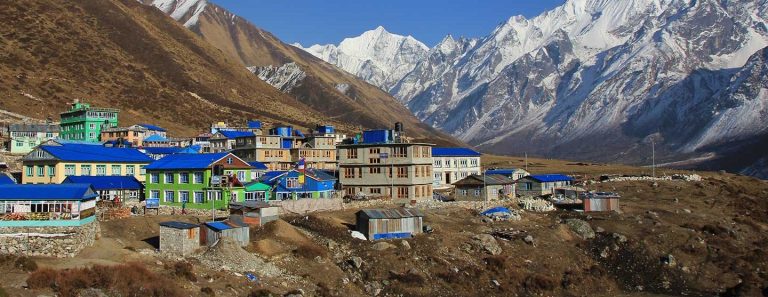
 Best Time to Trek Langtang Valley: Month by Month
Langtang is close to Kathmandu and good for much of the year, but the season changes everything from the views…
 Annapurna Region
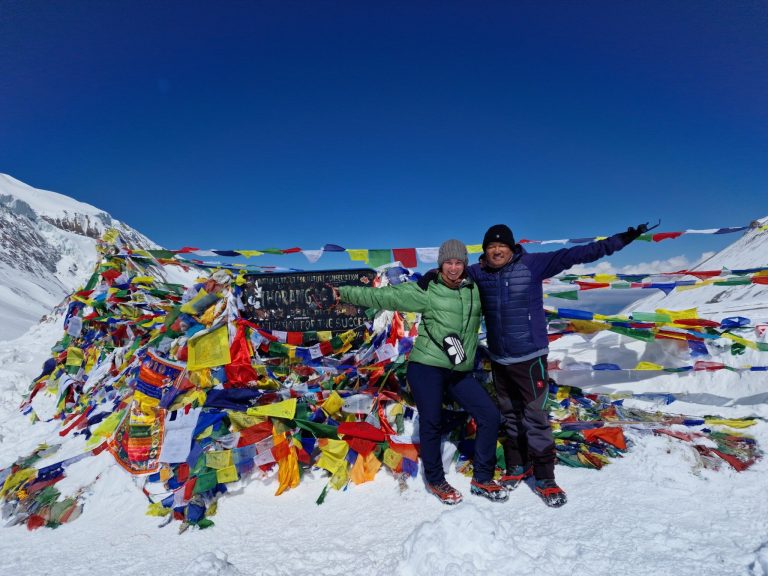
 Thorong La Pass: A Guide to the Big Day on the Annapurna Circuit
Thorong La at 5,416m is the highest point of the Annapurna Circuit. Here’s what crossing day is really like, from…
 Everest Region
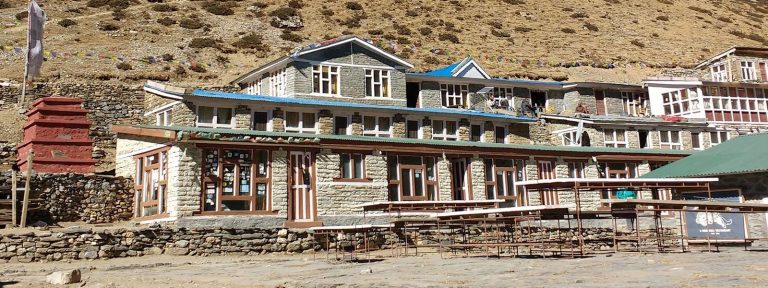
 Annapurna Circuit Teahouses: What the Rooms Are Really Like
Teahouses on the Annapurna Circuit range from comfortable lodges in Manang to bare rooms at Thorong Phedi. Here’s what to…