

Kathmandu Cultural Tour
●●●●● 4.9 · 60+ TripAdvisor reviewsSix days in Kathmandu Valley at all seven UNESCO World Heritage sites. Old royal squares, Hindu temples and Buddhist stupas, a night on the valley rim at Nagarkot and an easy walk down through villages to Changunarayan.
Friends paying separately still get the group price.
On the Trip
What It Really Looks Like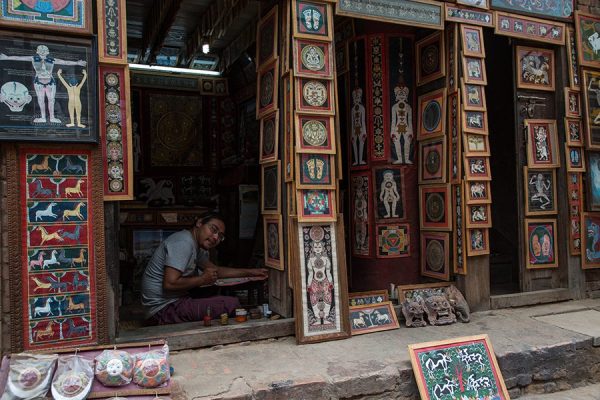
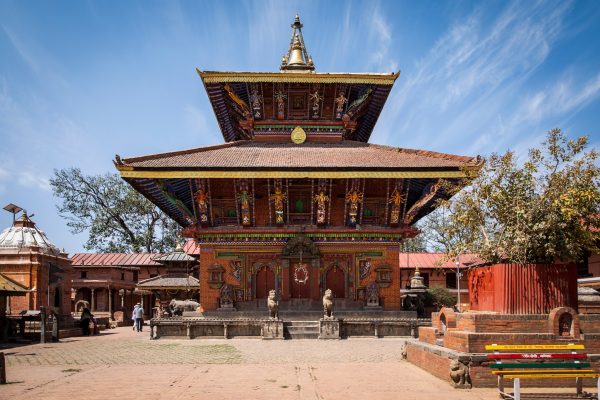
Kathmandu Cultural Tour: What to Expect
Every World Heritage monument zone in Kathmandu Valley in one easy week
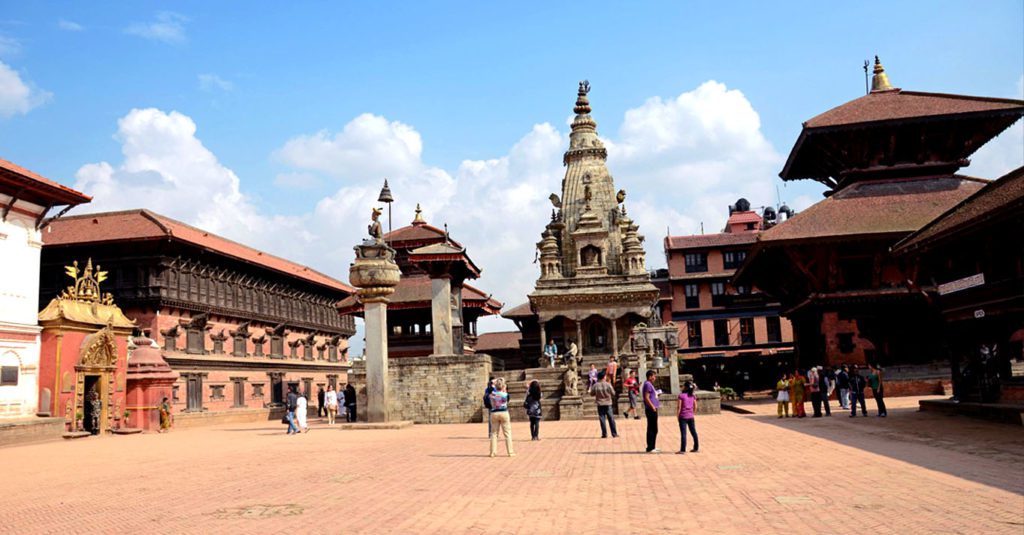
The old palace squares of Kathmandu, Patan and Bhaktapur, each with its own character
The Himalaya from the valley rim, with Everest on the skyline on a clear morning
An easy 3 hour walk downhill through villages and terraces to one of the oldest temple sites in the valley
This 6 day Kathmandu cultural tour covers every UNESCO World Heritage site in the valley at an easy pace. You see the old royal squares of Kathmandu, Patan and Bhaktapur. You visit the great stupas of Swayambhunath and Boudhanath and the Hindu temple of Pashupatinath on the Bagmati River. Then you spend a night on the valley rim at Nagarkot for sunrise over the Himalaya and walk down through villages to Changunarayan.
There is no trekking and no long drives. Most sites are under an hour from your hotel. The walk from Nagarkot to Changunarayan takes about three hours and is mostly downhill on village paths. If you would rather not walk, the car takes you instead. This trip suits first time visitors, families and anyone who wants to really know the valley before a trek.
Your licensed guide is with you every day and explains what you are looking at. We book the hotels and entry tickets before you land. We have run private tours here since 2016 and know which temples to visit early before the crowds come.
What you will see and do:
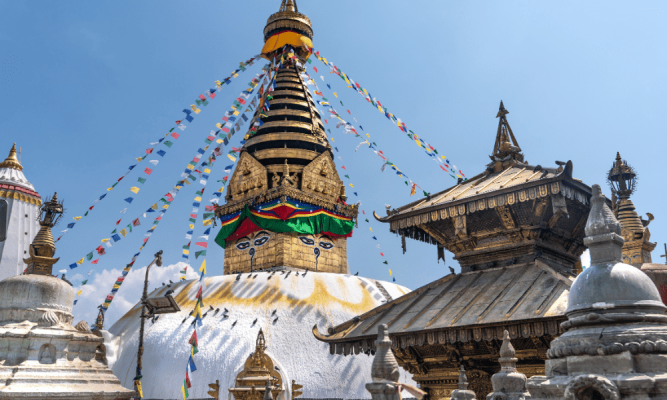
- Swayambhunath stupa on its hill above the city
- Kathmandu Durbar Square and the busy old market streets of Asan
- Patan Durbar Square and the Patan Museum
- A visit to a Patan craft workshop where metal and wood are still worked by hand
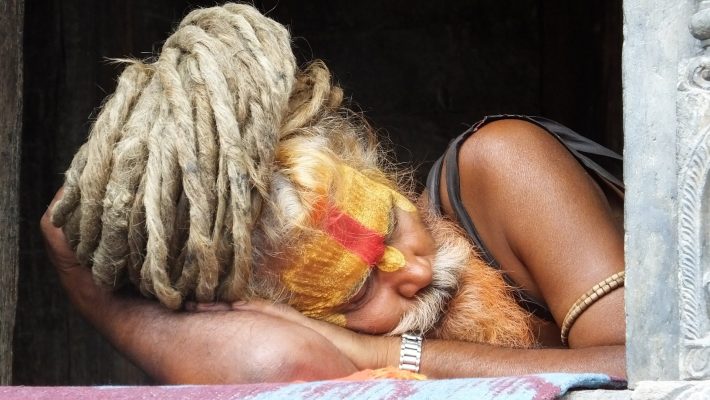
- Pashupatinath on the Bagmati River, the holiest Hindu temple in Nepal
- Boudhanath at dusk when locals walk around the great stupa
- Bhaktapur, its pottery square and juju dhau, the local yogurt
- Sunset and sunrise over the Himalaya from Nagarkot
- An easy walk down to Changunarayan, one of the oldest temple sites in the valley
Want to see more of Nepal? The Kathmandu and Pokhara Tour adds the lakes and mountains of Pokhara in 7 days. The Nepal Highlights Tour covers all 7 valley sites plus Chitwan, Lumbini and Pokhara in 14 days.
Day-by-Day Itinerary
Arrive in Kathmandu
Your guide meets you at the airport and drives you to your hotel in Thamel. The rest of the day is yours to rest or walk the lanes nearby. In the evening your guide goes through the plan for the week and answers your questions.

Swayambhunath, Kathmandu Durbar Square and Asan
Start early at Swayambhunath on its hill above the city, where monkeys play on the steps and prayer flags cover the slopes. Then head into the old city to Kathmandu Durbar Square and the palace courtyards. In the afternoon walk back through Asan, the busy market streets where locals still shop for spices, brass and cloth.
Patan, Pashupatinath and Boudhanath
Spend the morning in Patan, the city of fine crafts. Walk the Durbar Square and visit the Patan Museum, then see a workshop where metal statues are still made by hand. After lunch visit Pashupatinath on the Bagmati River. End the day at Boudhanath as the light fades and locals walk around the stupa.

Bhaktapur and Drive to Nagarkot
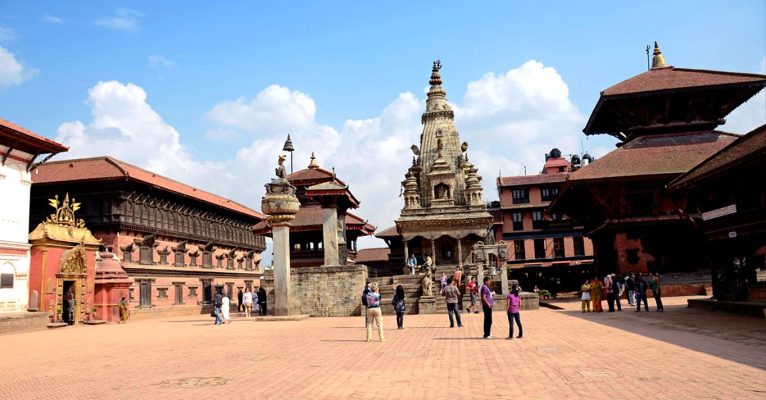
Drive east to Bhaktapur, the best kept of the three royal cities. Walk its brick squares and see the tall Nyatapola temple. Watch potters at work in the pottery square and try juju dhau, the local yogurt. In the afternoon drive up to Nagarkot on the valley rim in time for sunset over the hills.
Nagarkot Sunrise and Walk to Changunarayan
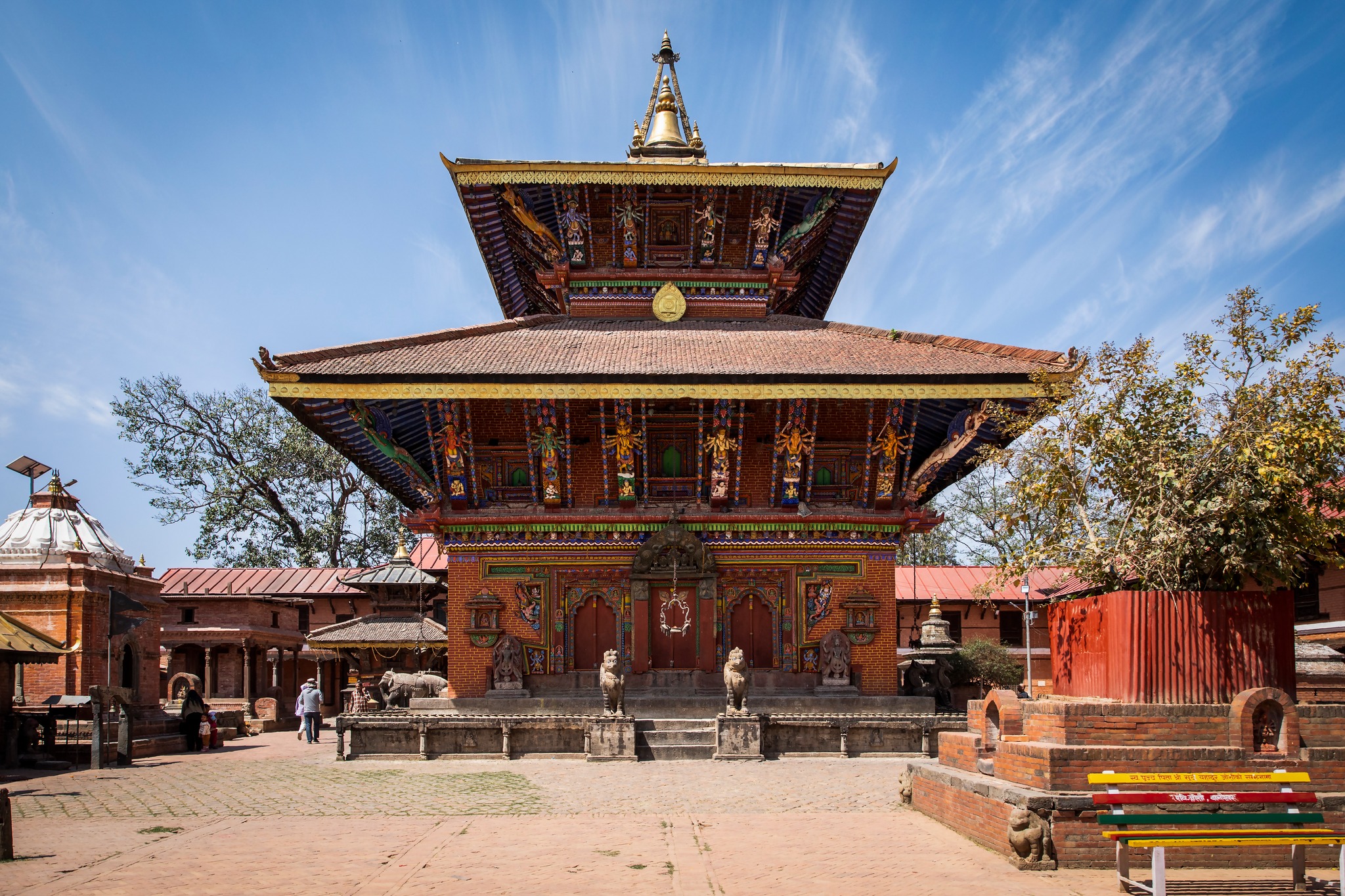
Wake for sunrise over the Himalaya. On a clear morning you can pick out Everest far to the east. After breakfast walk down through pine forest, villages and terraced fields to Changunarayan. Its stone carvings are some of the oldest in Nepal. Drive back to Kathmandu in the afternoon for a farewell dinner with a cultural show.
Departure.
Breakfast at your hotel in Thamel, then a private transfer to Tribhuvan International Airport. Your guide sees you off at departures.
3D Route Map
Includes & Excludes
-
Private airport transfers on arrival and departure Return pick-up and drop-off in a private vehicle
-
5 nights accommodation with daily breakfast 4 nights 3-star hotel in Thamel, 1 night standard hotel in Nagarkot. Twin sharing throughout
-
Private vehicle and driver for all sightseeing and transfers throughout All transport between sites and to Nagarkot included
-
Government-licensed cultural guide throughout all 6 days Licensed by Nepal Tourism Board, present at every site
-
All 7 UNESCO World Heritage Site entrance fees Kathmandu Durbar Square, Patan Durbar Square, Bhaktapur Durbar Square, Swayambhunath, Boudhanath, Pashupatinath, and Changunarayan
-
Patan craft workshop visit A metalwork workshop in Patan where statues are still made by hand
-
Guided walk from Nagarkot to Changunarayan About 3 hours, mostly downhill. Your car meets you at the end
-
Farewell dinner in Kathmandu on Day 5 Traditional Nepali dinner with cultural performance
-
All government taxes and official expenses
-
International flights
-
Nepal visa fee USD 30 for 15 days, USD 50 for 30 days, payable on arrival at Tribhuvan Airport
-
Lunches and dinners throughout Except farewell dinner on Day 5. Budget $8 to $15 per person per meal in Thamel and Nagarkot
-
Personal travel insurance Required. Policy should cover medical treatment and emergency evacuation
-
Tips for guide and driver Entirely at your discretion
-
Personal expenses Souvenirs, additional meals, drinks, shopping
-
Single room supplement Available on request
Add to Your Trip
We Handle the Details
FreeWhere You'll Sleep & What You'll Eat
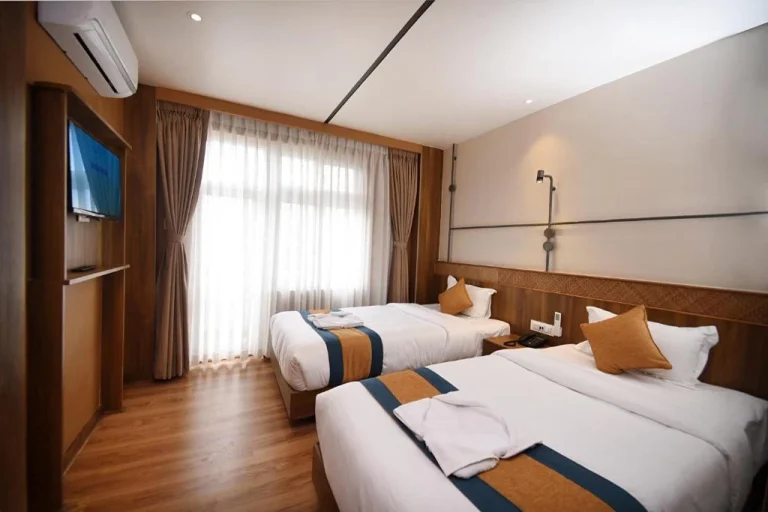
In Kathmandu you stay 4 nights at a 3-star hotel in Thamel. Rooms have a private bathroom, air conditioning and WiFi. Thamel is close to the old city and has plenty of places to eat. Your guide drives you to the heritage sites each day.
Nagarkot is 1 night at a hotel on the valley rim chosen for its sunrise view. The rooms are simple and comfortable but the view is the reason you are there. It gets cold at night from November to February so the hotel gives you extra blankets.
All rooms are twin sharing. A single room is available on request at extra cost. Ask us if you want a 4 or 5 star hotel in Kathmandu.
Breakfast is included every day. On Day 5 we host a farewell dinner with Nepali food and a cultural show.
Other lunches and dinners are up to you. Thamel has food from all over the world. Your guide will also take you to local places for momos, Newari snacks and juju dhau in Bhaktapur. In Nagarkot most guests eat dinner at the hotel.
| Lunch in Kathmandu or Bhaktapur | $6 to $12 per person |
| Dinner in Thamel | $8 to $15 per person |
| Dinner at your Nagarkot hotel | $8 to $12 per person |
| Coffee and snacks | $2 to $5 per day |
| Juju dhau in Bhaktapur | About $1 a bowl |
| Shopping in Thamel | Budget as needed |
| Everest Mountain Flight (optional) | From $260 per person |
What Our Trekkers Say
“A great introduction to Kathmandu”
With only a couple of days in Kathmandu before our trek, this tour was a perfect introduction. We visited incredible temples and heritage sites and learned far more about the valley's history and culture than we would have on our own. Our guide was knowledgeable without overwhelming us with information,…
“Fascinating and very well organized”
Travelling as a group of four, we all really enjoyed the cultural tour. The sites were amazing, but having a local guide explain the stories and traditions behind them made it much more interesting. Everything was well planned and we never felt rushed, MountainKick were very helpful and professional throughout.
“A wonderful way to see the Kathmandu Valley”
We booked the tour as a family and it was one of the highlights of our time in Nepal. We saw beautiful places and came away with a much better understanding of Kathmandu's history and culture. The guide was friendly, patient with our questions, and easy to spend the day…
Frequently Asked Questions
Does this tour cover all 7 UNESCO World Heritage Sites in the Kathmandu Valley?
Yes. The itinerary includes all seven: Kathmandu Durbar Square, Patan Durbar Square, Bhaktapur Durbar Square, Swayambhunath, Boudhanath, Pashupatinath, and Changunarayan. Most Kathmandu day tours cover five of the seven and skip Changunarayan entirely. This tour gives every site proper time and adds a full day in Bhaktapur’s medieval streets and a night at Nagarkot for the Himalayan sunrise.
How is this different from the Kathmandu and Pokhara Tour?
This tour stays in Kathmandu Valley for 6 days and covers all seven UNESCO sites, with a night at Nagarkot. The Kathmandu and Pokhara Tour spends one day on the main Kathmandu sites and then three nights in Pokhara by the lake. Pick this one if you love temples and old towns. Pick Pokhara if you want mountains and lakes too.
Will I see Everest from Nagarkot?
Changunarayan is a hilltop Hindu temple north of Bhaktapur dedicated to Vishnu. The temple you see today was rebuilt in 1702 but the site is far older. Its stone carvings and a pillar inscription from the 5th century are among the oldest in Nepal. It is quiet compared to the city sites and the walk down to it from Nagarkot is one of the best parts of the trip.
What is Changunarayan and why is it worth visiting?
Changunarayan is Nepal’s oldest Hindu temple, situated on a hilltop ridge east of Bhaktapur. The stone carvings here date from the Licchavi period, roughly the 4th to 9th centuries, and include the oldest inscription found anywhere in Nepal. It is a UNESCO World Heritage Site that most visitors to the Kathmandu Valley never reach because it sits off the main tourist circuit. Your guide covers the iconography and historical significance of each carving in context.
What is the best time to do this tour?
October and November are the best months. The monsoon has cleared, mountain views at Nagarkot are at their sharpest, and the valley is in peak festival season with Dashain and Tihar both falling in this window. March and April are a close second with comfortable spring temperatures and clear skies. December and January are good for sightseeing but cold before dawn at Nagarkot. June to September is monsoon season and Nagarkot views are frequently lost for days at a time.
Is this a private or group tour?
Fully private. You travel with your own guide and vehicle throughout all 6 days. No other travellers join your group at any point. Departure dates are flexible and set around your arrival in Kathmandu.
What meals are included?
Daily breakfast at your hotel throughout the tour, plus a traditional Nepali farewell dinner with cultural performance on the evening of Day 5. All other lunches and dinners are at your own expense. Thamel has restaurants covering every cuisine and budget. Budget $8 to $15 per person for dinner.
Are entrance fees included?
Yes. All entrance fees to the seven UNESCO World Heritage Sites on the itinerary are included in the tour price. No separate payments are needed at any heritage site.
What fitness level is required?
Only normal walking. Most days are spent on temple squares and old town streets. The 365 steps up to Swayambhunath are the steepest part and you can take them at your own pace. The walk from Nagarkot to Changunarayan is about 3 hours and mostly downhill. If you would rather not walk, the car takes you instead.
What is the walk from Nagarkot to Changunarayan like?
It is an easy walk of about 3 hours on village paths and quiet roads. You leave Nagarkot after breakfast and head down along the ridge through pine forest, small farms and terraced fields. There are good views back to the valley and chances to stop for tea. Your car meets you at Changunarayan and drives you back to Kathmandu.
Can I add Pokhara or Chitwan to this tour?
Yes. The easiest add-on is 3 nights in Pokhara for the Sarangkot sunrise and Phewa Lake. You can also add the Chitwan National Park Safari for a jeep safari and canoe ride. Tell us when you book and we will plan the extra days around this tour.
Can I customise the itinerary?
Yes. If you want to spend more time at a specific site, adjust the day order, or add an extra stop, tell us when you book. Private tours exist specifically so we can adapt around what you want. Kumar replies personally within a few hours.
Departure Dates & Pricing
No upcoming fixed departures are scheduled at the moment. Contact us to arrange a private departure on dates that suit you.
Your dates, your group, your way
Same route and guides, just your group. Tell us when you'd like to go and how many of you there are, and we'll send you a day by day plan with a price.
- Nothing to pay now
- Plan and price by email
- Confirm with a 20% deposit
"*" indicates required fields
Rather chat? Message us on WhatsApp
-
1
20% deposit: due on booking Secures your place on the departure. The deposit is non-refundable. We also need a copy of your passport.
-
2
80% balance: due on arrival Pay the rest in Kathmandu before the trip starts. Bank transfer, cash, or card (4% card fee).
| Cancel before you arrive | Deposit not refunded, nothing more to pay |
| Cancel after the pre-trip meeting | No refund |
| Date or name change | USD 200 per person |
| MountainKick cancels trip | Full refund or reschedule |
Weather delays and extra days cost extra, so travel insurance is required. We give you documents for any claim.
Read the full terms and conditionsPacking List
Documents
ⓘ Bring USD cash for the visa fee. Cards are not accepted at the visa on arrival counter at Tribhuvan Airport.
Clothing
ⓘ Temples and religious sites require covered shoulders and knees. Bring a light scarf or shawl if your travel clothing is casual. Pack a warm layer specifically for the pre-dawn Nagarkot sunrise on Day 5.
Personal Items
ⓘ Sunscreen is available in Thamel but bring your own to save time on Day 1. A light scarf doubles as sun protection and temple cover.
Electronics
ⓘ Nepal uses Type C, D, and M plug sockets. Bring a universal adapter if your devices use a different plug type.
Money
ⓘ ATMs in Thamel are reliable and easy to find. Withdraw sufficient cash for the Nagarkot night as the hotel and surrounding area have limited card facilities.
Travelling in Winter (Dec to Feb)
Travelling in Monsoon (Jun to Aug)
⚠ Monsoon months from June to September are workable for the cultural sites but Nagarkot mountain views are largely lost. The heritage sites in Kathmandu, Patan, and Bhaktapur are unaffected by rain and can actually be quieter and greener during monsoon. If the Nagarkot Everest sunrise is important to you, October to April is the better window.
Leave at home
-
Large wheeled suitcase You move hotels once during the trip. A soft bag or carry-on is easier but a wheeled suitcase is manageable if that is what you have
-
Trekking boots or heavy hiking boots Not needed on this tour. Comfortable walking shoes or trainers are sufficient for all sites
-
Sleeping bag All accommodation includes beds with bedding. Not required
-
Hiking poles No terrain on this tour requires them
-
Excessive camera gear One camera and one lens is enough. Large tripods and heavy equipment are impractical in crowded temple courtyards
Nothing on this tour requires rental equipment. If you want to add an Everest Mountain Flight on Day 1 or Day 6, all equipment is provided by the operator. Your guide can arrange the booking on arrival.
Kathmandu Cultural Tour
Talk to Kumar and the team before you commit. Ask about pace, hotels, a private group or adding extra days.
Tales from the Himalayas
 Travel
 Best Time to Trek Langtang Valley: Month by Month
Langtang is close to Kathmandu and good for much of the year, but the season changes everything from the views…
 Annapurna Region
 Thorong La Pass: A Guide to the Big Day on the Annapurna Circuit
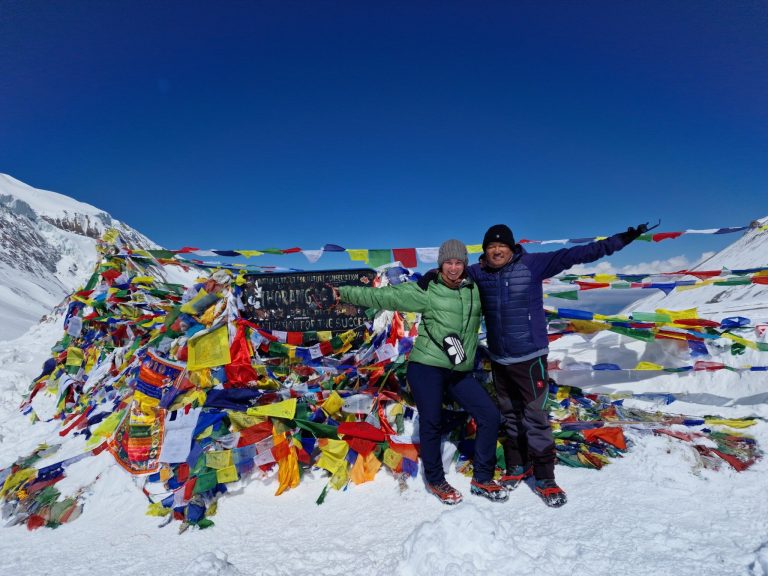
Thorong La at 5,416m is the highest point of the Annapurna Circuit. Here’s what crossing day is really like, from…
 Everest Region
 Annapurna Circuit Teahouses: What the Rooms Are Really Like
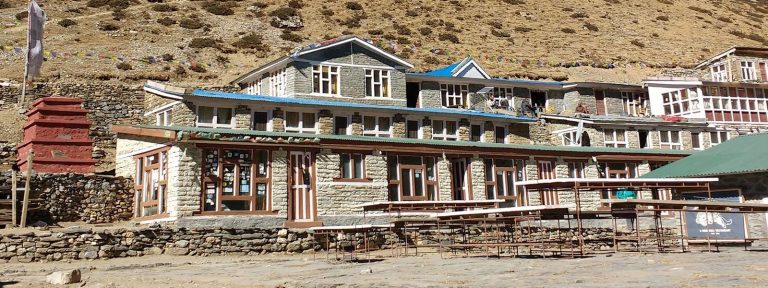
Teahouses on the Annapurna Circuit range from comfortable lodges in Manang to bare rooms at Thorong Phedi. Here’s what to…