

Nepal Trekking, Rafting and Safari
Nineteen days combining Trishuli River rafting, three days in Pokhara, a four-day Poon Hill trek to 3,210m, Lumbini, Chitwan wildlife safari, and Kathmandu UNESCO sites.
On The Trail
What It Really Looks Like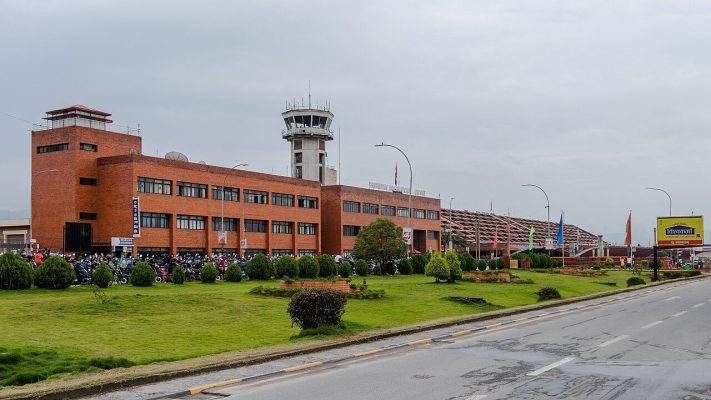

Nepal Trekking, Rafting and Safari: What to Expect
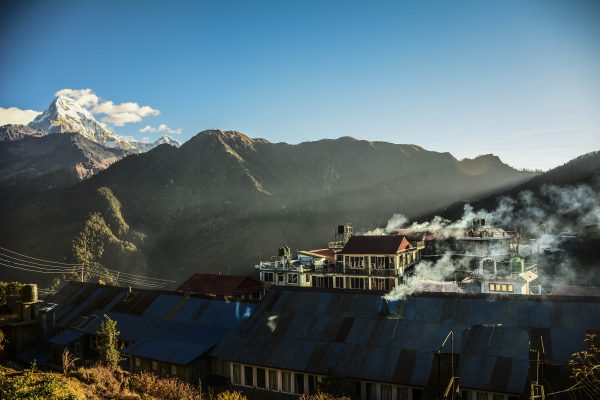
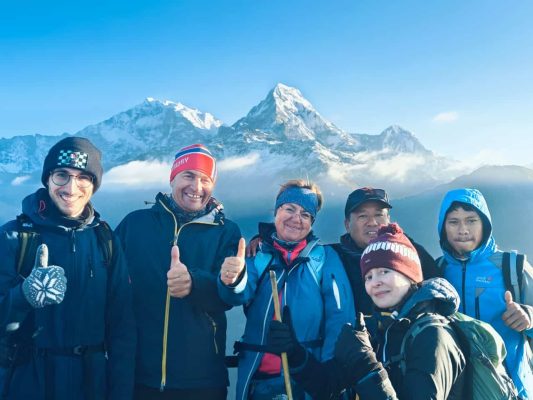
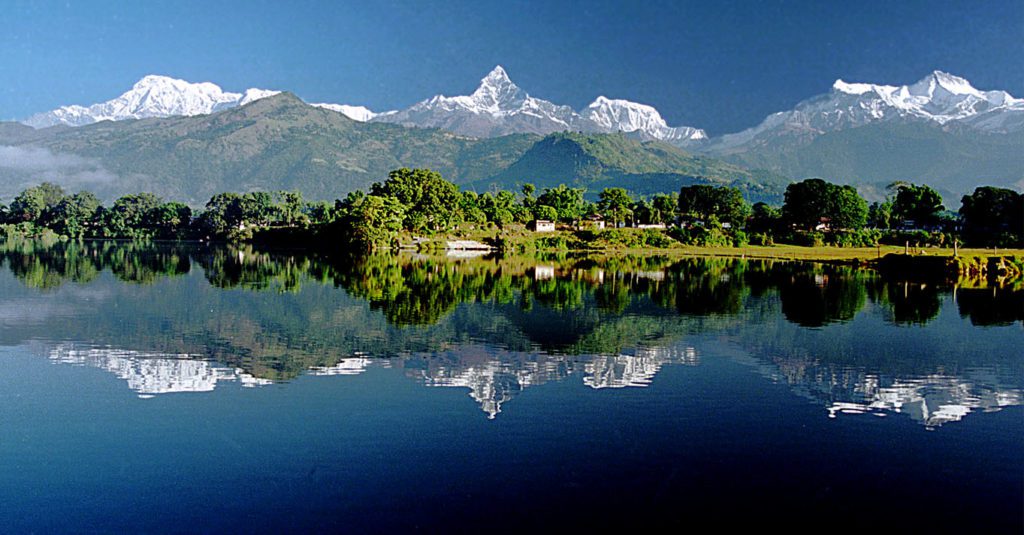
Full Annapurna and Dhaulagiri panorama at dawn after four days trekking through the foothills
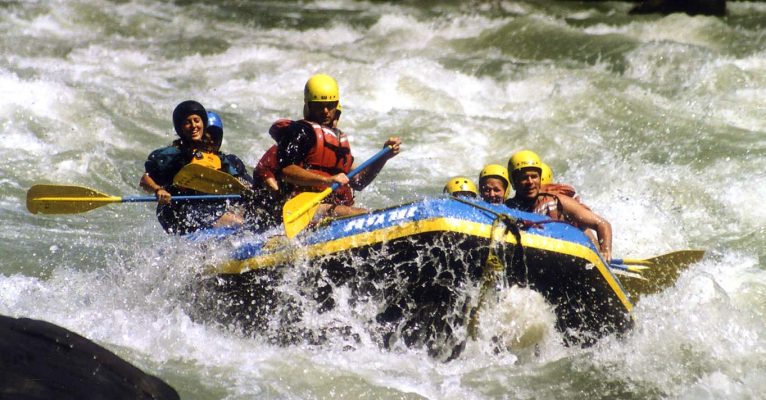
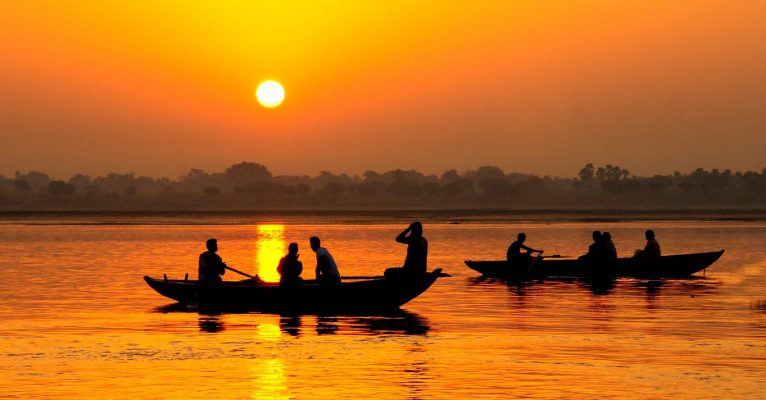
Two days on Grade 2 and 3 rapids with an overnight riverside camp. Only trip in the portfolio with rafting included
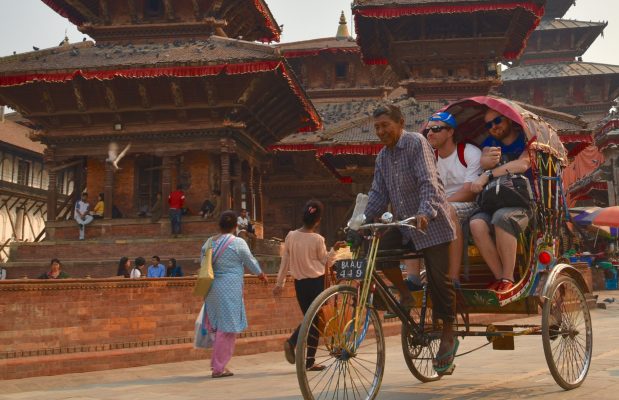
Heritage sightseeing, rafting, trekking, pilgrimage, and wildlife safari across 19 days
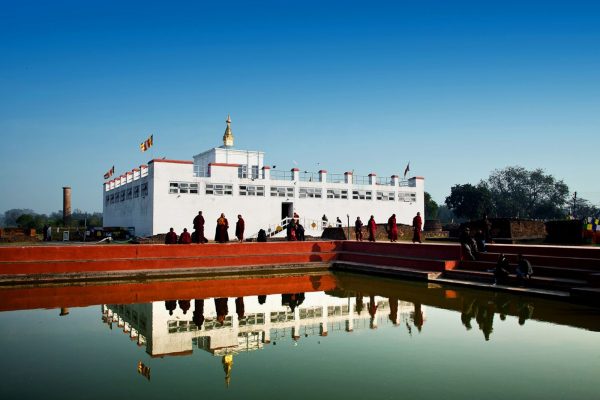
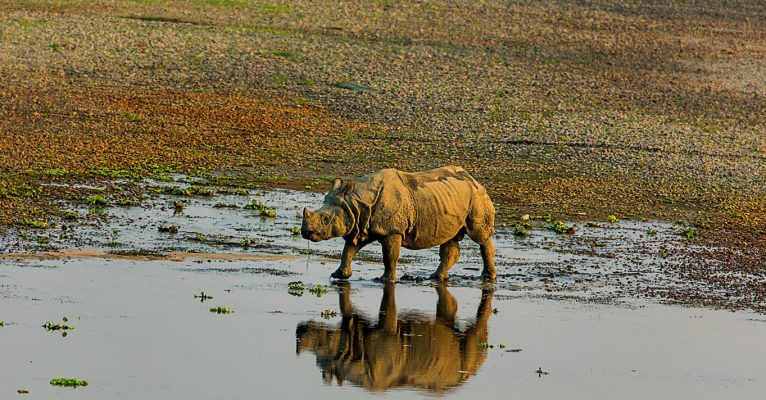
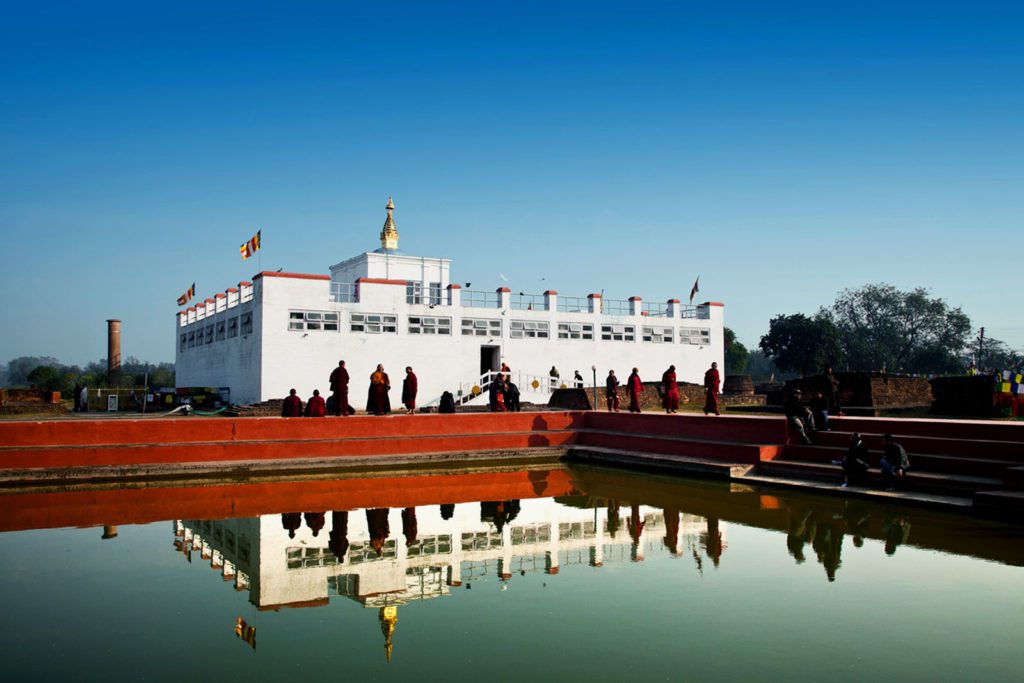
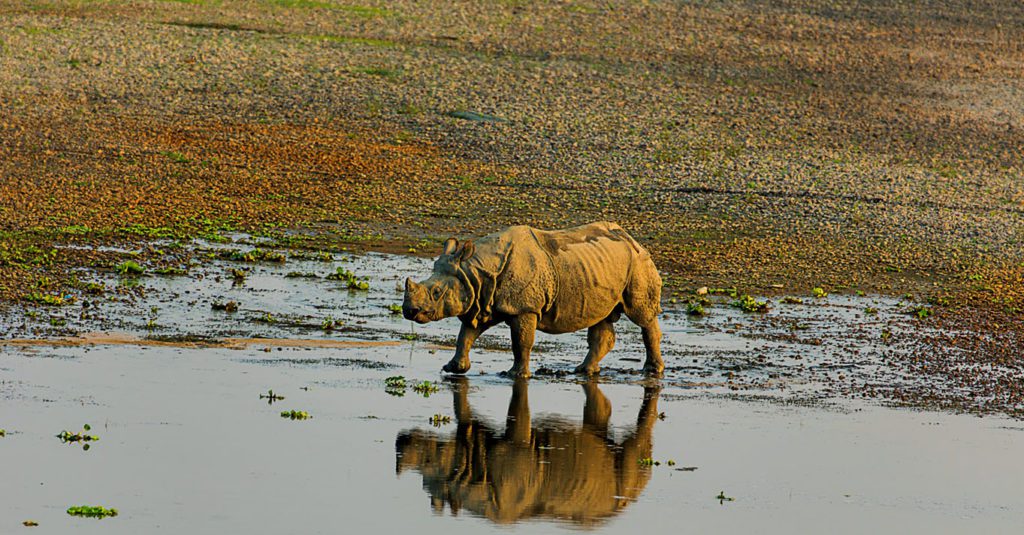
One-horned rhino jeep safari and Buddha's birthplace on the same itinerary
This is a 19-day private trip covering five experiences in sequence: Kathmandu heritage sightseeing and Nagarkot sunrise, two days of Trishuli River rafting with overnight riverside camp, three days in Pokhara with Sarangkot sunrise, the four-day Poon Hill trek to 3,210m, then Lumbini, Chitwan wildlife safari, and a final Kathmandu day. It is the longest trip in the portfolio and the only one that includes rafting.
The trek is the hardest section. The climbs to Ulleri and Ghorepani are steep with long stone step sections. You need to be comfortable walking 5 to 6 hours on consecutive days. The rafting requires no experience. Everything else is vehicle travel and gentle walking.
MountainKick runs this fully private with a licensed guide throughout. All meals included on trek days, rafting days, and at the Chitwan jungle resort.
What you will see and do:
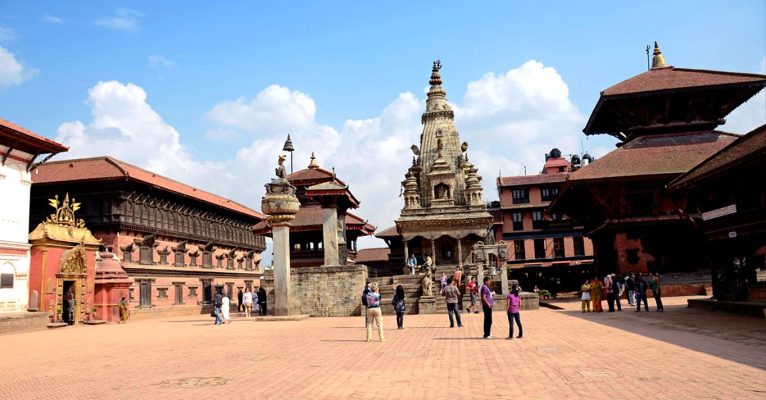
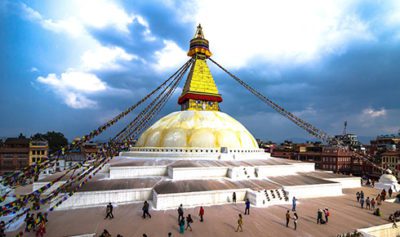
- Pashupatinath, Boudhanath, Changunarayan, and Bhaktapur covered by private vehicle with licensed guide
- Nagarkot sunrise at 2,175m with the full Himalayan arc from Annapurna to Kanchenjunga
- Two days Trishuli River rafting, Grade 2 and 3 rapids, overnight riverside camp included
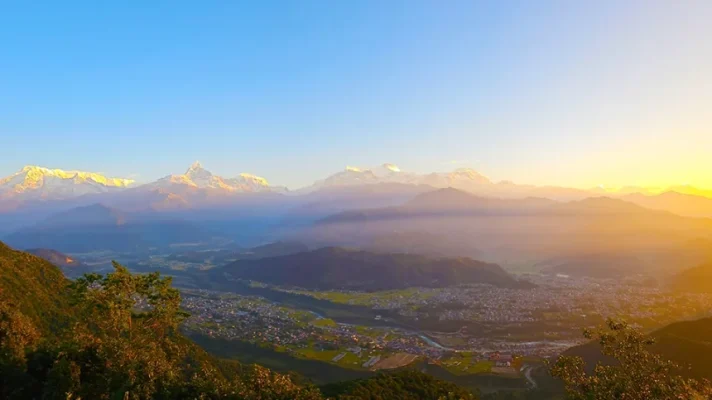
- Sarangkot sunrise at 1,592m above Pokhara with the full Annapurna massif directly ahead
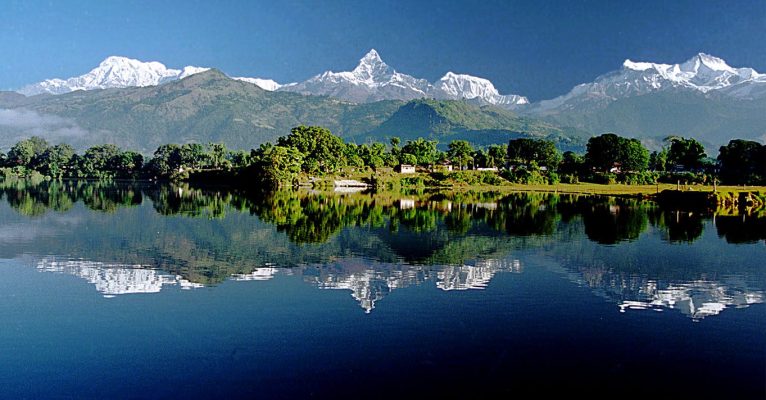
- World Peace Pagoda, Phewa Lake, Tibetan camp, and Pokhara city sightseeing
- Four-day Poon Hill trek through rhododendron forest via Ulleri, Ghorepani, Tadhapani, and Ghandruk
- Poon Hill summit at 3,210m at sunrise with Annapurna I, Dhaulagiri, Machhapuchhre, and Manaslu all visible
- Lumbini Sacred Garden, Maya Devi Temple, and Ashoka Pillar from 249 BC
- Chitwan jeep safari, Rapti River canoe, and Tharu cultural show
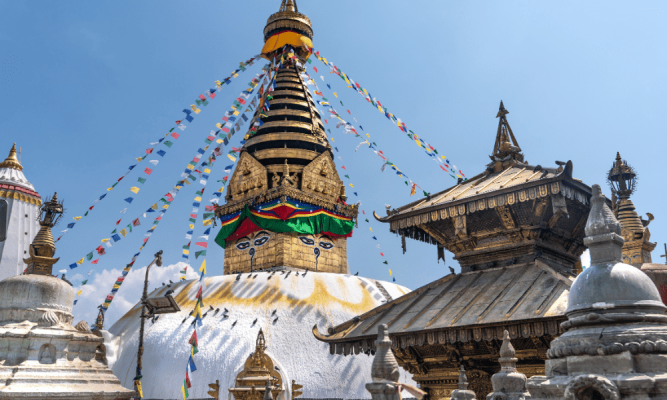
- Patan Durbar Square and Swayambhunath on the final Kathmandu day
For a shorter version without rafting, the Nepal Heritage and Poon Hill Trek covers the same cultural circuit in 15 days.
Day-by-Day Itinerary
Arrival in Kathmandu
Your guide meets you at Tribhuvan International Airport and transfers you to your hotel in Thamel. The rest of the day is free to settle in. Your guide runs through the full 19-day itinerary in the evening.

Kathmandu Heritage Sites and Drive to Nagarkot
Morning at Pashupatinath on the Bagmati River, then Boudhanath Stupa at the kora path where butter lamps come on at dusk. Drive up to Nagarkot in the evening for the Everest sunrise tomorrow.
Nagarkot Sunrise, Changunarayan, and Bhaktapur
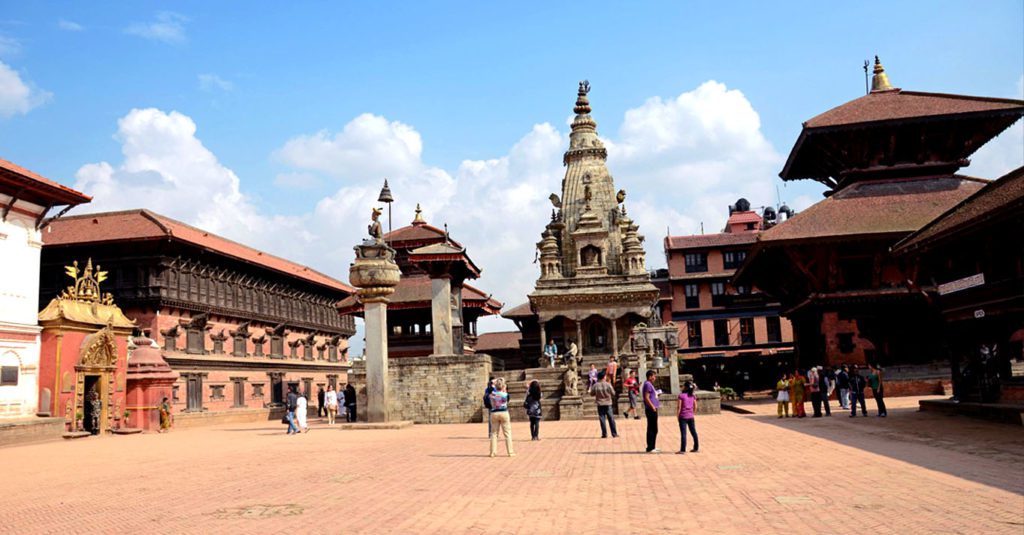
Pre-dawn for the Nagarkot sunrise with the full Himalayan arc from Annapurna to Kanchenjunga. After breakfast drive to Changunarayan, Nepal’s oldest Hindu temple with 4th-century stone carvings, then Bhaktapur Durbar Square where Newari architecture has survived largely intact since the 15th century.
Drive to Trishuli River and Rafting Begins
Three-hour drive to Charaundi where the rafting section begins. Safety briefing from your professional guides then a full day on the Trishuli through Grade 2 and 3 rapids. Camp overnight on the riverbank with dinner prepared by the camp crew and a fire under the Himalayan sky.

Final Rafting and Drive to Pokhara
Final morning on the Trishuli through the remaining rapids to Kurintar. Pack up camp and load into the vehicle for the four-hour drive to Pokhara. Arrive at the lakeside in the evening with Phewa Lake and the Annapurna range directly ahead.

Pokhara City Sightseeing
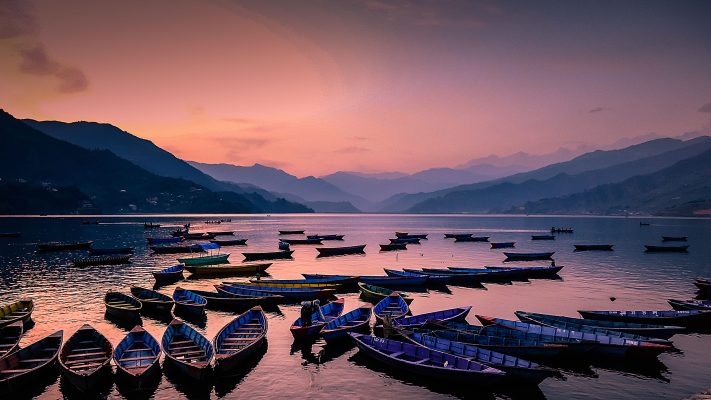
Full day through Pokhara’s main sites. Bindabashani Temple and Old Pokhara City in the morning, then the Seti River Gorge slot canyon visible from street-level bridges. Afternoon boat ride on Phewa Lake to Tal Barahi Temple on the island. Slow evening on the lakeside strip with the Annapurna range across the water.
World Peace Pagoda, Tibetan Camp, and Caves
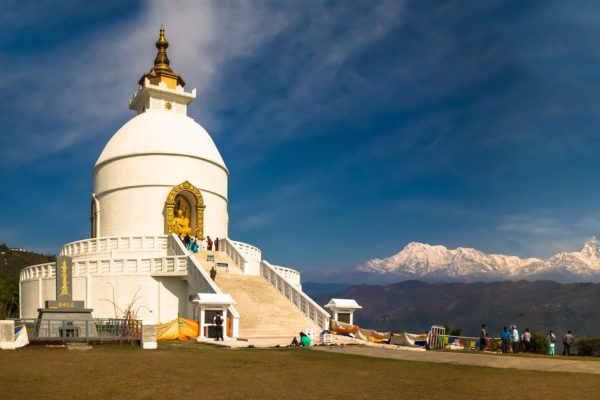
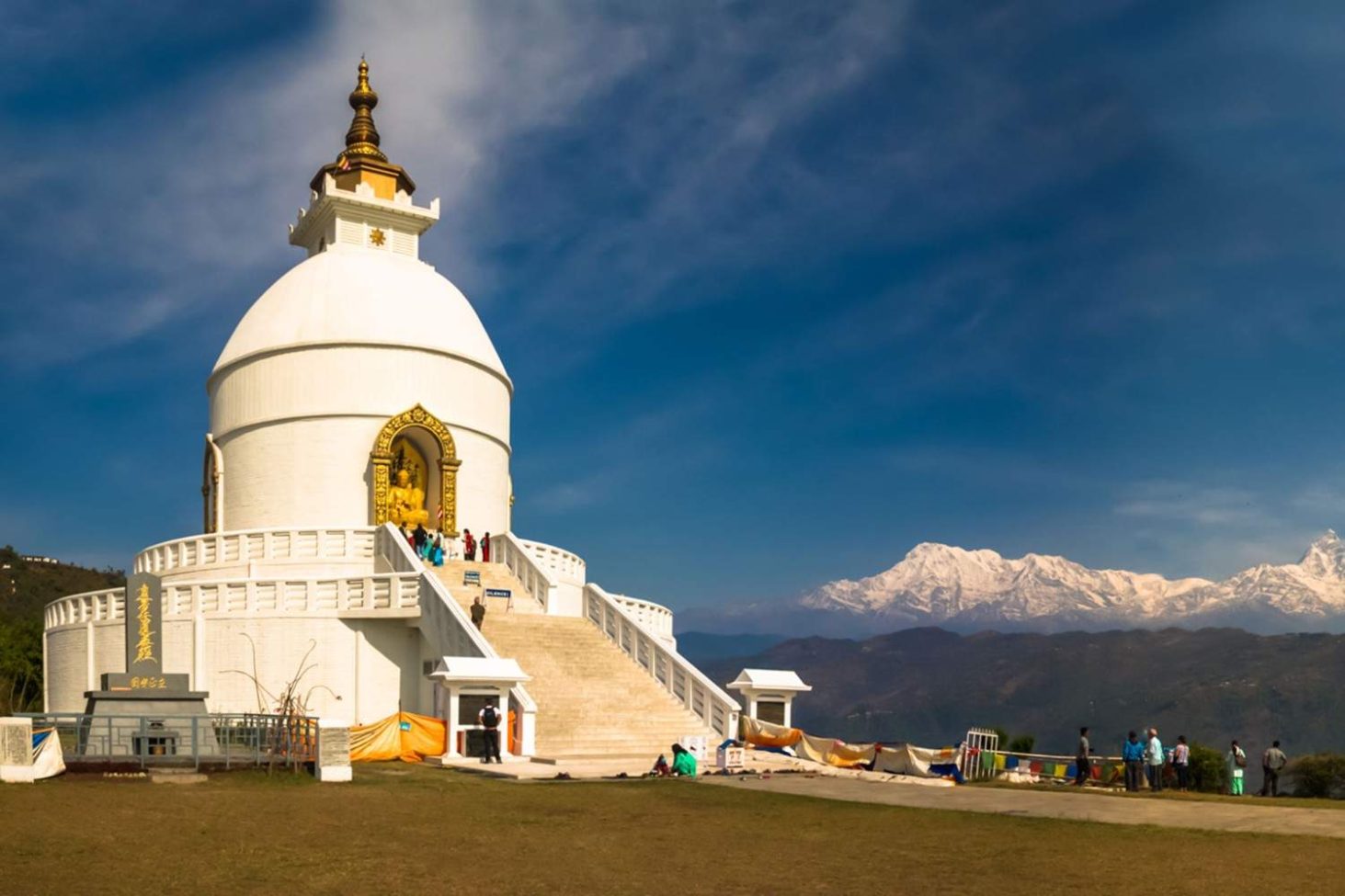
Morning at the World Peace Pagoda on the ridge above Phewa Lake with a full Annapurna panorama from Dhaulagiri to Manaslu. Tibetan Refugee Camp at Tashiling with working carpet and thangka workshops. Afternoon at Gupteshwor Cave and Devi’s Fall where the Pardi Khola drops into a subterranean channel.
Sarangkot Sunrise and Trek Preparation
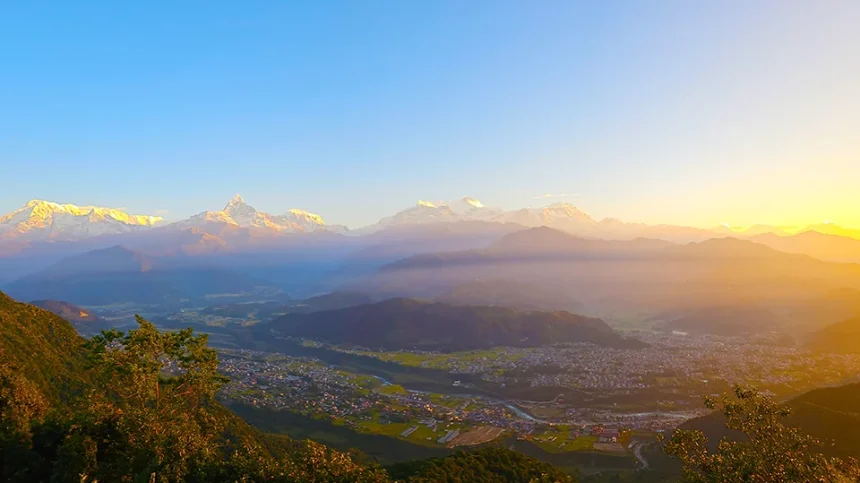
Early transfer to Sarangkot at 1,592m for one of Nepal’s best sunrises. The full Annapurna range from Dhaulagiri to Manaslu sits directly in front of you at dawn with Pokhara and Phewa Lake visible below. Return for breakfast then a rest day before the four-day trek begins tomorrow. Your guide checks your kit in the afternoon.
Drive to Nayapool and Trek to Ulleri
One-hour drive to Nayapool where the trail begins. The ascent to Ulleri follows a long staircase of hand-cut stone steps through terraced farmland and rhododendron forest. It is steep and sustained but well-maintained with tea stops along the way. Ulleri sits at 1,960m with open views back down the Modi Khola valley.

Trek to Ghorepani
Another long climb through rhododendron and oak forest to Ghorepani at 2,874m. The forest thickens as you gain elevation and in spring the rhododendrons bloom red along the entire route. Ghorepani is the staging post for Poon Hill. Arrive before dark, eat well, and sleep early. The alarm goes off before dawn tomorrow.

Poon Hill Sunrise and Trek to Tadhapani
Pre-dawn climb to Poon Hill at 3,210m. The full Annapurna range appears at sunrise: Annapurna I, Annapurna South, Machhapuchhre, Nilgiri, and Dhaulagiri simultaneously. Return to Ghorepani for breakfast then continue through rhododendron forest and open ridgelines to Tadhapani at 2,630m with mountain views throughout.

Trek to Ghandruk
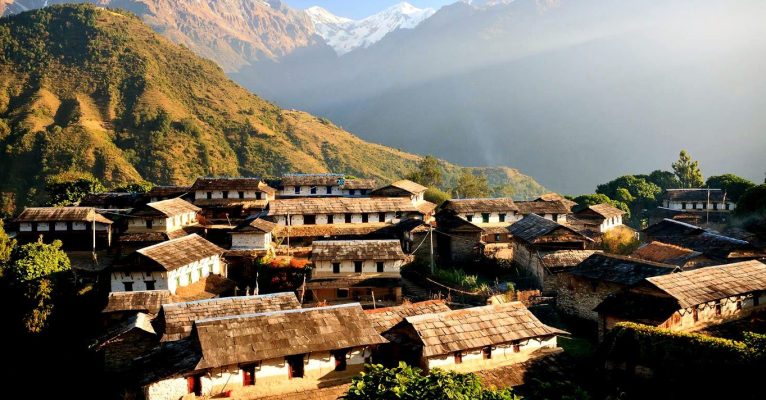
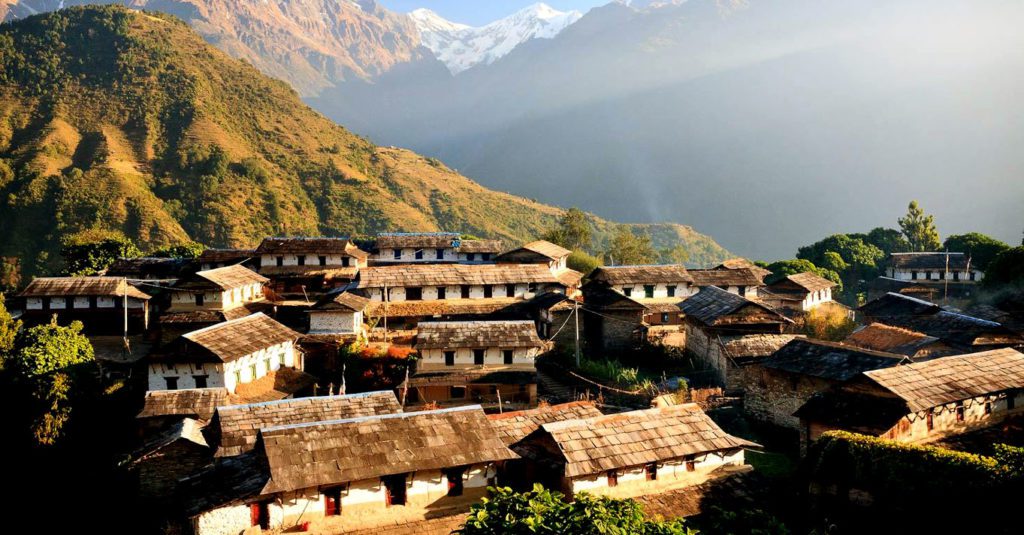
A welcome downhill day through forest to Ghandruk at 1,940m, one of the most welcoming Gurung villages in the Annapurna foothills. Annapurna South sits directly across the valley. Spend the afternoon at the Gurung Museum, the local monastery, and the village temple. The dal bhat from a family kitchen here is better than anywhere else on the trek.
Trek to Nayapool and Drive to Pokhara
Final descent through terraced farmland to Nayapool where the private vehicle picks you up. One-hour drive back to Pokhara arriving at the lakeside by early afternoon. The rest of the day is free for a slow lunch, a boat ride on Phewa Lake, or a spa session before the drive to Lumbini tomorrow.
Drive to Lumbini
Drive southwest along the Siddhartha Highway through the Terai lowlands to Lumbini. Arrive by early afternoon for a guided tour of the Sacred Garden: Maya Devi Temple at the exact birthplace of Siddhartha Gautama, the Ashoka Pillar from 249 BC, the eternal flame, and the international monastery zone.
Drive to Chitwan
Morning drive east from Lumbini through the Terai plains to Chitwan National Park. Arrive at your jungle resort in Sauraha by early afternoon. Naturalist guide briefing on wildlife and safari activities. Evening Tharu cultural dance show at the resort.
Chitwan National Park Full Day
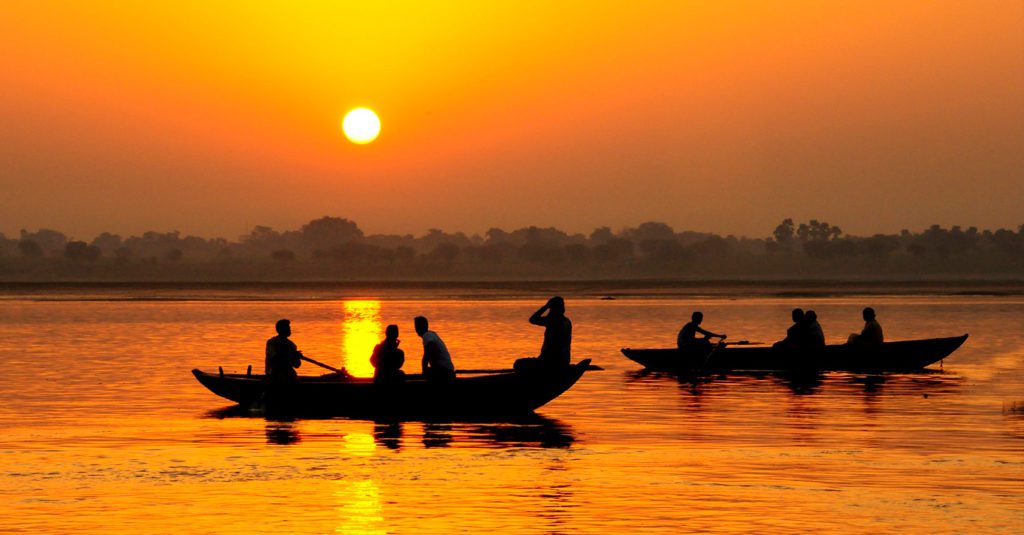
Early morning jeep safari through Chitwan National Park for one-horned rhino, Bengal tiger, leopard, and spotted deer. Mid-morning canoe ride on the Rapti River for gharial crocodile and waterbird sightings. Afternoon guided nature walk through the buffer zone with your naturalist. All meals at the resort throughout the day.
Drive Back to Kathmandu
Morning drive back to Kathmandu via Narayanghat and Muglin through the Terai plains and up into the Kathmandu Valley. Arrive in the evening with one full day in the capital still ahead.

Patan Durbar Square, Swayambhunath, and Farewell Dinner
Morning at Patan Durbar Square, the finest collection of Newari temple architecture in the valley with the Patan Museum inside the old palace. Afternoon at Swayambhunath hilltop stupa with panoramic Kathmandu Valley views. Traditional Nepali farewell dinner with cultural performance in the evening to close out 19 days.

Final Departure
Breakfast at your hotel in Thamel, then a private transfer to Tribhuvan International Airport. Your guide sees you off at departures.
3D Route Map
Includes & Excludes
-
Private airport transfers on arrival and departure Return pick-up and drop-off in a private vehicle
-
18 nights accommodation with daily breakfast 3-star hotels in Kathmandu, Nagarkot, Pokhara, and Lumbini. Riverside camp on Day 4. Mountain guesthouses on trek Days 9 to 12. Jungle resort in Chitwan on Days 15 and 16
-
All meals during the 4-day Poon Hill trek Breakfast, lunch, and dinner at guesthouses on Days 9, 10, 11, and 12
-
All meals during the 2-day Trishuli River rafting Breakfast, lunch, and dinner on Days 4 and 5
-
All meals at Chitwan jungle resort Breakfast, lunch, and dinner on Days 15 and 16
-
Farewell dinner in Kathmandu on Day 18 Traditional Nepali dinner with cultural performance
-
Private vehicle and driver for all inter-city transfers All road transfers throughout the 19 days
-
Government-licensed English-speaking guide throughout all 19 days Licensed by Nepal Tourism Board
-
Porter for the Poon Hill trek One porter per two travellers, 20kg load limit
-
Trishuli River rafting with professional guides Grade 2 and 3 rapids, helmets, life jackets, and all safety equipment included
-
Riverside camp on Day 4 Tents, sleeping equipment, and all meals provided by camp crew
-
Annapurna Conservation Area Permit and TIMS card Arranged by MountainKick before the trek begins
-
All UNESCO and heritage site entrance fees Pashupatinath, Boudhanath, Changunarayan, Bhaktapur, Patan, Swayambhunath, and Lumbini Sacred Garden
-
Chitwan National Park entrance fees and all activity fees Jeep safari, canoe ride, guided nature walk, and Tharu cultural show
-
Naturalist guide at Chitwan National Park Certified naturalist for all wildlife activities
-
Down jacket and sleeping bag for use during the trek Provided for the duration of the trek, returned on completion
-
Sarangkot sunrise excursion Early morning transfer included
-
Souvenir duffel bag Provided on arrival in Kathmandu
-
All government taxes and official expenses
-
International flights
-
Nepal visa fee USD 30 for 15 days, USD 50 for 30 days, payable on arrival at Tribhuvan Airport
-
Lunches and dinners in Kathmandu, Nagarkot, and Pokhara Budget $15 to $25 per day. All trek, rafting, and Chitwan meals are included
-
Beverages Bottled water, soft drinks, and alcohol throughout
-
Personal travel insurance Required. Must cover rafting, trekking to 3,210m, and emergency helicopter evacuation
-
Hot showers at trekking guesthouses Typically $2 to $5 per use at your own expense
-
WiFi at trekking guesthouses Typically $2 to $4 per day at your own expense
-
Tips for guide, porter, naturalist, and driver Entirely at your discretion
-
Personal expenses Souvenirs, additional meals, drinks, phone calls, laundry
-
Single room supplement Available on request at city hotels. Not always available at trekking guesthouses
-
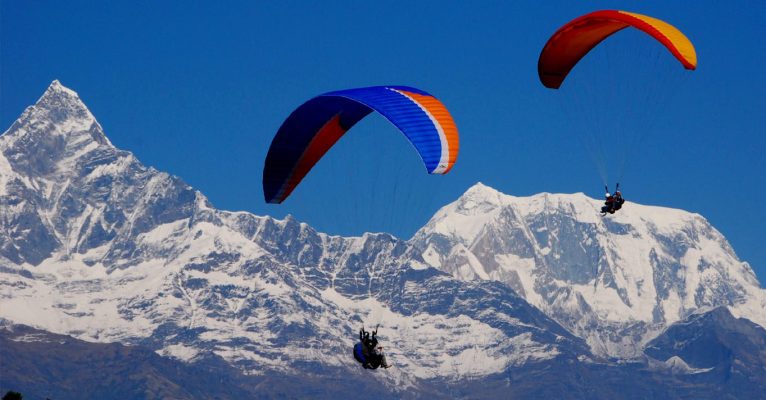
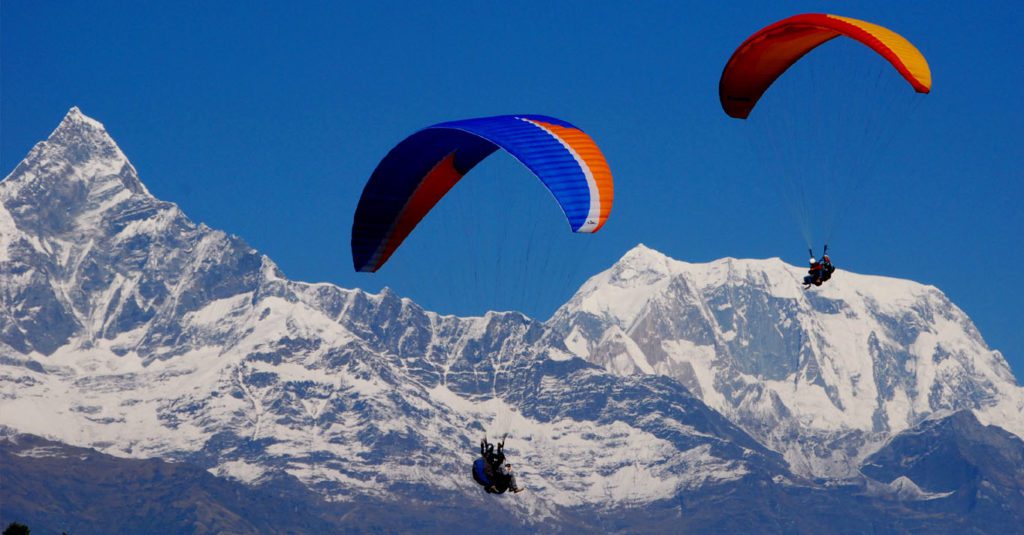
Optional activities Paragliding, microlight flight, and additional Pokhara excursions at extra cost
Enhance Your Trek
We Handle the Details — At No Extra Cost
Where You'll Sleep & What You'll Eat
Kathmandu and Nagarkot are 3-star hotels with private en-suite bathrooms, air conditioning, and WiFi. The Kathmandu hotel is in Thamel. Nagarkot is a hill station hotel at 2,175m chosen for its sunrise views rather than its amenities, which are comfortable but simpler than the city properties.
The Trishuli River overnight is a riverside camp with tents and sleeping equipment provided by the rafting crew. It is the most basic night of the trip and one of the best. Campfire dinner, river sounds, and stars above the gorge.
Pokhara is three nights at a 3-star lakeside hotel in the Baidam area with views of Phewa Lake or the Annapurna range. The location puts the Sarangkot departure point, World Peace Pagoda boat dock, and restaurant strip all within easy reach.
The four trek nights are at guesthouses in Ulleri, Ghorepani, Tadhapani, and Ghandruk. Rooms are twin sharing with basic facilities. Hot showers and WiFi are available at most stops at your own expense. All meals are included and served at the guesthouse restaurants. A down jacket and sleeping bag are provided for the trek.
Lumbini is one night at a 3-star hotel close to the Sacred Garden. Chitwan is two nights at a jungle resort in Sauraha with all meals included. Lodge-style rooms in a natural setting with your naturalist guide based on site.
Single supplement available on request at all city and town hotels. Trekking guesthouses and riverside camp cannot guarantee single occupancy.
Breakfast is included at all hotels throughout the trip. All meals are included on the four trek days, the two rafting days, and during the two nights at the Chitwan jungle resort. The farewell dinner in Kathmandu on Day 18 is also included.
Lunches and dinners in Kathmandu, Nagarkot, and Pokhara are at your own expense. Budget $15 to $25 per day in cities. Thamel and the Pokhara lakeside strip both have restaurants covering every cuisine and budget.
Guesthouse food on the trek is simple and filling. Dal bhat, noodle soup, fried rice, and eggs are the staples. Ghandruk has the best food on the trail. Avoid ordering meat above Ulleri as supply chains are limited. Hot drinks on the trail are at your own expense at $1 to $2 per cup.
Rafting camp meals are prepared by the camp crew and included. Chitwan resort meals are all included at the jungle lodge restaurant.
| Meals in cities | $8 to $15 per person |
| Hot drinks on the trek | $1 to $2 per cup |
| Hot shower at guesthouses | $2 to $5 per use |
| Optional activities in Pokhara | $80 to $130 per activity |
What Our Trekkers Say
“The perfect mix of adventure and culture”
We wanted a trip with more than just trekking, and this was exactly what we were after. Hiking in the mountains, then rafting, then a few days on safari -- everything felt well organized and the MountainKick team were easy to deal with throughout. A fantastic way to see several…
“So much packed into one trip”
This was such a fun trip from start to finish. The trekking gave us beautiful mountain views, the rafting was great fun, and the safari was a completely different experience again. MountainKick organized everything smoothly, and we always knew what was happening next. A great choice if you want adventure…
Frequently Asked Questions
How does this trip differ from the Nepal Heritage and Poon Hill Trek?
The Nepal Heritage and Poon Hill Trek is 15 days and covers Kathmandu, Nagarkot, Chitwan, Lumbini, Tansen, and Pokhara before the Poon Hill trek. This trip is 19 days and swaps Tansen for two days of Trishuli River rafting with an overnight riverside camp, adds three full days in Pokhara instead of two, and includes Changunarayan Temple at the start. Trek meals are also fully included on this trip. If you want rafting and more time in Pokhara, this is the right trip. If you want Tansen and a shorter overall duration, the Heritage and Poon Hill Trek is the better fit.
How difficult is the trek?
The trek is moderate. The hardest days are the climb from Nayapool to Ulleri on Day 9 and the longer ascent to Ghorepani on Day 10, both steep with long stone step sections. Daily walking time is 4 to 6 hours. Poon Hill itself is a 45-minute walk before dawn from Ghorepani. Days 12 and 13 are mostly downhill. Prior trekking experience helps but is not essential. Your licensed guide sets the pace and the porter carries the main bag. Arrive in reasonable cardio shape and the climb is manageable.
Is the rafting safe for beginners?
Yes. The Trishuli River Grade 2 and 3 rapids are Nepal’s most popular beginner rafting section. Professional guides, helmets, and life jackets are provided. A full safety briefing covers all techniques and emergency procedures before you launch. The main requirement is following your guide’s instructions and informing them of any swimming limitations before you get on the water.
What is the overnight riverside camp like?
The camp is set up on the riverbank at the end of the first rafting day. Tents and sleeping equipment are provided by the rafting crew. Dinner is prepared at camp and served around a fire. It is the most basic night of the 19-day trip and one of the most memorable. The sounds of the river, the gorge walls above you, and stars that are impossible to see from Kathmandu make it worth it.
What meals are included?
All meals are included on the four trek days at guesthouses, the two rafting days including the riverside camp, and both nights at the Chitwan jungle resort. Breakfast is included at all city and town hotels. The farewell dinner in Kathmandu on Day 18 is also included. Lunches and dinners in Kathmandu, Nagarkot, and Pokhara are at your own expense. Budget $15 to $25 per day in cities.
What is the maximum altitude and should I worry about altitude sickness?
The maximum altitude is Poon Hill at 3,210m. Altitude sickness at this level is uncommon for people in reasonable health who follow a gradual ascent. The itinerary builds elevation slowly over four days which is the right approach. Drink 3 to 4 litres of water daily on trek days, avoid alcohol on the trail, and tell your guide immediately if you develop a persistent headache, nausea, or dizziness. Diamox is available in Kathmandu and Pokhara on prescription if your doctor recommends it.
What wildlife can I expect in Chitwan?
Chitwan National Park is home to one-horned rhinoceros, Bengal tigers, sloth bears, leopards, gharial and mugger crocodiles, and over 500 bird species. Rhino sightings on jeep safari are very common. Tiger sightings are rarer but do occur on early morning safaris. The Rapti River canoe section is excellent for crocodiles and waterbirds. Your naturalist guide tracks fresh signs throughout the day and positions the vehicle for the best sightings.
What is the best time to do this trip?
October and November are the prime months. Clear skies after monsoon give the sharpest Poon Hill and Sarangkot views, the rafting river is at a good level, and wildlife in Chitwan is most visible. March and April are equally good and the rhododendron forests on the Ghorepani circuit are in full bloom. December and January are cold at altitude but clear and quiet with very few trekkers on the trail. June to September is monsoon season. Trekking trails are slippery, mountain views are frequently lost, and the Trishuli River can run dangerously high. This trip is not recommended during monsoon months.
What travel insurance do I need?
Travel insurance is compulsory and must specifically cover white-water rafting, trekking to 3,210m, and emergency helicopter evacuation. Standard policies frequently exclude adventure activities and trekking above certain altitudes so check carefully before you travel. This is the only MountainKick tour that requires rafting coverage so do not assume your standard trekking policy is sufficient.
What gear does MountainKick provide for the trek?
A down jacket and sleeping bag for the full trekking section. The rafting crew provides helmets, life jackets, paddles, and all water safety equipment. You need to bring your own hiking boots, daypack, base layers, waterproof jacket, warm hat, gloves, and headlamp. Trekking poles are your own expense but highly recommended for the Ghorepani descent. Your guide checks your kit on Day 8 afternoon in Pokhara before the trek starts.
Can I customise the itinerary?
Yes. Common adjustments include adding extra days in Pokhara, extending the trek toward Annapurna Base Camp, upgrading city hotels to 4-star or 5-star, or adding the Everest mountain flight on Day 1 or Day 19. Kumar replies personally within a few hours and is happy to build the itinerary around your schedule and group size.
Departure Dates & Pricing
No upcoming fixed departures are scheduled at the moment. Contact us to arrange a private departure on dates that suit you.
-
1
20% Deposit — Due on booking Secures your place on the departure. Refundable within cancellation window.
-
2
80% Balance — Due on arrival Pay the remainder in Kathmandu before the trip begins. Bank transfer, card, or cash accepted.
-
3
Bhutan & Tibet — Full payment 20 days prior Full balance required at least 20 days before departure for Bhutan and Tibet tours.
| 30+ days before departure | Deposit forfeited, balance refunded in full |
| 15–29 days before departure | 50% of total trip cost charged |
| Under 15 days | No refund |
| MountainKick cancels trip | Full refund or reschedule |
We give you the power to choose the departure date that suits your group best. A private trip is a perfect solution if you can’t find a published departure date that you and your companions agree on. You can set up a private departure for most of the trips we offer.
| Travellers | Price Per Person (USD) |
|---|---|
| 1 | $2410 |
| 2-3 | $1630 |
| 4-9 | $1320 |
Ready to go? Request your preferred dates or message us directly on WhatsApp — we'll confirm availability within a few hours.
We never force our customers to follow our set itinerary. You can customize your itinerary exactly the way you want. Please share with us your ideas.
"*" indicates required fields
Packing List
| Item | Qty | Note |
|---|---|---|
| Passport | 1 | Must have at least 6 months validity from your date of entry |
| Passport photos | 2 | Required for Nepal visa on arrival. Digital submission is also accepted |
| Nepal visa fee cash | 1 | USD 30 for 15 days, USD 50 for 30 days |
| Travel insurance documents | 1 | Must cover white-water rafting, trekking to 3,210m, and emergency helicopter evacuation. Standard policies often exclude both rafting and high-altitude trekking so check carefully |
| Emergency contact list | 1 | Share a copy with someone at home |
| Item | Qty | Note |
|---|---|---|
| Broken-in hiking boots | 1 pair | Essential for the Poon Hill trek. Do not bring new boots. Blisters on Day 9 will ruin the Ghorepani climb |
| Trekking pants | 2 pairs | Lightweight quick-dry material. Doubles as rafting clothing on Days 4 and 5 |
| Warm hat and gloves | 1 each | Essential for pre-dawn Poon Hill summit climb at 3,210m and Sarangkot sunrise at 1,592m |
| Moisture-wicking base layers | 2 to 3 | Long and short sleeve. Essential for trek days and summit climb |
| Comfortable walking clothes | 3 to 4 days worth | Lightweight and breathable. Kathmandu and Pokhara are warm most of the year |
| Modest temple clothing | 1 outfit | Covered shoulders and knees required at Pashupatinath and most Hindu temples |
| Light fleece or jacket | 1 | Pokhara mornings can be cool between November and February |
| Rain jacket | 1 | Useful Oct to May for afternoon showers. Essential if travelling Mar to May |
| Walking shoes | 1 pair | For city and heritage site days only |
| Sandals or slip-ons | 1 pair | You remove shoes frequently at temples. Easy on and off saves time |
| Neutral coloured clothing for Chitwan | 2 outfits | Khaki, olive, or brown. Bright colours disturb wildlife on jeep safari and jungle walks |
| Long sleeved shirts | 2 to 3 | Protects against insects in Chitwan at dawn and dusk |
| Warm layer for evenings | 1 | Kathmandu evenings drop noticeably in December and January |
| Quick-dry outfit for rafting | 1 | You will get wet on the Trishuli. Bring a separate change of clothes for after the rafting section ends on Day 5 |
| Item | Qty | Note |
|---|---|---|
| Sunscreen SPF 30 or higher | 1 | Especially important on the Poon Hill summit, Nagarkot sunrise viewpoint, and Sarangkot where UV exposure is high |
| Insect repellent | 1 | Essential for Chitwan. Dawn and dusk have heavy mosquito activity. DEET-based repellent recommended |
| Personal medications | Full supply | Bring more than you need. Specific brands can be hard to find outside Kathmandu |
| Hand sanitiser | 1 | Useful at busy temple sites |
| Reusable water bottle | 1 | Filtered water is available at both hotels. Reduces plastic waste on the road |
| Lip balm with SPF | 1 | Dry mountain air on the trek dehydrates lips quickly |
| Trekking poles | 1 | Highly recommended for the stone step descent from Poon Hill and the Tadhapani to Ghandruk descent. Can be rented in Pokhara |
| Small day bag or backpack | 1 | Your porter carries the main bag on trek days. Keep essentials in your daypack |
| Energy bars and trail snacks | 3 to 4 days worth | Carry snacks for the long Day 9 and Day 10 climbs. Trek meals are fully included on this trip but snacks between guesthouse stops are useful |
| Item | Qty | Note |
|---|---|---|
| Phone and charger | 1 | A local SIM card gives you data from Day 1. We help you get one in Kathmandu |
| Camera | 1 | Poon Hill panorama, Chitwan jeep safari, Nagarkot sunrise, and the Trishuli River gorge all reward a proper camera. A zoom lens is useful for wildlife in Chitwan |
| Universal power adapter | 1 | Nepal uses Type C, D, and M sockets |
| Power bank | 1 | Useful on long drive days and at guesthouses where electricity can be intermittent. Charge devices at every opportunity |
| Headlamp with spare batteries | 1 | Essential for the pre-dawn Poon Hill summit start on Day 11. Also useful at the riverside camp on Day 4 |
| Waterproof phone case or dry bag | 1 | Essential for the Trishuli rafting days. You will get wet. Also protects electronics at the riverside camp |
| Item | Qty | Note |
|---|---|---|
| USD cash | Enough for visa plus backup | USD is the most useful foreign currency in Nepal for tips, optional activities, and emergencies |
| Nepali rupees | Day to day spending | ATMs reliable in Kathmandu and Pokhara. Withdraw sufficient cash before the trek starts on Day 9. No ATMs between Nayapool and Ghandruk. Also withdraw before leaving Pokhara for Lumbini as ATM access there is limited and Chitwan resorts are largely cash based. Trek meals are fully included so cash on the trail is for hot drinks, hot showers, and WiFi only |
| Credit or debit card | 1 to 2 | Visa and Mastercard accepted at most Thamel and lakeside restaurants and shops |
| Item | Note |
|---|---|
| Thermal base layer top and bottom | Kathmandu mornings drop to 2 to 5 degrees in January. Pokhara is milder but evenings are cold |
| Warm hat and gloves | Essential for the pre-dawn Poon Hill summit climb in winter. Temperatures at 3,210m before dawn in December and January drop well below zero |
| Heavy fleece or down jacket | Layering works better than one thick coat for moving between cold mornings and warm afternoons |
| Warm socks | Stone temple floors are cold underfoot in winter months |
| Hand warmers | Useful for the pre-dawn summit climb in December and January |
| Item | Note |
|---|---|
| Waterproof rain jacket | Daily afternoon rain is near certain in both cities. A good jacket matters more than an umbrella |
| Quick-dry clothing | Humidity is high and clothes take longer to dry between days |
| Waterproof bag cover or dry bags | Protects your camera on the Trishuli rafting days and during trail downpours. Essential not optional on this trip |
| Umbrella | Useful in town and at temple sites where you spend time outdoors |
A down jacket and sleeping bag are provided by MountainKick for the trek. The rafting crew provides helmets, life jackets, paddles, and all water safety equipment. Trekking poles, hiking boots, and binoculars can be rented in Thamel or Pokhara. Your guide checks your full kit on Day 8 afternoon in Pokhara before the trek starts on Day 9 and arranges rental of any missing items on the spot.
What Not to Bring
Nepal Trekking, Rafting and Safari
Kumar and the team have guided this route for over a decade. Ask anything — gear, fitness, altitude, private groups — before you commit.

Tales from the Himalayas
Fresh stories and expert insights from our mountain adventures
Best Treks in Nepal for Beginners: How to Choose Your First Trek
You don't need experience to trek in Nepal, but you do need the right first trek. Here's how to choose one by fitness, altitude and time, with our real prices and routes.
Poon Hill vs Mardi Himal vs Annapurna Base Camp: Which Annapurna Trek Should You Choose?
Three of the most popular treks from Pokhara, but they ask very different things of you. Here's how Poon Hill, Mardi Himal and ABC compare on days, altitude, cost and views.

Annapurna Region, Everest Region, Essentials
Everest Base Camp vs Annapurna Base Camp: Which Trek Should You Choose?
Both take about two weeks, but they suit very different trekkers. Here's how to decide.