WiFi and Internet on Nepal Trekking Trails: What to Expect
Quick Answer
Yes, you can generally stay connected on Nepal’s main trekking routes, though it’s slower, patchier, and more expensive than at home. On popular routes like Everest Base Camp and the Annapurna Circuit, most teahouses offer WiFi for a small fee, and dedicated services like Everest Link extend hotspot coverage further into the high Khumbu, including at Gorak Shep, Kala Patthar, and Everest Base Camp itself, though availability and speed there shouldn’t be treated as guaranteed. Mobile data from NTC or Ncell is often more reliable than teahouse WiFi in the lower and mid sections of a trek, and becomes less reliable at altitude, even where WiFi services still work. On quieter routes like Manaslu, connectivity is real but genuinely limited, with real stretches of no signal or WiFi at all.
How connectivity generally works on a Nepal trek
There are three ways to get online while trekking: your phone’s mobile data (NTC or Ncell), teahouse WiFi (a paid local network run by the lodge), and dedicated regional services like Everest Link in the Khumbu. None of them work everywhere, and the mix that works best changes as you climb. As a rule, mobile data tends to be your best bet in lower villages, teahouse WiFi picks up some of the slack in the middle sections, and as you climb above 4,000m, mobile coverage generally becomes less reliable, although WiFi services such as Everest Link can still work at some high-altitude settlements and lodges.
Everest region
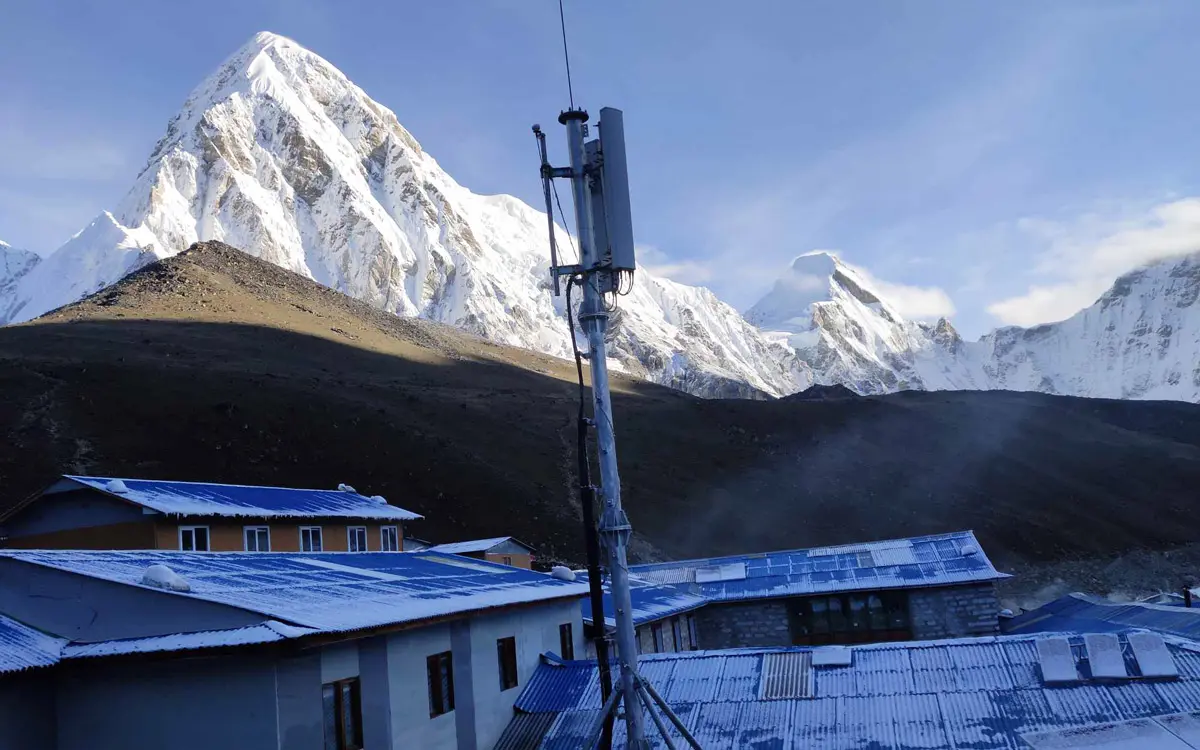
- Lukla, Phakding, Namche Bazaar, Tengboche: Good coverage. Mobile data works reasonably well, and teahouse WiFi is common, sometimes free, sometimes a small fee per hour
- Namche Bazaar has the best overall connectivity on the route, and the bakery there is known for free WiFi
- Above Tengboche (Dingboche, Lobuche, Gorak Shep): mobile signal drops off sharply. Everest Link, a dedicated WiFi service covering much of the Khumbu, becomes the main connectivity option in the higher sections, with hotspots at Dingboche, Lobuche, Gorak Shep, and further points along the trail
- Everest Base Camp has no reliable mobile coverage, but Everest Link lists WiFi service at Base Camp and at Kala Patthar too. Treat it as available rather than guaranteed, since performance depends on weather and how many people are connected at once
- Everest Link is sold as prepaid data cards, available at lodges and shops along the route
- Charging is often free in lower villages with reliable grid or hydroelectric power, but individual lodges may still charge. Higher up, charging commonly costs extra, particularly where solar power is used
How much does connectivity cost, roughly?
Prices vary by vendor, season, and whether a service has recently changed its pricing structure, so treat these as approximate ranges rather than fixed rates:
| Service | Approximate cost |
|---|---|
| Teahouse WiFi, lower villages (Everest, Annapurna) | Often free with your room, or $1–3 per session/hour |
| Teahouse WiFi, higher villages | $3–10 per session/hour, prices rise with altitude |
| Everest Link data cards | Sold in data packages (commonly 10GB/20GB tiers) rather than fixed daily passes; ask the vendor for current pricing, since this has shifted from time-based to volume-based cards |
| Manaslu teahouse WiFi | $2–10 per hour, higher at remoter stops |
| NTC/Ncell mobile data | NPR 200–500 (roughly $1.50–$4) for a data pack covering several GB, the cheapest way to stay connected where signal reaches |
| Device charging | Often free in lower villages, $1–5 per charge higher up where solar is the main source |
The general pattern on Nepal’s major trekking routes is that costs tend to rise with altitude, and connectivity is no exception. Mobile data from your own SIM is consistently the cheapest option anywhere it reaches a signal; teahouse WiFi and Everest Link fill the gaps where it doesn’t.
Annapurna region
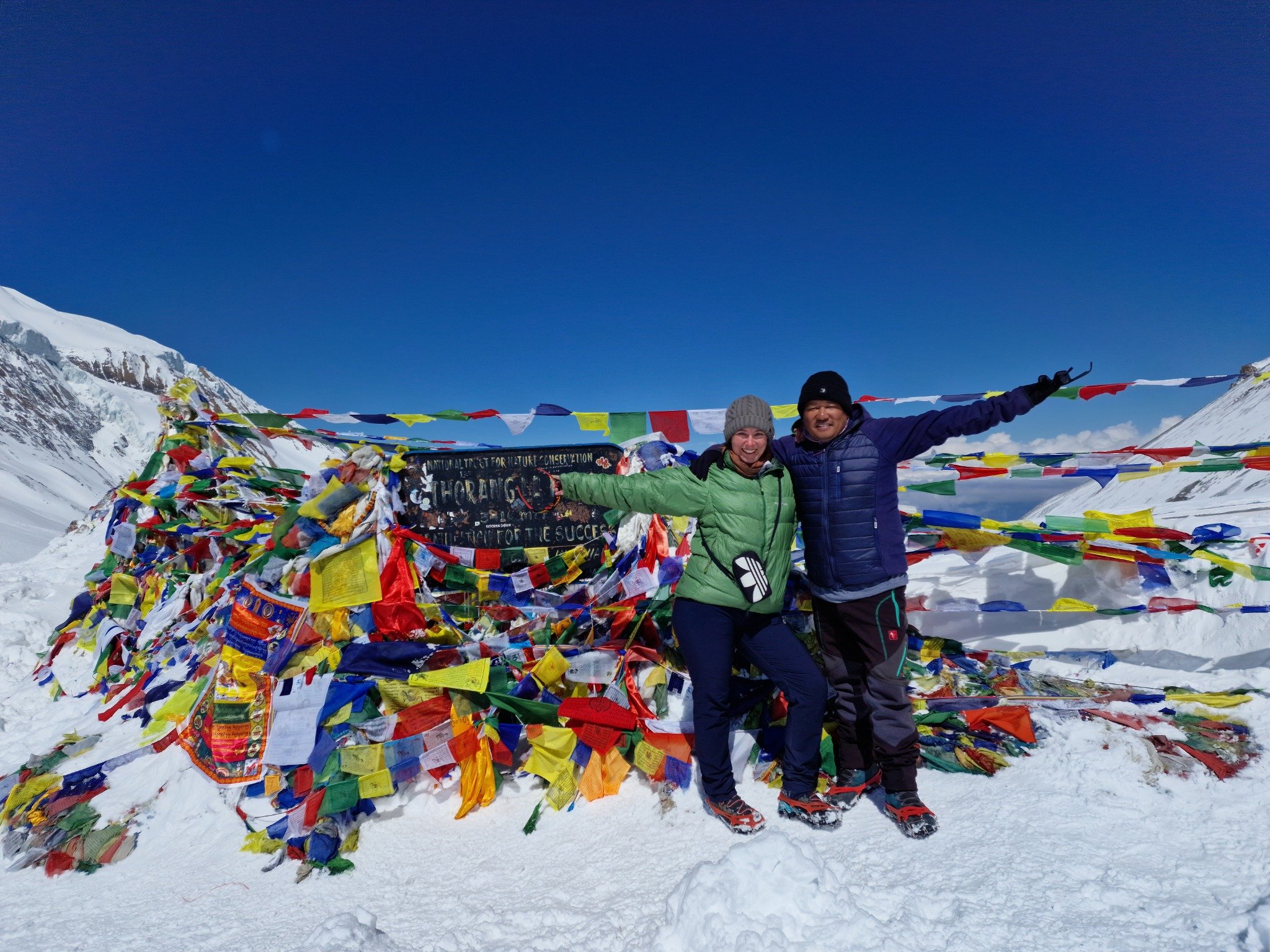
- Most teahouses along the Annapurna Circuit and Annapurna Base Camp trails offer WiFi, sometimes bundled free with your room, sometimes charged separately, typically a few dollars per session or per stay
- Coverage tends to be more consistent than in the Everest region through the lower and middle sections, since the trail passes through larger villages
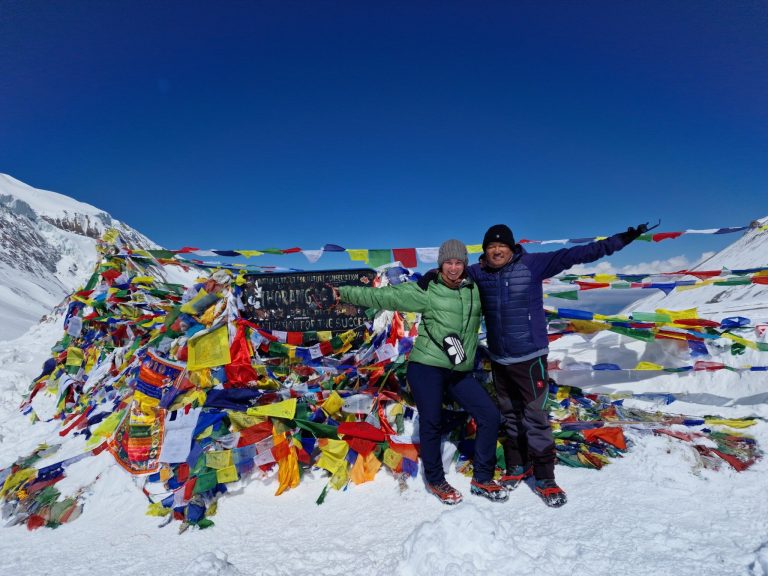
- NTC’s network coverage extends to Manang, Upper Manang, Tilicho Lake, and Thorong La, though this doesn’t mean continuous signal, expect it to weaken as you climb toward the pass
- Mobile data from NTC or Ncell is available in many villages on the main route, although coverage is not continuous
Manaslu Circuit and Tsum Valley
This is a genuinely quieter route for connectivity, and it’s worth setting expectations accordingly if you’re headed here.
- Lower villages (Machha Khola, Jagat, Deng, Namrung): reasonable coverage, mainly through NTC, plus WiFi at some teahouses for a small fee
- NTC’s own network coverage lists the Manaslu route among its trekking areas, and it’s generally considered the more dependable network here if you’re only carrying one SIM
- Higher up (Samdo, Dharamsala) coverage becomes sparse and inconsistent, sources vary on exactly how much signal or WiFi is available village to village, so don’t count on a specific village having connectivity
- Larkya La Pass and the approach to it: no reliable mobile signal or WiFi
The same applies to Tsum Valley, which shares the same lower approach and similar connectivity patterns.
A few practical tips
- If your phone supports dual SIM or an eSIM alongside a physical SIM, carrying both NTC and Ncell gives you the best combined coverage, since they don’t always overlap
- Download offline maps before you start, since you won’t want to rely on data at the exact moments you need directions
- Bring a power bank. Charging isn’t guaranteed everywhere, and where it is, it often costs a few dollars per charge above the lower villages
- Keep expectations modest above the mid-altitude villages. Messaging and basic browsing are realistic, video calls and streaming generally aren’t
- If staying connected during a specific window matters (a work call, checking in with family on a set day), plan around villages with reliably good coverage, like Namche Bazaar, rather than assuming connectivity on a schedule
Frequently Asked Questions
Is there WiFi at Everest Base Camp?
Everest Link currently lists WiFi service at Everest Base Camp, although connectivity isn’t guaranteed and speeds can vary. Mobile coverage is also unreliable at this altitude. Gorak Shep is generally the more practical place to get online before heading to Base Camp.
How much does WiFi cost on the Everest Base Camp trek?
It varies by village and vendor, generally a few dollars per hour or session in lower villages, with Everest Link’s data cards priced by data volume rather than a fixed daily rate.
Is mobile data or WiFi more reliable while trekking?
In lower villages, mobile data (NTC or Ncell) is often more consistent. Higher up, teahouse WiFi or Everest Link becomes the more realistic option as mobile signal drops out.
Is there internet on the Manaslu Circuit?
Yes, in the lower and mid sections, through a mix of mobile data (mainly NTC) and paid teahouse WiFi. Coverage becomes sparse from Samdo onward, and there’s no reliable signal or WiFi around Larkya La Pass.
Do I need a Nepal SIM card if teahouses have WiFi?
Yes, it’s still worth it. Teahouse WiFi is inconsistent and not available everywhere, while a local SIM gives you a backup option in more places. See our SIM card guide for the full comparison.
Can I make video calls while trekking?
Realistically, only in villages with good connectivity like Namche Bazaar, and even then it’s not guaranteed. Above the mid-altitude villages, plan on messaging rather than calls.
See also: NTC vs Ncell: Best SIM Card for Nepal 2026 and Everest Base Camp Trek.