

Gurung Heritage Homestay Trek
●●●●● 4.9 · 60+ TripAdvisor reviewsMost treks in Nepal ask you to choose between the mountains and your comfort. The Gurung Heritage Trek does not. At a maximum altitude of 2,100 metres, you get unobstructed views of the Annapurna range without the physical demands of high-altitude climbing. This makes it an ideal choice for families, older travellers, and anyone who […]
Gurung Heritage Homestay Trek: What to Expect
Most treks in Nepal ask you to choose between the mountains and your comfort. The Gurung Heritage Trek does not. At a maximum altitude of 2,100 metres, you get unobstructed views of the Annapurna range without the physical demands of high-altitude climbing. This makes it an ideal choice for families, older travellers, and anyone who wants a genuine Himalayan experience without the acclimatisation days and altitude concerns that come with EBC or ABC.
Bhujung is the largest Gurung village in Nepal. Staying here is not a sideshow to a trekking itinerary. It is the destination.
This is not a trek about altitude or passes. It is about the people who live in the hills north of Pokhara and the homes they open to visitors who want to see Nepal the way most tourists never do.
The Gurung Heritage Homestay Trek takes you through four traditional Gurung villages in the Annapurna foothills — Gillung, Pasagaun, Bhujung, and Ghale Gaun in the Annapurna foothills — Gillung, Pasagaun, and Bhujung. You sleep in local homes, eat food cooked by the families who host you, and spend evenings watching traditional Gurung dance programs that have been part of village life here for generations. The walking is gentle. The days are short enough to actually sit, talk, and take in where you are rather than just pass through.
The Gurung people are one of Nepal’s most distinct mountain communities. They have their own language, their own traditions, and a way of life that has stayed largely intact despite the changes happening in busier parts of the country. Bhujung is often cited as one of the largest Gurung villages in the world. Pasagaun sits on a ridge with views across the Annapurna range that most trekkers on the standard routes never see from this angle. Gillung is where the experience begins to feel real. Lunch cooked on a wood fire, chickens in the yard, kids curious about who has just arrived.
The route starts from Pokhara with an early morning drive to Sarangkot for sunrise over the Himalayas before heading north to Gillung. It finishes with a drive back to Kathmandu on Day 8. No high altitude, no technical terrain. Anyone who can walk comfortably for four to five hours a day can complete this trek. It suits first-time visitors to Nepal, families, older travellers, and anyone who wants to understand this country beyond its mountains.
MountainKick has been running groups on this route for years. Our guides are from the region and know the host families personally. That matters more on a homestay trek than on almost any other kind of trip you can do in Nepal.
Who this trek is for:
- First-time Nepal visitors who want genuine cultural experience alongside the mountains
- Families with children looking for a manageable walking holiday with real local contact
- Travellers who have done the Annapurna Circuit or Mardi Himal and want something completely different
- Anyone interested in Gurung culture, traditional food, and village life
- Older travellers who want Nepal without high altitude or long daily walks
Your trek supports the community directly
The majority of your trek cost stays within the Gurung villages of Bhujung and Pasagaun, supporting the families who host you, cook for you, and share their culture with you. Bhujung is the largest Gurung village in Nepal and in many households it is the women who run the homestay. Booking this trek is one of the most direct ways to contribute to village life in the Annapurna foothills.
Have questions before you book? Send us a message and we will get back to you within a few hours.
Day-by-Day Itinerary
Arrival in Kathmandu (1,400m)
We receive you at Tribhuvan International Airport and transfer you to your hotel in Thamel. The rest of the day is yours to rest or explore the city at your own pace. In the evening your guide meets you at the hotel for a pre-trip briefing covering the full itinerary, what to pack for the village nights, and anything you want to ask before the journey starts.
Distance: Airport to hotel | Time: 30 minutes | Difficulty: Easy
Points of Interest:
- Thamel District: Kathmandu’s main tourist area with trekking gear shops, restaurants, and local crafts
- Durbar Square: Historic royal palace square with traditional Newari architecture a short walk from most hotels
- Garden of Dreams: A quiet neoclassical garden good for an hour of calm after a long flight
Kathmandu Sightseeing (1,400m / 4,600ft)
A full day in Kathmandu with your guide. The city rewards time and a good guide makes a real difference to what you understand about what you are seeing. The main stops are Pashupatinath Temple on the Bagmati River, one of the most important Hindu pilgrimage sites in Asia, Boudhanath Stupa where the Tibetan Buddhist community is active and visible, and Swayambhunath up on the hill west of the city with wide views across the Kathmandu Valley.
Distance: City tour by vehicle | Time: Full day | Difficulty: Easy
Points of Interest:
- Pashupatinath Temple: Sacred Hindu temple complex on the Bagmati River, active pilgrimage site
- Boudhanath Stupa: One of the largest Buddhist stupas in the world, surrounded by monasteries and prayer wheels
- Swayambhunath: Ancient hilltop temple complex known as the Monkey Temple with panoramic valley views
Fly to Pokhara (822m / 2,697ft) and Sightseeing
A 25-minute mountain flight from Kathmandu to Pokhara. On a clear morning the Himalayan range is visible from the plane window the entire way. Pokhara is a completely different city from Kathmandu slower, greener, and built around the edge of Phewa Lake with the Annapurna range rising directly behind it.
The afternoon is for exploring Pokhara. The lakeside area is the obvious starting point. The old Pokhara bazaar gives you a better sense of how the city actually lives. The World Peace Pagoda up on the ridge above the lake is a 30-minute walk from the shore and worth it for the views.
Distance: 25-minute flight + local sightseeing | Time: Full day | Difficulty: Easy
Points of Interest:
- Phewa Lake: Pokhara’s centrepiece with reflections of Machhapuchhre on calm mornings
- World Peace Pagoda: White Buddhist stupa on the ridge above the lake with Annapurna range views
- Old Bazaar: Traditional Pokhara market area with local shops and the original city character
Sarangkot Sunrise, Drive to Gillung, Local Homestay (1,100m / 3,609ft)
You are up before dawn for the drive to Sarangkot, the ridge above Pokhara. The sunrise here over the Annapurna range is one of the better mountain views in Nepal without needing to be at altitude to see it. Annapurna South, Hiunchuli, Machhapuchhre, and Dhaulagiri all catch the first light from left to right as the sky changes colour behind them.
After breakfast back in Pokhara the drive north to Gillung takes about four hours through terraced farmland and Gurung settlements. Gillung is a compact village above the Modi Khola valley. You arrive in time for lunch at your host family’s home, cooked on a wood fire. The afternoon is free to walk around the village, meet people, and settle in. Dinner is with the family in the evening.
Distance: 30 minutes to Sarangkot + 4-hour drive to Gillung | Time: Full day | Difficulty: Easy
Points of Interest:
- Sarangkot Viewpoint (1,592m): Sunrise panorama of the full Annapurna and Dhaulagiri ranges
- Gurung villages along the drive: Traditional stone houses, terraced fields, and local market stops
- Gillung village: First homestay, Modi Khola valley views, traditional Gurung family home
Trek to Pasagaun, Cultural Dance Program (1,500m / 4,921ft)
The walk from Gillung to Pasagaun takes three to four hours through terraced fields, forest sections, and small settlements. The trail is clear and the views of the Annapurna range open up properly as you gain height. Pasagaun sits on a ridge and the view across to Machhapuchhre from here is one of the best on this route.
In the evening the village holds a traditional Gurung cultural dance program. These dances are part of how Gurung communities mark occasions and keep their traditions alive. Watching it in the village where it belongs is a different experience from the cultural shows put on for tourists in Pokhara or Kathmandu.
Distance: 8km / 5mi | Time: 3 to 4 hours | Difficulty: Easy to Moderate
Points of Interest:
- Trail through Gurung farming villages with Annapurna range views
- Pasagaun ridge viewpoint: Close views of Machhapuchhre (6,993m) and Annapurna South
- Traditional Gurung cultural dance program in the village in the evening
Trek to Bhujung (1,900m / 6,234ft)
The walk from Pasagaun to Bhujung takes about three hours through rhododendron forest. The trail climbs steadily and the views get better as you go. Bhujung is one of the largest Gurung villages in the world. The village spreads across a hillside with stone houses, monasteries, and a community that has been here for generations.
Spend the afternoon walking around Bhujung properly. There are monasteries worth visiting, viewpoints looking out across the Annapurna foothills, and a pace of life that is worth sitting with for a while. Dinner is at your host family’s home.
Distance: 7km / 4.3mi | Time: 3 hours | Difficulty: Moderate
Points of Interest:
- Rhododendron forest between Pasagaun and Bhujung
- Bhujung village: One of the largest Gurung villages in the world, traditional stone architecture
- Local monasteries and viewpoints across the Annapurna foothills
Trek from Bhujung to Ghale Gaun, Evening Cultural Program (2,100m / 6,890ft)
The walk from Bhujung to Ghale Gaun takes about two hours on a clear trail descending slightly before climbing into Lamjung District. Ghale Gaun sits at 2,100 metres and is widely regarded as one of the finest examples of community-based tourism in Asia. The village has maintained its traditional Gurung architecture, stone pathways, and way of life with remarkable care.
Arrive in time for lunch at your host family’s home before the afternoon is yours to explore the village. The stone houses, community courtyards, and views across the Annapurna foothills reward a slow walk. Your guide will introduce you to the village and its history.
In the evening Ghale Gaun holds its traditional Gurung cultural dance program. Having already experienced the program in Pasagaun two evenings earlier, you watch it here with fresh eyes and a deeper understanding of what you are seeing. The dances — Serka, Rodhi, Sorathi, and Ghatu — are performed in traditional costume with handcrafted instruments. This is one of the most authentic cultural experiences on any trek in the Annapurna region.
Distance: 6km / 3.7mi | Time: 2 hours | Difficulty: Easy to Moderate
Points of Interest:
- Trail from Bhujung through Gurung settlements with Annapurna foothills views
- Ghale Gaun village: Traditional stone architecture, community courtyards, panoramic ridgeline setting
- Evening traditional Gurung cultural dance program with live music and costume performance
Drive back to Kathmandu, farewell dinner
After breakfast the drive back to Kathmandu from Ghale Gaun takes seven to eight hours by private vehicle via Khudi and the Prithvi Highway. The road passes through Pokhara and then follows the Prithvi Highway east along the Trishuli River back to the capital. You arrive in the afternoon with time for a shower, rest, and last-minute shopping in Thamel before the evening.
The day ends with a farewell dinner featuring traditional Nepali food and a cultural performance. It is a good way to close the trip with your guide and reflect on the week.
Distance: 300km / 186mi | Time: 6 to 7 hours | Difficulty: Easy
Points of Interest:
- Pokhara lakeside for a final coffee stop on the way through
- Prithvi Highway along the Trishuli River gorge
- Thamel for last-minute shopping on arrival in Kathmandu
Final Departure
After breakfast our representative transfers you to Tribhuvan International Airport for your departure flight. If you have a late flight there is time for a final walk around Thamel or a visit to Boudhanath or Pashupatinath before heading to the airport.
Distance: Hotel to airport transfer | Time: 30 minutes
What Our Trekkers Say
“A wonderful homestay experience”
We loved the Gurung Heritage Homestay trek. The families we stayed with were incredibly welcoming and made us feel at home right away. The food, local culture, and simple pace of village life were the real highlights for us. MountainKick organized everything smoothly, and our guide was helpful throughout, a…
“Warm hospitality and beautiful villages”
Such a lovely experience. The homestays were comfortable, the food was delicious, and the hospitality felt genuine rather than performed. We really enjoyed meeting the local families and picking up a bit about Gurung culture along the way. MountainKick did a great job arranging it, and the whole trek felt…
Frequently Asked Questions
What are the toilet facilities like in the homestays?
The homestays on the Gurung Heritage Trek have a mix of squat and western-style toilets. All facilities are kept clean and well maintained by the host families. We recommend bringing a small pack of tissues as a precaution.
Is the food safe to eat?
All meals are prepared fresh by your host family using locally grown ingredients. Expect home-cooked dal bhat, dhindo, vegetable curries, fresh yogurt, and organic produce from the surrounding farmland. The Gurung villages have been welcoming trekkers for over two decades and the families understand what international guests need. Drinking water is boiled or filtered before serving.
What are the sleeping arrangements?
All guests have private rooms throughout the trek. Rooms are simple and clean with warm bedding. The houses are traditional Gurung stone construction which stays cool in summer and retains warmth in the evenings.
Does my money support the local community directly?
Yes. The majority of your trek cost stays within the village community, going directly to the Gurung families who host you. Bhujung and Pasagaun are known for their matriarchal traditions, and in many households it is the women who manage the homestay and cooking. Booking through MountainKick means your visit supports this directly rather than going through a chain of intermediaries.
Is this trek suitable for beginners or first-time visitors to Nepal?
Yes. This is one of the most accessible treks MountainKick offers. The daily walking is three to four hours on well-used trails with no significant altitude gain. You do not need previous trekking experience. If you can walk comfortably for half a day you can do this trek. It is a good first Nepal experience for people who want genuine cultural contact alongside the mountains rather than a high-altitude challenge.
What is a homestay like in a Gurung village?
You sleep in a real family home, not a guesthouse built for tourists. Rooms are simple with beds, pillows, and blankets. Bathrooms are shared. Meals are cooked by the family on a wood fire and eaten together at the family table. The food is traditional Gurung and Nepali home cooking, dal bhat, vegetable dishes, local bread, and whatever is seasonal. It is not luxury but it is genuinely warm and the experience of being a guest in a working family home rather than a paying customer in a lodge is what makes this trip different from standard trekking.
What is the Gurung cultural dance program like?
The evening dance programs in Pasagaun and Bhujung are traditional Gurung performances involving music, song, and dance that have been part of village life for generations. They are not staged for tourists in the way hotel cultural shows are. You watch them in the village where they belong, usually in an open courtyard or community space, with local people of all ages present. Your guide will explain the significance of what you are seeing.
What do I eat on this trek?
Meals from Day 4 to Day 7 are included and prepared by your host families. Expect traditional Gurung and Nepali home cooking. Dal bhat is the staple and it is genuinely good when made at home rather than in a teahouse kitchen. Vegetables, lentils, rice, local greens, eggs, and bread are the core of what you eat. If you have dietary requirements let us know before the trip and we will brief the host families in advance. Vegetarian is no problem at all. Vegan is manageable with advance notice.
How physically demanding is this trek?
Easy to moderate. The longest walking day is four hours. Most days are three hours or less. The terrain is hilly rather than steep and the paths are well used. There is no altitude to worry about — the highest point is Bhujung at 1,900 metres, well below the threshold where altitude sickness becomes a concern. The biggest physical requirement is being comfortable on uneven ground for a few hours a day. Read our altitude sickness guide if you want to understand altitude considerations for Nepal trekking more broadly.
What permits do I need for this trek?
Two permits are required: the Annapurna Conservation Area Permit (ACAP) and the Trekkers’ Information Management System (TIMS) card. Both are included in your MountainKick package and arranged before the trek starts. You just need to provide your passport details and two passport-sized photos. For a full overview of Nepal trekking permits in 2026 read our Nepal trekking permits guide.
What travel insurance do I need?
Travel insurance is mandatory for all MountainKick treks. For this trek your policy needs to cover emergency medical treatment and evacuation. Because the maximum altitude is 1,900 metres you do not need high-altitude specific cover, but helicopter evacuation cover is still important as the villages are not accessible by road. Read our travel insurance guide for Nepal trekking to understand what to look for in a policy.
What is the best time of year for this trek?
October to December and March to May are the best seasons. Autumn gives you clear skies, comfortable temperatures, and the post-monsoon freshness that makes the hills very green. Spring brings rhododendrons in bloom along the trail between Pasagaun and Bhujung and is particularly good for photography. December and January are cooler but perfectly walkable with the right layers. The monsoon months of June through August are not recommended as the trails become slippery and views are limited.
Can I do this trek solo?
Yes. MountainKick arranges solo departures with a private guide. You will have the full experience including all homestays, meals, and cultural programs exactly as described. The guide is included in the package regardless of group size.
What should I pack for the village nights?
Pack light. Your porter carries the main bag. For the village nights specifically you want warm layers for the evenings, which get cool above 1,500 metres even in spring and autumn, a good headtorch for moving around after dark, and any personal toiletries you need as nothing will be available to buy in the villages. The villages have limited or no mobile signal above Gillung so let people know before you go that you may be out of contact for a few days.
How much cash should I carry?
You do not need much cash on this trek as meals, accommodation, and cultural programs are all included from Day 4 onwards. Bring enough for personal drinks, any small purchases in the villages, tips for your guide and porter, and meals in Kathmandu and Pokhara outside the included breakfasts. NPR 5,000 to 10,000 (approximately USD 40 to 75) is enough for most people beyond the package costs.
Can I combine this trek with other trips in Nepal?
es. The most natural combinations are adding a few days in Pokhara before or after the trek, a visit to Chitwan National Park for jungle safari, or combining with a shorter Annapurna trek such as the Ghorepani Poon Hill Trek which shares the same Pokhara base. If you want to discuss a combined itinerary contact us and we will put something together for you.
Departure Dates & Pricing
No upcoming fixed departures are scheduled at the moment. Contact us to arrange a private departure on dates that suit you.
Your dates, your group, your way
Same route and guides, just your group. Tell us when you'd like to go and how many of you there are, and we'll send you a day by day plan with a price.
- Nothing to pay now
- Plan and price by email
- Confirm with a 20% deposit
"*" indicates required fields
Rather chat? Message us on WhatsApp
-
1
20% deposit: due on booking Secures your place on the departure. The deposit is non-refundable. We also need a copy of your passport.
-
2
80% balance: due on arrival Pay the rest in Kathmandu before the trip starts. Bank transfer, cash, or card (4% card fee).
| Cancel before you arrive | Deposit not refunded, nothing more to pay |
| Cancel after the pre-trip meeting | No refund |
| Date or name change | USD 200 per person |
| MountainKick cancels trip | Full refund or reschedule |
Weather delays and extra days cost extra, so travel insurance is required. We give you documents for any claim.
Read the full terms and conditionsGurung Heritage Homestay Trek
Talk to Kumar and the team before you commit. Ask about gear, fitness, altitude or a private group.
Tales from the Himalayas
 Travel
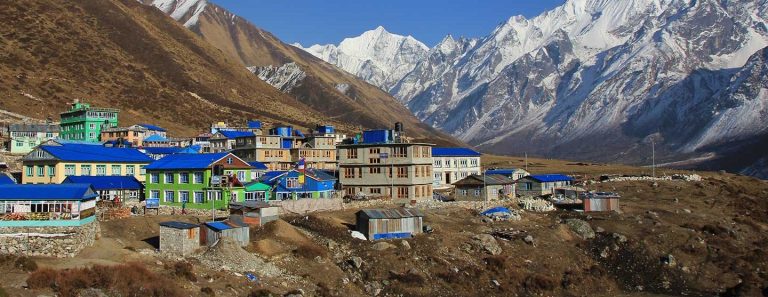
 Best Time to Trek Langtang Valley: Month by Month
Langtang is close to Kathmandu and good for much of the year, but the season changes everything from the views…
 Annapurna Region
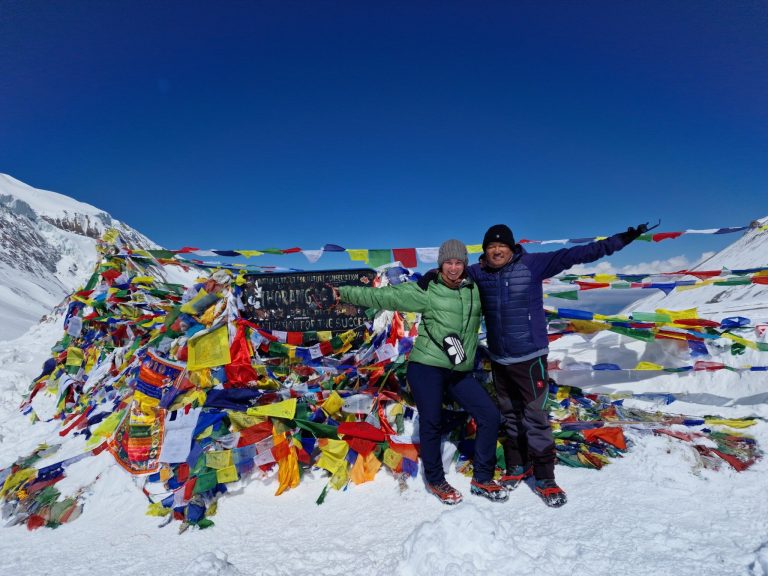
 Thorong La Pass: A Guide to the Big Day on the Annapurna Circuit
Thorong La at 5,416m is the highest point of the Annapurna Circuit. Here’s what crossing day is really like, from…
 Everest Region
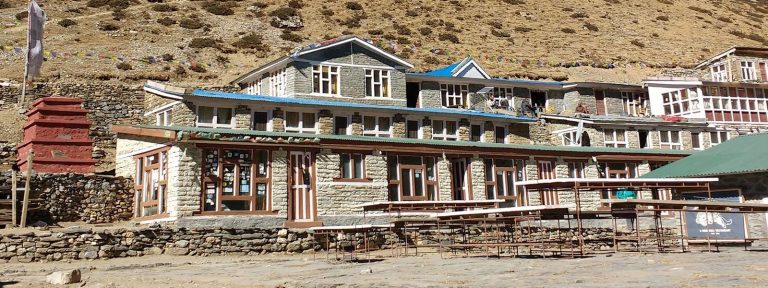
 Annapurna Circuit Teahouses: What the Rooms Are Really Like
Teahouses on the Annapurna Circuit range from comfortable lodges in Manang to bare rooms at Thorong Phedi. Here’s what to…