

Kathmandu and Pokhara Tour
●●●●● 4.9 · 60+ TripAdvisor reviewsSeven days covering Kathmandu's UNESCO heritage sites and three full days in Pokhara with direct Annapurna views, by private vehicle and licensed guide.
Friends paying separately still get the group price.
On the Trip
What It Really Looks Like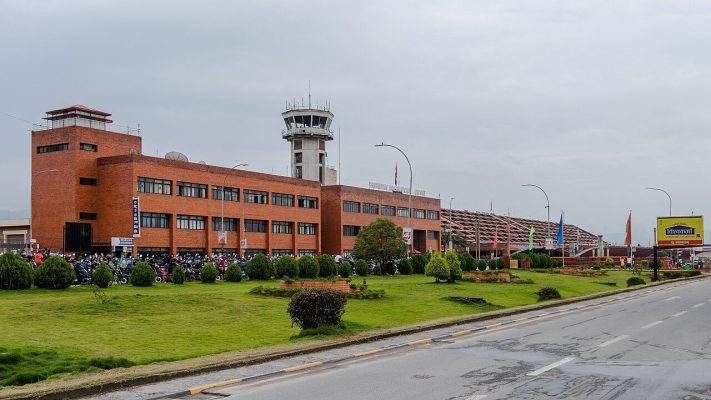
Kathmandu and Pokhara Tour: What to Expect
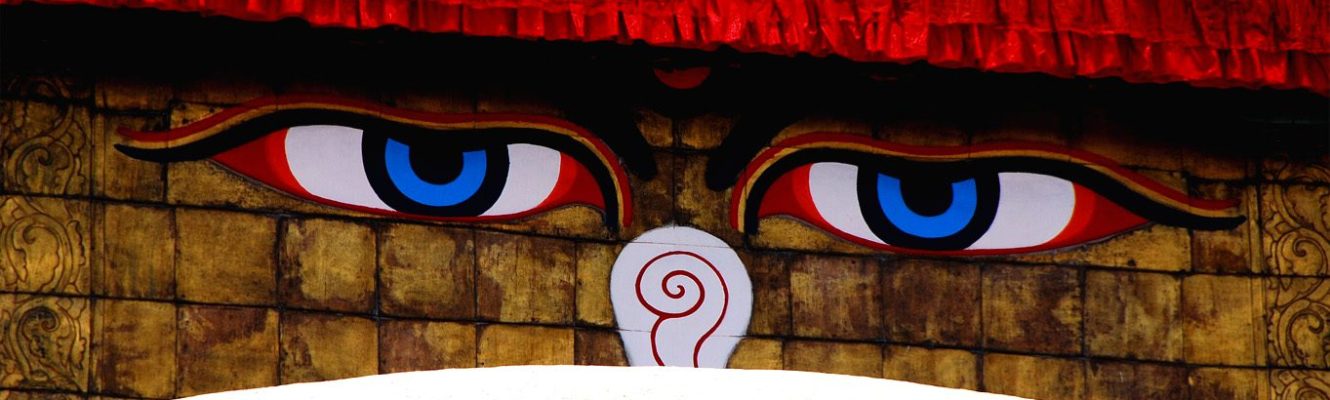
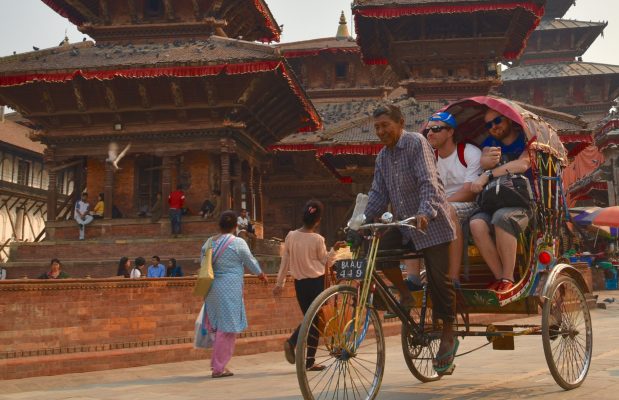
Swayambhunath, Kathmandu Durbar Square, Pashupatinath and Boudhanath in one full day
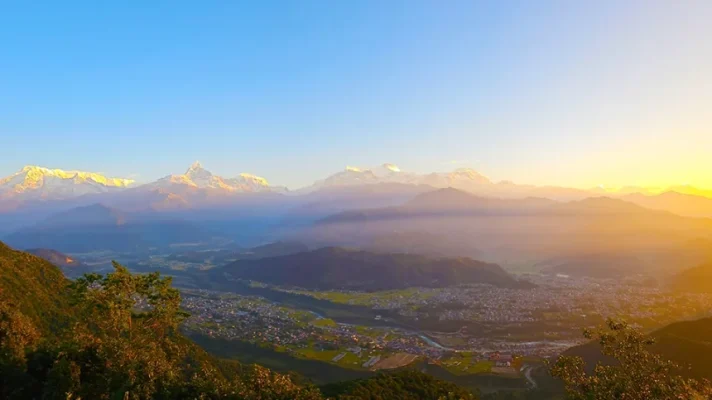
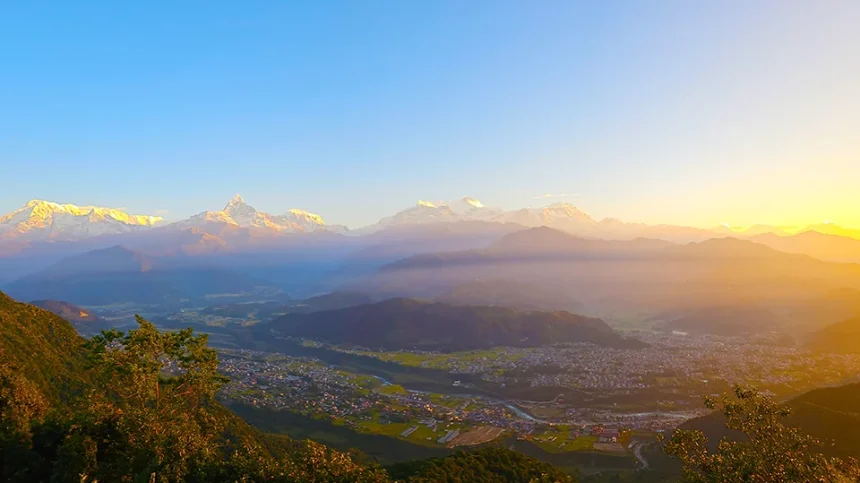
Annapurna and Machhapuchhre at first light from 1,592m above Pokhara
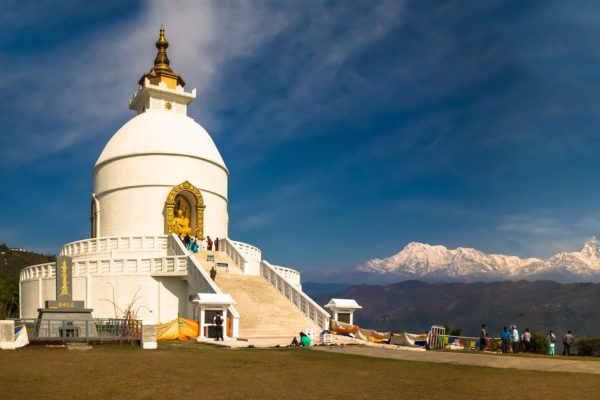
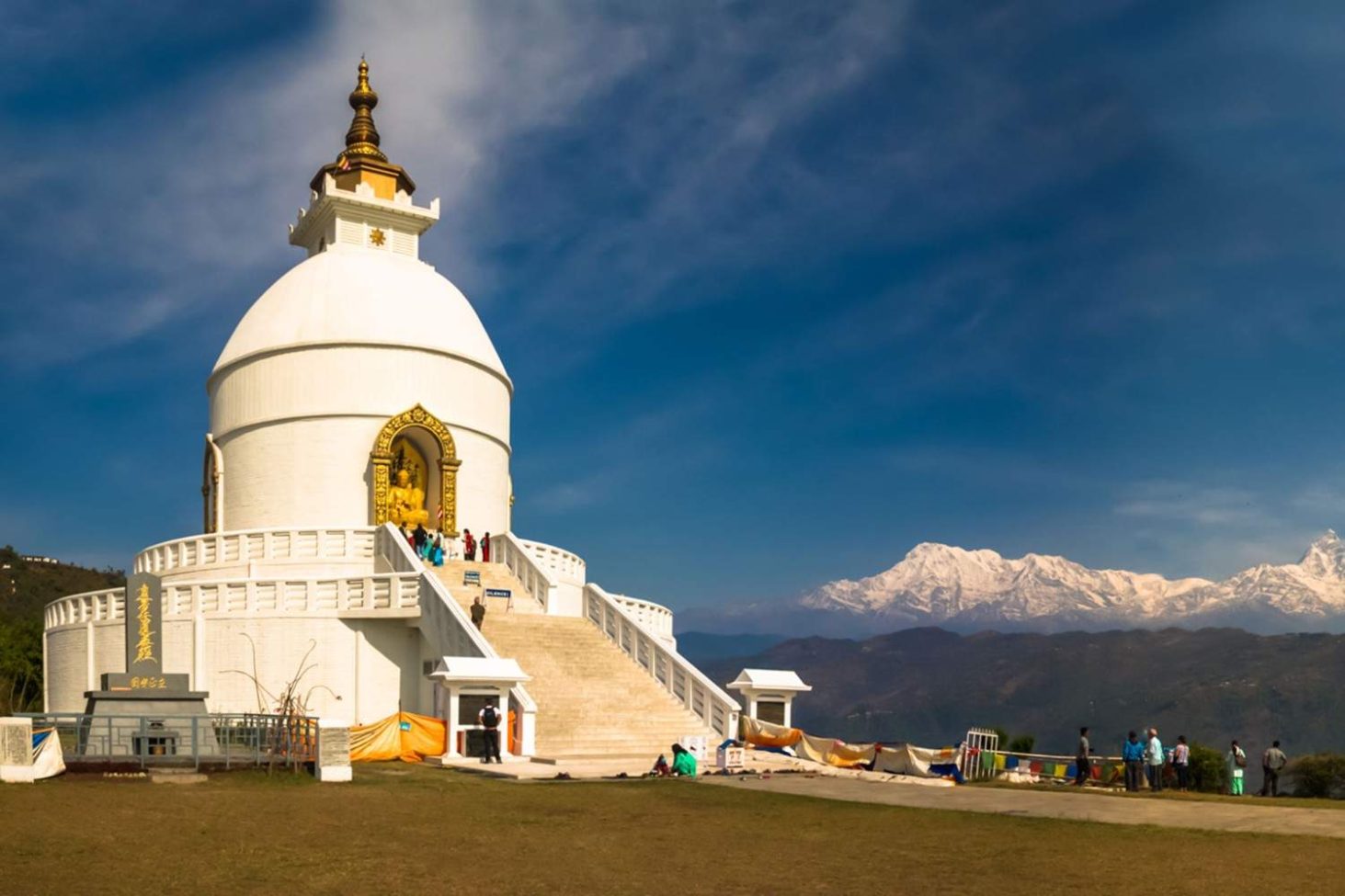
A boat to Tal Barahi Temple and the World Peace Pagoda on the ridge above
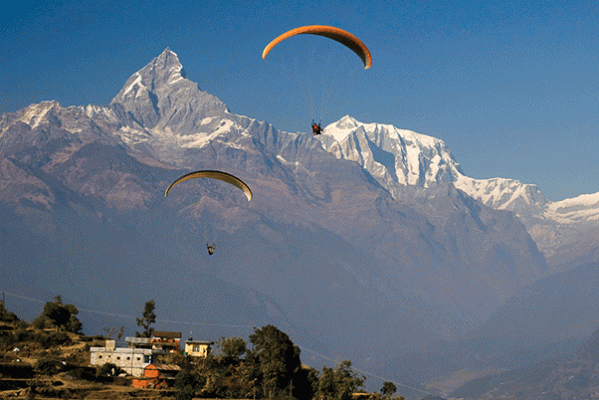
Three nights in Pokhara with a free day to rest, explore or paraglide
This 7 day Kathmandu and Pokhara tour is the easy way to see Nepal’s two best known cities in under a week. You spend your first full day at four of the big temples and stupas of Kathmandu. Then you drive west to Pokhara for three nights by Phewa Lake. You watch the sun rise over the Annapurna range from Sarangkot, take a boat to the island temple and have a free day to rest or explore.
There is no trekking. A private car and driver take you everywhere and the walking is easy. The drive between the two cities takes about seven hours with stops along the way. You can also fly it in 25 minutes. This trip suits first time visitors, families and anyone with only a week to spare.
Your licensed guide meets you at the airport and stays with you until you fly home. We book the hotels and entry tickets before you land. We have run private Nepal tours since 2016 and know which temples to visit early before the crowds.
What you will see and do:
- Swayambhunath stupa on its hill above Kathmandu
- The old royal palace square at Kathmandu Durbar Square
- Pashupatinath on the Bagmati River, the holiest Hindu temple in Nepal
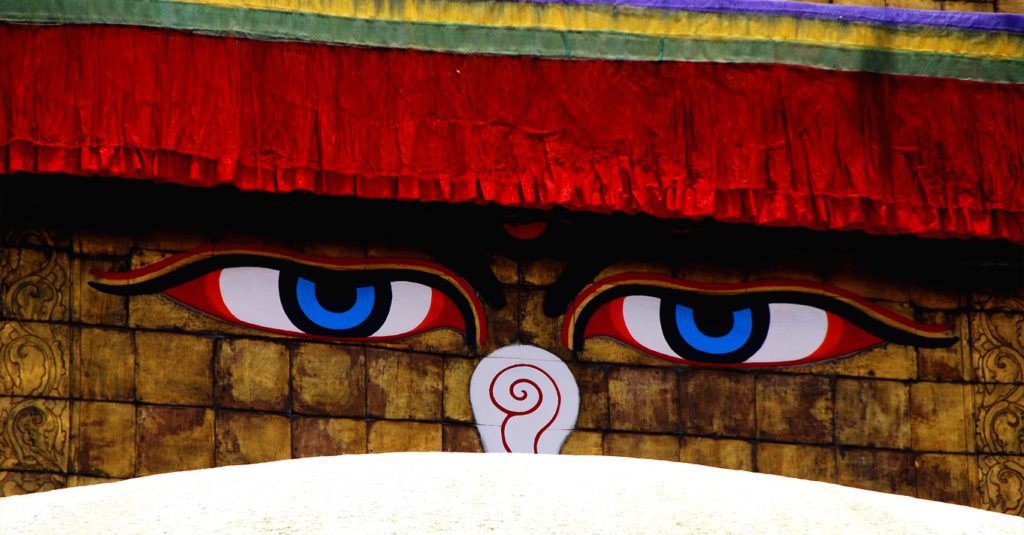
- Boudhanath at dusk when locals walk around the great stupa
- Sunrise from Sarangkot with Annapurna and Machhapuchhre in front of you
- A boat to Tal Barahi Temple on Phewa Lake
- The World Peace Pagoda on the ridge above the lake
- A free day in Pokhara for caves, the Tibetan village or a paragliding flight
Want to see the jungle too? The Classic Nepal Tour adds Bandipur and a safari in Chitwan over 10 days. Only have a few days? The Kathmandu Cultural Tour stays in the valley.
Day-by-Day Itinerary
Arrive in Kathmandu
Your guide meets you at the airport and drives you to your hotel in Thamel. The rest of the day is yours to rest or walk the busy lanes around Thamel and Asan. In the evening your guide goes through the plan for the week and answers your questions.

Kathmandu Heritage Day
A full day at four of the valley’s best known sites. Start early at Swayambhunath before the tour groups arrive. Then walk through Kathmandu Durbar Square and the old palace courtyards. After lunch visit Pashupatinath on the Bagmati River. End the day at Boudhanath as the light fades and locals walk around the stupa.
Drive to Pokhara on the Prithvi Highway
An early departure for the 200km drive to Pokhara along the Prithvi Highway. The first section follows the Trishuli River gorge and on a clear day the Ganesh Himal and Manaslu ranges appear to the north well before you reach the lake. Flexible stops for lunch and photos along the way.

Sarangkot Sunrise and Phewa Lake
Leave before dawn for Sarangkot and watch the first light hit Annapurna and the fishtail peak of Machhapuchhre. After breakfast take a boat across Phewa Lake to Tal Barahi Temple on its small island. In the afternoon walk or drive up to the World Peace Pagoda for the view back over the lake and city.
Pokhara Free Day
Spend the day as you like. Your guide can take you to Devi’s Fall where the stream drops into the ground, the cave of Gupteshwor and the Tibetan village at Tashiling. The International Mountain Museum is good if the weather turns. Or skip the sights and book a paragliding flight over the lake.
Drive Back to Kathmandu
Return drive to Kathmandu along the Prithvi Highway with flexible stops. You arrive in the afternoon with time to rest before a farewell dinner with a cultural performance in the evening.

Final Departure
Breakfast at your hotel, then a private transfer to Tribhuvan International Airport. Your guide sees you off at departures.
3D Route Map
Includes & Excludes
-
Private airport transfers on arrival and departure Return pick-up and drop-off in a private vehicle
-
6 nights accommodation with daily breakfast 3 nights Hotel Vistara Thamel, 3 nights Hotel Mountain View Pokhara
-
Private vehicle for all sightseeing and the Kathmandu to Pokhara return drive Air-conditioned vehicle throughout, no shared transport
-
Government-licensed guide throughout all 7 days English-speaking, licensed by Nepal Tourism Board
-
Kathmandu entry fees Swayambhunath, Kathmandu Durbar Square, Pashupatinath and Boudhanath
-
Pokhara sightseeing World Peace Pagoda, Devi’s Fall, Gupteshwor Cave and Tashiling
-
Sarangkot sunrise trip Early morning drive up and back on Day 4
-
Phewa Lake boat to Tal Barahi Temple Return boat ride on Day 4
-
Welcome dinner in Kathmandu on Day 1
-
Traditional Thakali dinner in Pokhara on Day 5
-
Farewell dinner with cultural performance in Kathmandu on Day 6
-
International flights
-
Nepal visa fee USD 30 for 15 days, USD 50 for 30 days, payable on arrival at Tribhuvan Airport
-
Lunch and dinner Budget $8 to $15 per person per meal
-
Personal travel insurance Required. Policy should cover medical treatment and emergency evacuation
-
Optional activities Paragliding, zip-lining, microlight flight, and yoga sessions are available at extra cost
-
Pokhara to Kathmandu flight Optional add-on on Day 6
-
Tips for guide and driver Entirely at your discretion
-
Personal expenses Souvenirs, additional meals, drinks
Add to Your Trip
We Handle the Details
FreeWhere You'll Sleep & What You'll Eat
In Kathmandu you stay 3 nights at a 3-star hotel in Thamel. That is two nights at the start and the last night of the trip. Rooms have a private bathroom, air conditioning and WiFi. Thamel is close to the old city and has plenty of places to eat. Your guide drives you to the heritage sites.
Pokhara is 3 nights at a 3-star hotel in Lakeside. You can walk to the lake, the boat dock and the restaurant strip. Some rooms look out over the water or the mountains.
All rooms are twin sharing. A single room is available on request at extra cost. Ask us if you want 4 or 5 star hotels in Kathmandu and Pokhara.
Breakfast is included every day. On the last night we host a farewell dinner with Nepali food and a cultural show.
Other lunches and dinners are up to you. That gives you the freedom to eat where you like. Thamel and Pokhara Lakeside have everything from dal bhat and momos to wood-fired pizza. Your guide will point you to places we trust.
| Lunch in Kathmandu or Pokhara | $6 to $12 per person |
| Dinner in Thamel or Lakeside | $8 to $15 per person |
| Coffee and snacks | $2 to $5 per day |
| Boat hire on Phewa Lake for your free day | $5 to $10 per hour |
| Optional activities in Pokhara | $65 to $130 per activity |
What Our Trekkers Say
“A great way to see Kathmandu and Pokhara”
Visiting Nepal for the first time as a couple, this was a great introduction to the country. Kathmandu gave us the history and culture, while Pokhara was much more relaxed and scenic. Everything was well organized by MountainKick and our guide was always helpful, we especially enjoyed the views around…
“Perfect family trip to Nepal”
Our family of four had a wonderful time. We enjoyed exploring the temples and old streets of Kathmandu, then had a nice change of pace in Pokhara. The itinerary was well balanced and we never felt rushed, MountainKick handled all the arrangements and made travelling between the two cities very…
“A relaxed and enjoyable Nepal experience”
Travelling as a group of three friends, we really enjoyed combining Kathmandu and Pokhara. The cultural sites in Kathmandu were fascinating, while Pokhara was a great place to slow down and enjoy the lakes and mountain views. The MountainKick team were friendly and professional throughout, a great option if you…
Frequently Asked Questions
What is the difference between this tour and the 6-day Kathmandu Cultural Tour?
The 6-day Kathmandu Cultural Tour stays entirely in the valley and covers all 7 UNESCO World Heritage Sites including Nagarkot sunrise and Patan Durbar Square. This 7-day tour covers 4 of those sites and then moves to Pokhara for 3 full days with Annapurna views and lakeside activities. If Pokhara and mountain views are a priority, this tour is the better fit. If you want to go deep on Kathmandu Valley alone, the Cultural Tour covers more ground there.
Are the Annapurna mountain views from Pokhara guaranteed?
No, the weather changes every day. October to November and March to April give the clearest views. That is why the Sarangkot sunrise is on Day 4 with a free day after it. If the morning is cloudy your guide can try again on Day 5. From June to September the mountains are often hidden by cloud.
Do we fly or drive between Kathmandu and Pokhara?
We drive in a private car both ways on the Prithvi Highway. It takes about seven hours with stops for tea and lunch. You can fly back from Pokhara instead in 25 minutes for an extra cost. Many guests drive there to see the countryside and fly back to save time.
Is this a private or group tour?
Fully private. You travel with your own guide and vehicle throughout all 7 days. No other travellers join your group at any point. Departure dates are flexible and set around your arrival in Kathmandu.
What fitness level is required?
None beyond normal daily walking. The most physical moment of the tour is the 365-step climb to Swayambhunath, which you do at whatever pace suits you. Everything else is flat or gently sloping walking around temple squares, lakesides, and market streets. The tour is suitable for all ages and fitness levels including older travellers and families with children.
What meals are included?
Breakfast is included every day at both hotels. We also host a farewell dinner with Nepali food and a cultural show on Day 6. Other lunches and dinners are up to you. Budget $6 to $12 for lunch and $8 to $15 for dinner.
How is this different from the Classic Nepal Tour?
This tour is 7 days and covers Kathmandu and Pokhara only. The Classic Nepal Tour is 10 days and adds Patan, Bhaktapur, a night in Bandipur and a jungle safari in Chitwan. Pick this one if you only have a week. Pick Classic if you want wildlife too.
Is the Sarangkot sunrise worth the early start?
Yes. It is the best moment of the trip. You leave Pokhara around 5am and drive up the hill in the dark. As the sun comes up the Annapurna range and the fishtail peak of Machhapuchhre turn pink and then gold right in front of you. You are back in time for breakfast and the rest of the day is easy.
Can I add trekking to this tour?
Yes. Pokhara is the main gateway to the Annapurna region so the options are wide. The most popular addition is the Ghorepani Poon Hill Trek, a 9-day moderate trek that departs directly from Pokhara with a Poon Hill sunrise and Annapurna Base Camp approach views. The Mardi Himal Base Camp Trek is another good option for a shorter, quieter alternative. Speak to us and we will build a combined itinerary.
Is travel insurance required?
Yes. Your policy should cover medical treatment, emergency evacuation, and trip cancellation at minimum. This is a low-risk city tour with no altitude or trekking involved, but medical care in Nepal outside Kathmandu can be limited and evacuation costs are significant without cover. We can recommend insurers if you need guidance.
Can I customise the itinerary?
Yes. If you want an extra day in Pokhara, a different site in Kathmandu, or a morning activity swapped out, tell us when you book and we will adjust. Kumar replies personally within a few hours and is happy to build the itinerary around your specific interests.
Departure Dates & Pricing
No upcoming fixed departures are scheduled at the moment. Contact us to arrange a private departure on dates that suit you.
Your dates, your group, your way
Same route and guides, just your group. Tell us when you'd like to go and how many of you there are, and we'll send you a day by day plan with a price.
- Nothing to pay now
- Plan and price by email
- Confirm with a 20% deposit
"*" indicates required fields
Rather chat? Message us on WhatsApp
-
1
20% deposit: due on booking Secures your place on the departure. The deposit is non-refundable. We also need a copy of your passport.
-
2
80% balance: due on arrival Pay the rest in Kathmandu before the trip starts. Bank transfer, cash, or card (4% card fee).
| Cancel before you arrive | Deposit not refunded, nothing more to pay |
| Cancel after the pre-trip meeting | No refund |
| Date or name change | USD 200 per person |
| MountainKick cancels trip | Full refund or reschedule |
Weather delays and extra days cost extra, so travel insurance is required. We give you documents for any claim.
Read the full terms and conditionsPacking List
Documents
ⓘ Bring USD cash for the visa fee. Cards are not accepted at the visa on arrival counter at Tribhuvan Airport.
Clothing
ⓘ Temples require covered shoulders and knees. Carry a light scarf or shawl if your travel clothing is casual.
Personal Items
ⓘ Sunscreen and lip balm are available in Thamel and on the Pokhara lakeside but bring your own to save time on Day 1.
Electronics
ⓘ Nepal uses Type C, D, and M plug sockets. Bring a universal adapter if your devices use a different plug type.
Money
ⓘ ATMs in Thamel and on the Pokhara lakeside are reliable but carry some USD cash as backup.
Travelling in Winter (Dec to Feb)
Travelling in Monsoon (Jun to Aug)
⚠ Monsoon is workable for this tour unlike high-altitude treks, but Annapurna mountain views from Pokhara are largely lost from June through August. The cultural sites in Kathmandu and Bhaktapur are unaffected by rain and can actually be quieter and greener during monsoon. If mountain views from Pokhara are important to you, October to May is the better window.
Leave at home
-
Large wheeled suitcase You move hotels twice during the trip. A duffel or soft bag is much easier in and out of the vehicle
-
Trekking boots Not needed. Walking shoes or sturdy trainers are sufficient for all sites on this tour
-
Sleeping bag All accommodation includes beds with bedding. Not required
-
Hiking poles No terrain on this tour requires them
Nothing on this tour requires rental equipment. If you want to add paragliding or a microlight flight in Pokhara, all gear is provided by the activity operator. Your guide can arrange bookings on the day.
Kathmandu and Pokhara Tour
Talk to Kumar and the team before you commit. Ask about pace, hotels, a private group or adding extra days.
Tales from the Himalayas
 Travel
 Best Time to Trek Langtang Valley: Month by Month
Langtang is close to Kathmandu and good for much of the year, but the season changes everything from the views…
 Annapurna Region
 Thorong La Pass: A Guide to the Big Day on the Annapurna Circuit
Thorong La at 5,416m is the highest point of the Annapurna Circuit. Here’s what crossing day is really like, from…
 Everest Region
 Annapurna Circuit Teahouses: What the Rooms Are Really Like
Teahouses on the Annapurna Circuit range from comfortable lodges in Manang to bare rooms at Thorong Phedi. Here’s what to…