

Khaptad to Rara via Badimalika Trek
●●●●● 4.9 · 60+ TripAdvisor reviewsTrek far western Nepal's most complete circuit connecting Khaptad plateau, Badimalika Temple at 4,210m and Rara Lake in one 18-day loop with no backtracking.
On The Trail
What It Really Looks Like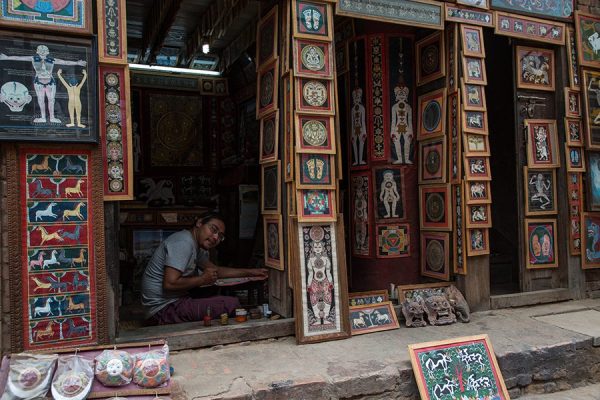
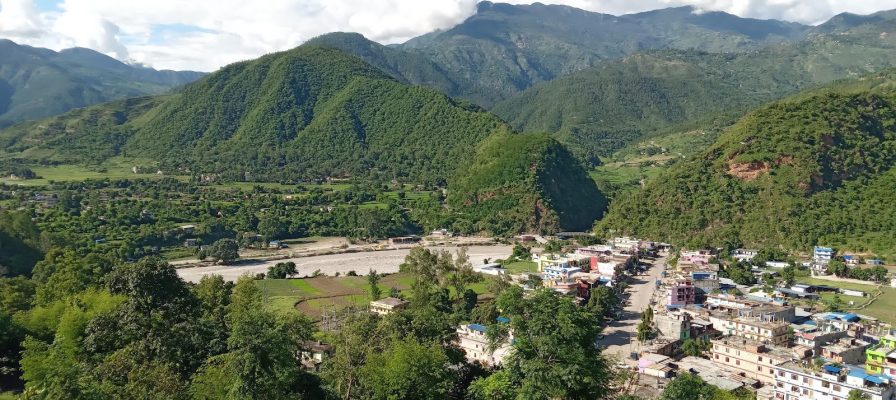
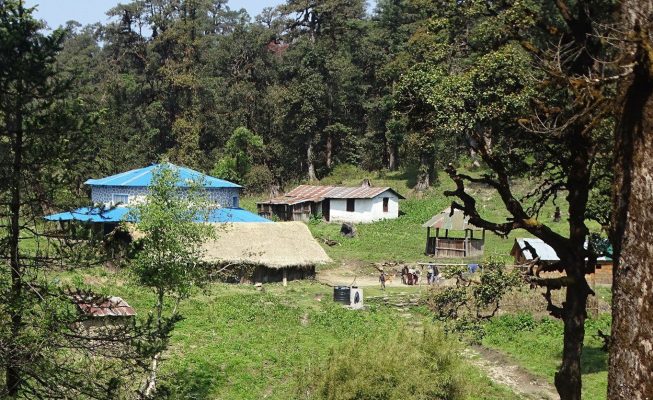
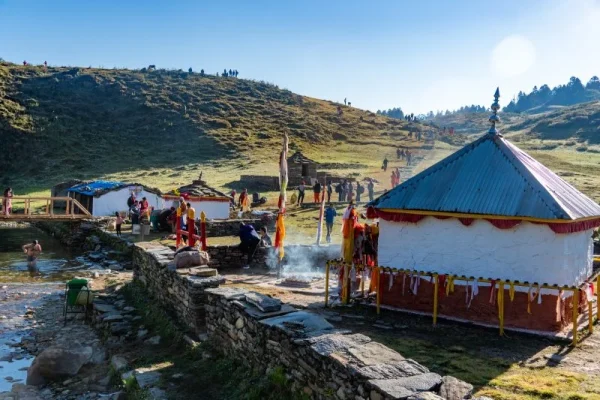
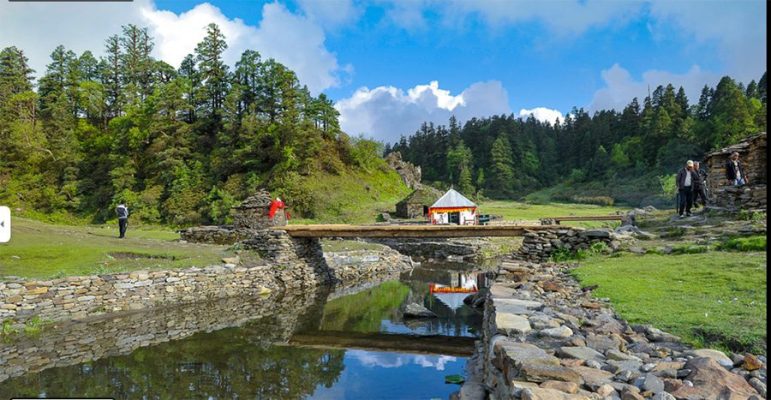
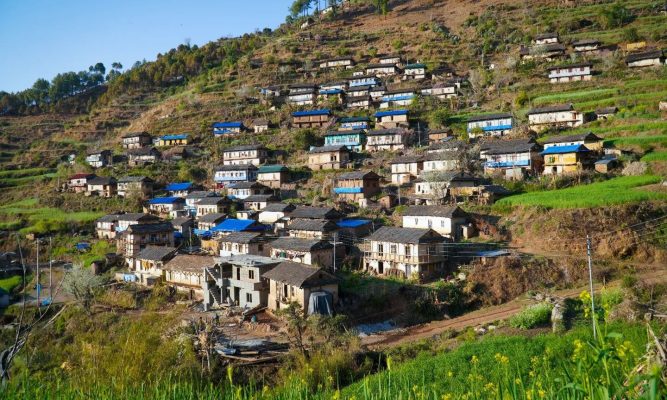
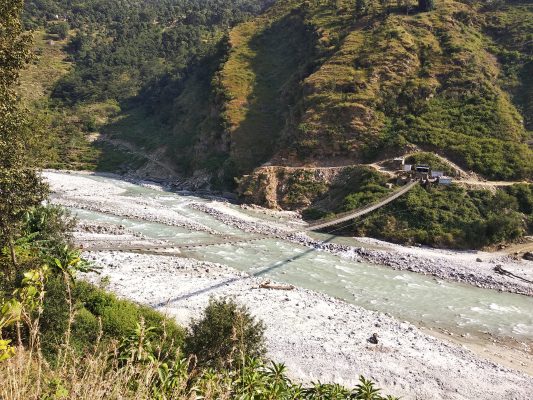
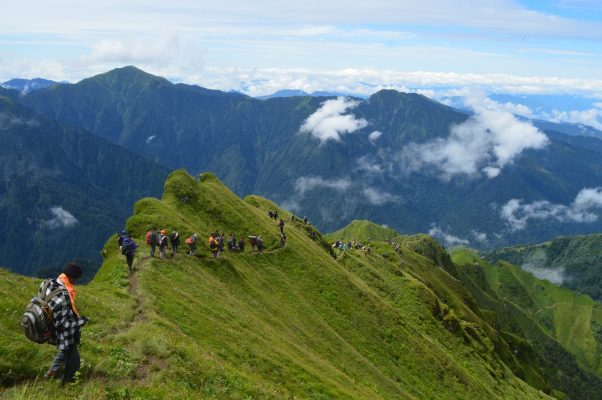
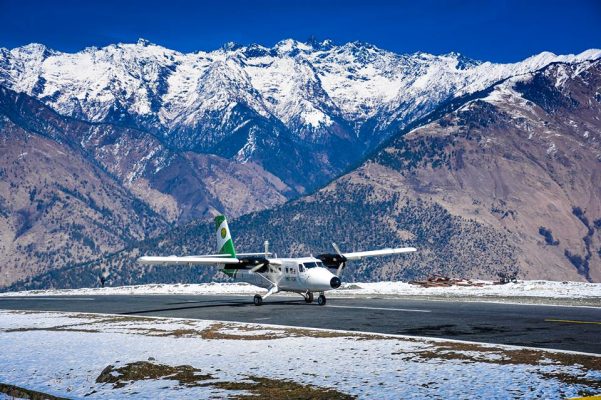
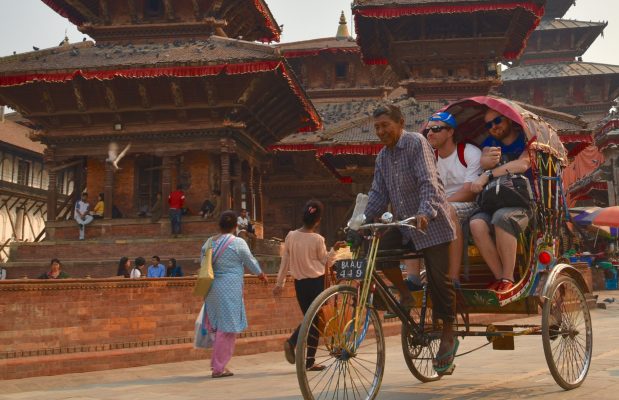
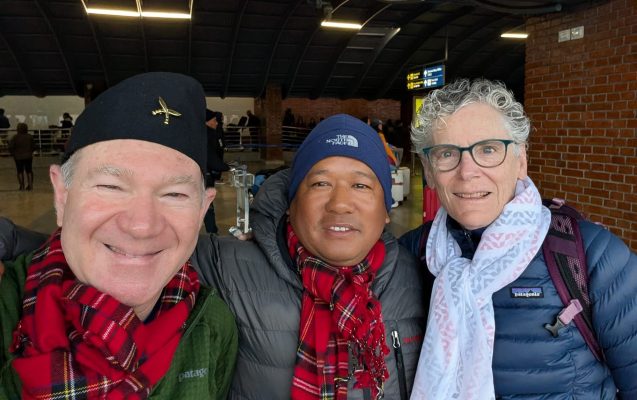
Khaptad to Rara via Badimalika Trek: What to Expect
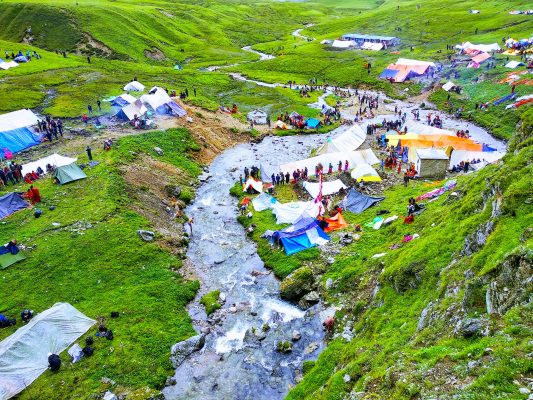
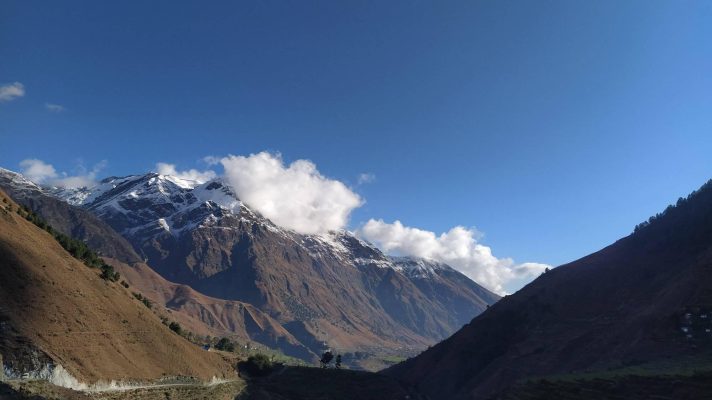
Views of Mt. Api at 7,132m and Mt. Saipal at 7,031m from a sacred 22-grass highland plateau
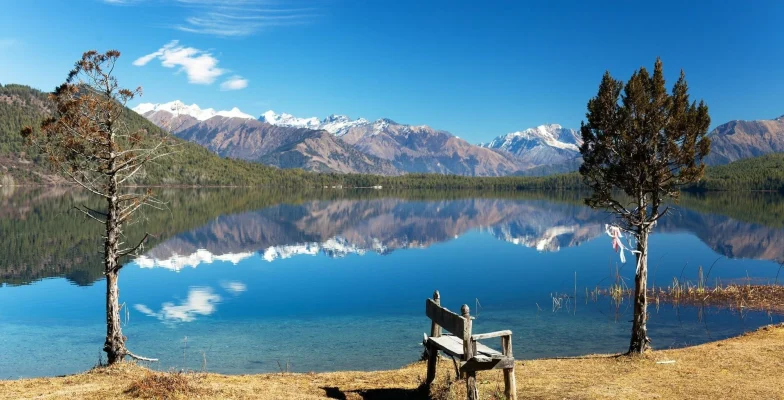
10km long, deep blue at 2,990m, Nepal's largest and deepest freshwater lake
225 sq km of highland grassland, 260 bird species and almost no other trekkers
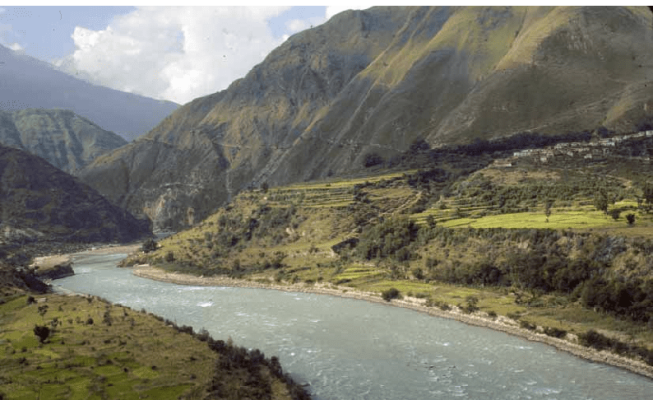
Different entry and exit points with not a single trail section repeated across 18 days
The Khaptad to Rara via Badimalika Trek is an 18-day semi-camping circuit through far western Nepal connecting three protected areas that most Nepal visitors never reach. You fly from Kathmandu to Dhangadhi, drive 192km to Dipayal Silgadhi, walk through Khaptad National Park on a 225 sq km highland plateau, climb to Badimalika Temple at 4,210m on the Bajura-Kalikot border, descend through the Karnali River corridor and climb to Rara Lake at 2,990m, then fly out from Talcha Airport near the lake back to Kathmandu. No section of trail is repeated.
This is a route for trekkers who have already done the standard Nepal circuits and want something genuinely remote. Far western Nepal receives a fraction of the trekking traffic of Everest or Annapurna and the infrastructure reflects that. Five of the 18 nights are in tented camps between 3,020m and 4,210m. One night is a homestay with a Bajura family. The remaining nights are basic lodges and teahouses where shared bathrooms and simple menus are the standard. Four days exceed 8 hours of walking. The longest day covers 22km in 9 hours through the Saat Pakhya Seven Grasslands. The route has no trail signage for most of its length and no mobile signal from Day 3 onward. A licensed guide is non-negotiable.
MountainKick provides a full camping crew, cook, mess tent and portable toilet tent for all camping sections. Permits for both national parks and the TIMS card are arranged before departure. No restricted area permit is required unlike Tsum Valley or Upper Mustang. For trekkers who want the Rara Lake experience without the full circuit, the Rara Lake Trek covers the lake in 15 days via a dedicated approach. For context on trek difficulty and fitness requirements read our Trek Difficulty Guide before booking.
Day-by-Day Itinerary
Arrive in Kathmandu
Your guide meets you at Tribhuvan Airport and transfers you to your hotel in Thamel. The evening briefing covers the full 18-day circuit, camping protocols, gear check and the Dhangadhi flight logistics for tomorrow. Far western Nepal has no trail signage, no mobile signal and five tented camp nights so the briefing is detailed and worth taking notes. Withdraw all cash tonight as the last ATM beyond Kathmandu is Dipayal Silgadhi on Day 2.

Fly to Dhangadhi, Drive to Dipayal Silgadhi
An early transfer to the domestic terminal for the 1 hour 15 minute flight to Dhangadhi, the main hub of far western Nepal’s Terai. A private vehicle begins the 6-hour drive northeast through Doti district to Dipayal Silgadhi, the district headquarters. The road climbs from flat Terai into terraced mid-hills terrain through pine-forested ridges. Use the ATM in Silgadhi tonight as it is the last cash access point for the entire trek.

Drive to Jhigrana, Trek to Bichpani Camp
A 90-minute drive from Silgadhi reaches Jhigrana, the last road-accessible village and the Khaptad National Park entry checkpoint where permits are verified. The Shree Saileshwori Temple in Doti is worth a brief stop on the drive. From Jhigrana the trail climbs steeply through pine, oak and rhododendron gaining 1,520m in 8km. This is a serious first day on the trail. MountainKick’s crew sets up camp and prepares dinner at Bichpani.

Trek to Khaptad National Park Headquarters
The trail continues through subalpine forest on a stone-paved path passing Tribeni Dham, a sacred confluence of three rivers with a small Hindu temple and ritual bathing site. The plateau environment opens up on arrival at the national park headquarters with grassland meadows replacing dense forest and the first open mountain views appearing. Camp is set at the headquarters where the park’s 224 species of medicinal herbs and 260 bird species make the surrounding terrain worth exploring before dinner.

Exploration Day at Khaptad National Park
A full day on the plateau with no load carrying. The main excursion is the trek to Khaptad Lake at 3,000m, a religiously significant lake drawing Hindu pilgrims during the Ganga Dashahra festival in late May. Other points include the Khaptad Baba ashram where the park’s founding sage meditated for decades, the Shiva and Ganesh temples near headquarters, and Ghodedhawan, the park’s largest grassland pasture. Common bird sightings include Himalayan monal, blood pheasant and multiple raptor species. Wildlife including bears, leopards, musk deer and common langur inhabit the park.

Descent to Kanda Village
A major descent day dropping 2,000m from the plateau to the valley floor at Kanda Village. The trail passes through pine forest and open hillside before reaching the main settlement of Bajura district. Kanda Durbar, a locally significant historical palace site, is worth a visit if time allows on arrival. Accommodation shifts from tented camp to basic teahouse from this point through the valley section. Knees take the load today so trekking poles are essential.

Kanda to Mouriya
One of the longer flat days on the trek following the valley floor through traditional Bajura settlements. The trail crosses the Sanfebagar-Martadi Highway, one of the few road crossings on the entire route, and passes through Birarigaun, Juwapani and Simalkot before the Budiganga River crossing at Mouriya. The communities here are primarily Brahmin, Thakuri and Chhetri with traditional millet, wheat and maize cultivation visible throughout. Start early as 20km accumulates fatigue even on flat ground.

Mouriya to Lamgada
The trail begins climbing again after two flat valley floor days. The route passes Nateshwari Temple, a locally significant Hindu shrine, before a sustained uphill section through terraced hillside to Lamgada at 2,100m. MountainKick places guests with a local Bajura family for the night. This is the most culturally immersive overnight of the entire trek, a working village household with traditional cuisine prepared by the host family and direct interaction with a community that receives very few foreign visitors.
Lamgada to Chankili
One of the hardest days on the trek gaining 1,400m over 14km on a narrow trail requiring careful foot placement throughout. The vegetation transitions from medicinal herb country through the Bajura mid-hills before opening to high alpine terrain near Chankili. Tented camp resumes here after three nights of lodge and homestay accommodation. First views of the Gurans Himal range appear on the upper section. Arrive early, eat well and sleep. Tomorrow is the high point of the entire circuit.
Climb to Badimalika Temple
The climb to the high point of the entire circuit. The trail ascends steeply through rocky terrain to the 22-grass plateau where Badimalika Temple sits at 4,210m dedicated to Goddess Malika. Fill all water bottles at Bishnu Muhan spring on the ascent as there is no water source at or above the temple. The plateau delivers a full panorama of Mt. Api at 7,132m and Mt. Saipal at 7,031m of the Gurans Himal range. Two resident priests maintain the temple year-round, one from Kalikot district and one from Bajura.
Badimalika Temple to Triveni
Rise before dawn for sunrise over Mt. Api and Mt. Saipal from 4,210m. Most trekkers describe this as the visual high point of the entire route. After the morning temple visit the trail descends to Triveni at 3,870m, a sacred confluence of three rivers and the main staging ground for the Malika Chaturdashi festival in July and August when over 1,500 pilgrim tents fill the valley. En route the unusual natural formation of Khetibati resembles cultivated paddy fields and is said locally to have been planted by birds.

Triveni to Kolti Bazar via Saat Pakhya
The longest day on the trek by distance at 22km and 9 hours descending 2,480m from 3,870m to 1,390m. The route passes Budimai Than then traverses the Saat Pakhya, a sequence of seven high meadows used as seasonal grazing ground with open ridge views across Bajura and Kalikot valleys. There are no teahouses or water sources between Budimai Than and Kolti so carry snacks and full water from camp. Start no later than 6am. Kolti Bazar has lodge accommodation and a local market with basic supplies.

Kolti to Jhugala
A shorter recovery day after the longest day on the trek. The morning follows the Kundana River to Pilu village before the trail tracks the left bank of the Karnali River to Jhugala. The Karnali at this elevation is wide, clear and swimmable in warm conditions, one of the more unexpected pleasures on the entire route. Jhugala has basic teahouse infrastructure and sits at the natural rest point before the climb toward Rara begins tomorrow.

Jhugala to Shreekot
The trail crosses the Karnali via the bridge at Sukadhik and picks up the Khatyar River which drains from Rara Lake above. From this point the route follows the Khatyar all the way to the lake. The path passes through Ratopani and Birabagar, small agricultural settlements on the valley slopes, with multiple suspension bridges and forested gorge sections featuring throughout the day. Shreekot at 2,040m is the overnight stop with basic lodge accommodation and the first real sense of proximity to Rara.
Shreekot to Rara Lake
The approach to Rara follows the Khatyar River through Sheri, Baupani and Jeuda villages before the final climb through forest to Chhapri, the Rara National Park headquarters on a ridge above the lake. The first view of the lake typically comes 30 to 45 minutes below Chhapri. Rara at 2,990m is 10km long, 5km wide and deep blue. After 15 days of far western Nepal trail the lake feels like an arrival at something genuinely earned. Chuchemara Hill at 4,090m is visible above the northern shore.

Rara Lake Exploration, Transfer to Talcha
An early start for sunrise over the lake. The reflection of surrounding snow peaks on the water surface at first light is what most trekkers photograph. The morning is free for lake exploration, optional boat rides and birdwatching along the shore where red panda, Himalayan black bear and grey wolf have all been recorded in Rara National Park. The hike to Chuchemara Hill at 4,090m takes 2 to 3 hours round trip and delivers a full aerial view of the lake and the Kanjirowa, Saipal and Patrasi Himal ranges. After lunch a short transfer to the Talcha Airport area for an early night before the morning flight.

Fly Talcha to Nepalgunj to Kathmandu
The morning Twin Otter flight from Talcha at 2,645m delivers one final aerial view of Rara Lake on departure. Twin Otter operations at Talcha are weather-dependent and morning cloud can delay or cancel flights so an early start is essential. The connection to Nepalgunj takes 50 to 60 minutes then a second flight continues to Kathmandu. Build a minimum 2-day buffer before any international departure as Talcha delays of 1 to 2 days are common. MountainKick arranges a farewell dinner in Kathmandu this evening.

Final Departure from Kathmandu
Your guide transfers you to Tribhuvan International Airport approximately 3 hours before your international departure. If your flight departs late the morning is free for a final walk through Thamel or a visit to Boudhanath. Eighteen days, three protected areas, one sacred temple at 4,210m and Nepal’s largest lake. Build at least 2 to 3 buffer days before flying home given the Talcha flight variability on Day 17. Safe travels.
3D Route Map
Includes & Excludes
-
3-star hotel in Kathmandu Days 1 and 17, same hotel on arrival and return
-
All teahouse, lodge, homestay and camping accommodation on twin-sharing basis Mixed accommodation throughout including five tented camp nights and one homestay in Lamgada
-
Domestic flights Kathmandu to Dhangadhi and Talcha to Nepalgunj to Kathmandu All three domestic flights included, round trip
-
All ground transfers in private vehicle Dhangadhi to Dipayal Silgadhi, Silgadhi to Jhigrana, and local transfers throughout
-
Full camping equipment throughout Sleeping tents, mess tent, kitchen tent, foam mattress
-
Sleeping bag and down jacket loan Returned at end of trek. Rated to -10C for Badimalika and Chankili nights.
-
All meals during the trek Breakfast, lunch and dinner at all five tented camp locations.
-
Breakfast and farewell dinner in Kathmandu Days 1 and 17 only
-
Government licensed English speaking guide Licensed by Nepal Tourism Board
-
Required number of porters 20kg load limit strictly enforced
-
Full medical insurance for all crew Guides, porters and kitchen staff
-
Rara National Park entry permit Arranged in Kathmandu before departure
-
Khaptad National Park entry permit Arranged in Kathmandu before departure
-
TIMS card
-
All government taxes and official fees
-
MountainKick duffel bag, sun hat and t-shirt Yours to keep
-
International airfare Book separately before contacting us
-
Nepal entry visa Available on arrival at Tribhuvan Airport
-
Travel insurance Mandatory. Must cover trekking to 4,500m and helicopter evacuation from far western Nepal. Costs USD 3,000 to 6,000 from this region, significantly higher than standard Nepal treks due to remoteness and longer response times.
-
Lunch and dinner in Kathmandu Budget $15 to $25 per meal in the city
-
Personal trekking gear and clothing Full list in the packing section below
-
Alcoholic and soft drinks Available at lodge and teahouse sections. Not available at camping sections.
-
Tips for guides, porters and kitchen crew Customary and appreciated
-
Helicopter evacuation costs Covered by your travel insurance
-
Any costs due to delays or itinerary changes Weather, flight cancellations, illness
Enhance Your Trek
We Handle the Details
FreeWhere You'll Sleep & What You'll Eat
2 nights in Kathmandu: Three-star hotel in Thamel with twin sharing rooms, hot shower, WiFi and daily breakfast included. Same hotel on arrival and return.
1 night in Dipayal Silgadhi: Basic but clean hotel with private bathrooms, hot water on limited hours and a simple restaurant. The last reliable facilities before the trail begins.
5 tented camp nights (Bichpani, Khaptad HQ x2, Chankili, Badimalika, Triveni): Two-person mountain tents on grass camp. Foam mattresses and sleeping bags rated to -10C provided. Mess tent for meals. Portable toilet tent at every camp location. No electricity, no hot water. Bring a sleeping bag liner for extra warmth at Badimalika and Chankili where temperatures drop well below freezing.
1 homestay night (Lamgada): Stay with a local Bajura family. Simple rooms in a traditional home, shared or outdoor bathroom, no electricity in some homes. Meals are traditional local cuisine prepared by the host family. The most basic and most culturally specific overnight on the route.
Lodge and teahouse nights (Kanda, Mouriya, Kolti, Jhugala, Shreekot, Chhapri, Talcha): Basic twin sharing rooms with shared bathrooms and simple beds throughout. Kolti Bazar is the best provisioned of the village stops. Chhapri at Rara National Park headquarters is the most comfortable lodge on the trail section. Bring a sleeping bag for all lodge nights above 2,000m.
Meals are included on all five tented camping sections. The MountainKick cook prepares breakfast, lunch and dinner daily at camp. On non-camping nights meals are paid directly at lodges, teahouses and the Lamgada homestay and are not included in the package.
Dal bhat, fried rice, noodle soup, eggs and chapati are the standard menu throughout. Food variety and quality decrease significantly above Kolti Bazar and in the Karnali valley sections. Stock up on personal snacks in Kathmandu for the high altitude camping days where teahouse options are absent. Breakfast is included at the Kathmandu hotel on arrival and return. The farewell dinner on Day 17 is included.
| Meals in Kathmandu | $10 to $20 per meal |
| Alcoholic drinks on trek | $3 to $8 per drink where available |
| Soft drinks and bottled water | $1 to $3 per bottle |
| Personal snacks and energy bars | $50 to $100 total recommended |
What Our Trekkers Say
“A completely different side of Nepal”
We had an amazing experience trekking from Khaptad to Rara with Gautam. The route was quiet and felt very remote, with beautiful forests, open hills, and hardly any other trekkers around. Badimalika was a real highlight, and finishing at Rara Lake was the perfect end to the journey, Gautam looked…
“An unforgettable adventure in western Nepal”
Ramchandra was excellent for this trek. We wanted something away from the more popular routes, and this was exactly it. The landscape changes constantly, from the forests of Khaptad to the high hills around Badimalika and finally beautiful Rara Lake, a challenging journey, but the quiet trails and incredible scenery…
Frequently Asked Questions
How difficult is the Khaptad to Rara via Badimalika Trek?
We rate this trek Challenging. Four days exceed 8 hours of walking: Day 7 at 20km on flat ground, Day 9 gaining 1,400m on a narrow trail, Day 10 climbing to 4,210m at Badimalika, and Day 12 covering 22km in 9 hours through the Saat Pakhya. The maximum altitude of 4,210m is reached without a dedicated acclimatisation day so a controlled pace on the approach days is essential. Five nights of tented camping between 3,020m and 4,210m add physical demands that lodge-only treks do not carry. This is not a first Nepal trek. Read our trek difficulty guide before booking.
What makes this different from the standalone Rara Lake Trek?
The Rara Lake Trek flies directly to Talcha and walks to the lake and back in 15 days without the Khaptad plateau or Badimalika Temple. This circuit adds 10 or more days of trail through far western Nepal’s most remote terrain, connecting three distinct protected areas and crossing country the Rara standalone never reaches. It is more demanding, more expensive and considerably more remote. The right choice for trekkers who want a genuine far western Nepal expedition rather than a focused lake visit.
What is the best time of year for this trek?
Spring from March to May and autumn from September to November are the reliable windows. Spring brings rhododendron bloom through the Khaptad forest sections and stable morning weather. Autumn has the clearest mountain views from Badimalika. June to August monsoon is not recommended as the lower forest sections become muddy and leech-heavy, river crossings carry higher risk and the Talcha flight connection is more frequently disrupted. December to February is possible but cold camping at 4,210m requires -20C rated sleeping kit and high cold weather tolerance.
What permits do I need?
Two national park entry permits are required: Khaptad National Park and Rara National Park. A TIMS card is also required. MountainKick arranges and covers all three as part of the package. Unlike the Tsum Valley or Upper Mustang this is not a restricted area trek so no special restricted area permit is needed. Bring two passport-sized photos and your passport details when you contact us to begin the permit process. For a full breakdown of Nepal permit costs read our Nepal Trekking Permits 2026 guide.
Is a licensed guide legally required?
A licensed guide is not legally mandatory for this route the way it is for restricted areas, but trekking without one is genuinely dangerous here. Far western Nepal has no trail signage for most of the route, mobile coverage is absent from Day 3 onward, and getting lost in the Bajura or Kalikot highlands is a real emergency risk. The camping sections also require a cook and camp crew. This is not a self-supported trek. MountainKick provides a government licensed English speaking guide as standard on every departure.
What travel insurance do I need?
Your policy must cover trekking to 4,500m and helicopter evacuation from far western Nepal to a minimum of USD 6,000. Emergency response times from this region are significantly longer than from Everest or Annapurna. Standard policies often exclude remote far western Nepal so read your policy carefully before purchasing. We require policy documentation before the trek begins. Read our travel insurance guide for what to look for in a policy covering remote Nepal trekking.
What is Badimalika Temple and what should I expect there?
Badimalika Temple sits at 4,210m on a 22-grass plateau at the Bajura-Kalikot border, dedicated to Goddess Malika, a manifestation of Goddess Bhagwati. Two resident priests maintain it year-round, one from each bordering district. The major festival, Malika Chaturdashi, occurs in July and August when thousands of pilgrims gather at Triveni below. The views from the plateau take in Mt. Api at 7,132m and Mt. Saipal at 7,031m. One critical practical note: there is no water source at the temple. Fill all bottles at Bishnu Muhan spring on the ascent.
How should I plan around the Talcha Airport flights?
The Talcha flight on Day 17 is the most weather-dependent element of the itinerary. Twin Otter operations at Talcha are cancelled frequently due to morning cloud. Delays of 1 to 2 days are not unusual. Build a minimum 2 to 3 day buffer before any international departure from Kathmandu. If delayed at Talcha accommodation is basic and supply options are limited so bring extra snacks. MountainKick will arrange extended accommodation if needed but the extra nights cost is not included in the base package.
How much cash should I carry and where do I get it?
Withdraw all cash in Kathmandu before departure. The last ATM access is Dipayal Silgadhi on Day 2 and even that ATM is not always reliable. Budget NPR equivalent of USD 450 to 600 for the full 18 days covering non-included meals, hot showers, WiFi, device charging and a buffer for unexpected expenses including Talcha delay nights. Carry small denominations as village lodges in far western Nepal cannot break large notes.
Is there mobile signal or internet on the trek?
Mobile coverage in far western Nepal is extremely limited. Expect no usable signal from Day 3 at Jhigrana through most of the route, with occasional patchy NTC coverage at larger market towns like Kolti Bazar. WiFi is available at a few lodges in Silgadhi on Day 2 and at Kolti Bazar and essentially absent everywhere else. Plan for 13 to 14 consecutive days without reliable communication. Your guide carries emergency satellite communication equipment throughout. Inform family and employers of the communication blackout before departure.
What wildlife might I see?
Khaptad National Park records 260 or more bird species including Himalayan monal, blood pheasant and multiple raptor species. Mammals within the park include Himalayan black bear, common leopard, musk deer and common langur. Snow leopard has been recorded but sightings are rare. Rara National Park wildlife includes red panda, Himalayan black bear, grey wolf and musk deer. The Karnali River corridor between Kolti and Jhugala is good for birds with kingfishers, wagtails and dippers common along the water. Bring binoculars for Badimalika and the Khaptad plateau sections.
What vaccinations do I need?
Recommended vaccinations for far western Nepal: Hepatitis A, Hepatitis B, Typhoid, Japanese Encephalitis (particularly relevant for the Terai and mid-hill sections on Days 2 and 17), Rabies (especially relevant for a multi-week remote trek), COVID-19 and seasonal influenza. Consult a travel health clinic at least 6 to 8 weeks before departure. No vaccinations are legally required for Nepal entry but the above are medically advisable for any remote multi-week trek in this region.
Departure Dates & Pricing
No upcoming fixed departures are scheduled at the moment. Contact us to arrange a private departure on dates that suit you.
Your dates, your group, your way
Same route and guides, just your group. Tell us when you'd like to go and how many of you there are, and we'll send you a day by day plan with a price.
- Nothing to pay now
- Plan and price by email
- Confirm with a 20% deposit
"*" indicates required fields
Rather chat? Message us on WhatsApp
-
1
20% deposit: due on booking Secures your place on the departure. The deposit is non-refundable. We also need a copy of your passport.
-
2
80% balance: due on arrival Pay the rest in Kathmandu before the trip starts. Bank transfer, cash, or card (4% card fee).
| Cancel before you arrive | Deposit not refunded, nothing more to pay |
| Cancel after the pre-trip meeting | No refund |
| Date or name change | USD 200 per person |
| MountainKick cancels trip | Full refund or reschedule |
Weather delays and extra days cost extra, so travel insurance is required. We give you documents for any claim.
Read the full terms and conditionsPacking List
Clothing
ⓘ Layers are more important than single heavy pieces. You will go from hot valley floor days at 1,000m to freezing camp nights at 4,210m across the 18 days. The range is wider than it looks on paper.
Footwear
ⓘ There are no boot repair shops anywhere on this route. If a sole comes loose above Kanda you are dealing with it yourself. Carry a small tube of shoe glue.
Sleeping
ⓘ Camp temperatures at Chankili at 3,500m and Badimalika at 4,210m regularly drop below -10C at night even in peak season. A bag rated to -10C is the minimum. MountainKick provides sleeping bags for all five camping sections.
Backpack and Bags
ⓘ Your porter carries the duffel. Your daypack carries everything you need on the trail each day including water, snacks, layers, camera and first aid. Keep it under 8kg.
Health and Hygiene
ⓘ Giardia is common in untreated water sources in this region. A filter bottle is more practical than tablets over 15 trekking days. The nearest hospital is in Dipayal Silgadhi. Above Jhigrana helicopter evacuation is the primary emergency option with significantly longer response times than Everest or Annapurna regions.
Electronics and Navigation
ⓘ There is no reliable electricity beyond Dipayal Silgadhi. Solar charging panels are available but unreliable in overcast conditions on the Khaptad plateau. Bring enough battery capacity to last the full 15 days on trail without relying on charging.
Documents and Money
ⓘ Keep a physical copy of your passport, insurance documents and emergency contacts separate from your originals. Leave a full set of copies with someone at home who can be contacted in an emergency.
Trekking in Winter (Dec to Feb)
Trekking in Monsoon (Jun to Aug)
⚠ This trek is not recommended during monsoon. The lower forest sections between Jhigrana and Kanda become slippery and prone to landslides, leeches are present from Kanda to Mouriya between June and August, the Karnali River corridor carries higher crossing risk after heavy rain and Talcha flights become severely disrupted. If you are considering a monsoon departure contact Kumar directly before booking.
Leave at home
-
Heavy camera equipment Weight is critical on a camping trek. A mirrorless camera or phone is sufficient.
-
Jeans or cotton trousers Cotton holds moisture and dries slowly. Dangerous at altitude in cold and wet conditions.
-
Perfume or scented products Attracts insects in lower valleys and disrespectful near monasteries
-
Excessive jewellery or valuables No secure storage on a camping trek
-
Portable speakers Remote areas deserve the quiet
Sleeping bags rated to -10C are provided by MountainKick for all five camping sections at no extra cost. Down jackets and trekking poles are rentable in Thamel. We walk you to reliable shops at the pre-trek briefing the evening before the Dhangadhi flight. Nothing is available to rent beyond Kathmandu. If you need it, get it before you fly.
Khaptad to Rara via Badimalika Trek
Talk to Kumar and the team before you commit. Ask about gear, fitness, altitude or a private group.


Tales from the Himalayas
 Travel
 Best Time to Trek Langtang Valley: Month by Month
Langtang is close to Kathmandu and good for much of the year, but the season changes everything from the views…
 Annapurna Region
 Thorong La Pass: A Guide to the Big Day on the Annapurna Circuit
Thorong La at 5,416m is the highest point of the Annapurna Circuit. Here’s what crossing day is really like, from…
 Everest Region
 Annapurna Circuit Teahouses: What the Rooms Are Really Like
Teahouses on the Annapurna Circuit range from comfortable lodges in Manang to bare rooms at Thorong Phedi. Here’s what to…