

Lhasa Tour
●●●●● 4.9 · 60+ TripAdvisor reviews14 Days of Tibetan Discovery: Sacred Palaces, Ancient Monasteries, and Heavenly Lakes Journey into the heart of Tibet, the “Roof of the World,” on this comprehensive 14-day adventure that takes you through the most sacred and spectacular destinations of the Tibetan plateau. From the ancient palaces of Lhasa to the pristine waters of Namtso Lake, […]
Lhasa Tour: What to Expect
14 Days of Tibetan Discovery: Sacred Palaces, Ancient Monasteries, and Heavenly Lakes
Journey into the heart of Tibet, the “Roof of the World,” on this comprehensive 14-day adventure that takes you through the most sacred and spectacular destinations of the Tibetan plateau. From the ancient palaces of Lhasa to the pristine waters of Namtso Lake, this expedition offers an unparalleled exploration of Tibetan culture, spirituality, and breathtaking landscapes.
The Complete Tibet Discovery is our most extensive Tibet adventure, designed for travelers seeking the ultimate Tibetan experience. This carefully crafted journey takes you beyond the typical tourist routes to discover the authentic heart of Tibetan civilization, from the cradle of Tibetan culture in Tsedang to the majestic fortress town of Gyantse and the religious capital of Shigatse.
Mountain Kick provides a comprehensive package that includes all accommodations, meals, professional licensed Tibetan guides, private vehicle transportation, and exclusive cultural experiences. Our carefully designed route ensures you experience the spiritual essence of Tibet through iconic landmarks like the Potala Palace , sacred monasteries including Sera and Drepung , and breathtaking natural wonders like Namtso Lake, one of Tibet’s three sacred lakes.
This expedition includes unique cultural immersion experiences unavailable elsewhere: private meditation sessions with senior monks, traditional Tibetan family visits, ancient craft workshops, and exclusive access to sacred sites. You’ll witness the daily life of Tibetan pilgrims, explore the birthplace of Tibetan Buddhism, and journey through landscapes that have remained unchanged for centuries.
Day-by-Day Itinerary
Arrival in Lhasa & transfer to hotel (3,650m/11,972ft)
Welcome to Tibet! Upon your arrival at Lhasa Gonggar Airport, our representative will meet you with a traditional Tibetan welcome ceremony including ceremonial scarves (khata). Transfer to your centrally located hotel in the heart of old Lhasa. Take time to rest and begin your crucial acclimatization to the high altitude. In the evening, we’ll hold a comprehensive pre-trip meeting where we’ll review your epic 14-day cultural adventure, discuss high-altitude travel requirements, and answer any questions about this ultimate Tibetan experience.
Travel Distance: 65km (40 miles) | Travel Duration: 1.5 hours | Difficulty Level: Easy (airport transfer and rest)
Points of Interest:
- Lhasa Gonggar Airport with dramatic Himalayan approach
- Traditional Tibetan welcome ceremony with khata scarves
- Old Lhasa district orientation and cultural overview
- Pre-trip briefing and cultural education session
- Altitude acclimatization guidance and health consultation
Tsedang - Cradle of Tibetan Civilization (3,550m/11,646ft)
Your extraordinary cultural adventure begins with an early morning drive to Tsedang, the birthplace of Tibetan culture and the ancient first capital of Tibet . This scenic journey takes you through traditional Tibetan farming valleys and dramatic highland landscapes. Upon arrival, visit Yambulakhang Palace, believed to be Tibet’s first palace and the earliest structure built for the first king of Tibet . The palace offers stunning panoramic views of the Yarlung Valley, considered the cradle of Tibetan civilization.
Travel Distance: 120km (75 miles) | Travel Duration: 2.5 hours | Difficulty Level: Easy to Moderate (high-altitude driving and palace exploration)
Points of Interest:
- Yarlung Valley – birthplace of Tibetan civilization
- Yambulakhang Palace – Tibet’s first royal residence
- Traditional Tibetan farming communities and barley fields
- Ancient architecture demonstrating early Tibetan building techniques
- Cultural significance of the first Tibetan kingdom
Sacred Monasteries & Ancient Meditation Caves
Today features one of the most spiritually significant days of your journey as we explore the foundational sites of Tibetan Buddhism. Morning visit to Samye Monastery, Tibet’s first Buddhist monastery built between 775-779 CE and designed to represent the Buddhist universe in its architectural layout . After lunch, journey to the remarkable ChimPhu caves, which served as a meditation retreat for Guru Rinpoche, the founder of Tibetan Buddhism . Experience a unique meditation session in these sacred caves with local hermit monks.
Travel Distance: 45km (28 miles) | Travel Duration: 4-5 hours total | Difficulty Level: Moderate (monastery exploration and cave meditation)
Points of Interest:
- Samye Monastery – Tibet’s first Buddhist monastery
- Mandala architectural design representing Buddhist cosmology
- ChimPhu caves – ancient meditation retreat sites
- Guru Rinpoche’s historical meditation locations
- Hermit monk meditation instruction and spiritual guidance
- Traditional Buddhist art and ancient murals
Return to Lhasa via Traditional Villages
Begin your return journey to Lhasa with cultural stops at traditional Tibetan villages for authentic community interactions . Participate in hands-on cultural workshops including traditional Tibetan paper-making using ancient techniques passed down through generations. Visit local family homes to experience genuine Tibetan hospitality and observe daily life in rural Tibet. The scenic drive provides spectacular highland landscapes and photo opportunities of traditional Tibetan architecture.
Travel Distance: 120km (75 miles) | Travel Duration: 4-5 hours with cultural stops | Difficulty Level: Easy to Moderate (cultural activities and traditional crafts)
Points of Interest:
- Traditional Tibetan village architecture and community life
- Ancient paper-making techniques and cultural workshops
- Authentic Tibetan family hospitality and home visits
- Highland plateau landscapes and photography opportunities
- Traditional farming methods and barley cultivation
- Rural Tibetan customs and daily life observation
Imperial Lhasa - Potala Palace & Norbulingka
Today marks your exploration of imperial Lhasa with an exclusive early morning visit to the magnificent Potala Palace, a UNESCO World Heritage Site and former winter residence of the Dalai Lama . This architectural marvel, built 400 years ago, towers over Lhasa valley and contains over 1,000 rooms. After lunch, explore Norbulingka Palace, another World Heritage Site considered the largest man-made garden in Tibet and the traditional summer residence of the Dalai Lama . Evening visit to Tibet Museum for comprehensive cultural education .
Walking Distance: 3km (2 miles) | Exploration Duration: 8-9 hours | Difficulty Level: Moderate (extensive palace exploration and climbing)
Points of Interest:
- Potala Palace – UNESCO World Heritage Site
- Red and White Palace complexes with over 1,000 rooms
- Norbulingka Palace gardens and summer residence
- Tibet Museum with rare artifacts and cultural exhibitions
- Traditional Tibetan architecture and artistic treasures
- Panoramic views over Lhasa valley and surrounding peaks
Monastic Universities - Sera & Drepung
Immerse yourself in Tibetan Buddhist education at two of Tibet’s most prestigious monastic universities. Morning exploration of Sera Monastery to witness the famous monk debates, a unique form of Buddhist dialectical learning involving hand clapping and animated discussions . Afternoon visit to Drepung Monastery, once the world’s largest monastery and one of the three great Gelug university monasteries, housing up to 10,000 monks at its peak . Experience private meditation instruction with senior monks.
Walking Distance: 4km (2.5 miles) | Exploration Duration: 7-8 hours | Difficulty Level: Moderate (monastery exploration and meditation practice)
Points of Interest:
- Sera Monastery monk debates and Buddhist dialectical learning
- Traditional Buddhist philosophy and education systems
- Drepung Monastery – former world’s largest monastery
- Gelug school Buddhist teachings and practices
- Private meditation sessions with qualified monks
- Monastic daily life observation and cultural exchange
Spiritual Heart - Jokhang Temple & Barkhor Circuit
Explore the absolute spiritual center of Tibet with a morning visit to Jokhang Temple, Tibet’s most sacred temple and the spiritual heart of Tibetan Buddhism . Witness morning prayers and observe the constant stream of pilgrims performing prostrations. Spend the afternoon walking the sacred Barkhor circuit with Tibetan pilgrims, experiencing the devotional atmosphere of this ancient pilgrimage route that encircles Jokhang Temple . Evening exploration of traditional markets and authentic craft workshops.
Walking Distance: 5km (3 miles) | Exploration Duration: 6-7 hours | Difficulty Level: Easy to Moderate (temple exploration and pilgrimage walking)
Points of Interest:
- Jokhang Temple – Tibet’s most sacred religious site
- Ancient Jowo Buddha statue and pilgrimage rituals
- Barkhor Street circumambulation with devoted pilgrims
- Traditional Tibetan markets and authentic handicrafts
- Prostration practices and devotional demonstrations
- Sacred architecture dating back over 1,300 years
Journey to Namtso - Heavenly Lake (4,718m/15,479ft)
Today features the most spectacular high-altitude drive of your expedition as you journey to Namtso Lake, one of Tibet’s three sacred lakes known as the “Heavenly Lake” . The dramatic route crosses multiple high-altitude passes including Laken Pass at 5,190m, offering breathtaking views of the Nyenchen Tanglha mountain range. This pristine alpine lake, situated on the border between Damxung County and Baingoin County, is renowned for its incredible turquoise waters and spiritual significance . Experience sunset meditation by the sacred waters.
Travel Distance: 250km (155 miles) | Travel Duration: 5-6 hours | Difficulty Level: Challenging (high-altitude driving and acclimatization)
Points of Interest:
- Laken Pass (5,190m) with panoramic Himalayan views
- Nyenchen Tanglha mountain range and glacier formations
- Namtso Lake – one of Tibet’s three sacred lakes
- Highest altitude saltwater lake at 4,718m elevation
- Traditional Tibetan nomad communities and yak herding
- Sacred pilgrimage site with spiritual significance
Namtso Sunrise & Traditional Nomad Culture
Witness the spectacular sunrise over Namtso Lake with the snow-capped Nyenchen Tanglha peaks perfectly reflected in the crystal-clear waters. Morning photography session capturing the otherworldly beauty of this high-altitude paradise. Visit traditional Tibetan nomad settlements to learn about ancient yak herding practices and the challenging nomadic lifestyle at extreme altitude. Participate in traditional activities including yak milking demonstrations and nomad tent construction. Afternoon exploration of lake shoreline and meditation practice.
Walking Distance: 8km (5 miles) | Exploration Duration: 6-7 hours | Difficulty Level: Moderate to Challenging (high-altitude activities and cultural immersion)
Points of Interest:
- Namtso sunrise photography with mountain reflections
- Traditional Tibetan nomad culture and lifestyle
- Yak herding demonstrations and pastoral practices
- High-altitude ecosystem and unique flora/fauna
- Sacred pilgrimage rituals performed by visiting Tibetans
- Meditation practice at 4,718m elevation
Return to Lhasa via Northern Route
Begin your return journey to Lhasa via the scenic northern route, providing different landscapes and cultural perspectives from your outward journey. Stop at traditional villages for cultural interactions and witness the dramatic transition from high-altitude wilderness to agricultural valleys. Visit local markets and observe traditional Tibetan handicraft production including carpet weaving and metalwork. The route offers spectacular photographic opportunities of Tibet’s diverse landscapes and traditional architecture.
Travel Distance: 250km (155 miles) | Travel Duration: 6-7 hours with cultural stops | Difficulty Level: Moderate (high-altitude travel and cultural activities)
Points of Interest:
- Northern Tibet plateau landscapes and geological formations
- Traditional Tibetan villages and agricultural communities
- Handicraft workshops including carpet weaving demonstrations
- Local markets featuring authentic Tibetan products
- Dramatic altitude transition from 4,718m to 3,650m
- Photography opportunities of diverse Tibetan scenery
Journey to Gyantse via Yamdrok Lake (3,950m/12,956ft)
Today features one of Tibet’s most scenic and culturally significant drives as you journey to the historic fortress town of Gyantse. Cross the dramatic Karo La Pass at 5,045m with spectacular views of ancient glaciers and the Himalayan range . The highlight is your stop at Yamdrok Lake, one of Tibet’s four sacred lakes, renowned for its incredible turquoise waters and spiritual significance . The lake’s irregular shape resembles a coiling scorpion when viewed from the mountain passes above.
Travel Distance: 260km (162 miles) | Travel Duration: 6-7 hours | Difficulty Level: Moderate to Challenging (high-altitude passes and scenic photography)
Points of Interest:
- Karo La Pass (5,045m) with ancient glacier views
- Yamdrok Lake – one of Tibet’s four sacred lakes
- Spectacular turquoise waters and mountain reflections
- Traditional Tibetan pilgrimage rituals at sacred lake
- Gyantse – the historic “Hero City” fortress town
- Dramatic high-altitude landscape photography opportunities
Gyantse Exploration & Journey to Shigatse (3,900m/12,795ft)
Morning comprehensive exploration of Gyantse’s remarkable historical attractions including the impressive Gyantse Fortress (Dzong) that dominates the valley and Palcho Monastery with its unique Kumbum Stupa containing thousands of Buddhist images. Participate in traditional Tibetan carpet weaving demonstrations at local workshops, learning ancient techniques passed down through generations. Afternoon scenic drive to Shigatse, Tibet’s second-largest city and traditional seat of the Panchen Lama, via Shalu Monastery .
Travel Distance: 90km (56 miles) | Exploration Duration: 8-9 hours | Difficulty Level: Moderate (fortress climbing and cultural workshops)
Points of Interest:
- Gyantse Fortress (Dzong) with commanding valley views
- Palcho Monastery and unique Kumbum Stupa architecture
- Traditional carpet weaving workshops and demonstrations
- Shalu Monastery with ancient murals and artwork
- Historic “Hero City” significance from 1904 British invasion
- Traditional Tibetan architectural preservation
Shigatse - Religious Capital & Tashilhunpo Monastery
Full day immersion in Shigatse exploring the magnificent Tashilhunpo Monastery, the traditional seat of the Panchen Lama and one of Tibet’s most important religious institutions. This vast monastic complex houses one of the world’s largest bronze statues of the future Buddha, Maitreya, standing 26 meters tall. Experience the daily life of hundreds of monks through guided tours and, subject to availability, enjoy private audiences with senior lamas. Afternoon exploration of traditional markets and local Tibetan neighborhoods.
Walking Distance: 5km (3 miles) | Exploration Duration: 7-8 hours | Difficulty Level: Moderate (extensive monastery exploration and cultural immersion)
Points of Interest:
- Tashilhunpo Monastery – seat of the Panchen Lama
- World’s largest bronze Maitreya Buddha statue (26 meters)
- Traditional Tibetan monastic education and daily routines
- Private audiences with senior lamas (subject to availability)
- Traditional Shigatse markets and local community life
- Panchen Lama’s historical residence and religious significance
Return to Lhasa & Final Cultural Experiences
Begin your final journey back to Lhasa through traditional farming valleys and pastoral landscapes, marking the conclusion of your extraordinary Tibet cultural expedition . Final stops include traditional villages for last cultural interactions and souvenir shopping at authentic handicraft centers. Afternoon arrival in Lhasa with time for final exploration of Barkhor Street and last-minute shopping for authentic Tibetan artifacts . Evening farewell dinner celebration with traditional Tibetan cultural performances.
Travel Distance: 280km (174 miles) | Travel Duration: 5-6 hours with cultural stops | Difficulty Level: Easy to Moderate (return journey and cultural activities)
Points of Interest:
- Final scenic drive through traditional Tibetan landscapes
- Last opportunities for authentic cultural interactions
- Barkhor Street final shopping and cultural immersion
- Traditional Tibetan handicraft centers and authentic souvenirs
- Farewell cultural performances and celebration dinner
- Reflection on comprehensive Tibet cultural discovery experience
Final Departure from Lhasa
Transfer to Lhasa Gonggar Airport for your departure, carrying unforgettable memories of your comprehensive Tibet cultural discovery. Our representative will provide traditional farewell ceremony with ceremonial scarves and blessings for safe travels.
Travel Distance: 65km (40 miles) | Travel Duration: 1.5 hours | Difficulty Level: Easy (airport transfer)
What Our Trekkers Say
“An incredible experience in Lhasa”
We spent several days in Lhasa and absolutely loved it. The monasteries, temples, and Tibetan culture were fascinating, and having a local guide made everything much more meaningful. The Potala Palace was the obvious highlight, but we also enjoyed simply walking around the old streets and seeing everyday life. MountainKick…
“A fascinating cultural journey”
Travelling as a small group of three, we had a wonderful time exploring Lhasa. The temples and monasteries were incredible, but what made the trip special was learning about Tibetan history and traditions along the way. Everything was well arranged and we never felt rushed, MountainKick were very helpful before…
“A memorable trip to Tibet”
Our family of four really enjoyed the Lhasa tour. The children were fascinated by the Potala Palace and the monasteries, while we appreciated the history and culture behind everything we saw. The itinerary had a good pace and our guide was patient with all our questions, a very memorable part…
Frequently Asked Questions
How challenging is the Complete Tibet Discovery culturally and physically?
The tour is rated as medium difficulty, primarily due to high altitude rather than physical exertion. Cultural activities involve moderate walking and extensive site exploration rather than strenuous hiking. The main challenges include:
- High altitude: 3,550m to 4,718m requiring careful acclimatization and health monitoring
- Long cultural exploration days: 6-9 hours daily of monastery, palace, and cultural site visits
- Basic accommodation: Limited facilities at remote locations, particularly Namtso Lake
- Cultural intensity: Comprehensive daily cultural immersion requiring mental engagement
Previous high-altitude travel experience beneficial but not mandatory for this cultural expedition.
What additional expenses should I budget for?
Beyond your tour package, budget comprehensively for all meals during your 14-day cultural journey:
Meals During Tibet Cultural Tour:
- Breakfast in restaurants: $8-12 per meal (when not included in hotels)
- Lunch during cultural tours: $12-20 per meal
- Dinner at local restaurants: $15-25 per meal
- Traditional Tibetan cultural meals: $20-35 per meal
Daily Cultural Expenses:
- Hot showers at remote locations: $5-10 per shower
- Internet access: $3-8 per day (limited availability)
- Battery charging for cameras: $2-5 per device per day
- Cultural souvenirs and handicrafts: $5-50 per item
Other Essential Expenses:
- International airfare to/from China
- China visa fees ($140-$200 depending on processing)
- Tibet permit processing fees ($50-$100 per person)
- Travel insurance with high-altitude coverage (mandatory)
- Cultural workshop materials and personal craft supplies
- Traditional Tibetan clothing for photography (optional rental)
Total estimated meal budget: $45-70 per day for comprehensive cultural dining experiences
What permits and documentation are required for Tibet travel?
Tibet Travel Permits (Essential):
- Tibet Travel Permit (TTP): Mandatory for all foreign visitors
- Alien Travel Permit: Required for restricted cultural and border areas
- Military Permit: Necessary for certain remote monasteries and cultural sites
- Border Pass: Required if visiting border regions near Nepal or India
China Documentation:
- China Tourist Visa: Required before Tibet permit application
- Passport: Valid for at least 6 months beyond travel dates
- Travel Insurance: Comprehensive high-altitude coverage mandatory
Application Process:
- Tibet permits processed through licensed tour operators only
- Documentation required 20-30 days before departure
- Group permits processed together for cost efficiency
- Individual permits not available for foreign tourists
What cultural etiquette should I observe during monastery and cultural site visits?
Monastery Etiquette:
- Remove hats, sunglasses, and shoes when entering sacred spaces
- Walk clockwise around religious buildings, stupas, and prayer wheels
- Never point directly at sacred statues, monks, or religious artifacts
- Photography restrictions strictly enforced in most sacred areas
- Maintain quiet, respectful behavior during prayers and ceremonies
- Dress modestly with covered shoulders and long pants
Cultural Interaction Guidelines:
- Accept offerings with both hands as sign of respect
- Avoid public displays of affection in traditional communities
- Respect local customs regarding food and drink ceremonies
- Learn basic Tibetan greetings and thank you expressions
- Show genuine interest in cultural explanations and teachings
Our experienced guides provide comprehensive cultural orientation and ongoing guidance throughout your journey.
What is the tipping etiquette for guides and cultural staff?
Tipping is culturally expected and provides important income for local Tibetan communities:
Cultural Guides:
- Main cultural guide: $8-12 per day per traveler
- Specialized monastery guides: $5-8 per day per traveler
- Local cultural instructors: $3-5 per workshop per traveler
Support Staff:
- Drivers: $5-8 per day per traveler
- Cultural workshop instructors: $5-10 per session per traveler
- Hotel and guesthouse staff: $2-5 per day total
Cultural Workshop Tipping:
- Traditional craft instructors: $10-15 per workshop
- Monastery meditation teachers: $10-20 per session
- Family visit hosts: Small gifts rather than money preferred
Group Tipping Guidelines:
- Pool tips for fair distribution among all staff
- Present tips during farewell ceremony for cultural appropriateness
- Consider 10-15% of total tour cost as appropriate total tipping amount
What if I want to do something beyond the itinerary?
We are always happy to accommodate your wishes during the travel so far as they do not conflict with schedules and other travellers. If you have special plans, you can talk to us beforehand so that we can arrange a customised trip for you.
Will I get to communicate with the outer world?
There is internet and telephone connection in all of our stops for the day throughout the journey. You will be able to call back home or post your pictures on Facebook everyday.
What travel documents do I need?
As soon as you land into Tibet, we take care of all your travel documents required during your trip. Tourist fees and permits to enter certain areas will be arranged for by Mountain Kick.
Which is best time of the year to travel?
Most of the destinations in Tibet are accessible throughout the year but September through to December and March to May are the best months to travel.
How do I book a tour?
Click Book Now to enter your details and we shall contact you. You can contact us directly for any further information or to prepare a customized itinerary for you. For payment information, see our Terms and Conditions.
Departure Dates & Pricing
No upcoming fixed departures are scheduled at the moment. Contact us to arrange a private departure on dates that suit you.
Your dates, your group, your way
Same route and guides, just your group. Tell us when you'd like to go and how many of you there are, and we'll send you a day by day plan with a price.
- Nothing to pay now
- Plan and price by email
- Confirm with a 20% deposit
"*" indicates required fields
Rather chat? Message us on WhatsApp
-
1
20% deposit: due on booking Secures your place on the departure. The deposit is non-refundable. We also need a copy of your passport.
-
2
80% balance: due on arrival Pay the rest in Kathmandu before the trip starts. Bank transfer, cash, or card (4% card fee).
-
3
Full payment 20 days before For this trip the full balance is due at least 20 days before departure, so we can arrange permits and visas.
| Cancel before you arrive | Deposit not refunded, nothing more to pay |
| Cancel after the pre-trip meeting | No refund |
| Date or name change | USD 200 per person |
| MountainKick cancels trip | Full refund or reschedule |
Paid in full early? Refunds depend on how close to departure you cancel, see the full terms. Weather delays and extra days cost extra, so travel insurance is required. We give you documents for any claim.
Read the full terms and conditionsLhasa Tour
Talk to Kumar and the team before you commit. Ask about gear, fitness, altitude or a private group.

Tales from the Himalayas
 Travel
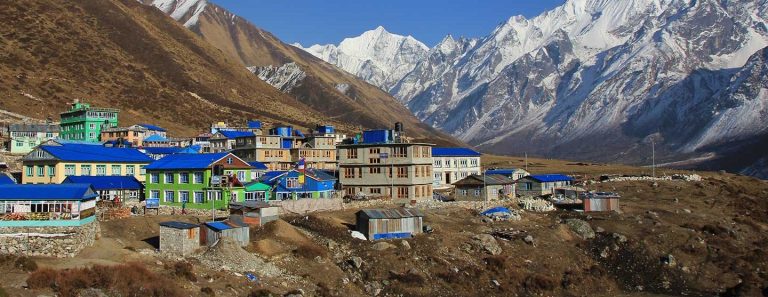
 Best Time to Trek Langtang Valley: Month by Month
Langtang is close to Kathmandu and good for much of the year, but the season changes everything from the views…
 Annapurna Region
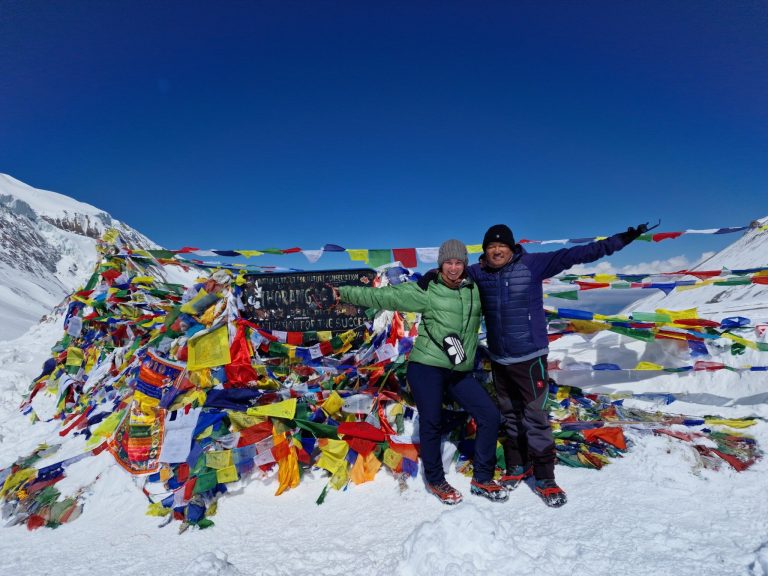
 Thorong La Pass: A Guide to the Big Day on the Annapurna Circuit
Thorong La at 5,416m is the highest point of the Annapurna Circuit. Here’s what crossing day is really like, from…
 Everest Region
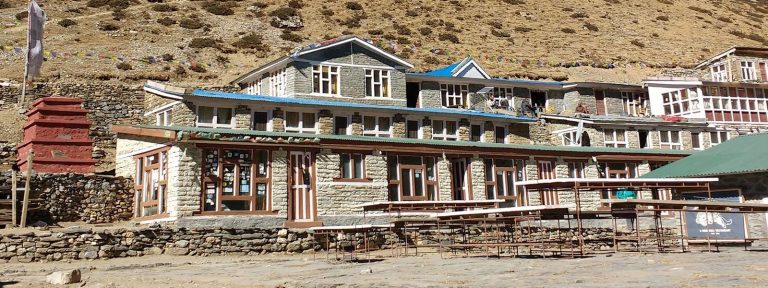
 Annapurna Circuit Teahouses: What the Rooms Are Really Like
Teahouses on the Annapurna Circuit range from comfortable lodges in Manang to bare rooms at Thorong Phedi. Here’s what to…