Is Nepal Safe to Travel in 2027? An Honest Guide
Yes. Nepal is safe for most travellers, and most trekking regions are open, including Everest, Annapurna, Langtang, Manaslu and Mustang. The main risks are natural ones: altitude, weather, and floods and landslides in the June to September monsoon.
The US rates Nepal at Level 2, “exercise increased caution”, mainly because of natural disasters. After this year’s floods, TAAN says Manaslu is open but needs care, and Tsum Valley is closed until a bridge is repaired. Check your exact route before you travel.
Last updated: 22 October 2026
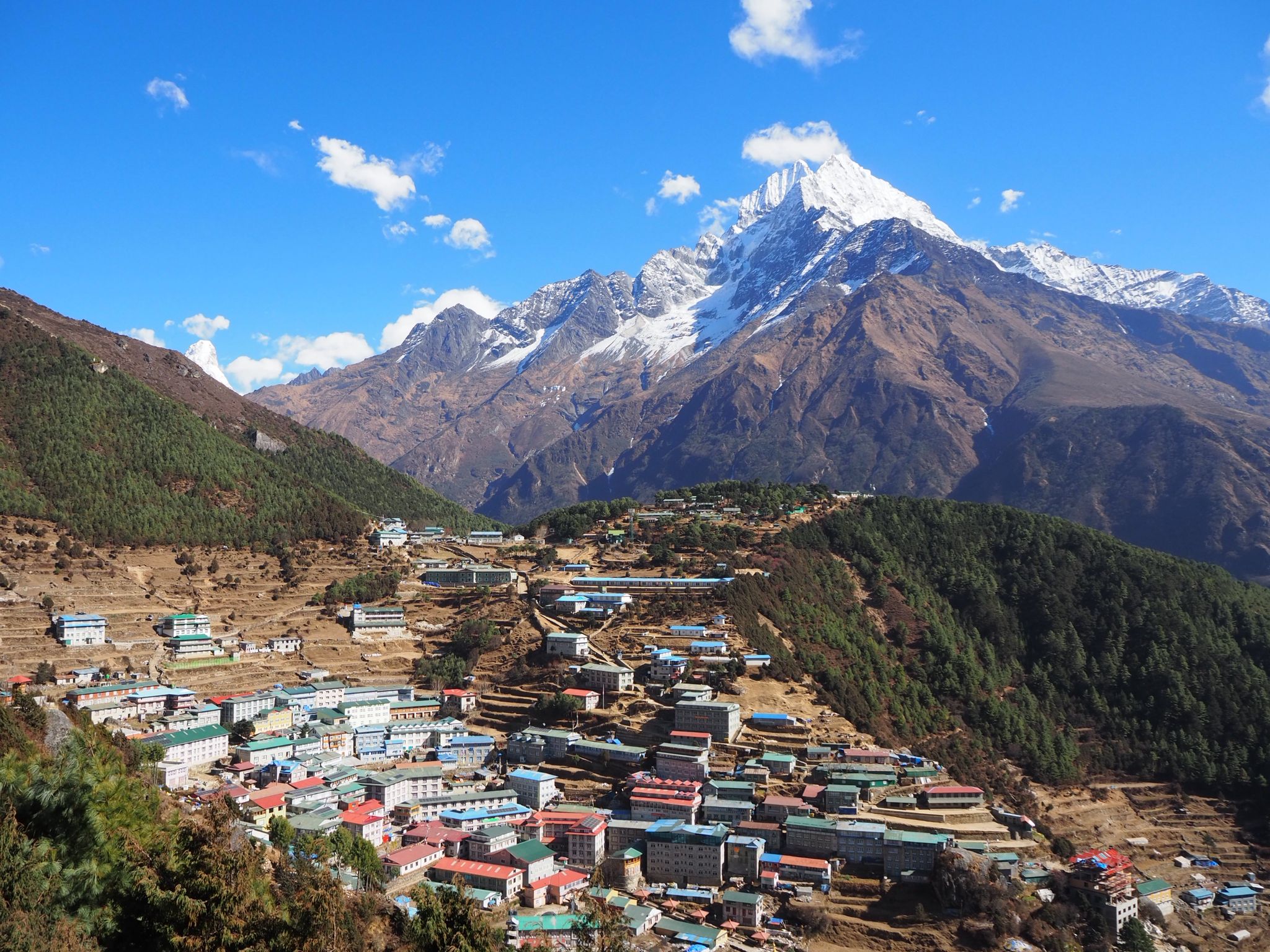
Is Nepal Safe to Travel: Key Facts
- US travel advisory: Level 2, exercise increased caution, mainly for floods, landslides and earthquakes
- Political situation: Stable since the March 2026 election
- Main risks: Altitude, monsoon floods and landslides, road travel
- Safest trekking seasons: October to November and March to May
- Guide rule: A licensed guide is required for foreign trekkers in most trekking areas
- Insurance: Must cover helicopter rescue up to your trek’s maximum altitude
Current Trail Conditions (as of 22 October 2026)
| Region | Status |
|---|---|
| Everest, Gokyo, Three Passes | Open |
| Annapurna Circuit and Base Camp | Open |
| Langtang and Gosaikunda | Open by alternative roads and trails |
| Manaslu Circuit and Larke Pass | Open, go with care |
| Tsum Valley | Closed until bridge repairs are done |
| Upper Mustang | Open |
| Kanchenjunga and Makalu | Open |
| Kathmandu, Pokhara, Chitwan | Open |
The Langtang, Manaslu and Tsum status comes from TAAN’s safety advisory of 18 October 2026. The other regions are confirmed by our own teams on the trail. We update this table at the start of each season and whenever a route changes. If you’re trekking soon, ask us about your exact route.
What Happened in 2026?
Nepal had three local floods this year. None of them closed the country.
On 26 August, a flash flood came down the Bhote Koshi gorge on the Nepal-China border. It damaged roads, bridges and villages around Rasuwagadhi, Timure and Syabrubesi, which is the usual road into Langtang. The US still advises against travel to that corridor.
On 6 September, a smaller flood near Namrung washed away two bridges on the Manaslu Circuit. Local people built a temporary bridge and trail, and the route reopened three days later.
On 11 October, a bigger flood on the Budhi Gandaki damaged the Manaslu access road, parts of the trail, bridges and some teahouses. These have been partly repaired. A bridge on the Tsum Valley route also collapsed.
Nepal is about 800km wide, and its trekking regions sit in separate valleys. A flood in one valley doesn’t affect the others. So check your route, not just the country.
Is the Manaslu Circuit Open?
Yes, but go with care. In its 18 October advisory, the Trekking Agencies’ Association of Nepal (TAAN) said the Manaslu Larke Pass Trek is accessible again after the 11 October flood.
According to TAAN, you can drive as far as Machha Khola and start walking from there toward Jagat, Nyak Phedi and Larke Pass. At Yaru Bagar, a short alternative trail of about 10 minutes goes around a badly damaged section.
Expect some rough stretches and temporary crossings. If the river rises after rain, your guide may change the day’s timing. See our Manaslu Circuit Trek.
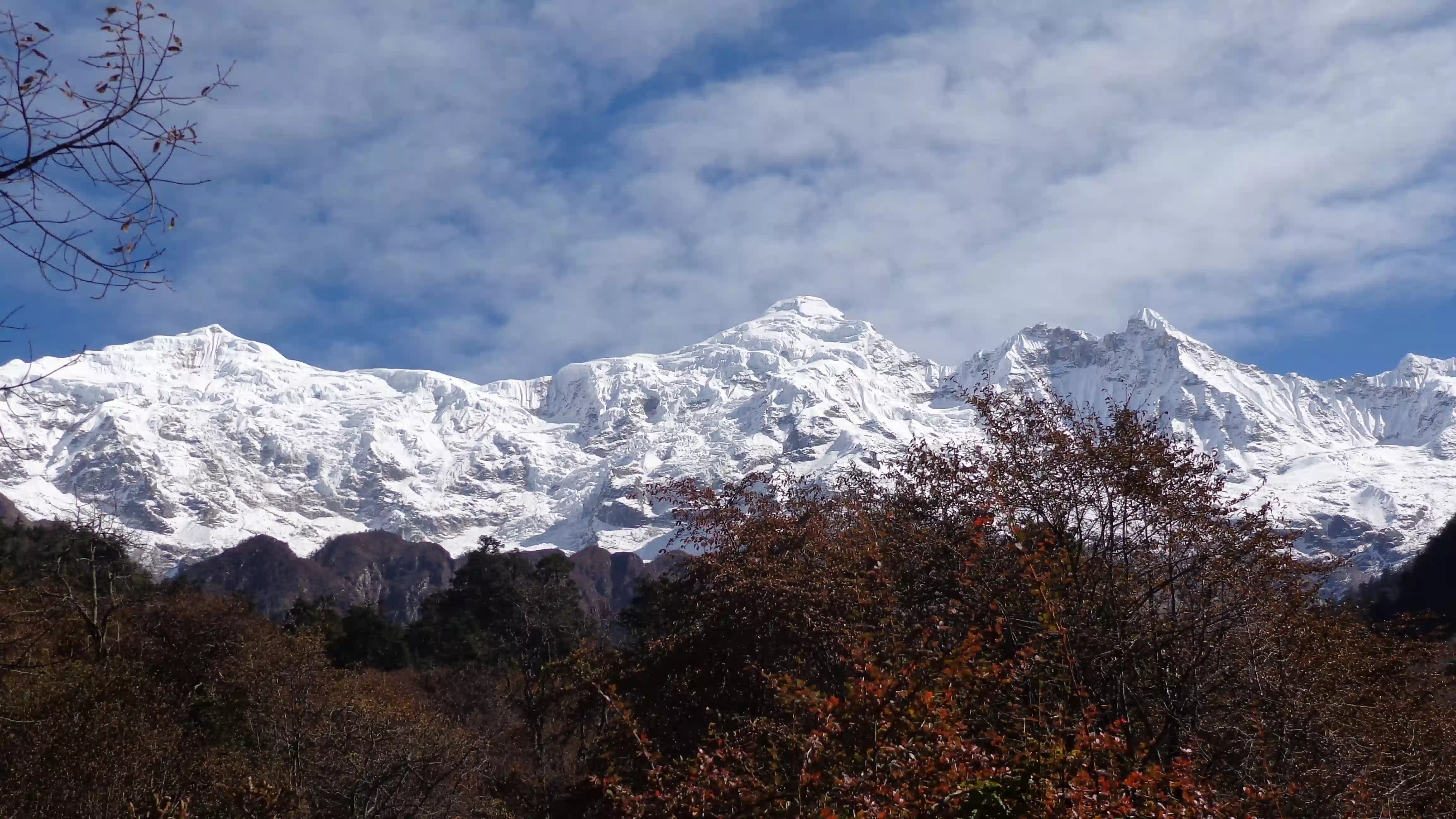
Is Tsum Valley Open?
Not right now. TAAN reported on 18 October that a cantilever bridge on the route had collapsed and the trek was closed. At the time, they expected it to reopen in about a week, but that’s an estimate, not a confirmed date. If you have a Tsum Valley trek booked with us, we’ll let you know directly as soon as it reopens.
Can I Trek Langtang and Gosaikunda?
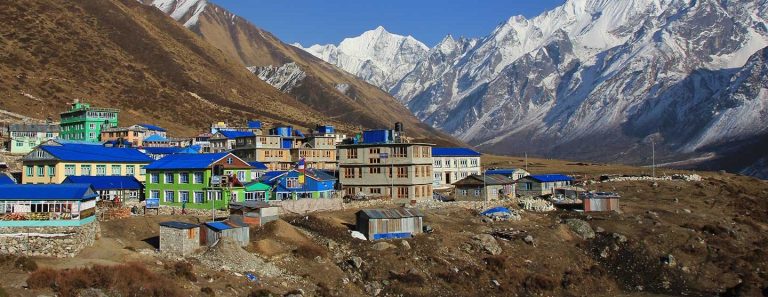
Yes. In its 18 October advisory, TAAN said Langtang, Kyanjin and Gosaikunda are safe and open for trekking. A Bailey bridge is now in place at Betrawati. TAAN lists two main ways in:
- Drive from Kathmandu to Dhunche or Thulo Syabru via Trishuli and Betrawati. Then walk through Bamboo, Lama Hotel and Langtang village to Kyanjin.
- Walk in from the Kathmandu side via Chisapani or Helambu, Tharepati, Ghopte, Gosaikunda and Thulo Syabru, then continue to Kyanjin. This is the better choice if you want Gosaikunda as well.
Both routes avoid the damaged Syabrubesi road, which the US still advises against. We check road conditions before every Langtang departure. See our Langtang Valley Trek and Langtang Gosaikunda Helambu Trek.
Is Nepal Politically Stable Now?
Yes. Youth-led protests in September 2025 brought down the government. An early election followed on 5 March 2026, and the Rastriya Swatantra Party won a clear majority. In April 2026 the US lowered its advisory to Level 2, saying the protests had ended and the security situation was stable.
Protests and strikes (called bandhs) can still happen, mostly in cities. They can start with little warning and may disrupt road travel for a day. Stay away from crowds and follow your guide’s advice. Check the US travel advisory for the latest.
Is Kathmandu Safe for Tourists?
Generally, yes. Serious crime against tourists is rare, and most visitors never have a problem. The common issues are small ones:
- Pickpocketing and bag snatching, especially in crowded areas, at the airport and on buses
- Taxis that won’t use a meter. Agree the fare before you get in.
- Very cheap trek deals sold on the street, which can mean unlicensed guides or cut corners
- Drink spiking in bars. Don’t leave drinks unattended.
Avoid walking alone late at night in quiet streets, including around Thamel. Keep your passport and spare cash in your hotel safe.
Natural Risks by Season
Most of Nepal’s real risk is natural, and it depends a lot on when you go.
June to September (monsoon): This is when floods and landslides happen. Roads get blocked, flights get cancelled and trails get muddy. Trekking is possible in rain-shadow areas like Upper Mustang, but most routes are better avoided. See our monsoon trekking guide.
October to November: This is the safest and most popular time. The weather is generally stable and the skies are clear. Floods are rare, though late storms can still happen, as they did this October.
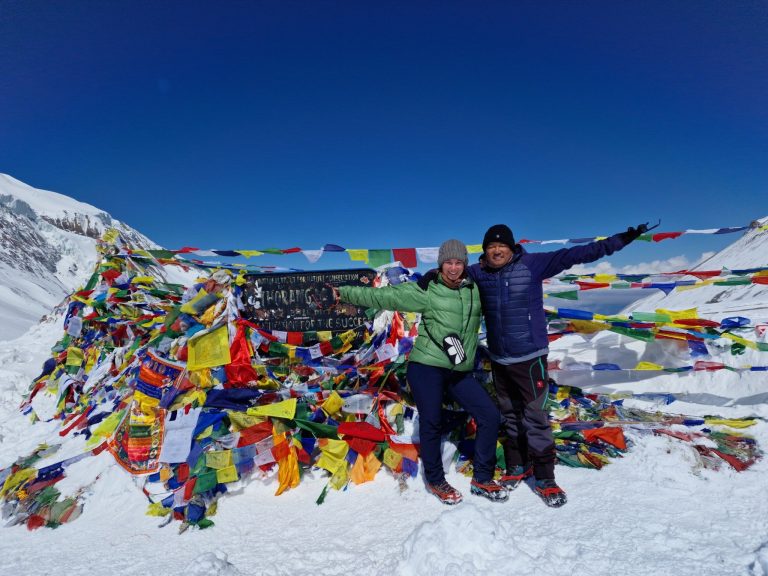
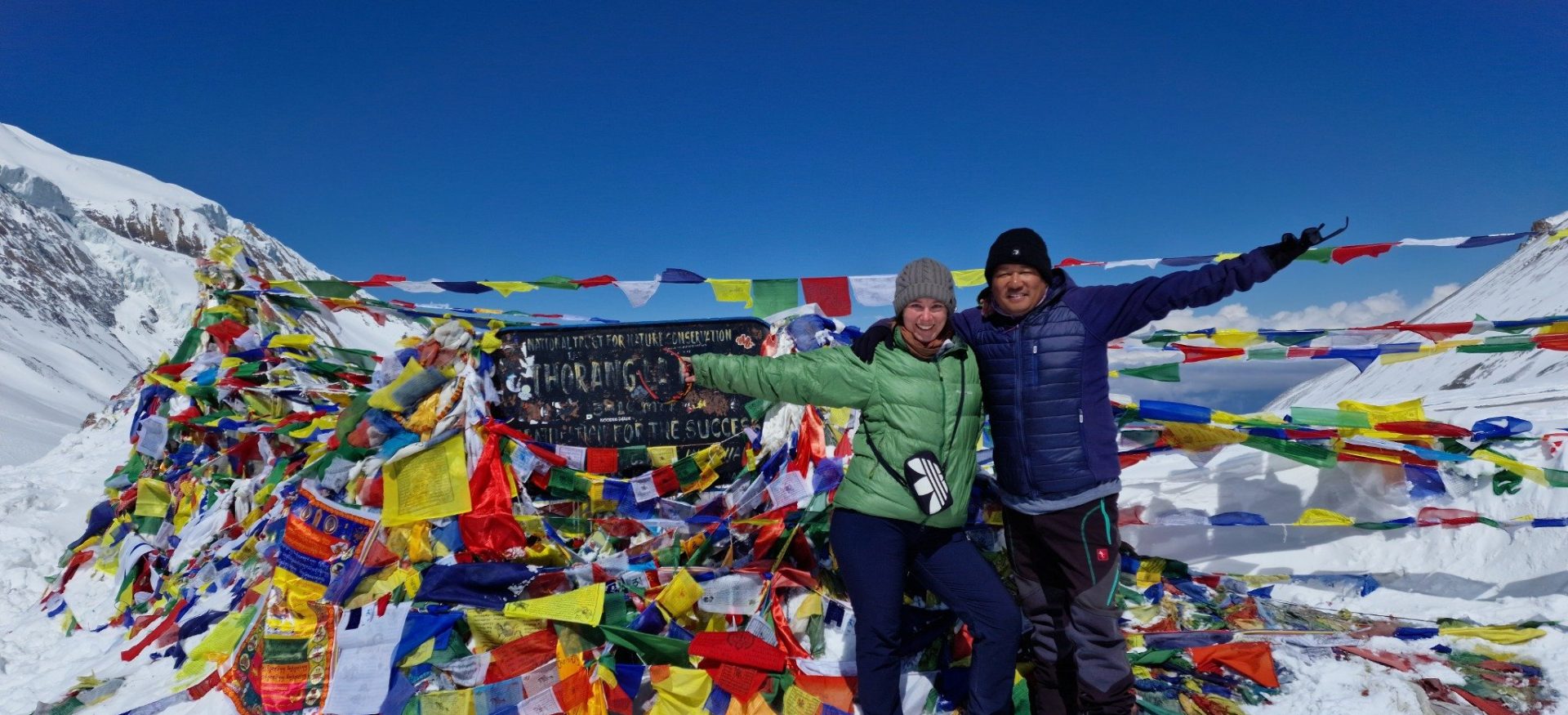
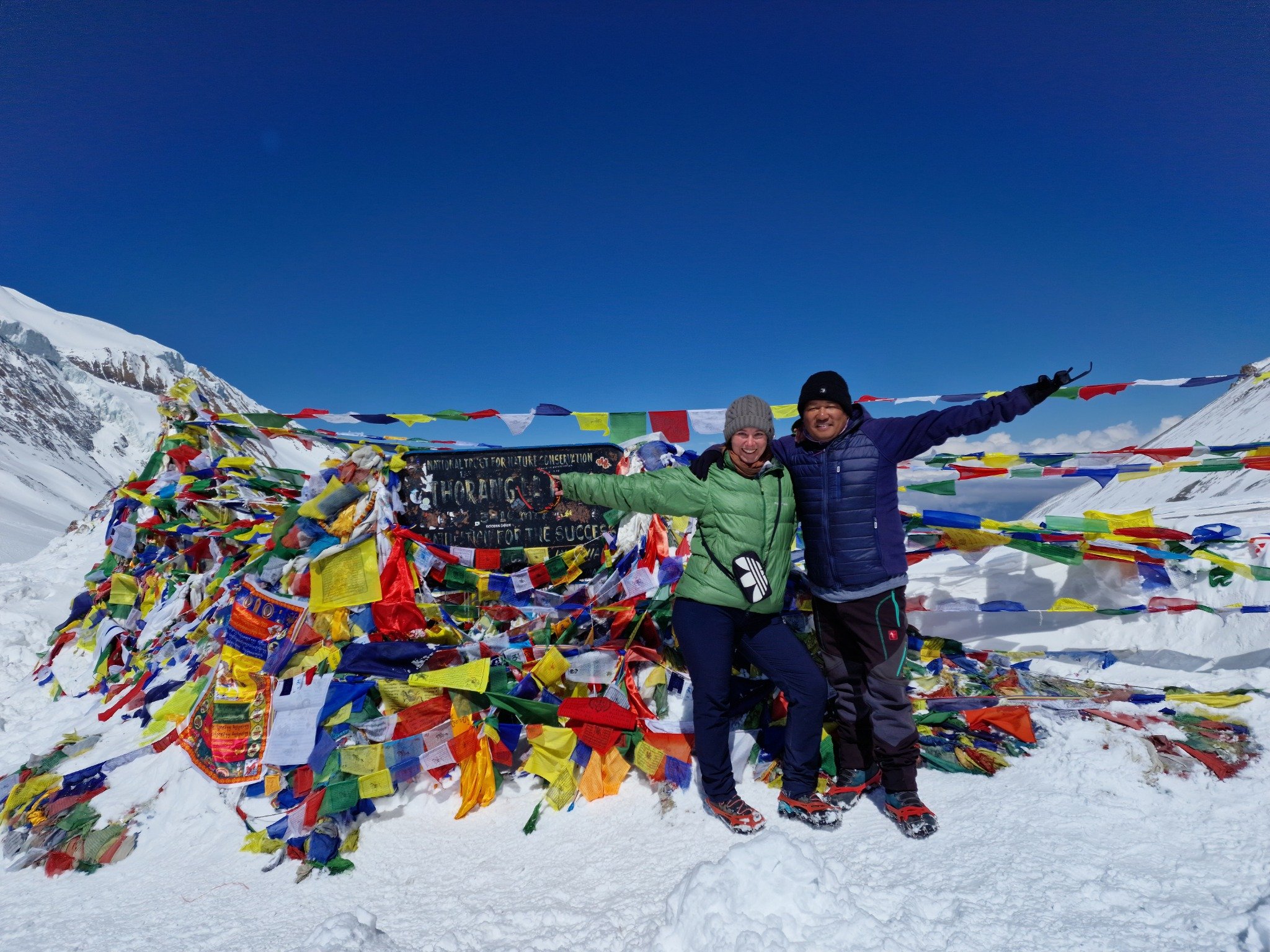
December to February: Cold but often clear. High passes like Thorong La and Larke Pass can close after heavy snow. Lower treks are fine.
March to May: The second-best season. Afternoon cloud and occasional storms are common later in spring.
Earthquakes can happen at any time of year. They can’t be predicted, but good operators have emergency plans and guides who know what to do. See best time to trek in Nepal for month-by-month detail.
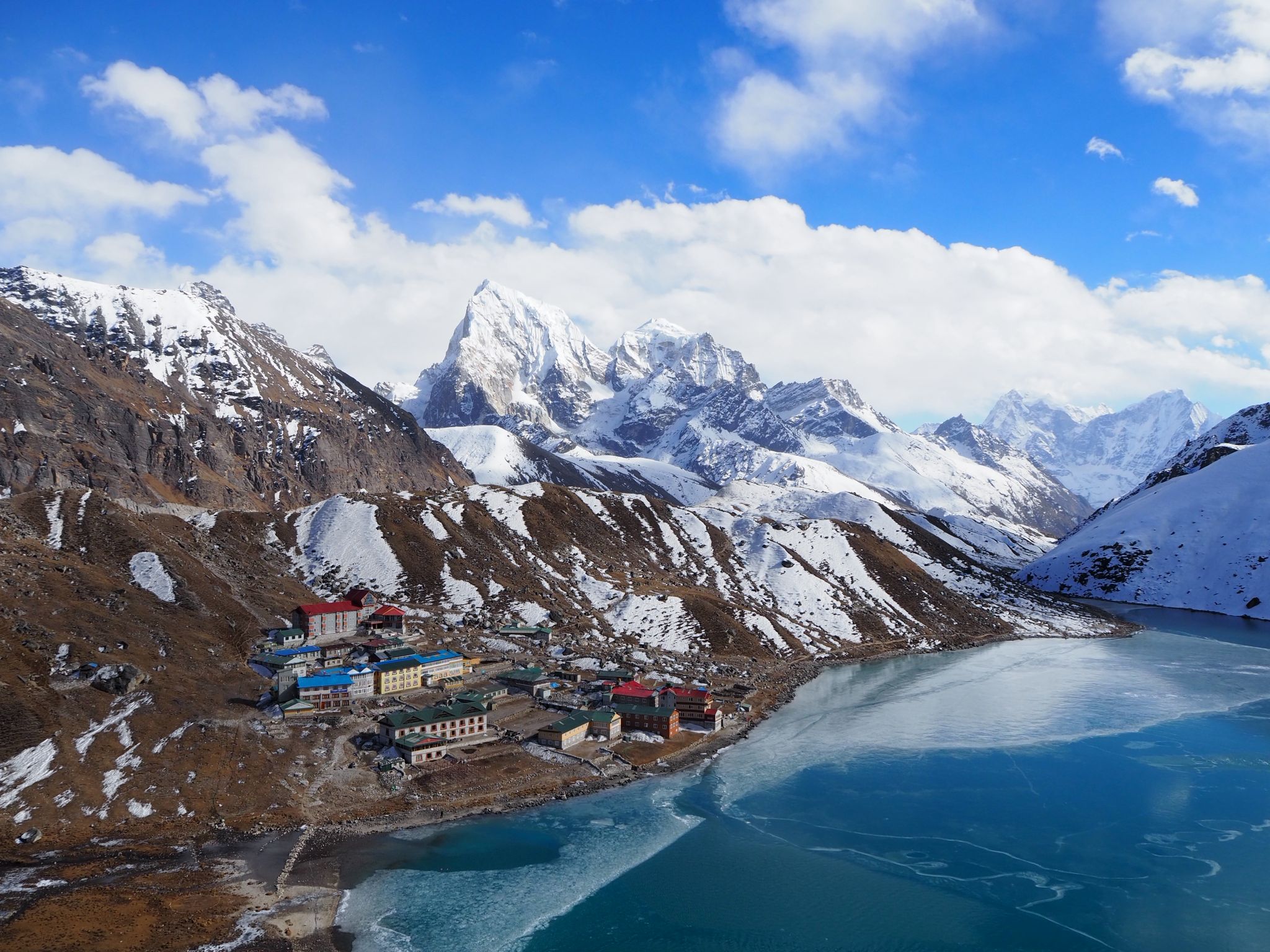
How Safe Is Trekking in Nepal?
For most people, trekking in Nepal is safe when it’s done properly. The things that actually cause problems on the trail are predictable:
Altitude sickness. This is the biggest risk on any trek above about 3,000m. It’s mostly prevented by going up slowly and taking rest days. See our altitude sickness guide.
Trekking alone. Since 2023, foreign trekkers need a licensed guide in most trekking areas, and both the US and UK advise against trekking alone. A guide also knows the trail conditions, the teahouses and what to do if something goes wrong. See do you need a guide to trek in Nepal for how the rule works in each region.
Rescue costs. A helicopter rescue can cost several thousand dollars. Your insurance must cover rescue up to the highest point of your trek. See our travel insurance guide.
Mountain flights. Weather delays are common on flights like Lukla and Jomsom. Nepal’s domestic airlines also have a mixed safety record, which is one reason some trekkers choose routes that start by road. See Lukla flight delays and Everest Base Camp without flying.
Road travel. Roads are often narrow and rough, and accidents do happen. Use tourist buses or private jeeps, and avoid travelling at night.
What Happens if a Flood, Landslide or Cancellation Affects My Trek?
Plans sometimes change in the mountains. Here’s how we handle it:
- Route problems: We check conditions before every departure. If a trail or road is damaged, we change the route or the start point, and your guide adjusts each day’s timing on the trail.
- Cancelled domestic flights: We rebook your flight at no extra charge. If the flight can’t run, we use the airline’s refund, after its cancellation fee, to take you by road instead.
- Extra nights from delays: If weather or a blocked road holds you up, the extra hotel nights and meals are paid by you, so carry some spare cash.
- Emergencies: Your guide arranges a helicopter rescue if it’s needed. Your insurance company pays the helicopter company directly.
Build in one or two spare days at the end of your trip, and make sure your insurance covers trip delays as well as rescue.
How We Keep Our Treks Safe
All our treks run with our own licensed guides. Before you leave Kathmandu, your guide meets you, checks your gear and helps you pack. On the trail, they brief you each evening on the next day’s terrain and conditions. One porter carries the bags for every two trekkers.
Is Nepal Safe for Solo and Female Travellers?
Yes, for most travellers. Many women travel and trek in Nepal alone every year. Take the same care you would in any big city, especially in Kathmandu at night. On the trail, a licensed guide makes solo trekking both legal and safer. See our solo female trekking guide.
Frequently Asked Questions
Is Nepal safe to visit right now?
Yes. Nepal is open, and most trekking regions are running. The US rates Nepal at Level 2, “exercise increased caution”, mainly because of natural risks like floods and earthquakes. Manaslu is open with care, and Tsum Valley is closed until a bridge is repaired.
Is it safe to trek in Nepal after the 2026 floods?
Yes, in most regions. The floods were local and hit Rasuwa, the Trishuli corridor and the Manaslu route. Everest, Annapurna, Mustang and Kanchenjunga weren’t affected, and Langtang is open by alternative road and trail routes.
Is the Manaslu Circuit open?
Yes, with care. TAAN confirmed on 18 October 2026 that it’s accessible again. You drive to Machha Khola and trek from there, and a short bypass trail at Yaru Bagar avoids a badly damaged section.
Is Tsum Valley open?
Not right now. A bridge on the route collapsed. Ask us for the latest before you book.
Can I trek Langtang right now?
Yes. TAAN says you can drive to Dhunche or Thulo Syabru via the new Bailey bridge at Betrawati, or walk in via Helambu and Gosaikunda.
Is Nepal politically stable now?
Yes. The 2025 protests ended, and Nepal held an early election in March 2026. Occasional strikes and protests still happen in cities.
What is the safest time to trek in Nepal?
October to November, then March to May. Avoid June to September on most routes, because that’s when floods and landslides happen.
Do I need travel insurance to trek in Nepal?
Yes. Your policy should cover trekking, trip delays and helicopter rescue up to the highest altitude on your trek.
Further Reading
- Nepal Trekking Permits 2026
- Travel Insurance for Trekking in Nepal
- Do You Need a Guide to Trek in Nepal?
- Best Time to Trek in Nepal
- How to Choose a Nepal Trekking Company
Sources: TAAN Trekking Safety Advisory, Langtang and Manaslu Regions (18 October 2026); US Department of State Nepal Travel Advisory; UK FCDO Nepal travel advice.