Trekking in Nepal in Monsoon: Best Treks, Weather and Tips
Yes, you can trek in Nepal in the monsoon, but you need to pick the right trek. From June to September most of the country is wet. Lower trails get muddy, leeches come out, clouds hide the mountains and flights and roads are often disrupted.
The exception is the rain shadow behind the Himalaya. Our Upper Mustang Trek stays mostly dry and is the best monsoon trek in Nepal. Upper Dolpo can suit experienced trekkers in early summer. Popular treks like Everest Base Camp, Annapurna Base Camp and Langtang are better left for autumn or spring.
- Monsoon season: June to September, heaviest in July and August. Timing changes each year
- Weather: warm and humid lower down, rain most days, cloud in the afternoons
- Crowds: much quieter on most trails, except Gosaikunda around the August festival
- Best trek: Upper Mustang
- Also possible: Upper Dolpo in early summer, for experienced trekkers
- Possible with care: Gosaikunda in August, for the Janai Purnima festival
- Better to avoid: Everest Base Camp, Gokyo, Annapurna Base Camp, Mardi Himal, Langtang, Manaslu, Nar Phu
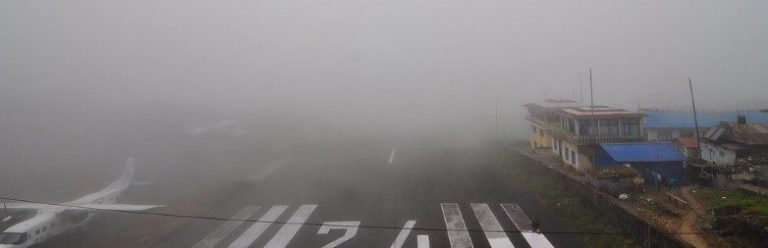
- Flights: Lukla, Jomsom and Juphal flights are often delayed
- Roads: landslides can block roads for hours or days
- Leeches: common in wet forest below about 3,000m
Last updated: October 2026
In this guide
Most people plan their Nepal trek for autumn or spring. But if your only time off is in summer, you don’t have to skip Nepal. You just need to know where the rain doesn’t reach.
Monsoon Treks at a Glance
| Trek | Highest point | Monsoon verdict |
|---|---|---|
| Upper Mustang | 4,280m (Chogo La) | Best choice. Rain shadow, mostly dry |
| Upper Dolpo | 5,360m (Kang La) | Can suit experienced trekkers in early summer. Camping |
| Gosaikunda | 4,380m (the lake) | Possible in August for the festival. Talk to us first |
| Nar Phu Valley | 5,320m (Kang La) | Not recommended. Wet approach, risky passes |
| Everest Base Camp | 5,364m | Avoid. Cloud and flight cancellations |
| Annapurna Base Camp | 4,130m | Avoid. Wet steps, leeches, landslide risk |
| Langtang Valley | 4,773m (Kyanjin Ri) | Not recommended. Wet and cloudy |
What Is the Weather Like in Monsoon?
The monsoon brings warm, wet air from the Bay of Bengal. It hits the south side of the Himalaya hardest.
In the hills and lower valleys, expect rain most days. It often falls in the afternoon and overnight, and mornings can be clearer. It’s warm and humid below 2,500m. Higher up it’s cooler and often misty.
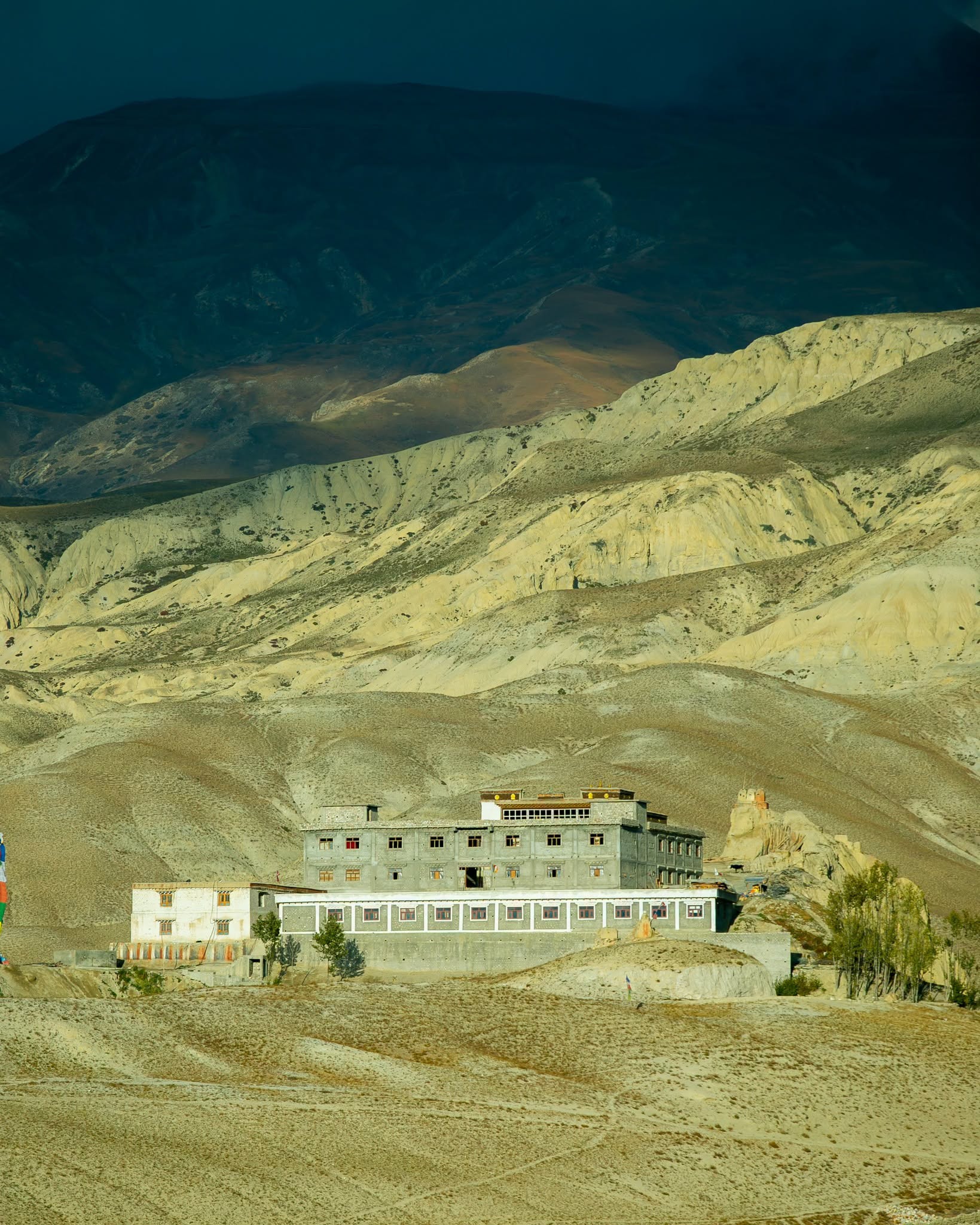
Behind the main Himalayan range, it’s a different picture. Upper Mustang and Upper Dolpo sit in the rain shadow. The mountains block most of the clouds, so these areas get far less rain. The land stays dry and brown under blue skies, and nights are still cold.
Early, Peak and Late Monsoon
June. The monsoon usually arrives some time in June. The first part of the month can still be good for rain shadow trekking, and it’s the best summer window for Upper Dolpo. Lower trails start to get wet and the leeches come out.
July and August. This is peak monsoon. Rain is heaviest south of the mountains, and landslides and flight delays are most common. It’s the time for rain shadow treks only. In August, the Janai Purnima festival brings pilgrims to Gosaikunda.
September. The rain usually eases through the month. Early September is still wet. By late September many main treks open up again. See our guide to the best time to trek in Nepal.
Best Treks in the Monsoon
Upper Mustang
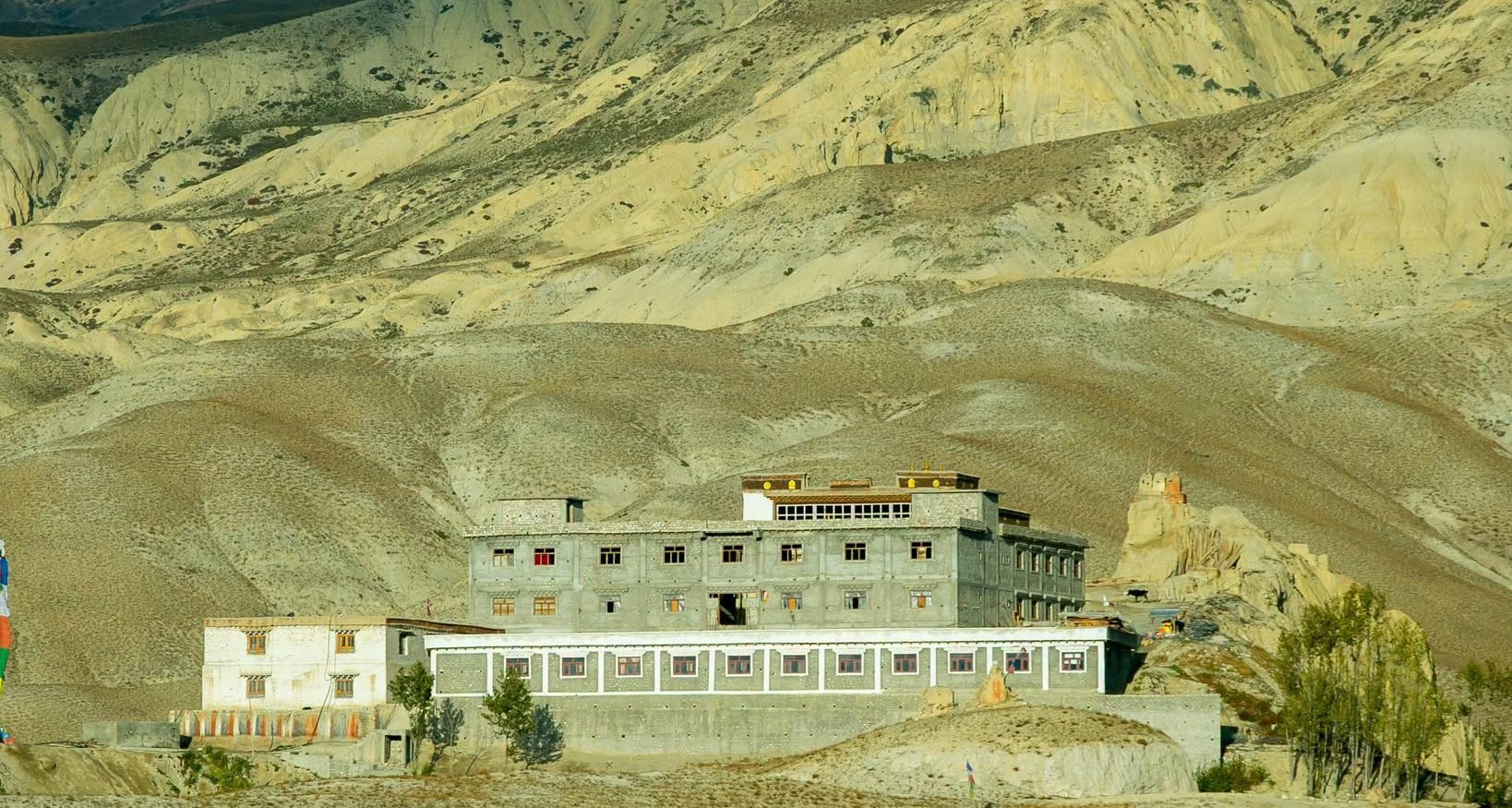
Upper Mustang is the best monsoon trek in Nepal. It sits in the rain shadow of the Annapurna and Dhaulagiri ranges, so it stays mostly dry while the rest of the country is wet. You walk through red and brown canyons, cliff caves and walled villages to Lo Manthang, the old capital of the Kingdom of Lo, at about 3,840m.
Our trek takes 16 days, and its highest point is Chogo La at about 4,280m. The main monsoon risk is getting there. Flights between Pokhara and Jomsom are often delayed by cloud, so build in spare days.
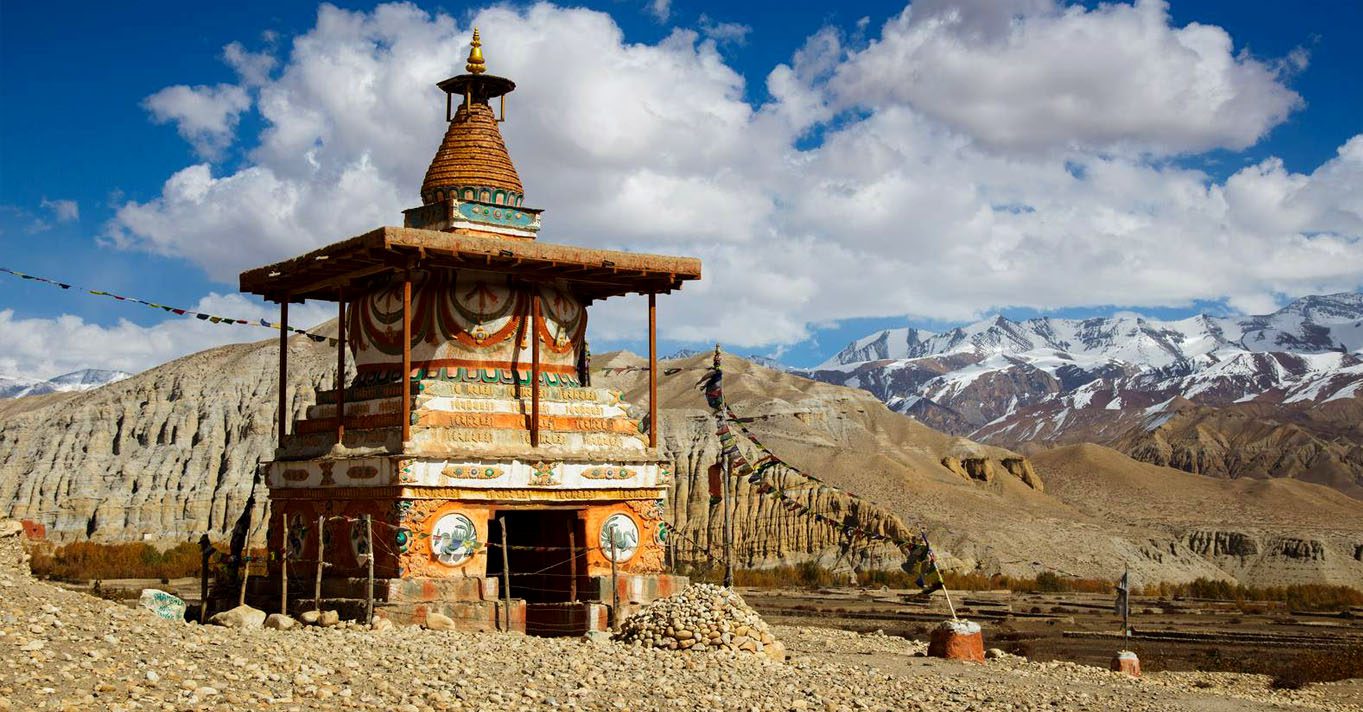
See our Upper Mustang Trek, our Upper Mustang trek guide and the Upper Mustang trek cost.
Upper Dolpo
Upper Dolpo is also in the rain shadow, and it’s one of the most remote treks in Nepal. It’s a 24-day camping trek over high passes, the highest being Kang La at 5,360m. It’s graded Hard and is best for trekkers who have been above 5,000m before.
It can be suitable in early summer for experienced trekkers, depending on conditions. Later in the monsoon the lower valleys get wet, flights to Juphal become less reliable and fresh snow can fall on the passes. See our Upper Dolpo Trek.
Which Monsoon Trek Should You Choose?
For most people, it’s Upper Mustang. It’s the driest option, it uses teahouses, and it doesn’t need experience above 5,000m.
Choose Upper Dolpo only if you’re an experienced trekker who wants a long, remote camping trip and can travel in early summer. Whichever you pick, leave room in your plans for weather delays. Our team can help you compare the two and check access before you book.
Possible With Care: Gosaikunda in August
In August, large numbers of pilgrims walk to the sacred lake at Gosaikunda (4,380m) for the Janai Purnima festival. It’s a special time to go, but the trail is wet, leeches are common lower down and teahouses fill up. Talk to us before you plan a summer trip, and check road and trail access close to your dates. See our Langtang, Gosainkunda and Helambu Trek.
Treks to Avoid in the Monsoon
- Everest Base Camp and Gokyo. Cloud often hides the mountains and Lukla flights are cancelled more often. See our guide to the best time for the Everest Base Camp trek.
- Annapurna Base Camp and Mardi Himal. Wet, slippery stone steps, leeches in the forest and landslide risk.
- Langtang. Wet and cloudy, with leeches lower down. Roads in the area were also affected by floods in 2026, so check your route close to your dates. See is it safe to travel to Nepal after the floods.
- Manaslu Circuit. The lower trail along the Budhi Gandaki gets heavy rain and landslides in the monsoon. It’s much better in autumn or spring.
- Nar Phu Valley. The upper valley is drier, but the way in gets slippery and landslide-prone, and the high passes are more dangerous when wet.
Flights and Roads in the Monsoon
Mountain flights need clear weather, so the monsoon brings more delays.
- Lukla: delays and cancellations are common. See our guide to Lukla flight delays.
- Jomsom: often delayed by cloud. This matters for Upper Mustang.
- Juphal: less reliable later in the monsoon. This matters for Upper Dolpo.
Roads can be blocked by landslides for hours, sometimes days. Our team watches road conditions and changes plans when needed. Always leave spare days at the end of your trip before your flight home.
Leeches, Landslides and Safety
Leeches are common in wet forest below about 3,000m. They’re harmless but unpleasant. Wear long socks pulled over your trousers and check your feet and legs at every break. If one gets on you, slide a fingernail under the sucker and flick it off rather than pulling it. Keep the bite clean.
Landslides are the main monsoon hazard, on roads and some trail sections. Your guide checks conditions each day and will wait or change the route if a section looks unsafe.
Rivers run high and fast. Only cross on bridges or where your guide says it’s safe.
Insurance. Make sure your policy covers trekking at your maximum altitude, flight delays and helicopter evacuation. See our guide to travel insurance for trekking in Nepal.
What to Pack for the Monsoon
- A good waterproof jacket and rain trousers
- A pack cover, plus dry bags inside your daypack and duffel
- Quick-drying clothes. Cotton stays wet
- Long socks for leeches, and plenty of spare socks
- Waterproof boots that are already broken in
- Sandals for the evenings
- Sun protection for the rain shadow treks, where it’s dry and bright
- Warm layers for cold nights and high passes
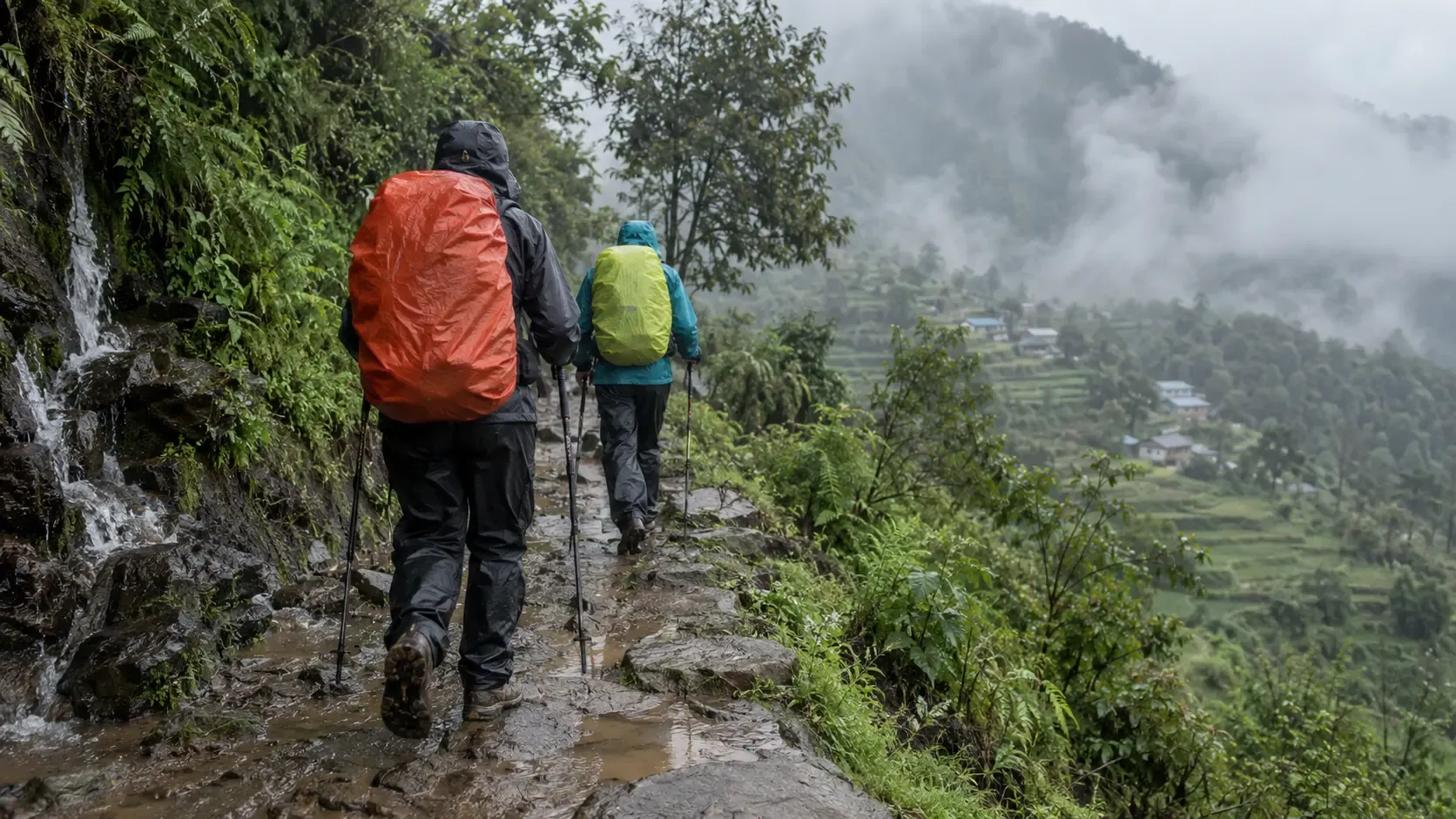
For the full list, see our Nepal trekking packing list.
Tips for Monsoon Trekking
- Pick a rain shadow trek. It makes the biggest difference.
- Start early. Mornings are usually clearer, and rain often comes in the afternoon.
- Add spare days. One or two at the end of the trip, for flight and road delays.
- Be flexible. Your guide may change the day’s plan because of the weather.
- Enjoy the quiet. Most trails and teahouses are far less busy than in autumn.
Frequently Asked Questions
Can you trek in Nepal during the monsoon?
Yes, but choose a rain shadow trek like Upper Mustang. Most popular treks are wet and cloudy from June to September.
What is the best trek in Nepal in the monsoon?
Upper Mustang. It sits in the rain shadow and stays mostly dry while the rest of Nepal is wet.
Is it safe to trek in Nepal in the monsoon?
It can be, with the right trek and a good guide. The main risks are landslides, high rivers and flight delays. Your guide checks conditions every day.
Can you trek to Everest Base Camp in the monsoon?
You can, but we don’t recommend it. Cloud often hides the views and Lukla flights are cancelled more often.
Are there leeches on Nepal treks in the monsoon?
Yes, in wet forest below about 3,000m. They’re harmless. Wear long socks, check your legs often and flick them off with a fingernail.
When is the monsoon in Nepal?
Roughly June to September, with the heaviest rain in July and August. The exact start and end change each year.
Is trekking cheaper in the monsoon?
Our trek prices are the same all year. Trails and teahouses are much quieter, though.