Mera Peak Climbing Cost: What You Actually Pay
Climbing Mera Peak with MountainKick costs USD 2,310 to 3,040 per person for 19 days, depending on group size. Two or three people pay USD 2,540 each. The price includes the trek and climb, meals, permits and climbing gear, with one climbing guide for every two climbers. Budget another USD 450 to 750 for tips, a visa and personal costs, plus high-altitude travel insurance and international flights.
- Price: USD 2,310 to 3,040 per person
- Duration: 19 days
- Summit: 6,476m, one of Nepal’s highest trekking peaks
- Climb: mostly a long glacier ascent, with a steeper section near the top
- Summit day: 10 to 12 hours, starting around 2am
- Climbing experience: not needed, but strong trekking fitness is
- Best season: April to May and October to November
Mera Peak prices
| Group size | Price per person |
|---|---|
| 1 person | USD 3,040 |
| 2 to 3 people | USD 2,540 |
| 4 to 7 people | USD 2,430 |
| 8+ people | USD 2,310 |
Friends paying separately still get the group rate.
View the full Mera Peak itinerary
What’s included
- Return flights Kathmandu to Lukla
- 3 nights in a Kathmandu hotel with breakfast
- All meals on the trek and climb, from Day 3 to Day 17
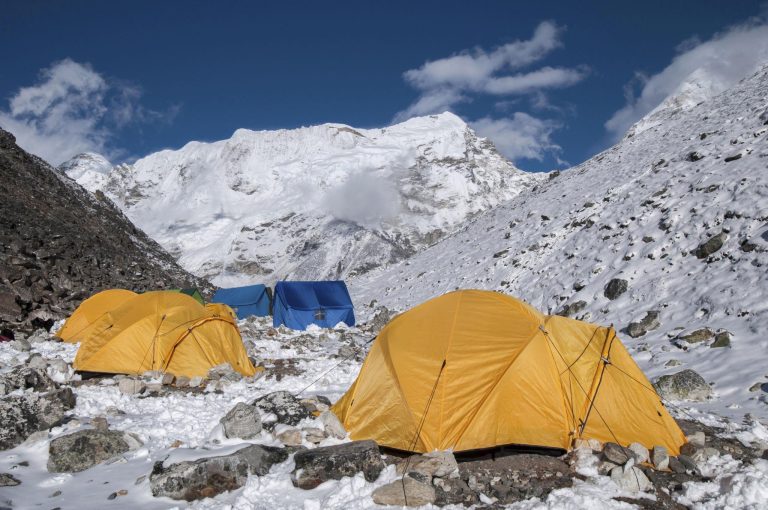
- Teahouse rooms on the trek and a tent at High Camp
- A licensed trekking guide, with an assistant guide for groups of 5 or more
- One climbing guide for every two climbers
- Porters (1 for every 2 climbers)
- All permits and the garbage deposit
- Climbing training at Khare
- Group safety gear, including fixed ropes and snow bars
- A duffel bag to keep, trekking poles for the trip and a farewell dinner
Climbing gear we provide
All your climbing gear is included and fitted at Khare on the training day, so you don’t carry it from Kathmandu:
- Mountaineering boots
- Crampons
- Harness
- Ice axe
- Helmet
- Ascender and descender
- Carabiners
What you bring or rent
- Down jacket and sleeping bag. We can rent these to you for about USD 1 a day each.
- Base layers and warm clothing
- Gloves
- Sunglasses and goggles
- Headlamp
See Trekking gear rental in Kathmandu for more on renting clothing.
Permits
You need three permits for Mera Peak, and we arrange all of them:
- Mera Peak climbing permit, from the Nepal Mountaineering Association (NMA)
- Makalu Barun National Park permit, for the Hinku Valley
- Khumbu Pasang Lhamu Rural Municipality permit, for the Lukla area
Climbers also have to pay a garbage deposit. It isn’t a permit. It’s there to make sure teams bring their rubbish back down. We handle it for you.
The NMA permit fees changed in September 2025:
| Season | Permit per climber |
|---|---|
| Spring (March to May) | USD 350 |
| Autumn (September to November) | USD 175 |
| Winter and summer | USD 175 |
All of these are included in our price.
How the route helps you acclimatise
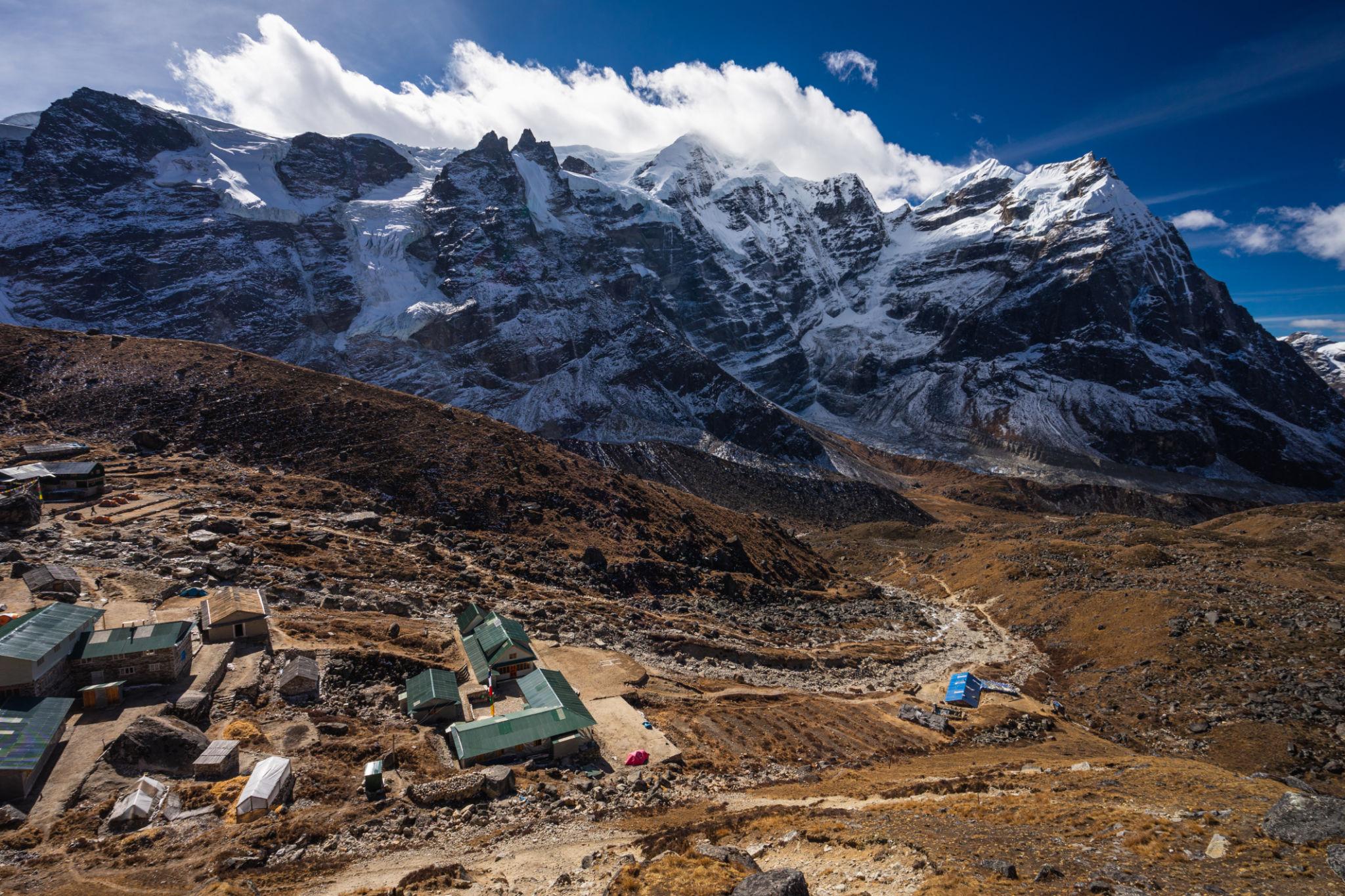
There are two ways into Mera Peak from Lukla. The quick way goes straight over the Zatrwa La, which climbs high very soon after you land. We don’t use it on the way in.
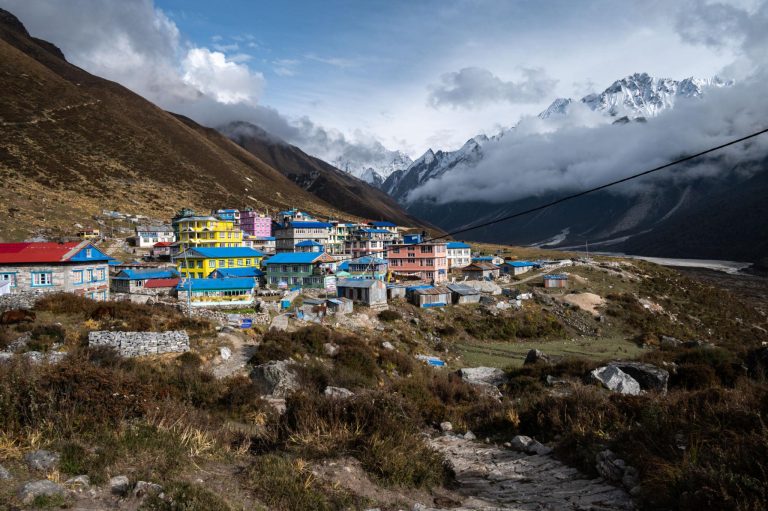
Instead we walk in on the quieter southern route through Paiya and Pangkongma, then follow the Hinku Valley north to Khare. It’s slower, but it gives your body time to adjust before you go above 4,000m. We take a rest day at Thangnak, then a training day at Khare, and only then climb to High Camp the day before the summit.
There’s also a spare day at Khare in case the weather stops the first summit attempt. On the way out, when you’re already acclimatised, we cross the Zatrwa La back to Lukla.
What you pay on top
| Cost | Rough amount |
|---|---|
| Tips for guides, climbing guide and porters | about 10 to 15% of the trip price |
| Nepal visa (30 days) | USD 50 |
| Down jacket and sleeping bag rental | about USD 1 a day each |
| Meals in Kathmandu | USD 10 to 30 a day |
| Drinks, snacks, hot showers, wifi, charging | USD 100 to 200 for the trip |
| Travel insurance to 6,500m with helicopter evacuation | varies by provider |
| Extra nights from weather or flight delays | if they happen |
Read more: How much to tip guides and porters and Travel insurance for trekking in Nepal.
How our price compares
Mera Peak packages vary a lot. Some local group trips cost around USD 2,000, while fuller trips often cost USD 2,500 to 3,500 or more. International companies usually charge much more.
What matters is what you get for the price. When you compare, check:
- Are meals included on the trek and climb?
- Is climbing gear included, and where is it fitted?
- How many climbers share one climbing guide?
- Is there a spare day for the summit?
- Does the route give you time to acclimatise?
Mera Peak or Island Peak?
| Mera Peak | Island Peak | |
|---|---|---|
| Height | 6,476m | 6,189m |
| Days | 19 | 16 |
| Price (2-3 people) | USD 2,540 | USD 2,580 (same for any group size) |
| Climbing | Long glacier ascent, steeper section near the top | Ladders, fixed ropes and a steep 100m headwall |
| Route | Quiet Hinku Valley, few trekkers | Busy Everest trail via Dingboche |
| Meals and gear | Included | Included |
Mera is higher but less technical. Island Peak is lower but has more rope work on summit day.
If you’re more comfortable with a long glacier climb than with steep fixed-rope sections, Mera may suit you better. But its higher altitude and longer summit day make it physically demanding. Neither peak is an easy first climb. Read more in our Island Peak climbing cost guide.
What summit day is like
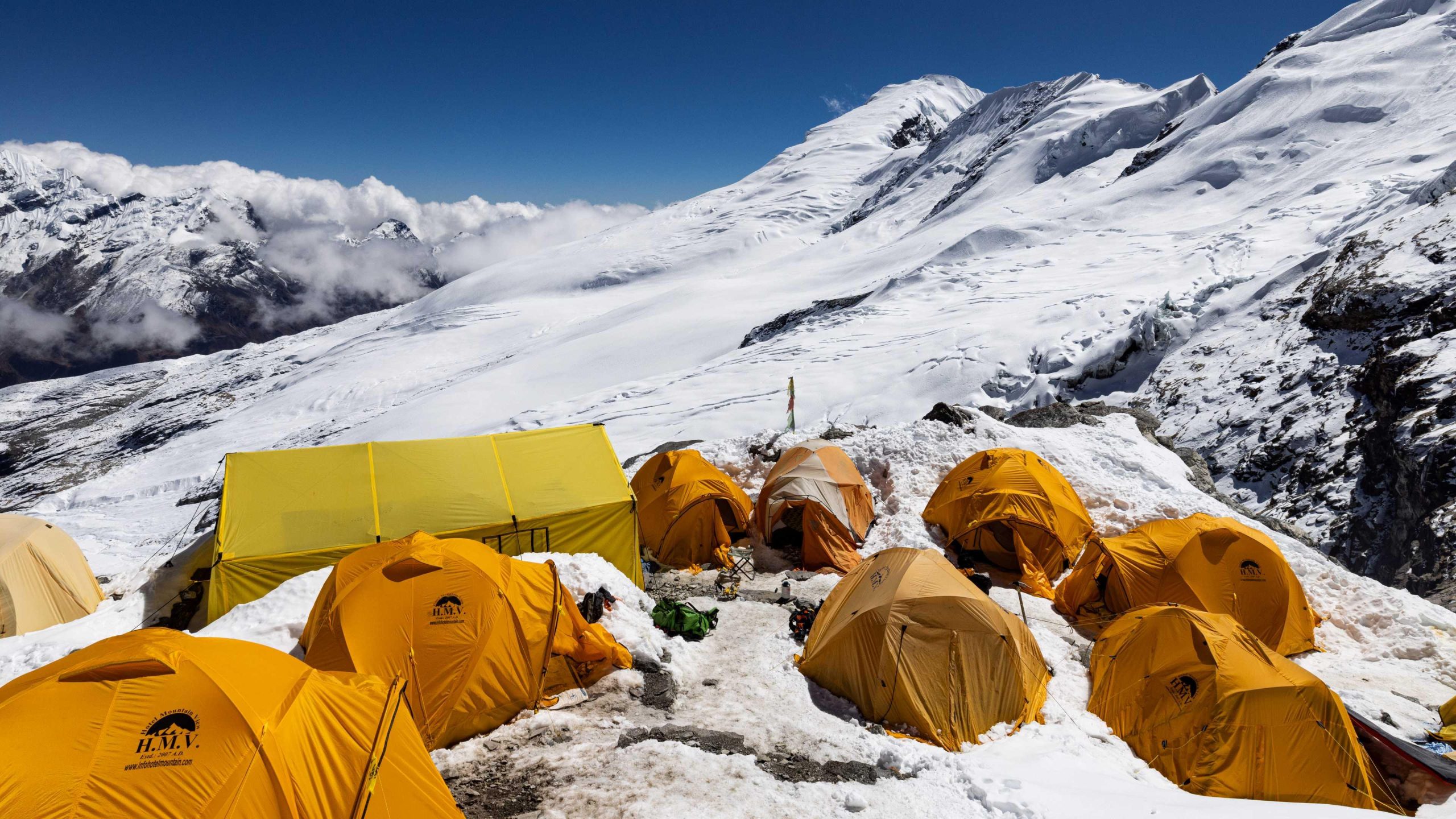
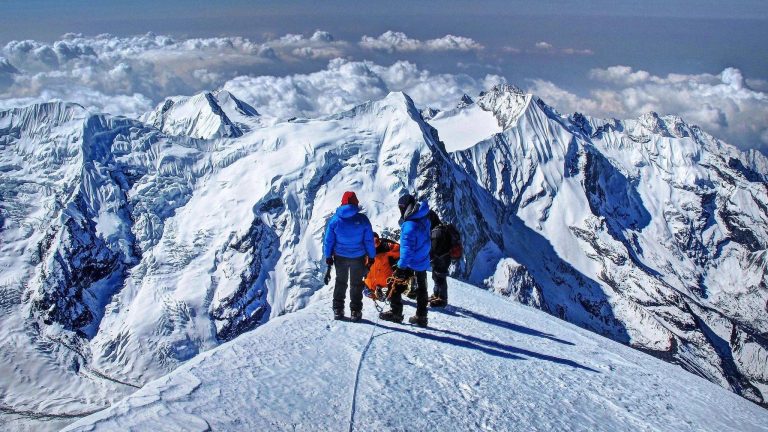
You leave High Camp around 2am, roped to your climbing guide and moving by headlamp. Most of the route is a steady climb up the glacier in crampons. Depending on conditions, you may cross crevasses. The last section near the summit is steeper and more exposed, and your guide fixes a rope there if needed.
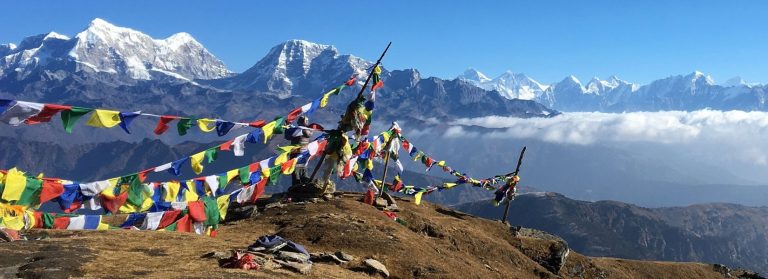
On a clear morning you can see Everest, Lhotse, Cho Oyu, Makalu and Kangchenjunga from the top.
From High Camp you climb about 700m to the summit. Then you come all the way down to Khare, about 1,430m below the summit. The whole day usually takes 10 to 12 hours, depending on the weather, snow and your pace.
Is Mera Peak suitable for beginners?
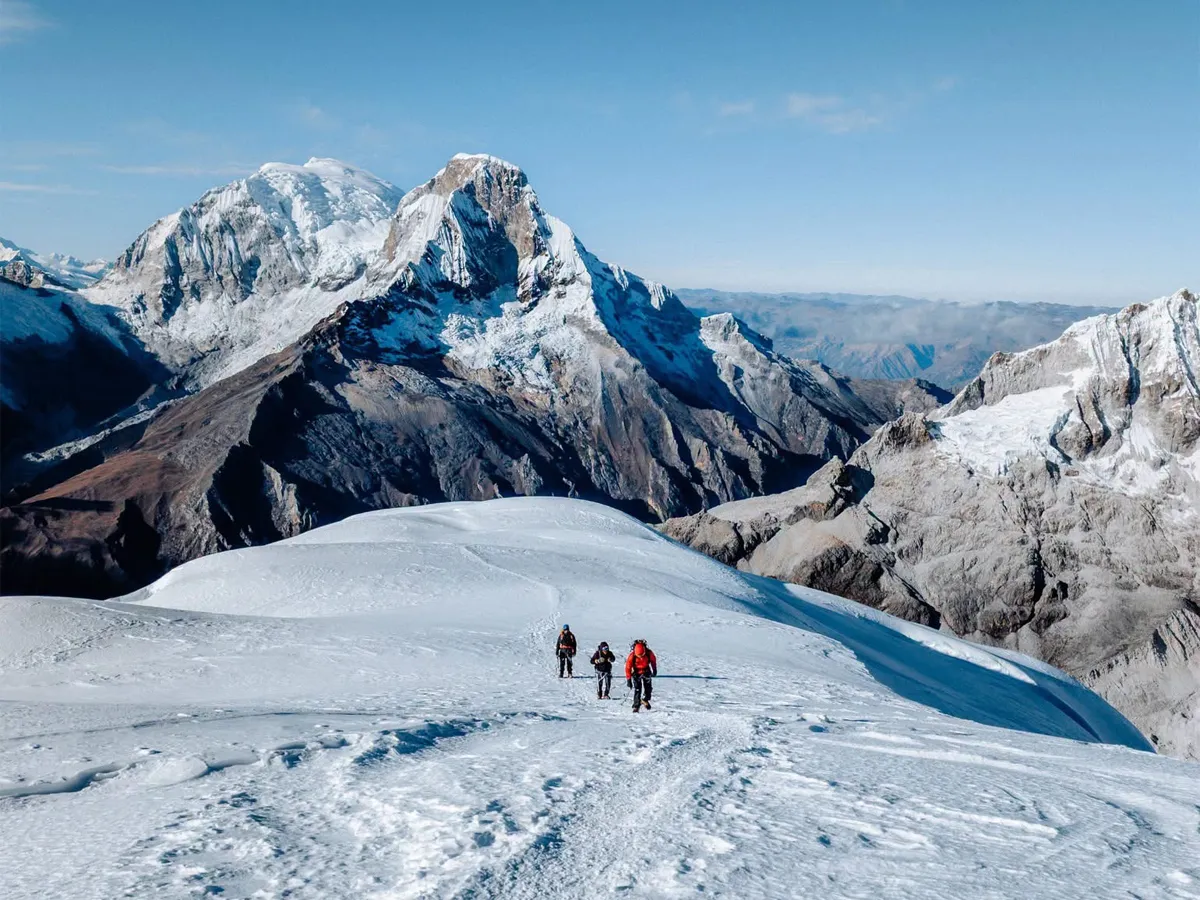
Mera Peak can be a first climbing peak for fit trekkers, but it isn’t a beginner’s hike. You don’t need climbing experience. You do need to be comfortable walking 6 to 7 hours a day for several days in a row and sleeping above 5,000m. Trekking above 4,000m before is recommended.
Your climbing guide teaches you how to use crampons, an ice axe, a harness and fixed ropes at Khare. That training matters, but it doesn’t replace good fitness and preparation. The biggest challenges are the altitude, the cold and the length of summit day.
If you don’t reach the summit
No one can guarantee a summit. Wind, fresh snow or how you feel on the day can stop the climb. Your climbing guide makes the final safety decision.
There’s a spare day at Khare, so if the weather is bad you can usually try again the next day. If the climb still can’t go ahead, you come back down with your guide. There’s no refund for the climbing part, because the permit, crew and gear are paid in advance.
Treks in this guide

FAQ
How much does it cost to climb Mera Peak?
With MountainKick, from USD 2,310 to 3,040 per person for 19 days, depending on group size. Two or three people pay USD 2,540 each.
Is the Mera Peak permit included?
Yes. The NMA climbing permit, the Makalu Barun National Park permit, the Khumbu Pasang Lhamu permit and the garbage deposit are all included. The climbing permit costs USD 350 in spring and USD 175 at other times of year.
Is climbing gear included?
Yes. Boots, crampons, harness, ice axe, helmet and the rest are included and fitted at Khare. You only need your own clothes, down jacket and sleeping bag.
Are meals included?
Yes. All meals on the trek and climb are included, from Day 3 to Day 17.
Is Mera Peak harder than Island Peak?
They’re hard in different ways. Mera is higher and has a longer summit day. Island Peak is more technical, with ladders, fixed ropes and a steep headwall.
Is there a spare day for the summit?
Yes. There’s a spare day at Khare in case bad weather stops the first attempt.