

Pokhara Panchase Trek
●●●●● 4.9 · 60+ TripAdvisor reviewsA low-altitude trek through Gurung villages starting with a boat crossing of Phewa Lake, reaching Panchase Peak for a panoramic Annapurna sunrise at 2,517m
On The Trail
What It Really Looks Like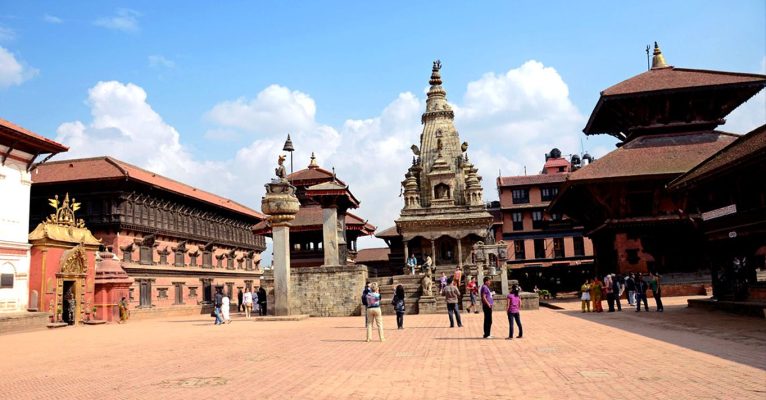
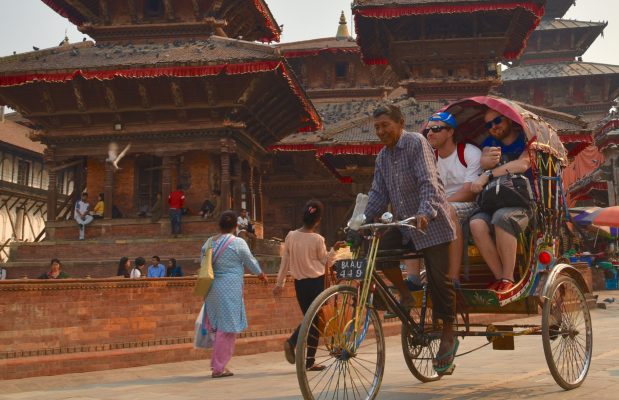
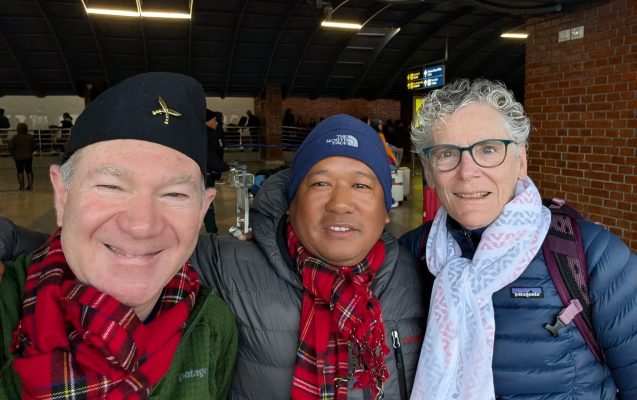
Pokhara Panchase Trek: What to Expect
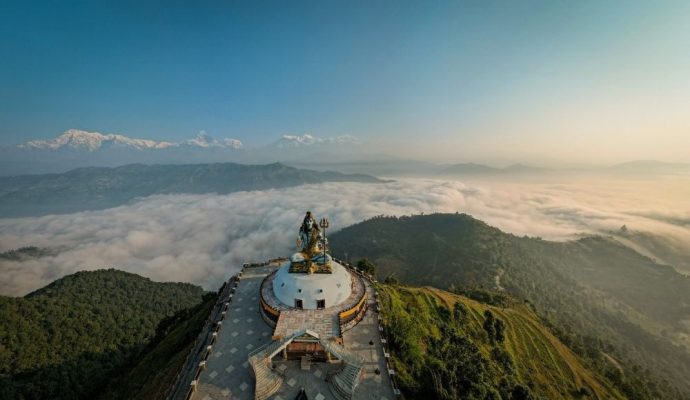
Panoramic views of Dhaulagiri, Annapurna, Machhapuchhre, Lamjung, and Manaslu from 2,517m with no crowds and no permits required
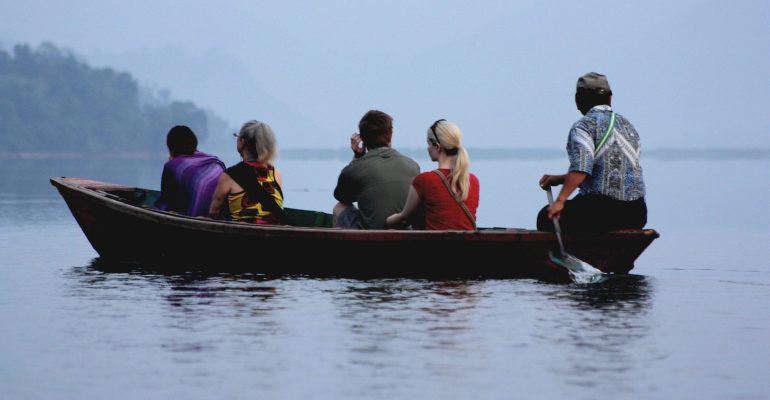
The trek starts with a boat ride across Pokhara's famous lake to the World Peace Pagoda trailhead
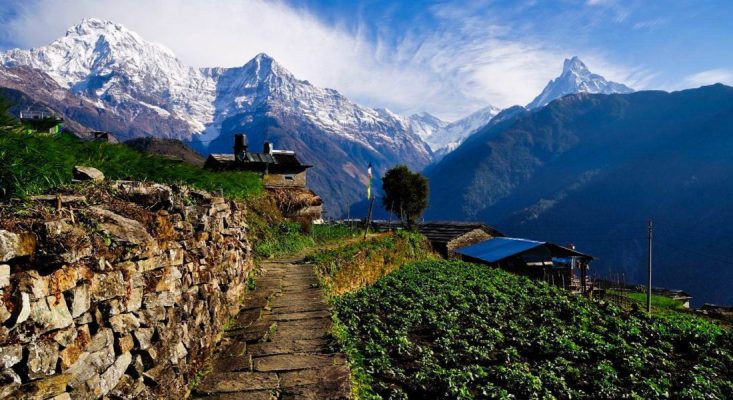
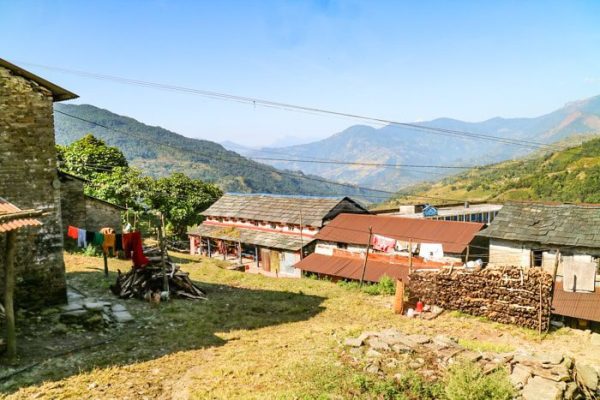
The trail passes through Bhumdi and Bhadaure, traditional Gurung and Brahmin settlements off the main tourist trail
One of the least crowded treks near Pokhara. Quiet forest paths, traditional homestays, and almost no other trekkers on the trail
The Panchase Trek starts with a boat ride across Phewa Lake to the World Peace Pagoda trailhead, a beginning unlike any other trek in Nepal. From there the trail climbs through rhododendron and oak forest past Gurung and Brahmin villages to Panchase Peak at 2,517m. The route requires no permits and most trekkers barely meet another foreigner on the trail even in peak season.
The terrain is more demanding than the altitude suggests. Steep stone steps dominate the ascent and the descent from Panchase Peak is particularly hard on the knees when wet. Trekking poles are strongly recommended. Daily walking averages 3 to 5 hours. This trek suits first-time trekkers, families with older children, and anyone wanting genuine rural Nepal without a long itinerary.
Trail highlights:
- Boat crossing of Phewa Lake to the World Peace Pagoda trailhead, one of 80 Buddhist peace pagodas worldwide
- Bhumdi village at 1,520m, home to Gurung and Brahmin communities with views of Ganesh Himal, Manaslu, and the Annapurna range
- Panchase Peak at 2,517m: panoramic sunrise views of Dhaulagiri, Annapurna I through IV, Machhapuchhre, Lamjung, and Manaslu
- Dense rhododendron and oak forest with over 100 orchid species and abundant birdlife
- Bhadaure village, a large Gurung settlement below the peak with views of Dhaulagiri and Annapurna South
For a comparison of short treks near Pokhara read our Poon Hill vs Mardi Himal guide.
Day-by-Day Itinerary
Arrival in Kathmandu
Your guide meets you at arrivals and transfers you to the hotel in Thamel. The evening is free to explore Thamel, pick up any last-minute gear, or simply rest after your flight. Tomorrow we begin with a full day of Kathmandu sightseeing before heading to Pokhara.
Sightseeing around Kathmandu
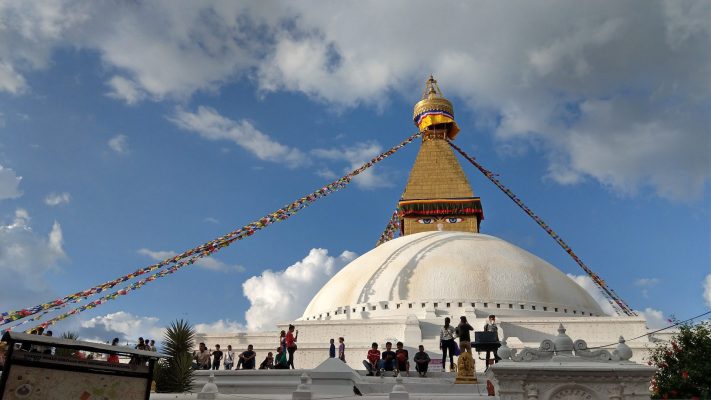
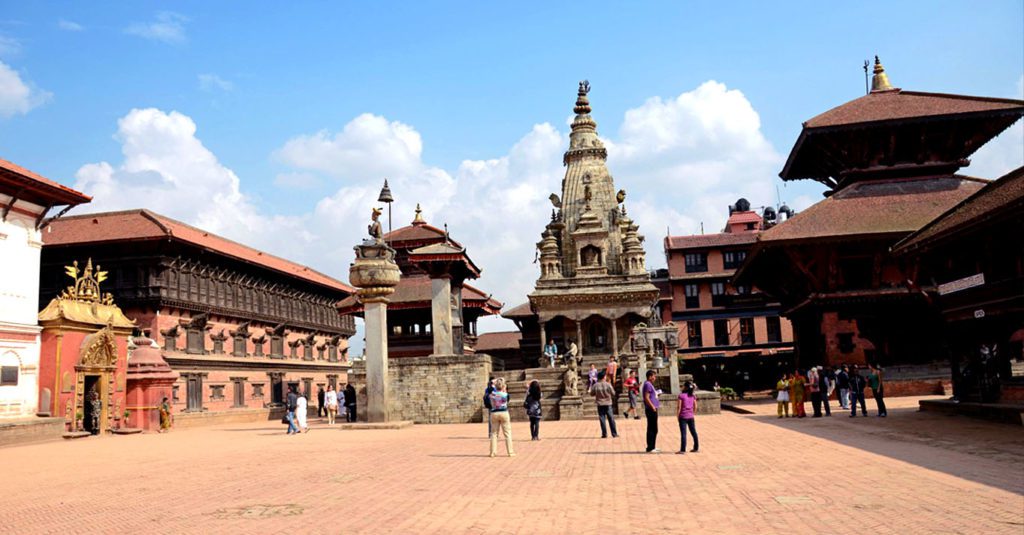
A full day guided tour by private vehicle covering three of Kathmandu’s most important sites. Boudhanath is one of the largest Buddhist stupas in the world, a UNESCO World Heritage Site with resident monks and a ring of monasteries around the base. Pashupatinath on the Bagmati River is Nepal’s most sacred Hindu temple, where cremation ghats line the riverbank and sadhus gather in the temple courtyard. Bhaktapur is a remarkably preserved medieval city with carved wood temples, pottery squares, and the 55-window palace. Pre-trip briefing with your guide in the evening covers the trek route and kit check.

Tourist Bus Kathmandu to Pokhara
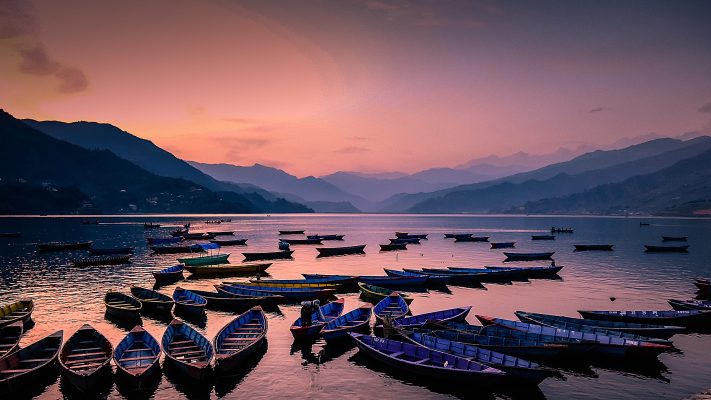
Tourist bus departs at 7am along the Prithvi Highway, 200km in 7 to 8 hours through terraced hillsides and river valleys. Arrive in Pokhara by late afternoon. The evening is free at Phewa Lake. The Annapurna range reflects off the water on a clear evening and sets the tone for the trek days ahead.

Pokhara City Sightseeing
A guided half-day tour by private vehicle covering three of Pokhara’s most visited attractions. Davis Falls is a dramatic waterfall that disappears underground through a sinkhole below the road. Mahendra Cave is a natural limestone cave 30 minutes from Lakeside with stalactite and stalagmite formations. The Tibetan Refugee Camp at Tashi Ling has been home to Tibetan refugees since 1959 with handmade carpet and craft workshops open to visitors. Afternoon free at Phewa Lake. Prepare your daypack for tomorrow — the trek starts with a boat crossing in the morning.

Trek Pokhara to Pumdi via World Peace Pagoda
A 20-minute boat ride across Phewa Lake starts the trek in style. A steep 45-minute climb through rhododendron forest leads to the World Peace Pagoda at 1,100m, one of 80 Buddhist peace pagodas worldwide, with the first open views of the Annapurna range and Phewa Lake below. The trail continues through lush forest and terraced farmland to Pumdi. A gentle first day that eases you into the rhythm of the trail.

Trek Pumdi to Panchase Bhanjyang
The trail climbs steadily through dense oak and rhododendron forest past Bhumdi village, home to Gurung and Brahmin communities with views of Ganesh Himal, Manaslu, and the Annapurna range. Higher up the forest thins and Annapurna peaks appear through gaps in the trees. Panchase Bhanjyang sits at the base of the peak with the best teahouse facilities on the route. Set an early alarm — the sunrise push starts before dawn.

Morning Hike to Panchase Hill, Descend to Bhadaure
Pre-dawn start for the 90-minute climb to Panchase Hill at 2,506m. A Hindu religious site with a small temple, shrines, and a museum of local flora and fauna. The panorama covers Dhaulagiri (8,167m), Annapurna I through IV, Machhapuchhre, Lamjung, and Manaslu. Descend the steep stone steps carefully, the most demanding section on the trek when wet. Pass through Aldana village then a gentle walk through mixed forest and farmland to Bhadaure, a large Gurung settlement with Brahmin and Magar communities.

Trek Bhadaure to Kande, Drive to Pokhara
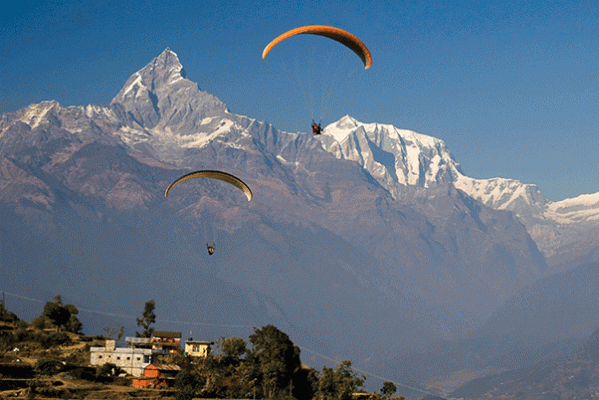
A short final morning on trail through small villages and forested paths to Kande at 1,770m on the Pokhara-Baglung highway. A private vehicle picks you up here for the 45-minute drive back to Pokhara. Afternoon free for lakeside sightseeing, paragliding over the valley, or simply rest at a cafe on the Phewa Lake shore. Last evening in Pokhara.

Tourist Bus Pokhara to Kathmandu, Farewell Dinner
Tourist bus back to Kathmandu along the Prithvi Highway, 200km in 7 to 8 hours. Arrive by early evening. That night your guide takes you to a traditional Nepali farewell dinner with dal bhat, momos, and cultural performances to close out the trip.

Final Departure
Breakfast at the hotel then private transfer to the airport timed to your flight. If time allows, Boudhanath is 20 minutes by taxi and worth a final morning visit.
3D Route Map
Includes & Excludes
-
Airport transfers in Kathmandu Private vehicle, arrival and departure
-
3-star hotel in Kathmandu 2 nights, twin-sharing, breakfast included
-
3-star hotel in Pokhara 2 nights, twin-sharing, breakfast included
-
Kathmandu guided sightseeing Full day private vehicle — Boudhanath, Pashupatinath, Bhaktapur
-
Pokhara guided sightseeing Half day private vehicle — Davis Falls, Mahendra Cave, Tibetan Refugee Camp
-
Phewa Lake boat crossing Both ways included
-
Teahouse accommodation on trek 3 nights, twin-sharing throughout
-
Tourist bus Kathmandu to Pokhara return Both directions, departs 7am from Sorakhutte
-
Private transport Pokhara to Kande return
-
Government-licensed trekking guide NTB-certified, English speaking, full trek
-
Porter service 1 porter per 2 trekkers, 20kg load limit
-
All staff costs Salary, insurance, equipment, food and accommodation
-
Annapurna Conservation Area Permit (ACAP) Required entry permit for the Annapurna region
-
TIMS card Trekkers' Information Management System
-
Farewell dinner in Kathmandu Traditional Nepali meal with your guide
-
Duffel bag Yours to keep as a souvenir
-
International flights To and from Kathmandu
-
Nepal visa fee 15 days $30 / 30 days $50 / 90 days $125, available on arrival
-
Travel insurance Mandatory. Must cover helicopter evacuation to at least 3000m
-
All meals on trek Budget $15 to $25 per day. Teahouses serve breakfast, lunch and dinner
-
Lunch and dinner in Kathmandu and Pokhara Except the farewell dinner
-
Hot showers, Wi-Fi, battery charging Small charge at teahouses, typically $2 to $5 each
-
Guide and porter tips Customary. Roughly 10-15% of the trip price
-
Personal expenses Snacks, bottled water, laundry, souvenirs
Enhance Your Trek
We Handle the Details
FreeWhere You'll Sleep & What You'll Eat
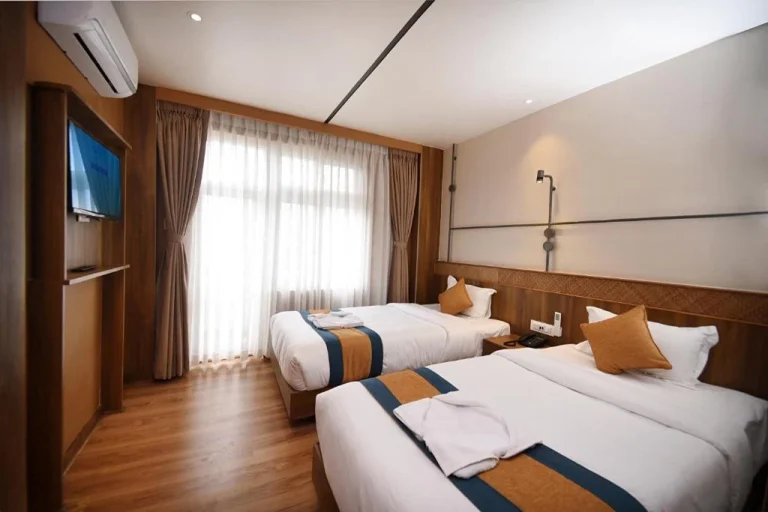
Two tiers on this trek. Kathmandu and Pokhara are 3-star hotels with private bathrooms and breakfast included. On trail from Pumdi to Bhadaure, accommodation is basic teahouses and guesthouses with shared bathrooms. Panchase Bhanjyang has the best facilities on the trail with a handful of teahouses and mountain views from the dining room. Bhadaure has homestay options alongside standard guesthouses. No sleeping bag needed as teahouses provide blankets at this altitude. Trekking poles are essential for the steep stone steps.
- Kathmandu and Pokhara: 3-star hotel, private bathroom, breakfast included
- Pumdi and Bhumdi: basic teahouses, shared bathrooms, simple but clean
- Panchase Bhanjyang: best facilities on the route, mountain views from teahouse
- Bhadaure: guesthouse and homestay options, mix of Gurung, Magar, and Brahmin community
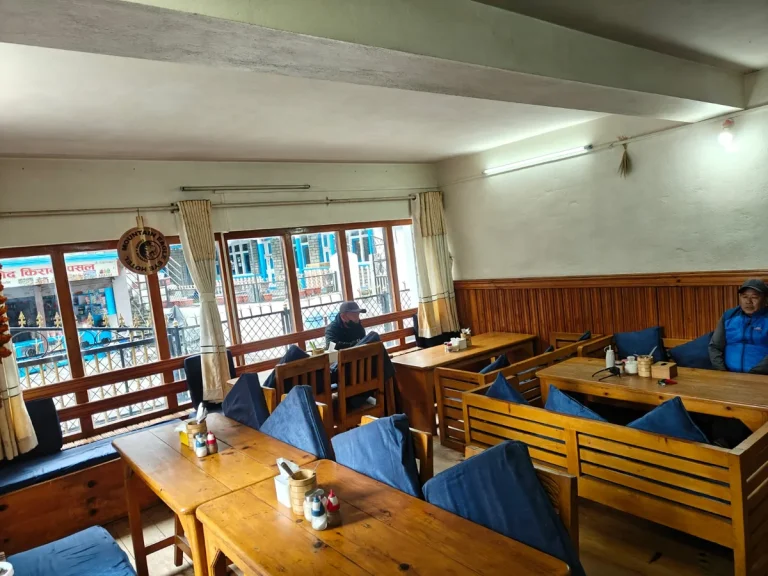
Teahouse menus from Pumdi to Bhadaure are simple: dal bhat, noodle soup, fried rice, eggs, pancakes, and ginger tea. Dal bhat is always the safest and most nutritious option, cooked fresh to order. Bhadaure has slightly more variety as a larger village. Vegetarian food is available everywhere. Prices are lower than higher-altitude treks. Budget $15 to $25 per day for three meals and drinks on trail.
| Meals on trail (3 per day) | $15 to $25 / day |
| Hot shower | $2 to $3 |
| Wi-Fi (where available) | $2 to $3 |
| Battery charging per device | $1 to $2 |
| Bottled water | $1 to $2 |
What Our Trekkers Say
“A peaceful trek near Pokhara”
As a couple, we really enjoyed the Panchase trek. The trails were quiet and took us through forests, small villages, and beautiful countryside, the views of the Annapurna range from Panchase were a real highlight. Our guide was friendly and helpful throughout, and MountainKick made the whole trip very easy.
“Lovely village trek with amazing views”
Our group of three friends had a wonderful few days walking around Panchase. We enjoyed the peaceful trails and the chance to spend time in smaller villages away from the busier tourist areas. The mountain views were beautiful when the weather cleared. Everything was well organized by MountainKick and our…
“Perfect short trek from Pokhara”
We chose Panchase because we wanted something quiet and not too demanding, and it was exactly right for us. The scenery was beautiful and the local villages made the trek feel very authentic, we particularly enjoyed the sunrise views over the Annapurna mountains. MountainKick were professional and helpful from start…
Frequently Asked Questions
How difficult is the Pokhara Panchase Trek?
This trek is rated Moderate (Level 2 on our scale). The terrain is more demanding than the altitude suggests. Steep stone steps dominate the ascent from Pumdi to Panchase Bhanjyang and the descent from Panchase Hill is the hardest section, particularly when wet. Daily walking averages 3 to 5 hours. The maximum altitude is 2,506m at Panchase Hill, well below where altitude sickness becomes a concern. No prior trekking experience is required but good basic fitness is important. Trekking poles are strongly recommended throughout. See our full trek difficulty guide for context.
Is this trek suitable for beginners or families?
Yes. Panchase is one of the most accessible treks in the Annapurna region. The low maximum altitude of 2,506m, short daily distances, and teahouse accommodation throughout make it suitable for first-time trekkers and families with older children. The one section that requires care is the steep stone descent from Panchase Hill, which demands attention and good footwear especially after rain. Children aged 12 and above generally manage this trek well with comfortable walking shoes and trekking poles.
What makes this trek different from Poon Hill or Mardi Himal?
Panchase is shorter, lower, and significantly less crowded than either Poon Hill or Mardi Himal. The maximum altitude is 2,506m versus 3,210m for Poon Hill and 4,500m for Mardi Himal. Daily walking averages 3 to 5 hours versus 5 to 7 hours on those routes. The trail starts with a boat crossing of Phewa Lake and passes through the World Peace Pagoda before entering quiet forest and Gurung villages that see almost no other trekkers. It suits anyone who wants a genuine taste of rural Nepal without a demanding physical commitment.
What is the best time to do this trek?
Spring (March to May) and autumn (September to November) are the two best windows. Spring brings warmer temperatures and rhododendrons in bloom. Autumn has clear skies and the best mountain views after the monsoon. Winter (December to February) is possible as the low altitude means no snow on trail, though nights are cold. Monsoon (June to August) is not recommended as the stone steps become very slippery, leeches are active in the forest sections, and mountain views are blocked by cloud.
Do I need any permits for this trek?
Yes. The trail passes through the Annapurna Conservation Area, so an ACAP permit is required at NPR 3,000 (approximately USD 25) per person. TIMS is also included as standard for safety tracking. Both are included in the MountainKick package price and we handle all paperwork before the trek starts. No restricted area permits are needed. This is one of the most straightforward permit situations of any trek in the Annapurna region.
Is a licensed guide mandatory on this route?
Yes. Since April 2023 Nepal requires all foreign trekkers on designated routes to trek with a licensed guide. Beyond the legal requirement, some sections of the Panchase trail are poorly marked through dense forest and a guide makes a real practical difference. Your MountainKick guide knows every junction on the route and manages the pace, teahouse bookings, and permit checkpoints throughout.
What food is available on the trail?
Teahouse menus from Pumdi to Bhadaure are simple: dal bhat, noodle soup, fried rice, eggs, pancakes, and ginger tea. Dal bhat is always the safest and most nutritious option, cooked fresh to order. Bhadaure has slightly more variety as a larger village. Vegetarian food is available everywhere. Prices are lower than higher-altitude treks. Budget USD 15 to 25 per day for three meals and drinks on trail.
What is the boat crossing of Phewa Lake like?
The trek starts with a 20-minute rowing boat ride across Phewa Lake from the Pokhara lakeside to the southern shore. It is one of the most memorable ways to begin any trek in Nepal. The lake reflects the Annapurna range on clear mornings and the crossing passes the Tal Barahi Temple on the island in the middle of the lake. From the southern shore a 45-minute climb through forest leads to the World Peace Pagoda. The boat crossing is included in the package price.
What should I budget beyond the package price?
Budget for: international flights, Nepal visa (15-day $30 / 30-day $50 / 90-day $125), travel insurance, all meals on trek ($15 to $25 per day), hot showers and Wi-Fi ($2 to $3 each at Panchase Bhanjyang only), guide and porter tips (10 to 15% of trip cost), and any optional activities such as paragliding or bungee jumping in Pokhara. Most trekkers spend an additional $200 to $300 on top of the $820 package price.
What travel insurance do I need?
Your policy must cover emergency helicopter evacuation to at least 3,000m and basic medical treatment. At this altitude serious altitude emergencies are unlikely but falls on steep stone steps and general illness can happen on any trek. Make sure your policy covers adventure trekking activities specifically as some standard travel policies exclude them. Carry a printed copy of your policy and emergency contact number throughout. Read our travel insurance guide for what to look for.
Departure Dates & Pricing
Your dates, your group, your way
Same route and guides, just your group. Tell us when you'd like to go and how many of you there are, and we'll send you a day by day plan with a price.
- Nothing to pay now
- Plan and price by email
- Confirm with a 20% deposit
"*" indicates required fields
Rather chat? Message us on WhatsApp
-
1
20% deposit: due on booking Secures your place on the departure. The deposit is non-refundable. We also need a copy of your passport.
-
2
80% balance: due on arrival Pay the rest in Kathmandu before the trip starts. Bank transfer, cash, or card (4% card fee).
| Cancel before you arrive | Deposit not refunded, nothing more to pay |
| Cancel after the pre-trip meeting | No refund |
| Date or name change | USD 200 per person |
| MountainKick cancels trip | Full refund or reschedule |
Weather delays and extra days cost extra, so travel insurance is required. We give you documents for any claim.
Read the full terms and conditionsPacking List
Footwear
ⓘ Good grip is more important than waterproofing on this route. The stone steps are the main hazard, especially when wet.
Clothing
ⓘ Temperature is mild at this altitude. You need one warm layer for cool evenings at Panchase Bhanjyang and the pre-dawn sunrise climb. Everything else is standard trekking kit
Head and Hands
ⓘ The pre-dawn Panchase summit at 2,506m is cool rather than cold. Pack these for the sunrise climb on Day 7.
Gear
ⓘ our porter carries the duffel. Your daypack is for daily essentials only. Keep it under 5kg.
Health and First Aid
ⓘ Your guide carries a basic first aid kit. Blisters and sore knees from the stone steps are the most common issues on this trek.
Toiletries
ⓘ Keep it minimal. You are staying in small teahouse rooms with limited space.
Documents and Money
ⓘ Documents and Money category_note: No ATMs past Pokhara. Carry all cash from Pokhara in small denominations — 100, 500 and 1,000 rupee notes. Large notes are hard to change at small teahouses.
Trekking in Winter (Dec to Feb)
Trekking in Monsoon (Jun to Aug)
⚠ Monsoon is not recommended for this trek. Stone steps become very slippery, leeches are active in the forest between Pumdi and Bhumdi, and mountain views are blocked by cloud for days at a time
Leave at home
-
Jeans or cotton clothing Takes days to dry and has zero insulation when wet.
-
Full-size towel Heavy and bulky. Microfiber only.
-
Laptop No need and the weight is punishing on steep trails.
-
Excessive snacks from home Dal bhat and teahouse food is cheap and abundant.
-
Valuables and jewellery Leave at the hotel in Kathmandu.
-
Sleeping bag Teahouses provide blankets at this altitude. Dead weight for a 3-day trek.
-
Heavy boots Trail does not require waterproof hiking boots. Good grip trail shoes are sufficient.
Trekking poles are best purchased or rented in Pokhara before the trek. Sleeping bags are also available for rent if needed. MountainKick provides a duffel bag for every trekker and connects you with trusted shops at the pre-trip briefing
Pokhara Panchase Trek
Talk to Kumar and the team before you commit. Ask about gear, fitness, altitude or a private group.


Tales from the Himalayas
 Travel
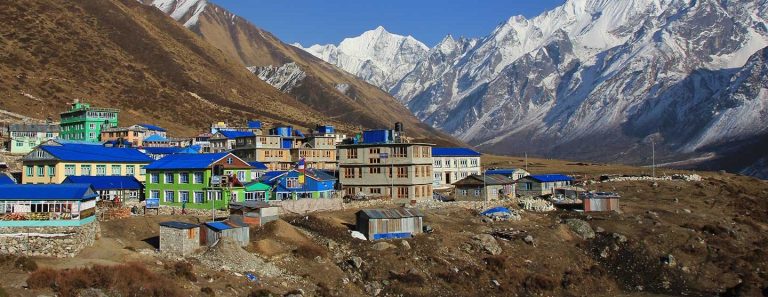
Best Time to Trek Langtang Valley: Month by Month
Langtang is close to Kathmandu and good for much of the year, but the season changes everything from the views…
 Annapurna Region
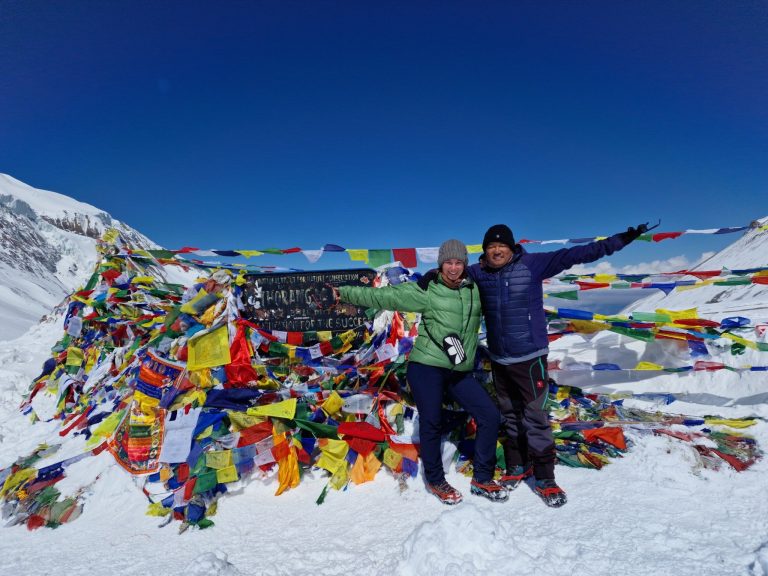
Thorong La Pass: A Guide to the Big Day on the Annapurna Circuit
Thorong La at 5,416m is the highest point of the Annapurna Circuit. Here’s what crossing day is really like, from…
 Everest Region
Annapurna Circuit Teahouses: What the Rooms Are Really Like
Teahouses on the Annapurna Circuit range from comfortable lodges in Manang to bare rooms at Thorong Phedi. Here’s what to…