Is Everest Base Camp Trek Hard? A Straight Answer From 20+ Years of Guiding
Yes, Everest Base Camp is rated Hard on MountainKick’s difficulty scale, Level 4 of 5. That means 6 to 8+ hours of walking most days, altitude above 5,000m, and no technical climbing skills required. It’s not hard because of technical terrain. It’s hard because of the combination of altitude, duration, repeated uphill walking, limited recovery time, and cold. Altitude can make the trek much harder than the same amount of walking at lower elevations, so acclimatization and pacing matter as much as fitness.
According to Kumar Thapa Magar, who has guided this route for over 20 years, many of the trekkers he sees struggle because of specific mistakes: moving too fast, skipping proper acclimatization, drinking too little water, or assuming a hard trek they’ve done elsewhere means they already know how to handle this one.
What “Hard” Actually Means on Our Scale
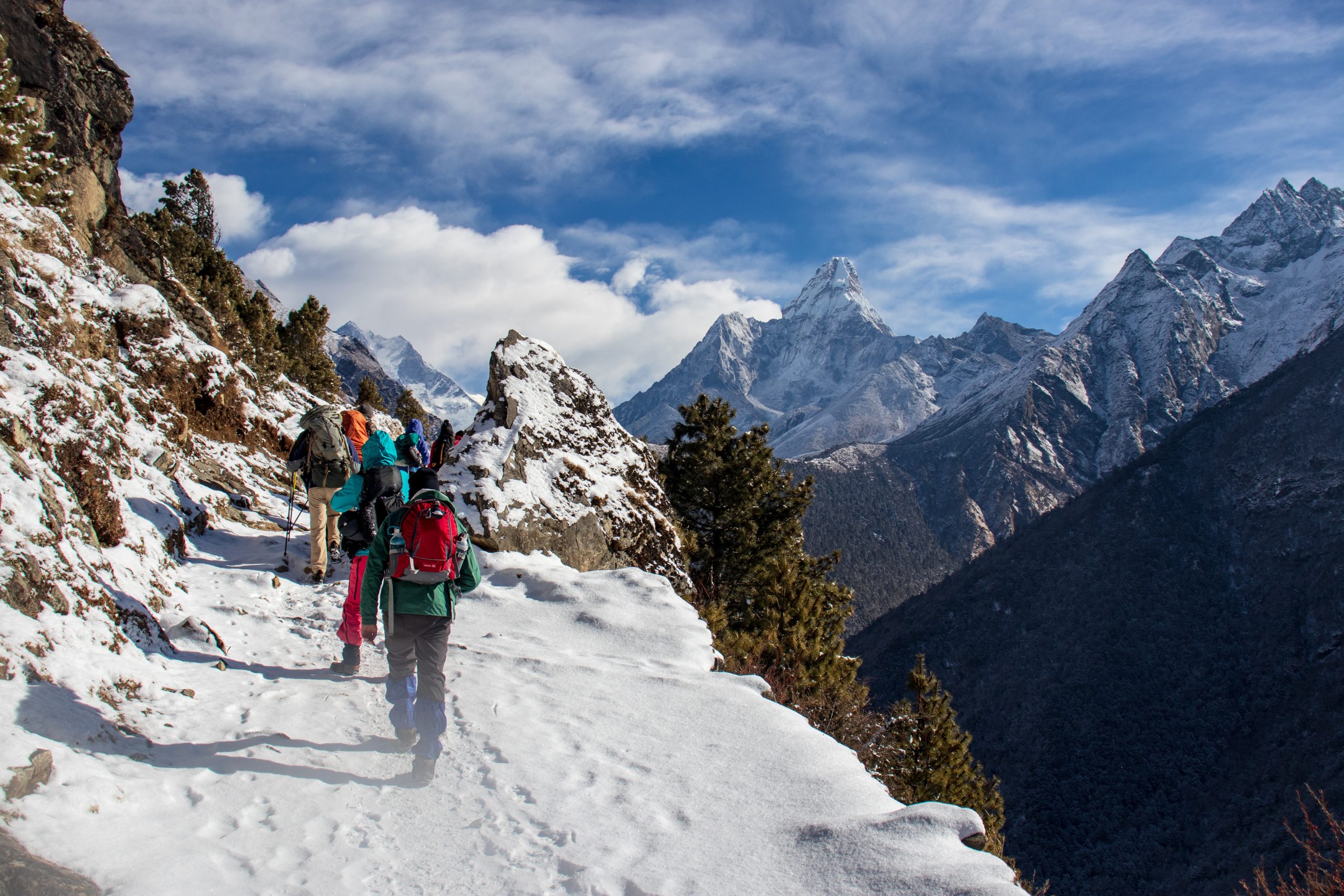
MountainKick rates every trip on a 5-level difficulty scale, and Everest Base Camp sits at Level 4, Hard. On that scale, Level 4 means:
- 6 to 8+ hours of walking per day
- High passes and terrain above 5,000m
- Rocky trails and glacial moraine underfoot
- Remote terrain where access to medical care can be limited
- Good preparation and fitness recommended, but previous trekking experience is not essential
That’s a real classification, not marketing language, and it’s the same scale we use across our entire trip list. A Level 4 rating gives you a broad expectation of what you’re taking on, though the actual physical demands vary by route since terrain, altitude profile, and climate differ trek to trek. See the full breakdown on our Nepal trek difficulty guide.
One thing worth understanding before anything else: altitude is a difficulty factor that doesn’t simply scale with distance or hours walked. A 4-hour day at 4,800m can feel harder than a 7-hour day at 2,000m.
If you’re also wondering what the trek will cost, see our Everest Base Camp Trek Cost 2026 guide for the current package prices and other expenses.
What a Hard Day on This Route Actually Looks Like
Numbers help more than adjectives here. A few real stretches from our itinerary:
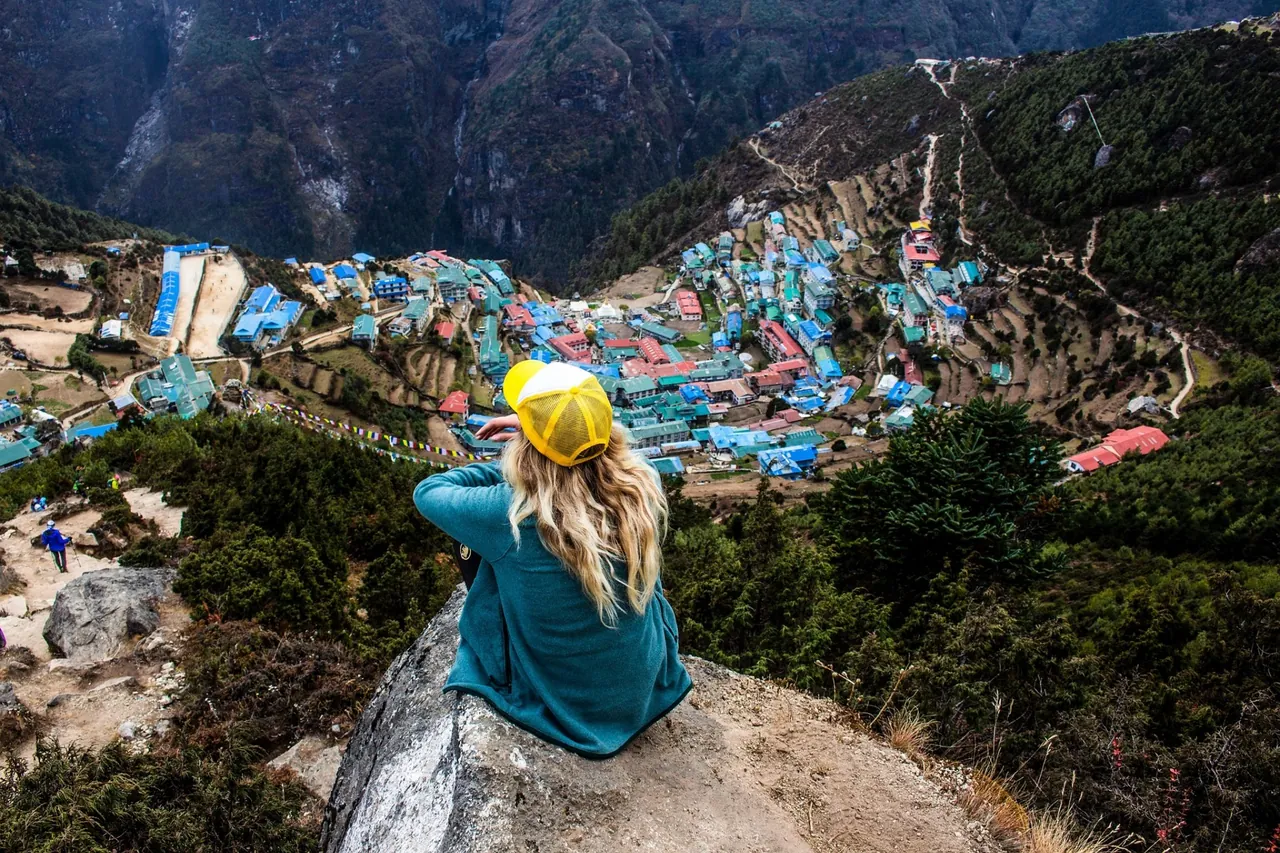
- Day 3, Phakding to Namche: 5 to 6 hours, 830m of elevation gain, the first genuinely steep test of the trek
- Day 9, Lobuche to Gorak Shep to Everest Base Camp: 7 to 8 hours, much of it uneven rocky moraine
- Day 10, Kala Patthar: a 4am start in the cold and dark, climbing before sunrise to 5,545m, the highest point on the standard EBC itinerary
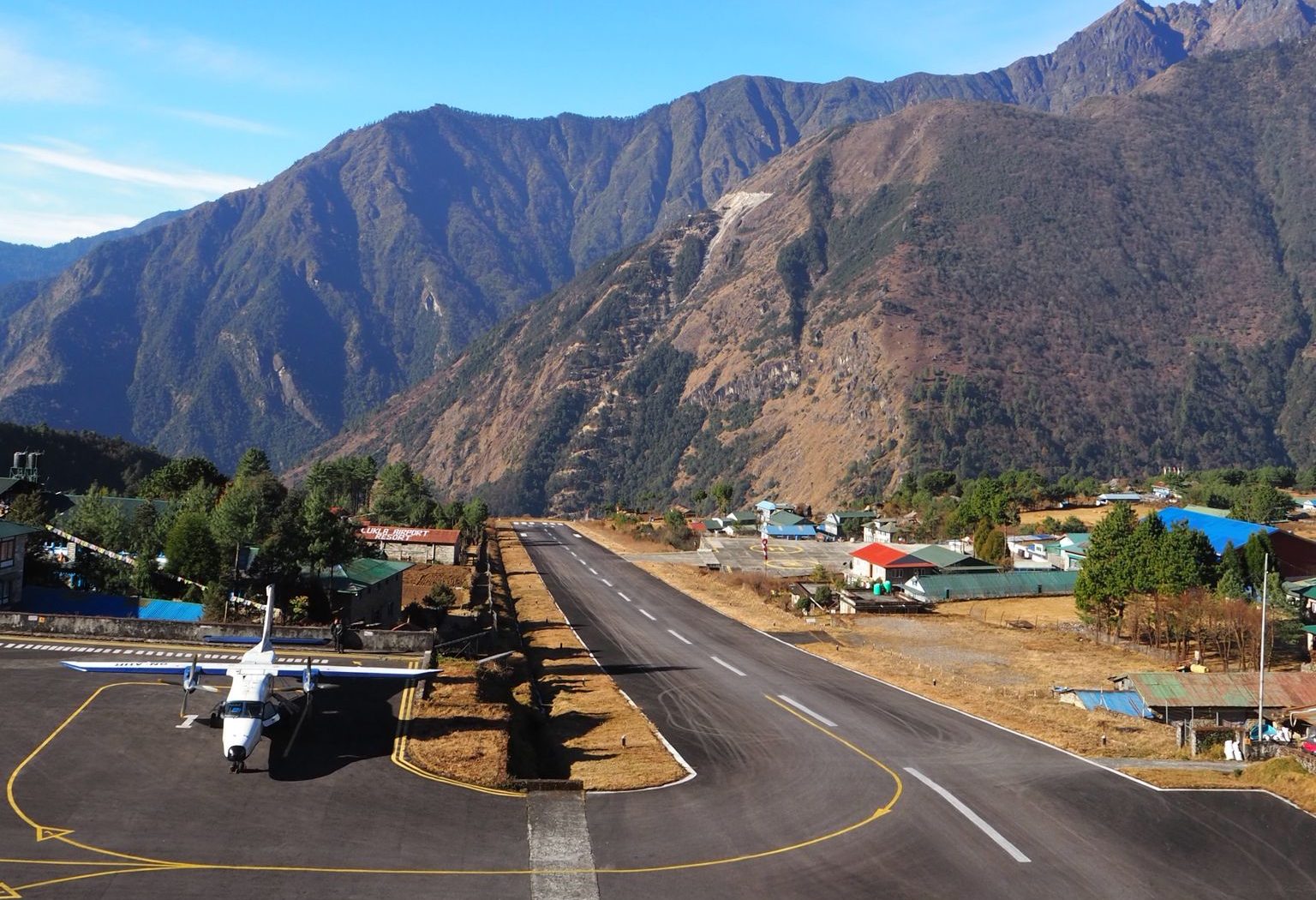
- Day 12, Namche to Lukla: 7 hours, 18 to 19km, the longest single day of the entire trek, mostly on tired legs heading downhill
None of this requires ropes, crampons, or climbing experience. It requires sustained walking at altitude, day after day, for close to two weeks.
What Actually Causes Problems, According to Kumar
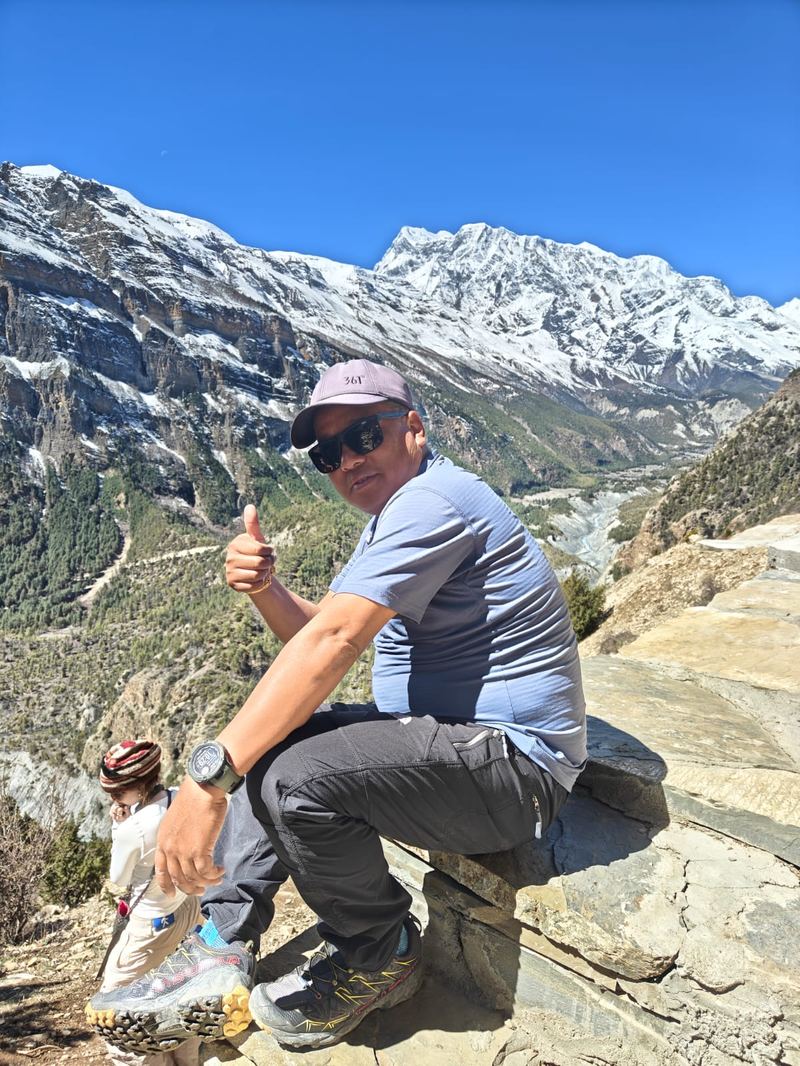
Kumar has guided Everest Base Camp for over 20 years. In his experience, the trekkers who struggle or turn back are rarely the ones who simply lacked fitness. A few patterns come up often:
- Ascending too fast. One of the most important causes of altitude problems on this route is moving faster than your body has time to adjust.
- Not using acclimatization days well. The rest days at Namche and Dingboche are built around short acclimatization hikes, not just idle time. The important thing is following the planned acclimatization schedule, neither skipping it nor overdoing extra activity, rather than treating the day as either full rest or a free day to explore further than planned.
- Poor food and water habits. Low water intake, skipping meals because appetite drops at altitude, and replacing water with alcohol or sugary soft drinks all make altitude harder to tolerate.
- Being cold from inadequate gear. Trekkers who cut corners on their sleeping bag or layers spend the coldest nights of the trek not resting properly, which compounds fatigue the next day. See our Everest Base Camp packing list for what actually holds up at altitude.
These aren’t simply fitness problems. Pace, acclimatization, hydration, recovery, and paying attention to what your body is telling you can make a major difference alongside basic physical fitness. For more on altitude symptoms and what to do if they appear, see our altitude sickness guide.
The Acclimatization Climb, in Practice
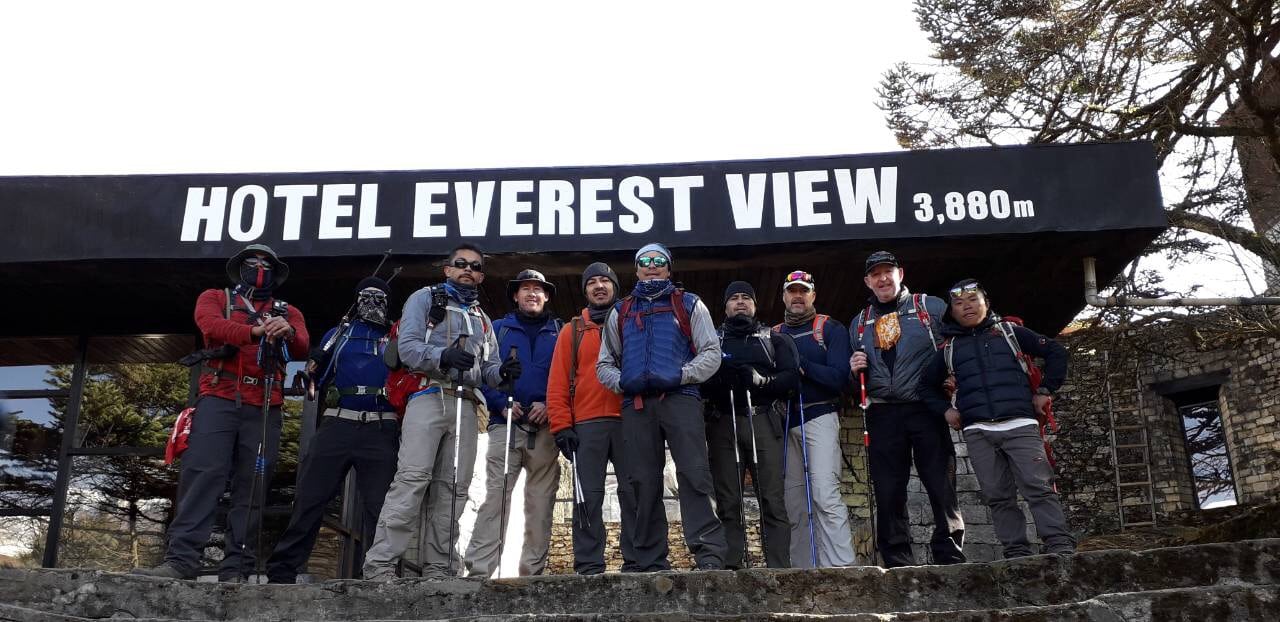
The acclimatization hike from Namche up to Hotel Everest View is a good example of what “using the rest day well” actually looks like. It’s a real climb, not a stroll, but it’s short enough to be completed and still leave time for recovery. The idea is to follow the planned acclimatization schedule rather than turning the day into another hard trekking day.
The Trap Experienced Trekkers Fall Into
One pattern Kumar sees often is trekkers who’ve completed other well-known treks. Kilimanjaro is a common example. They assume the experience transfers directly to EBC and get careless as a result.
In practice this shows up as a few specific behaviors:
- Not reporting symptoms early. Headache, nausea, or loss of appetite gets shrugged off instead of mentioned to the guide, because “I’ve done harder treks than this before.”
- Not telling the guide before taking medication. Some trekkers manage altitude symptoms on their own rather than reporting them to the guide. This makes it harder for the guide to monitor how they’re actually doing. Report symptoms honestly and early so the guide can help monitor the situation and advise when medical assessment or descent may be needed.
- Walking ahead of the group’s pace. Confidence from other treks can translate into pushing faster than the guide’s pace, which is set deliberately slow for acclimatization, not because the group can’t move faster.
- Staying too active instead of resting. Restlessness on rest days, extra unplanned hikes, wandering further than planned, works against the point of the day.
General overconfidence is the common thread. Prior experience on a different mountain doesn’t tell you much about how your body will respond to this specific altitude profile.
Who Tends to Do Fine, and Who Tends to Struggle
Age and prior trekking experience are weaker predictors than most people assume. What actually correlates with a good outcome, according to Kumar:
- Following the guide’s pace, even when it feels frustratingly slow
- Reporting symptoms honestly and early, rather than pushing through quietly
- Sticking to the acclimatization schedule instead of treating it as optional
- Proper hydration and eating enough, even when appetite drops
- Having gear suited to the actual cold at altitude, not just “warm enough at home”
A less fit trekker who does all of this consistently often has an easier trek than a very fit trekker who ignores one or two of them.
Frequently Asked Questions
Is Everest Base Camp harder than Kilimanjaro?
They’re different challenges rather than directly comparable. EBC is Level 4 on our scale, involves no technical climbing, and takes roughly 12 trekking days, with dedicated acclimatization days at Namche and Dingboche. Trekkers who’ve done Kilimanjaro sometimes assume the experience transfers directly. In Kumar’s experience, that confidence can sometimes lead to overconfidence rather than making EBC easier.
Do I need to be very fit to do EBC?
Yes, solid baseline fitness matters for 6 to 8+ hour walking days. But according to Kumar, problems with pace, hydration, acclimatization and altitude awareness can cause more trouble than fitness limits do for many trekkers. See our Everest Base Camp training guide for a realistic preparation plan.
What’s the hardest single day on the EBC trek?
Most trekkers find the Kala Patthar sunrise climb (a 4am start in the cold) and the long Namche-to-Lukla descent day (18 to 19km) the two most physically demanding days, though for different reasons: one for cold and altitude, the other for sustained distance on tired legs.
Should I tell my guide if I feel unwell on the trail?
Yes, immediately, and before managing any symptoms on your own. Early, honest reporting is far easier to act on than symptoms that have been hidden or self-managed. Your guide’s job includes helping you decide whether to continue, rest, or descend, and they can only do that well with accurate information.
Can beginners do the Everest Base Camp trek?
Yes, with proper preparation. Trekking experience helps, but according to Kumar, discipline around pace, hydration, and acclimatization matters more than a trekking résumé. First-timers who follow the schedule carefully often do better than experienced trekkers who don’t.
Bottom line:
EBC isn’t a technical climb. It’s a sustained high-altitude trek where pacing, acclimatization, and honest judgment matter just as much as raw fitness.
View Everest Base Camp Trek Ask a Question