Everest Base Camp Packing List 2026: What to Actually Bring and Why
For an Everest Base Camp trek, you need layered synthetic or merino clothing, a sleeping bag suited to sub-zero teahouse nights above Dingboche, a duffel packed light enough to meet MountainKick’s porter policy, and high-altitude essentials such as proper sunglasses and a headlamp. Most bulky gear, including a down jacket and sleeping bag, can be rented in Kathmandu.
This guide explains the reasoning behind the gear. For the complete item-by-item checklist, use MountainKick’s Everest Base Camp packing checklist.
If you’ve looked at our Everest Base Camp trip page, you’ve already seen the checklist. Boots, layers, a sleeping bag, the usual. That list tells you what to bring. This post is about the parts that list doesn’t have room for: why cotton actually fails at altitude, what a sleeping bag rating really needs to cover, what MountainKick’s duffel weight policy means for how you pack, and whether you should rent or buy each item in Kathmandu.
Use the trip page checklist as your reference. Use this to understand it before you pack.
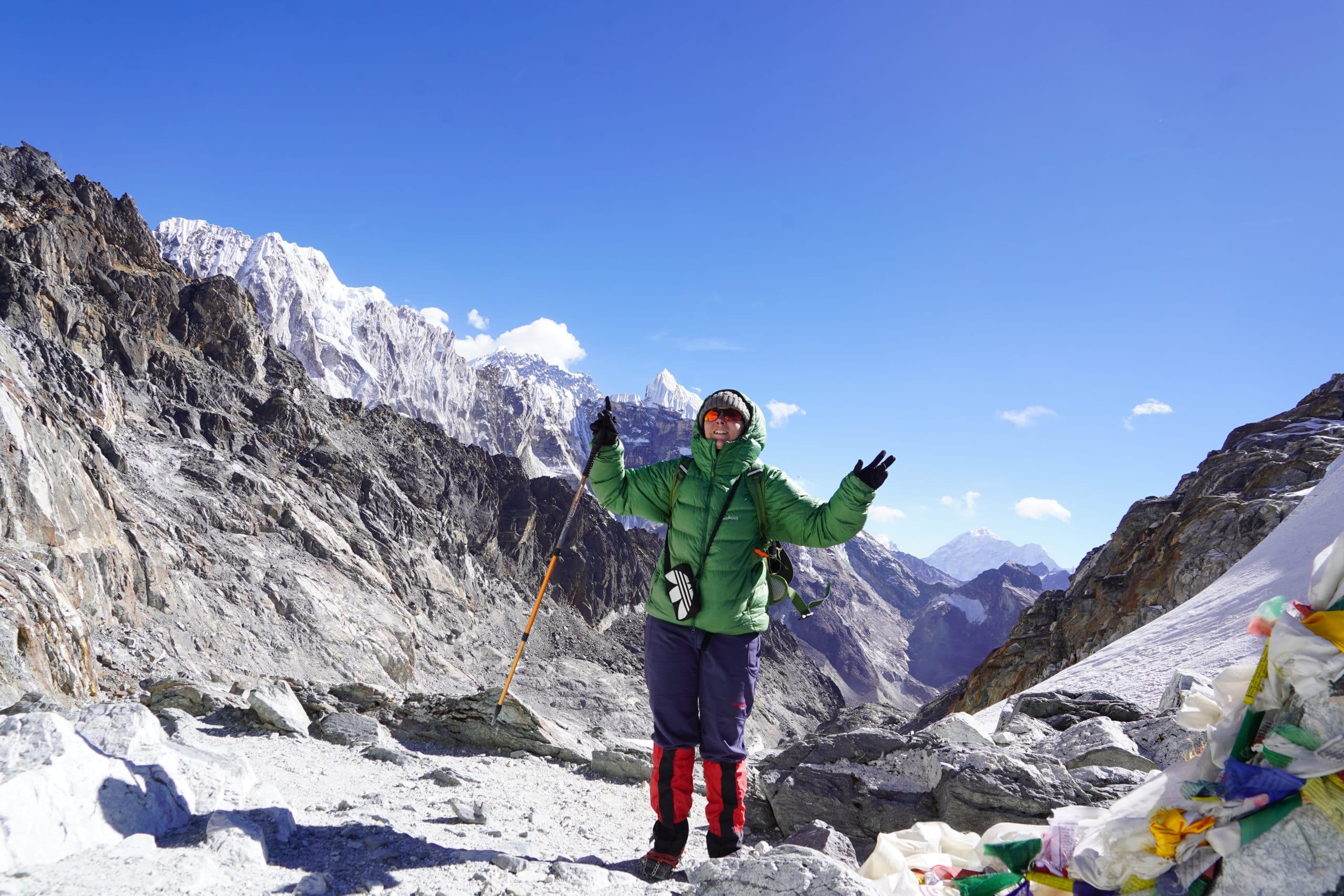
Why Cotton Is the One Rule Everyone Breaks
Every packing list says avoid cotton. Here’s why it matters more than it sounds.
Cotton absorbs moisture and holds onto it. When you sweat climbing to Namche, a cotton base layer soaks that sweat up and keeps it against your skin. Wet fabric conducts heat away from your body much more effectively than dry insulating air, which is why staying dry matters at altitude. Stop moving for ten minutes at a rest break in wet cotton and you’ll feel the chill set in fast.
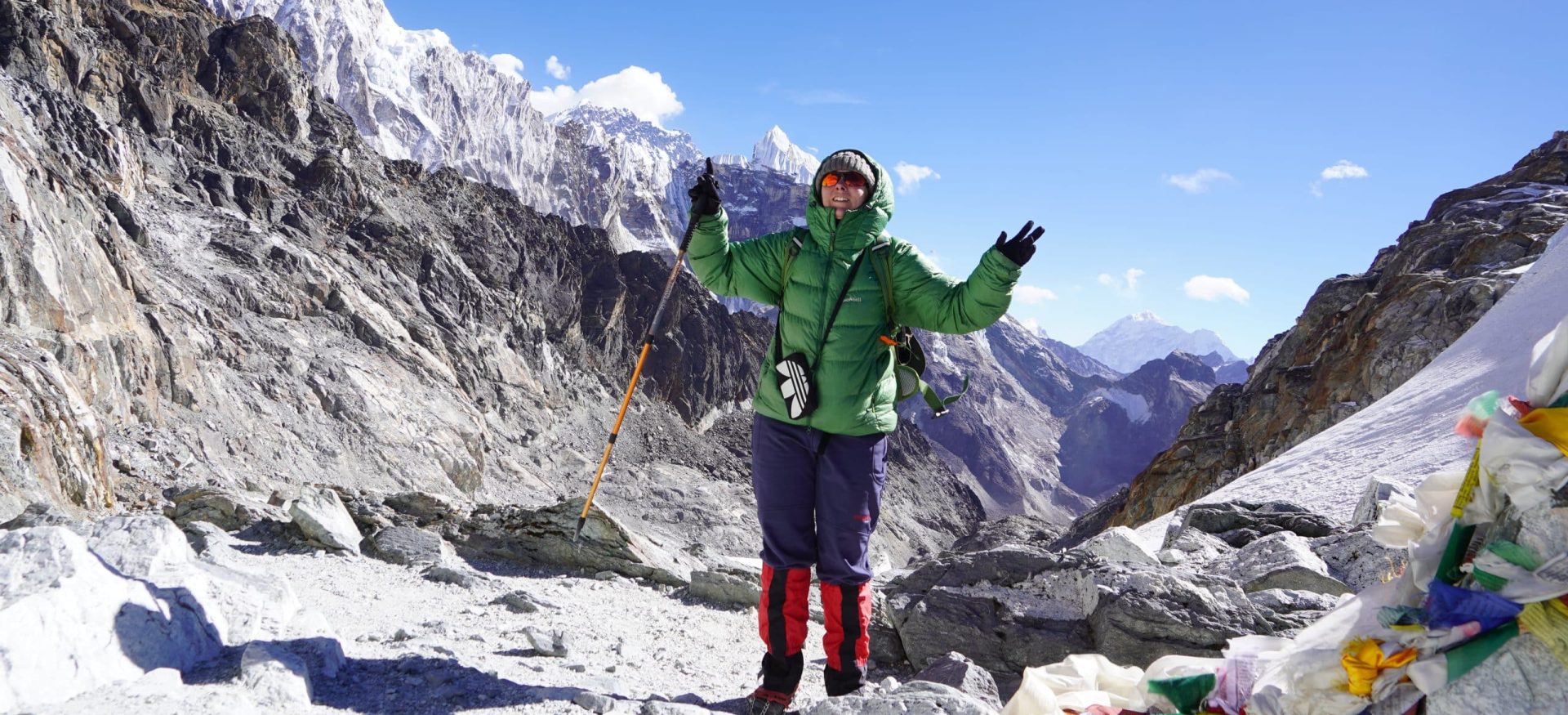
Synthetic fabrics move moisture away from the skin quickly, while merino manages moisture well and stays insulating and comfortable even when damp. This is why the trip page splits clothing into layers rather than one heavy piece: a moisture-wicking base layer, an insulating mid layer (fleece or down), and a waterproof or windproof outer shell. Each layer does one job. Swap any of them for cotton and the system stops working.
Sleeping Bag Ratings, and What the Number Actually Needs to Cover
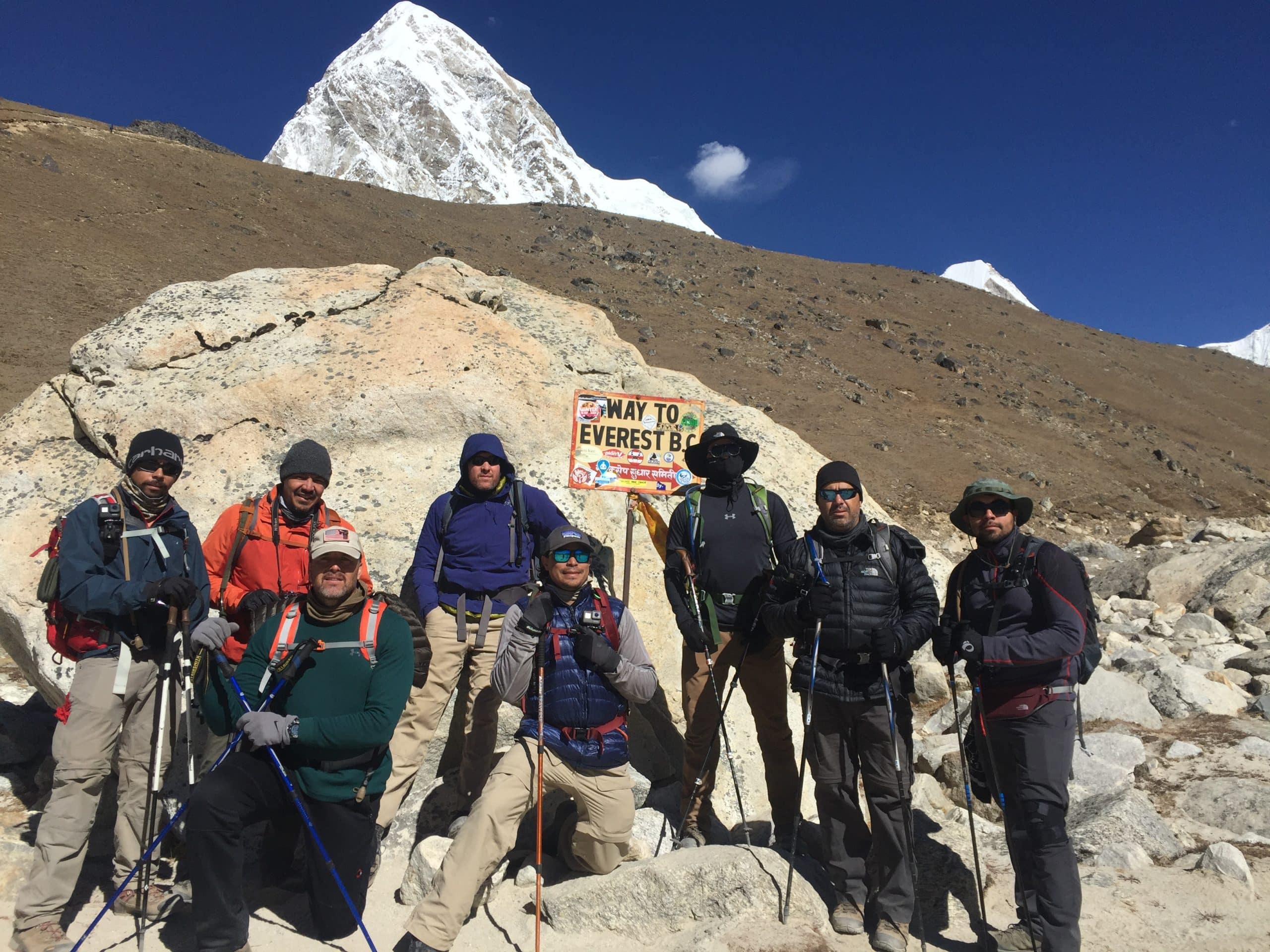
The trip page recommends a bag rated to -10 to -15°C. That number needs context, because manufacturer ratings vary, a bag’s “comfort” rating and its “limit” rating are two different things, and testing standards differ between brands. A bag rated exactly to the coldest night you’ll hit will likely leave you cold, not comfortable.
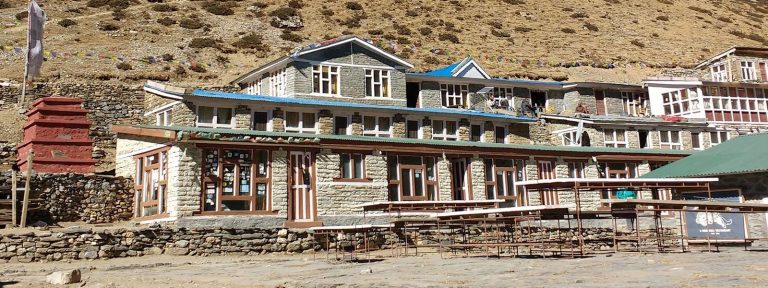
Expect sub-zero nights above Dingboche. Lobuche and Gorak Shep can become extremely cold in late autumn and winter, with actual overnight temperatures varying significantly by date, weather and wind.
For standard autumn or spring EBC departures, aim for a sleeping bag with a comfort rating around -10°C to -15°C. If you’re trekking in late autumn, winter, or you tend to sleep cold, go colder than that. Teahouse rooms above Namche aren’t heated, and while blankets are usually provided, they’re thin and shared, they supplement your bag, they don’t replace it.
A liner adds several degrees of warmth cheaply and keeps a rented bag more hygienic.
MountainKick’s Duffel Weight Policy, and What It Means for Packing
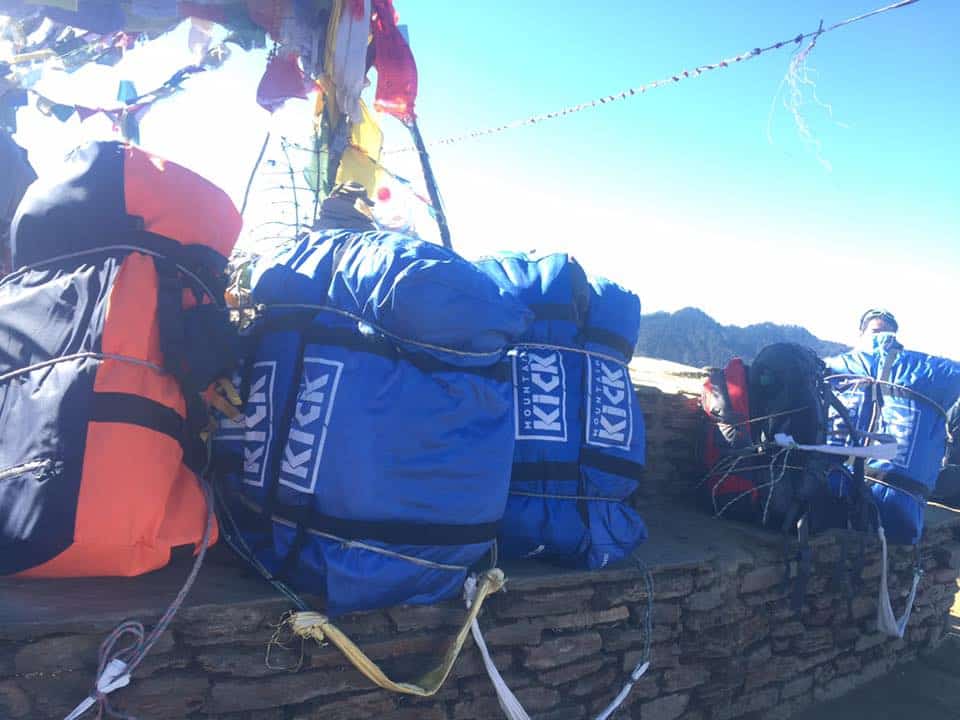
Under our standard EBC arrangement, one porter carries the luggage of two trekkers, with a 20kg limit per porter, so we ask each trekker to keep their main duffel around 10kg. This is our policy, not a Nepal-wide legal limit. Porter load standards vary considerably by operator and route. We hold to it because carrying heavy loads repeatedly at altitude is genuinely hard on the body, and it’s why we don’t let groups negotiate more.
10kg sounds tight until you remember what doesn’t need to be in the duffel. Your daypack, water, snacks, camera, rain layer, stays with you and doesn’t count against the porter limit. The duffel only needs what you’re not using on any given day: spare clothing, your sleeping bag, toiletries, and evening camp gear.
Practically, this rules out “just in case” duplicates. One spare set of thermals, not three. One pair of camp shoes, not backup sandals plus flip flops. If you’re close to 10kg, the sleeping bag is usually the heaviest single item, one more reason renting a lighter modern bag in Kathmandu can make the weight math easier than bringing a heavier one from home.
Rent or Buy in Kathmandu: How to Actually Decide
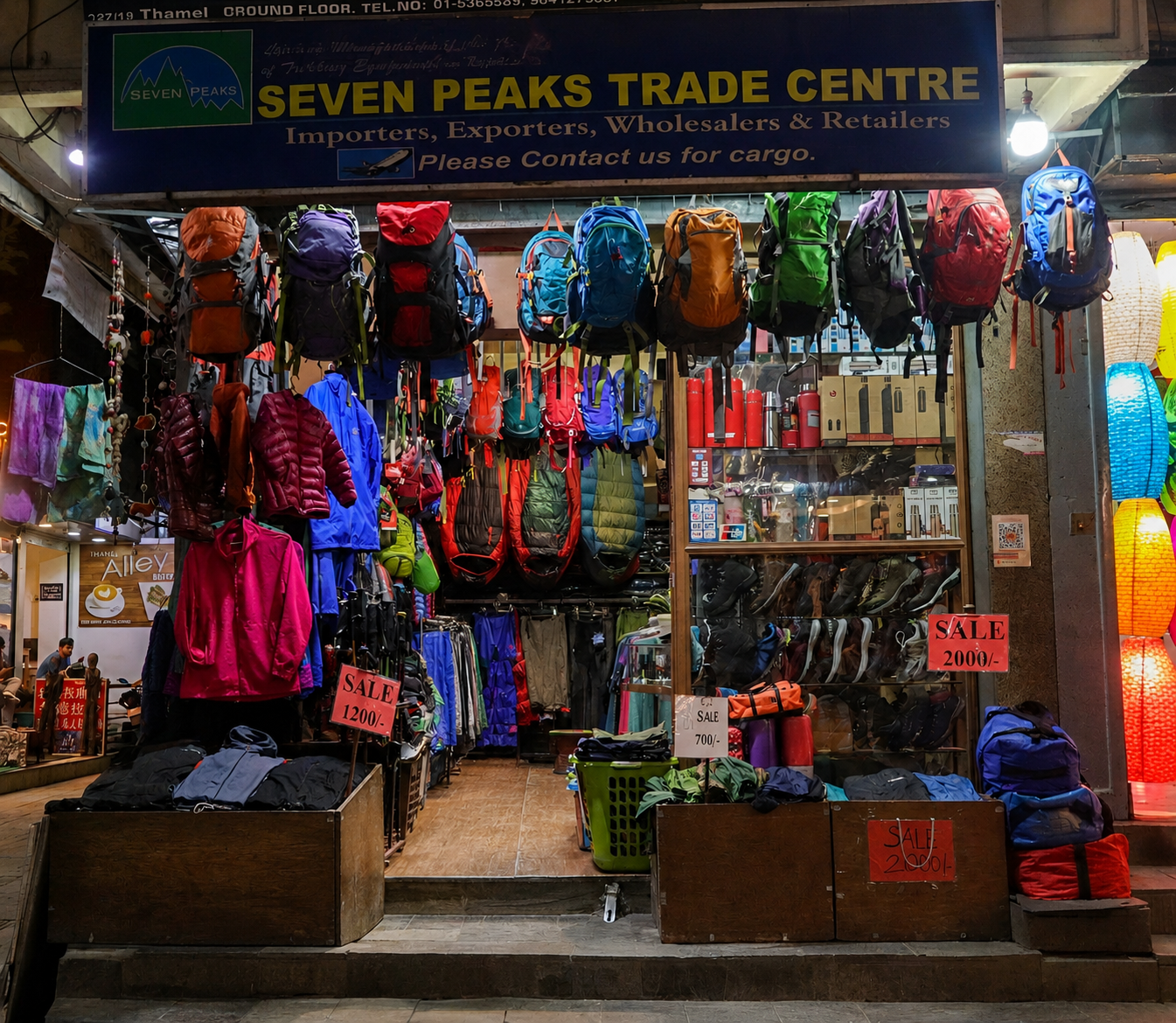
Thamel has dozens of gear shops. MountainKick can point you toward established gear shops we regularly recommend during your pre-trip briefing. This is a free introduction, and you pay the shop directly.
If you’re renting or buying anywhere in Kathmandu, use an established trekking-gear shop and inspect the item carefully before paying.
Strongly prefer bringing your own: boots. Boots need days of walking to break in properly, and rented boots are broken in to someone else’s feet, not yours. New boots on day one can increase the risk of blisters and foot problems. Buy them with enough time to wear them in on 3 to 4 long walks before you fly.
Usually rent: down jacket and sleeping bag. These are the bulkiest, most expensive items to buy new, and if this is a one-off trip you likely won’t need them again. Ask MountainKick or your chosen shop for current rental rates.
Usually worth buying: gloves and base layers. These are generally inexpensive enough to buy outright, and personal fit and hygiene make ownership preferable on a trek where you’re wearing the same items daily. Trekking poles can be bought or rented depending on how often you trek.
Buy if you’ll trek again. If this is a one-off trip, rent the down jacket and sleeping bag and move on. But if you’re already thinking about Annapurna Circuit, Manaslu, or another high-altitude trek down the line, owning decent versions of these pays for itself by the second trip.
One thing worth having your own gear for regardless of the cost math: comfort over 12 straight days. A rental jacket that fits awkwardly or a sleeping bag that isn’t quite warm enough is a minor annoyance on a weekend trip. Over 12 days at altitude, small discomforts compound. If you already know you’ll be back in the mountains again, that’s often reason enough to buy rather than rent even when renting is cheaper on paper.
What’s Already in Your Package, Don’t Buy These Again
Your MountainKick booking already includes a duffel bag, yours to keep after the trip, and a first aid kit and oximeter carried by your guide throughout the trek. You don’t need to buy or pack either. A personal first aid kit for blister care and minor issues is still worth having, but skip duplicating your guide’s kit.
A Few Mechanisms Worth Understanding, Not Just Following
Sunglasses Matter More Above Namche
At altitude, UV exposure is stronger because the atmosphere provides less filtering, and snow and ice can reflect additional UV toward your eyes. Snow blindness, essentially sunburn on the cornea, is painful, temporary, and preventable. Look for Category 3 or 4 sunglasses with 100% UVA/UVB protection, polarization helps with glare but isn’t the safety feature that matters most.
Cold Reduces Battery Performance
This affects power banks, phones, and headlamp batteries alike, which is why gear that worked fine at home can underperform on the 4am Kala Patthar climb. Keep your power bank, phone, and spare batteries warm inside your clothing or sleeping bag overnight.
Hydration Takes More Effort at Altitude
Cold, dry mountain air increases fluid loss through breathing, and altitude can suppress thirst signals, so it’s easy to under-drink without noticing. For more on how altitude affects your body generally, see our altitude sickness guide. Electrolyte sachets can help if you’re sweating heavily, eating less than usual, or simply find them easier to drink than plain water. They’re not a substitute for adequate fluid intake.
Gear is only one part of preparing for EBC. If you’re wondering how demanding the trek actually is, see our Everest Base Camp difficulty guide.
Frequently Asked Questions
Do I need a sleeping bag if teahouses provide blankets?
Yes. Blankets supplement your bag, they don’t replace it. Teahouse rooms above Namche aren’t heated, and shared blankets are usually thin.
What’s MountainKick’s duffel weight policy, and is it a Nepal-wide rule?
It’s our own policy, not a universal one. Under our standard EBC arrangement, one porter carries the luggage of two trekkers, with a 20kg limit per porter, so we ask each trekker to keep their main duffel around 10kg. Porter load standards vary by operator across Nepal, this isn’t a universal legal limit, it’s how we run our treks.
Should I rent or buy a down jacket for EBC?
For a one-off trip, renting in Kathmandu is usually the better option. If you plan to trek again, buying may be worth it long-term. Either way, check fill quality carefully if buying in Thamel.
Is it worth buying trekking gear in Kathmandu before I fly, or bringing it from home?
Boots should come from home, broken in ahead of time. Bulky items like a down jacket or sleeping bag are usually easier and cheaper to rent locally. Smaller gear like poles, gloves, and base layers are fine to buy in either place.
What permits do I need for the Khumbu region?
Last checked: September 2026. For the standard Everest Base Camp route, trekkers need the Sagarmatha National Park entry permit, the Khumbu Pasang Lhamu Rural Municipality permit and a TIMS card. A licensed guide is also required under current Nepal Tourism Board rules.
Do I need different gear for EBC in winter vs autumn?
Yes. Standard autumn and spring packing, as covered above, assumes typical seasonal cold. Winter departures from December to February may require additional gear such as microspikes, warmer insulation and extra hand protection, depending on conditions, see the winter add-on section on our trip page’s packing list.
Planning your Everest Base Camp trek?
MountainKick’s guided Everest Base Camp trek starts from USD 1,020 per person and includes your licensed Sherpa guide, permits, Lukla flights, and a duffel bag to keep. We’ll walk you through gear at your pre-trip briefing in Kathmandu.
View Everest Base Camp Trek Ask a QuestionFurther Reading
- How to Train for Everest Base Camp: A Realistic Preparation Guide
- Is Everest Base Camp Trek Hard? A Straight Answer From 20+ Years of Guiding
- Do You Need a Guide to Trek in Nepal? 2026 Rules Explained
- Manaslu Circuit Trek Cost 2026: What You Actually Pay
- Altitude Sickness on Nepal Treks: Symptoms, Prevention and What to Do
- Nepal Trekking Permits 2026: Costs, Rules and What’s Changed