What Happens to Your Luggage While Trekking in Nepal?
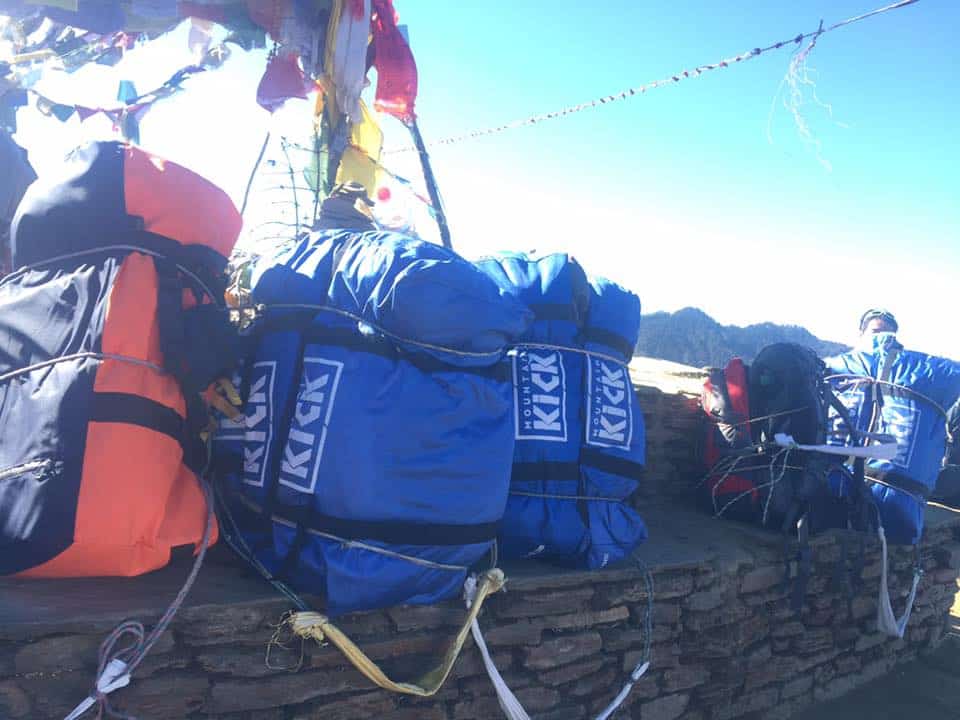
When you go trekking in Nepal, you normally do not carry all of your luggage yourself. Your main trekking gear goes into a duffel bag carried by a porter, while you keep a smaller daypack with the things you need during the day. Any suitcase or extra luggage you do not need on the trek can usually be left in Kathmandu at your hotel or through your trekking operator.
For MountainKick treks, we provide a free duffel bag and arrange porters at a ratio of one porter for every two trekkers. You carry your daypack while the porter carries the main trekking luggage between overnight stops.
- Main gear: carried by a porter in a duffel bag
- Daypack: carried by you, packed with what you need during the day
- MountainKick duffel bag: provided free
- Porter ratio: generally one porter for every two trekkers
- Recommended duffel weight: generally 10 to 15 kg per person, up to 30 kg for two trekkers sharing a porter
- Extra luggage: generally left in Kathmandu at your hotel or via your trekking operator
- What Happens to Your Luggage on a Nepal Trek?
- What Goes in the Trekking Duffel?
- What Does the Porter Carry?
- What Should You Carry in Your Daypack?
- What Happens to Your Suitcase in Kathmandu?
- What Should You Leave in Kathmandu?
- What Happens to the Duffel Each Day?
- What Should Not Go in the Duffel?
- How Much Luggage Should You Take?
- What Happens When the Trek Ends?
- Do You Need to Carry Your Own Backpack?
- Can You Trek With a Suitcase?
- MountainKick’s Luggage Setup
- Frequently Asked Questions
What Happens to Your Luggage on a Nepal Trek?
If this is your first trek in Nepal, you may arrive with a suitcase, backpack or even several pieces of luggage and wonder what happens to everything once the trek starts.
You do not need to carry everything into the mountains.
Most organized treks work with two main pieces of luggage: a trekking duffel for your main gear, and a small daypack that you carry yourself. Anything you do not need during the trek can stay behind in Kathmandu.
The exact setup can vary between trekking companies and routes, but the basic idea is simple: you carry what you need during the day and your porter carries the main trekking luggage.
What Goes in the Trekking Duffel?
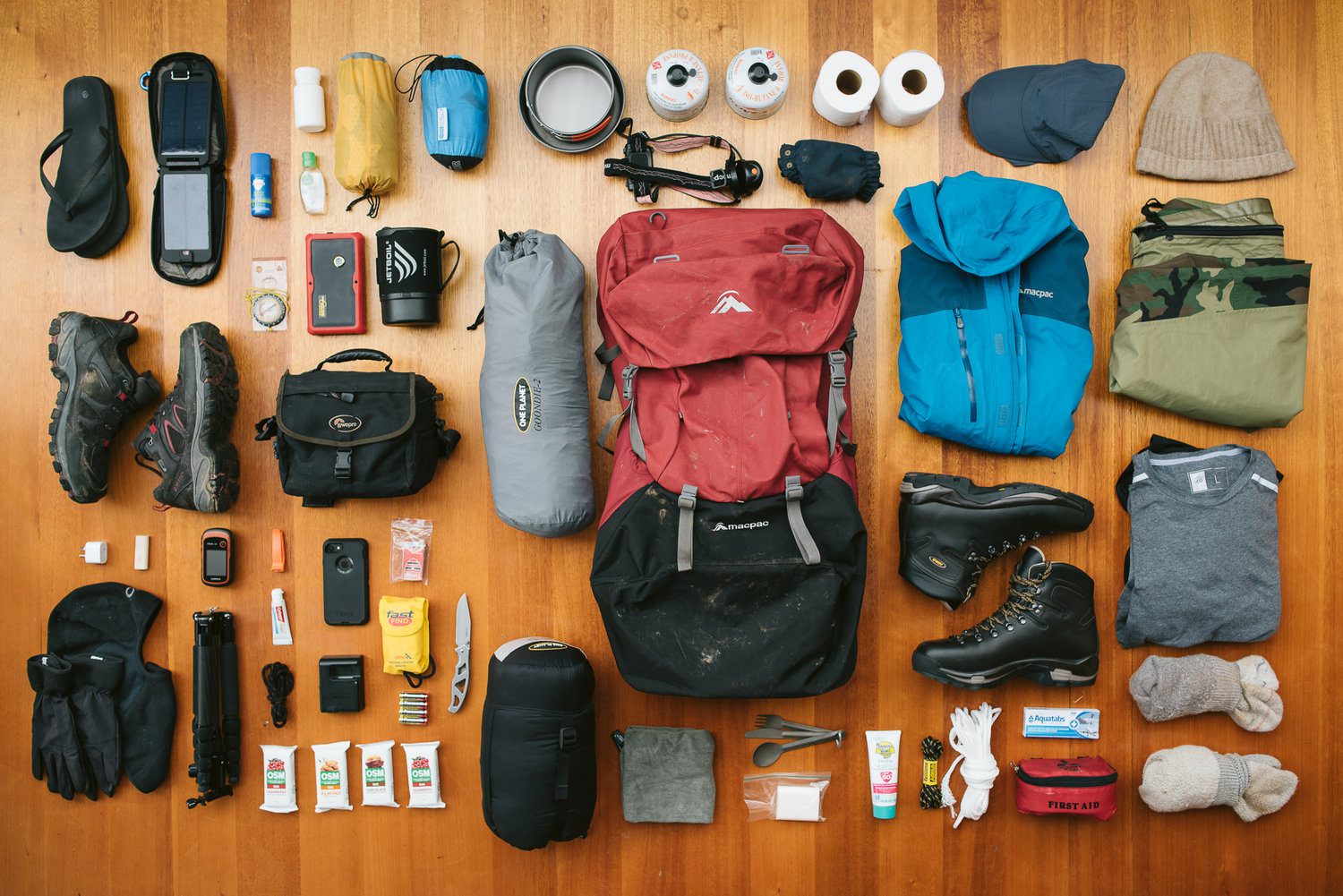
Your duffel holds most of the equipment and clothing you need for the trek.
This normally includes trekking clothes, warm layers, sleeping bag, toiletries, spare socks and underwear, trekking boots or sandals, gloves and hat, personal items, and chargers or other equipment you do not need during the day.
You do not need to keep everything in your daypack.
One useful approach is to organize the duffel into smaller waterproof bags or packing cubes. This makes it much easier to find things when you reach the teahouse in the evening.
For higher altitude treks such as Everest Base Camp or Kanchenjunga, you will also need enough warm clothing and appropriate gear for cold conditions.
What Does the Porter Carry?
On an organized trek, the porter carries the main trekking duffel from one overnight stop to the next.
At MountainKick, we provide a free duffel bag for our trekking clients and normally arrange one porter for every two trekkers.
You do not need to carry the main duffel during the walking day.
The porter will often leave ahead of the trekking group, and your duffel will normally be waiting at the next teahouse when you arrive.
This means you should not put anything in the main duffel that you absolutely need while walking.
What Should You Carry in Your Daypack?
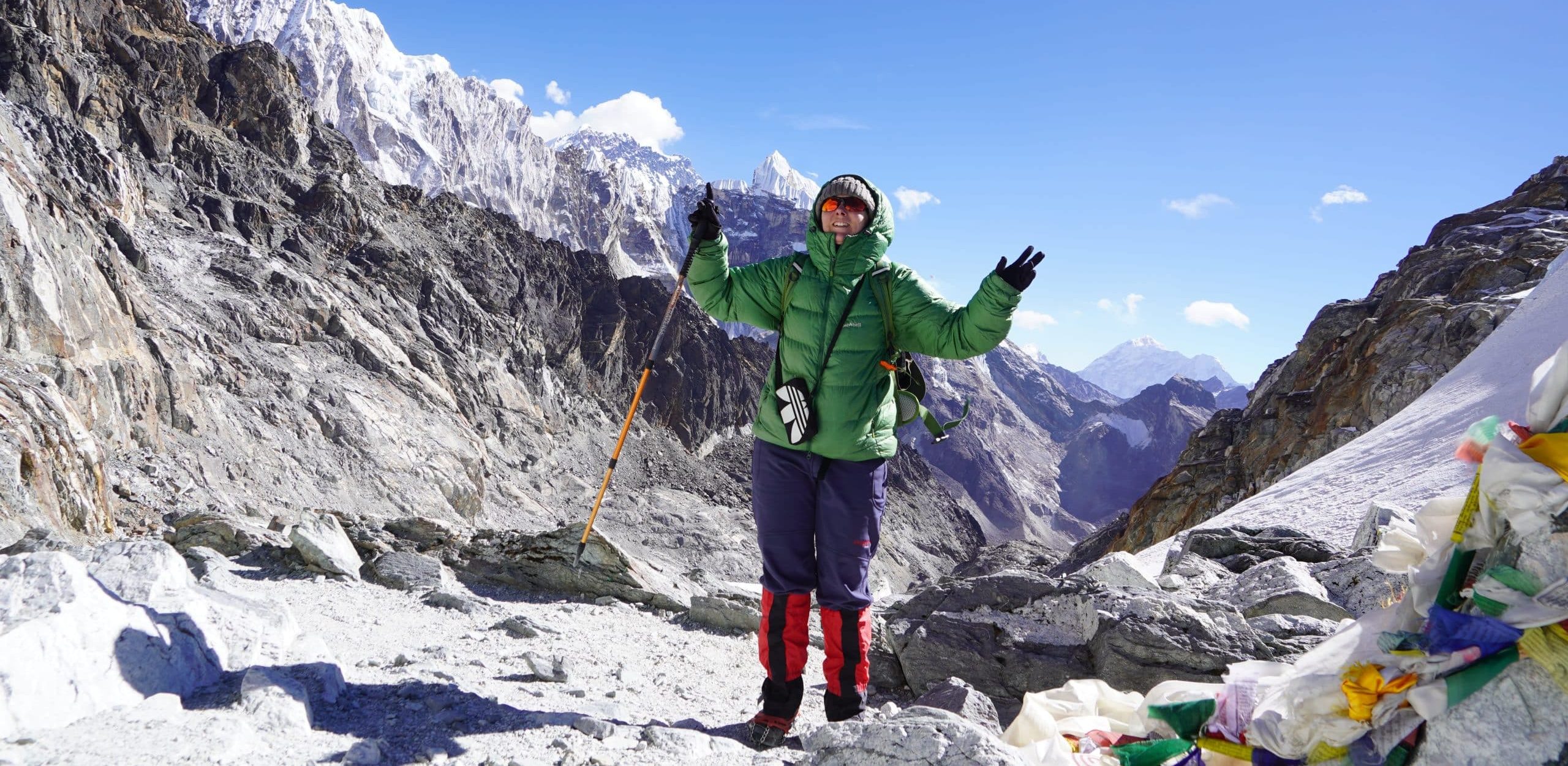
Your daypack should contain the things you may need during the day.
A typical daypack can include water, snacks, rain jacket, warm layer, sunglasses, sunscreen, phone and camera, power bank, passport or important documents, basic personal medication, and small first aid items.
Keep anything valuable with you rather than putting it in the duffel.
The goal is to keep your daypack manageable. You will be carrying it for several hours every day.
What Happens to Your Suitcase in Kathmandu?
Most trekkers do not take their large suitcase into the mountains.
If you are staying at a Kathmandu hotel before and after your trek, you can usually leave the luggage you do not need for the trek there and travel to the mountains with your trekking gear.
This is particularly useful if you are spending extra days in Nepal before or after your trek.
For example, you might arrive in Kathmandu with a suitcase containing clothes for your entire Nepal trip. You only need a smaller amount of clothing for the trek, so the rest can stay in Kathmandu while you are on the trail.
If you are booking an organized trek, ask your trekking company where your extra luggage will be stored before departure.
What Should You Leave in Kathmandu?
You do not need to take your entire travel wardrobe into the mountains.
Items that can normally stay behind include extra city clothes, shoes you will not use on the trek, formal clothing, extra toiletries, unnecessary electronics, extra bags, and souvenirs or other items collected before the trek.
Keep your valuables and important documents with you or store them securely according to your hotel’s arrangements.
What Happens to the Duffel Each Day?
Your trekking routine is fairly simple.
In the morning, you pack your belongings back into the duffel. The porter will often leave ahead of the trekking group while you start walking with your daypack.
Each evening, your guide will brief you on the terrain and conditions for the next day. This is a good time to think about what you will need in your daypack, so you can pack the duffel and daypack accordingly before setting off in the morning.
You then walk to the next overnight stop. When you reach the teahouse, your main luggage will normally be available for you to access.
This system means you do not need to spend the entire trek carrying significant weight on your back. It also means you should keep your packing organized because you may not have access to the duffel during the walking day.
What Should Not Go in the Duffel?
Do not put anything in your main trekking luggage that you will need urgently during the day.
Keep these with you: passport, money, phone, camera, important documents, medication, water, snacks, and essential warm or rain gear.
For expensive electronics and other valuables, it is better to keep them in your daypack rather than your main luggage.
How Much Luggage Should You Take?
The less you take, the easier the trek will generally be.
For MountainKick treks, we generally recommend keeping your trekking duffel to around 10 to 15 kg per person, with a maximum of 30 kg between two trekkers sharing a porter on longer treks. This also lines up with the separate 15 kg per-person flight baggage allowance on routes involving the Lukla flight, so it is worth keeping this in mind when packing for those treks.
Before departure, we hold a pre-trip meeting where your guide checks your gear with you and helps you pack light, leaving out anything you do not actually need on the trail.
You need enough clothing and equipment for the conditions, but you do not need to pack everything you might possibly use. For a detailed equipment breakdown, see our Nepal Trekking Packing List 2026.
What Happens When the Trek Ends?
Once you finish the trek, you return to Kathmandu or continue to your next destination.
Your trekking duffel is no longer needed as your main travel bag and you can return to using your normal luggage.
If you left a suitcase or other belongings in Kathmandu before the trek, you can collect them from your hotel or the storage arrangement made with your trekking operator.
This is one reason it is useful to keep your pre-trek and trekking luggage separate.
Do You Need to Carry Your Own Backpack?
You will normally carry a small daypack yourself.
Your porter carries the main trekking duffel, but you should be prepared to carry your daypack for several hours each day.
Keep it light.
You do not need a large backpack for the walking day if your main equipment is already being transported by porter.
Can You Trek With a Suitcase?
You can arrive in Nepal with a suitcase, but you generally should not take a large suitcase on the trekking trail.
A suitcase is difficult to manage on uneven mountain trails and inside teahouses.
For the trek itself, a duffel carried by a porter is much more practical.
Leave your main suitcase in Kathmandu and take only the gear you need for the trek.
MountainKick’s Luggage Setup
For MountainKick’s organized treks, we keep the luggage system simple.
We provide a free trekking duffel bag and arrange one porter for every two trekkers. You carry a smaller daypack while the porter carries the main trekking luggage between overnight stops.
Before departure, we also help you understand what you actually need to take on the trail so you are not carrying unnecessary weight.
Your main luggage does not need to follow you every step of the trek. The idea is to keep what you carry during the day light while your main gear moves ahead with the porter.
Frequently Asked Questions
Can I leave my suitcase in Kathmandu while trekking?
Yes. Most trekkers leave luggage they do not need for the trek in Kathmandu. This can usually be arranged through your hotel or trekking operator.
Do porters carry your luggage in Nepal?
Yes. On organized treks, porters commonly carry the main trekking luggage between overnight stops. You normally carry a smaller daypack yourself.
Does MountainKick provide a duffel bag?
Yes. MountainKick provides a free trekking duffel bag for organized trekking trips.
How much luggage can I bring on a MountainKick trek?
We generally recommend around 10 to 15 kg per person in your duffel, with a maximum of 30 kg shared between two trekkers on longer treks. This also lines up with the separate 15 kg flight baggage allowance on routes involving the Lukla flight.
How much should I carry in my daypack?
Keep your daypack as light as possible. Carry water, snacks, rain and warm layers, valuables, documents, medication and other things you may need during the walking day.
Can I take a suitcase on a Nepal trek?
You can bring a suitcase to Nepal, but a large suitcase is not practical on the trail. It is better to leave it in Kathmandu and use a trekking duffel for the trek.
What happens to my luggage while I am walking?
Your porter carries the main trekking duffel to the next overnight stop while you walk with your daypack.
What should I keep out of my trekking duffel?
Keep your passport, money, phone, medication, valuables, water and anything you may need during the day in your daypack.
Do I need to carry my own trekking gear?
You carry your daypack, while the main trekking gear is carried by a porter as part of MountainKick’s standard trekking setup. Your guide will check your gear and help you pack light during the pre-trip meeting.
What happens to my luggage after the trek?
After the trek, you return to your stored luggage in Kathmandu or continue with your normal travel luggage depending on your itinerary.