Trekking in Nepal: Costs, Permits, Seasons and How to Plan
Guided trek packages in Nepal start from around USD 425 for shorter routes and go up to about USD 2,000 for remote restricted area treks. A 14-day Everest Base Camp trek with MountainKick works out at roughly $1,600 to $2,400 in total before international flights, depending on group size, food, gear, tips and insurance.
A licensed guide is required on most major trekking routes. The permits you need depend on the route: a national park or conservation area permit, TIMS on some routes, and extra restricted area permits for regions like Manaslu and Upper Mustang. October and November are usually the clearest months, and March to May is the main spring season.
The things that matter most when planning are the route, altitude and acclimatisation, permits, insurance and weather.
- Guide required: Yes, on most major routes since 2023
- 14-day EBC total: about $1,600 to $2,400 before international flights
- Permits: depend on the route, included in MountainKick packages
- Best seasons: October to November and March to May
- Main risk: altitude sickness above 3,000m
- Monsoon: June to August, best avoided on most routes
Last updated: October 2026

Nepal has eight of the world’s fourteen mountains above 8,000 metres. Its trekking routes range from short, low altitude walks to demanding high passes. The rules have changed a lot in recent years. Independent trekking is no longer allowed on many of Nepal’s main routes, permits have been updated, and Lukla flights now often run from Ramechhap instead of Kathmandu.
This page covers planning: costs, permits, seasons and logistics. If you already want to compare routes by difficulty, duration and altitude, see our 7-trek comparison guide.
In This Guide
Why Trek in Nepal?
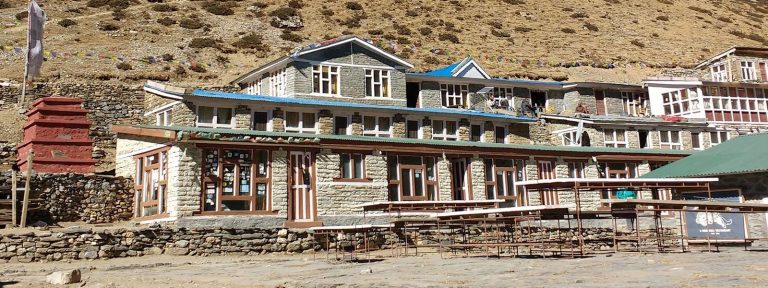
Few places combine altitude, access and culture the way Nepal does. You can reach Everest Base Camp with a domestic flight and a two-week guided trek, with no technical climbing. The trails pass through Sherpa, Gurung and Tamang villages, old Buddhist monasteries and UNESCO World Heritage landscapes. Teahouses are developed enough to be comfortable without feeling like a resort.

Traders, pilgrims and local communities have walked these trails for centuries. Trekking them puts you close to a way of life that adds real depth to the walk.

Popular Treks at a Glance
Nepal’s treks range from 5-day walks to 3-week routes through remote restricted areas. The right one depends on your fitness, your time and the kind of trip you want. Here are five of the main options. For a full side by side comparison of days, difficulty and altitude, see our best treks in Nepal guide.

Everest Base Camp Trek
The best known trek in the world. The Everest Base Camp trek takes you through the Khumbu to the foot of the world’s highest mountain. You fly to Lukla, walk through Sherpa villages and Sagarmatha National Park, and reach Base Camp at 5,364m. Then you climb Kala Patthar (5,545m), one of the best viewpoints for Everest on the trek.

Difficulty: Moderate to hard. The main challenge is altitude, not terrain. See our guide to how hard the Everest Base Camp trek really is.
Duration: 14 days from Kathmandu
Max altitude: 5,545m (Kala Patthar)
Best for: First-time high altitude trekkers, anyone after the classic Himalayan trip
Price from: $1,020 per person for groups of 4 to 9
Planning your first high altitude trek? Our Everest Base Camp training guide explains how to build fitness over 8 to 12 weeks.
Annapurna Circuit Trek
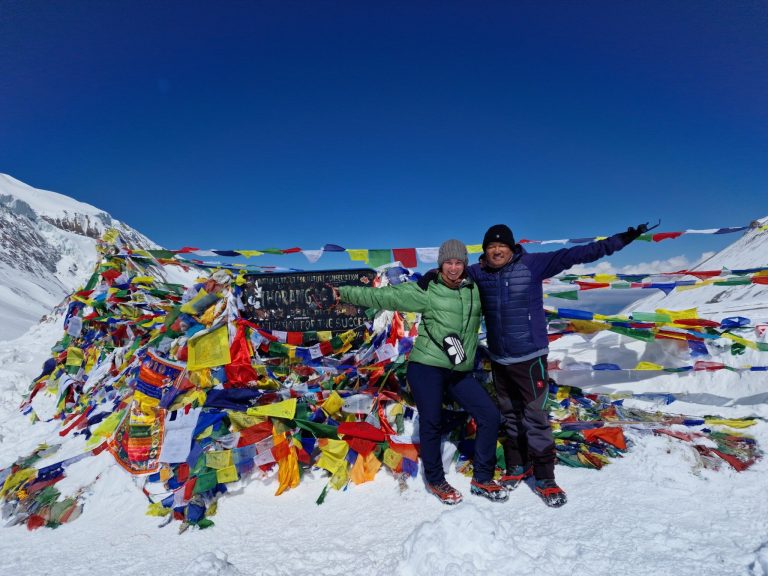
The Annapurna Circuit is the most varied trek in Nepal. It circles the Annapurna massif and crosses the Thorong La Pass at 5,416m. Subtropical forest gives way to alpine terrain, then the dry landscape near Mustang. The Thorong La crossing is the big day, with an early start and hours of hard climbing.
Road building has changed the route a lot over the years, so the exact itinerary matters when you compare Annapurna Circuit packages.

Difficulty: Moderate to challenging
Duration: 14 to 21 days depending on the route
Max altitude: 5,416m (Thorong La Pass)
Best for: Trekkers who want variety, culture and a true circuit
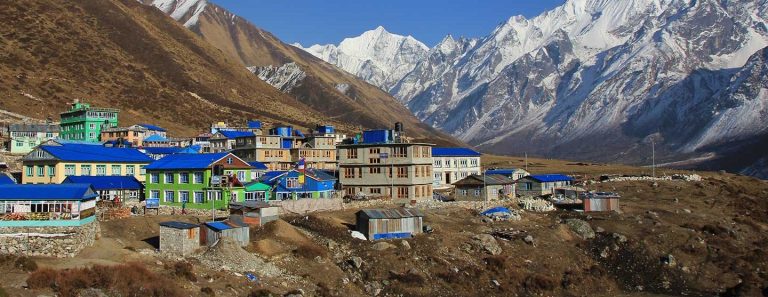
Langtang Valley Trek
The Langtang Valley trek is the closest major trek to Kathmandu. It has real Himalayan scenery and strong Tamang culture, without the crowds of Everest or Annapurna.

Difficulty: Moderate
Duration: 7 to 10 days
Max altitude: 4,984m (Tserko Ri)
Best for: Shorter trips and quieter trails
Manaslu Circuit Trek
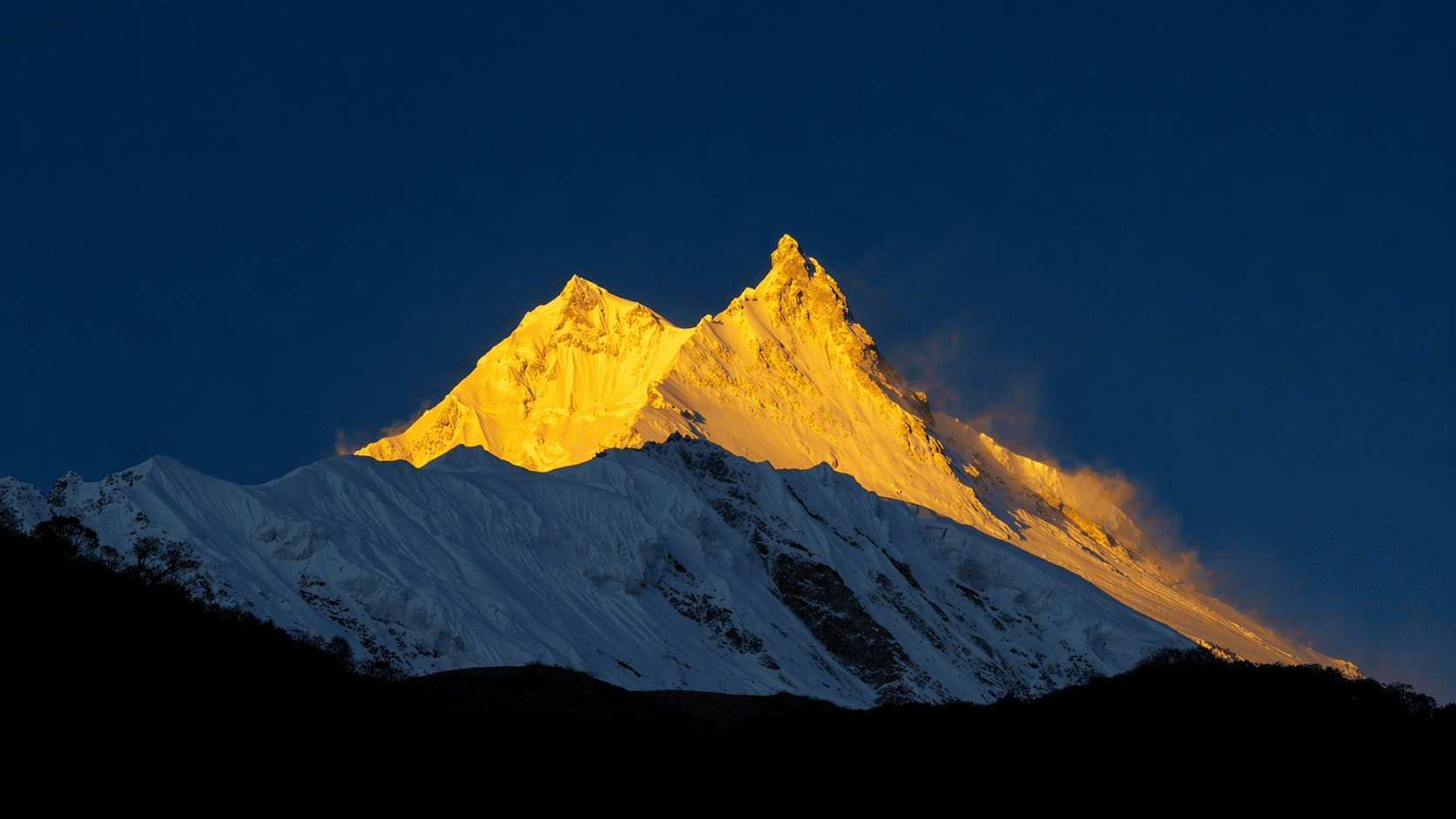
The Manaslu Circuit is for trekkers who want something like the Annapurna Circuit with far fewer people. It circles the world’s eighth highest mountain through a restricted area that needs special permits. The lodges are simpler and the route more remote, but the Tibetan Buddhist culture feels more intact.
Difficulty: Challenging
Duration: 14 to 18 days
Max altitude: 5,106m (Larkya La Pass)
Best for: Experienced trekkers looking for quiet, remote trails
Poon Hill Trek
The Poon Hill trek is the easiest introduction to Nepal’s mountains. It’s short, the altitude is manageable, and the sunrise from Poon Hill (3,210m) over the Annapurna and Dhaulagiri ranges is one of the most photographed views in the Himalaya.
Difficulty: Easy to moderate
Duration: 4 to 5 trekking days, or longer with Kathmandu and Pokhara included
Max altitude: 3,210m (Poon Hill)
Best for: Beginners, families and short trips
Do You Need a Guide to Trek in Nepal?
Yes, on most established trekking routes. Since 2023, Nepal has required trekkers on a large number of designated routes to travel with a licensed guide. The rule covers major routes in the Everest, Annapurna, Langtang and Manaslu regions, along with many other trekking areas. Trekkers without a licensed guide can be turned back at checkpoints.
All MountainKick packages include a licensed, English-speaking local guide. Beyond the rules, a guide who knows the route, the teahouses and the early signs of altitude sickness makes a real difference, especially above 4,000m.
For where the rule applies and what it means for independent trekkers, see our guide on whether you need a guide to trek in Nepal.
Best Time to Trek in Nepal
Nepal has two main trekking seasons. Outside these windows most routes are still possible, but conditions are harder and less reliable. For a month by month breakdown, see our guide to the best time to trek in Nepal.
Autumn: September to November
The most popular season. The monsoon usually ends in late September, leaving clear air and sharp mountain views. October and November have the most reliable weather of the year. The main routes get busy from about mid-October to mid-November.
Spring: March to May
Rhododendrons bloom lower down, and conditions up high are usually stable. It’s also Everest climbing season, so on EBC in April or May you’ll see expedition teams at Base Camp. May can bring afternoon cloud higher up.
Winter: December to February
Most trails stay open and the crowds mostly disappear. Nights above 4,000m can be well below freezing, especially in December and January. Views on clear days are excellent. You’ll need proper cold weather gear.
Monsoon: June to August
Heavy rain, leeches lower down, poor visibility and landslide risk make most routes difficult. Upper Mustang and parts of Dolpo sit in a rain shadow and can be better options at this time. The right choice depends on the route and current conditions, so check before booking.
How Much Does Trekking in Nepal Cost?
A guided trek with MountainKick costs from USD 425 to USD 1,987 per person, depending on the route and your group size. Langtang Valley and Poon Hill are the cheapest. Everest treks cost more because of the Lukla flights, and Upper Mustang costs the most because of its permit.
On the trail, plan for around USD 20 to 40 a day for food and drinks. Tips, insurance and your visa are extra. For a 14-day trek like Everest Base Camp, most people spend around USD 1,600 to 2,400 in total before international flights.
For prices on every trek, sample budgets and what is included, see our full guide to Nepal trekking cost. For one route in detail, see the EBC trek cost and Annapurna Circuit trek cost breakdowns. You pay for most things in cash on the trail, so read our guide to money in Nepal for trekkers too.
Nepal Trekking Permits
The permits you need depend on your route. Many popular treks need a national park or conservation area permit. Some routes also need a TIMS card, and restricted regions such as Manaslu and Upper Mustang need extra permits. For current fees and rules, see our Nepal trekking permits guide.
- Everest (Khumbu): Sagarmatha National Park permit + Khumbu Pasang Lhamu Rural Municipality permit
- Annapurna: Annapurna Conservation Area Permit (ACAP) + TIMS card
- Langtang: Langtang National Park permit + TIMS card
- Manaslu Circuit: Manaslu Restricted Area Permit + Manaslu Conservation Area Permit, plus ACAP for the section that enters the Annapurna Conservation Area
MountainKick arranges all permits in every package. We just need your passport details, two passport photos and your arrival date.
What to Pack for a Nepal Trek

The non-negotiables. Well broken-in hiking boots with ankle support are the most important thing you’ll bring. Don’t buy new boots a week before you leave. Blisters from new boots at 4,500m can’t be fixed on the trail. Most other gear can be rented in Kathmandu.
A sleeping bag rated to at least -10°C is essential higher up. Teahouse blankets are often not enough above 4,000m.
Layering system. Bring a thermal base layer, a fleece mid layer, a down or synthetic insulated jacket and a waterproof shell. Don’t underestimate the cold above 5,000m, even in October.
Other essentials:
- Trekking poles, which take a lot of strain off your knees on descents
- Headlamp with spare batteries for pre-dawn starts
- Sunscreen SPF 50+ and UV sunglasses
- Water purification tablets or a SteriPen
- A small daypack (10 to 15L) for the trail while your porter carries your main bag

MountainKick sends a packing list for your trek after booking. For a full list now, see our Nepal trekking packing list. If you’d rather rent than buy, see our guide to trekking gear rental in Kathmandu.
Altitude Sickness on Nepal Treks
Altitude sickness (Acute Mountain Sickness, or AMS) affects many trekkers above 3,000m. It isn’t a sign of weakness or poor fitness, and it can affect anyone.
Symptoms to watch for. Headache, nausea, dizziness, loss of appetite, tiredness and poor sleep. Mild symptoms are common at altitude. Loss of coordination or confusion are signs of serious altitude sickness.
Prevention. The best prevention is a well paced itinerary with acclimatisation days. Our 14-day EBC itinerary includes rest days at Namche Bazaar (3,440m) and Dingboche (4,410m) for exactly this reason. Stay well hydrated, but don’t force down too much water. Avoid alcohol in the first few days at altitude, and ask your doctor about Diamox (acetazolamide) before you leave.
What to do if symptoms appear. Tell your guide straight away and follow their instructions. If symptoms are getting worse, going down is the most important treatment. MountainKick guides carry pulse oximeters to check blood oxygen and are trained to know when a descent is needed.
Helicopter evacuation can often be arranged from accessible points on the main routes, weather and aircraft availability permitting. Your insurance must cover high altitude trekking and emergency helicopter evacuation.
For more, read our altitude sickness guide.
Before or After Your Trek
Most treks start and finish in Kathmandu, and the valley is worth a day or two. It’s a UNESCO World Heritage Site with seven monument zones, including Pashupatinath, Boudhanath, Swayambhunath and the Durbar Squares of Kathmandu, Patan and Bhaktapur. See our Kathmandu cultural tour.

Pokhara is a relaxed place to rest after an Annapurna trek. If you have a few more days, a Chitwan National Park safari shows a completely different side of Nepal, with one-horned rhinos and excellent birdwatching.
Trekking Nepal with MountainKick

MountainKick is a Kathmandu-based trekking company operating since 2016. We’re government registered and TAAN and NTB certified. Our guides are licensed locals who have walked these routes many times. That means we can deal with the practical problems that come up on Himalayan trips, from delayed flights to changing weather and altitude issues. You can browse all our Nepal trekking packages, with fixed departures and private dates all year.

We keep groups small, handle all permits and logistics in every package, and reply on WhatsApp within a few hours to questions before or during your trip.
Ready to plan your trek?
Most people have a few questions before they book, about fitness, timing, costs or which route suits them. We’re happy to answer them before you commit to anything.
The fastest way to reach us is WhatsApp at +977 985 118 2718, or through our enquiry form. We reply within a few hours during business hours (Nepal time, GMT+5:45).
Send us a message →Browse all Nepal treks →Compare treks side by side →
Frequently Asked Questions
Do I need a guide to trek in Nepal?
Yes, on most established routes. Since 2023, a licensed guide has been required on a large number of designated trekking routes, including the main routes in the Everest, Annapurna, Langtang and Manaslu regions. It’s checked at permit checkpoints. All MountainKick packages include a licensed, English-speaking guide.
What is the best time to trek in Nepal?
October and November are the best months overall, with clear skies and good trails. March to May is the next best. December to February is cold but clear and quiet. Avoid June to August on most routes because of monsoon rain, and expect some rain in early September.
How much does trekking in Nepal cost in total?
For a 14-day trek like EBC, most trekkers spend around $1,600 to $2,400 before international flights. That covers the guided package (from $1,020), meals and personal spending on the trail, gear rental, visa and tips, with insurance on top. Shorter treks cost less, and remote restricted area treks cost more.
What permits do I need to trek in Nepal?
It depends on the route. Everest needs the Sagarmatha National Park permit and the Khumbu Pasang Lhamu Rural Municipality permit. Annapurna routes need ACAP and a TIMS card. Langtang needs the Langtang National Park permit and a TIMS card. Restricted routes like Manaslu and Upper Mustang need special permits. MountainKick arranges all permits in every package.
Is altitude sickness a serious risk on Nepal treks?
Yes. Altitude sickness is one of the main health risks on high altitude treks, and it can affect anyone above 3,000m, whatever their fitness. The best prevention is an itinerary with acclimatisation days, which all MountainKick itineraries include. If symptoms get worse, tell your guide and descend.
What is the difference between trekking and mountaineering in Nepal?
Trekking uses established trails and needs no ropes, technical skills or summit permits. You walk to viewpoints and base camps, not summits. Mountaineering means technical climbing, special equipment and a different permit process. The treks on this page don’t need mountaineering experience. Some high passes can still have snow, ice or difficult conditions depending on the season, so fitness and preparation matter.
Which Nepal trek is right for me?
If you haven’t trekked at altitude before, Poon Hill (3,210m) or Mardi Himal (around 4,500m) are good starting points. Annapurna Base Camp (4,130m) gets you to a base camp with a lower high point. EBC (5,545m) and the Annapurna Circuit (5,416m) suit trekkers with good fitness and two to three weeks. Total duration depends on whether you count trekking days only or the full Kathmandu to Kathmandu itinerary.