5 Best Short Treks in Nepal (5–10 Days) for 2026
The best short treks in Nepal for 5 to 10 days are Ghorepani Poon Hill (9 days, beginner-friendly), Mardi Himal (10 days, ridge views above the clouds), Pikey Peak (7 days, no Lukla flight needed), Langtang Valley (10 days, cultural focus), and Everest Foothills (9 days, Khumbu scenery without going to base camp).
MountainKick packages currently start at USD 510 per person. Prices vary by trek and group size and include the services listed on each trek page. All five routes are non-technical, but they range from relatively easy trekking to moderate high-altitude walking.
5 Best Short Treks in Nepal: Key Facts
- Duration range: 7 to 10 days from Kathmandu
- Cost range: USD 510 to USD 1,020 per person (guided, teahouse)
- Max altitudes: 3,210m (Poon Hill) to 4,500m (Mardi Himal base camp)
- Difficulty range: Easy-Moderate to Moderate — no technical climbing
- Regions: Annapurna, Everest / Solukhumbu, Langtang, Khumbu
- Best time: October–November or March–April
- Guide: Licensed guide required on these protected trekking routes
- Permits: Required — see each section below for specifics
Nepal has more trekking routes than almost anywhere else on earth. It also has some of the most rewarding ones that fit inside a single week of annual leave. If you have 5 to 10 days, you do not need to settle for anything. You need to pick the right route.
This guide covers the five best short treks in Nepal for 2026 — what each one is actually like on the ground, who it suits, what it costs, and how it compares to the alternatives. Every route starts and ends in Kathmandu within 10 days. Prices shown are from MountainKick’s current 2026 guided packages including licensed guide, teahouse accommodation, permits, and airport transfers. For the full list of Nepal trek options by duration and budget, use our trip search tool.
At a Glance: 5 Best Short Treks in Nepal (2026)
| Trek | Days | Max Altitude | Difficulty | From (USD) | Best For |
|---|---|---|---|---|---|
| Ghorepani Poon Hill | 9 | 3,210m | Easy-Moderate | USD 550 | First-timers, families, short holidays |
| Mardi Himal | 10 | 4,500m | Moderate | USD 615 | Off-beat ridge experience, Annapurna views |
| Pikey Peak | 7 | 4,065m | Moderate | USD 550 | Everest views, no flight, shortest trip |
| Langtang Valley | 10 | 3,798m | Moderate | USD 510 | Cultural immersion, fewest crowds |
| Everest Foothills | 9 | 3,860m | Moderate | USD 1,020 | Khumbu scenery without base camp |
1. Ghorepani Poon Hill Trek
- Duration: 9 days from Kathmandu
- Max altitude: 3,210m (Poon Hill viewpoint)
- Difficulty: Level 2 — Easy-Moderate
- MountainKick price: From USD 550 per person
- Start / end: Nayapul (short drive from Pokhara)
- Permit: Annapurna Conservation Area Permit (ACAP) — NPR 3,000 for non-SAARC visitors
What it is
Poon Hill is the most accessible high-altitude viewpoint in Nepal. At 3,210m it sits above the Annapurna and Dhaulagiri ranges, and on a clear morning at sunrise the panorama covers Annapurna South, Annapurna I, Dhaulagiri, Nilgiri, and Machhapuchhre across a continuous wall of snow. The trail runs through dense rhododendron forests, traditional Gurung villages, and stone-paved paths that have been walked for generations.
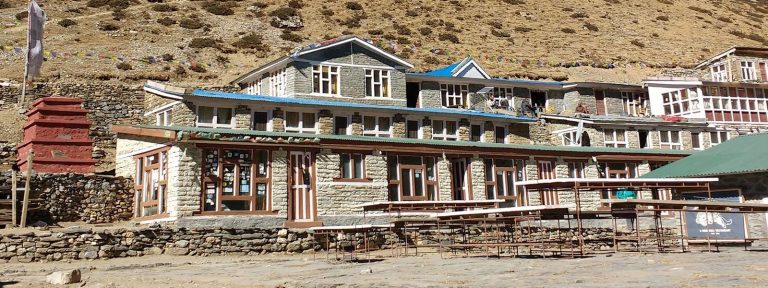
The route starts from Nayapul, a short drive from Pokhara, and follows the Modi Khola valley to Tikhedhunga and Ghorepani before the pre-dawn push to the summit. Daily walking is 4 to 6 hours on well-maintained trails with the most consistent teahouse network of any short trek in Nepal. The route stays below 3,210m, so altitude is generally less of a concern here than on higher Himalayan treks. You still need to pace yourself and pay attention to how you feel.
Who it suits
This is Nepal’s entry-level high-altitude trek. It suits people doing their first multi-day Himalayan walk, older trekkers, mixed-ability groups, and anyone with limited time who wants a genuine mountain experience rather than a day hike. It also makes a strong first Nepal trip before returning for something longer — Annapurna Base Camp, Mardi Himal, or the full Annapurna Circuit.
Is Poon Hill worth it?
Yes, for the effort involved. You reach a 3,210m viewpoint in 9 days total from Kathmandu with no technical difficulty. The sunrise panorama is the main reason people choose Poon Hill, and you get a very strong Himalayan view without going above 3,210m. The trail is popular, with plenty of teahouses and other trekkers. Some people find that reassuring. If you want solitude, Mardi Himal or Langtang are the better calls.
MountainKick trip: Ghorepani Poon Hill Trek — 9 days from USD 550
2. Mardi Himal Trek
- Duration: 10 days from Kathmandu
- Max altitude: 4,500m (Mardi Himal Base Camp)
- Difficulty: Level 3 — Moderate
- MountainKick price: From USD 615 per person
- Start / end: Kande (short drive from Pokhara)
- Permit: ACAP — NPR 3,000 for non-SAARC visitors
What it is
Mardi Himal is one of the quieter trekking routes in the Annapurna region. The route was opened for teahouse trekking in 2012 and remains far less trafficked than Poon Hill or Annapurna Base Camp. What sets it apart from many other short routes in the region is the ridge walk: from Low Camp at 2,970m upward, the trail follows a narrow exposed spine with the Pokhara valley below on one side and the Mardi Himal massif on the other.
On clear mornings you are walking above the cloud layer, not through it. Machhapuchhre — Fishtail at 6,993m — sits directly ahead for much of the upper trail, giving the route some of the closest views of the mountain available on a standard teahouse trek in the Annapurna region. The base camp at 4,500m gives a wide view across toward the Annapurna Sanctuary, with Annapurna South and Hiunchuli filling the skyline.
Who it suits
Mardi Himal works for trekkers who want something beyond Poon Hill but are not ready for a 14 or 15-day commitment. It suits people with moderate fitness, some hiking experience, and an appetite for a less crowded trail. The ridge sections require reasonable balance and sure footing, particularly on the descent from base camp. First-time trekkers can manage it with a good guide and a patient pace.
Mardi Himal vs Annapurna Base Camp — which should you choose?
Both reach similar altitudes and both deliver Annapurna views from different perspectives. The Annapurna Base Camp trek (from USD 820, 14 days) takes you inside the Annapurna Sanctuary — a closed glacial bowl ringed by 8,000m peaks, with Annapurna I directly overhead. Mardi puts you on the outer ridge looking across at the sanctuary from above, with Machhapuchhre filling the view directly in front of you. If you have 10 days, Mardi is the right call. If you have more time available and want the enclosed sanctuary experience, ABC is worth it.
Read the full Mardi Himal trek guide for the day-by-day itinerary, comparison tables, and route detail. MountainKick trip: Mardi Himal Base Camp Trek — 10 days from USD 615
3. Pikey Peak Trek
- Duration: 7 days from Kathmandu
- Max altitude: 4,065m (Pikey Peak summit)
- Difficulty: Level 3 — Moderate
- MountainKick price: From USD 550 per person
- Start / end: Dhap (8–9 hour drive from Kathmandu — no flight required)
- Permits: Required permits depend on the current Pikey Peak route and entry points. MountainKick arranges the required permits for guided departures.
What it is
Pikey Peak sits in the lower Solukhumbu region — the same district as Everest Base Camp, a completely different experience. Sir Edmund Hillary, the first person to summit Everest, is said to have called it his favourite viewpoint for seeing the mountain. From the 4,065m summit on a clear morning you see several of the world’s highest peaks in a single panorama, including Everest, Lhotse, Makalu, Cho Oyu, and the Annapurna range.
There is no Lukla flight. No early morning alarm in Ramechhap. You drive east from Kathmandu to Dhap, trek for four days through quiet Sherpa villages and rhododendron forest, summit at dawn, and drive back. Seven days total. The trail is quiet, the teahouses are simple but functional, and the summit view is one of the more complete panoramas in Nepal at any altitude.
Who it suits
Pikey Peak works well for anyone who wants Everest region scenery without the 14-day commitment or the Lukla flight uncertainty. The altitude stays below 4,100m, daily walking is 5 to 7 hours on moderate terrain, and the route is beginner-friendly by Himalayan standards. It can also be a useful alternative when Lukla flights are disrupted, since the trek starts by road from Kathmandu.
Is Pikey Peak worth doing without Everest Base Camp?
Yes. The combination of a lower altitude, a wide Himalayan panorama and no Lukla flight makes it an appealing short Everest-region trek. If you are planning EBC for a future trip, Pikey Peak works well as a first Nepal experience that sets the right expectations for Khumbu trekking.
Read the full Pikey Peak trek guide for transport options, the complete route breakdown, and the summit view detail. MountainKick trip: Enquire about Pikey Peak dates and pricing
4. Langtang Valley Trek
- Duration: 10 days from Kathmandu
- Max altitude: 3,798m standard route; optional Tsergo Ri 4,984m
- Difficulty: Level 3 — Moderate
- MountainKick price: From USD 510 per person
- Start / end: Syabru Besi (7 hour drive from Kathmandu — no flight required)
- Permits: Langtang National Park permit — NPR 3,000 for non-SAARC visitors
What it is
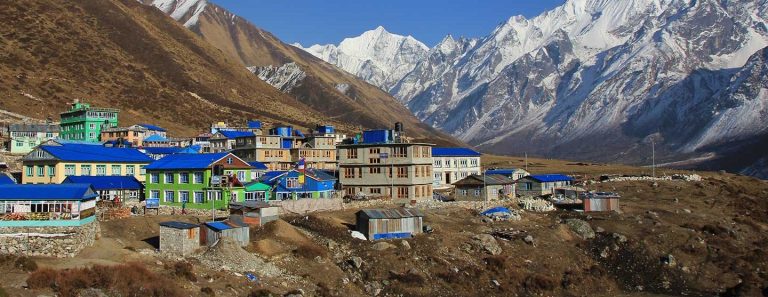
Langtang is Nepal’s closest major trekking region to Kathmandu — about 7 hours by road — and one of Nepal’s more accessible trekking regions from Kathmandu. The valley runs along the foot of the Langtang Himal, a chain of peaks above 7,000m forming the border with Tibet. The cultural character of the trail is unlike anything in the Annapurna or Everest regions: Tamang and Tibetan influence is strong throughout, with Buddhist monasteries, mani walls, yak herding operations, and stone-built villages that feel genuinely remote.
The standard 10-day route reaches Kyanjin Gompa at 3,798m, a monastery settlement with a small cheese factory and direct views of the Langtang Lirung north face. From Kyanjin, an optional ascent to Tsergo Ri at 4,984m adds a serious viewpoint with a panoramic look across the Langtang peaks and toward Shishapangma in Tibet. The valley was severely affected by the 2015 earthquake. The trail is fully operational and Langtang village has been rebuilt, but the trip carries a weight that many trekkers find quietly significant.
Who it suits
Langtang suits trekkers who want cultural depth alongside mountain scenery, and anyone who actively wants fewer crowds than the Annapurna or Khumbu trails deliver. It is generally quieter than the main Annapurna and Everest trekking routes, particularly outside the peak seasons. The altitude at Kyanjin Gompa is manageable for most fit trekkers. The optional Tsergo Ri ascent takes it into more demanding territory but is not required to have a complete trip.
How does Langtang compare to Everest Base Camp?
Both deliver genuine Himalayan scenery. EBC is higher, more iconic, more crowded, and considerably more expensive. Langtang at USD 510 is the most affordable guided trek on this list. If you are on a tighter budget, crowd-averse, or interested in Tibetan Buddhist culture as much as peak views, Langtang is the stronger choice. See our EBC trek cost breakdown for a direct comparison of what each trip includes. If you are choosing between Langtang and a longer Annapurna trek, see our Langtang vs Annapurna Base Camp comparison.
MountainKick trips: Langtang Valley Trek — 10 days from USD 510. Also available as the Langtang Tamang Heritage Trek with a stronger cultural itinerary, from USD 520.
5. Everest Foothills Trek
- Duration: 9 days from Kathmandu
- Max altitude: 3,860m (Tengboche Monastery)
- Difficulty: Level 3 — Moderate
- MountainKick price: From USD 1,020 per person
- Start / end: Lukla (flight from Kathmandu or Ramechhap during peak season)
- Permits: Sagarmatha National Park entry permit and Khumbu Pasang Lhamu Rural Municipality entry fee
What it is
The Everest Foothills Trek takes you into the Khumbu without going all the way to Everest Base Camp. You fly to Lukla, walk the same trail as EBC trekkers for the first three days — through Phakding, across the Hillary Suspension Bridge, up to Namche Bazaar — and continue to Tengboche Monastery at 3,860m before turning around. The monastery sits on a ridge with Ama Dablam, Everest, Lhotse, and Nuptse arranged directly in front of it on a clear morning. The Tengboche ridgeline view is one of the most photographed in the Khumbu for good reason.
You get Namche Bazaar — the commercial and social hub of the Sherpa world — Khumbu forest, the Hillary Suspension Bridges, and the full Ama Dablam backdrop, all without the altitude demands above 4,000m or the 14-day timeline of a full EBC trek.
Who it suits
This trek suits people who want to experience the Everest region but are not ready for the full base camp commitment — whether due to time, fitness, altitude concerns, or budget. It also works well for anyone combining a Nepal trek with other activities, or for trekkers who have done EBC before and want to return to the Khumbu at a more relaxed pace.
Is the Everest Foothills Trek worth it if you plan to do EBC later?
Yes. Tengboche is on the EBC route so you will walk this section again if you return for the full trek. But the experience is different when you are not focused on acclimatising for what comes above 4,000m. Many trekkers who do the Foothills trip find it sharpens their motivation for the full EBC the following season rather than satisfying it. For a detailed look at what the complete route involves, read our EBC vs Gokyo comparison and the full EBC cost guide.
MountainKick trip: Everest Foothills Trek — 9 days from USD 1,020
How to Choose: Which Short Trek Is Right for You
This is your first ever multi-day trek
Go with Ghorepani Poon Hill. The altitude stays below 3,210m, the trail infrastructure is the most consistent on this list, and the teahouses are reliable from Nayapul to the summit. You will see serious mountains, walk through beautiful terrain, and finish with a clear sense of what Himalayan trekking actually feels like — before committing to something longer.
You want Annapurna views but fewer people
Choose Mardi Himal. The ridge experience above Low Camp is unlike many other short treks in Nepal. Fewer trekkers, higher altitude, and some of the closest views of Machhapuchhre you’ll find on a comparable route. If you have moderate fitness and want a quieter ridge experience, Mardi Himal is the stronger choice.
You have 7 days and want Everest region scenery without flight stress
Pikey Peak is the answer. No Lukla booking required, 7 days total, and a wide panorama that includes Everest. It can also be a practical alternative if a Lukla flight cancellation disrupts your EBC start, since it starts by road.
You want culture as much as mountains
Langtang Valley is the strongest option. The Tamang and Tibetan character of the trail is unlike anything in the Annapurna or Khumbu regions. It is the most affordable route on this list at USD 510 and generally quieter relative to the scenery it delivers. The optional Tsergo Ri ascent adds a serious viewpoint if you want more altitude.
You want the Everest region experience in 9 days
Everest Foothills gives you the Khumbu without the altitude commitment. You walk the same first section as EBC trekkers past Namche Bazaar and reach Tengboche with Ama Dablam directly in front of you. The cost is higher than the Annapurna options due to the Lukla flight, but the scenery justifies it for anyone drawn specifically to the Khumbu.
What to Know Before You Book
Guides and TIMS in 2026
Nepal’s guide and TIMS rules changed in 2023 and still apply in 2026. Several trekking routes require foreign trekkers to use a licensed guide arranged through a registered trekking agency, with an agency-issued TIMS where applicable. The exact permit and TIMS requirements vary by region and route. MountainKick handles the required permits and guide arrangements for its trips. See our Nepal trekking permits 2026 guide for the current rules.
Build a buffer day at the end
Even on a 7-day trip, one extra day in Kathmandu before your international departure protects your connection. Weather delays at Lukla and road conditions on mountain routes are part of Nepal trekking — planning for them is experience, not pessimism. For Lukla-based trips, read our Lukla flight delays guide before booking international flights.
Cold nights start earlier than most people expect
A warm sleeping bag, thermal base layers, and a down jacket are useful on these routes, especially for nights above 3,000m. Check the expected temperatures for your season before deciding what sleeping bag rating you need. Pack these the night before your trek starts, not at the trailhead.
Altitude sickness can happen below 4,000m
Altitude sickness can still occur on short treks when the route reaches higher elevations. Know the symptoms, ascend slowly on the higher altitude options like Mardi Himal and Pikey Peak, and read our altitude sickness guide before you travel. Your MountainKick guide carries a pulse oximeter and monitors for early signs of AMS on every trip.
Not sure which trek fits your dates and fitness level?
Our Kathmandu team can help you narrow it down based on your time, budget, and experience level — no sales pressure, just practical advice.
Browse All Nepal Treks Ask a QuestionFrequently Asked Questions
Can beginners do a short trek in Nepal?
Yes. Ghorepani Poon Hill is particularly suitable for first-time trekkers. Pikey Peak can also work for beginners who are comfortable with several hours of walking per day and higher-altitude terrain. A licensed guide makes a significant practical difference for first-timers on any route in Nepal.
Which short trek in Nepal has the best mountain views?
Pikey Peak is known for its wide Himalayan panorama and clear Everest views. Mardi Himal is especially strong for close Machhapuchhre views, while Poon Hill is known for its sunrise panorama over the Annapurna and Dhaulagiri ranges.
What is the cheapest short trek in Nepal?
Langtang Valley at USD 510 per person guided is the most affordable option on this list. The Langtang Tamang Heritage Trek is USD 520 and adds more cultural depth. Ghorepani Poon Hill at USD 550 and Pikey Peak are close behind. The Everest Foothills costs more due to the Lukla flight.
Which short trek in Nepal requires no flight?
Ghorepani Poon Hill, Mardi Himal, Pikey Peak, and Langtang Valley all start with a road transfer from Kathmandu — no domestic flight required. Only the Everest Foothills Trek requires a Lukla flight. During spring and autumn peak seasons that means departing from Manthali Airport in Ramechhap via an overnight drive. Read our Ramechhap guide if you are planning an Everest region trip.
Do I need a guide for a short trek in Nepal in 2026?
Yes. Nepal’s guide and TIMS rules require foreign trekkers on several routes to trek with a licensed guide from a registered agency, with agency-issued TIMS where applicable. This covers all five routes in this guide. See the Nepal trekking permits 2026 guide for the current rules and what changed.
Can I combine two short treks in one Nepal trip?
Yes, for certain combinations. Ghorepani Poon Hill and Mardi Himal both start near Pokhara and can be combined into a longer Annapurna trip, usually with time in Pokhara between the two routes. Pikey Peak and a Kathmandu day hike can also be combined in under two weeks. Talk to our team about combining routes if you have more than 10 days.
What is the best time of year for short treks in Nepal?
October and November for the clearest skies and most stable weather. March and April for rhododendron blooms and slightly fewer trekkers on the more popular routes. Several of these treks are possible in December and January, but conditions are colder and higher sections can be affected by snow. Check the route and teahouse situation before booking a winter departure. The monsoon months of June to August are not recommended for any of these routes.
How fit do I need to be for a 7 to 10-day trek in Nepal?
Comfortable walking 5 to 6 hours a day over uneven terrain for multiple consecutive days. No technical skills are required on any of these routes. Six to eight weeks of consistent cardio preparation before your trip makes a real difference above 3,000m — particularly for the Mardi Himal ridge sections and the optional Tsergo Ri ascent on Langtang.
Further Reading
- Mardi Himal Trek: The Annapurna View Most People Never See
- Pikey Peak Trek: Sir Edmund Hillary’s Favourite Everest View (2026 Guide)
- Langtang Valley Trek Itinerary
- Langtang vs Annapurna Base Camp: Which Trek Should You Do?
- Poon Hill vs Mardi Himal Trek: Which Short Trek Wins?
- Nepal Trekking Permits 2026: Costs, Rules and What’s Changed
- Lukla Flight via Ramechhap 2026: The Complete Guide
- Travel Insurance for Nepal: What Your Policy Must Cover