Trekking in Nepal Over 50: What You Need to Know
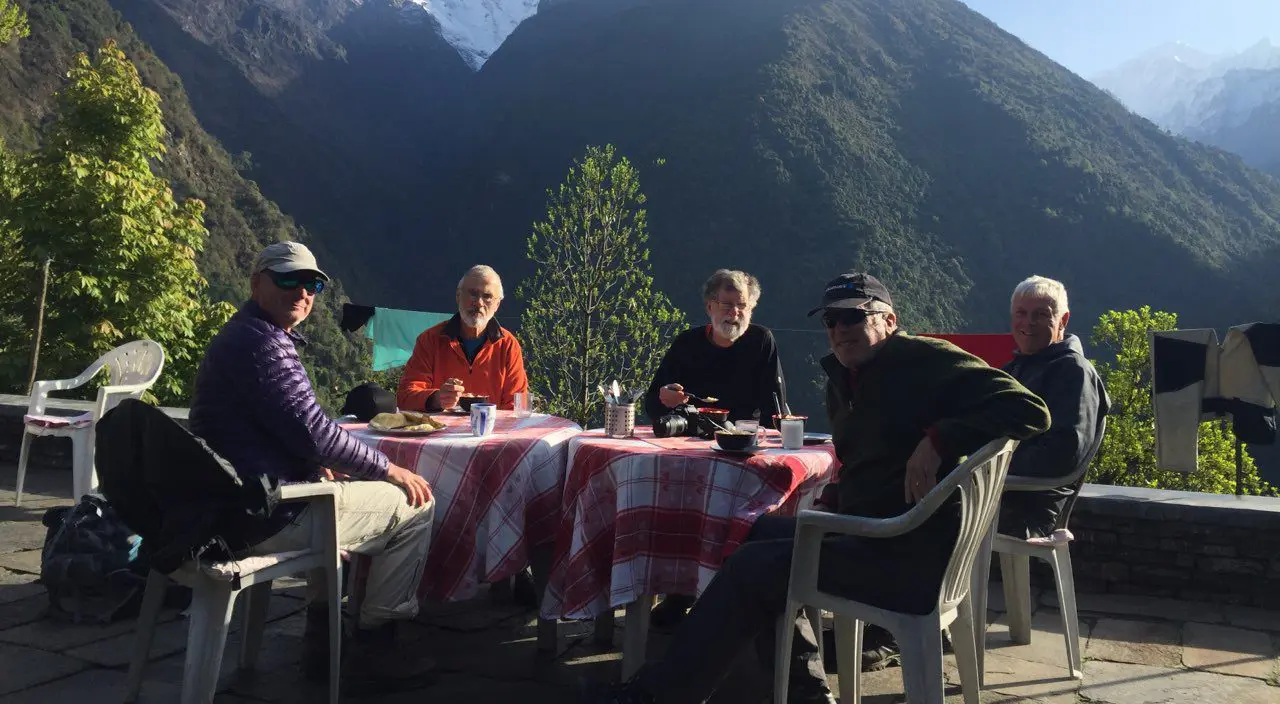
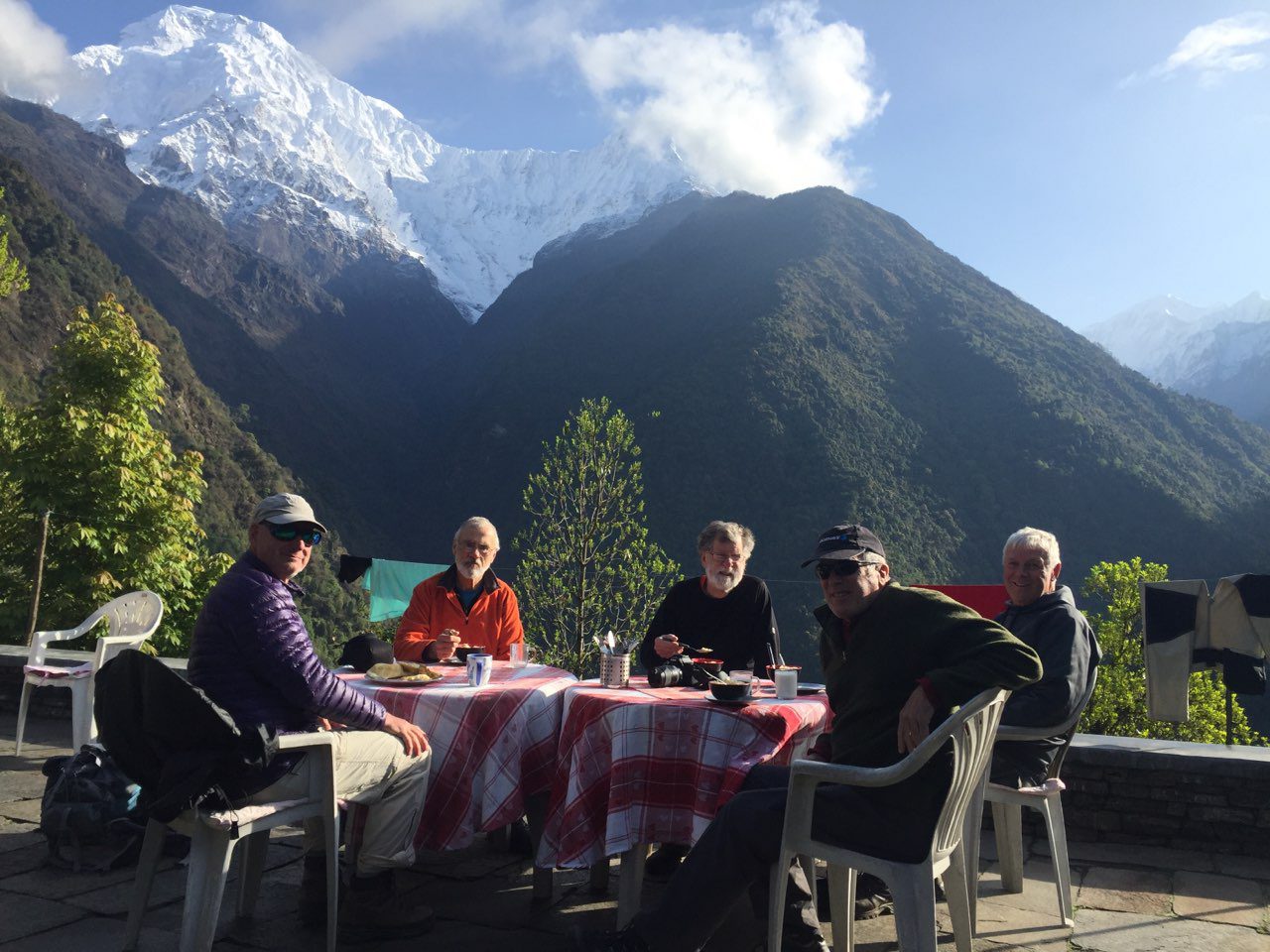
Yes, you can trek in Nepal in your 50s, 60s and beyond. We have guided a group of trekkers in their 70s all the way to Annapurna Base Camp, and every season we guide people in their 50s and 60s.
Age matters less than your health, walking fitness and the trek you choose. Ghorepani Poon Hill is a great first trek. Mardi Himal, Annapurna Base Camp and Everest Base Camp suit people who train well and are ready for longer days and higher altitude.
Start training two to three months before you go, talk to your doctor if you have any health concerns, and pick an itinerary that lets you walk at a steady pace.
- Age limit: none for trekking in Nepal, but check your insurance
- Our oldest group: trekkers in their 70s who reached Annapurna Base Camp
- Altitude and age: being older does not seem to raise your risk of altitude sickness on its own
- Doctor’s advice: important if you have heart, lung, blood pressure or other health concerns
- Good first trek: Ghorepani Poon Hill
- Bigger goals: Mardi Himal, Annapurna Base Camp, Everest Base Camp
- Last updated: October 2026
In This Guide
Can You Trek in Nepal Over 50?
Yes. Nepal’s teahouse treks do not need any climbing skills. They are long walks on mountain trails, with a bed and hot meals every night. A porter carries your main bag, so you only carry a small daypack.
What you do need is to be comfortable walking uphill and downhill for several days in a row, often 4 to 7 hours a day. A 65 year old who walks hills every week is usually better prepared than an inactive 35 year old. But being fit does not make anyone immune to altitude.
A good test is how you manage a long hilly walk now, and how you feel the next morning. That tells you more than your age.
Altitude and Age
Many people expect altitude to get harder with age. Research does not show that. Studies do not find a clear link between being older and getting altitude sickness, and some high altitude doctors think older trekkers may even do a little better, partly because they walk more slowly.
But nobody is protected. What matters most is how fast you go up, how high you sleep and how you have reacted to altitude before. Older trekkers are also more likely to have a health condition or take medicines that need thinking about before a high trek.
Read our guide to altitude sickness on Nepal treks before you choose a high route.
Talk to Your Doctor
If you have heart or lung problems, high blood pressure, take regular medicines or have any other health concern, see your doctor before you book a high trek. Useful questions to ask:
- Is my health OK for several days in a row of uphill and downhill walking?
- Is there anything about sleeping at high altitude I should know?
- Do any of my medicines need planning for the trip?
- Should I take medicine to help prevent altitude sickness?
- Which symptoms mean I should stop and get help?
Tell us about any health or mobility concerns when you plan your trek, so your guide can plan the pace and know what to watch for. Your doctor decides if you are fit to go. We can help you pick a route that suits you.
How Fit Do You Need to Be?
You do not need to be an athlete. Aim to be able to walk 5 to 6 hours with hills and still feel OK the next day. Start training two to three months before your trek, or earlier if you are not active now.
- Walk three or four times a week, with a longer walk at the weekend.
- Walk hills or stairs with a small daypack.
- Build leg strength with step-ups, squats and lunges.
- Near the end, do two long walks on back to back days to see how you recover.
- Build up slowly. Do not jump straight into long, hard sessions.
Our Everest Base Camp training guide has a full plan you can adapt for any trek.
Look After Your Knees
Going down is harder on your knees than going up, and Nepal treks have a lot of steep stone steps.
- Use two trekking poles, especially downhill.
- Take short, careful steps on steep descents.
- Strengthen your thighs before you go. It protects your knees.
- Wear boots that fit well and grip.
- Tell your guide early if your knees start to hurt. They can slow the pace.
- If you have a knee problem, ask your doctor or physio before you book.
If stairs and long downhills are hard for you at home, choose a trek with that in mind.
The Best Treks in Nepal for Over 50s
| Trek | Days | Highest point | Good for |
|---|---|---|---|
| Gurung Heritage Homestay | 9 | About 2,100m | Culture, village stays and low altitude |
| Ghorepani Poon Hill | 9 | 3,210m | A first trek with big views |
| Mardi Himal | 10 | 4,500m | Fit trekkers who want close mountain views |
| Langtang Valley | 10 | 4,773m at Kyanjin Ri, sleeping at about 3,870m | Quiet valley trek with no flights |
| Annapurna Base Camp | 14 | 4,130m | A first base camp trek |
| Everest Base Camp | 14 | 5,545m at Kala Patthar | Fit, well prepared trekkers |
The highest point is often a viewpoint you walk up to and come back down from, not where you sleep. Days include arrival and the drive or flight in and out.
Gurung Heritage Homestay
Low altitude, gentle walking and nights with local Gurung families. A great choice if you want village life and culture more than high mountains.
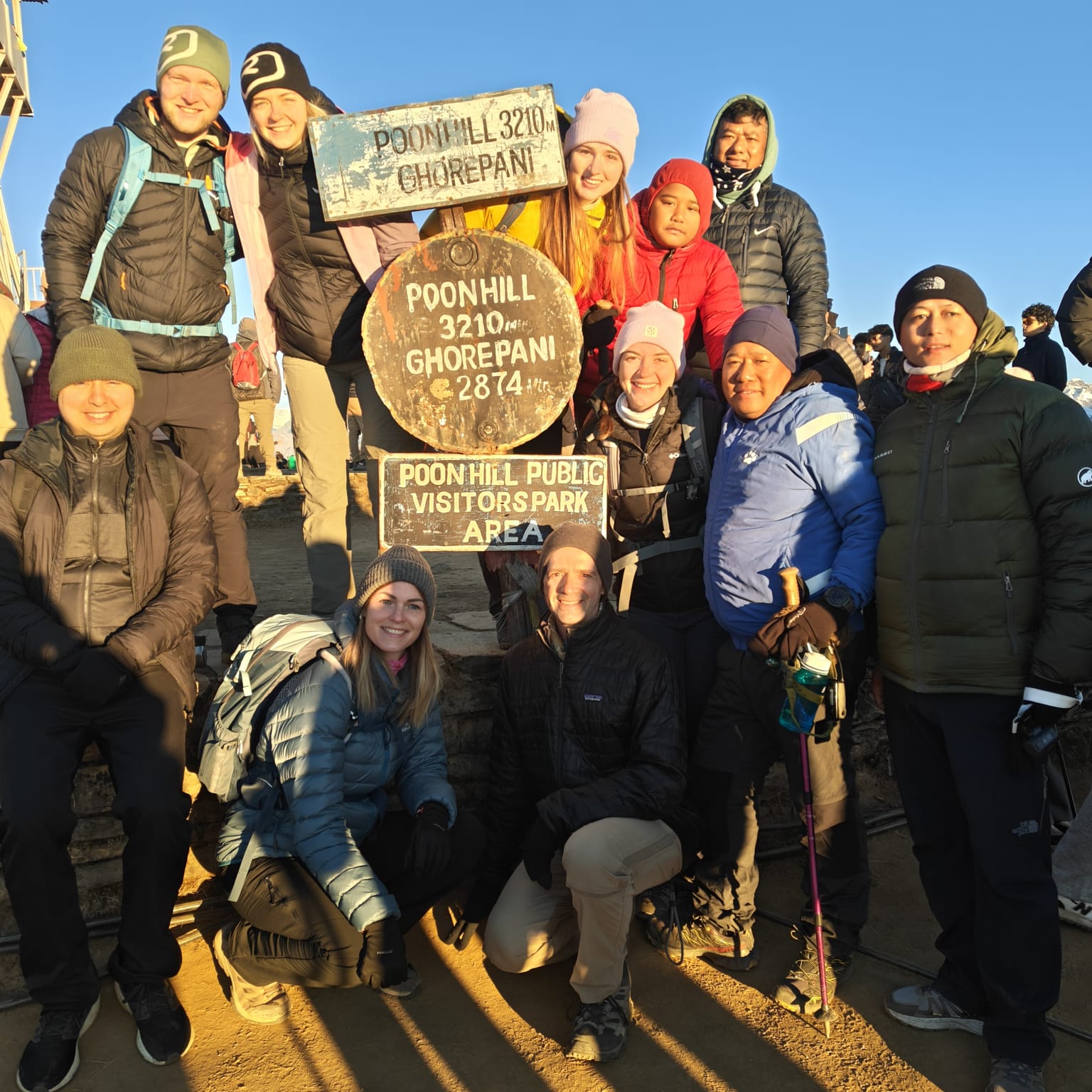
Ghorepani Poon Hill
The best place to start for most people. Short days and a famous sunrise over Annapurna and Dhaulagiri. It is not completely easy, because there are thousands of stone steps, so take it slowly if your knees are a worry.
Mardi Himal
Steeper and higher than Poon Hill, with close views of Machhapuchhre. It is short, but do not pick it only for that. The climbs are steady and the top is at 4,500m.
Langtang Valley
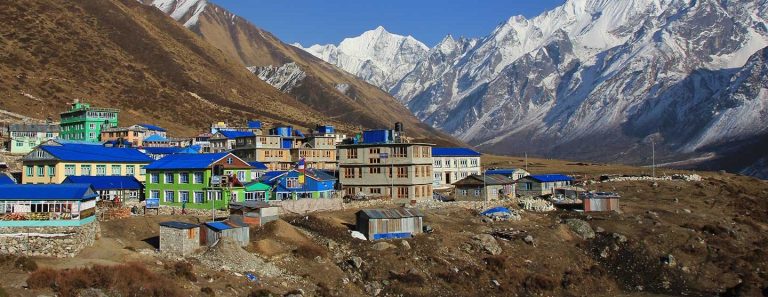
A road trip from Kathmandu, then a walk up a beautiful valley through Tamang villages to Kyanjin Gompa. The climb to Kyanjin Ri is an optional day hike you can skip if you are tired.
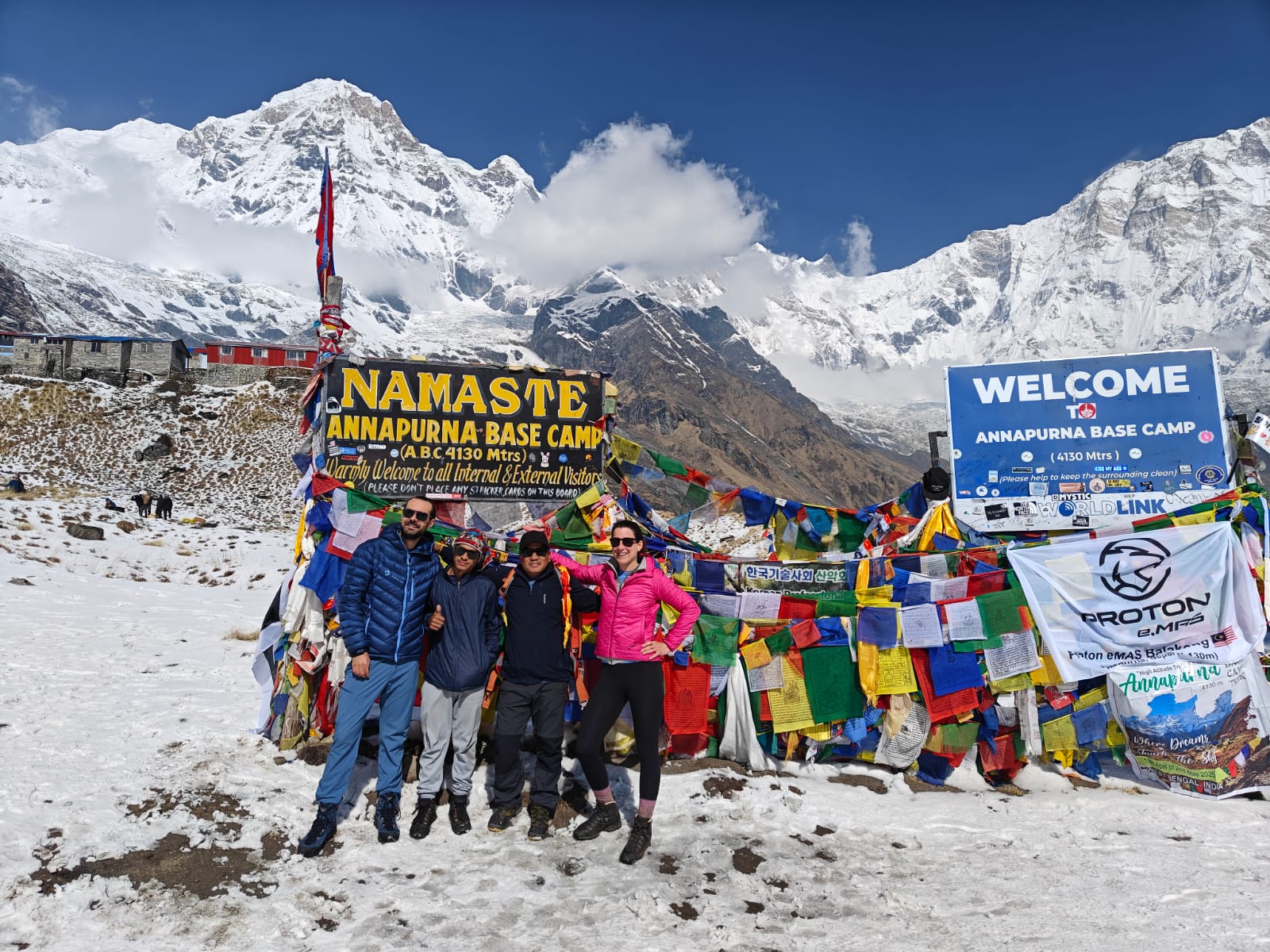
Annapurna Base Camp
A real base camp at 4,130m, surrounded by high peaks, without the extreme altitude of Everest. This is the trek our 70+ group chose, and they made it all the way. With a steady pace and good preparation, it is a great goal for older trekkers.
Everest Base Camp
Very possible in your 50s, 60s and beyond if you are fit and healthy, but it is the hardest trek here. You spend several days above 4,000m and the top is 5,545m. Train well, be honest about your health, and think about adding an extra acclimatisation day.
How to Make the Trek Easier
- Book a private trek. You set the pace with your guide, and on many routes we can add rest days or shorten walking days.
- Do not rush. Pick an itinerary with realistic days, not the fewest days possible.
- Let the porter carry your bag. You only carry water, layers and snacks.
- Choose better rooms. On some routes you can stay in more comfortable lodges with attached bathrooms. See our guide to luxury trekking in Nepal.
- Speak up early. Tell your guide about pain, tiredness or altitude symptoms. Do not hide them to keep up.
Travel Insurance for Older Trekkers
You need insurance that covers trekking at your highest altitude and helicopter rescue. Prices usually go up with age, and some policies limit trekking cover for older travellers. Before you buy, check:
- The maximum age for the policy and for each type of cover
- The maximum altitude covered
- That helicopter rescue is included
- How pre-existing medical conditions are handled
See our guide to travel insurance for trekking in Nepal.
Frequently Asked Questions
Is there an age limit for trekking in Nepal?
No. There is no age limit for trekking in Nepal. Your health, fitness and the trek you choose matter much more. Some insurance policies do have age limits, so check yours.
Can you trek in Nepal in your 70s?
Yes. We have taken a group of trekkers in their 70s to Annapurna Base Camp. Good health, a few months of training and a steady pace matter much more than age.
Can a 60 year old trek to Everest Base Camp?
Yes, many people in their 60s reach Everest Base Camp. It is a demanding trek, so train beforehand, see your doctor if you have health concerns, and choose an itinerary with proper acclimatisation days.
What is the best trek in Nepal for older trekkers?
Ghorepani Poon Hill is a great first trek. The Gurung Heritage Homestay is gentler and lower. For something higher, Annapurna Base Camp is a good next step.
Are older trekkers more likely to get altitude sickness?
Research does not show that being older raises your risk on its own. But anyone can get altitude sickness, and health conditions can make altitude harder, so see your doctor if you have concerns.
Can I trek in Nepal with bad knees?
Often yes, with two poles, a slower pace downhill and some strength training first. It depends on your knees and the route, so ask your doctor or physio, and choose a trek with fewer long descents.