Best Treks in Nepal for Beginners: How to Choose Your First Trek
For most first-time trekkers, Ghorepani Poon Hill is the best place to start: 9 days, a high point of 3,210m and big Annapurna views, from $440 per person. For quieter trails and village culture, choose the Langtang Tamang Heritage Trek.
If you’re fit and want a first high-altitude trek, Annapurna Base Camp at 4,130m is a good step up from the easier routes. Everest Base Camp is possible for a first trek, but only if you prepare properly.
- Best overall first trek: Ghorepani Poon Hill, 9 days, 3,210m, from $440
- Best for culture and quiet trails: Langtang Tamang Heritage, 10 days, 3,165m, from $435
- Best first high-altitude trek: Annapurna Base Camp, 14 days, 4,130m, from $760
- Best for fit beginners: Mardi Himal, 10 days, 4,500m, from $520
- Most ambitious first trek: Everest Base Camp, 14 days, 5,545m, from $1,020
- Experience needed: none of these routes need technical climbing skills, but the higher treks need much more fitness and preparation
- Best seasons: October and November, then March to May
Last updated: October 2026
In This Guide
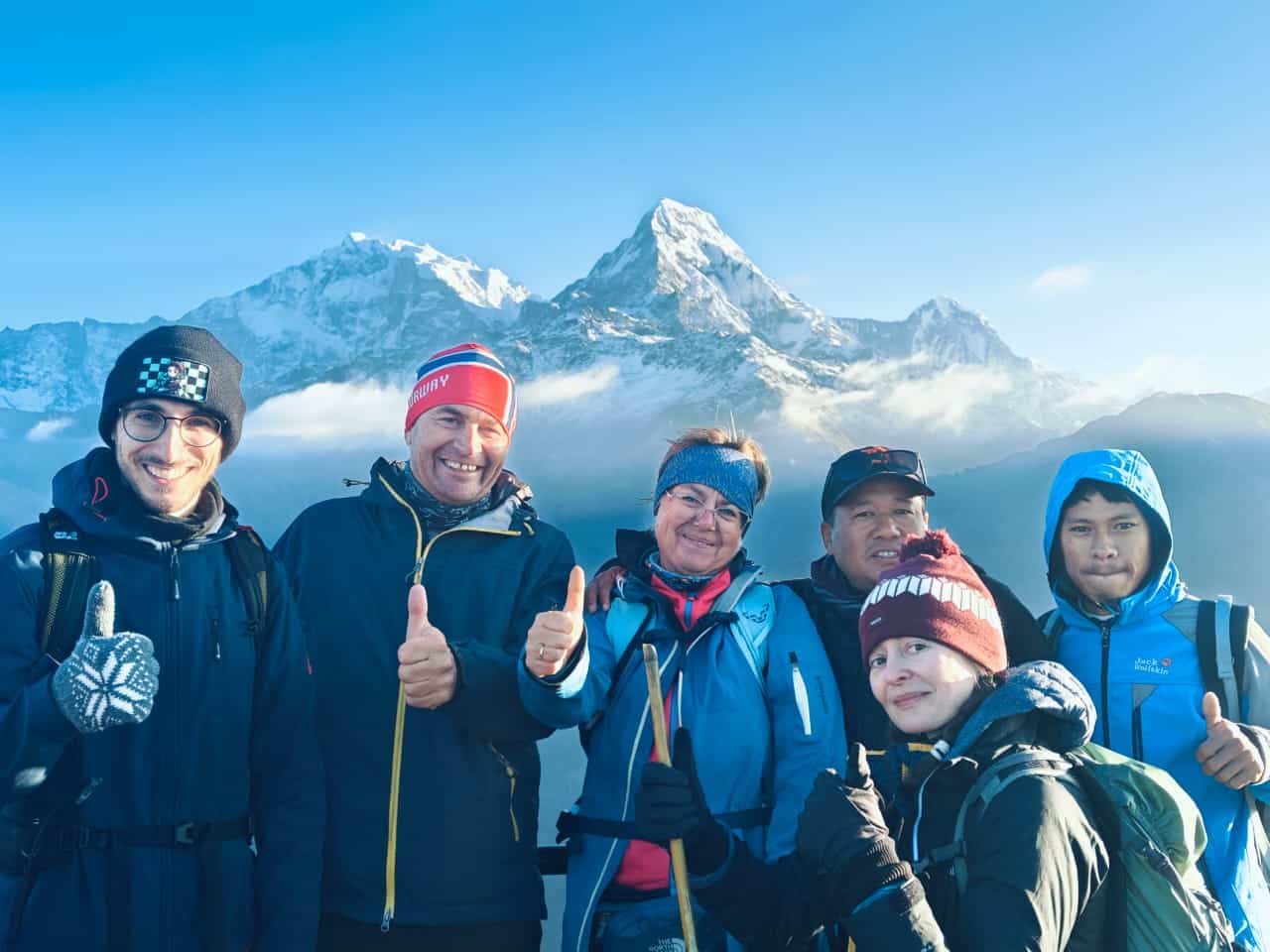
Most people who ask us about trekking in Nepal have never done a multi-day trek before. That’s normal. The trick is picking the right first trek, one that matches your fitness, your time and how you feel about altitude. This guide uses our own itineraries and prices to help you choose.
Can a Beginner Trek in Nepal?
Yes. Most treks in Nepal follow walking trails between villages, with teahouses to sleep and eat in every night. You don’t need ropes, climbing skills or camping gear. A licensed guide shows you the way, and a porter carries your main bag.
What makes a trek hard is time on your feet, stone steps and altitude. Pick a trek that matches those three things, and your first trek will feel like an adventure, not a struggle.
We grade every trip on a five-level difficulty scale. For a first trek, look at Level 2 (Moderate) and Level 3 (Challenging). Level 4 treks like Everest Base Camp are doable for fit beginners who prepare, but they’re not where we’d usually suggest starting.
Best Beginner Treks at a Glance
| Trek | Level | Our trip | Highest point | From* | Best for |
|---|---|---|---|---|---|
| Ghorepani Poon Hill | 2 Moderate | 9 days | 3,210m | $440 | Most first-timers |
| Langtang Tamang Heritage | 2 Moderate | 10 days | 3,165m | $435 | Culture, quiet trails |
| Poon Hill Dhampus Village | 2 Moderate | 12 days | 3,210m | $558 | A slower pace |
| Langtang Valley | 3 Challenging | 10 days | 4,773m | $425 | Big mountains near Kathmandu |
| Annapurna Base Camp | 3 Challenging | 14 days | 4,130m | $760 | A first high-altitude trek |
| Mardi Himal | 3 Challenging | 10 days | 4,500m | $520 | Fit beginners, short trips |
| Everest Base Camp | 4 Hard | 14 days | 5,545m | $1,020 | An ambitious first trek |
*Per person for groups of 4 to 9. Smaller groups and solo travellers pay more. Check each trip page for your group size.
What We Tell First-Timers
We run every trek in this guide. When someone tells us it’s their first trek, the right choice usually comes down to one of these:
- First trek and nervous about altitude: Ghorepani Poon Hill.
- You care more about culture than a famous viewpoint: Langtang Tamang Heritage.
- Travelling with parents or children: Poon Hill Dhampus, or a low-altitude heritage trek like Gurung Heritage.
- You want to stand at a real base camp: Annapurna Base Camp.
- You want a shorter but harder trek: Mardi Himal.
- You want big mountains without flying: Langtang Valley.
- Everest is the dream: Everest Base Camp, but prepare properly first.
Our Five Top Picks for a First Trek
1. Best overall first trek: Ghorepani Poon Hill
Level 2 Moderate | 9 days | 3,210m | from $440
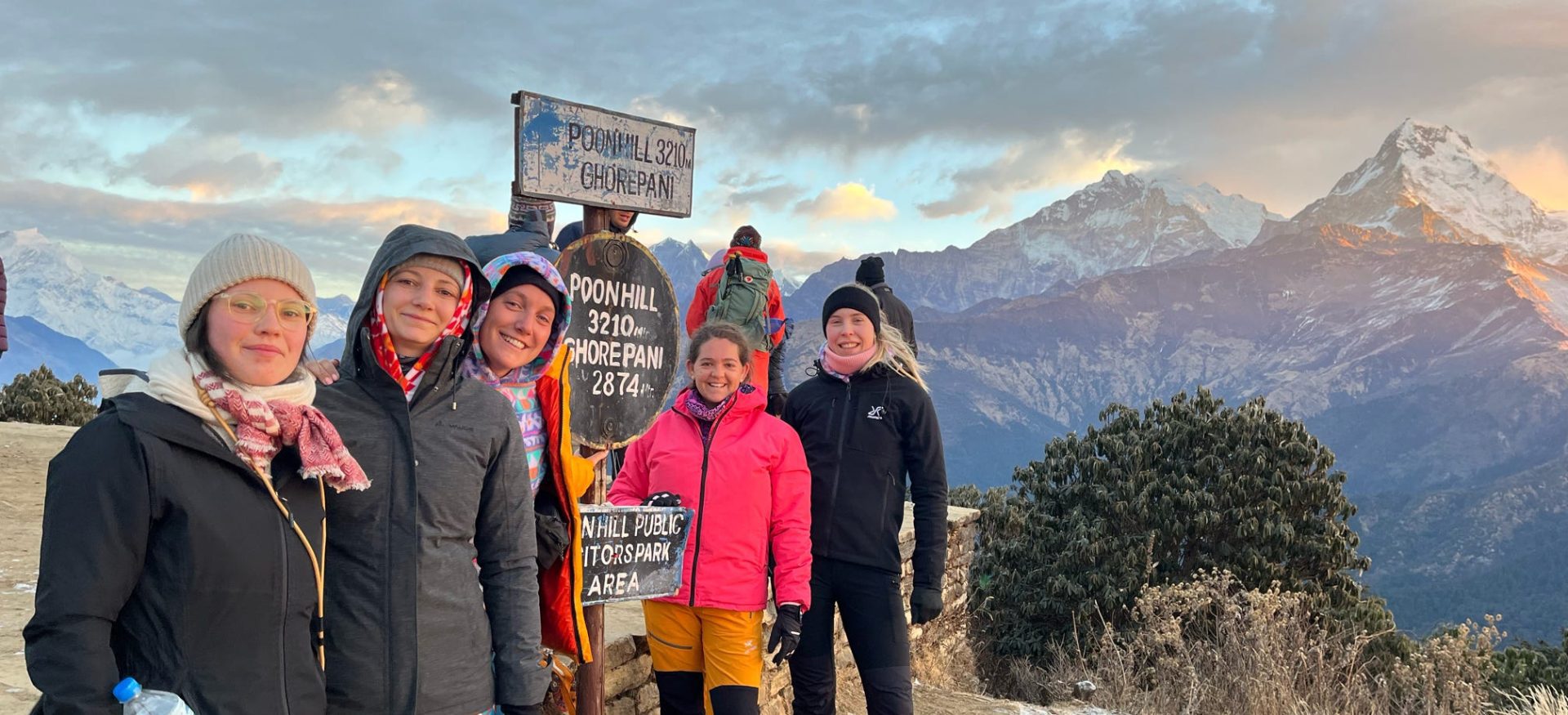
Our most popular first trek, and for good reason. You climb the long Ulleri stone staircase to Ghorepani, then wake before dawn to watch the sun hit Dhaulagiri and the Annapurna range from Poon Hill. The route loops back through Tadapani and the Gurung village of Ghandruk, so you never walk the same trail twice.
There are five days on the trail, and most are four to five hours of walking. The hardest part is the Ulleri steps. Take them slowly and you’ll be fine. Because you never go above 3,210m, altitude is generally less of a concern than on higher treks.
See the Ghorepani Poon Hill Trek →
2. Best for culture and quiet trails: Langtang Tamang Heritage
Level 2 Moderate | 10 days | 3,165m | from $435
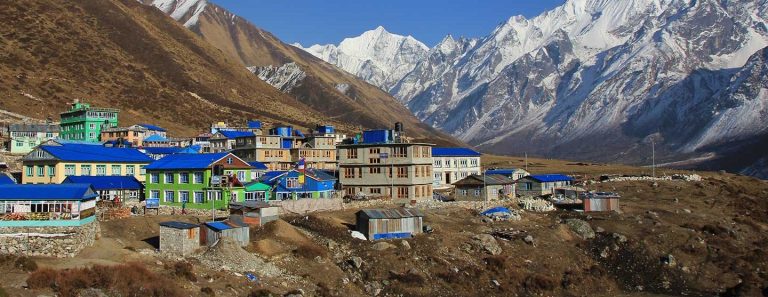
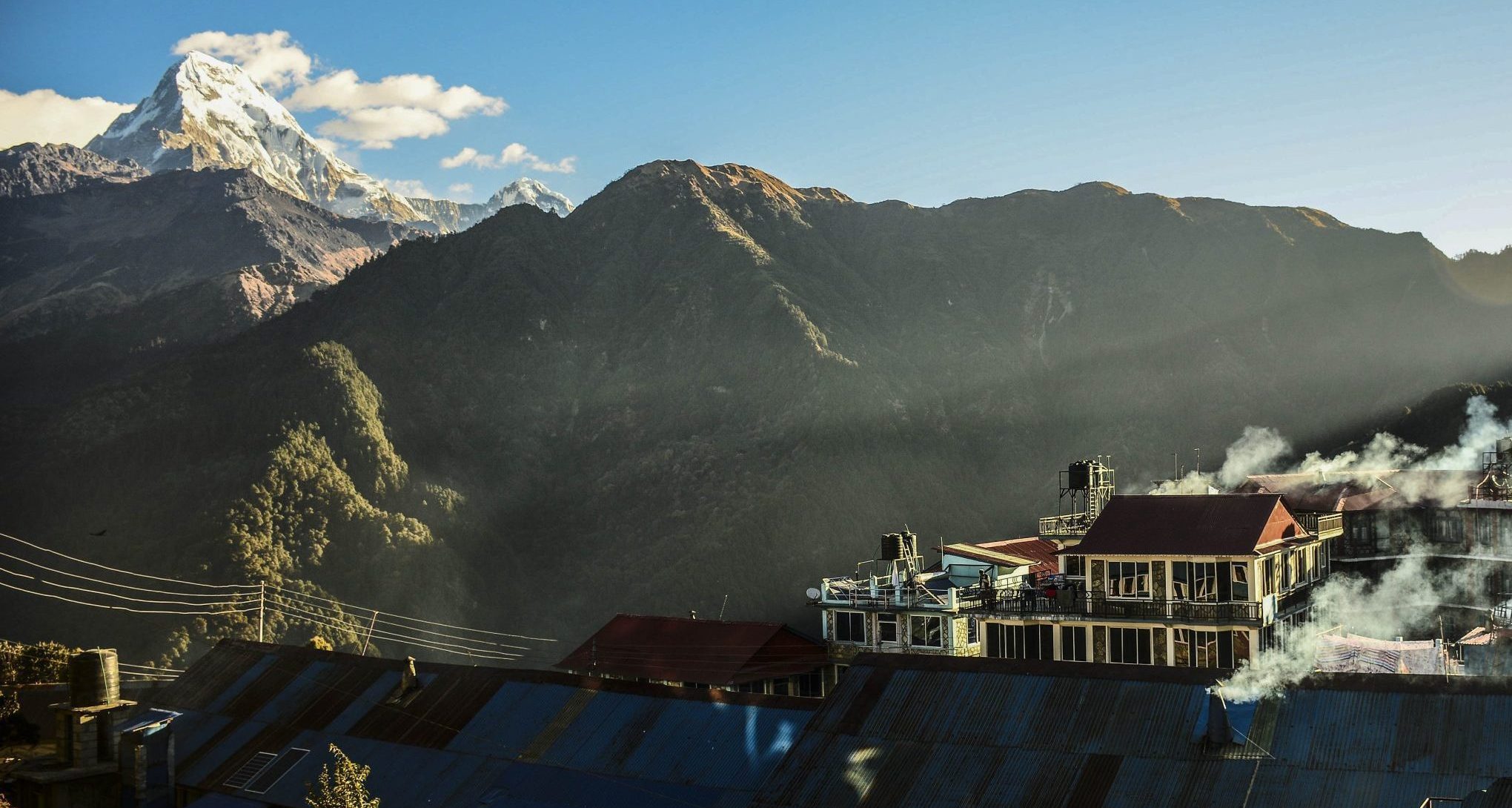
A loop through Tamang villages near the Tibetan border, north of Kathmandu. You stay with local families in traditional stone houses in Gatlang and Briddim, soak in the hot springs at Tatopani, and climb to Nagthali Danda (3,165m) for views of Ganesh Himal and Langtang Lirung. Every day brings a different village, and you never repeat a trail.
It’s a good pick if you care as much about the people as the peaks, and you’ll see far fewer trekkers than on Poon Hill. It starts with a road trip from Kathmandu to Syabrubesi, so there’s no flight.
See the Langtang Tamang Heritage Trek →
3. Best first high-altitude trek: Annapurna Base Camp
Level 3 Challenging | 14 days | 4,130m | from $760
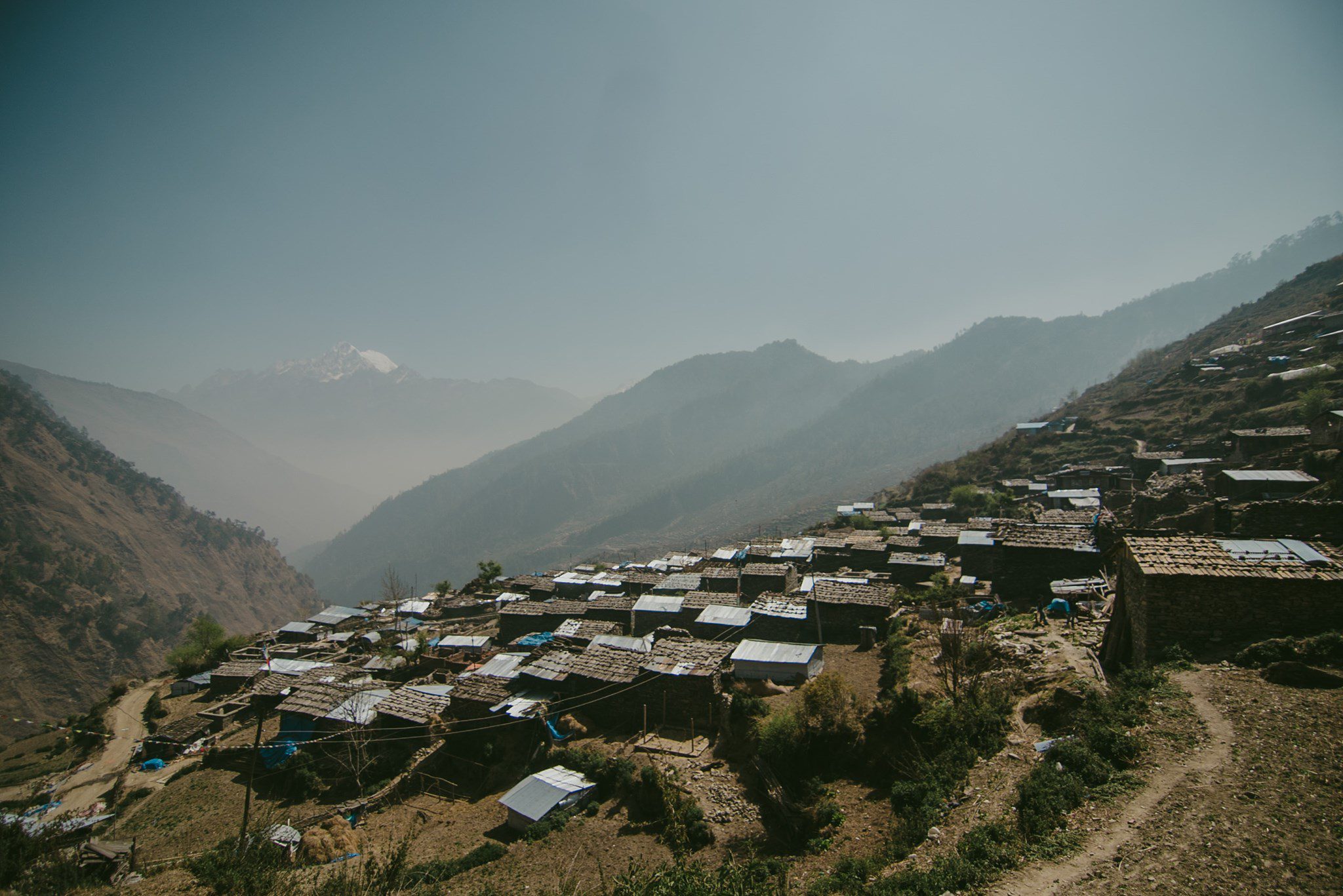
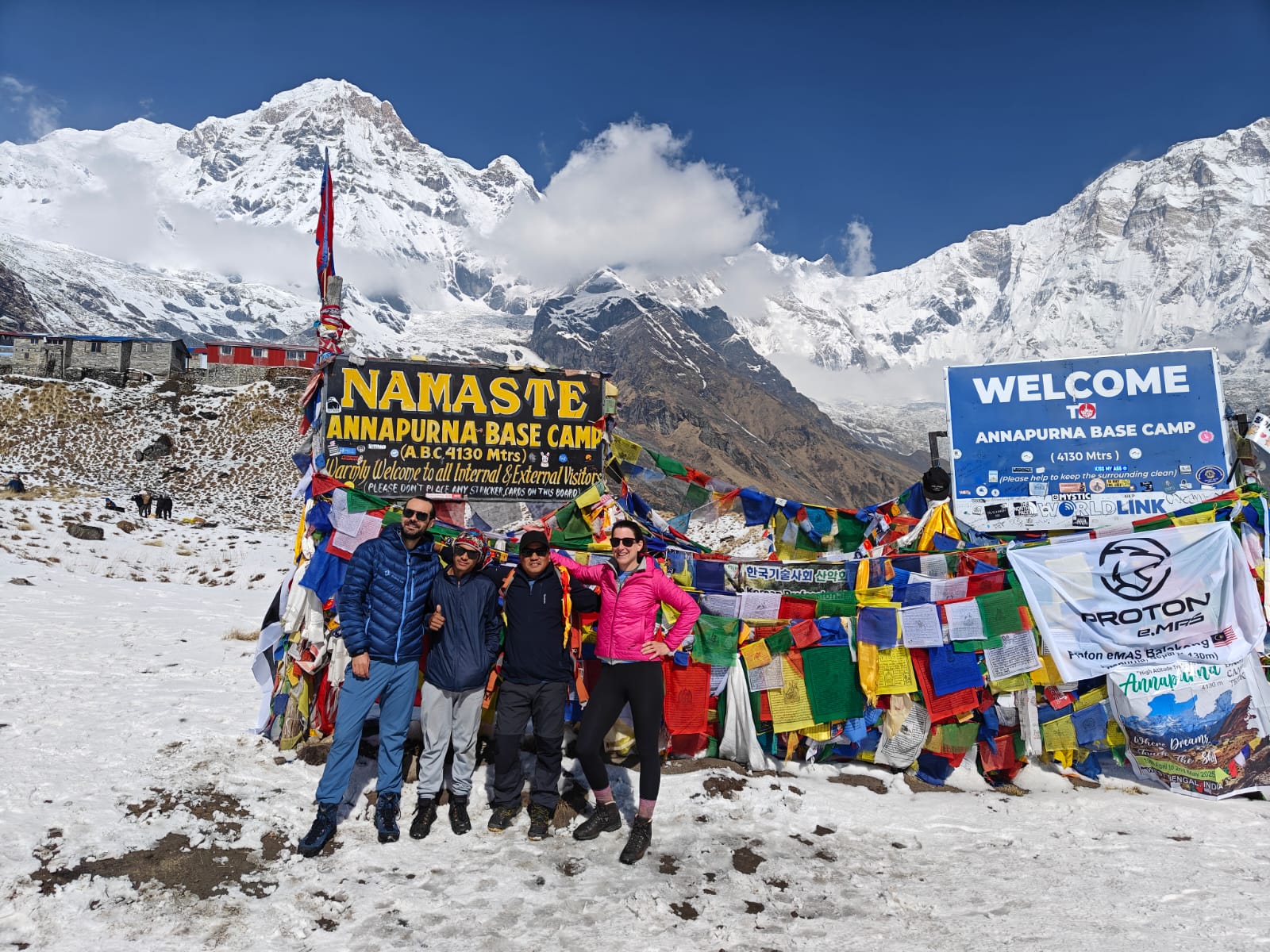
If you’re fit and want a first high-altitude trek, ABC is a good step up from the easier routes. You walk into the Annapurna Sanctuary and spend a night at base camp, surrounded by Annapurna I, Annapurna South, Hiunchuli and Machhapuchhre. Our route also takes in the Poon Hill sunrise on the way in, so you get the best of both.
It’s a substantial trek: nine days on the trail, lots of stone steps and no dedicated rest day. Pacing matters as you get close to base camp.
See the Annapurna Base Camp Trek →
4. Best for fit beginners: Mardi Himal
Level 3 Challenging | 10 days | 4,500m | from $520
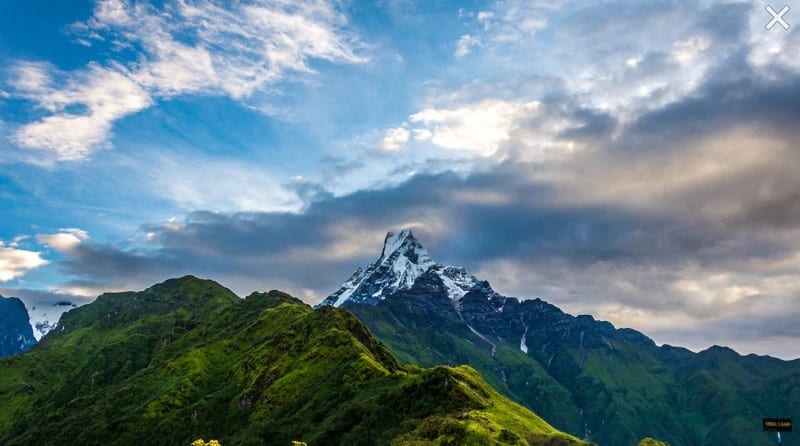
Short, steep and quiet. Mardi follows a forested ridge up to High Camp, then climbs to Mardi Himal Base Camp at 4,500m, right below Machhapuchhre. It’s a good first trek only if you’re fit and confident on steep ground, because it climbs from about 2,100m to 4,500m in three days with no rest day.
You don’t sleep at the top, though. Your highest night is at High Camp (3,580m), and you go down to Badal Danda after reaching base camp.
See the Mardi Himal Base Camp Trek →
Torn between Poon Hill, Mardi and ABC? Read our Poon Hill vs Mardi Himal vs ABC comparison.
5. Most ambitious first trek: Everest Base Camp
Level 4 Hard | 14 days | 5,545m | from $1,020
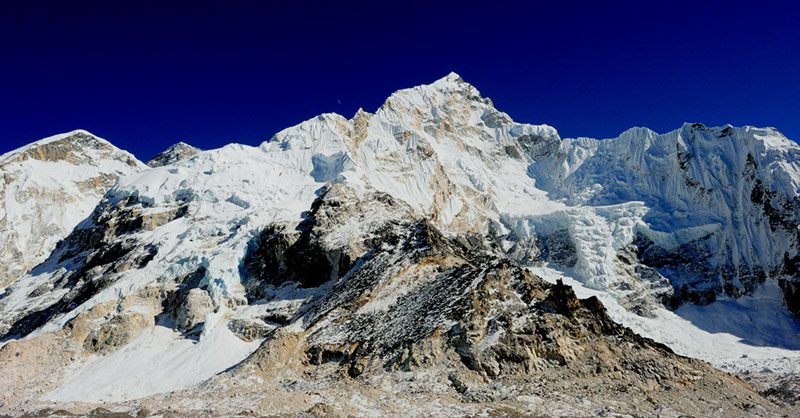
Plenty of first-timers do EBC every year. But it’s a Level 4 trek. You spend several nights above 4,000m, climb to 5,545m at Kala Patthar, and rely on weather-dependent flights to Lukla. It’s the only trek in this guide that needs a mountain flight.
If EBC is your dream, give yourself several weeks of focused preparation, especially if you don’t already hike regularly. If you just want a great first trek, start with Poon Hill or ABC and save Everest for next time. Our EBC training guide and EBC vs ABC comparison will help you decide.
See the Everest Base Camp Trek →
Other Good First Treks
These are worth a look if one of the top five doesn’t quite fit.
Poon Hill Dhampus Village Trek
Level 2 Moderate | 12 days | 3,210m | from $558
The Poon Hill sunrise at a slower pace. After Ghorepani and Ghandruk, the route carries on through Landruk, Tolka and Australian Camp to Dhampus, with more village time and shorter days. A good choice if you’re travelling with children or older family members. See the trek →
Langtang Valley Trek
Level 3 Challenging | 10 days | 4,773m (Kyanjin Ri) | from $425
The closest high-altitude valley trek to Kathmandu, about seven hours away by road. You walk up the Langtang valley to Kyanjin Gompa, with an acclimatisation day and an optional climb to Kyanjin Ri. It’s quieter than the Everest or Annapurna trails. See the trek →
Gurung Heritage Homestay Trek
Level 2 Moderate | 9 days | 2,100m | price on request
Short walking days between Gurung villages like Pasagaun, Bhujung and Ghale Gaun, staying with host families and joining evening cultural programmes. It tops out at 2,100m, so altitude isn’t a factor. A good fit for families and older travellers. See the trek →
Pokhara Panchase Trek
Level 2 Moderate | 10 days | 2,517m | from $820
A low, quiet trek in the hills above Phewa Lake. It starts with a boat ride across the lake, passes the World Peace Pagoda, and reaches Panchase Peak for sunrise views of Dhaulagiri, Annapurna and Machhapuchhre. The trip also includes sightseeing days in Kathmandu and Pokhara. See the trek →
Current conditions (October 2026)
Road access to Syabrubesi, the starting point for both Langtang treks, was affected by floods earlier in 2026. Conditions can change, so check with us about current road access before you book.
How to Choose Your First Trek
By fitness
- You walk regularly but don’t hike: Level 2, like Poon Hill or Tamang Heritage
- You hike most weekends: Level 3, like ABC or Langtang Valley
- You’re very fit and willing to prepare: Level 4, like EBC
By altitude
- Want to keep it low: Gurung Heritage (2,100m) or Panchase (2,517m)
- Happy up to about 3,200m: Poon Hill, Poon Hill Dhampus or Tamang Heritage
- Ready for 4,000m and above: ABC, Langtang Valley or Mardi Himal
The Level 2 treks stay below about 3,500m, so altitude is generally less of a concern than on high-altitude treks. It can still affect some people, so go slowly and tell your guide if you feel unwell. Read our guide to altitude sickness in Nepal.
By time in Nepal
- 9 to 10 days: Poon Hill, Tamang Heritage, Gurung Heritage, Panchase, Langtang Valley or Mardi Himal
- 12 days: Poon Hill Dhampus
- Two weeks: ABC or EBC (add a buffer day or two for Lukla flights)
All of our trip lengths run Kathmandu to Kathmandu, so they include arrival, departure and travel days. For more on short options, see our short treks in Nepal guide.
By flights
Apart from Everest Base Camp, none of the treks in this guide need a domestic mountain flight. They’re reached by road from Kathmandu or Pokhara.
How Fit Do You Need to Be?
For a Level 2 trek, you should be able to walk four to five hours with some uphill sections, and do it again the next day. Regular brisk walking and some stairs in the weeks before you go usually make a real difference.
For a Level 3 trek, aim to be comfortable with five to seven hours on your feet, several days in a row. Long weekend hikes, stair climbing and some cardio over six to eight weeks will help a lot.
Your guide sets the pace, and a porter carries your main bag, so you only carry a small daypack.
What a First Trek Is Really Like
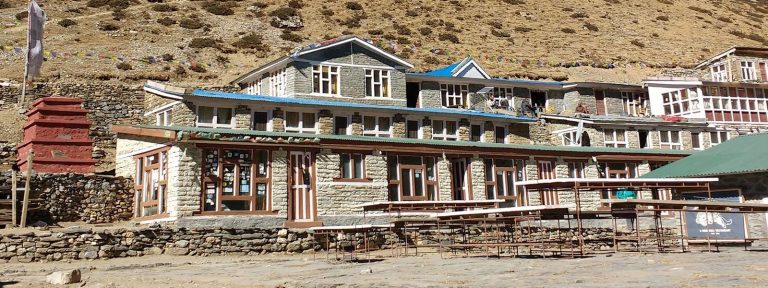
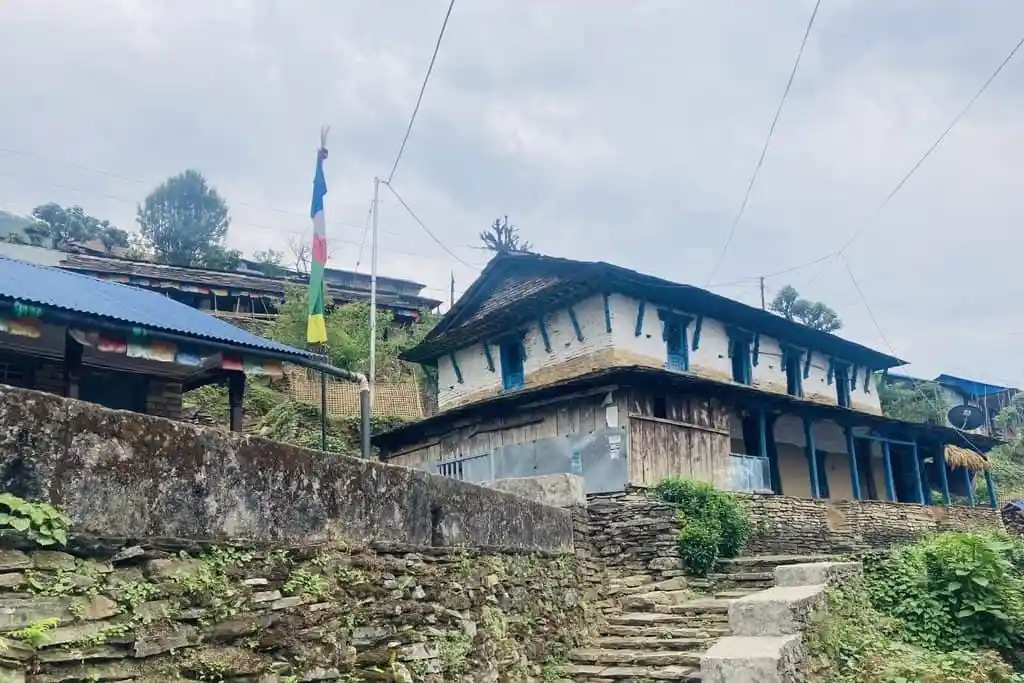
- Sleeping: teahouses with twin rooms and a shared dining room. On the heritage treks you also stay with local families.
- Food: dal bhat, noodles, eggs, soups and more. On most of our treks you pay for trail meals as you go, so you only pay for what you eat.
- Bags: one porter for every two trekkers. We give you a free duffel bag, and you carry only a daypack.
- Each evening: your guide talks you through the next day’s walk, so you know what to expect and what to pack.
- Permits: requirements depend on the route. We arrange the documents your trek needs. See our Nepal trekking permits guide for the current rules.
For what to bring, see our Nepal trekking packing list.
Frequently Asked Questions
What is the easiest trek in Nepal for beginners?
For a classic mountain trek, Ghorepani Poon Hill. It’s 9 days, tops out at 3,210m, and the hardest part is the stone steps to Ulleri. If you want even less altitude, the Gurung Heritage Homestay Trek stays at or below 2,100m.
Can I trek in Nepal with no experience?
Yes. None of the treks in this guide need technical climbing skills or previous trekking experience. The higher treks need much more fitness and preparation, so match the trek to your fitness.
Is Everest Base Camp OK for a first trek?
It can be, if you prepare properly. EBC is a Level 4 trek with several nights above 4,000m and weather-dependent Lukla flights. Most beginners enjoy a Level 2 or 3 trek more as a first trip.
What’s the best first trek with a base camp?
Annapurna Base Camp. At 4,130m it’s much lower than Everest Base Camp, there’s no mountain flight, and our route includes the Poon Hill sunrise on the way in.
What’s the cheapest beginner trek?
Langtang Valley from $425, Tamang Heritage from $435 and Poon Hill from $440, all per person for groups of 4 to 9. Smaller groups and solo travellers pay more.
Do I need a guide as a beginner?
In most cases, yes. Rules introduced in 2023 generally require a licensed guide on Nepal’s main trekking routes. See our guide on whether you need a guide to trek in Nepal.
When is the best time for a first trek?
October and November usually have the clearest weather. March to May is also good, with rhododendrons in bloom on the Annapurna trails.
Not sure which first trek suits you?
Tell us how many days you have, how much walking you do and how you feel about altitude. We’ll point you to the right trek. WhatsApp: +977 985 118 2718.
Poon Hill Trek → Tamang Heritage Trek → Annapurna Base Camp Trek → Ask us anything →