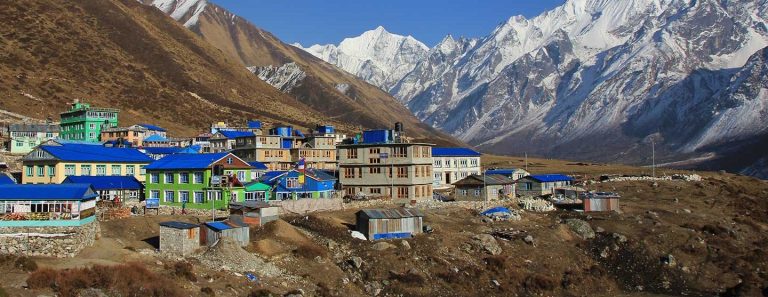
Annapurna Circuit Trek Cost: Prices, Permits and Total Budget
MountainKick’s 16-day Annapurna Circuit Trek starts at $643 per person for groups of 4 to 7. It’s $770 for 2 to 3 trekkers and $1,260 for a private trek. The 21-day Classical Annapurna Circuit starts at $794.
For the 16-day trek, most trekkers should budget around $1,300 to $2,400 before international flights and insurance. That covers the package, food, personal spending, visa and tips. Your final cost depends mainly on group size and how much you spend on the trail.
- Region: Annapurna Conservation Area, Nepal
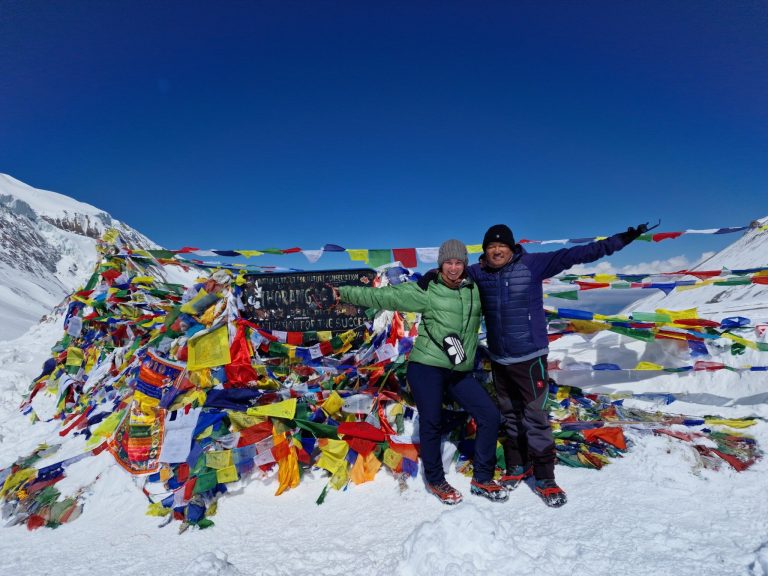
- Max altitude: 5,416m at Thorong La Pass
- 16-day trek: $643 to $1,260 per person depending on group size
- 21-day Classical: $794 to $1,337 per person depending on group size
- Typical total (16-day): about $1,300 to $2,400 before flights and insurance
- Food and drinks: $30 to $40 per day
- Permits: ACAP and TIMS, included in the package
- Flights: No internal flights needed, unlike EBC
Last updated: October 2026

The Annapurna Circuit is one of Nepal’s classic treks, and one of the most asked about when it comes to cost. This page gives you the actual numbers first. It also covers something many guides skip. There are two different versions of this trek, and the choice between them matters more than the price.
Annapurna Circuit Trek Cost Breakdown
The easiest way to understand the cost is to separate the MountainKick package from what you pay yourself. These figures are for the 16-day trek.
| Expense | Typical cost |
|---|---|
| MountainKick 16-day package | $643 to $1,260 |
| Food and drinks on the trail | $360 to $480 |
| Personal spending (showers, charging, Wi-Fi, snacks) | $100 to $200 |
| Nepal visa (30 days) | $50 |
| Tips for guide and porter | $120 to $250 |
| Gear rental | $0 to $100 |
| Travel insurance | Depends on your policy |
| Typical total before international flights and insurance | about $1,300 to $2,400 |
For the 21-day Classical, add more food days and a slightly higher package. Most trekkers should budget around $1,650 to $2,650 before international flights and insurance.
Package Price by Group Size
| Group size | 16-day Circuit | 21-day Classical |
|---|---|---|
| 4 to 7 trekkers | $643 | $794 |
| 2 to 3 trekkers | $770 | $827 |
| Private (1 person) | $1,260 | $1,337 |
Prices can change with departure dates and group arrangements, so check the trip page for your dates.
Two Routes, Two Different Experiences
MountainKick runs two versions of the Annapurna Circuit. Many operators just offer one and call it the Circuit, but the difference is worth knowing before you book.
The 16-Day Annapurna Circuit Trek, from $643
The 16-day version drives from Besisahar to Chame (2,670m) and skips the lower sections that now run alongside a road. The drive takes 6 to 7 hours and drops you at Chame, ready to start the real mountain walking the next morning.
From Chame you walk through Upper Pisang, Ngawal and Manang, where you take an acclimatisation day. Then you go on to Thorong Phedi, cross the Thorong La at 5,416m and descend to Muktinath. You continue to Kagbeni and Marpha, then drive down the Kali Gandaki valley to the Tatopani hot springs and on to Pokhara.
The 21-Day Annapurna Circuit Classical Trek, from $794
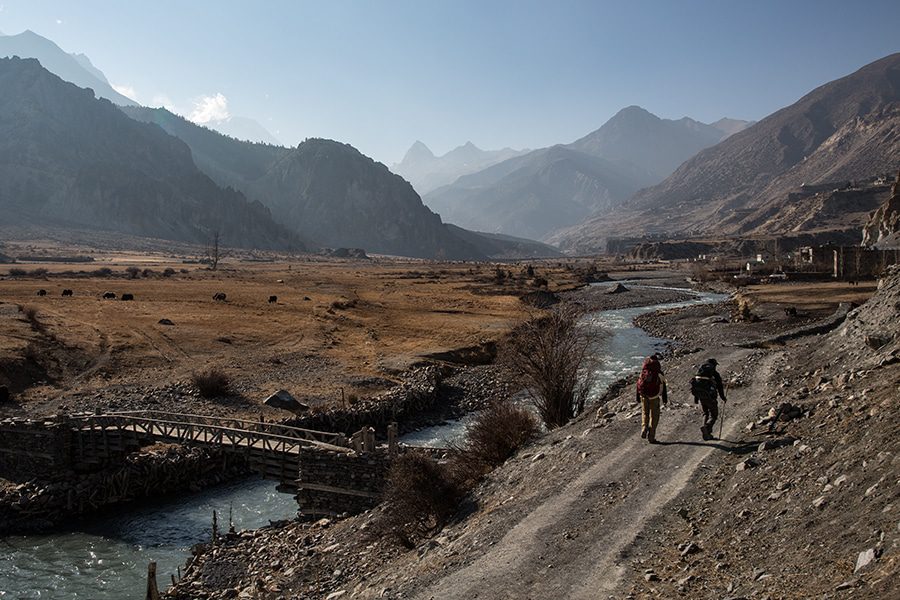
The 21-day Classical version walks every section from Besisahar (760m), the way the route was done before the road. You pass through subtropical forest, the Marsyangdi gorge and traditional Gurung villages. Starting low also gives you a more gradual climb, which helps acclimatisation. It includes the quieter detour from Muktinath through the Bon village of Lubra to Kagbeni.
For most people, time decides between the two, not price. Still choosing? Read our Annapurna Circuit vs ABC guide or compare it with the Manaslu Circuit.
What’s Included in the MountainKick Package
Both packages include:
- 3-star hotel in Kathmandu with breakfast
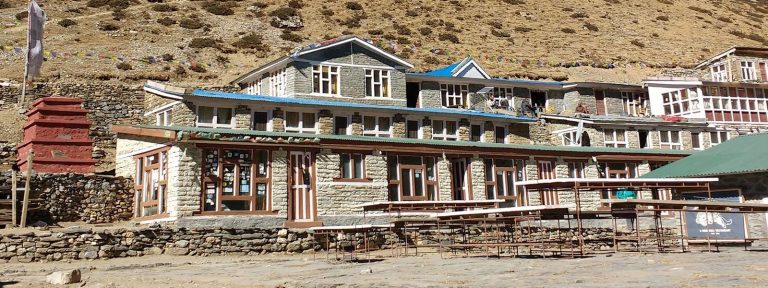
- Teahouse accommodation during the trek, twin sharing
- Government licensed, English-speaking guide
- Porter service, one porter per two trekkers
- ACAP and TIMS permits
- All transport in the itinerary
- Government taxes and permit fees
- MountainKick duffel bag, sun hat and t-shirt
- Farewell dinner in Kathmandu
Not included: meals on the trail, Nepal visa, travel insurance, tips, personal gear and international flights.
Check the trip page for the full list before booking.
Why meals aren’t included
That’s deliberate. Appetite changes a lot at altitude. Most trekkers eat less than at home, skip breakfast on hard mornings or choose a snack over a full meal. Paying as you go means you only pay for what you eat.
Budget around $30 to $40 a day for food and drinks. Prices rise with altitude, especially around Manang and Thorong High Camp. For menu prices along the route, see our Annapurna Circuit food prices guide.
Dal bhat is usually the best value, and many teahouses offer refills. Drinks add up faster than food. A reusable bottle with purification tablets or a filter saves money and plastic.
Permits for the Annapurna Circuit
Two permits are needed, and both are included in the MountainKick package:
- Annapurna Conservation Area Permit (ACAP): NPR 3,000
- TIMS card: NPR 2,000 for most foreign trekkers
Fees can change, so check our Nepal trekking permits guide for current amounts.

Personal Expenses on the Trail
Beyond the package and meals, these are the most common extra costs:
- Hot showers: $2 to $5, available at most teahouses below Manang
- Device charging: $2 to $4 per device. Bring a power bank for the higher sections.
- Wi-Fi: $3 to $5 a day where available. The signal is patchy above Manang.
- Snacks: energy bars, chocolate and nuts for the Thorong La day. Manang has the best choice before the pass.
- Small entrance fees, such as the Tatopani hot springs
Over the trek, personal extras usually add up to about $100 to $200.
Tips for Your Guide and Porter
Tips aren’t included and are up to you. For the 16-day trek, many trekkers budget around $120 to $250 for the guide and porter combined, depending on group size and service. Tipping at the farewell dinner in Kathmandu is normal. See our guide to tipping guides and porters in Nepal for a breakdown.
How Much Cash to Carry
Take out your trekking cash in Kathmandu or Pokhara before you start. Some villages on the route, like Chame and Manang, have ATMs, but they get less reliable higher up and can run out of cash in peak season.
For the 16-day trek, plan to carry around $500 to $700 in cash for food, drinks, showers, charging and Wi-Fi. For the 21-day Classical, allow around $650 to $850. You may spend less or more depending on your habits. Carry small notes, because change is hard to find higher up. For ATM limits and fees, see our guide to money in Nepal for trekkers.
Nepal Visa Cost
Most eligible visitors can get a tourist visa on arrival at Kathmandu airport. You can pre-register online to save time.
- 15 days: $30
- 30 days: $50
- 90 days: $125
A 30-day visa is enough for the trek itself, although your total time in Nepal may need a different visa length. The visa isn’t included in the package.
Travel Insurance
MountainKick requires travel insurance for this trek. Your policy must cover trekking at the trek’s maximum altitude, including the Thorong La at 5,416m, and emergency helicopter evacuation. Many standard policies stop at 4,000m, so check yours carefully. Cost depends on your provider, age and level of cover. See our travel insurance guide for Nepal trekking for what to look for, and our altitude sickness guide for what to do if symptoms start.
International Flights
The Circuit needs no domestic flights. You fly into Kathmandu and travel overland from there.
International fares vary a lot by country, airline and dates, so check current prices for your travel dates and book early for the autumn and spring seasons.
Is the Annapurna Circuit Cheaper Than Everest Base Camp?
Generally yes. MountainKick’s 16-day Circuit starts at $643, against $1,020 for the 14-day Everest Base Camp trek. The Circuit package is cheaper partly because it doesn’t include a Lukla flight, which is part of the EBC package. For a fuller comparison, read our Annapurna Circuit vs EBC guide.
Frequently Asked Questions
How much does the Annapurna Circuit trek cost?
MountainKick’s 16-day trek costs $643 per person for groups of 4 to 7, $770 for 2 to 3 trekkers and $1,260 for a private trek. The 21-day Classical starts at $794. With food, personal spending, visa and tips, most trekkers should budget about $1,300 to $2,400 in total for the 16-day trek, before international flights and insurance.
Is the Annapurna Circuit cheaper than Everest Base Camp?
Generally yes. The 16-day Circuit starts at $643, against $1,020 for EBC, partly because the Circuit package doesn’t include a Lukla flight.
Should I choose the 16-day or 21-day trek?
If you have 3 weeks or more and want to walk the full original route, choose the 21-day Classical. If you have 2 to 3 weeks, the 16-day trek covers the high altitude highlights, including Manang, the Thorong La and Muktinath, without the road sections. For most people, time decides, not price.
Can I do the Annapurna Circuit without a guide?
No. A licensed guide has been required on the Annapurna Circuit since 2023, and it’s checked at permit checkpoints. The guide is included in the MountainKick package.
How much cash should I carry for the Annapurna Circuit?
Around $500 to $700 for the 16-day trek and $650 to $850 for the 21-day Classical, to cover food, drinks and personal extras. Withdraw it in Kathmandu or Pokhara, because ATMs on the route are unreliable.
What is the best time of year for the Annapurna Circuit?
October and November give the clearest skies. March to May is the other main season. December to February is cheaper for flights, but the Thorong La gets very cold and some teahouses higher up close.
Can I add Tilicho Lake?
Yes. Tilicho Lake (4,919m) can be added as a detour from Manang, adding 1 to 2 days. See our Tilicho Lake and Thorong La Pass Trek.
Ready to plan your Annapurna Circuit trek?
Talk directly with our Kathmandu team about dates, group size and which version suits you. WhatsApp: +977 985 118 2718, or use our enquiry form.
View the Annapurna Circuit Trek → View the Annapurna Circuit Classical Trek →