Drinking Water on Nepal Treks: How to Stay Safe and Hydrated
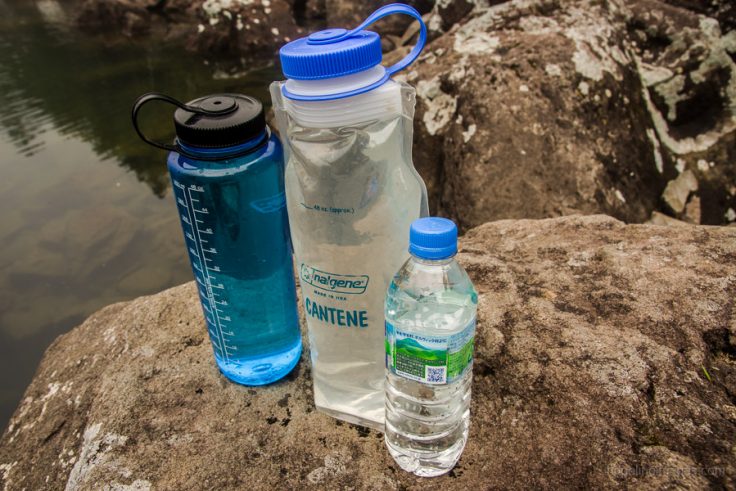
Don’t drink untreated tap, stream or spring water on a Nepal trek. The easiest approach is to carry a reusable bottle and refill it with boiled or treated water from teahouses and safe drinking water stations. You can also treat water yourself with a filter, a UV purifier or purification tablets.
Bottled water is sold on many routes, but it gets expensive as you climb and adds to the plastic waste problem in the mountains. In the Khumbu, single-use plastic bottles are restricted under local rules, so a reusable bottle is the better plan everywhere.
- Untreated water: don’t drink tap, stream or spring water without treatment
- Best option: refill a reusable bottle with boiled or treated water
- Treatment: filter, UV purifier or purification tablets
- Safe drinking water stations: available at several villages on the Annapurna routes
- Bottled water: available on many routes, but prices rise with altitude
- Hydration: many trekkers aim for around 2 to 3 litres of fluids during the day
- Bring: two 1 litre bottles, or a bottle plus a hydration bladder
- Khumbu: single-use plastic bottles are restricted under local rules
Last updated: October 2026
Is the Water Safe to Drink on Nepal Treks?
Not straight from the tap or stream. Even clear mountain streams can carry bacteria and parasites from villages, animals and pack trains further up the valley. Stomach problems are one of the most common reasons trekkers feel unwell on the trail, and they make the altitude much harder to cope with.
The good news is that safe water is easy to get, as long as you treat it or buy it from a reliable source.
Your Options for Safe Drinking Water
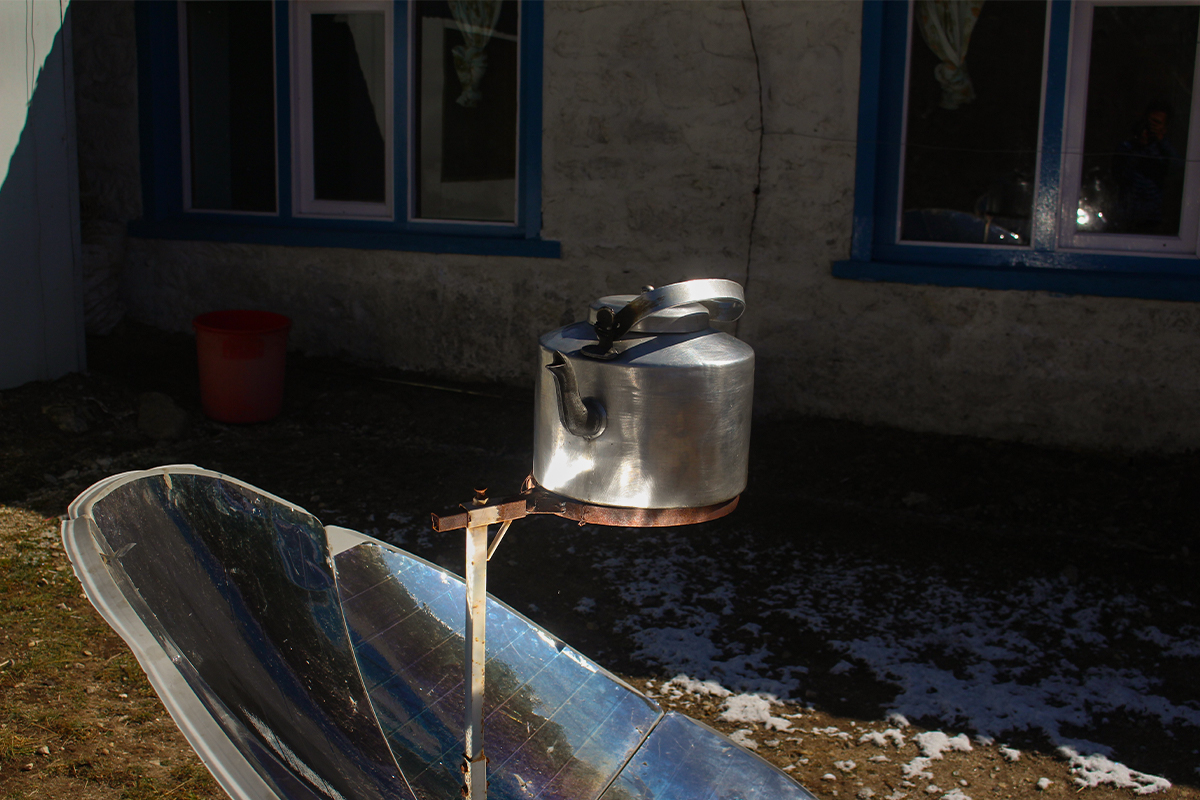
1. Boiled water from teahouses. Teahouses usually sell boiled water by the litre or by the flask. Properly boiled water is generally considered safe to drink. Ask whether the water has been properly boiled, rather than assuming that water labelled “hot” has been disinfected. It costs more higher up, because fuel has to be carried in.
2. Safe drinking water stations. On the Annapurna Circuit, safe drinking water stations are available in several villages, including Chame and Manang. They sell treated water for much less than bottled water, and the money supports local projects. Availability varies by location and season, so ask your guide or lodge where the nearest station is.
3. Treat your own water. Fill up from a teahouse tap and treat it yourself:
- Filters: hollow-fibre and squeeze filters can remove many bacteria and protozoa, but not necessarily viruses. Check the manufacturer’s specifications before relying on one as your only treatment.
- UV purifiers: UV treatment can inactivate microorganisms, but it works best with fairly clear water and needs batteries or charging.
- Purification tablets: lightweight and useful as a backup. Follow the product’s instructions, because treatment time varies by product and water conditions.
A simple setup that works well: a filter or UV purifier as your main method, and tablets as a backup.
4. Bottled water. It’s convenient but expensive at altitude, and the empty bottles add to the waste problem on remote routes, where carrying rubbish out is difficult and costly. In the Khumbu, single-use plastic bottles are restricted under local rules introduced in 2020. Don’t plan your Everest region trek around buying bottled water. Carry a reusable bottle and a way to treat your water instead.
How Much Does Water Cost on the Trail?
Water prices climb with altitude, because everything is carried up by porter or mule. As a rough guide, water on the Annapurna Circuit can range from around NPR 100 per litre at lower elevations to NPR 300 or more at higher stops. Prices vary by village, season and whether you’re buying bottled or boiled water.
On a two-week trek, relying entirely on bought water can add a noticeable amount to your budget. Refilling a reusable bottle with treated water is usually much cheaper. For daily trail budgets, see our guide to money in Nepal for trekkers.
How Much Should You Drink at Altitude?
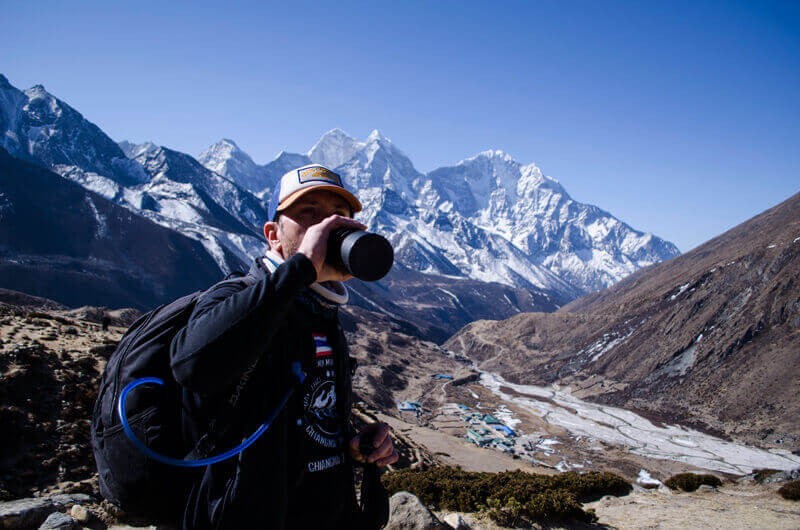
Many trekkers aim for around 2 to 3 litres of fluids during the day, and more when it’s hot or the walking is hard. Your needs depend on your body size, how hard you’re working, the temperature and the altitude.
Don’t force down large amounts of water. Drink regularly and pay attention to thirst, the colour of your urine and how you feel. Hot drinks count too, and ginger tea, hot lemon and soup are easy ways to drink more when it’s cold.
Staying hydrated is important at altitude, but drinking extra water does not prevent acute mountain sickness (AMS). Gradual ascent and proper acclimatisation matter much more. See our altitude sickness guide.
What to Bring
- Two 1 litre bottles, or one bottle and a 2 litre hydration bladder. Insulated covers stop them freezing higher up.
- A filter, UV purifier or purification tablets. Carrying a second method as a backup is a good idea on longer or remote treks.
- Electrolyte tablets or powder for long days
- A wide-mouth bottle that can take hot water, if you want to use it as a hot water bottle at night. Close it securely.
In freezing conditions, hydration bladder tubes can freeze, so carry at least one insulated bottle at higher elevations. See our Nepal trekking packing list.
Why Refilling Matters
Plastic waste is a major challenge on Nepal’s trekking routes. Rubbish has to be collected and carried out through difficult mountain terrain, and remote areas have limited waste management. Carrying a reusable bottle and refilling it reduces the single-use plastic you create on the trek, and it’s cheaper for you too.
Frequently Asked Questions
Can you drink tap water on Nepal treks?
Not untreated. Fill up from the tap, then treat the water with a filter, UV purifier or tablets, or buy properly boiled water from your teahouse.
Is bottled water available on Nepal treks?
On many routes, yes, but it gets expensive higher up. In the Khumbu, single-use plastic bottles are restricted under local rules, so a reusable bottle is the better plan.
Is bottled water available on the Everest Base Camp trek?
Don’t rely on it. Single-use plastic bottles are restricted in the Khumbu under local rules introduced in 2020. Carry a reusable bottle and refill it with boiled or treated water.
What’s the best way to purify water while trekking in Nepal?
Many trekkers use a filter or UV purifier as their main method and carry purification tablets as a backup. Properly boiled water from teahouses is also generally considered safe.
How much does water cost on the Annapurna Circuit?
Roughly NPR 100 per litre lower down to NPR 300 or more at higher stops, depending on the village, the season and whether it’s bottled or boiled. Safe drinking water stations are usually much cheaper.
How much water should I drink while trekking in Nepal?
Many trekkers aim for around 2 to 3 litres of fluids a day, more when it’s hot or the walking is hard. Drink regularly, but don’t force excessive amounts. Extra water doesn’t prevent altitude sickness.
Are there water refill stations on the Annapurna Circuit?
Yes, in several villages, including Chame and Manang. Availability varies, so ask your guide or lodge where the nearest one is.
Planning a trek in Nepal?
Ask us anything about water, gear or which trek suits you. WhatsApp: +977 985 118 2718.
Ask us anything → Browse Nepal treks →