Money in Nepal for Trekkers: ATMs, Cash and How Much to Carry
Cash is easy to manage in Kathmandu and Pokhara, but trekking is different. Once you’re on the trail, you’ll pay for almost everything in Nepali rupees. ATMs are scarce and few places take cards. The safest plan is to withdraw enough cash before your trek and treat any mountain ATM as a backup.
Take out your trekking cash in Kathmandu or Pokhara before you start. With MountainKick, your package covers accommodation, permits, guide, porter and transport, but not trail meals.
Allow around $25 to $40 per trail day for food and personal spending, and more on higher routes like Everest Base Camp. Keep tips for your guide and porter separate.
Our advice is simple: assume there are no ATMs on your trek, and carry everything you need from Kathmandu or Pokhara.
- Currency: Nepali rupee (NPR)
- Best place to get cash: ATMs in Kathmandu (Thamel) and Pokhara (Lakeside)
- ATM limit: varies by bank and card. NPR 10,000 to 35,000 per withdrawal is common, but check the ATM screen for the current limit.
- ATM fee: commonly several hundred rupees per withdrawal, depending on the bank and card network, plus any fee charged by your own bank
- Cards on the trail: rarely accepted
- Working trail budget: $25 to $40 per day for food and extras
- Tips: carried in cash and given at the end of the trek
Last updated: October 2026
The Nepali Rupee
Nepal uses the Nepali rupee (NPR). Notes come in 5, 10, 20, 50, 100, 500 and 1,000 rupees. Exchange rates move, so check a current rate before you travel.
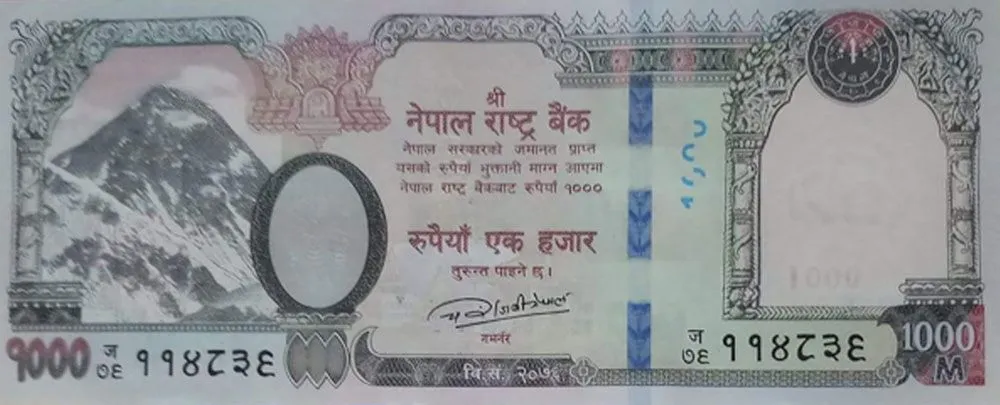
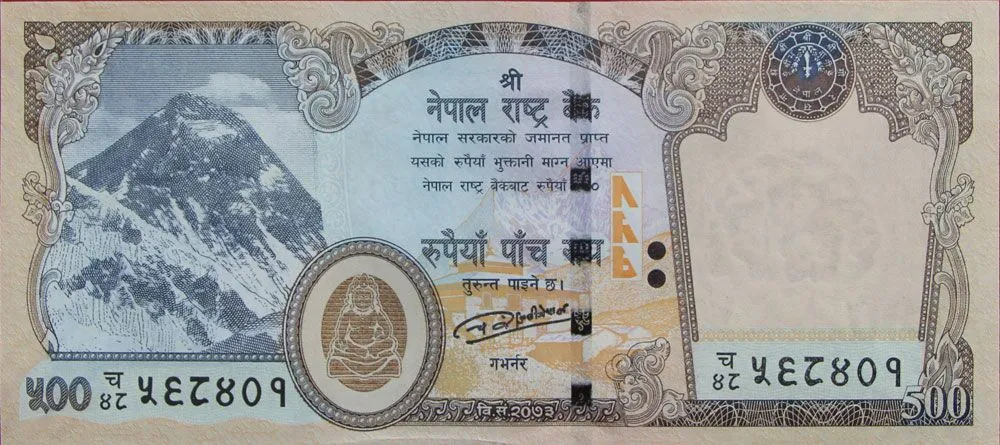
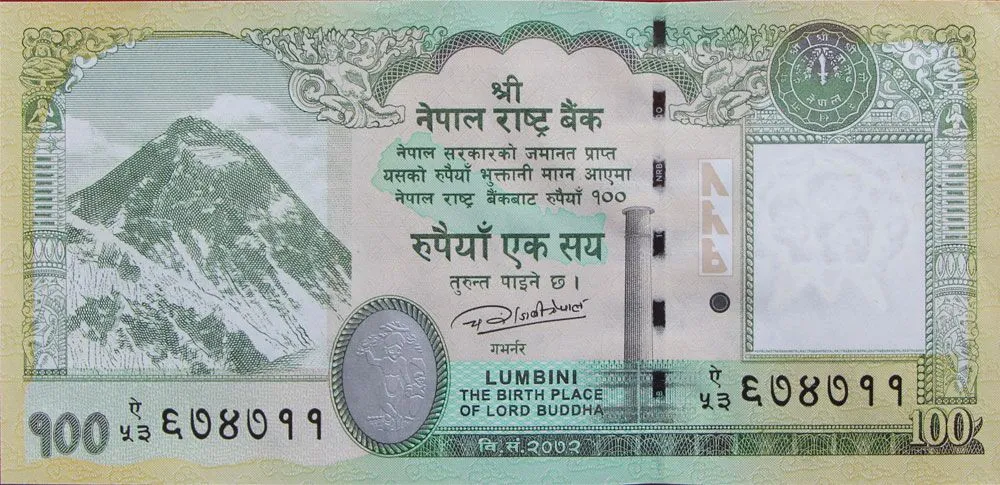
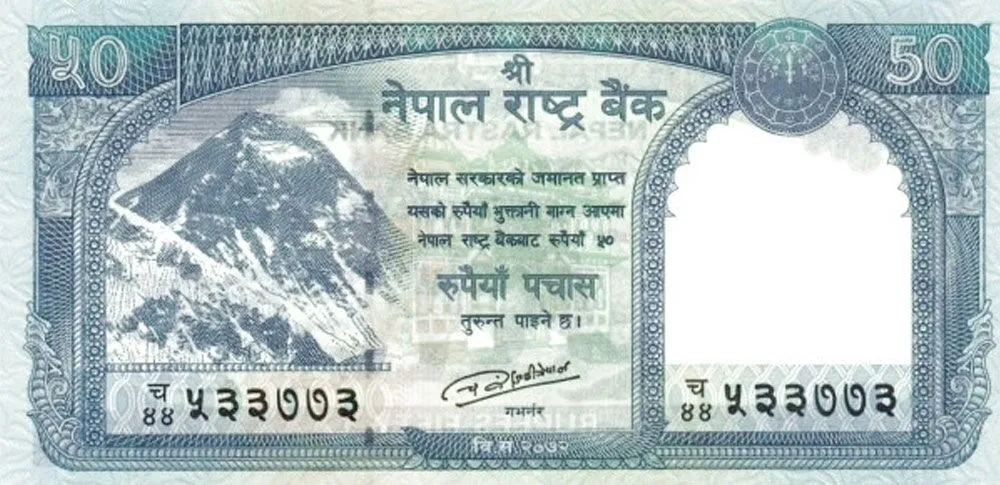
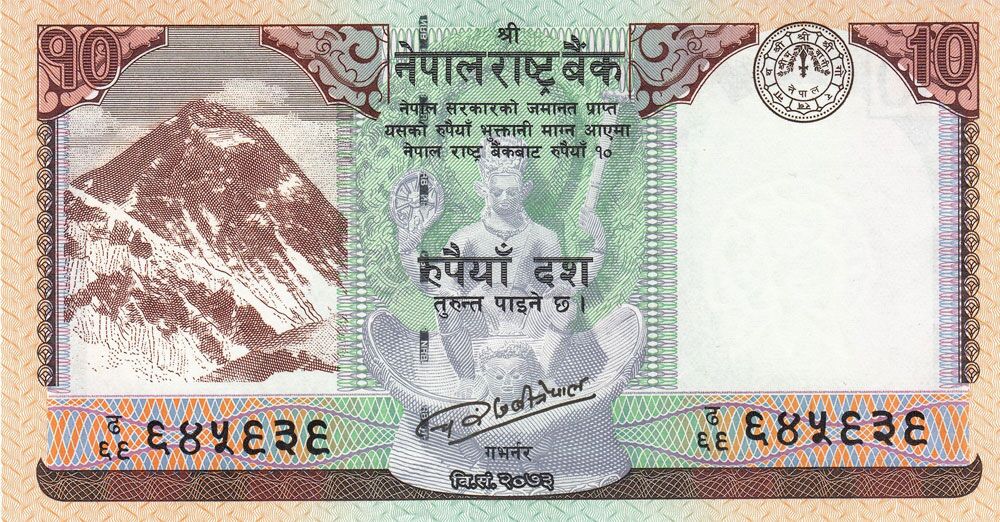
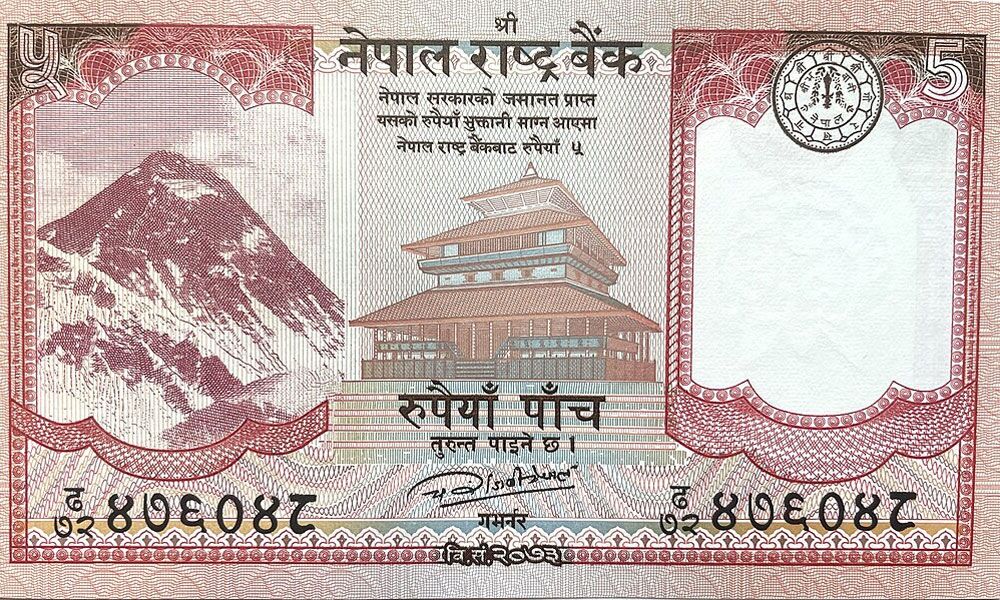
Small notes are worth having on the trail. Teahouses in remote villages may struggle to break a 1,000 rupee note, especially early in the season. When you withdraw, break some large notes in Kathmandu at a shop or restaurant.
ATMs in Kathmandu and Pokhara
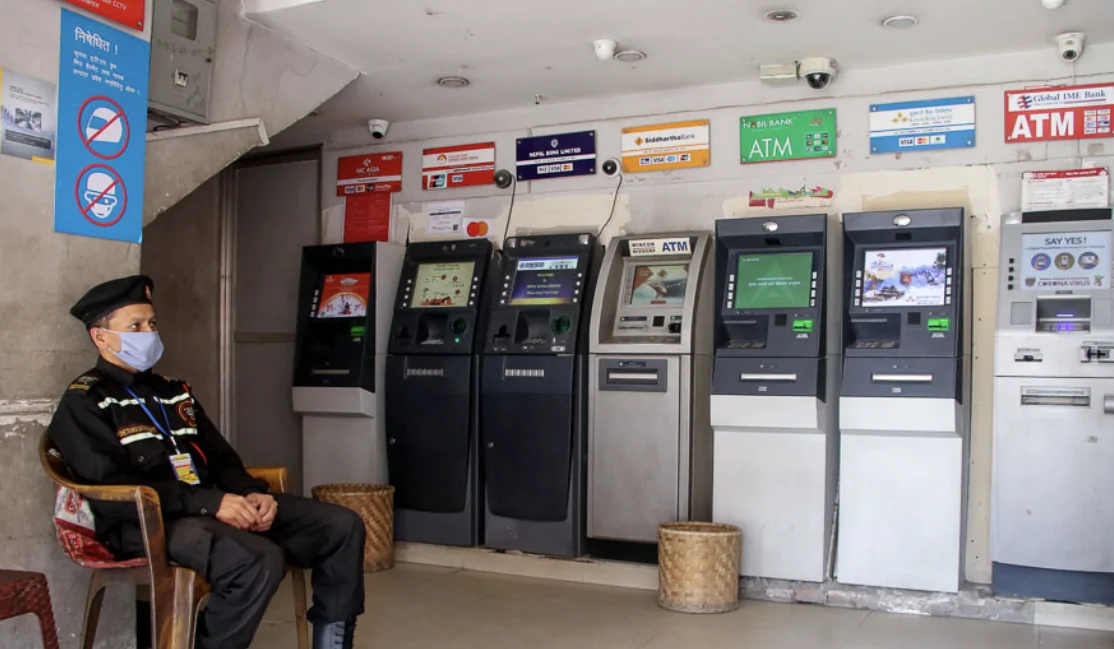
Thamel and Lakeside Pokhara have plenty of ATMs. This is where you should take out most or all of your trekking cash.
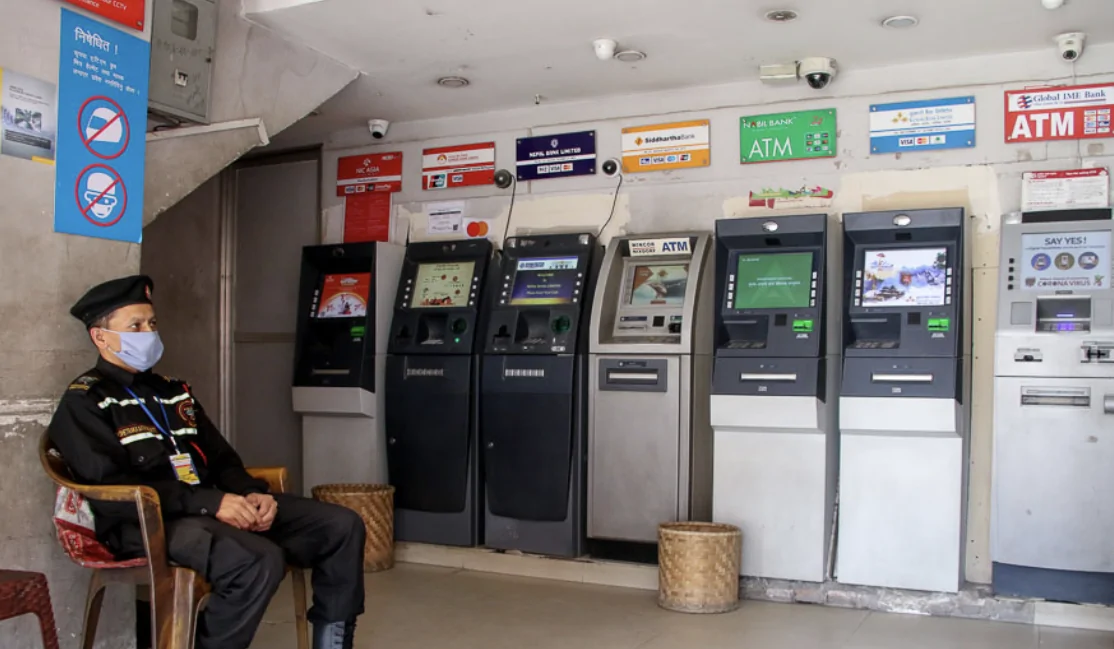
A few practical points:
- Make sure your card is enabled for international ATM withdrawals and that you know your PIN. Keep a second card as backup.
- Each withdrawal carries a local fee, so fewer, larger withdrawals usually cost less.
- Use ATMs attached to bank branches during opening hours where you can. If a machine keeps your card, getting it back is far easier.
- Visa cards tend to work at more Nepali ATMs than Mastercard. Bring both if you have them.
ATMs on the Trekking Routes
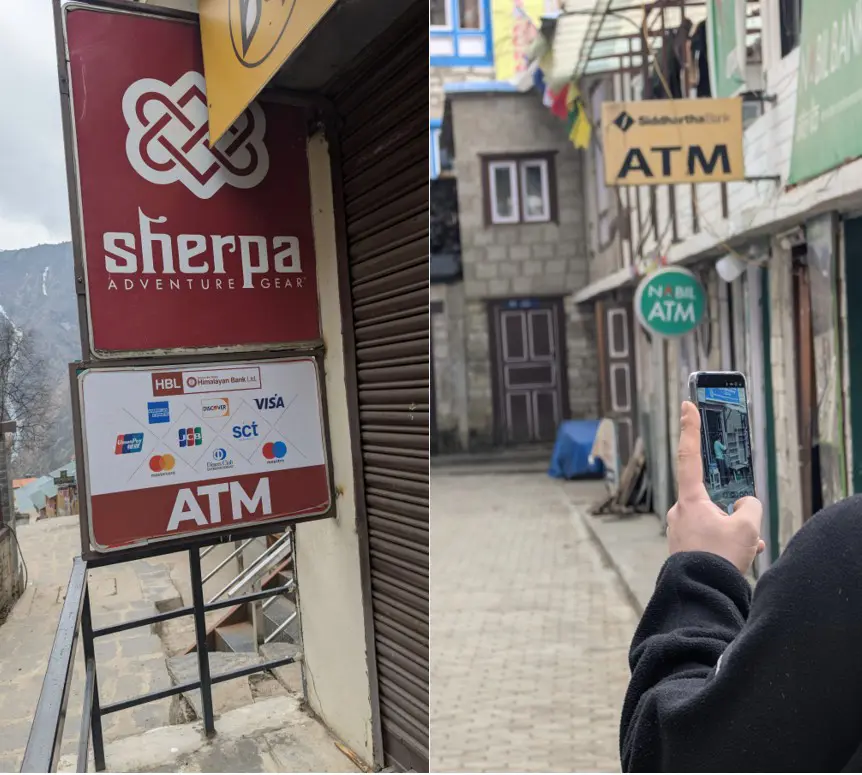
Some trekking villages have ATMs, but they run out of cash, go offline or reject foreign cards. Use them as a backup only.
| Route | ATM situation |
|---|---|
| Everest Base Camp | ATMs in Lukla and Namche Bazaar, but often unreliable. Nothing dependable above Namche. |
| Annapurna Base Camp | No reliable ATMs on the trail. Withdraw in Pokhara. |
| Annapurna Circuit | ATMs may be available in larger towns such as Jomsom, but don’t plan your trek around them. |
| Manaslu Circuit | No reliable ATM on the trekking route. Withdraw before starting. |
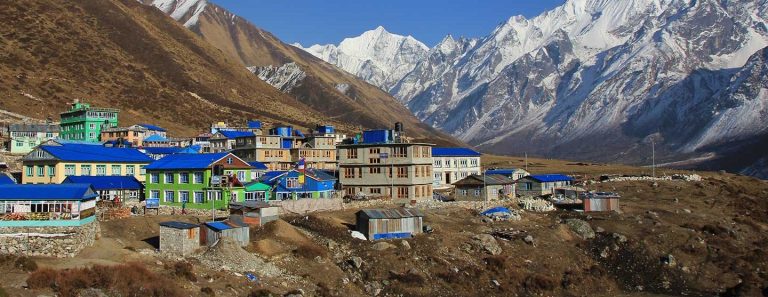
| Langtang Valley | No reliable ATMs on the trail. Withdraw in Kathmandu. |
| Upper Mustang | None reliable past Jomsom. |
Using Cards in Nepal
Hotels, larger restaurants and trekking shops in Kathmandu and Pokhara often accept cards, usually with a surcharge of around 3 to 4 percent. On the trail, very few teahouses take cards. A few in busy villages like Namche may, but don’t count on it.
Bringing US Dollars
US dollars are handy as a reserve. Money changers in Thamel and Pokhara exchange them easily, and clean, newer notes get the best rates. Torn or very old notes may be refused.
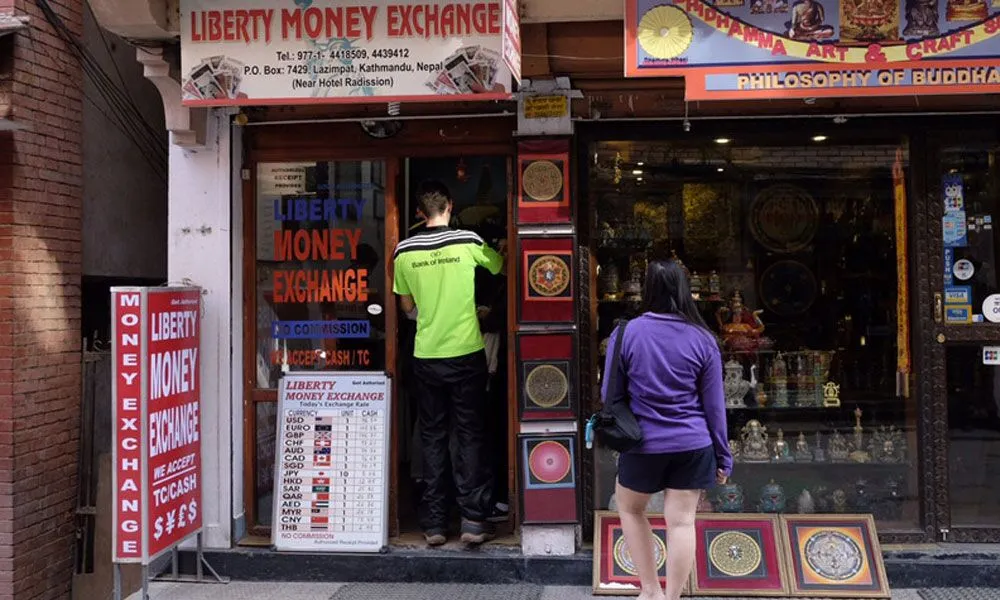
US dollars are also useful for visa and emergency expenses, although payment options at immigration can change. Check the latest Nepal immigration guidance before travelling.
On the trail, you’ll still need rupees. Teahouses price everything in NPR.
Indian Rupees in Nepal
Indian rupees are widely used in Nepal, but there are limits on which notes you can bring.
- ₹100 and smaller notes are accepted.
- Under the rules published in Nepal’s Gazette on 11 February 2026, ₹200 and ₹500 notes issued on or after 9 November 2016 are now allowed, up to ₹25,000 per person.
- Pre-November 2016 ₹500 and ₹1,000 notes remain prohibited in Nepal.
These rules can change, so Indian travellers should check the latest Nepal Rastra Bank guidance before travelling.
How Much Cash Should You Carry?
A simple formula works for most treks:
Cash to carry = daily trail spending × trail days + tips + emergency reserve
For example, 12 days at $35 a day comes to about $420. Add your guide and porter tips and a small reserve on top.
If you’re travelling with MountainKick, check exactly what your package includes before deciding how much to withdraw. You don’t want to carry cash for costs that are already covered.
How Much Cash to Carry for Each Trek
These figures assume a MountainKick package covering accommodation, permits, guide, porter and transport. They cover your own trail spending on meals, drinks and personal extras, but not tips. Treat them as a rough guide. What you spend depends a lot on the region and how high you go.
| Trek | Trail spending | Tips (guide and porter) |
|---|---|---|
| Everest Base Camp | $300 to $500 | $150 to $300 |
| Annapurna Base Camp | $200 to $400 | $80 to $150 |
| Annapurna Circuit | $300 to $500 | $120 to $250 |
| Manaslu Circuit | $350 to $550 | $150 to $300 |
| Langtang Valley | $175 to $300 | $70 to $140 |
Prices change from region to region. Everest and the upper Annapurna Circuit cost more than lower routes like Langtang or Annapurna Base Camp, and prices go up the higher you climb. Drinks and snacks are where most trekkers spend more than they planned. A soft drink, beer or chocolate bar can cost several times what it does in Kathmandu, because everything is carried up by porter or mule.
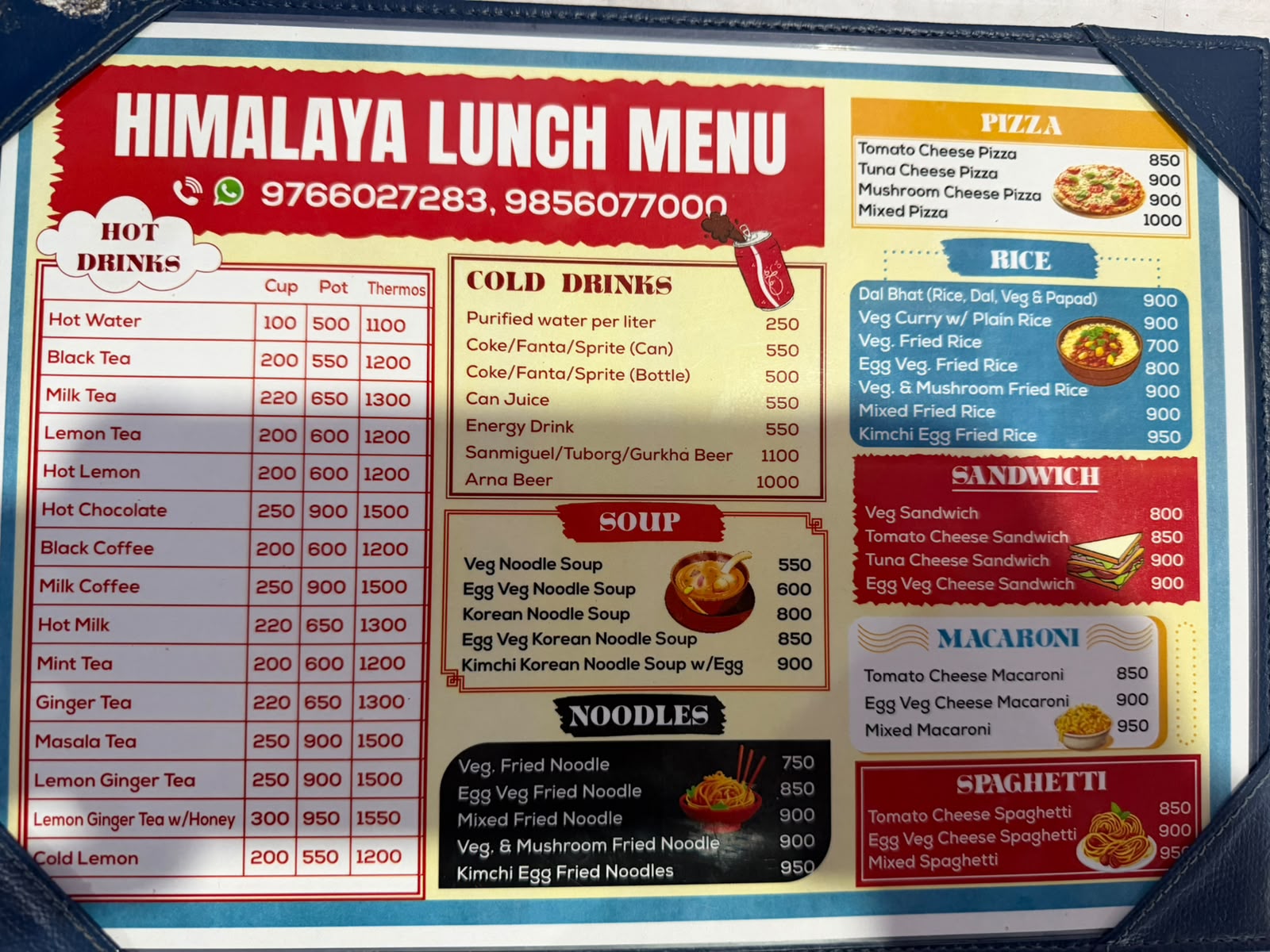
For full trek budgets, see our Everest Base Camp trek cost, Annapurna Base Camp trek cost, Annapurna Circuit trek cost and Manaslu Circuit trek cost guides.
What You’ll Spend Money On
- Drinks: soft drinks, beer and bottled water get expensive higher up
- Snacks: chocolate, biscuits and crisps
- Meals and hot drinks at teahouses
- Hot showers
- Phone and battery charging
- Wi-Fi
- Small donations at monasteries
Tips for Guides and Porters
Tips are given in cash at the end of the trek, usually in rupees. Set this money aside at the start so you don’t spend it by accident. For suggested amounts, see our guide on how much to tip guides and porters in Nepal.
Keeping Your Cash Safe
Keep your main cash secure in your daypack or a personal valuables pouch, and carry only the amount you expect to spend that day. Keep an emergency reserve separately. Teahouse rooms are basic and often don’t lock well, so don’t leave cash in your room.
Frequently Asked Questions
Are there ATMs on Nepal treks?
A few. Lukla and Namche Bazaar have ATMs on the Everest route, and larger towns like Jomsom may have them on the Annapurna Circuit. They’re often unreliable, so withdraw your trekking cash before you start.
How much cash do I need for a Nepal trek?
Around $25 to $40 per trail day for food and extras, with a package covering accommodation, guide, porter and transport. Add tips and a small reserve. Higher and more remote regions cost more.
What if I run out of cash on the trek?
If you’re trekking with MountainKick, your guide can usually lend you cash, and you repay it once you’re back in town. It’s still best to carry enough for the whole trek, since ATMs on the trail are unreliable.
Can I use a credit card on the trail?
Rarely. A few teahouses in busy villages may accept cards, but most only take cash.
Should I bring US dollars or Nepali rupees?
Both. Bring a card to withdraw rupees in Kathmandu, plus some US dollars as a reserve. On the trail you’ll need rupees.
Can I use Indian rupees in Nepal?
Yes, within limits. ₹100 and smaller notes are accepted, and ₹200 and ₹500 notes issued after November 2016 are allowed up to ₹25,000 per person. Check current Nepal Rastra Bank guidance before you travel.
Do I tip in rupees or dollars?
Either works, but rupees are usually easier for guides and porters to use.