Annapurna Circuit Without the Road: How to Avoid the Jeep Track
Yes, the Annapurna Circuit is still worth doing, but you need to plan around the road. Dirt roads now run from Besisahar up to Manang on the east side, and from Beni up to Muktinath on the west side. Only the high section over Thorong La has no road at all.
There are two good ways to avoid most of the road. Drive the lower road sections and walk the high trail in between, which is what our 16-day trek does. Or walk the whole circuit on the NATT trails and village paths, which takes about three weeks and is what our 21-day classical trek does.
Neither option is completely road-free. The difference is how much road you walk on and which trails you take instead.
- East side road: Besisahar to Manang, a rough jeep track
- West side road: Beni to Jomsom and up to Muktinath
- No road: Manang over Thorong La to Muktinath
- Best trail away from the road: Upper Pisang, Ghyaru and Ngawal
- NATT trails: marked with red and white or blue and white paint
- Shorter option: 16 days, driving the lower road sections
- Full walking option: about 21 days
- Last updated: October 2026
In This Guide
What Happened to the Annapurna Circuit?
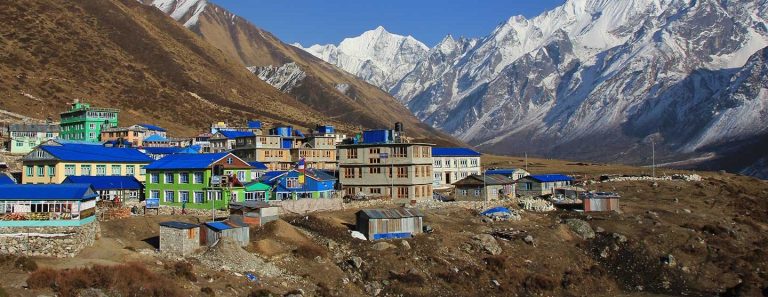
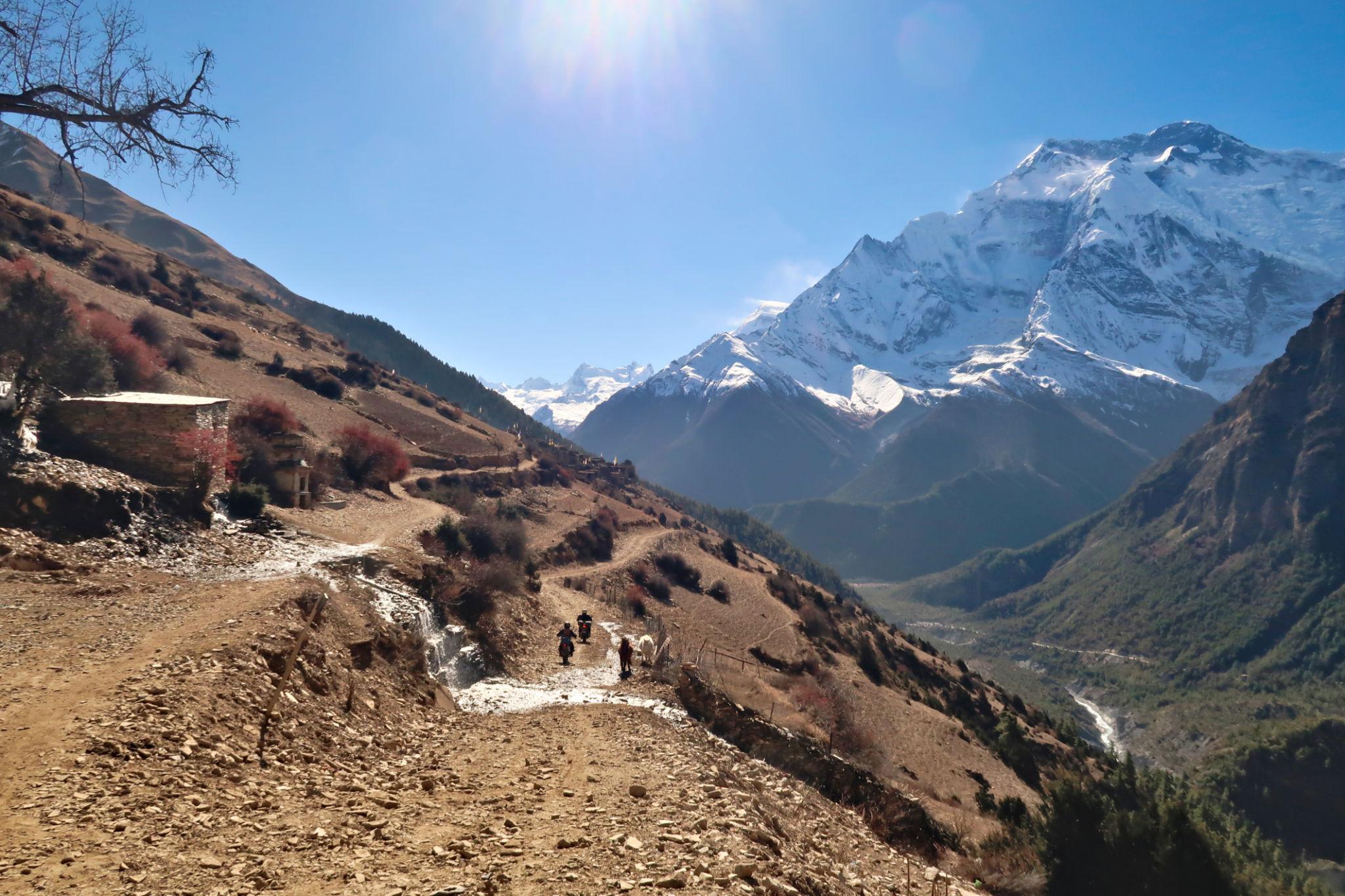
For decades the circuit was a three week walk with no roads at all. Since around 2008, dirt roads have been built up both valleys. Today jeeps can reach Manang on one side and Muktinath on the other.
Most of the road is a rough dirt track, and on many days traffic is light. But some old trail sections became the road itself. That means dust in dry weather, jeeps and motorbikes, and landslides in the monsoon. It is why so many trekkers now ask if the circuit is still worth it.
The good news is that the best part of the circuit, the high country from Pisang over Thorong La, still has excellent trails away from the road.
What Are the NATT Trails?
NATT stands for New Annapurna Trekking Trails. They are footpaths marked to give trekkers a way around the road. Most use old village paths on the other side of the river, or climb higher through villages the road does not reach.
They are marked with red and white or blue and white paint on rocks, walls and trees. The markings are not perfect. Some junctions are easy to miss, especially in bad weather or after snow, and landslides can close a section for a while. This is one of the places where a guide who knows the current trail really helps.
Where the Road Is and How to Avoid It
| Section | Road? | Trail away from the road? |
|---|---|---|
| Besisahar to Dharapani | Yes, the whole way | Partly. Some paths on the other side of the river, but you share the road on some stretches. |
| Dharapani to Chame | Yes | Partly. A higher trail via Timang avoids some of it. |
| Chame to Pisang | Yes, to Lower Pisang | Yes. Take the high trail to Upper Pisang. |
| Pisang to Manang | Yes, on the valley floor | Yes. The high route through Ghyaru and Ngawal, the best section of the circuit. |
| Manang over Thorong La to Muktinath | No | No road at all |
| Muktinath to Jomsom | Yes | Yes. Cross the Lubra Pass via Lubra village. |
| Jomsom to Tatopani | Yes | Partly. Paths through Marpha, Tukche and Kalopani, sometimes on the far side of the river. |
| Tatopani to Ghorepani and Poon Hill | Partly | Yes. Walk up through the villages to Ghorepani and Poon Hill. |
Trails can change after landslides or new road work, so your guide will confirm the best option for your dates.
Option 1: Drive the Road, Walk the Best Part (16 Days)
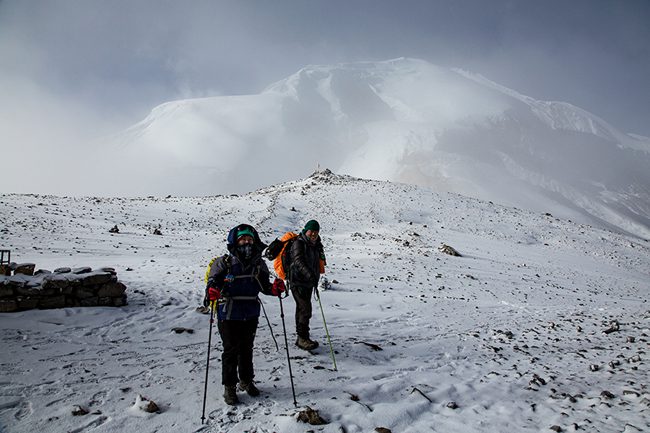
This is the best choice if you have about two weeks. You take a bus to Besisahar and a jeep to Chame at 2,670m, so you skip the dustiest part of the lower valley. Chame is still low enough for your body to start adjusting to the altitude slowly.
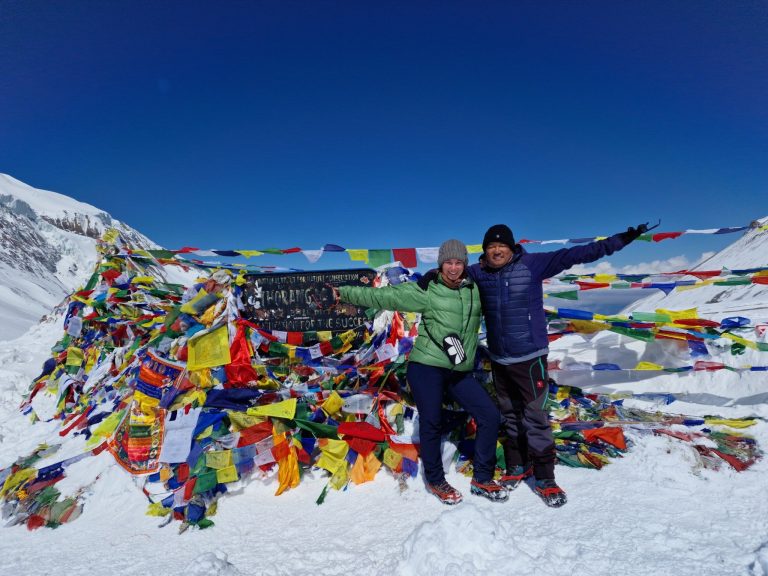
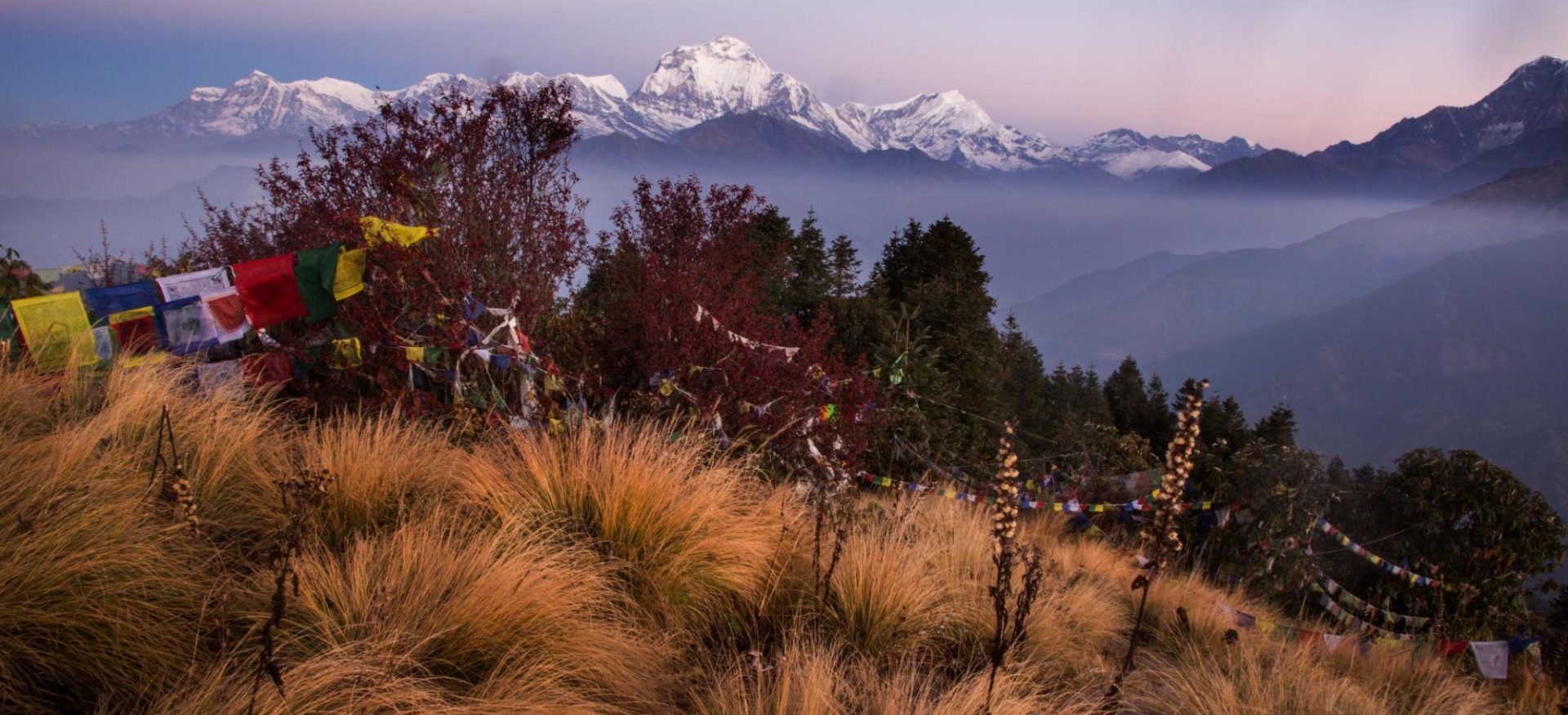
From Chame you walk the high trails to Upper Pisang, then through Ghyaru and Ngawal, with some of the best views of Annapurna II on the whole trek. After an acclimatisation day in Manang, you walk to Yak Kharka and Thorong Phedi and cross Thorong La at 5,416m to Muktinath. Then you keep walking to Kagbeni and Marpha before driving out to Pokhara.
You walk every day that matters and skip the parts that are now mostly road. See our 16-day Annapurna Circuit trek.
Option 2: Walk the Whole Circuit (21 Days)
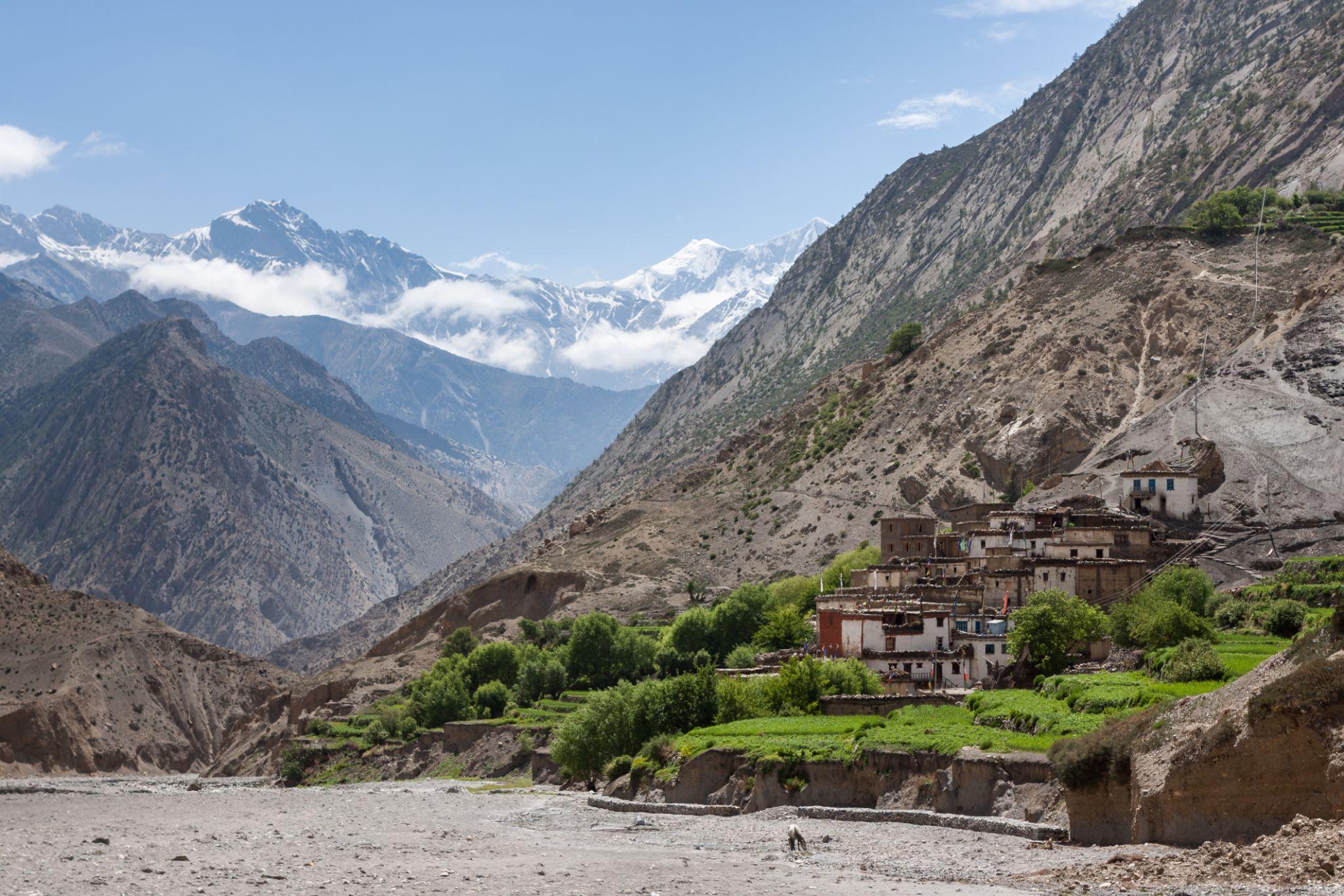
This is for trekkers who want the classic full walk and have three weeks. You start walking from Besisahar and use paths on the other side of the river where they exist. Higher up you take the same route through Upper Pisang, Ghyaru and Ngawal.
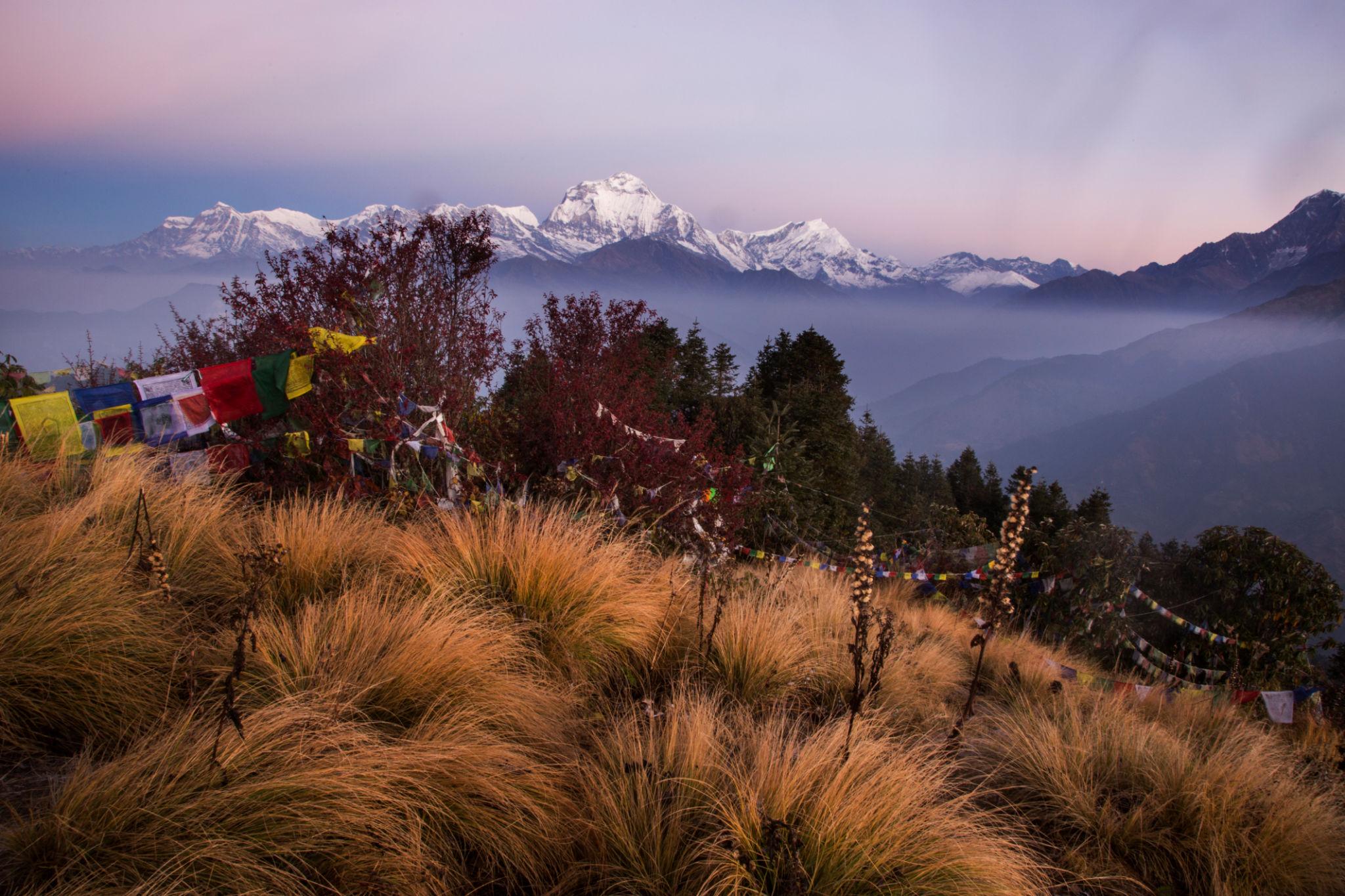
After Thorong La you cross the Lubra Pass instead of following the road to Jomsom. Then you walk down the Kali Gandaki through Marpha, Tukche and Kalopani to the hot springs at Tatopani, rest a day, and climb to Ghorepani for sunrise at Poon Hill.
To be honest about it, in the lower Marsyangdi valley you will still share the road on some stretches, because there is not a good trail on every section. The point of this trek is that you walk the circuit, not drive it. See our 21-day Annapurna Circuit classical trek.
Which Option Should You Choose?
- About two weeks, want the highlights: the 16-day trek
- Three weeks, want the full walk: the 21-day classical trek
- Want the Tatopani hot springs and Poon Hill too: the 21-day classical trek
- Worried about altitude: both have an acclimatisation day in Manang before the pass
Driving fast to high altitude to save time is a bad idea on any trek. Whatever you choose, make sure the itinerary gives you time to adjust before Thorong La.
Tips for Avoiding the Road
- Take the high route from Pisang to Manang. Check that your itinerary says Upper Pisang, Ghyaru and Ngawal.
- Ask which sections are walked. A cheap Annapurna Circuit package may walk the road most of the way. Ask where the trek uses the road and where it uses transport.
- Check the west side too. After Thorong La, ask if the trek follows the road to Jomsom or crosses the Lubra Pass.
- Walk early. Jeep traffic is usually lighter in the morning.
- Carry a buff. Even if you avoid most of the road, you will meet some dusty stretches.
Frequently Asked Questions
Is the Annapurna Circuit still worth doing?
Yes. Roads have changed the lower valleys, but the high section from Pisang over Thorong La is as good as ever, and NATT trails avoid much of the road.
Is the Annapurna Circuit completely road-free?
No. Roads reach Manang and Muktinath, and some trails share or cross the road. With the right itinerary you can avoid most road walking, but no honest operator can promise you will never see a road.
Where does the road go on the Annapurna Circuit?
From Besisahar up to Manang on the east side, and from Beni up to Jomsom and Muktinath on the west side. There is no road over Thorong La.
What are NATT trails?
NATT stands for New Annapurna Trekking Trails. They are footpaths marked with red and white or blue and white paint that give trekkers a way around the road on many sections.
How many days do you need to avoid the road?
About 16 days if you drive the lower road sections and walk the high trail. Around 21 days to walk the whole circuit, including Tatopani and Poon Hill.
Can you take a jeep on the Annapurna Circuit?
Yes. Jeeps run up to Manang on the east side and Muktinath on the west, depending on road conditions. Many trekkers drive to Chame to save time, but driving straight to high altitude is not safe, so keep enough days to acclimatise.