Kanchenjunga Circuit Trek Guide 2026: Itinerary, Permits and Difficulty
The Kanchenjunga Circuit is a 21-day trek in far eastern Nepal that visits both base camps of the world’s third highest mountain. You reach North Base Camp at Pangpema (5,143m) and South Base Camp at Oktang (4,730m), linked by the long Sele La pass day. It’s a hard, remote teahouse trek with very few other trekkers.
It’s a restricted area, so you need a licensed guide, a Restricted Area Permit and a Kanchenjunga Conservation Area Permit. The best months are October to mid November and March to May. You should have done at least one high altitude trek before, such as Everest Base Camp or the Manaslu Circuit.
- Region: Kanchenjunga Conservation Area, Taplejung, far eastern Nepal
- Duration: 21 days from Kathmandu, with 17 days on the trail
- Distance: about 200 to 220km
- Max altitude: 5,143m (16,873ft) at Pangpema North Base Camp
- Difficulty: hard. Previous high altitude trekking needed
- Start and finish: Sekathum to Yamphudin, via a flight to Bhadrapur and a drive to Taplejung
- Permits: Restricted Area Permit (USD 20 a week for the first 4 weeks) and KCAP (NPR 2,000)
- Guide: a licensed guide is required. Solo trekkers are allowed with a guide
- Best time: October to mid November, and March to May
- Crowds: very low
Last updated: October 2026
Most popular treks in Nepal are busy now. Everest, Annapurna and even Manaslu have good teahouses, steady crowds and plenty of signposts. Kanchenjunga is different.
The region only opened to foreign trekkers in 1988. Restricted area permits and the guide rule have kept numbers low ever since. In return you get a 21-day loop around the world’s third highest mountain, two base camps on opposite sides, and trails where you may not see another foreign trekker for days. This guide covers the route, the itinerary, how hard it is, permits, and whether you’re ready for it.
Planning the Kanchenjunga Circuit?
See the full itinerary, what’s included and how to book.
What Makes the Kanchenjunga Circuit Different
Most Nepal treks take you to one viewpoint of one mountain. The Kanchenjunga Circuit Trek shows you the same massif from two sides, joined by one of the hardest single days on any Nepal teahouse route.
Two base camps. Pangpema (5,143m) is on the north side. You look straight up at Kanchenjunga’s north face, with the glacier below you and Jannu (7,710m) nearby. Oktang (4,730m) is on the south side. From there you see four summits above 8,400m at once: Main (8,586m), Yalung Kang (8,505m), Central (8,482m) and South (8,476m).
The Sele La traverse. The day that links the two sides crosses a chain of passes between 3,900m and 4,663m. There are no teahouses on the way. It takes 8 to 10 hours, and it’s the day most people remember.
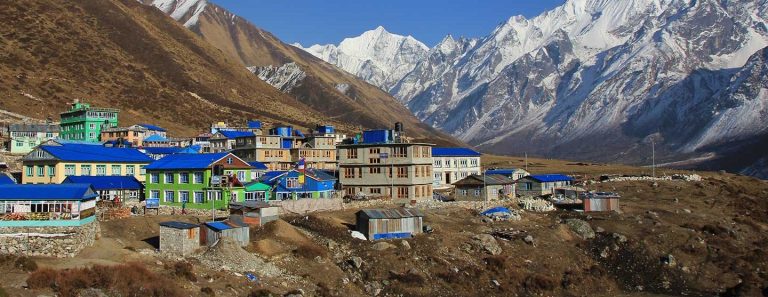
Different cultures. The lower villages are mostly Limbu and Rai, the Kirat peoples of eastern Nepal. Higher up, Ghunsa and the upper north valley are Tibetan Buddhist, with a working monastery, mani walls and yak herding. You walk through both on one route.
Real quiet. Between Khambachen and Ghunsa you may not pass another foreign trekker at all. This is what the busier regions felt like decades ago.
Kanchenjunga Circuit Trek Itinerary (21 Days)
This is the route we use. It goes up the north side first to Pangpema, comes back to Ghunsa, crosses the Sele La to the south side, visits Oktang, then walks out to Yamphudin.
| Day | Route | Altitude | Time |
|---|---|---|---|
| 1 | Arrive in Kathmandu | 1,345m | Transfer |
| 2 | Fly to Bhadrapur, drive to Taplejung | 1,820m | 45 min flight, 7 to 8 hr drive |
| 3 | Drive to Sekathum, short walk | 1,575m | 3 to 4 hr drive |
| 4 | Sekathum to Amjilosa | 2,520m | 5 to 6 hr |
| 5 | Amjilosa to Gyabla | 2,730m | 5 to 6 hr |
| 6 | Gyabla to Ghunsa | 3,595m | 6 to 7 hr |
| 7 | Acclimatisation day in Ghunsa | 3,595m | Optional hike |
| 8 | Ghunsa to Khambachen | 4,050m | 5 to 6 hr |
| 9 | Acclimatisation day in Khambachen | 4,050m | Optional hike |
| 10 | Khambachen to Lhonak | 4,780m | 5 to 6 hr |
| 11 | Day trip to Pangpema (North Base Camp) | 5,143m | 7 to 8 hr return |
| 12 | Lhonak back to Ghunsa | 3,595m | 6 to 7 hr |
| 13 | Ghunsa to Sele La high camp | 4,200m | 6 to 7 hr |
| 14 | Sele La traverse to Tseram | 4,663m high point, sleep 3,870m | 8 to 10 hr |
| 15 | Tseram to Ramche | 4,580m | 4 to 5 hr |
| 16 | Day trip to Oktang (South Base Camp) | 4,730m | 4 to 5 hr return |
| 17 | Ramche back to Tseram | 3,870m | 2 to 3 hr |
| 18 | Tseram to Tortong | 2,995m | 6 to 7 hr |
| 19 | Tortong to Yamphudin via Mamankhe | 1,690m | 5 to 6 hr |
| 20 | Drive to Bhadrapur, fly to Kathmandu | 1,345m | 6 to 7 hr drive, 45 min flight |
| 21 | Departure | 1,345m | Transfer |
Short on time? You can do the north side only, to Pangpema and back, in about 14 to 16 days. You skip the Sele La and Oktang. We can set that up as a custom trip.
How Hard Is the Kanchenjunga Circuit Trek?
It’s hard. We’ll be direct: this is not a trek for your first time at high altitude, however fit you are.
Here’s what makes it tough:
- Length. 17 days on the trail with no town to rest in and no easy way out. Tiredness builds up by the second week.
- Altitude. Several nights above 4,000m, including Lhonak at 4,780m and Ramche at 4,580m. The rest days at Ghunsa and Khambachen are for acclimatisation, not lazing about. See our altitude sickness guide for Nepal trekking for symptoms and prevention.
- Remoteness. There’s no road between Sekathum and Yamphudin, and phone signal is poor for most of the route. The health post at Ghunsa is the only medical help on the trail. A serious problem higher up may mean a helicopter, which depends on weather and is expensive.
- The Sele La day. About 12km, 8 to 10 hours, and no teahouse until Tseram. It comes on Day 14, after nearly two weeks of walking.
If you’ve done EBC and want something harder and quieter, this is where many experienced trekkers end up. See our guide to what to trek after Everest Base Camp for other options.
Kanchenjunga Circuit vs Everest Base Camp
Most people weighing up Kanchenjunga have already done EBC or are thinking about it. They’re very different trips, not just harder and easier versions of the same thing.
| Kanchenjunga Circuit | Everest Base Camp | |
|---|---|---|
| Duration | 21 days | 12 to 14 days |
| Max altitude | 5,143m (Pangpema) | 5,364m (Base Camp), 5,545m (Kala Patthar) |
| Difficulty | Hard | Moderate to hard |
| Crowds | Very low | Very high in peak season |
| Permits | Restricted Area Permit and KCAP | Sagarmatha National Park and Khumbu municipality |
| Base camps | Two (north and south) | One |
| Experience needed | Previous high altitude trek | Can be a first big trek with good preparation |
| Hardest day | Sele La traverse | Gorak Shep and Base Camp day |
| Teahouses | Basic, very basic above Ghunsa | Good all the way up |
Everest Base Camp is the classic first high altitude trek in Nepal. It’s well run and busy. Kanchenjunga is the step after that, for people who want a harder route and real solitude.
Kanchenjunga Circuit vs Manaslu Circuit
The Manaslu Circuit Trek is the trek we most often suggest before Kanchenjunga. We compare Manaslu with the Annapurna Circuit in our Manaslu vs Annapurna Circuit guide. Here’s how it stacks up against Kanchenjunga:
| Kanchenjunga Circuit | Manaslu Circuit | |
|---|---|---|
| Duration | 21 days | 15 days |
| Max altitude | 5,143m (Pangpema) | 5,160m (Larkya La) |
| Teahouses | More basic above Ghunsa | Better set up throughout |
| Hardest day | Sele La traverse, 8 to 10 hr | Larkya La crossing |
| Crowds | Very low | Low to moderate |
| Good for | After Manaslu or similar | A first remote trek after EBC |
Doing Manaslu first makes Kanchenjunga much easier to handle. You’ll know how you cope with altitude, basic teahouses and long days.
The Sele La Traverse: What to Expect
The Sele La is the day that defines this trek. You leave the high camp at about 4,200m and cross a chain of passes heading south into the Yalung valley. On our route these are Tamo La, Mirgin La and Sinion La, with Mirgin La the highest at about 4,663m. Some maps name and measure the passes differently, but the day is the same.
On a clear day the views from the top passes take in Kanchenjunga, Jannu, Makalu and sometimes Everest. Then comes a long descent to Tseram at 3,870m.
No single part is the problem. It’s everything together: the altitude, about 12km of walking, no shelter or food on the way, and the fact that it comes after two weeks on the trail. Most groups start by 5am. Carry a packed lunch and 3 to 4 litres of water.
Pangpema vs Oktang: Which Base Camp Is Better?
They’re very different, which is why the full circuit is worth it.
Pangpema, North Base Camp (5,143m)
You walk up from Lhonak along the Kanchenjunga Glacier. At Pangpema the north face fills the view, with Kangbachen (7,903m), Kirat Chuli (7,365m) and the Gimmigela peaks around it. It’s raw and close. You’re already sleeping at 4,780m, so take the climb slowly.
Oktang, South Base Camp (4,730m)
You walk from Ramche over moraine above the Yalung Glacier. From Oktang you see four of Kanchenjunga’s five summits at once, with Kabru (7,412m) and Rathong (6,678m) nearby. For the sheer size of the view, many trekkers think Oktang is the more striking of the two.
Put simply, Pangpema is more intense and Oktang is more complete. The full circuit gives you both.
Acclimatisation on the Kanchenjunga Circuit
The itinerary has two acclimatisation days. Use them well. They’re not lazy days.
Ghunsa (3,595m), Day 7. Ghunsa is the biggest village in the upper valley and has the best teahouses above Taplejung. Most people hike up to about 4,000m on the ridge above the village and come back down to sleep. Charge everything here. Power is unreliable until you return to Ghunsa.
Khambachen (4,050m), Day 9. A common hike goes towards Jannu Base Camp at about 4,420m, then back to Khambachen to sleep. This helps your body adjust before Lhonak and Pangpema.
How to Get to the Kanchenjunga Trek
The trailhead is a long way from Kathmandu, and it takes two days to get there. A late flight affects the whole itinerary, so it’s worth knowing how it works. Our Kathmandu to Taplejung guide covers every option in detail.
- Fly Kathmandu to Bhadrapur (about 45 minutes). Bhadrapur is in the eastern lowlands. These flights are more reliable than mountain airstrips, but delays still happen.
- Drive Bhadrapur to Taplejung (7 to 8 hours). The road climbs through tea gardens and Limbu villages. Taplejung is the last town with ATMs, good internet and proper hotels.
- Drive Taplejung to Sekathum (3 to 4 hours by jeep). Sekathum (1,575m) is the trailhead, where the Ghunsa Khola meets the Tamor river.
- Return from Yamphudin. The trek ends at Yamphudin. Drive to Bhadrapur (6 to 7 hours, leave early) and fly back to Kathmandu.
There are also some direct flights from Kathmandu to Suketar near Taplejung, but they run on a limited schedule and are often cancelled.
Kanchenjunga Trek Permits and Fees
You need two permits. Both are arranged by a registered trekking agency.
| Permit | Fee for foreigners | Notes |
|---|---|---|
| Kanchenjunga Restricted Area Permit | USD 20 per week for the first 4 weeks, then USD 25 per week | About USD 60 for the 3 weeks of a normal circuit |
| Kanchenjunga Conservation Area Permit (KCAP) | NPR 2,000 | Covers the 2,035 sq km conservation area |
Licensed guide. The Restricted Area Permit is only issued for trekkers booked through a registered agency with a licensed guide. You can’t trek here on your own.
Solo trekkers are now allowed. Until 2026, restricted area permits needed at least two trekkers. That rule was dropped in March 2026, so you can now get the permit alone. You still need the guide and the agency.
We arrange all permits as part of the trek. You’ll need to send your passport details and photos before you arrive, and your guide handles the checkpoints. Fees can change, so check our Nepal trekking permits 2026 guide for the latest rules.
How Much Does the Kanchenjunga Trek Cost?
We quote the Kanchenjunga Circuit for each group, because the price depends a lot on group size and dates. A package usually covers permits, your guide and porters, domestic flights, jeeps, hotels and teahouse rooms.
The things that change the price most are:
- Group size. The guide, jeeps and permits cost about the same for one person or four, so the price per person drops a lot in a group.
- Getting there. The Bhadrapur flights and two long jeep drives each way add more than on most treks.
- Length. At 21 days, you pay for more days of guide and porter wages, and the permit fee is weekly.
- Food. Food costs more as you go higher, since everything is carried in.
Budget separately for your Nepal visa, international flights, gear, tips and travel insurance. For a current price for your dates, ask our team.
Best Time for the Kanchenjunga Circuit Trek
October to mid November (best). Clear skies, dry trails and open teahouses. October is usually the most reliable month. After mid November, some teahouses above 3,500m start to close, and snow on the passes can make the Sele La serious.
March to May (second best). The rhododendrons below 3,500m are in bloom from late March. Days are longer, but clouds build earlier in the day than in autumn. April is usually the best spring month.
June to August (avoid). This is the monsoon. Trails are slippery, rivers run high, there are leeches low down, and you see very little.
December to February (not recommended). High teahouses close, and deep snow can block the Sele La.
People and Wildlife on the Circuit
The people
Limbu and Rai villages. The lower villages, especially on the south side towards Yamphudin, are mostly Limbu and Rai. These are Kirat communities with their own languages, beliefs and building styles. Mamankhe is a good example of a traditional Limbu village and worth a short stop.
Tibetan Buddhist villages. Ghunsa and the upper north valley are Tibetan Buddhist. You’ll see a working monastery, long mani walls and prayer wheels, and people who live by yak herding and trade. Visitors are welcome at the monastery.
Wildlife
The Kanchenjunga Conservation Area is rich in wildlife. Blue sheep are the animal you’re most likely to see, often on the slopes between Khambachen and Pangpema. Snow leopards live here but are very rarely seen. Red pandas live in the lower forests. Watch at dawn and dusk.
Birdlife is good around the lower Yalung valley and Yamphudin. Look out for the Himalayan monal (Nepal’s national bird), blood pheasants and birds of prey. The range sits on the border with Sikkim in India, and animals move freely across it.
Travel Insurance for the Kanchenjunga Circuit
Insurance matters more here than on most Nepal treks. Your policy must cover trekking to at least 5,500m and helicopter evacuation.
Because the region is so far from Kathmandu, a helicopter rescue can cost several thousand dollars, often more than from the Everest or Annapurna regions. Many basic policies cap helicopter cover below what you’d actually need. Read the policy and check with your insurer before you buy.
See our travel insurance guide for Nepal trekking for what to look for. We ask to see proof of cover before the trek starts.
Is the Kanchenjunga Circuit Trek Right for You?
Be honest with yourself before you book.
You’re ready if
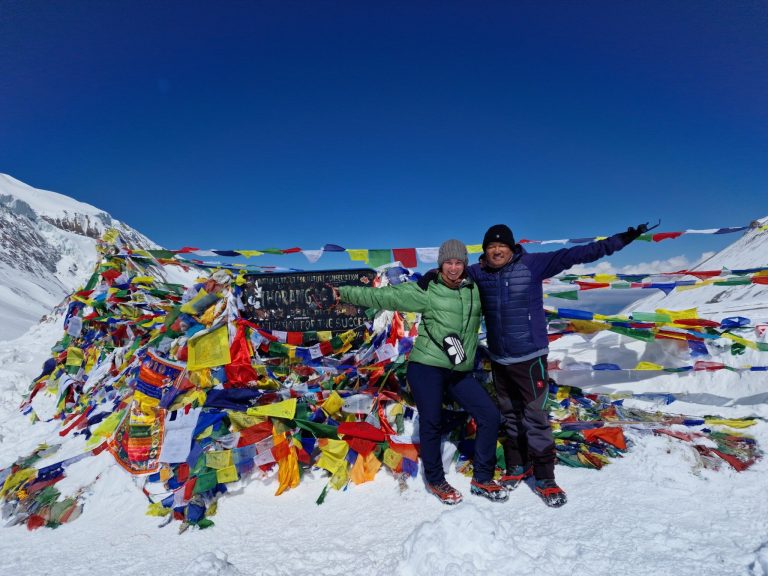
- You’ve done at least one big high altitude trek in Nepal, like EBC, Manaslu or the Annapurna Circuit over Thorong La
- You’ve been above 4,000m and know how your body copes
- You have 21 days plus a spare day or two
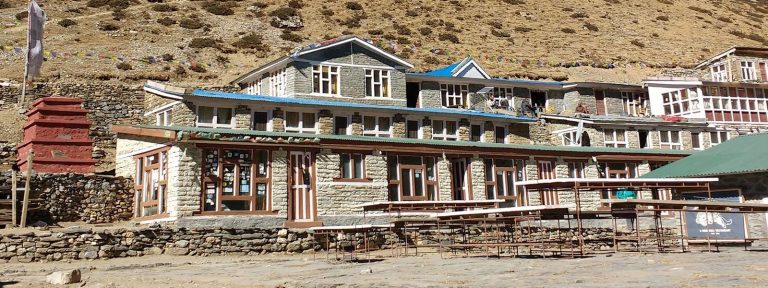
- You’re fine with very basic teahouses above Ghunsa
- You have insurance that covers helicopter rescue
You’re not ready yet if
- This would be your first trek in Nepal
- You’ve never been above 3,500m
- You have no flexibility around the Bhadrapur flights
- You expect Everest or Annapurna style teahouses all the way
If you’re working up to it, the Manaslu Circuit Trek is the best step before Kanchenjunga. Our Nepal trekking guide covers the full range, from beginner treks to remote ones.
Frequently Asked Questions
How long is the Kanchenjunga Circuit Trek?
21 days from Kathmandu, with 17 days on the trail. The route covers about 200 to 220km. A north side only trek to Pangpema takes about 14 to 16 days.
Is the Kanchenjunga trek harder than Everest Base Camp?
Yes, overall. EBC goes a little higher, but Kanchenjunga is longer, more remote, has more basic teahouses and includes the 8 to 10 hour Sele La day. Most people do EBC or Manaslu first.
Can beginners do the Kanchenjunga trek?
We don’t recommend it. You should have done at least one high altitude trek and spent time above 4,000m before you try Kanchenjunga.
Do you need a guide for the Kanchenjunga Circuit Trek?
Yes. It’s a restricted area, and the permit is only issued through a registered agency with a licensed guide. Since March 2026 solo trekkers can get the permit, but they still need a guide.
What permits do you need for the Kanchenjunga trek?
A Restricted Area Permit and a Kanchenjunga Conservation Area Permit (KCAP). The Restricted Area Permit is USD 20 per week for the first 4 weeks, and KCAP is NPR 2,000 for foreigners. Your agency arranges both.
How much does the Kanchenjunga Circuit Trek cost?
We quote it for each group, because the price depends mostly on group size and dates. The package can include permits, guide, porters, domestic flights, jeeps and rooms. Budget separately for your visa, international flights, gear, tips and insurance.
What is the Sele La traverse?
It’s the day that links the north and south sides of the circuit. You cross a chain of passes up to about 4,663m, walk about 12km in 8 to 10 hours and pass no teahouses until Tseram. It comes on Day 14.
What is the difference between Pangpema and Oktang?
Pangpema (5,143m) is North Base Camp, with close views of the north face. Oktang (4,730m) is the South Base Camp viewpoint, where you see four of Kanchenjunga’s summits at once. The full circuit visits both.
Can I do just Kanchenjunga North Base Camp?
Yes. A trek from Sekathum to Pangpema and back takes about 14 to 16 days and skips the Sele La and Oktang. We can arrange it as a custom trip.
What is the accommodation like on the Kanchenjunga Circuit?
Simple teahouses the whole way, with twin rooms and shared toilets. Ghunsa has the best lodges and power for charging. Above Ghunsa, places like Lhonak and Ramche are very basic and nights are below freezing. Bring a sleeping bag rated to about -15°C.
When is the best time for the Kanchenjunga trek?
October to mid November is best, followed by March to May. Avoid the monsoon from June to August, and winter, when snow can block the Sele La.
When should I book the Kanchenjunga Circuit Trek?
For October, book by July. Guides with Kanchenjunga experience get booked up in autumn. Spring trips can be booked later, but April fills fast. Contact us to check dates.
Ready for the Kanchenjunga Circuit?
If you’ve read this far, you know it isn’t a casual trek. That’s the point. See the full 21-day itinerary, what’s included and how to book.
Not sure you’re ready? Ask our team and we’ll give you a straight answer.