Off the Beaten Path Treks in Nepal: 5 Routes Worth Knowing
Most people who trek Nepal for the first time do Everest Base Camp or Annapurna Circuit. Both are excellent, that’s why they’re popular. But Nepal has more trekking routes than almost any country on earth, and several of them offer comparable or better scenery, more intact cultures, and a fraction of the foot traffic of the main routes.
The five treks below are not obscure. They’re well-established routes with proper infrastructure and licensed guides. What they share is significantly lower visitor numbers, partly because they require restricted area permits, partly because they’re harder to find information on, and partly because most operators don’t promote them as heavily as EBC or Annapurna.
If you’ve done the main routes and want something different, or if you’re planning a first Nepal trip and want to avoid peak-season crowds, these are worth knowing about.
In this guide:
- Nar Phu Valley Trek — 19 days
- Tsum Valley Cultural Trek — 20 days
- Upper Mustang Trek — 17 days
- Langtang, Gosainkunda & Helambu Trek — 16 days
- Nepal Adventure and Foothills Trek — 12 days
- Permits and practical information
- Frequently asked questions
1. Nar Phu Valley Trek — 19 Days

The Nar Phu Valley sits between the Annapurna and Manaslu regions and was closed to foreign visitors until 2003. It branches off the standard Annapurna Circuit route at Koto and enters a restricted area that sees fewer than 500 trekkers per year compared to tens of thousands on the main Annapurna Circuit nearby.
The two villages of Nar and Phu are among the most intact Tibetan-influenced settlements in Nepal. The architecture, the monasteries, and the way of life in both villages have changed very little over the past few centuries. The landscape shifts from forest and river valley to high-altitude desert as you gain elevation, with views of Annapurna II, Gangapurna, and Tilicho emerging as you climb.
The highest point is the Kang La Pass at 5,400m (17,717ft), which requires a proper acclimatisation schedule. This is not a technically difficult route, no ropes or climbing equipment, but the altitude and remoteness mean it suits trekkers with some prior high-altitude experience.
Duration: 19 days
Difficulty: Moderate to challenging
Max altitude: 5,400m / 17,717ft (Kang La Pass)
Best season: March–May, September–November
Permit required: Nar Phu Restricted Area Permit (~$100 USD/week) + Annapurna Conservation Area Permit
Annual trekkers: Under 500
Access: Drive Kathmandu to Koto, then trek
If you’re weighing this against other Annapurna region options, our Annapurna Circuit vs ABC guide covers the more established routes nearby.
View full Nar Phu Valley Trek itinerary →
2. Tsum Valley Cultural Trek — 20 Days

Tsum Valley is a side valley off the Manaslu Circuit in the northern Gorkha district. It’s considered a sacred “beyul,” a hidden valley blessed in the Tibetan Buddhist tradition, and the local Tsumba people have maintained a distinct culture, language, and set of customs largely separate from the rest of Nepal.
The valley contains two of the most significant monasteries in the region, Mu Gompa and Rachen Gompa, along with hundreds of prayer walls, chortens, and mani stones lining the trails. The upper valley offers views of Ganesh Himal, Sringi Himal, and Boudha Himal. Wildlife in the valley includes blue sheep, musk deer, and snow leopards, sightings of the latter are rare but documented.
Unlike most Nepal treks, Tsum Valley is partially sheltered from monsoon rains by surrounding peaks, making it one of the few routes where June–August trekking is possible. The summer months are quieter and offer lush green landscapes that look very different from the autumn and spring versions of the same trail.
Duration: 20 days
Difficulty: Moderate
Max altitude: ~4,700m (upper valley)
Best season: March–May, September–November (summer possible)
Permit required: Tsum Valley Restricted Area Permit + Manaslu Conservation Area Permit
Annual trekkers: Under 2,000
Access: Drive Kathmandu to Arughat or Soti Khola, then trek
Many trekkers combine Tsum Valley with the main Manaslu Circuit in one trip. See our Manaslu Circuit Trek Cost 2026 guide for how the two routes fit together and what a combined itinerary costs.
View full Tsum Valley Trek itinerary →
3. Upper Mustang Trek — 17 Days

Upper Mustang was an independent kingdom, the Kingdom of Lo, until it was formally integrated into Nepal in 2008. It was closed to foreign visitors until 1992 and still requires a restricted area permit that limits visitor numbers. The result is one of the best-preserved examples of Tibetan culture outside Tibet itself.
The landscape is unlike anywhere else in Nepal. The Mustang plateau sits in the rain shadow of the Annapurna and Dhaulagiri ranges, so while the rest of Nepal receives monsoon rain from June to August, Upper Mustang stays dry. The terrain is arid red and ochre canyon walls, ancient cave complexes with 15th-century murals, and the walled city of Lo Manthang at 3,840m with its royal palace still intact.
This is one of the few treks in Nepal that works well in summer. June, July, and August are quieter, drier, and often cheaper for flights and accommodation than the main October and spring peak. If you want Upper Mustang in relative solitude, a June or July departure is the smartest timing.
Duration: 17 days
Difficulty: Moderate
Max altitude: ~4,200m (Lo Manthang area)
Best season: June–August (rain shadow), March–May, October–November
Permit required: Upper Mustang Restricted Area Permit (USD 50 per person per day, no minimum stay, charged only for days spent in the restricted area) + Annapurna Conservation Area Permit
Annual trekkers: Under 3,000
Access: Flight Pokhara to Jomsom, then trek north
Upper Mustang is often paired with time on the Annapurna Circuit since both are accessed through the same region. For the current permit requirements and fees across all of these routes, see our Nepal Trekking Permits 2026 guide.
View full Upper Mustang Trek itinerary →
4. Langtang, Gosainkunda & Helambu Trek — 16 Days

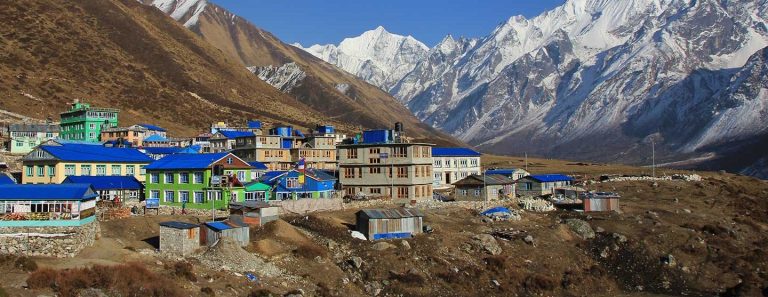
The Langtang Valley is the closest major trekking region to Kathmandu, you can be on the trail within a few hours of landing. But most people who visit Langtang stop at the valley itself. This 16-day route combines three distinct regions into a single traverse: the Langtang Valley with its Tamang villages and views of Langtang Lirung, the sacred Gosainkunda Lakes at 4,380m, and the Helambu region where Sherpa culture extends well south of the Khumbu.
The Gosainkunda Lakes are sacred to both Hindus and Buddhists. During the Janai Purnima festival in August, tens of thousands of Hindu pilgrims make the climb to the lakes. If you’re there at any other time, you’ll likely have them nearly to yourself. The crossing from Gosainkunda into Helambu is one of the better high passes in Nepal that receives relatively little attention.
This is a good first choice for trekkers who want genuine altitude and cultural depth without the crowds or cost of the Khumbu or Annapurna regions. No internal flights required, no restricted area permits, and the base price is lower than most comparable routes.
Duration: 16 days
Difficulty: Moderate
Max altitude: 5,000m / 16,404ft (Gosainkunda Pass)
Best season: March–May, September–November
Permit required: Langtang National Park Permit + TIMS card (no restricted area permit needed)
Access: Drive Kathmandu to Syabrubesi (7–8 hours)
For the day-by-day breakdown of a shorter Langtang-only trip, see our Langtang Valley Trek Itinerary guide, or check our Langtang Valley Trek Cost 2026 breakdown for current pricing.
View full Langtang-Gosainkunda-Helambu Trek itinerary →
5. Nepal Adventure and Foothills Trek — 12 Days

Not everyone wants to spend 16–20 days walking. This 12-day itinerary combines shorter treks in less-visited areas with activities across central Nepal: white water rafting on the Trishuli River, a wildlife safari in Chitwan National Park, mountain biking through the Kathmandu Valley rim, and cultural exploration of sites that don’t appear on standard tourist itineraries.
It’s a good option for trekkers travelling with non-trekkers, for people with limited time who still want a varied Nepal experience, and for anyone who wants to see more of the country beyond the standard Kathmandu–Pokhara–EBC triangle. The itinerary moves between regions and ecosystems, subtropical jungle, river valley, hill country, and mountain viewpoints, in a way that no single long trek can.
Accommodation on this trip ranges from jungle lodges in Chitwan to teahouses in the hills to hotels in Pokhara, which also reflects the variety of the route better than a standard trek itinerary does.
Duration: 12 days
Difficulty: Moderate — activity intensity adjustable
Activities: Trekking, rafting, wildlife safari, mountain biking, cultural tours
Best season: October–May (most activities work year-round with modifications)
Permits: Standard — no restricted area permits required
View full Nepal Adventure and Foothills Trek itinerary →
Permits and Practical Information
The main difference between these routes and standard Nepal treks is the permit structure. Three of the five require restricted area permits, which cost more than standard national park permits but also limit visitor numbers, which is part of what keeps them quiet.
| Trek | Permit Type | Approx. Cost |
|---|---|---|
| Nar Phu Valley | Restricted Area Permit + ACAP | ~$100/week + $22 |
| Tsum Valley | Restricted Area Permit + MCAP | ~$40/week + $22 |
| Upper Mustang | Restricted Area Permit + ACAP | $50/day, no minimum + $22 |
| Langtang-Gosainkunda | Langtang National Park + TIMS | ~$22 + $7 to $8 |
| Adventure and Foothills Trek | Standard — varies by activity | Included in package |
MountainKick handles all permit arrangements as part of every package. You won’t need to queue at permit offices or navigate the application process yourself, we arrange everything before departure using your passport details.
Since April 2023, all foreign trekkers in designated trekking areas are required to be accompanied by a licensed guide. All five routes above fall within regulated trekking areas. Every MountainKick package includes a licensed, experienced guide as standard.
Frequently Asked Questions
Are these treks more difficult than EBC or Annapurna Circuit?
Not necessarily. Nar Phu Valley and Gosainkunda involve high passes above 5,000m that require proper acclimatisation comparable to EBC in terms of altitude demand. Upper Mustang and Tsum Valley are moderate and less physically demanding than EBC. The Langtang-Gosainkunda combination is similar in difficulty to the Annapurna Circuit. What makes them “off the beaten path” is visitor numbers, not difficulty.
Do I need prior trekking experience?
For Upper Mustang, Tsum Valley, and the Adventure and Foothills Trek, no prior trekking experience is required, though reasonable fitness is. For Nar Phu Valley and the Langtang-Gosainkunda traverse, prior experience at altitude (above 4,000m) is strongly recommended. If you’re unsure, get in touch and we’ll give you an honest assessment based on your background.
How many other trekkers will I see?
Significantly fewer than on the main routes. Nar Phu Valley sees under 500 trekkers per year. Tsum Valley under 2,000. Upper Mustang under 3,000. On a given day on these trails you may pass no other trekking groups at all, compared to EBC in October where you’ll share the trail with hundreds of people daily.
Can the itineraries be customised?
Yes. All five itineraries can be adjusted for group size, pace, accommodation preference, and time available. We can shorten routes, add rest days, combine elements from different treks, or incorporate additional activities. Use our customise your trip form or contact us directly with your requirements.
What is the best time to do these treks?
Spring (March–May) and autumn (September–November) work for all five routes. Upper Mustang and Tsum Valley are also good in summer (June–August) due to their rain shadow or partial monsoon shelter. The Langtang-Gosainkunda route is best avoided during the height of monsoon (July–August) when the high passes can be dangerous.
Interested in any of these routes?
Send us your travel dates, group size, and which trek interests you, and we’ll come back with a full itinerary and cost breakdown within a few hours.
WhatsApp: +977 985 118 2718
or use our enquiry form.
Customise your trip → Browse all Nepal treks →