

Tsum Valley Monastery Trek
Trek into Nepal's most sacred restricted valley, sleeping two nights inside a working 12th-century monastery
On The Trail
What It Really Looks Like
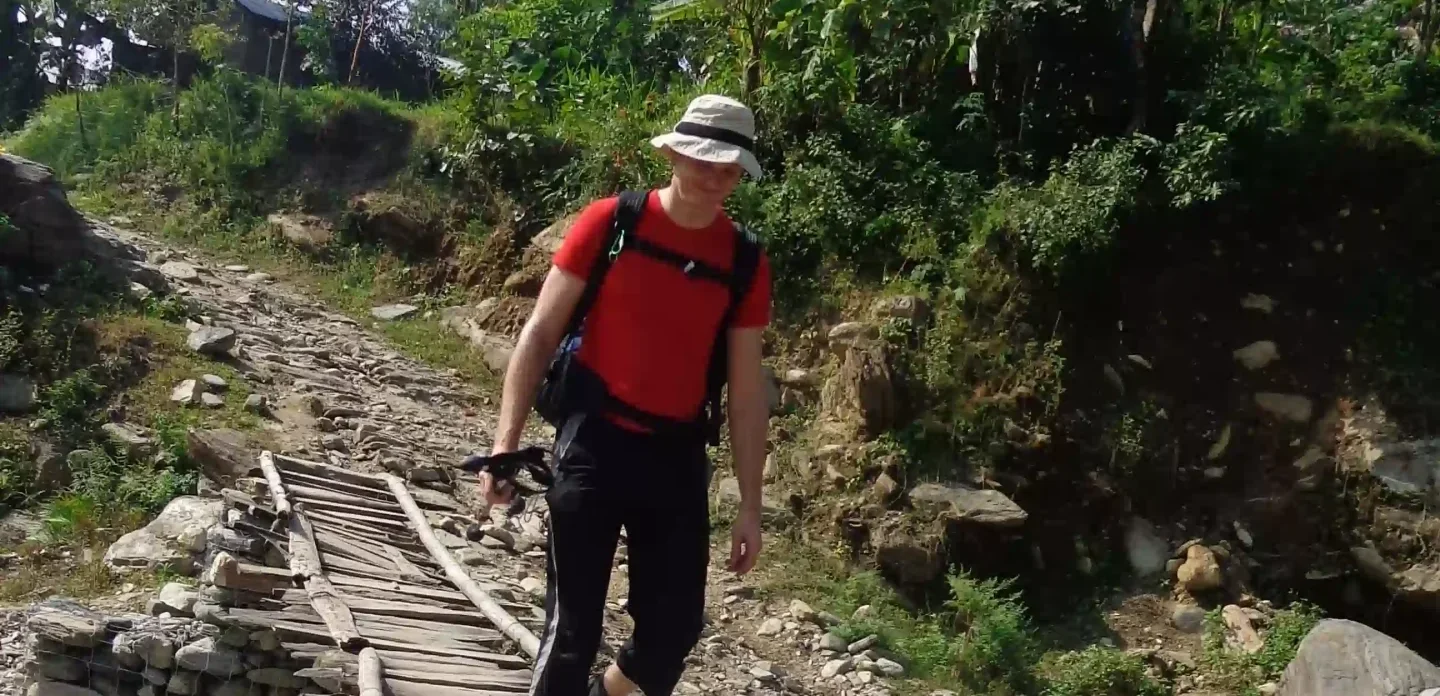
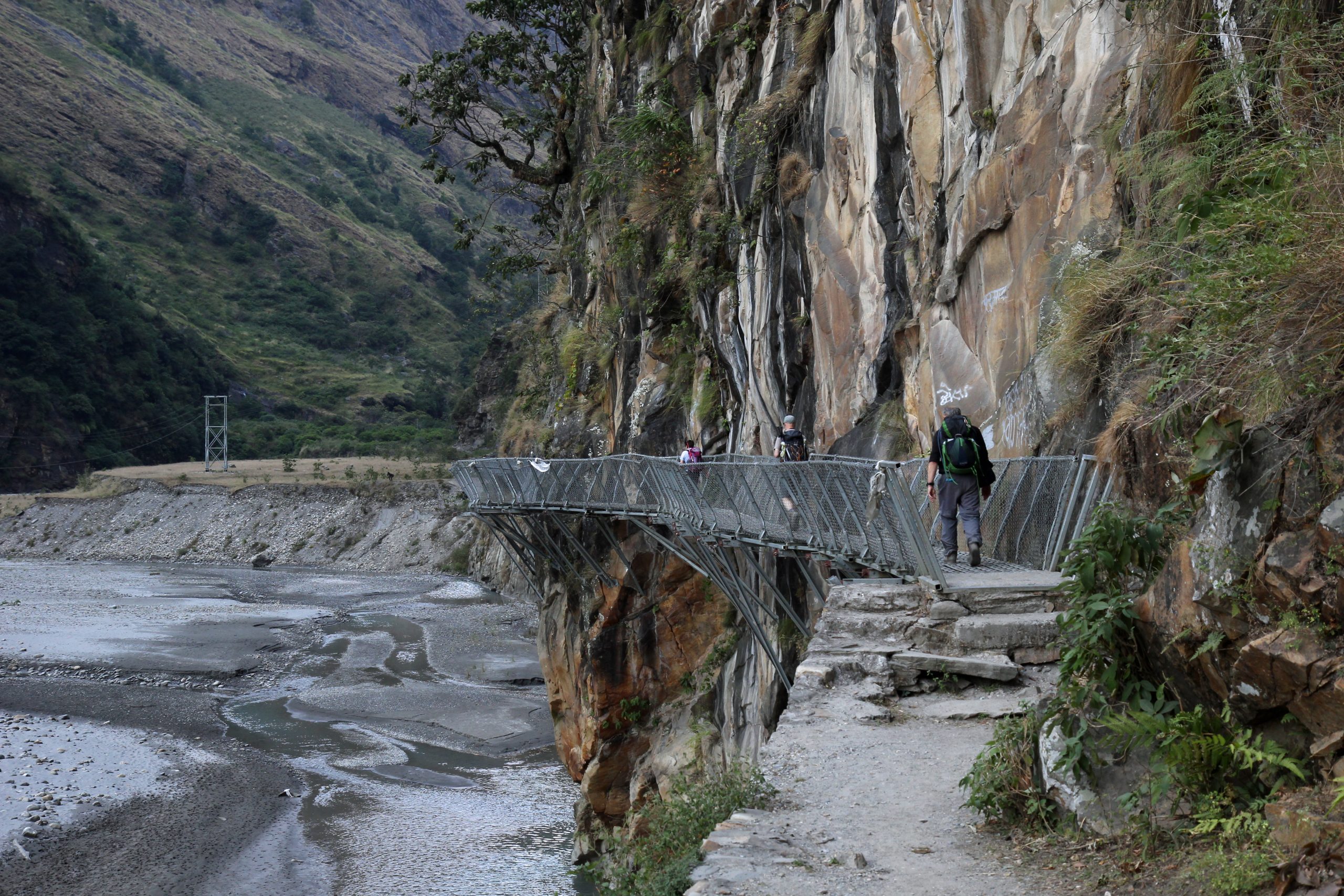
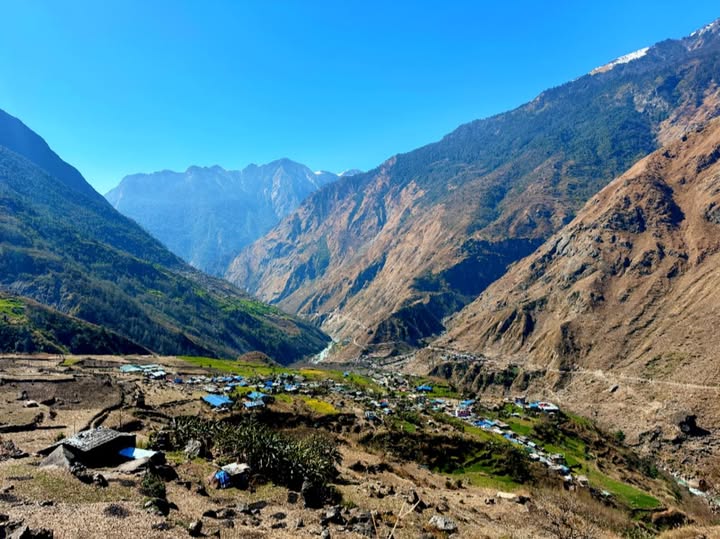
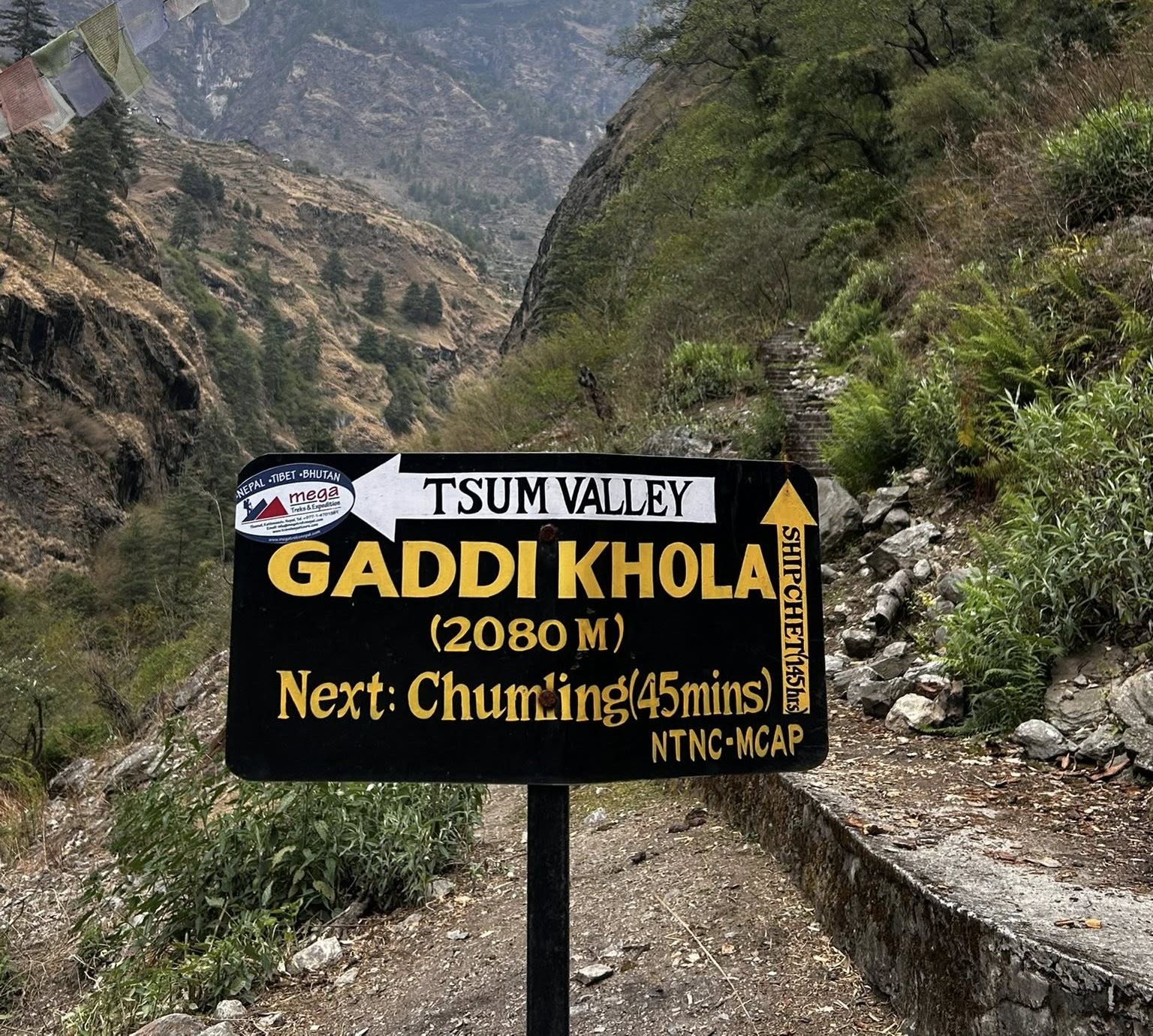
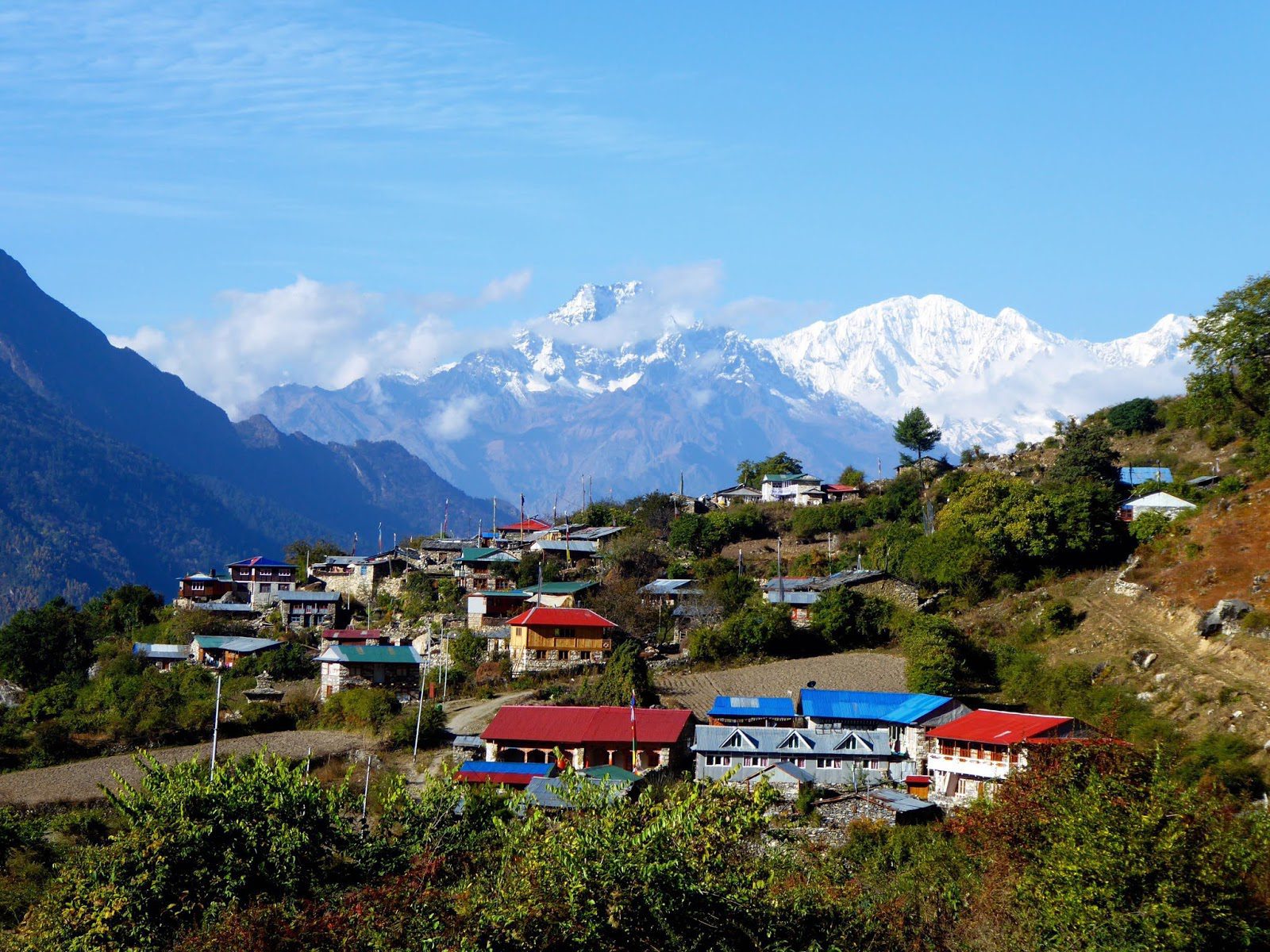
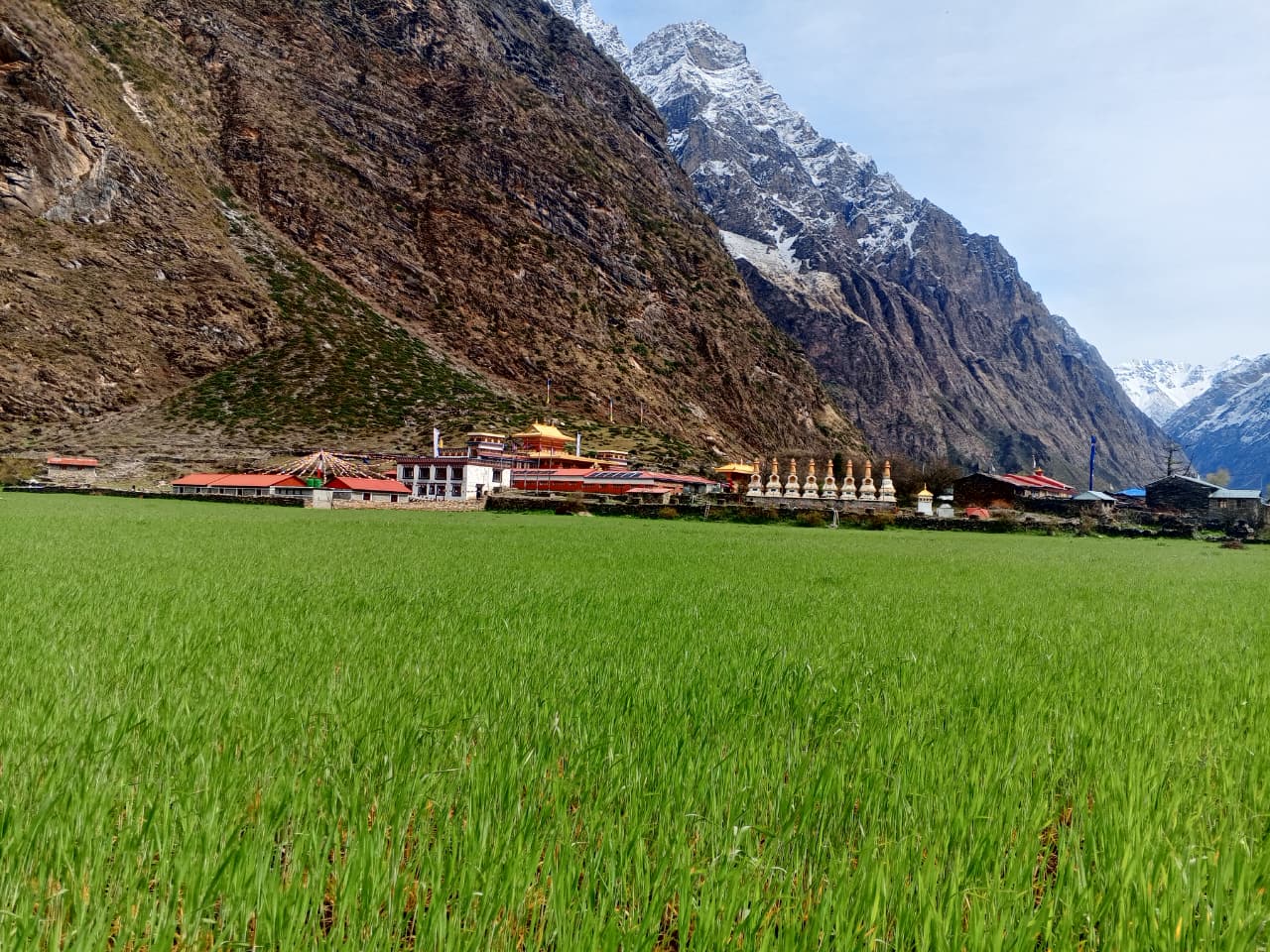
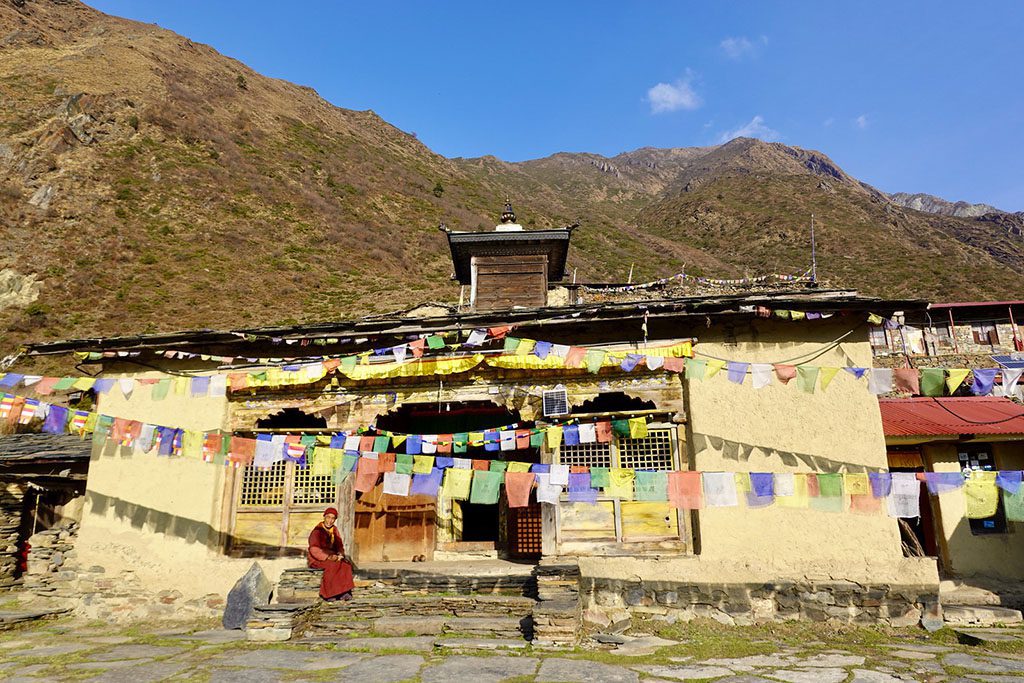
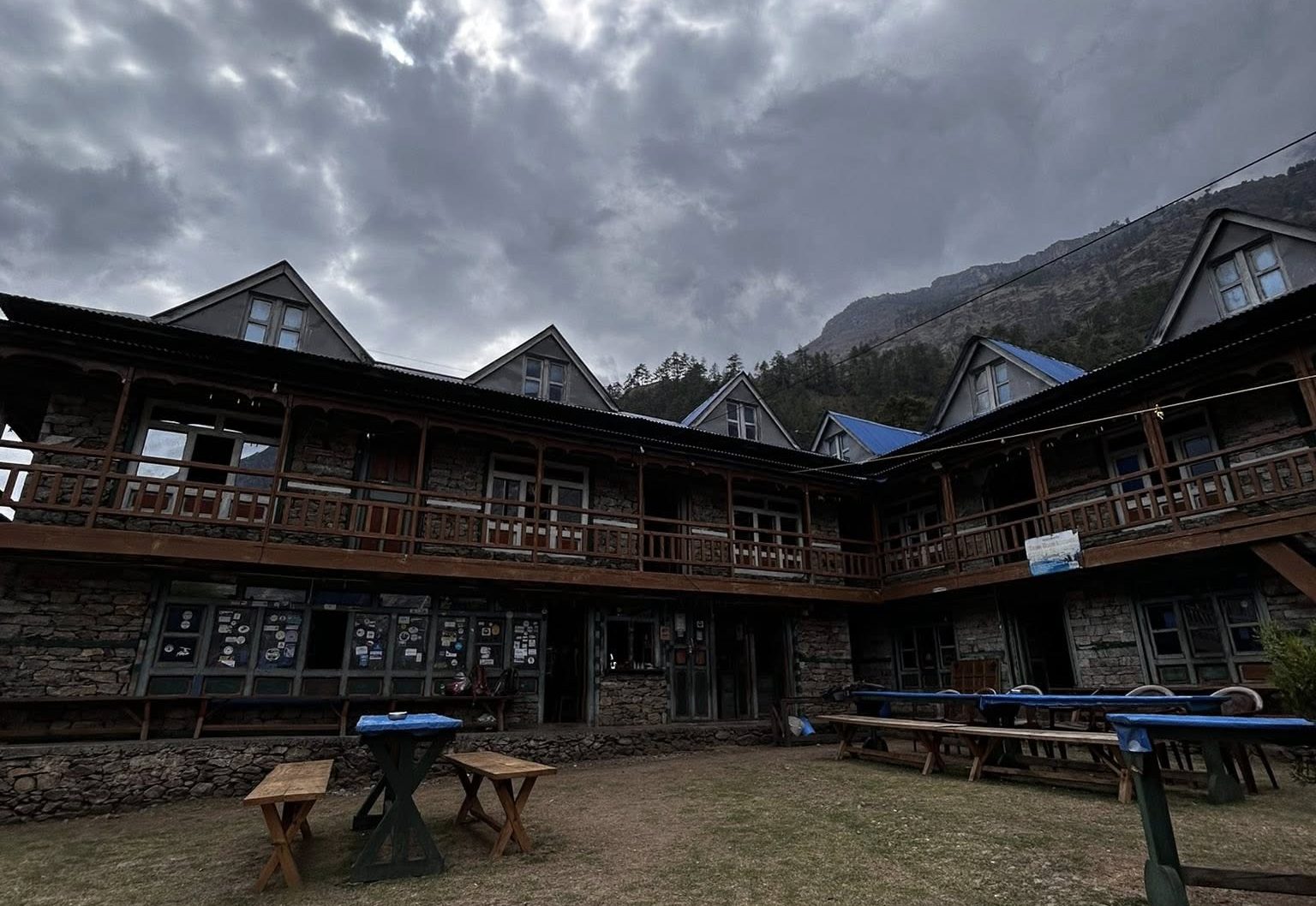
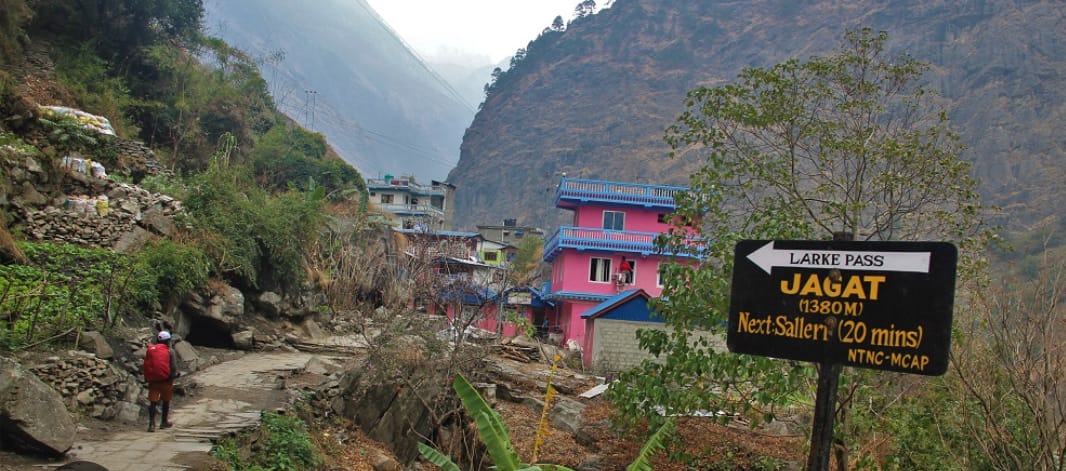

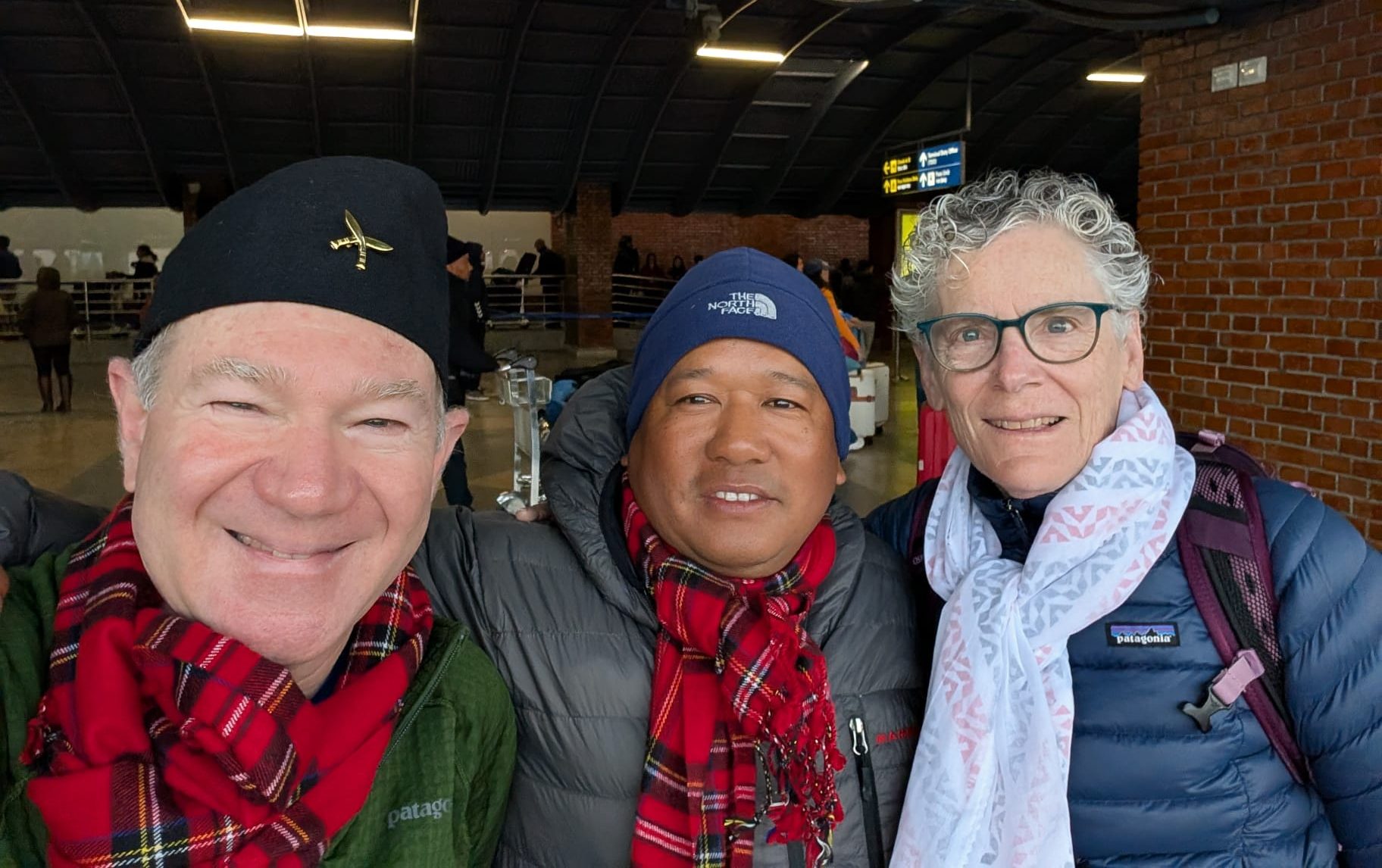
Tsum Valley Monastery Trek — What to Expect
Two nights in a 12th-century working monastery, not a nearby teahouse
Guides from the region who know the trail and the monasteries
Unobstructed views of three peaks above 7,000m from Nagdalo
We manage all three permits before you arrive
The Tsum Valley is a 15-day trek through one of Nepal’s few remaining restricted areas, running north from the Budhi Gandaki gorge toward the Tibetan border. Nepal only opened it to foreign trekkers in 2008. You drive from Kathmandu to Machha Khola and walk roughly 130 to 140 kilometres through Gurung and Tsumba villages, rhododendron forest, and high ridgelines with consistent views of Ganesh Himal, Shringi Himal and Boudha Himal. The maximum altitude is 3,700m at Mu Gompa, with an optional day hike to 4,110m at Nagdalo viewpoint.
The difficulty here is not altitude but distance. Most days run 6 to 8 hours on rough, often unmaintained trail with sustained climbs and descents. The approach through the Budhi Gandaki gorge is forested and subtropical. The upper valley above Chumling shifts into dry, high-altitude Tibetan terrain with stone villages, mani walls and prayer flags on every ridge. Two nights at Mu Gompa are spent in the monastery’s own guest quarters, not a nearby teahouse. Morning puja starts at 6am and you are welcome to observe.
MountainKick runs this trek with local guides who know the valley and the communities. The Tsum Valley requires a licensed guide by law and a minimum group of two trekkers. We handle the Restricted Area Permit, the Manaslu Conservation Area permit and the TIMS card before you reach the trailhead. For trekkers considering a longer expedition, the Tsum Valley connects naturally with the Manaslu Circuit Trek for a 20 to 25 day combined route. Read our Nepal Trekking Permits 2026 guide for full permit cost details.
Day-by-Day Itinerary
Arrive in Kathmandu
Your guide meets you at Tribhuvan Airport and transfers you to your hotel in Thamel. The evening briefing covers permits, gear check and basic monastery etiquette for the Tsum Valley. Pick up any last-minute supplies from the shops in Thamel before the early drive tomorrow.
Drive to Machha Khola
An early departure by private vehicle heading northwest out of the Kathmandu Valley along the Prithvi Highway through Dhading Besi and Arughat Bazaar. The road turns unpaved beyond Arughat and the final section to Machha Khola is slow and rough. Arughat is the last town of any size before the trail begins. Machha Khola sits on the Budhi Gandaki river and has a police checkpoint where permits are first verified.
Trek to Jagat
The trail climbs north along the west bank of the Budhi Gandaki through deep forested gorge passing sal, pine and bamboo. A short detour near Tatopani reaches natural hot springs sitting just off the main trail, worth 20 minutes if your legs are already feeling the first day. Jagat is the first official permit checkpoint where your Restricted Area Permit and MCAP are verified at the police post.
Trek to Philim
A shorter day by design, useful for settling into trail rhythm after the long drive and first full day of walking. The trail continues north through Sirdibas before reaching Philim, a substantial Gurung village with terraced fields and a small gompa. Stock up on snacks here as resupply becomes very limited from this point. The architecture and prayer flags signal the beginning of the cultural transition toward Tibetan Buddhist territory.
Trek to Chumling
The trail forks at Lokpa where the main Manaslu Circuit route continues straight and the Tsum Valley route turns northeast. From here the path climbs through dense rhododendron and pine forest crossing landslide debris and suspension bridges before reaching Chumling. This is the first authentically Tsumba village with prayer flags strung between buildings and mani walls lining every path. Early views of Ganesh Himal and Shringi Himal open up from the ridge above the village.
Trek to Chhokangparo
Cross the river at Chumling on a suspension bridge and climb steadily through the Tsum Valley’s main corridor passing Domje, a small hamlet with active prayer wheels and kani gateways. Chhokangparo sits on a ridge with sweeping views of Ganesh Himal, Boudha Himal and the surrounding peaks. The village has several active gompas, an extensive mani wall system and a population almost entirely of Tibetan descent. The cultural atmosphere here is noticeably different from anything in the lower valley.
Trek to Nile via Rachen Gompa
The trail descends to the Shiar Khola tributary before climbing northeast toward the upper valley. A short detour leads to Rachen Gompa, a nunnery founded around 1908 and still active today with a resident community of Nyingma Buddhist nuns. The main prayer hall has well-preserved murals and thangkas dating back over a century. Nile is the last permanent settlement before Mu Gompa, small and quiet with exceptional views of Ganesh Himal and Himalchuli from the upper trail.
Trek to Mu Gompa
A shorter, steeper climb from Nile through terraced fields and scattered stone settlements to Mu Gompa, the largest and oldest monastery in the Tsum Valley. Founded in the 12th century, the main hall houses centuries-old thangkas, carved wooden pillars and a large statue of Guru Rinpoche. Roughly 40 to 50 resident monks maintain the complex and conduct daily puja. MountainKick guests stay in the monastery’s own guest quarters, a genuinely different experience from standard teahouse trekking.
Rest Day and Hike to Nagdalo
Morning puja starts at 6am and guests are welcome to observe. The main excursion is the hike to Nagdalo viewpoint at 4,110m above the monastery, a 4 to 5 hour round trip delivering an unobstructed panorama of Ganesh Himal at 7,422m, Shringi Himal at 7,165m and Boudha Himal at 6,672m with no other trekking groups in sight. Those skipping the viewpoint can visit the monastery library, explore the surrounding hermitages or simply rest before the long descent begins tomorrow.
Descent to Chumling
The return begins with a long descent from 3,700m to 2,385m over 18km. Trekking poles are essential today as the knees take the load on sustained downhill sections through Nile and Chhokangparo. The morning light hits the western faces differently from the ascent and you will notice architectural details and trail sections you missed on the way up. Chumling feels warmer and lower after four days in the upper valley.
Trek Back to Philim
The trail descends from Chumling back through the Lokpa junction and continues south through increasingly forested, lower terrain. Samba Falls are visible again from the trail on the descent. The section from Lokpa to Philim involves more climbing than it appears on the map due to ridge traversals so do not underestimate the day. Philim feels noticeably warmer and more subtropical after several days above 2,500m.
Trek Back to Jagat
An easy descent day following the Budhi Gandaki south through familiar terrain. The river crossings and suspension bridges feel less demanding now that legs are fully conditioned. The Tatopani hot springs are accessible again just off the trail if your muscles need it. Jagat is a natural overnight stop before the final long day of walking back to Machha Khola.
Trek to Machha Khola
The final day of trail walking back along the Budhi Gandaki to Machha Khola where the drive north began. The landscape is lush and subtropical again with monkeys visible in the lower sal-tree zone if you are quiet on the trail. Your vehicle and driver meet you at Machha Khola for the return drive to Kathmandu starting the following morning.
Drive Back to Kathmandu
The 8 to 9 hour return drive to Kathmandu follows the same route in reverse. Arrival is typically mid to late afternoon depending on road conditions and departure time. MountainKick arranges a farewell dinner in Kathmandu this evening, a traditional Nepali meal to mark the end of the trek. Use any remaining time to pick up souvenirs in Thamel or visit heritage sites you missed on arrival day.
Final Departure
Your guide transfers you to Tribhuvan International Airport for your onward flight. If your flight departs late the morning is free for a final walk through Thamel or a visit to Boudhanath or Pashupatinath. Fifteen days, one sacred valley, two monastery nights and a trail that fewer than 6,000 people walk each year. Safe travels.
3D Route Map
Includes & Excludes
-
Airport and hotel transfers Private vehicle throughout, all Kathmandu pickups and drop-offs
-
3-star hotel in Kathmandu, twin-sharing with breakfast 2 nights on arrival and return
-
Teahouse accommodation on trek 11 nights on trek (Days 3 to 13)
-
Licensed guide for the full 15 days NTB-certified, English speaking, experienced on this restricted route
-
Porter service 1 porter per 2 trekkers, 20kg load limit, full medical insurance
-
Private jeep Kathmandu to Machha Khola and return Both directions, 8-9 hours each way on rough mountain roads
-
Tsum Valley Restricted Area Permit Arranged in Kathmandu before departure, checked at multiple points
-
Manaslu Conservation Area Permit (MCAP) Included in package, no extra charge
-
Farewell dinner in Kathmandu Traditional Nepali food, final evening
-
MountainKick duffel bag Yours to keep
-
Oximeter and first aid kit Carried by guide throughout the trek
-
All government taxes and official fees Nothing added at checkout
-
International flights To and from Kathmandu, booked independently
-
Nepal visa fee On arrival at Tribhuvan Airport. 15 days $30, 30 days $50, 90 days $125
-
Travel insurance Compulsory. Must cover helicopter evacuation to 5,500m minimum
-
All meals on trek Available at teahouses. Budget $30-40 per day
-
Personal trekking gear Sleeping bag, down jacket, trekking poles — all rentable in Kathmandu
-
Guide and porter tips Customary and appreciated. Roughly 10-15% of trip cost
-
Hot showers and Wi-Fi on trail Available at some teahouses, small extra charge
-
Alcohol and personal drinks Available at teahouses on the lower sections
-
Personal expenses Laundry, calls, souvenirs, snacks
Enhance Your Trek
We Handle the Details — At No Extra Cost
Where You'll Sleep & What You'll Eat
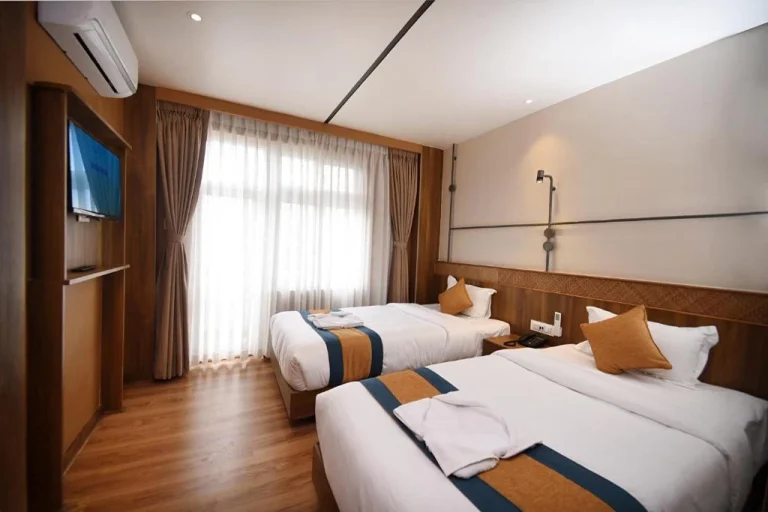
2 nights in Kathmandu: Comfortable 3-star hotel in Thamel with twin sharing rooms, hot shower and daily breakfast included. Same hotel on arrival and return.
11 nights on trek (Days 3 to 13): Teahouses and guesthouses throughout. Below Chumling the lodges are relatively comfortable with shared bathrooms, sporadic WiFi and sometimes hot showers. Above Chumling facilities become genuinely basic with limited hot water, minimal electricity and shared squat toilets in most places.
2 nights at Mu Gompa (Days 8 and 9): The monastery’s own guest quarters. Austere, clean and unlike any standard teahouse. Dormitory-style or basic twin rooms within the monastery complex. No hot showers. Blankets provided but bring a sleeping bag rated to at least -5C.
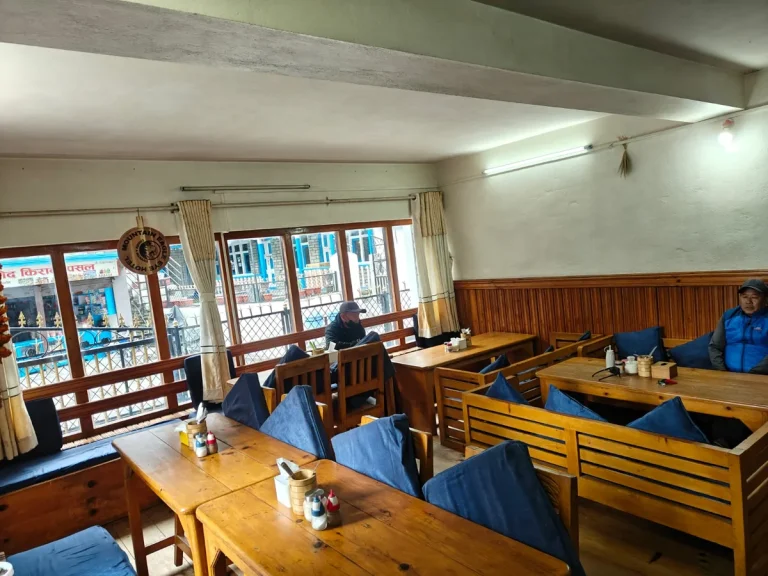
Meals during the trek are paid directly at teahouses and are not included in the package. Dal bhat, noodle soups, fried rice, momos and eggs are available throughout. Tibetan bread and butter tea become more common above Chumling. Menu variety shrinks and prices increase the higher you go. Breakfast is included at the Kathmandu hotel. The farewell dinner on Day 14 is included.
| Meals per day (3 meals) | $25-35 /day |
| Hot drinks and water | $4-7 |
| Hot shower and Wi-Fi | $3-6 |
| Bottled or filtered water | $1-3 per litre |
| Monastery donations | $2 to $5 per visit |
What Our Trekkers Say
“A very special part of Nepal”
We travelled as a couple and had an incredible time in Tsum Valley. It feels completely different from the busier trekking routes -- the monasteries and small villages were the real highlight for us. Our guide was excellent and made the whole journey comfortable, and we loved learning about local…
“Quiet trails and amazing scenery”
As a group of three, we loved the peaceful atmosphere of Tsum Valley. The monasteries were fascinating, but the landscape itself was just as memorable. MountainKick organized everything smoothly and our guide was always helpful whenever we had questions or needed a rest -- a wonderful choice for anyone wanting…
“An unforgettable Himalayan experience”
We picked Tsum Valley because we wanted something more remote, and it completely exceeded expectations. The old monasteries, traditional villages, and mountain scenery made every day interesting. It was challenging in places, but the MountainKick team were professional and took good care of us -- felt like a real journey…
“A beautiful cultural trek”
Our group of four friends had a fantastic time in Tsum Valley. I especially loved visiting the monasteries and seeing how traditional life continues there. The trails were beautiful and much quieter than we expected. Everything was well arranged by MountainKick, and our guide made the whole experience relaxed and…
Frequently Asked Questions
How difficult is the Tsum Valley Monastery Trek?
We rate this trek Challenging. The maximum altitude is 3,700m at Mu Gompa, modest by Nepal standards, but do not underestimate it. Most days run 6 to 8 hours on rough, often unmaintained trail with sustained climbs and descents. The hardest days cover 18 to 20km. You do not need high-altitude experience but you do need to be genuinely fit with several multi-day hikes behind you before you arrive. Check our trek difficulty guide if you are unsure where this sits relative to other Nepal routes.
How does the Tsum Valley compare to the Manaslu Circuit?
The Manaslu Circuit crosses the Larkya La Pass at 5,106m and is more physically demanding in terms of altitude. The Tsum Valley tops out at 3,700m and is less challenging at the high point but covers comparable daily distances on equally rough trail. The Tsum Valley is the more culturally focused of the two. The primary draw is the monastery stays, Tsumba communities and restricted area isolation rather than a high pass crossing. The two can be combined into a single 20 to 25 day expedition.
What permits do I need for the Tsum Valley?
Three permits are required: the Tsum Valley Restricted Area Permit, the Manaslu Conservation Area Project permit and a TIMS card. All three are arranged and paid for by MountainKick as part of your package. You do not need to visit any government office yourself. Bring four passport-sized photos and your passport details when you contact us to begin the process. For a full breakdown of permit costs across Nepal read our Nepal Trekking Permits 2026 guide.
Can I trek the Tsum Valley solo without a guide?
No. The Tsum Valley is a restricted area under Nepalese law. A licensed guide and a minimum group of two trekkers are required by law. There is no option to trek independently here. If you are travelling alone contact us and we will check whether other solo trekkers are booked on your preferred dates. We can often match solo travellers to keep costs down.
What is the best time of year to visit the Tsum Valley?
Spring from March to May and autumn from September to November are the two reliable windows. Spring brings rhododendron bloom in the lower forested sections and stable clear mornings in the upper valley. Autumn has the clearest mountain views. December is possible with warm gear but upper teahouses reduce hours and menus. Monsoon from June to August makes the lower trail unpleasant with leeches, landslides and persistent rain on the forest sections.
Is altitude sickness a risk on this trek?
It is possible above 3,000m on any trek regardless of fitness. The ascent profile is gradual and we build a full rest day at Mu Gompa to allow acclimatisation. The optional Nagdalo hike reaches 4,110m so your body needs time to adjust before attempting it. Report any symptoms including persistent headache, nausea or loss of appetite to your guide immediately. Descent is the definitive treatment. Read our altitude sickness guide before booking.
What travel insurance do I need?
Your policy must cover trekking to at least 4,200m and emergency helicopter evacuation. Many standard travel policies exclude high-altitude rescue so check the small print carefully. Helicopter rescue from the upper Tsum Valley costs $2,000 to $4,000 without insurance. We ask to see proof of insurance before the trek begins. Read our travel insurance guide for what to look for in a policy covering Nepal restricted area trekking.
Is there mobile signal or WiFi on the trek?
Mobile coverage on the NTC network is intermittent above Philim and essentially absent in most of the upper Tsum Valley. WiFi is available at some teahouses up to roughly Chumling level at $3 to $5 per day. Above Chumling it is very limited or absent. At Mu Gompa there is no WiFi. Plan to be largely offline for 8 to 10 days. Your guide carries emergency satellite communication equipment throughout.
Can I combine the Tsum Valley with the Manaslu Circuit?
Yes and it is a popular combination. Adding the main Manaslu Circuit route and the Larkya La Pass crossing at 5,106m typically requires 20 to 25 days total. The Manaslu Circuit Trek can be booked separately or combined with the Tsum Valley as a single expedition. Contact Kumar directly for combined itinerary and pricing.
How much should I budget for meals and extras on the trail?
Budget $25 to $35 per day for meals in the lower valley below Chumling and $35 to $50 per day in the upper valley. Add $200 to $300 as a buffer for hot showers, WiFi, monastery donations, extra snacks and incidentals. Withdraw all cash in Kathmandu before departure. There are no ATMs on the trail and no card payment facilities anywhere in the Tsum Valley.
What are the monastery stay rules I should know before going?
Remove shoes before entering any monastery or prayer hall. Walk clockwise around religious structures, prayer wheels, mani walls, and chortens – counterclockwise is considered inauspicious. Ask your guide before photographing monks, nuns, or inside prayer halls – some areas restrict photography. Dress modestly: long trousers and covered shoulders are expected for all monastery visits regardless of temperature. Do not touch religious artifacts or texts unless explicitly invited. Donations are welcome but not required.
What is the cancellation and booking policy?
A 25% non-refundable deposit is required to confirm your booking, with the balance due on arrival in Kathmandu. Cancellations 30+ days before departure: 20% of total trip cost forfeited. Cancellations within 30 days: 50% charge. Cancellations within 15 days: 100% charge, no refund. Rescheduling: USD 200 fee per person. For full terms, see MountainKick’s Terms and Conditions.
What cash should I carry, and can I use cards on the trek?
Withdraw all cash in Kathmandu before departure – there are no ATMs on the trail, and no card payment facilities anywhere in the Tsum Valley. Budget NPR equivalent of USD 35-50 per day for meals plus an additional USD 200-300 buffer for incidentals (hot showers, WiFi, emergency supplies, monastery donations, extra snacks). Carry small denominations; large bills are difficult to change in upper valley teahouses. Bring some USD as a backup for emergencies, but expect to pay in NPR for everything on the trail.
What trekking gear is essential for this specific route?
The non-negotiables for the Tsum Valley: well broken-in waterproof hiking boots with ankle support (do not break in new boots on this trek), a sleeping bag rated to at least -5C / 23F for upper valley nights, a reliable rain jacket and waterproof trousers, trekking poles (the descents are long and hard on knees), a headlamp with spare batteries, a daypack for daily essentials (your main bag goes with the porter), and respectful clothing for monastery visits (long trousers, covered shoulders). MountainKick provides a duffel bag. Sleeping bags and down jackets can be rented in Kathmandu’s Thamel district if you don’t own them.
What wildlife might I see along the route?
The Manaslu Conservation Area – which the Tsum Valley falls within – is home to significant wildlife. The most commonly seen mammals: Himalayan tahr (a large wild goat species), blue sheep (bharal), and rhesus and langur monkeys in the lower forested sections. Snow leopards are present in the upper valley but sightings are rare and require luck. The conservation area records 110+ bird species; notable sightings include Himalayan monal (Nepal’s national bird), blood pheasant, and lammergeier (bearded vulture). Animal killing is traditionally prohibited by the Tsumba community throughout the upper valley.
How does the Tsum Valley compare to other off-beat cultural treks in Nepal?
The Tsum Valley’s closest comparison is the Upper Mustang Trek in terms of restricted-area Tibetan Buddhist culture, but Upper Mustang is more accessible by flight and has more developed infrastructure. The Langtang Tamang Heritage Trek covers some comparable cultural ground at lower cost and lower difficulty, but without the monastery stays or restricted area isolation. The Tsum Valley is the better choice if the central goal is depth of Buddhist cultural immersion in a setting with minimal tourist infrastructure and genuine remoteness.
Departure Dates & Pricing
No upcoming fixed departures are scheduled at the moment. Contact us to arrange a private departure on dates that suit you.
-
1
20% Deposit — Due on booking Secures your place on the departure. Refundable within cancellation window.
-
2
80% Balance — Due on arrival Pay the remainder in Kathmandu before the trip begins. Bank transfer, card, or cash accepted.
-
3
Bhutan & Tibet — Full payment 20 days prior Full balance required at least 20 days before departure for Bhutan and Tibet tours.
| 30+ days before departure | Deposit forfeited, balance refunded in full |
| 15–29 days before departure | 50% of total trip cost charged |
| Under 15 days | No refund |
| MountainKick cancels trip | Full refund or reschedule |
We give you the power to choose the departure date that suits your group best. A private trip is a perfect solution if you can’t find a published departure date that you and your companions agree on. You can set up a private departure for most of the trips we offer.
| Travellers | Price Per Person (USD) |
|---|---|
| 1 | $1450 |
| 2-3 | $1080 |
| 4-9 | $755 |
| 10-14 | $680 |
Ready to go? Request your preferred dates or message us directly on WhatsApp — we'll confirm availability within a few hours.
We never force our customers to follow our set itinerary. You can customize your itinerary exactly the way you want. Please share with us your ideas.
"*" indicates required fields
Packing List
| Item | Qty | Note |
|---|---|---|
| Waterproof trekking boots | 1 pair | Ankle support, Vibram sole. Break in for at least 50km before departure. New boots on day one will end your trek by day three. |
| Camp sandals or flip-flops | 1 pair | Teahouse evenings and shared bathroom use only. Not for trail. |
| Trekking socks | 6-7 pairs | Merino wool preferred. Hang overnight and they last 2-3 days before washing. |
| Leech socks | 1 pair | For the subtropical Budhi Gandaki gorge sections below Jagat in spring and autumn. Pull-on style covering boot tops. |
| Item | Qty | Note |
|---|---|---|
| Moisture-wicking trekking shirts | 3-4 | Merino or synthetic only. No cotton. Mix of short and long sleeve for the climate shift between the subtropical gorge and the upper valley. |
| Thermal base layer top | 2 | One for trekking days, one clean set for sleeping above 3,500m. |
| Thermal base layer bottom | 2 | Essential above Chumling. |
| Trekking trousers | 2-3 pairs | Quick-dry. Zip-off useful for the warm humid gorge sections below Jagat. |
| Fleece jacket | 1 | Mid-layer for evenings and cold mornings. Works under the down jacket at altitude. |
| Underwear | 6-7 pairs | Moisture-wicking. |
| Item | Qty | Note |
|---|---|---|
| Down jacket | 1 | Essential above Chumling and for monastery nights at Mu Gompa at 3,700m. Rentable in Kathmandu. |
| Waterproof hardshell jacket | 1 | Windproof with taped seams and a hood. The Budhi Gandaki gorge gets rain in spring and monsoon. The upper valley gets wind year-round. |
| Waterproof trousers | 1 pair | For rain on the lower trail and wind on the pass. Lightweight enough to stuff in your daypack. |
| Item | Qty | Note |
|---|---|---|
| Sun hat or cap | 1 | The lower gorge sections are humid and exposed. UV radiation increases significantly above 3,000m. |
| Warm beanie | 1 | Essential above 3,500m. Non-negotiable at Mu Gompa and on the Nagdalo hike. |
| Buff or neck gaiter | 1 | Dust on the lower trail, cold wind on the upper sections. One of the most useful items per gram in your pack. |
| Liner gloves | 1 pair | Base layer for hands. Allow normal use of poles and phone. |
| UV sunglasses | 1 | Category 3 or 4 lens rating. Snowfield glare above Mu Gompa and on the Nagdalo hike makes snow blindness a real risk. |
| Item | Qty | Note |
|---|---|---|
| Trekking poles | 1 pair | The descent from Mu Gompa to Chumling drops 1,315m on tired legs. Poles reduce knee strain significantly. Rentable in Kathmandu. Not available on trail. |
| Daypack 25-30L | 1 | Your carry for every walking day. Hip belt essential for 12 active trekking days. |
| Headlamp with spare batteries | 1 | For the pre-dawn puja at Mu Gompa and any early starts. Cold temperatures drain batteries fast. Carry spares inside your jacket to keep them warm. |
| Water bottles 1L | 2 | Cold temperatures above 3,700m freeze hydration bladder hoses. Hard bottles only above Chumling. |
| Water purification tablets or filter | 1 | Critical on this route. Fewer safe water stations than on Annapurna or EBC routes. Carry enough tablets for the full 11 trekking days plus a backup filter. |
| Sleeping bag rated -5°C | 1 | Teahouses provide blankets but rooms above 3,000m get cold. Mu Gompa monastery quarters drop below freezing in autumn and winter. Rentable in Kathmandu. |
| Dry bags or ziplock bags | several | Waterproof everything inside the duffel. The gorge sections get rain. No exceptions for electronics and documents. |
| Small padlock | 1 | For the duffel during hotel stays. |
| Pack rain cover | 1 | For daypack. |
| Item | Qty | Note |
|---|---|---|
| Diamox (Acetazolamide) | as prescribed | Discuss with your doctor before departure. Common dose 125mg twice daily from Chumling upward. Aids acclimatisation but is not a substitute for proper pacing. |
| Ibuprofen | sufficient supply | For headaches and muscle pain. Do not use to mask AMS symptoms. |
| Rehydration salts | 8-10 sachets | High altitude dehydrates faster than most trekkers expect. Drink 4-5 litres of water per day above 3,500m. |
| Blister kit | 1 | Moleskin, compeed, medical tape, needle. Deal with hot spots at the first sign. |
| Antiseptic cream and plasters | 1 small kit | Rocky trail sections in the gorge cause minor cuts. |
| Throat lozenges | 1-2 packs | Dry high-altitude air causes a persistent cough above Chumling. Very common and very annoying. |
| Personal medications | full supply plus 5 days extra | The nearest pharmacy is in Kathmandu. There are no medical resupply options on the circuit. |
| Hand sanitiser | 2 bottles | Alcohol-based; use before meals and after toilet stops on the trail. |
| Sunscreen SPF 50+ | 1 | UV radiation above 3,500m is intense. Reapply every 2 hours on exposed days. |
| Lip balm with SPF | 1 | Wind and cold at altitude cracks lips fast. |
| Item | Qty | Note |
|---|---|---|
| Passport | 1 original | Keep in a waterproof bag in your daypack. Permits are checked at multiple checkpoints from Jagat onward. |
| Permit photocopies | 3 sets | Your guide carries originals. You carry photocopies. Digital copies have been rejected at remote checkpoints with no internet. |
| Travel insurance documents | printed copy | Must show helicopter rescue coverage to 4,200m and restricted area trekking. Emergency number written separately. |
| Nepali Rupees cash | full trail budget | No ATMs beyond Kathmandu. Budget NPR 4,000-6,000 per day for meals and personal expenses. Carry NPR 25,000-40,000 minimum for the full 15 days. |
| Passport photos | 4-6 copies | For permits and any checkpoint registration. |
| Emergency contact list | written on paper | Phone batteries die. Paper does not. |
| Item | Qty | Note |
|---|---|---|
| Phone in waterproof case | 1 | Download offline maps (Maps.me or Gaia GPS) before leaving Kathmandu. Signal is limited above Philim and absent in most of the upper Tsum Valley. |
| Power bank 20,000mAh minimum | 1 | Charging at teahouses costs NPR 300-500 per device above Chumling and is not always available. No charging at Mu Gompa monastery. A large power bank is essential on this route, not a luxury. |
| Camera with spare batteries | 1 | Cold drains batteries 2-3x faster. Keep spares in an inner jacket pocket. |
| Universal adapter | 1 | Nepal uses Type C, D, and M plugs. Charge everything fully in Kathmandu before the jeep departs. |
| Item | Note |
|---|---|
| Heavyweight down jacket | Standard down is not enough in January at Mu Gompa. Upgrade to higher fill-power or double-layer jacket. |
| Insulated trekking boots | Standard waterproof boots become inadequate below -15°C. Temperatures at Mu Gompa can drop to -15°C in January. |
| Extra thermal layers | Add one more base layer top and bottom. Teahouse rooms above 4,000m can drop below freezing overnight. |
| Hand and toe warmers | Single-use chemical warmers for Mu Gompa and the Nagdalo hike. Pre-dawn temperatures there can hit -20°C or below in winter. |
| Check teahouse availability | Some teahouses above Chumling close in deep winter (January-February). Confirm with us before booking a winter departure. |
| Item | Note |
|---|---|
| High-quality rain poncho | The Budhi Gandaki gorge gets heavy sustained rain in monsoon. A hardshell alone is not enough for prolonged wet days. |
| Double quantity of socks | Socks will not dry overnight in monsoon humidity. Bring twice as many. |
| Leech socks (essential, not optional) | Monsoon leeches in the Budhi Gandaki gorge sections are aggressive. Pull-on leech socks covering boot tops are non-negotiable Jun-Aug. |
| Dry bags (double quantity) | Everything gets wet. Double-bag electronics, documents, and dry clothes without exception. |
| Microspikes | Nagdalo Viewpoint can have fresh snow after monsoon storms. Conditions can change overnight. |
Sleeping bags, down jackets, and trekking poles are all available to rent in Thamel, Kathmandu. We walk you to reliable shops at the pre-trek briefing the evening before the jeep to Machha Khola. MountainKick provides a duffel bag for every trekker as part of the package. Nothing is available to rent beyond Kathmandu. If you need it, get it before the jeep departs.
What Not to Bring
Tsum Valley Monastery Trek
Kumar and the team have guided this route for over a decade. Ask anything — gear, fitness, altitude, private groups — before you commit.

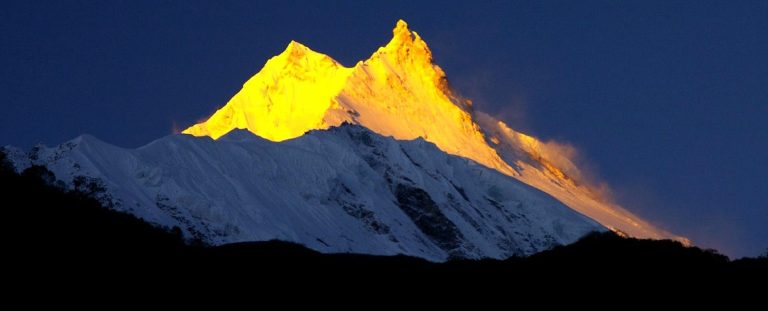

Tales from the Himalayas
Fresh stories and expert insights from our mountain adventures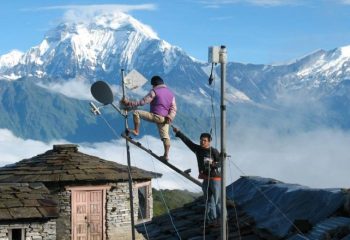
WiFi and Internet on Nepal Trekking Trails: What to Expect (2026)
Realistic look at WiFi, Everest Link, and mobile data on Nepal's trails, including Everest, Annapurna, and Manaslu, with costs and where signal drops.

Everest Region, Essentials, Travel
Is Everest Base Camp Trek Hard? A Straight Answer From 20+ Years of Guiding
Everest Base Camp is rated Hard, but not for the reason most people assume. A guide with 20+ years on this route breaks down what actually causes trouble on the trail, and it's rarely fitness.
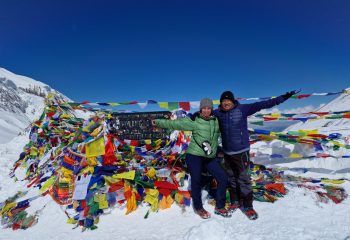
Is It Safe to Travel to Nepal After the Flood? September 2026 Travel & Trekking Update
Rasuwa and Manaslu floods explained: what's actually affected in Nepal, and why Everest, Annapurna, and most trekking regions remain open.