Done EBC? Here’s What to Trek Next in Nepal
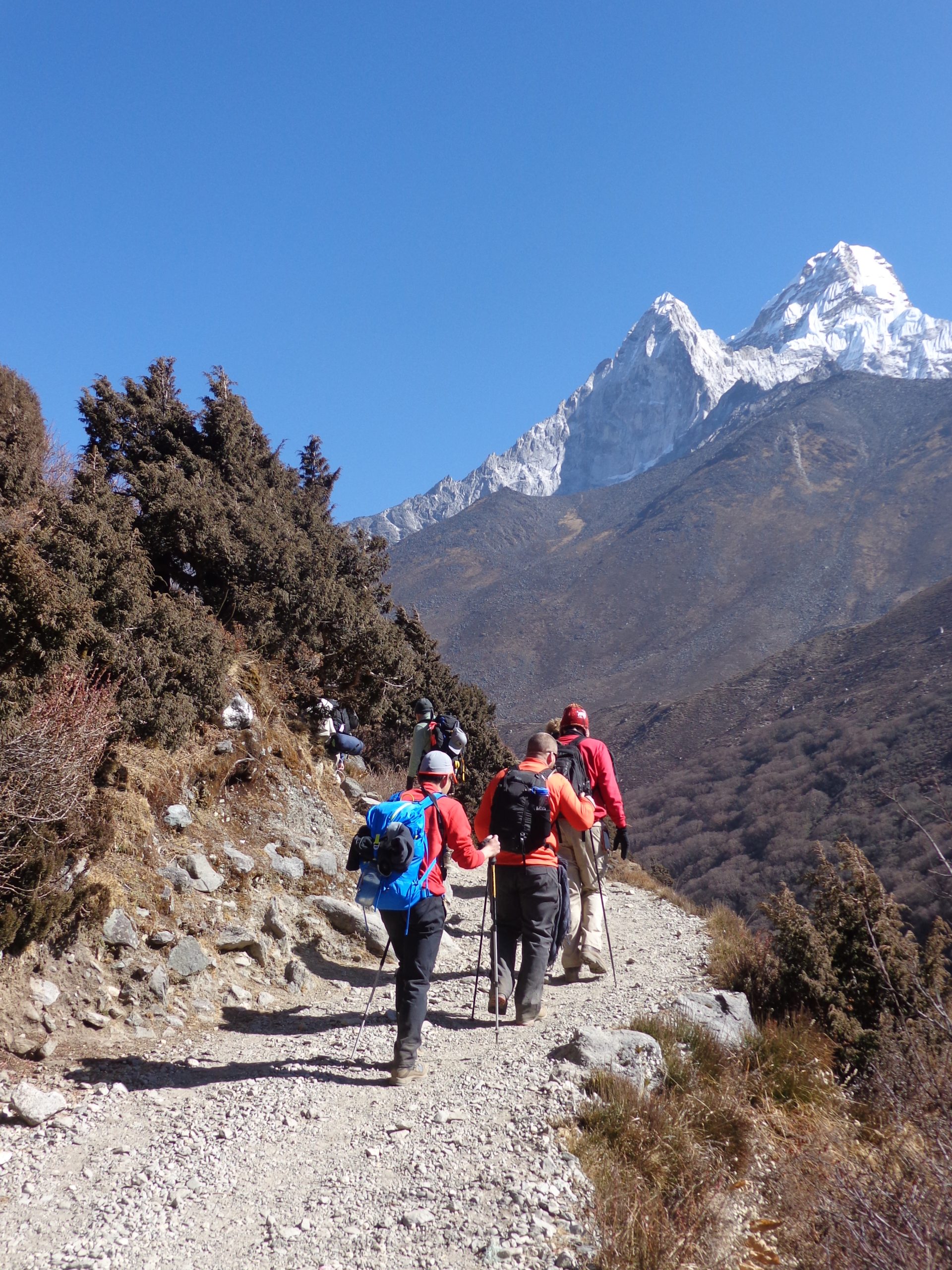
You’ve done Everest Base Camp. You walked through Lukla, Namche, Tengboche, Lobuche and Gorak Shep. You climbed Kala Patthar at 5,545m and watched the sun hit Everest. You’ve got the experience.
And now you’re already thinking about what’s next.
That’s the thing about Nepal. EBC is the door, not the destination. The country has more trekking terrain than most people explore in a lifetime, and most of it sees a fraction of the footfall of the Khumbu corridor. If you’ve done EBC and want to go back to Nepal, or if you’re planning your first big trek and EBC feels like the obvious choice but you’re wondering whether to skip ahead, this post is for you.
Here are five routes worth considering, what makes each one different from EBC, and how to decide which fits your experience level and what you’re looking for. If you loved the Khumbu specifically and want to stay in the Everest region, our Everest Three Passes guide is also worth a look before you decide.
First: What Made EBC Worth Doing
Before getting into what comes next, it helps to be specific about what EBC delivered, because different people get different things from it, and that tells you a lot about where to go next.
If your EBC highlight was the altitude and the physical achievement, Kala Patthar, the thin air, the pass crossings, then you want something that pushes higher or harder: Manaslu, Kanchenjunga, or the Three Passes route.
If it was the mountain views and the sheer scale of what you were looking at, Kanchenjunga gives you a completely different perspective, including views of four of its summits above 8,400m from the South Base Camp viewpoint, from a completely different angle than anything you saw in the Khumbu.
If it was the cultural experience, the monasteries, the Sherpa villages, the prayer flags, then Tsum Valley or Upper Mustang give you that at a far deeper level with a fraction of the crowd.
If it was the remoteness and the feeling of being genuinely far from anywhere, then Rara Lake or the Kanchenjunga circuit are where that feeling actually lives.
Keep that in mind as you read through the options below.
Option 1: Manaslu Circuit Trek (15 Days)
Best for: EBC veterans who want a high pass crossing with restricted-area isolation and significantly fewer trekkers.
| Max altitude | 5,106m / 16,752ft at Larkya La Pass |
| Difficulty | Challenging, comparable to EBC with a harder pass crossing |
| Permits | Manaslu Restricted Area Permit + Manaslu Conservation Area Permit + Annapurna Conservation Area Permit (the route exits via Dharapani). Licensed guide required. |

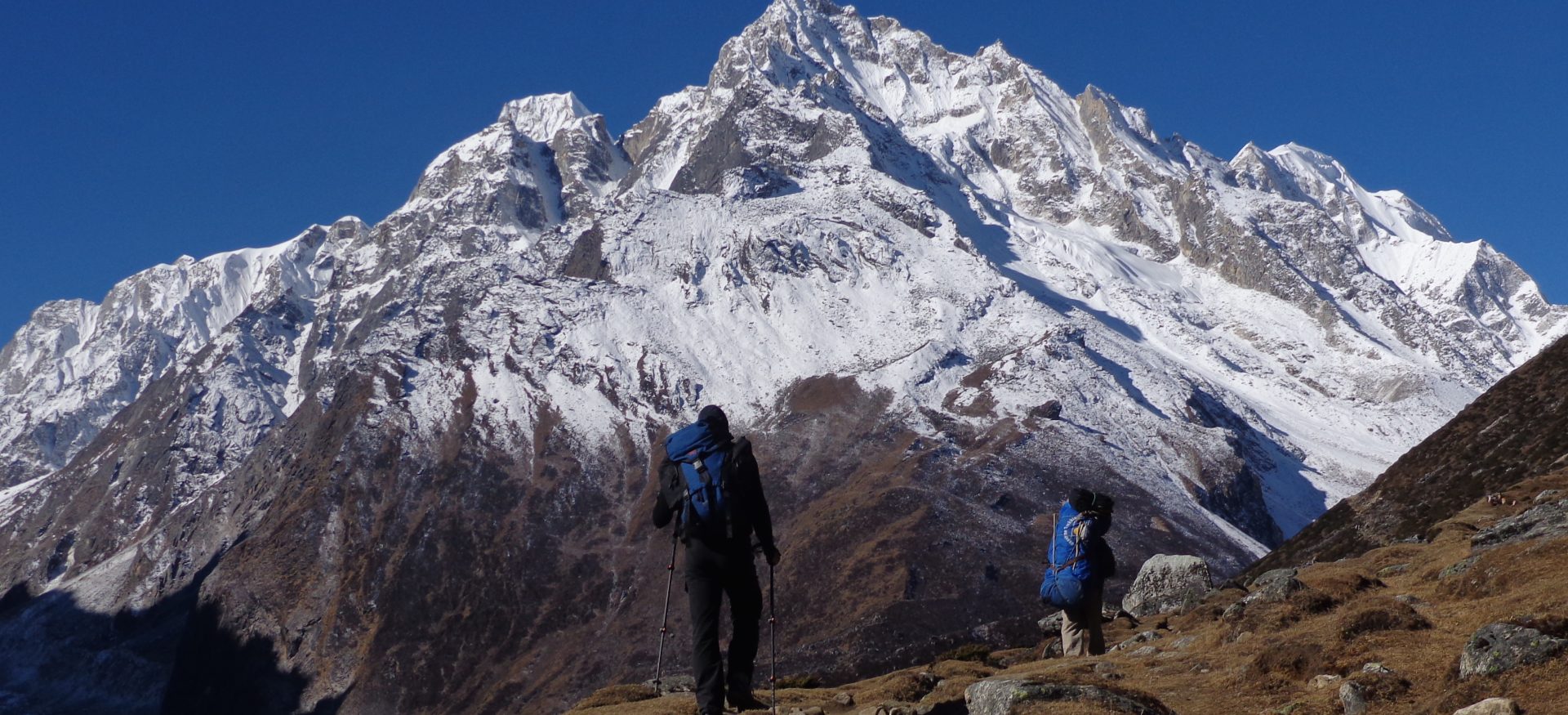
The Manaslu Circuit Trek circles Mount Manaslu (8,163m, the world’s eighth-highest peak) in 15 days. The Larkya La crossing at 5,106m is a long, demanding day, harder as a single day than anything on the standard EBC route.
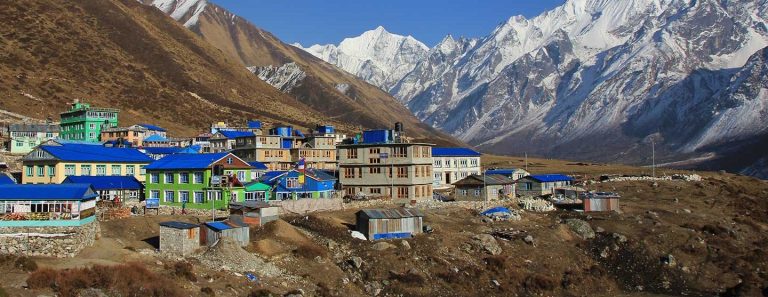
What makes Manaslu the natural first step after EBC is the logistics. It operates on a similar teahouse model to the Khumbu, you’re sleeping in lodges every night, there’s an established trail, and the infrastructure is familiar enough that the jump from EBC doesn’t feel overwhelming. The difference is that Manaslu operates under a restricted area permit system, with a licensed guide required on the route. The Manaslu trail is generally much quieter than the EBC route, particularly compared with the busy sections around Namche and the upper Khumbu.
The cultural character is also different, the upper Manaslu valley is Tibetan Buddhist, with the same monasteries and chortens as the Khumbu but less commercialisation around them.
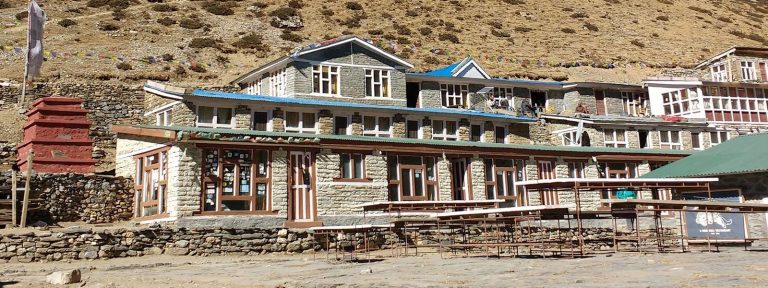
The honest comparison with EBC: Manaslu is harder on the pass day, slightly more remote, and generally quieter. The teahouse infrastructure is a step down from the Khumbu, especially above Samagaon. The mountain views are exceptional but different in character: Manaslu’s north face dominates rather than Everest’s south side. If you want a clear step up from EBC in difficulty and remoteness without a complete infrastructure change, this is the right next trek. If you want to revisit the Solukhumbu region without the full EBC commitment, the Pikey Peak trek is a 7-day alternative with views of eight Himalayan peaks and no Lukla flight required. Planning the budget? See our Manaslu Circuit trek cost guide for the current package price and additional expenses.
Option 2: Tsum Valley Monastery Trek (15 Days)
Best for: EBC veterans whose highlight was the culture, the monasteries, and the feeling of entering a place that operates by different rules.
| Max altitude | 3,700m / 12,139ft at Mu Gompa |
| Difficulty | Hard, long daily distances on rough trail, moderate altitude |
| Permits | Manaslu and Tsum Restricted Area Permit + Manaslu Conservation Area Permit. Licensed guide required. |
The Tsum Valley is a hidden tributary valley running north from the Manaslu region toward the Tibetan border. It was closed to outsiders until 2008. The Tsumba people who live there are ethnic Tibetans who have maintained an unbroken Buddhist culture since the valley was blessed by Guru Rinpoche. Animal slaughter is prohibited in the upper valley by community consensus. Two monasteries, Mu Gompa (founded 1895) and Rachen Gompa nunnery (founded 1908), are still active, and MountainKick guests sleep two nights inside Mu Gompa’s own guest quarters.
The altitude is notably lower than EBC, 3,700m compared to 5,364m. That makes this accessible to people who found the altitude on EBC genuinely difficult, while still delivering the cultural and terrain depth of a serious remote trek. What it demands instead is daily distance: most trail days are 6 to 8 hours on rough, unmaintained paths.
The honest comparison with EBC: Lower altitude, harder daily terrain, dramatically more isolated, and incomparably deeper cultural experience. If you walked EBC and came home thinking “I want something more real, less touristy,” this is the answer. The Tsum Valley is considerably quieter than the main Everest and Annapurna trekking corridors, although conditions vary by season.
Option 3: Kanchenjunga Circuit Trek (21 Days)
Best for: Experienced trekkers who have done EBC and at least one other serious trek, and want Nepal’s most complete wilderness circuit.
| Max altitude | 5,143m / 16,873ft at Pangpema (North Base Camp) |
| Difficulty | Hard, one of the most demanding teahouse treks in Nepal |
| Permits | Kanchenjunga Conservation Area Permit + Restricted Area Permit. Licensed guide required. |
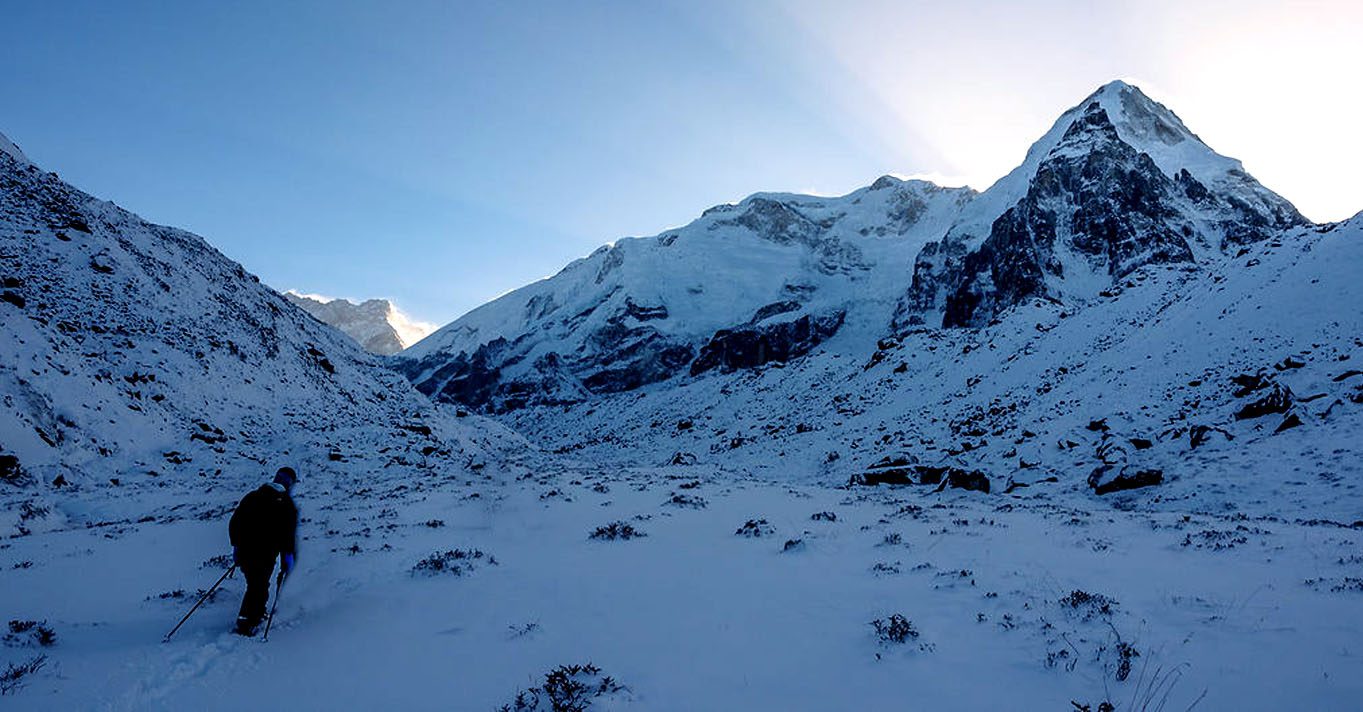
The Kanchenjunga Circuit goes around the world’s third-highest mountain (8,586m) and visits both the North Base Camp (Pangpema, 5,143m) and South Base Camp viewpoint (Oktang, 4,730m) in a single 21-day loop. At Oktang you can see four of Kanchenjunga’s summits above 8,400m simultaneously, there is nowhere else in Nepal where you can stand at trail level and see that many separate 8,000m+ summits at once.
The circuit also crosses the Sele La pass system, four passes in sequence on a single day with no teahouse between start and finish. That day runs 8 to 10 hours, and it is one of the hardest single days on any standard Nepal teahouse trek.
The honest comparison with EBC: This is a significant step up in difficulty, duration, remoteness, and infrastructure challenge. It is not the right next trek if EBC was your first multi-day high altitude experience. It is the right trek if you’ve done EBC, feel genuinely comfortable at altitude, and want the most complete Himalayan circuit Nepal offers. Manaslu Circuit first is a sensible stepping stone. For the full route breakdown, see our Kanchenjunga Circuit trek guide.
Option 4: Upper Mustang Trek (16 Days)
Best for: EBC veterans drawn to the cultural experience who want a high-altitude desert landscape unlike anything in the Khumbu.
| Max altitude | about 4,280m / 14,042ft at the Chogo La |
| Difficulty | Moderate to Challenging, lower altitude than EBC, long daily distances |
| Permits | Upper Mustang Restricted Area Permit, USD 50 per person per day, no minimum stay, charged only for days spent in the restricted zone. Licensed guide and registered agency required. |
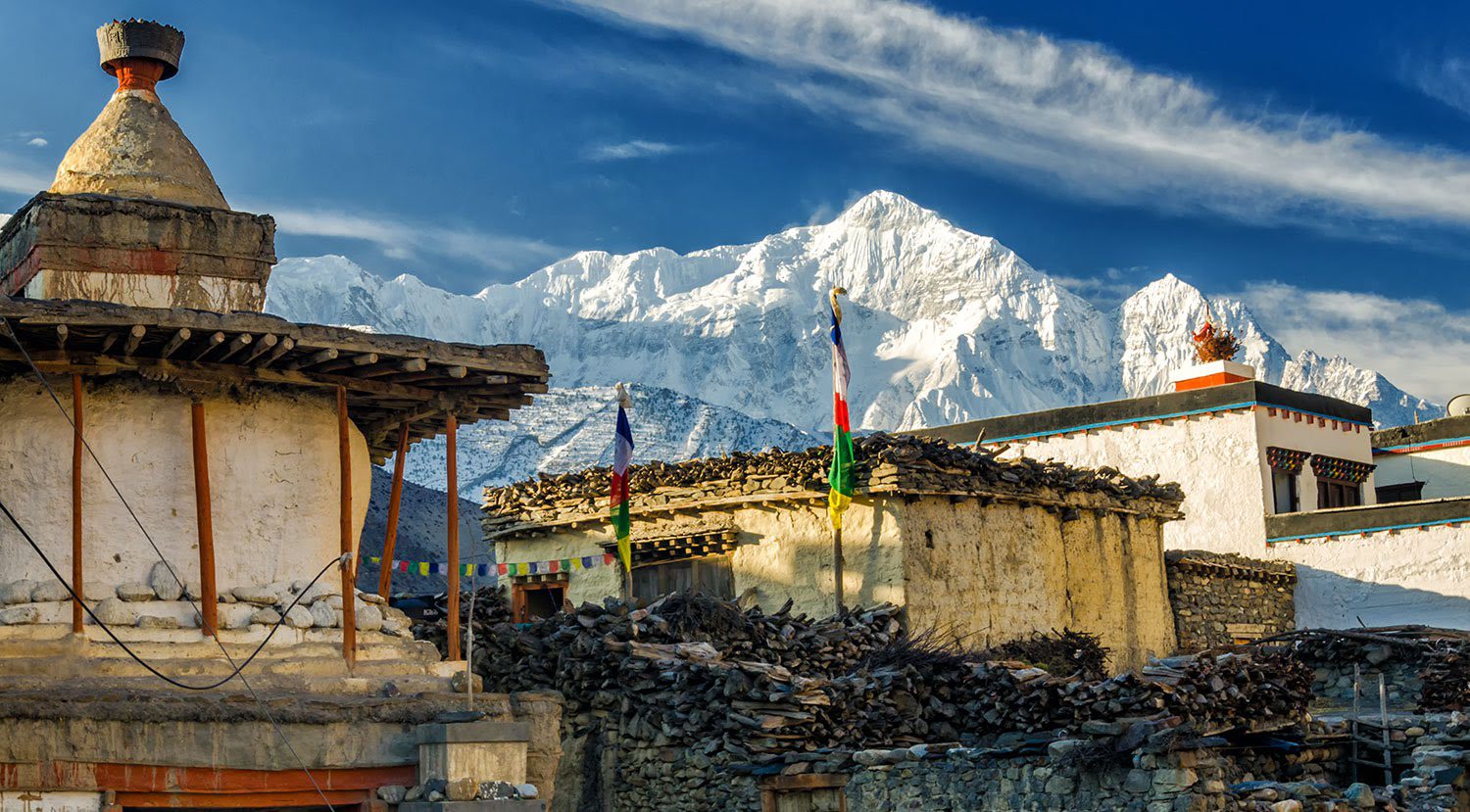
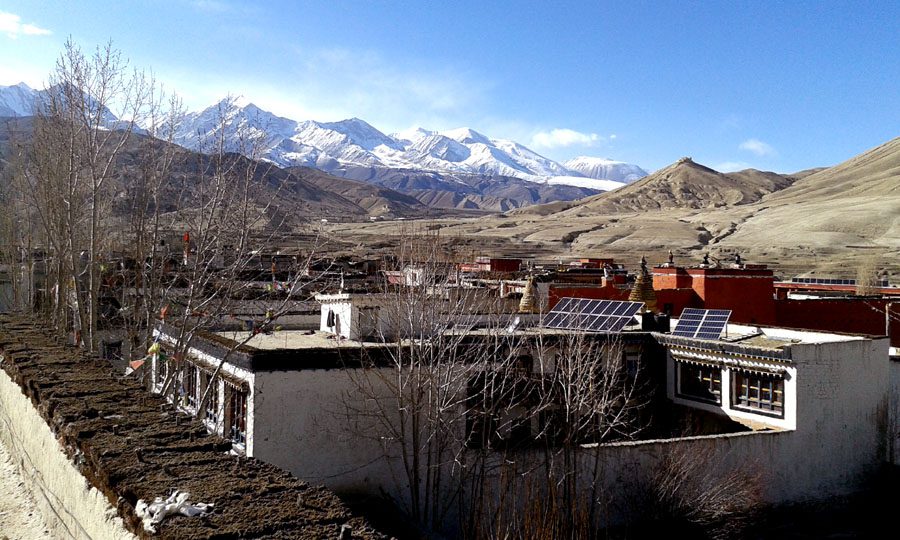
Upper Mustang was closed to all outsiders until 1992 and still operates under a strict permit system. The landscape is trans-Himalayan desert, rain shadow territory north of the main Himalayan range that looks more like Tibet than Nepal. Ancient cave cities, 15th-century monasteries, and the walled city of Lo Manthang, the former capital of the Kingdom of Mustang, are the primary draws.
The altitude is notably lower than EBC throughout, but the terrain is exposed and daily distances are long. As of late 2025, the restricted area permit moved from a flat USD 500 fee for the first 10 days to USD 50 per person per day, charged only for the days you actually spend in the zone, still one of Nepal’s more expensive treks per day, though shorter itineraries now cost proportionally less than under the old flat fee. Lo Manthang is still a living walled town, and the former royal family remains an important cultural presence.
The honest comparison with EBC: Lower altitude, entirely different cultural character, a notably more expensive permit, and an aesthetic that will genuinely surprise anyone who expects Nepal to look like the Khumbu. If the cultural and visual variety of EBC is what drew you in rather than the altitude challenge, Upper Mustang is worth the premium.
Option 5: Rara Lake Trek (15 Days)
Best for: EBC veterans who want genuine western Nepal wilderness, a full circuit structure, and Nepal’s most remote major lake.
| Max altitude | 3,691m / 12,110ft at Danphe Lagna Pass |
| Difficulty | Hard, lower altitude than EBC, three significant pass crossings |
| Permits | Rara National Park entry permit. Check current TIMS requirements with your trekking agency before departure. |
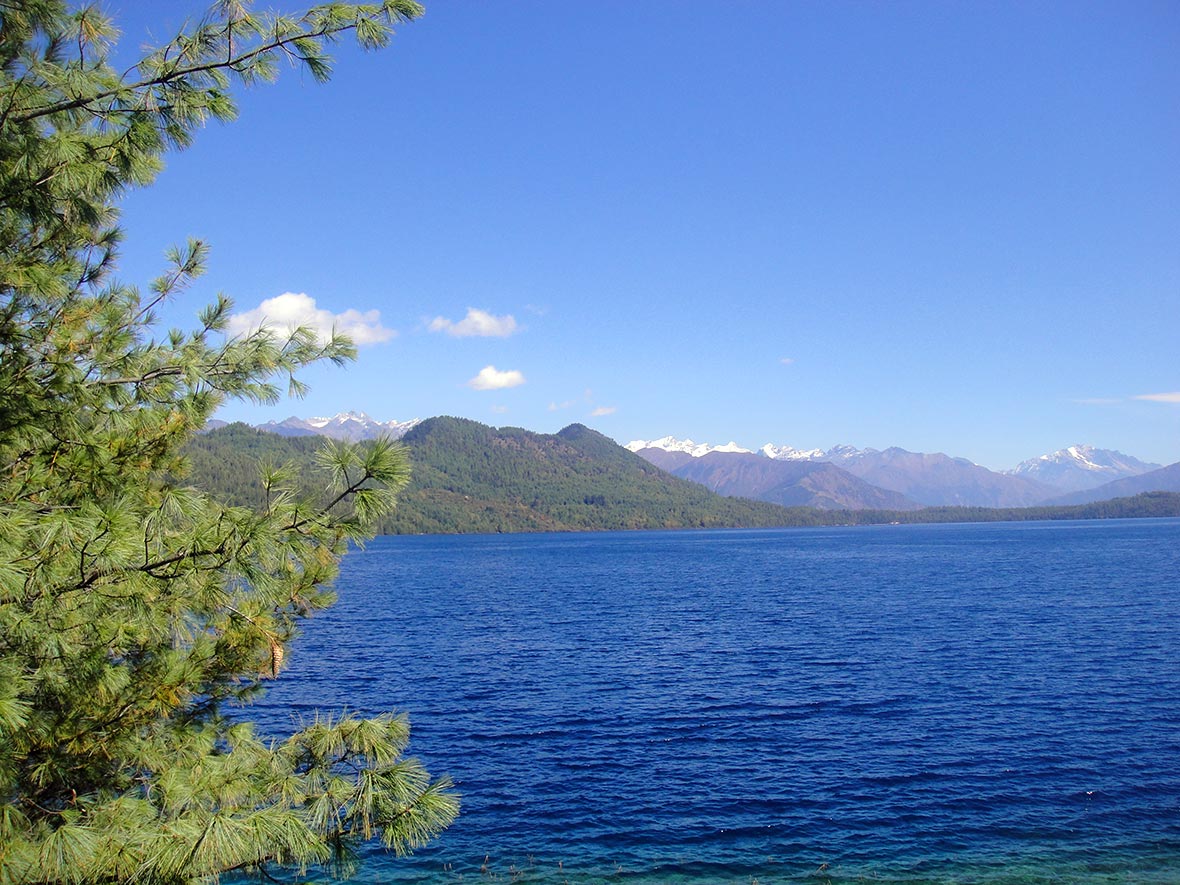
The Rara Lake Trek circuits through far western Nepal via Jumla, crossing Jaljala Pass (3,580m), passing through the Sinja Valley, the medieval capital of the Khasa Malla Kingdom in the 12th to 14th centuries, before arriving at Rara Lake (2,990m), Nepal’s largest freshwater lake at 10.8 sq km. The lake is deep blue, ringed by Rara National Park forest, and sees only a tiny fraction of the trekkers that Everest Base Camp does.
The maximum altitude is well below EBC, making this an excellent option for trekkers who found the Khumbu altitude genuinely taxing. The challenge here is daily distance and three pass crossings on the return circuit. The far western Nepal teahouse infrastructure is basic, a step down from the Khumbu, but the isolation is real.
The honest comparison with EBC: This is not a step up in altitude, it is a step sideways into a completely different Nepal. Less altitude, harder logistics, more remote, and a cultural environment in the Khas and Thakuri hill villages of the Karnali that has little in common with the Sherpa-dominated Khumbu. For trekkers who loved the EBC experience but want something genuinely unknown to most Nepal visitors, this is it.
How to Decide: A Simple Framework
Use this to narrow down your options based on what you’re actually looking for:
| What you want | Next step | Beyond that |
|---|---|---|
| More altitude and a harder physical challenge | Manaslu Circuit (15 days, 5,106m) | Kanchenjunga Circuit (21 days, 5,143m) |
| Deeper cultural immersion, less altitude | Tsum Valley (15 days, 3,700m) | Upper Mustang (16 days, about 4,280m) |
| Western Nepal wilderness, different challenge | Rara Lake Trek (15 days, 3,691m) | Khaptad to Rara via Badimalika (18 days, 4,210m) |
If you’ve only done EBC and want the most natural step up, start with Manaslu Circuit. It keeps the familiar teahouse trekking format while adding a higher pass, a more remote setting and a different cultural landscape.
If you want to stay in the Everest region, Gokyo Valley is a natural next choice for a quieter route with Gokyo Lakes and Gokyo Ri, while Three Passes is the bigger challenge. If culture matters more than altitude, look at Tsum Valley or Upper Mustang. And if your priority is genuine remoteness, Kanchenjunga is the bigger commitment.
Frequently Asked Questions
Is Manaslu harder than Everest Base Camp?
On most days, Manaslu and EBC are comparable in difficulty. The key difference is the Larkya La Pass crossing at 5,106m, a single day of 8 to 10 hours at high altitude with a significant climb and descent that has no equivalent on the standard EBC route. The teahouse infrastructure above Samagaon is also more basic than the Khumbu lodges, which adds a degree of physical challenge. Overall, Manaslu is a step up from EBC rather than a completely different level.
Can I do Kanchenjunga without having done EBC first?
Technically yes, but it is not recommended. The Kanchenjunga Circuit reaches 5,143m, involves four sequential pass crossings on one day, covers approximately 200km over 21 days, and operates in one of Nepal’s most remote regions with no road access mid-circuit. Kanchenjunga is a much bigger commitment than EBC, so previous high altitude trekking experience is strongly recommended.
How soon can I do another trek after EBC?
There is no standard waiting period that applies to everyone. Your next trek should depend on how well you recovered from EBC, your fitness, your experience at altitude and the difficulty of the route you choose. If you are moving to a higher or more remote trek such as Manaslu or Kanchenjunga, allow enough time for training and preparation rather than choosing the next route based only on the time since your last trek.
Do I need a guide for treks after EBC in Nepal?
For Manaslu, Tsum Valley, Kanchenjunga, and Upper Mustang, yes, a licensed guide is legally required as part of the restricted area permit conditions. Independent trekking in these zones is not permitted under Nepalese law. For the Rara Lake Trek, the rules are less clear-cut, but a guide is strongly advisable given the lack of trail signage and patchy mobile signal through most of the route. See our Nepal trekking permits guide for the current rules across all routes. MountainKick provides licensed guides as standard on all remote trek packages.
Which of these treks is best for someone who struggled with altitude on EBC?
Tsum Valley (max 3,700m) and Rara Lake Trek (max 3,691m) are the best options for trekkers who found EBC’s altitude genuinely difficult. Both are serious multi-day treks with demanding daily distances and remote terrain, and neither goes much above 3,700m. Upper Mustang stays below about 4,000m for most of the route, with a high point of about 4,280m. All three deliver remote Nepal wilderness and cultural depth without the altitude demands of Manaslu or Kanchenjunga. Read our altitude sickness guide before any high-altitude trek.
One Practical Note Before You Book
The biggest logistics difference from EBC is that several of these routes operate under Nepal’s restricted-area system. Manaslu, Tsum Valley, Kanchenjunga and Upper Mustang require a licensed guide and must be arranged through a registered trekking agency. Since March 2026, individual foreign trekkers can obtain restricted-area permits without finding a second trekker, although the guide requirement remains.
Rara Lake is different. It is not a restricted-area trek, but the route is more remote and has less developed trekking infrastructure than the Khumbu.
MountainKick can arrange private departures on all five routes, so you can choose your dates, guide and pace.
For US and Australian trekkers planning 3 to 6 months in advance, private departures are the standard booking model.
Our Australia representative Phillip King (+61 400 307 893 / phillip@mountainkick.com) and US representative Guy Crims (+1 650 255 2865 / guy@mountainkick.com) are available to talk through options based on your EBC experience and what you’re looking for next.