Manaslu Circuit vs Everest Base Camp: Which Trek Should You Do?
Everest Base Camp is the more established and accessible route, with stronger lodge infrastructure, a shorter itinerary, and easier logistics. Manaslu Circuit is more remote and generally demands more from trekkers, particularly because of the Larkya La crossing, longer trekking days, and more limited infrastructure. Neither is objectively better. They suit different types of trekkers.
Both treks require a licensed guide and cross above 5,000m. Here is how they compare on the numbers that actually matter for planning.
| Manaslu Circuit | Everest Base Camp | |
|---|---|---|
| Duration | 15 days | 14 days |
| Highest point | Larkya La Pass, 5,160m | Kala Patthar, 5,545m |
| Permits | Manaslu Restricted Area Permit, MCAP, ACAP | Sagarmatha National Park permit, Khumbu Pasang Lhamu municipal permit |
| Guide required | Yes | Yes |
| Duffel weight per trekker | 15kg | 10kg (one porter shared between two trekkers, 20kg total) |
| Crowds | Low, restricted area | High, especially September to November |
| Typical personal food budget | $35 to $50 per day, higher above Samagaon | $25 to $40 per day |
| Price from (MountainKick) | $650 for 7 to 10 people, up to $1,354 solo | $1,020 for 4 to 9 people, up to $1,440 solo |
Both are teahouse treks in Nepal’s high Himalaya, both require a licensed guide, and both cross above 5,000m. Beyond that, they ask something quite different of the people who do them.
How Hard Is Each Trek, Really
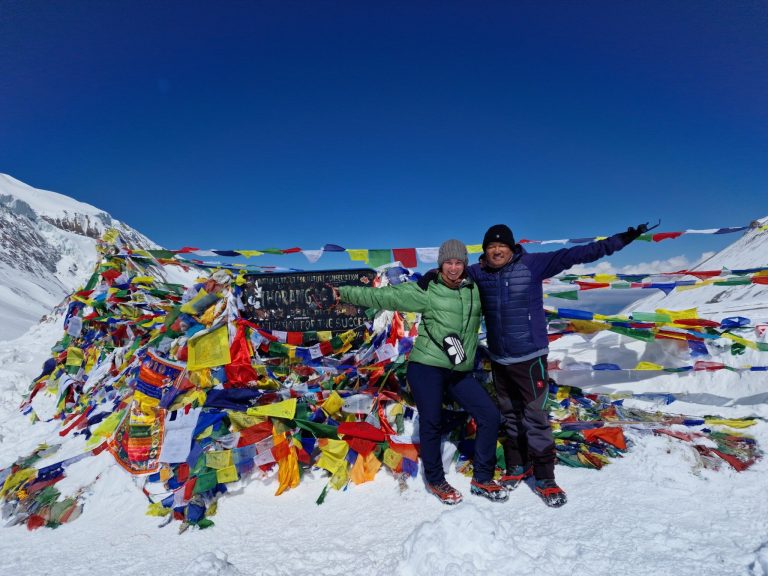
Comparing the two by altitude alone is misleading. Kala Patthar, the high point of the Everest Base Camp trek, sits at 5,545m, meaningfully higher than Larkya La Pass on the Manaslu Circuit at 5,160m. On paper, that makes EBC the “higher” trek.
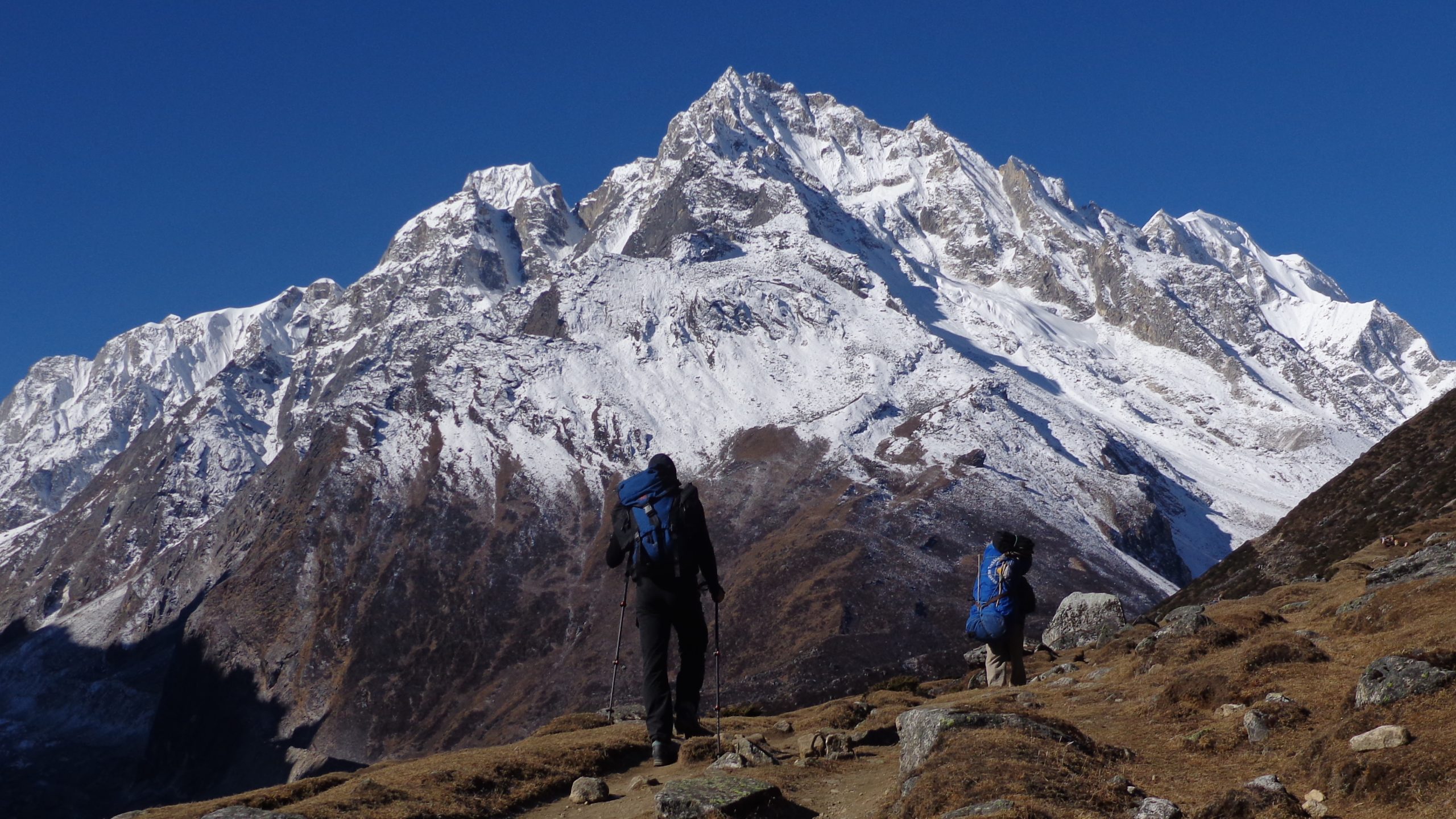
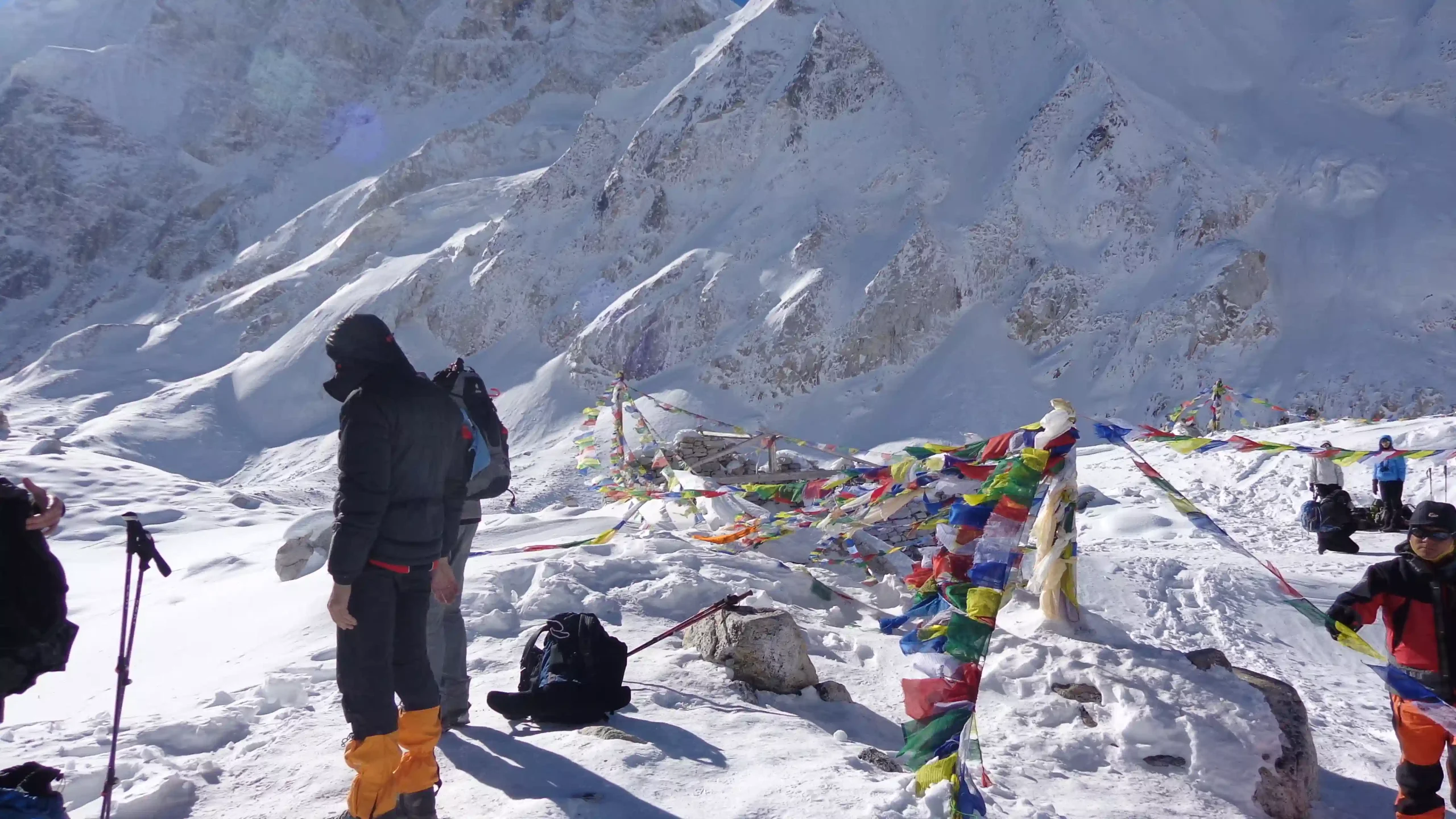
There isn’t a clean objective measurement that makes one trek universally harder than the other. What’s true is that Manaslu asks something different of you: the Larkya La crossing is a long day, often 8 to 10 hours, starting before dawn and covering rough, exposed terrain with no easy retreat partway through. EBC has nothing quite like it. Its longest days are long, but they’re on established trail with regular teahouse stops.
Manaslu also asks more of you across the whole itinerary, not just on pass day. The daily trekking hours run longer on average, the terrain is rougher in places, and because the route is a restricted area with far fewer trekkers on it, there’s less infrastructure to fall back on if something goes wrong. A twisted ankle or a stomach bug is a more serious inconvenience on Manaslu than on the well-travelled Khumbu trail, simply because help and comfortable recovery options are further apart.
None of this means Manaslu is beyond a fit, well-prepared trekker, or that EBC is easy. Both require genuine fitness and proper acclimatisation. The two treks challenge you differently: EBC asks you to handle sustained altitude over a longer, more consistent climb. Manaslu asks you to handle a harder single crossing, longer days, and more self-reliance along the way.
Infrastructure and Comfort
This is one of the clearest differences between the two routes.
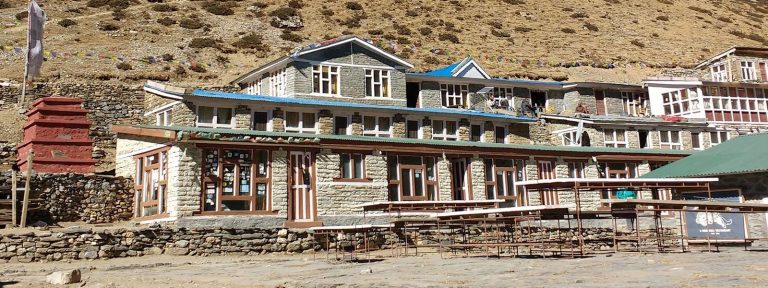
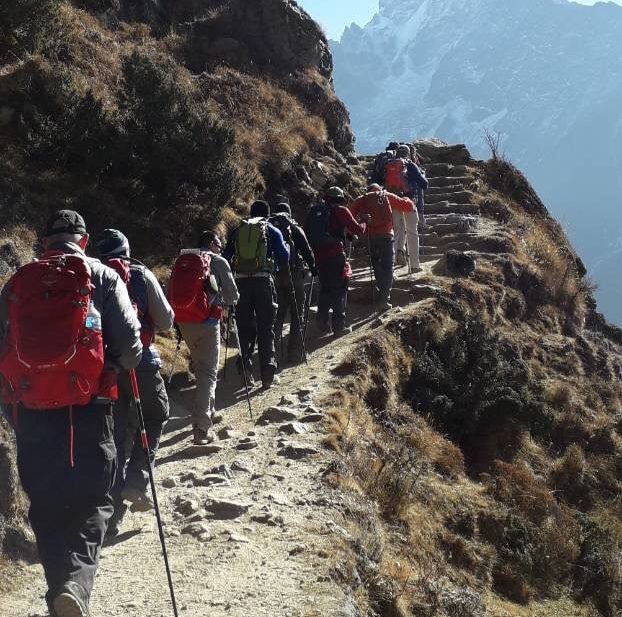
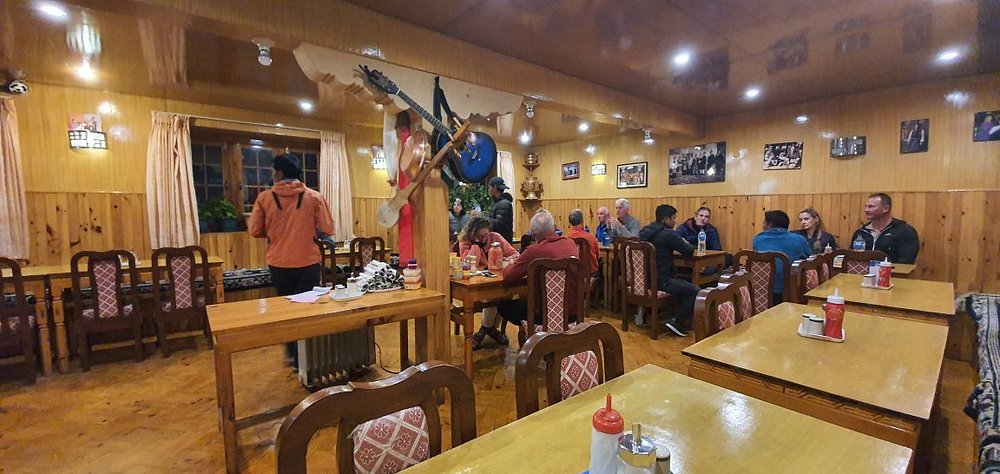
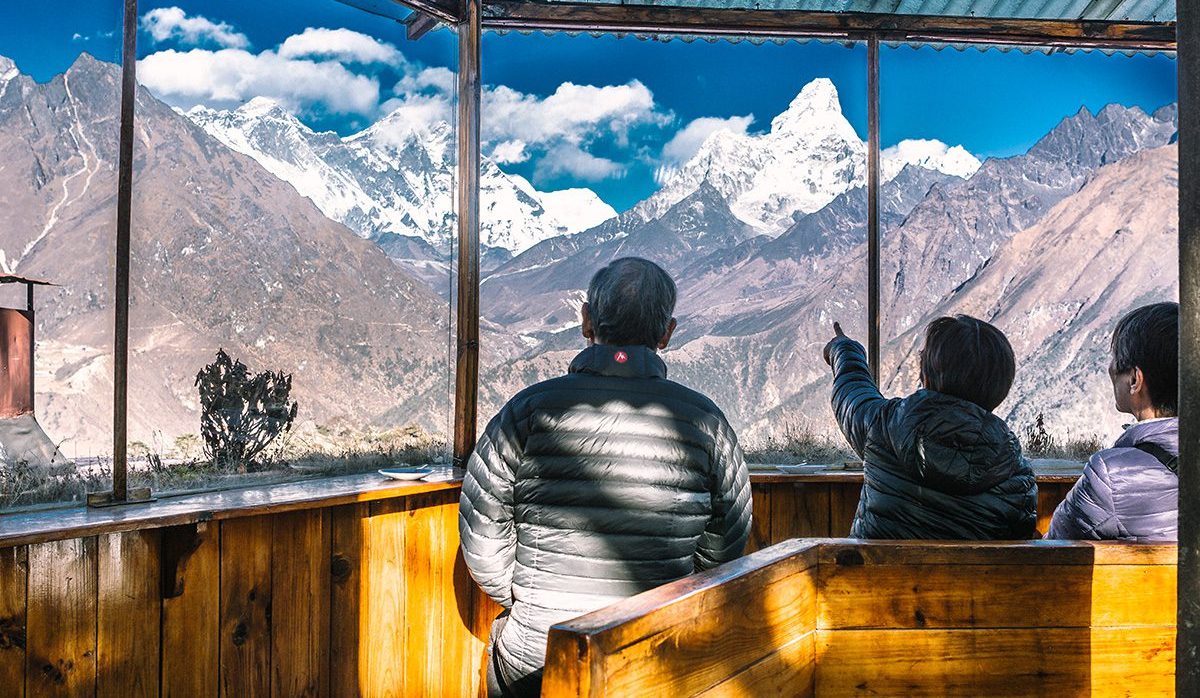
The Everest Base Camp trail has the most developed teahouse network of any trekking route in Nepal, built up over decades of heavy foot traffic. Namche Bazaar alone has lodges with attached bathrooms, hot showers, and genuinely good food. Tengboche, Dingboche, and Pheriche all have solid, if simpler, options. Our luxury trekking guide covers this in more depth, including exactly where that comfort exists and where it stops, since even on EBC it thins out fast above 4,000m.
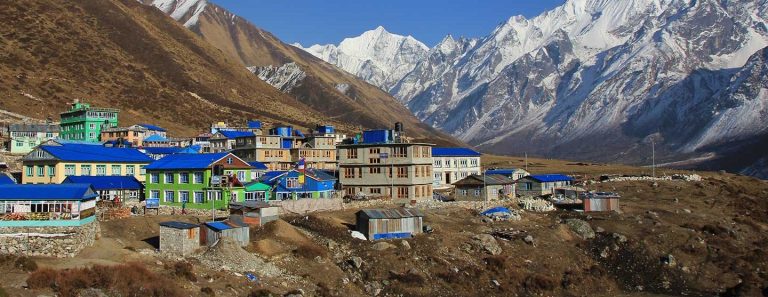
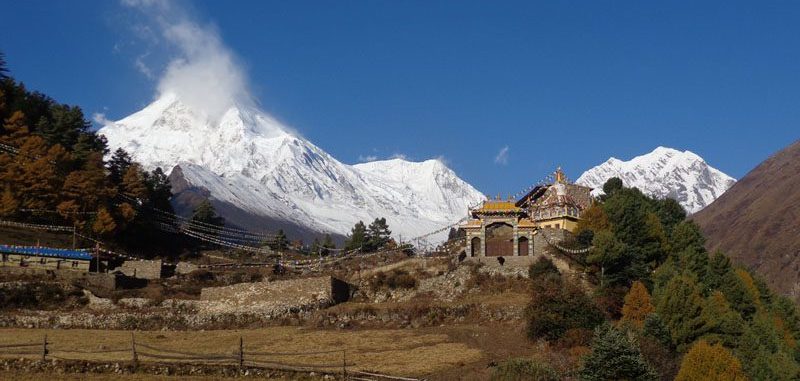
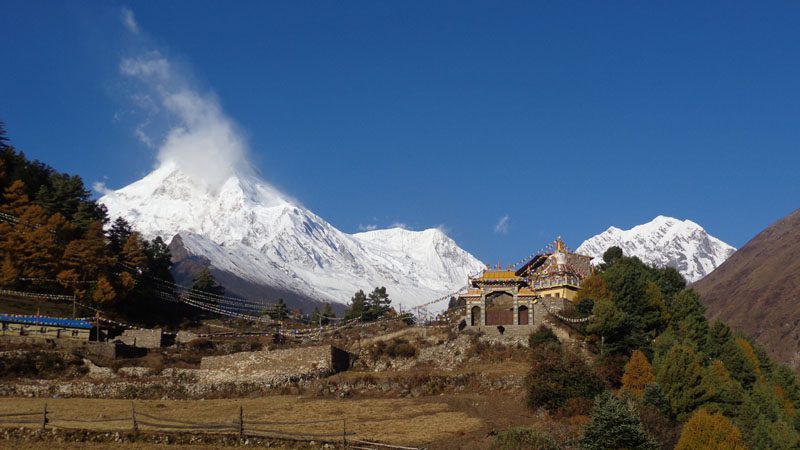
Manaslu doesn’t have that scale of infrastructure. Teahouses are smaller, private rooms with attached bathrooms are rare above Samagaon, and hot showers and WiFi come with a fee and limited availability throughout. The restricted-area permit system limits access, so there are far fewer trekkers than on the main Khumbu routes, which is part of why the lodge network hasn’t grown to the same scale. If quiet trails and an unspoiled feel matter more to you than a hot shower, that trade works in Manaslu’s favour.
Cost
MountainKick’s package price is lower for Manaslu at every group size, starting from $650 for groups of 7 to 10 up to $1,354 for a solo trekker, compared to EBC’s $1,020 to $1,440. But the package price isn’t the whole picture on either trek.
On Manaslu, expect to spend more outside the package: our typical personal food budget estimate runs higher in the remote sections above Samagaon, where everything has to be carried in by porter or mule over greater distances. Add the restricted-area permit costs, transport to and from the trailhead at Machha Khola, mandatory travel insurance covering high-altitude evacuation, and the possibility of a costlier helicopter evacuation if something goes wrong in a more remote stretch of the route.
On EBC, the package price itself is higher, but day-to-day spending tends to be a bit more predictable: our food budget estimate is lower, services along the trail are easier to access, and depending on your package, Lukla flights may already be built in. Trail spending on both routes covers similar things, showers, WiFi, snacks, and charging, it’s the baseline food and access costs that shift the total.
Neither trek is simply “the cheap one.” The honest answer depends on how much of your trip cost sits inside the package versus outside it, and that split looks different for each route. See our Manaslu Circuit cost breakdown and Everest Base Camp cost breakdown for the full numbers on each.
Permits
Manaslu’s restricted-area status is one of the biggest practical differences between the two treks. The restricted-area permit system limits access to the Manaslu region and means trekkers need to arrange the trek through a registered agency with a licensed guide. On top of the Manaslu Restricted Area Permit, you’ll also need the Manaslu Conservation Area Project permit and, because the route exits into the Annapurna region at Dharapani, the Annapurna Conservation Area Permit as well.
EBC’s permit requirements are simpler by comparison: the Sagarmatha National Park entry permit and the Khumbu Pasang Lhamu Rural Municipality permit, both handled as standard.
Either way, MountainKick arranges all the paperwork as part of your package, but Manaslu’s process involves more moving pieces. For the full current breakdown of what’s required and what’s changed recently, see our Nepal trekking permits guide.
Who Each Trek Suits
Everest Base Camp may suit you if you want:
- The classic, iconic Everest experience
- The most developed teahouse infrastructure of any Nepal trek
- Well-established logistics with a large support network along the way
- A first major high-altitude trek
- More people and activity on the trail, which some trekkers genuinely enjoy
Manaslu Circuit may suit you if you want:
- A quieter, less-trodden route
- A more remote, self-reliant experience
- Significantly fewer trekkers on the trail
- A serious high-pass crossing as part of the challenge
- Less developed infrastructure in exchange for a wilder feel
- A trek to do after you’ve already experienced Nepal’s more established routes
Deciding between Manaslu and Everest Base Camp?
Tell us your dates, your experience level, and what you’re hoping to get out of the trek. We’ll give you an honest read on which route fits, not just a sales pitch for whichever we happen to be pushing that month.
View Manaslu Circuit Trek View Everest Base Camp TrekFrequently Asked Questions
Is Manaslu harder than Everest Base Camp?
Manaslu can feel more demanding overall, although the two treks challenge you in different ways. EBC reaches a higher altitude at Kala Patthar (5,545m), while Manaslu has the long Larkya La crossing, longer trekking days, rougher terrain in places, and more limited infrastructure. Your previous trekking experience, fitness, acclimatisation, and how you respond to altitude all affect which trek feels harder.
Can a beginner do the Manaslu Circuit Trek?
It’s a demanding trek for a first-timer. Beyond the altitude, it involves long daily hours, the Larkya La crossing, and a genuinely remote setting with fewer easy fallback options than more established routes. A beginner in good physical condition who prepares properly can complete it, but it’s a bigger ask than most first Himalayan treks, and EBC is generally the gentler introduction to high-altitude trekking.
Which trek is cheaper, Manaslu or Everest Base Camp?
MountainKick’s package price is lower for Manaslu at every group size. Outside the package, Manaslu tends to run higher on food and other trail costs in its more remote sections, while EBC’s package price itself is higher. Total trip cost depends on your group size and how much you spend along the trail.
Which trek has better accommodation?
Everest Base Camp generally has the more developed accommodation network. The Khumbu has a larger range of established lodges, particularly around Namche Bazaar and the main villages. Manaslu’s teahouses are generally smaller and more basic, with private rooms becoming less common at higher elevations.
Which trek is more crowded?
Everest Base Camp, considerably so, especially during the September to November peak season. The restricted-area permit system limits access to Manaslu, so there are far fewer trekkers on that route by comparison.
Do you need a guide for both Manaslu and EBC?
Yes, a licensed guide is mandatory on both routes under current Nepal Tourism Board rules.
Can you do Manaslu and EBC on the same Nepal trip?
Yes, if you have enough time. Both are multi-week commitments on their own, so combining them in a single trip usually means planning for at least four weeks total, plus buffer days for weather delays on either route.
Which trek is better for someone who has already done EBC?
Manaslu is a natural next step for returning trekkers who want something quieter and more demanding after experiencing Nepal’s most established route. The restricted-area feel and the Larkya La crossing offer a genuinely different kind of challenge from EBC.
Conclusion
Everest Base Camp and Manaslu Circuit offer different experiences built around different trade-offs: altitude versus crossing difficulty, established comfort versus genuine remoteness, crowded trails versus quiet ones. The useful question isn’t which trek is better. It’s which combination of altitude, infrastructure, remoteness, and difficulty actually fits the trekker deciding between them.
Further Reading
- Manaslu Circuit Trek Cost 2026: What You Actually Pay
- Everest Base Camp Trek Cost 2026: Complete Price Breakdown
- Nepal Trekking Permits 2026: Costs, Rules and What’s Changed
- Luxury Trekking in Nepal: What It Actually Means
- Do You Need a Guide to Trek in Nepal? 2026 Rules Explained
- Altitude Sickness on Nepal Treks: Symptoms, Prevention and What to Do