Trekking Gear Rental in Kathmandu: What to Actually Rent and What to Skip
For most trekkers on standard trekking routes, the two items that make the most sense to rent are a down jacket and a sleeping bag. At the shops MountainKick currently works with, both typically cost around $1 to $3 per day each, with no deposit required. Prices can vary by shop, season, and gear quality.
For most standard treks, we usually recommend buying smaller items such as trekking poles, duffel bags, and gaiters rather than renting them, and we don’t recommend renting boots at all. Rental gear is checked for quality when you pick it up, and if something doesn’t fit or fails, it can usually be swapped or replaced the same day while you’re still in Kathmandu.
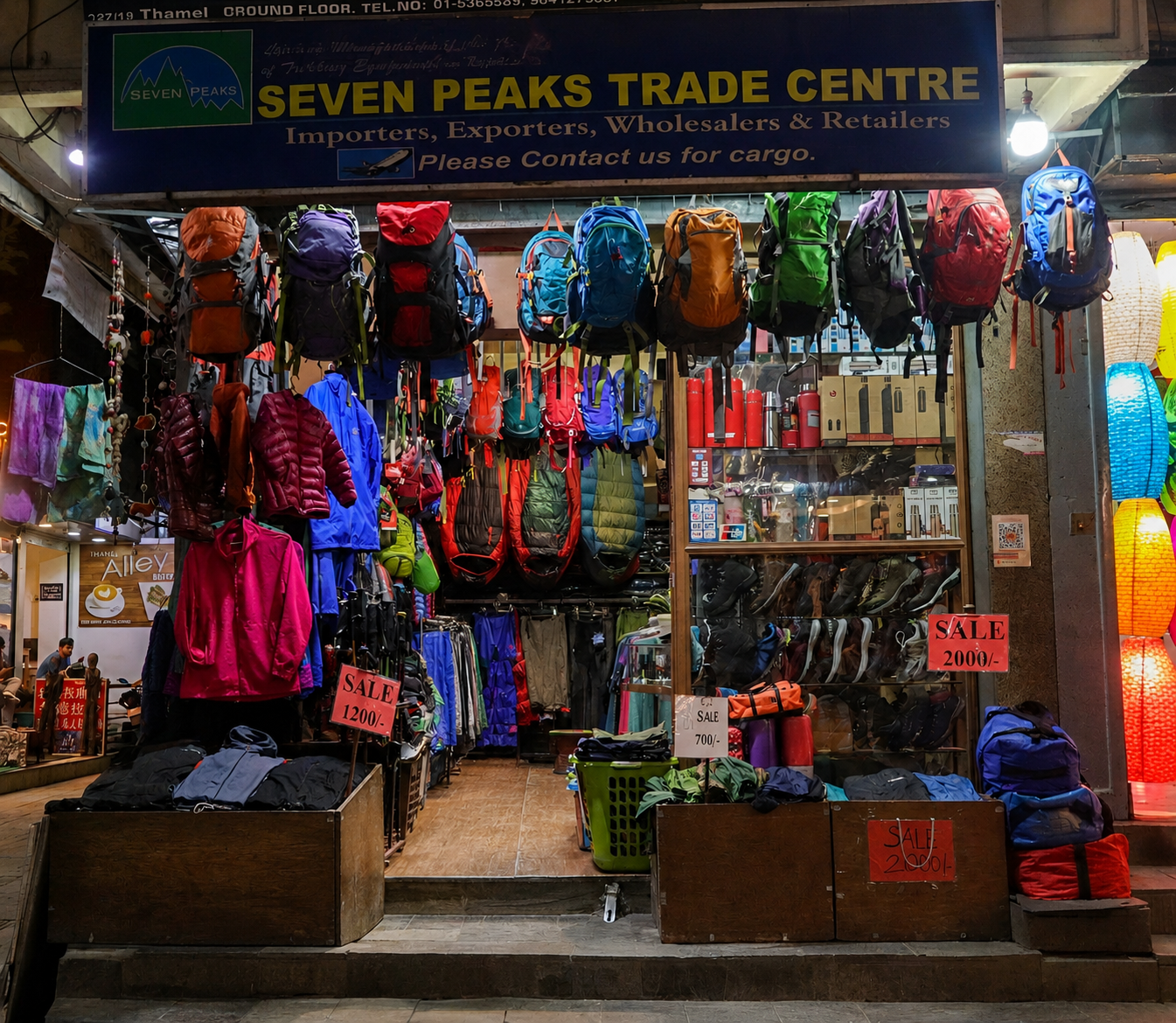
What Trekking Gear Should You Rent in Kathmandu?
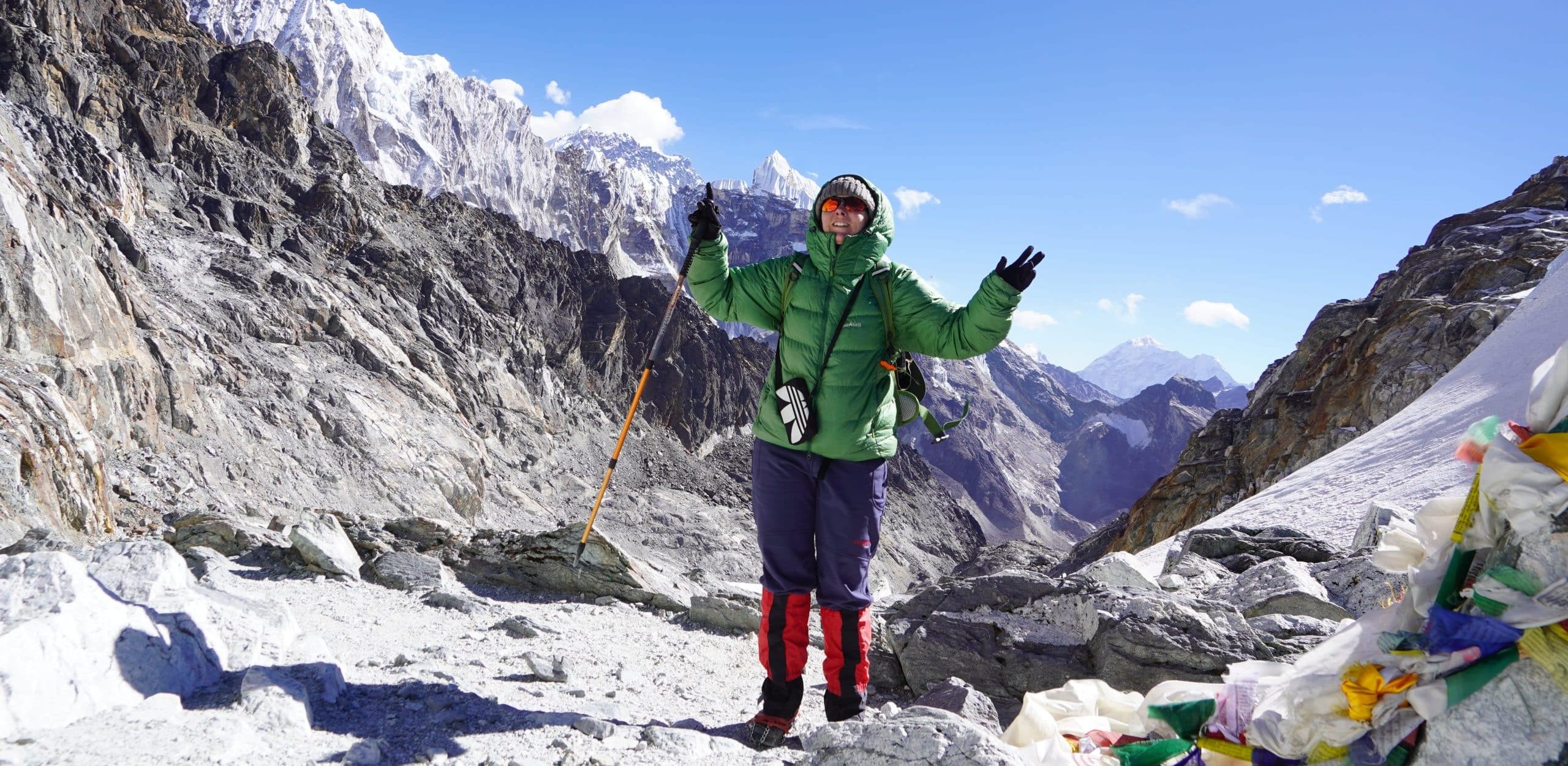
A lot of gear guides make Kathmandu’s rental scene sound bigger than it needs to be, listing poles, gaiters, duffel bags, and even boots as rental items. In practice, most of those are cheap enough that renting doesn’t actually save you much. Boots are a separate case: we don’t recommend renting them. Boots need to fit your feet properly and should be broken in before a multi-day trek.
This advice is for standard trekking routes such as Everest Base Camp, Annapurna, and Langtang. Technical climbing trips require a different equipment list.
For standard trekking routes, the two items that usually make the most sense to rent are a down jacket and a sleeping bag. Both are bulky, both are only needed for the specific cold of high-altitude nights, and both are things most trekkers won’t use again anytime soon. Renting rather than buying avoids the cost and the extra weight in your luggage getting there. For the fuller reasoning on what to rent, buy, or bring from home, our Everest Base Camp packing list covers the logic in more detail.
What It Actually Costs, and How It Works
At the shops MountainKick currently works with, down jackets and sleeping bags typically cost around $1 to $3 per day each, and no deposit is required. You pick up the gear, it’s inspected with you at the time of hire, and you return it after the trek.
This is worth knowing because some online guides mention deposit requirements, sometimes a meaningful cash amount, at certain shops in Thamel. That’s not how it works with the shops we send trekkers to, though prices and terms can vary by shop, season, and gear quality.
Should You Rent or Buy Trekking Gear?
For most trekkers coming to Nepal for one trek, renting a down jacket and sleeping bag is more practical than buying them. You avoid carrying bulky cold-weather gear home and only pay for the days you actually need it.
Smaller items such as trekking poles, gaiters and duffel bags are different. If you trek regularly, buying your own may make more sense. For a one-off trek, the decision mostly comes down to what you already own and how much luggage you want to bring.
Checking Quality and Getting the Right Fit
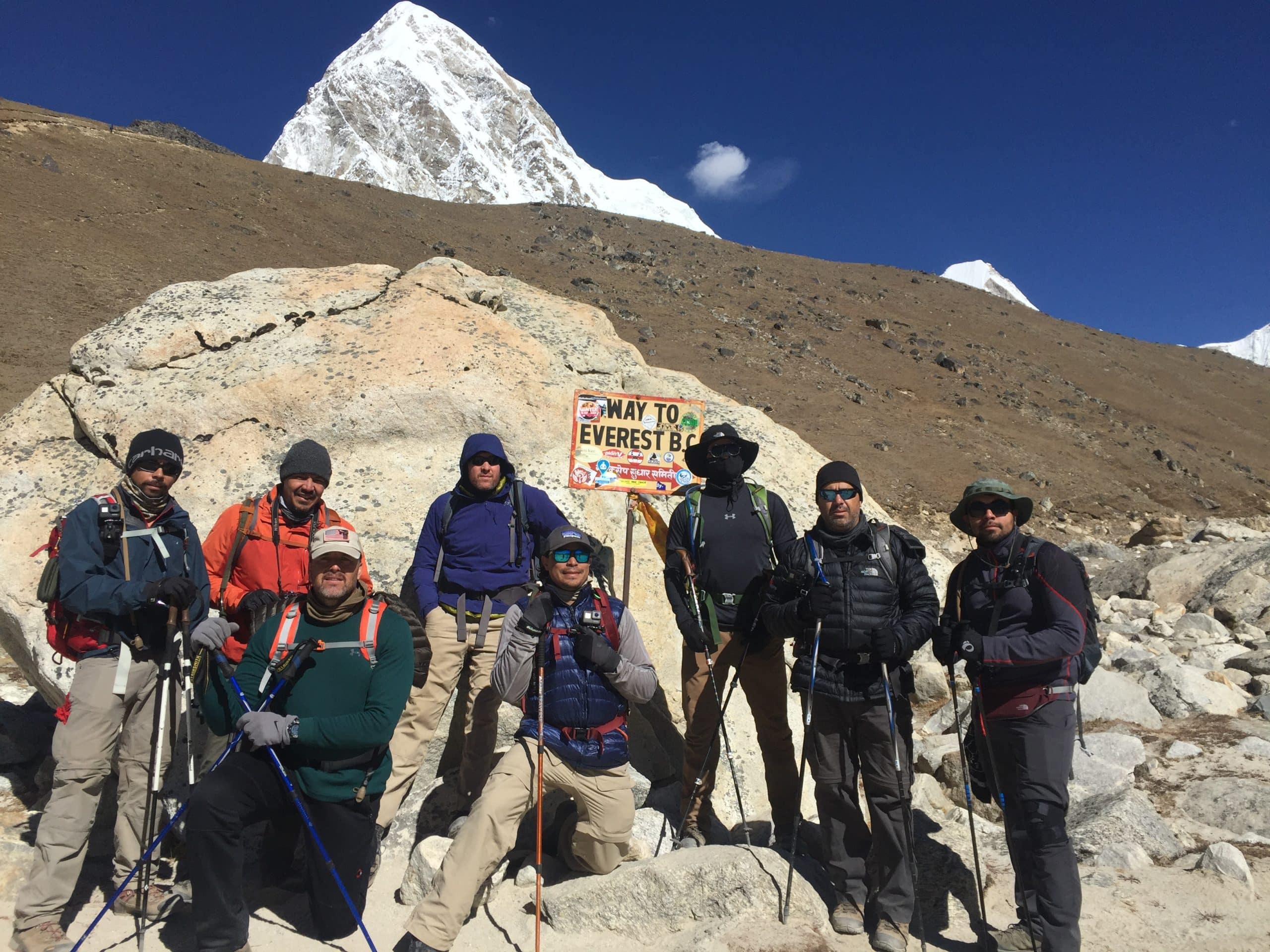
Gear is checked for quality at the point of hire, not just handed over. If a zip sticks, the down looks patchy, or the sizing isn’t right, that gets sorted before you leave the shop rather than discovered on the trail.
If something does turn out to be wrong once you’re wearing it, whether it doesn’t fit properly or a problem shows up, we can usually arrange a swap or replacement with the shop the same day while you’re still in Kathmandu. Once you’re on the trail, replacement options are much more limited, which is why checking the gear before leaving Kathmandu matters.
One option that removes most of the guesswork: gear can be brought directly to the pre-trip briefing, so sizing gets confirmed there and then, rather than trying it on for the first time the night before you fly to Lukla.
When to Actually Go Rent
The normal window is straightforward: after the pre-trip briefing, once your guide has walked you through what you actually need for your specific route and season. Renting before that conversation risks renting the wrong thing, renting after gives you enough time to swap sizes if needed and still be fully sorted before an early departure.
A Note on Winter Treks
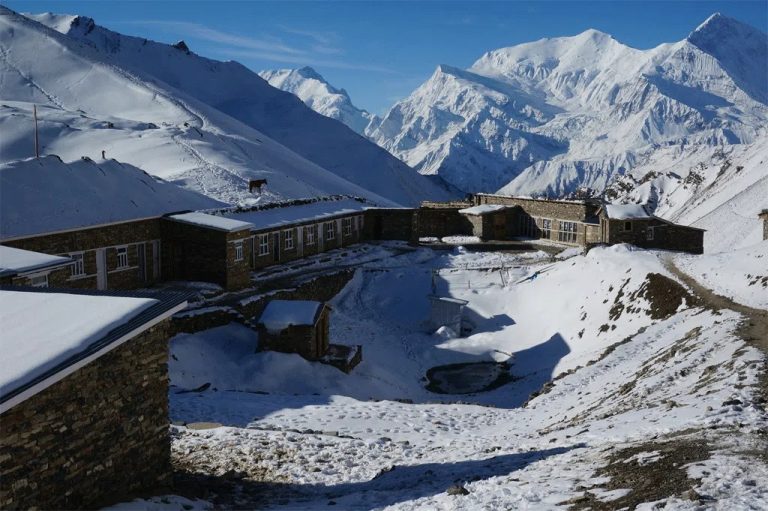
Depending on the route, season, and trail conditions, winter trekkers may find microspikes useful on icy sections. These strap onto regular trekking boots and can be useful on routes where snow or ice is expected. For most standard treks, we recommend buying rather than renting them because they are relatively inexpensive.
Worth separating clearly from that: proper crampons, the kind used in technical mountaineering, are a different category of gear entirely. They’re not something a standard winter trek requires, and they’re not part of what’s covered here, that’s climbing equipment for climbing routes, not trekking gear.
Frequently Asked Questions
What gear can I actually rent in Kathmandu?
For standard trekking, mainly a down jacket and a sleeping bag. Technical trekking and climbing trips are different and may require additional rental equipment. Other items like trekking poles, duffel bags, and gaiters are cheap enough to buy outright, and we don’t recommend renting boots, since they need to fit and be broken in to your own feet.
How much does gear rental cost in Kathmandu?
At the shops MountainKick currently works with, down jackets and sleeping bags typically cost around $1 to $3 per day each, with no deposit required. Prices can vary by shop, season, and gear quality.
Do I need to pay a deposit to rent gear?
Not at the shops MountainKick sends trekkers to. Some shops elsewhere in Thamel do ask for a deposit, so it’s worth confirming before you commit if you’re renting independently.
What happens if rented gear doesn’t fit or breaks?
If you’re still in Kathmandu, it can usually be swapped or replaced the same day. Once you’re on the trail, replacement options are much more limited, which is why checking fit and quality before you leave the city matters.
When should I rent my gear?
After your pre-trip briefing, once you know exactly what your specific trek and season require. You can also bring gear along to the briefing itself so sizing gets confirmed on the spot.
Do I need crampons for a winter trek?
Not usually. Most winter trekking routes just need microspikes, which strap onto your boots and are cheap enough to buy rather than rent. Full crampons are technical climbing gear, not something a standard trek requires.
Planning your trek?
We’ll walk you through exactly what to rent and what to bring at your pre-trip briefing in Kathmandu, no guesswork required.
View Nepal Treks Ask a Question