Best Time for Everest Base Camp Trek: Month by Month Guide
The best time for the Everest Base Camp trek is autumn (late September to November) or spring (March to May). If you want one month, October is usually the most reliable, with clear skies and dry trails. April is the best spring choice, with rhododendrons on the lower trail and expedition tents at Base Camp.
Both are busy. For quieter trails, look at March or late November and be ready for colder nights. Winter works for well prepared trekkers. June to August is monsoon season and generally not recommended.
- Best month overall: October
- Best spring month: April
- Clearest views: late October and November
- Warmest trekking month: May, first half
- Rhododendrons and expedition camps: April and early May
- Quieter trails in good weather: March and late November
- Coldest period: December to February, January coldest
- Least suitable: June to August (monsoon)
- Booking lead time: 3 to 5 months for October and April
Last updated: October 2026
In this guide
There’s no single right month for Everest Base Camp. It depends on what matters most to you: clear views, warmer nights, quiet trails or the buzz of climbing season at Base Camp.
This guide compares all 12 months so you can pick. For the detail on a single month, follow the links to our month guides.
Everest Base Camp Month by Month
| Month | Typical conditions | Crowds | Best for |
|---|---|---|---|
| January | Very cold, often clear, snow possible | Very quiet | Experienced winter trekkers |
| February | Cold, warming late in the month | Very quiet | Quiet winter trekking |
| March | Clear mornings, cold nights, some snow early | Moderate, rising | Quieter spring trails |
| April | Clear mornings, warmer days, flowers lower down | Very busy | Spring scenery and expedition camps |
| May | Warmest month, haze builds after mid May | Busy early, quieter late | Warmth and climbing season |
| June | Monsoon arrives, more cloud and rain | Very quiet | Not recommended |
| July | Wet, frequent cloud | Very quiet | Not recommended |
| August | Wet, cloudy and changeable | Very quiet | Not recommended |
| September | Wet early, often clearing late | Building late | Late September trekking |
| October | Usually dry, clear and stable | Busiest | Best all-round conditions |
| November | Very clear, colder | Busy early, quiet late | Views and quieter trails |
| December | Cold, dry, quiet, snow possible | Quiet | Well prepared winter trekkers |
How Cold It Gets at Night
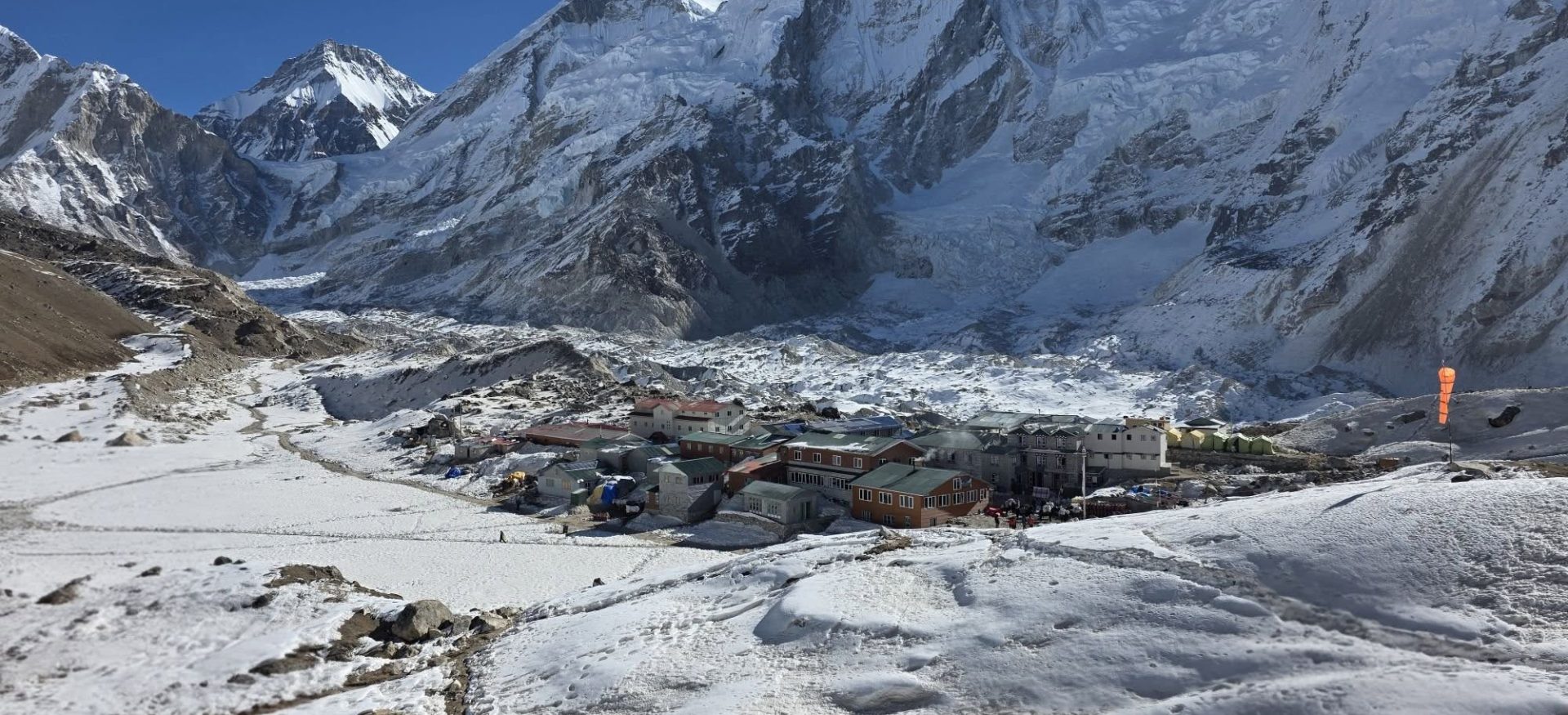
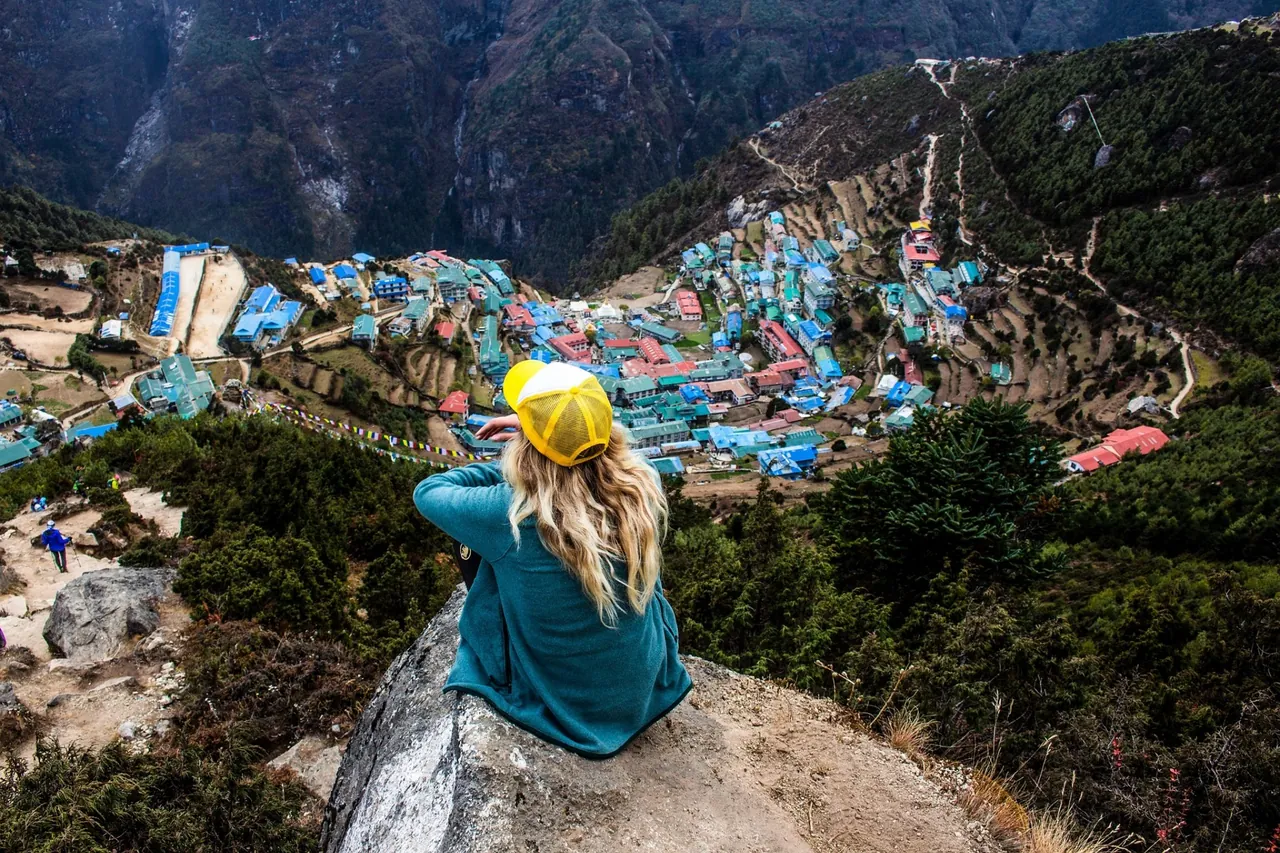
The coldest place you sleep is Gorak Shep, at around 5,164m. You don’t sleep at Base Camp itself. Expect freezing nights there in every trekking season.
There’s very little long-term weather data at these heights, so treat these as rough planning estimates from our trips, not measured averages.
| Month | Gorak Shep at night (rough estimate) |
|---|---|
| March | -15°C to -10°C, colder in early March |
| April | -12°C to -8°C |
| May | -8°C to -5°C |
| October | -10°C to -20°C, colder later in the month |
| November | -15°C to -25°C, colder later in the month |
| December to February | Often well below -20°C |
Autumn: September to November
Autumn is the main trekking season in the Khumbu. The monsoon washes the air clean, trails dry out and the views are often the sharpest of the year.
September
Early September is often still wet, with cloud and rain hanging around. Things usually improve in the second half, but the timing changes each year. Late September can be a good way to beat the October rush if your dates have some flexibility.
October
October is the month most people picture for EBC. Trails are usually dry, the weather is stable and the mountain views can be superb.
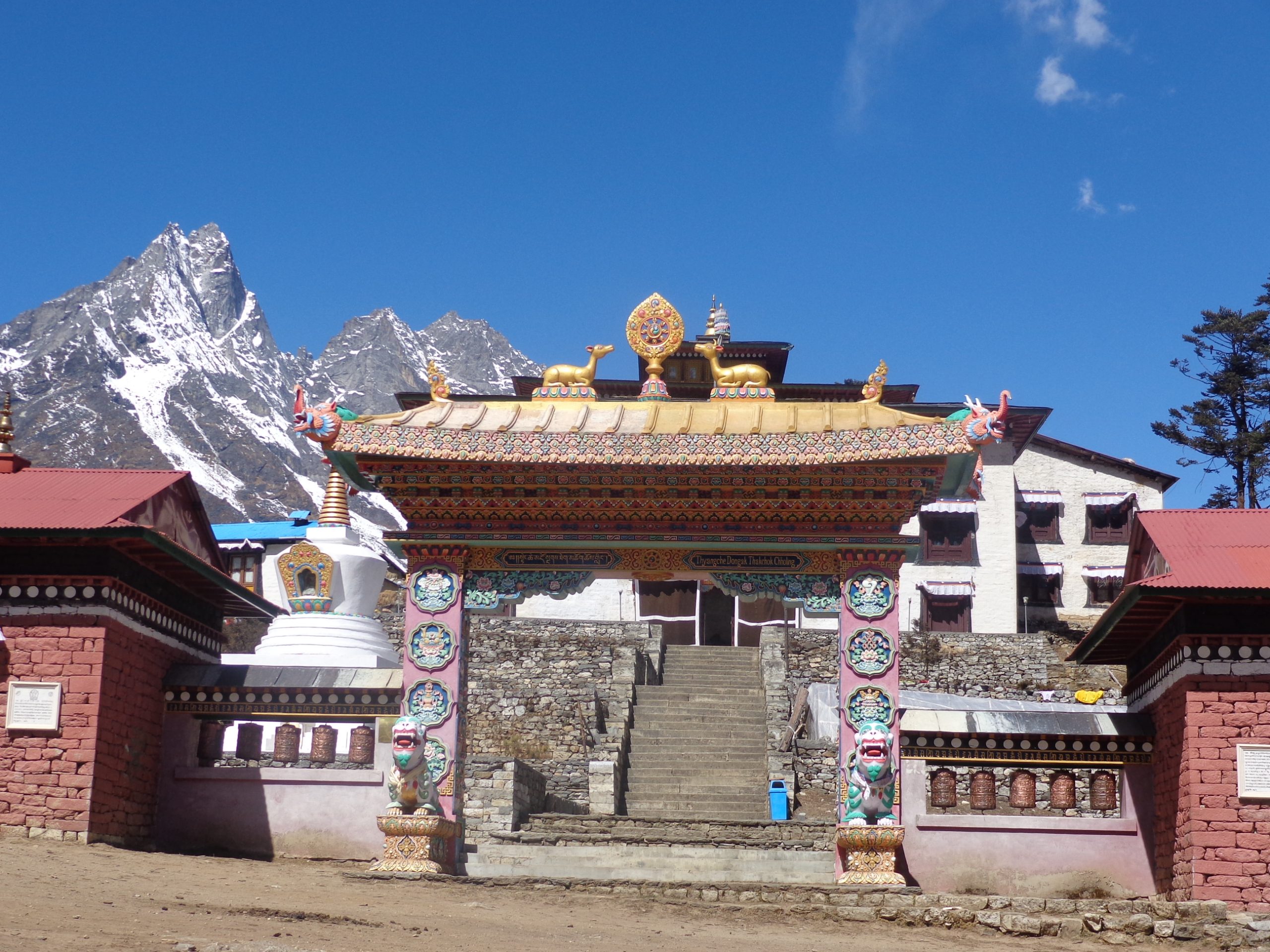
It’s also the busiest month. Teahouses at Dingboche, Lobuche and Gorak Shep fill up, so book early. The Mani Rimdu festival at Tengboche falls in late October or early November, with dates that change each year. See our guide to the EBC trek in October.
November
November is colder but often even clearer than October. The first half is still busy. After mid November the trail gets noticeably quieter.
Nights above Lobuche get very cold, and snow and ice are more likely late in the month. If you want great views without October crowds, the second half of November is worth a look. See our guide to the EBC trek in November.
Spring: March to May
Spring is the second main season. Days get longer and warmer as it goes on, the lower forests flower and Everest climbing season brings expedition teams to Base Camp.
March
March is the quiet start of spring. Mornings are often clear and the trail is generally less busy than April. Nights are still cold up high, and snow is possible above 4,500m, especially early in the month. See our guide to the EBC trek in March.
April
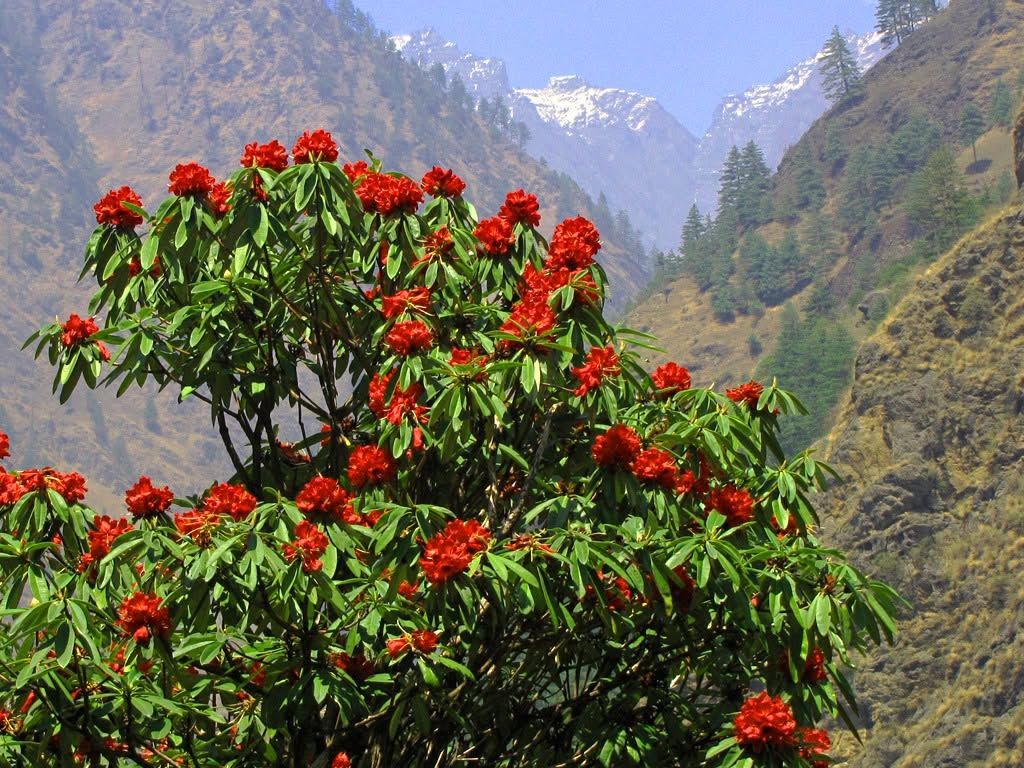
April is one of our favourite months on this trek. Rhododendrons bloom in the forests below Tengboche, and climbing teams set up camp at Base Camp through the month.
The trade-off is crowds, especially from mid April. Teahouses and flights are in high demand, so plan well ahead. See our guide to the EBC trek in April.
May
May is the warmest month on the trail, and the main route is usually largely free of snow. Early May is the peak of Everest climbing season.
After mid May, haze and afternoon cloud build, rain gets more likely as the monsoon gets closer, and Lukla flights get less reliable. The first half of the month is usually the better choice. See our guide to the EBC trek in May.
Winter: December to February
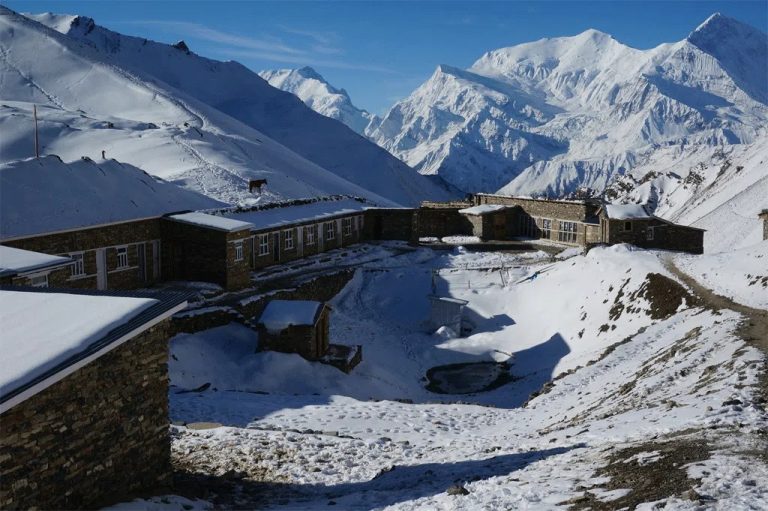
Winter is cold, dry and quiet. Skies are often clear, and you may share teahouses with only a few other trekkers.
It’s also much harder than spring or autumn. Nights at Gorak Shep are often well below -20°C, fresh snow can hold you up for a day or two, and some teahouses higher up close for part of the season. Winter suits experienced trekkers with proper cold-weather gear and a flexible plan. It’s not the best pick for most first high-altitude treks.
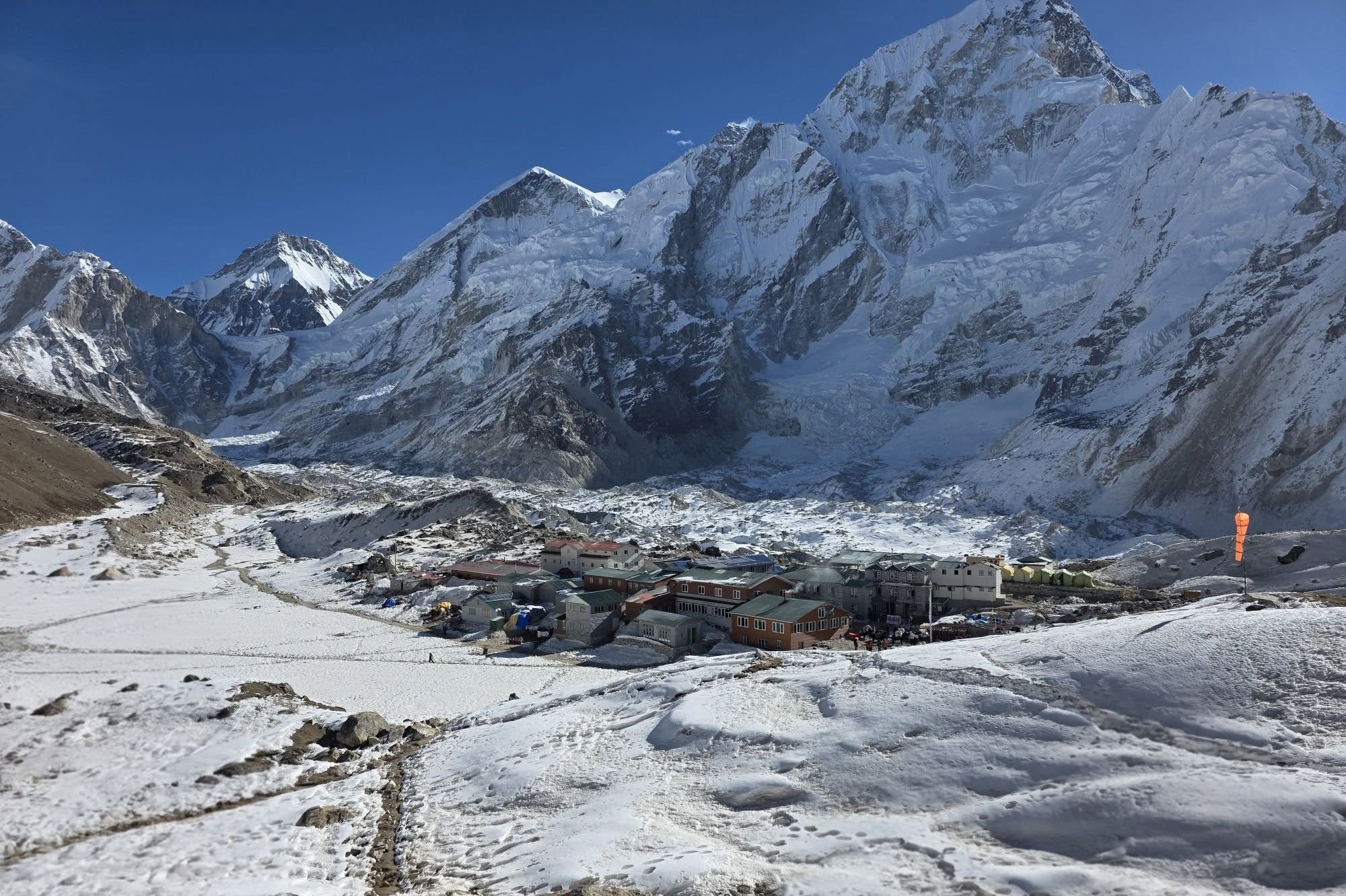
- December is the easiest winter month. It’s often clear and quieter than November. See our guide to trekking in Nepal in December.
- January is usually the coldest and quietest month.
- February stays cold but starts to warm up late in the month.
Monsoon: June to August
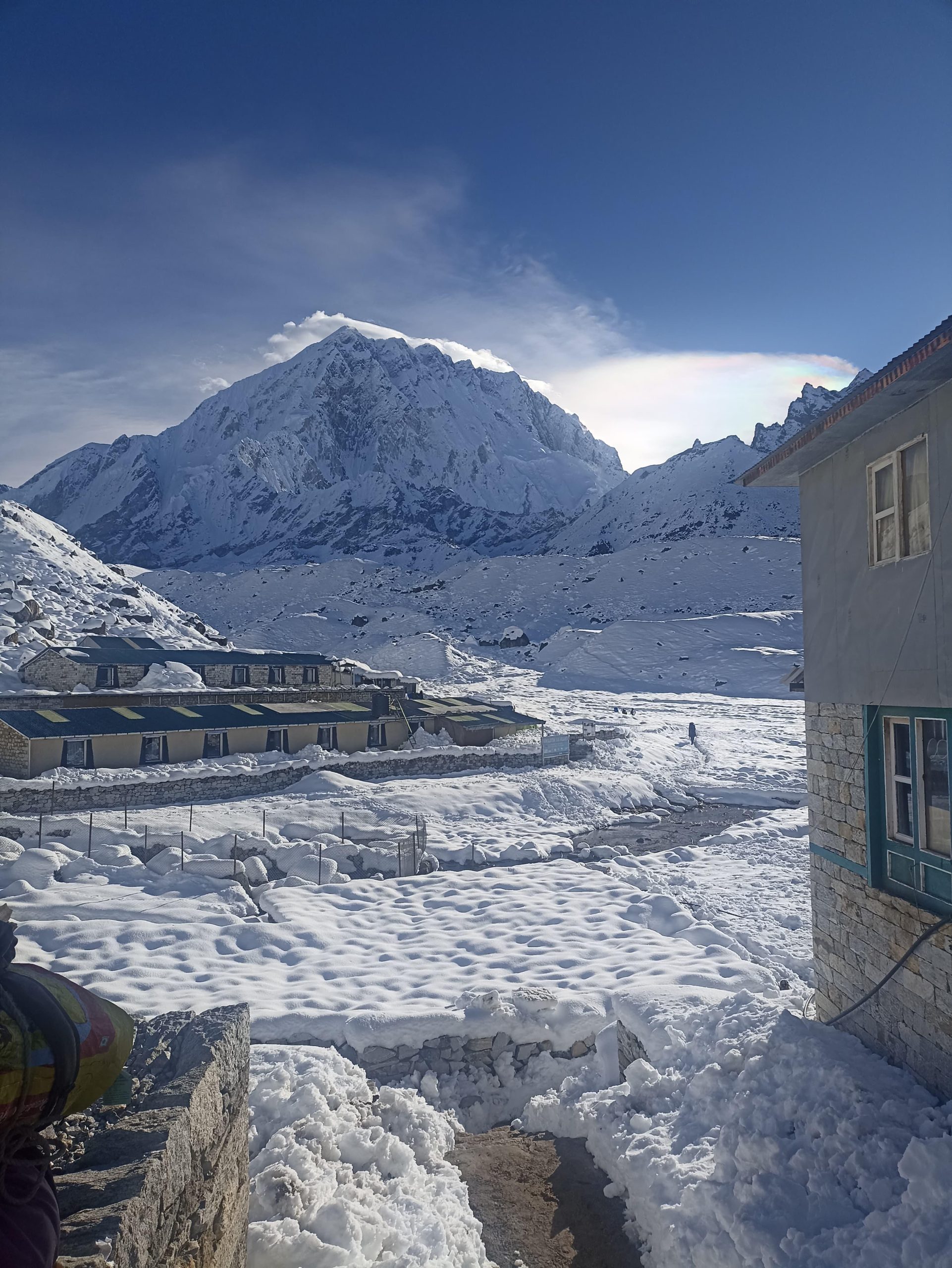
We don’t usually recommend EBC in the monsoon. Cloud often hides the mountains, the lower trail gets wet and muddy, and leeches are common in the forests. Lukla flights are cancelled more often, which can add days to your trip.
The upper Khumbu gets less rain than the lower valleys, and the trail is very quiet. But the big mountain views are what make this trek special, and they’re often hidden. If summer is your only window, Upper Mustang sits in a rain shadow and is a better fit. Ask us about it.
Which Month Suits You?
| If you want… | Go in |
|---|---|
| The most reliable weather | October |
| Clear views with fewer people than October | November, especially late in the month |
| Rhododendrons and expedition tents | April |
| Warmer nights | May, first half |
| Quiet trails without deep winter cold | March or late November |
| The trail almost to yourself | December to February, with good preparation |
| Your first high-altitude trek | October or April |
Lukla Flights by Season
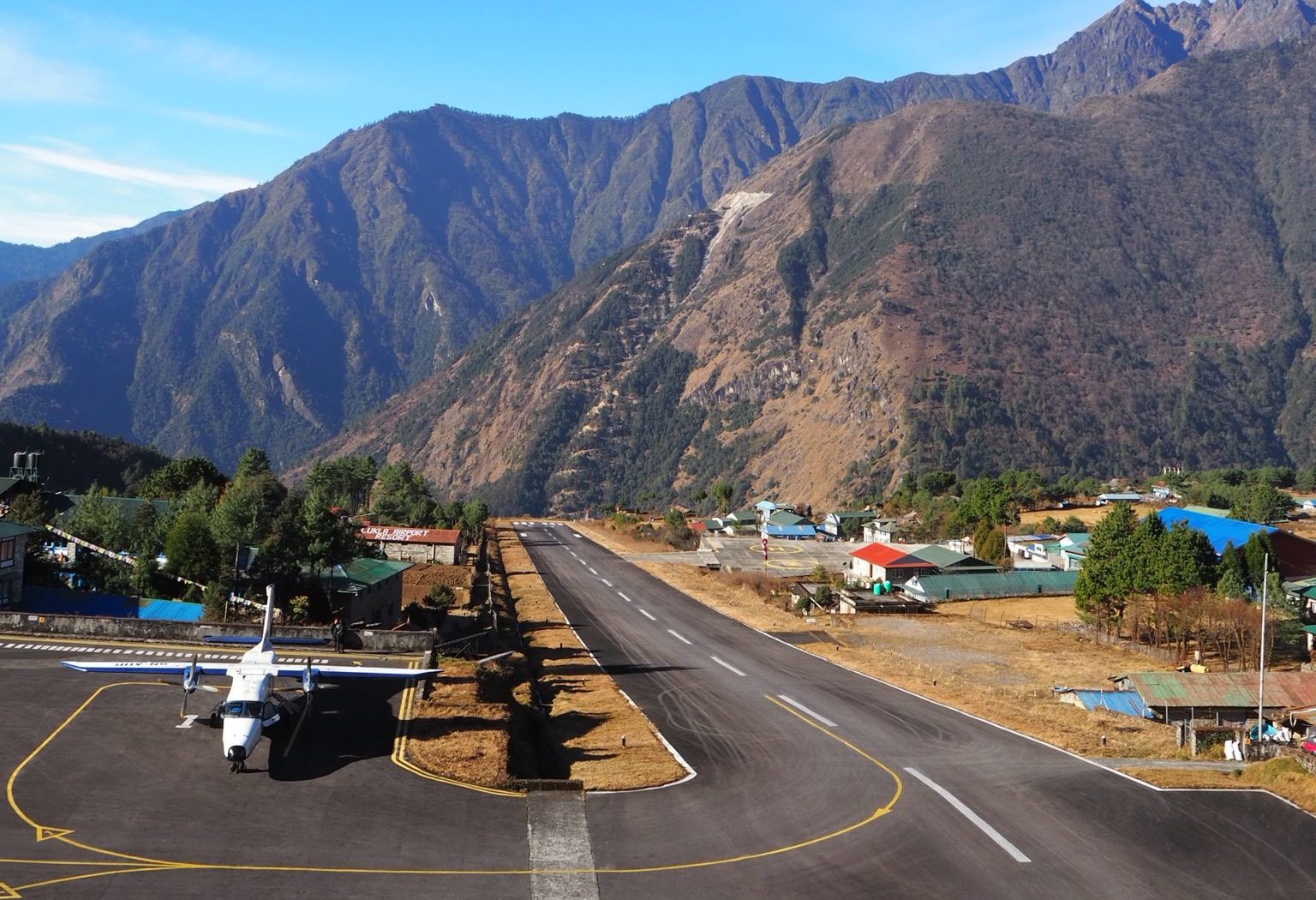
Lukla flights depend on the weather, so the month you pick changes how likely delays are.
- October and early spring: usually the most reliable.
- Late May and November: more weather holds as conditions change.
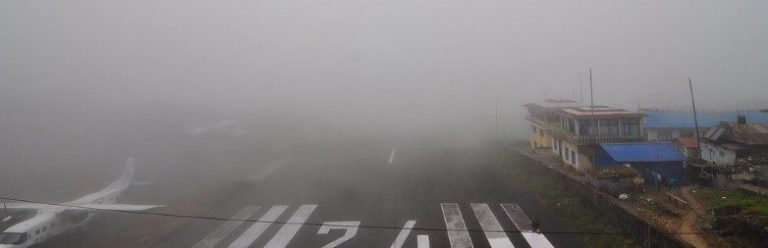
- Winter: fog, cloud and snow can cause delays.
- Monsoon: cancellations are common.
In recent peak seasons, many Lukla flights have run from Manthali Airport in Ramechhap instead of Kathmandu. That means a pickup from your hotel in the middle of the night and a drive of about 4 to 5 hours before the flight. The transfer is included in our trek, and we confirm your airport and pickup time before you travel.
Whatever month you choose, leave at least one spare day in Kathmandu before your flight home. See our guides to Lukla flights via Ramechhap and Lukla flight delays.
When to Book
- October: 4 to 5 months ahead
- April: 3 to 4 months ahead
- March and November: 2 to 3 months ahead
- Winter: usually 1 to 2 months, but check teahouses are open on your route
Teahouses at Lobuche and Gorak Shep fill first in peak season. When you book with us, we reserve a teahouse for each night of your trek. You can book private dates on our Everest Base Camp Trek or join one of our fixed departures. For prices by group size and what to budget on top, see our EBC trek cost guide.
Frequently Asked Questions
What is the best month for the Everest Base Camp trek?
October for most people. Trails are usually dry and the views are often excellent. April is the best spring option if you want flowers and the expedition atmosphere at Base Camp.
Is spring or autumn better for Everest Base Camp?
Both are good. Autumn is usually drier with clearer views. Spring gets warmer as it goes on and adds rhododendrons and climbing season at Base Camp.
Can you trek to Everest Base Camp in winter?
Yes, if you’re well prepared. December to February is often clear and very quiet, but nights at Gorak Shep are often well below -20°C and snow can hold you up. You need proper cold-weather gear, open teahouses on your route and spare days.
Is May a good month for Everest Base Camp?
Yes, especially the first half. It’s the warmest trekking month and climbing season is at its peak. Haze, afternoon cloud and rain get more likely after mid May.
Can you trek to Everest Base Camp during the monsoon?
You can, but we don’t usually recommend it. Cloud often hides the views, the lower trail is wet and Lukla flights are cancelled more often. Upper Mustang is a better summer option.
When is Everest Base Camp least crowded?
December to February, but it’s also the coldest time. For quieter trails in better trekking weather, try March or the second half of November.
When can you see expedition tents at Base Camp?
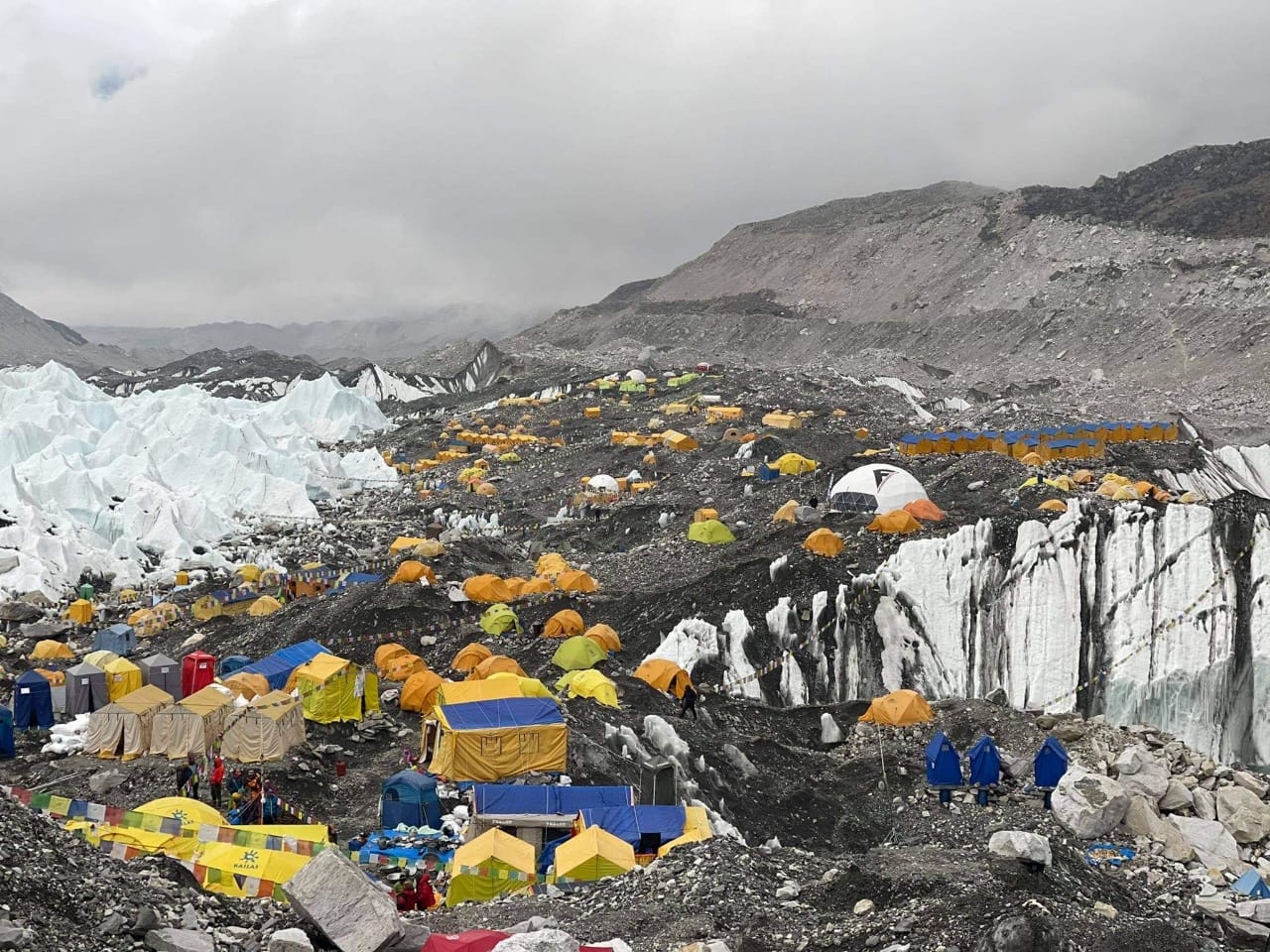
April and early May. The camps are working areas for climbing teams, so access can be restricted. Your guide will show you where trekkers can go. In autumn, Base Camp is usually empty.
How far ahead should I book?
Four to five months for October, three to four for April. March, November and winter usually need less notice.
Does the Everest Base Camp trek cost more in peak season?
No, our trek price is the same all year. It depends on group size, not the month. See our EBC trek cost guide for prices and what to budget on top.
Further Reading
- Everest Base Camp Trek
- EBC Trek in March
- EBC Trek in April
- EBC Trek in May
- EBC Trek in October
- EBC Trek in November
- Trekking in Nepal in December
- Everest Base Camp Trek Cost
- EBC Packing List 2026
- Best Time to Trek in Nepal
Weather and flight arrangements change from year to year. Check current conditions with us before you travel.