Best Time to Trek in Nepal: A Month by Month Guide
The best time to trek in Nepal is October and November, when skies are clearest and the weather is most stable. March to May is the second best window, with warmer days and rhododendrons in bloom.
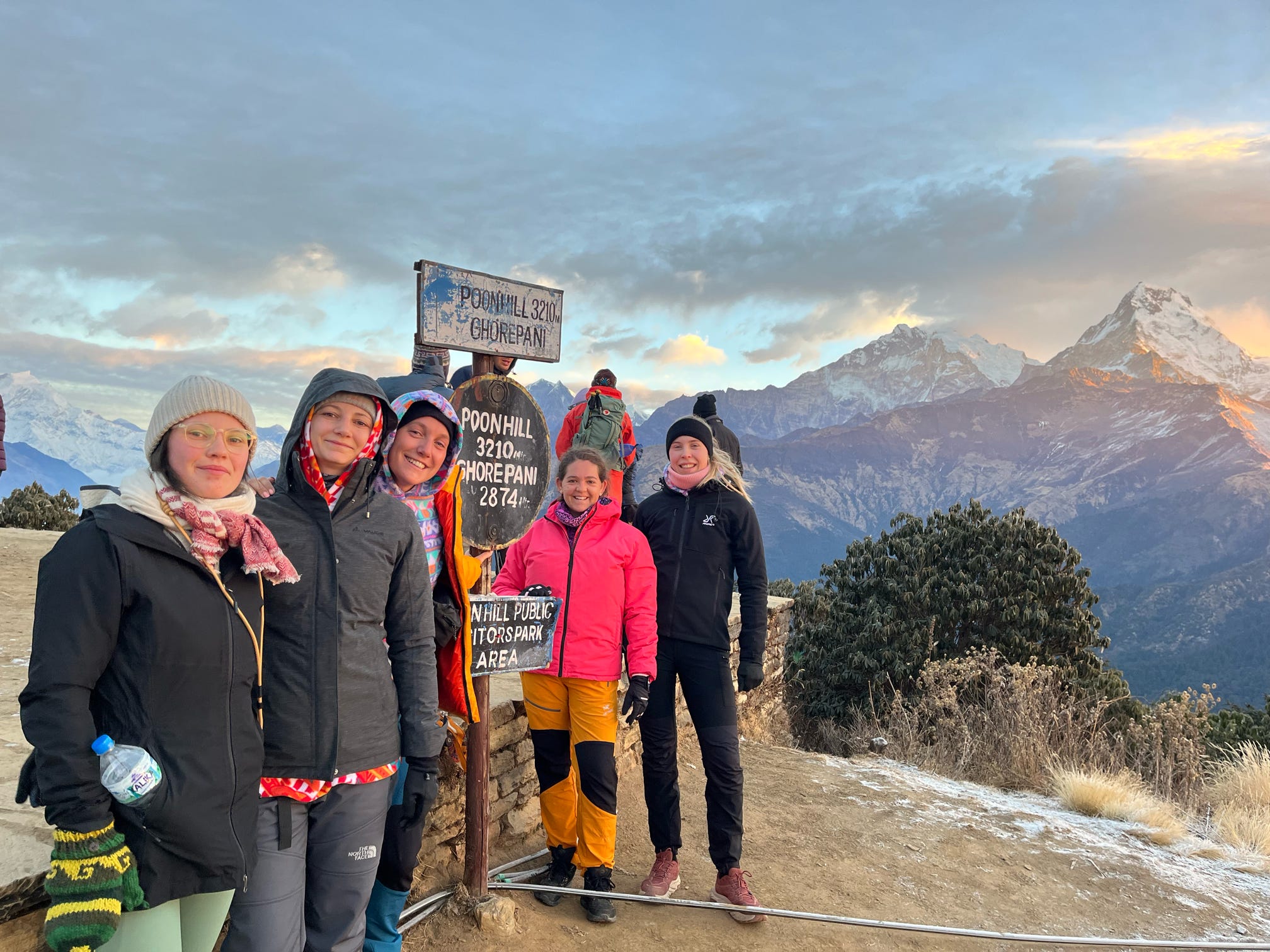
But every month has its perks. In the monsoon (June to August), rain shadow treks like Upper Mustang are among the best options. In winter (December to February), lower treks like Poon Hill have empty trails and sharp mountain views. The trick isn’t finding the one perfect month. It’s matching the right trek to the month you can travel.
- Best months overall: October and November
- Second best: March, April and May
- Quietest months on popular trails: December to February (cold) and June to August (rain)
- Best monsoon treks: Upper Mustang and Upper Dolpo
- Best winter treks: Ghorepani Poon Hill, Pikey Peak, Mardi Himal (lower sections)
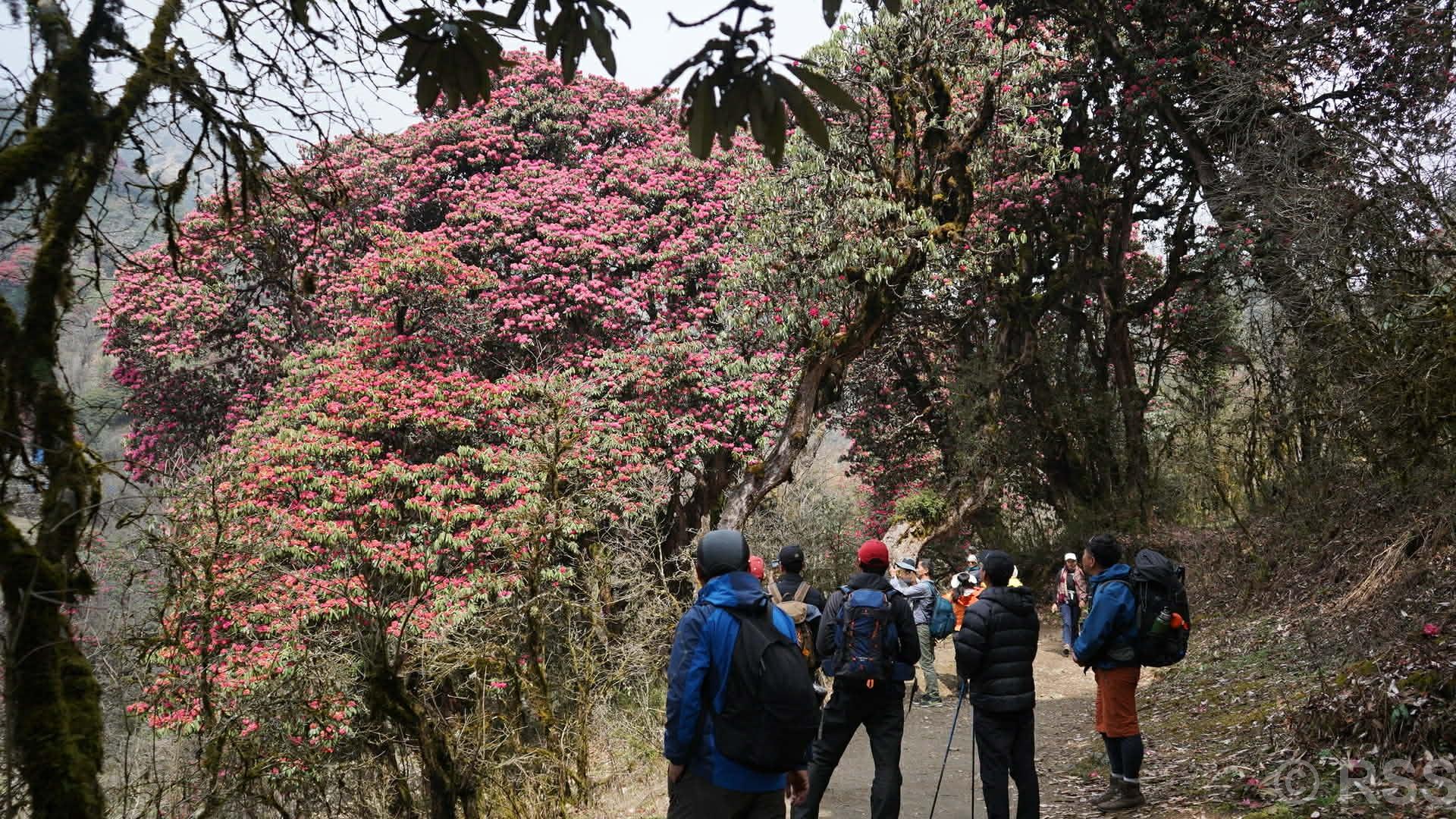
- Rhododendron season: roughly March to April, between 2,500m and 3,500m
- Busiest peak season month: October
- Hardest months for Lukla flights: usually July and August
Last updated: October 2026
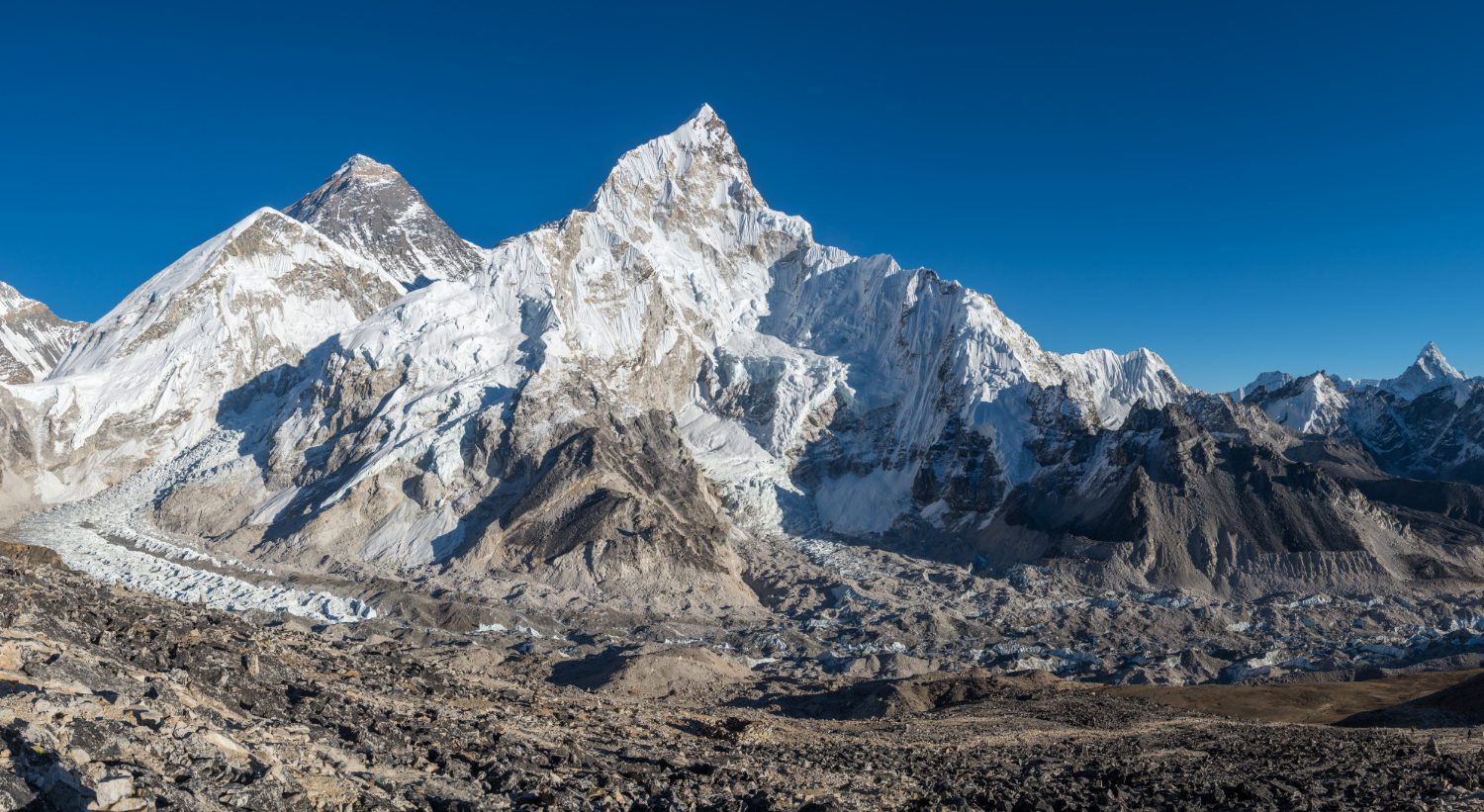
Ask ten trekkers when to go to Nepal and most will say October. They’re not wrong. But after years of running treks from Kathmandu, we’ve learned that every month has something going for it. Some months are about views. Some are about flowers, festivals or empty trails.
This guide goes month by month, with the treks that work best in each one.
Nepal Trekking Seasons at a Glance
| Season | Months | Weather | Crowds | Best for |
|---|---|---|---|---|
| Autumn | September to November | Clear, dry, stable | Busiest | Almost every trek, best mountain views |
| Winter | December to February | Cold, clear, snow higher up | Quiet because of the cold | Lower treks, empty trails |
| Spring | March to May | Warmer, some afternoon haze | Busy | Rhododendrons, high treks, EBC climbing season |
| Monsoon | June to August | Rain, cloud, leeches lower down | Quiet because of the rain | Rain shadow treks like Upper Mustang |
MountainKick’s rule of thumb
- If your dates are flexible, choose October or November.
- If you want rhododendrons, choose March or April.
- If you have to travel in the monsoon, choose a rain shadow trek.
- If you want empty trails and don’t mind the cold, choose December to February.
- And if your dates are fixed, don’t change your trip just because it isn’t peak season. We choose the route around the month.
Month by Month: When to Trek in Nepal
January
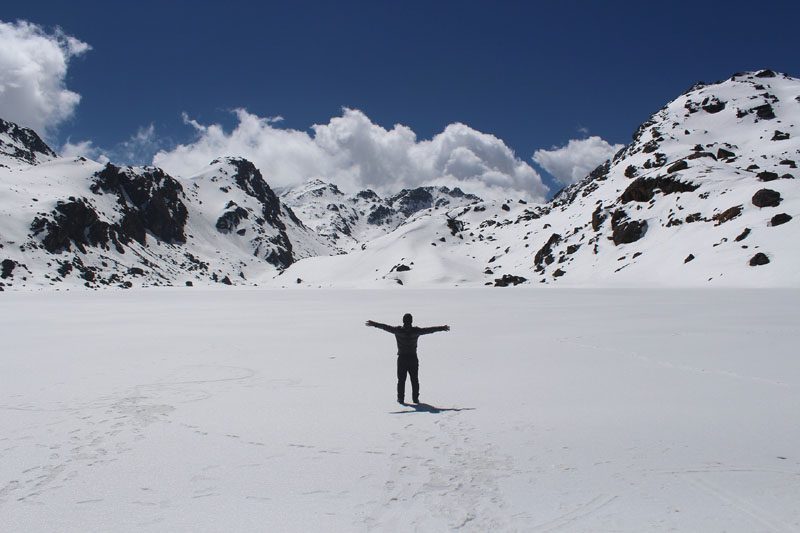
January is the coldest month, but also one of the clearest. Skies are often sharp blue and you’ll have trails almost to yourself.
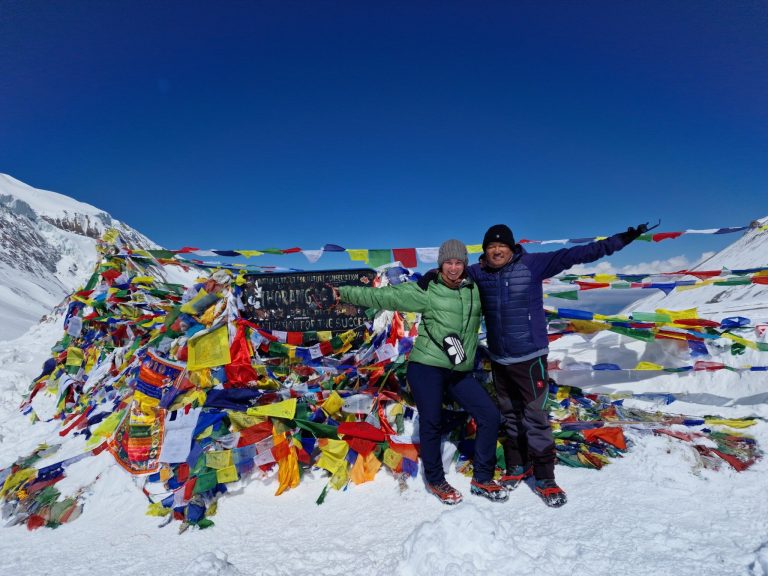
High passes like Thorong La, Larkya La and Cho La can be closed or risky after snowfall, and some higher teahouses shut for the season. Nights around Gorak Shep can fall well below -15°C in severe winter conditions.
The perk: empty trails and some of the cleanest mountain views of the year.
Good choices: Ghorepani Poon Hill, Pikey Peak, Mardi Himal (lower sections).
Possible if you want a winter trek: Everest Base Camp, for experienced trekkers who are well equipped for cold. Most lodges stay open, but fewer of them.
February
February is still cold, but days get longer and warmer through the month. Losar, the Tibetan and Sherpa New Year, often falls in February or March, and Sherpa villages celebrate with dances and family gatherings.
The perk: quiet trails, clear skies and the chance to see Losar in the mountains.
Good choices: Poon Hill, Pikey Peak, Mardi Himal.
Possible if you want a winter trek: Everest Base Camp from late February, if you don’t mind cold nights.
March
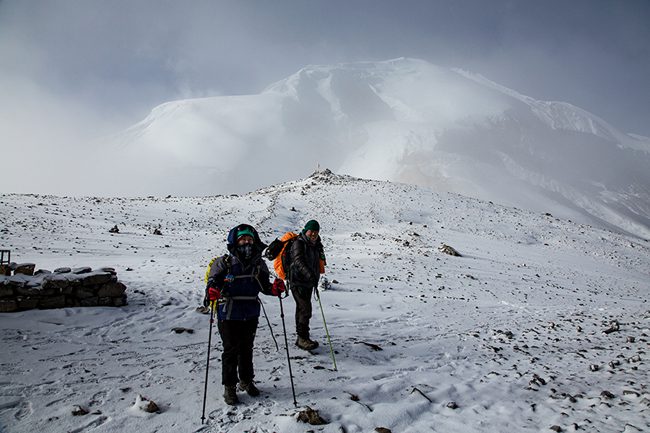
March is when spring starts. Days warm up, teahouses reopen and trails get busier. Rhododendrons start flowering at lower heights. Higher passes can still hold snow early in the month.
Holi, the festival of colours, usually falls in March. If you’re in Kathmandu or Pokhara, expect to get covered in coloured powder.
The perk: spring weather without April’s crowds.
Good choices: Everest Base Camp, Gokyo, Annapurna Base Camp, Mardi Himal. Annapurna Circuit and Manaslu are better from late March, once the passes clear.
April
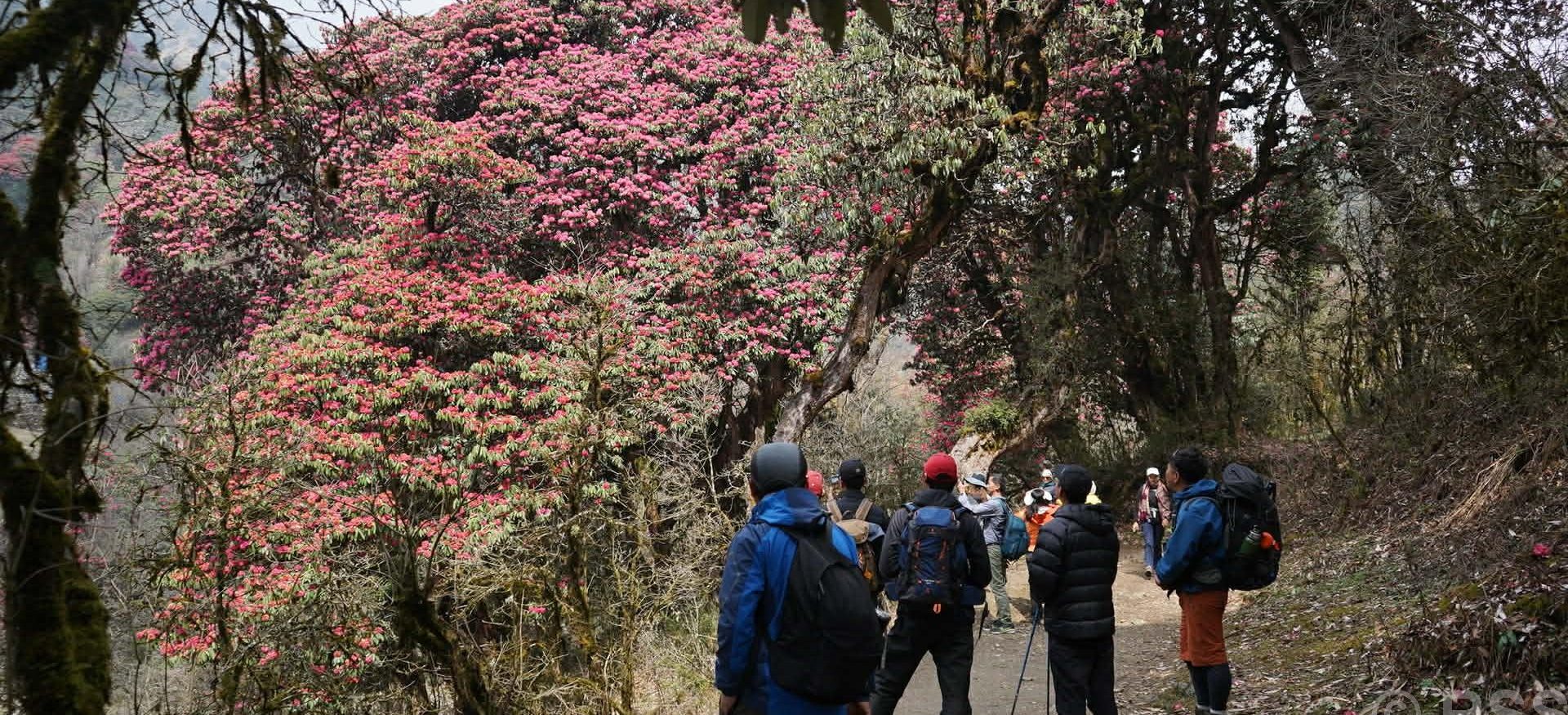
April is rhododendron month. In the Annapurna and Langtang regions, whole hillsides turn red and pink between about 2,500m and 3,500m. It’s also Everest climbing season, so Base Camp is full of expedition tents.
Afternoons can get hazy, so the best views are usually early in the morning. Nepali New Year falls in mid April.
The perk: flowers, warm days and the buzz of expedition season at EBC.
Good choices: almost everything. Annapurna Base Camp, Ghorepani Poon Hill, Everest Base Camp, Annapurna Circuit, Manaslu.
May
May is the warmest month at altitude. Haze builds, and by late May afternoon showers start as the monsoon gets closer.
The Tiji festival in Lo Manthang usually falls in May. It’s a three day monastery festival in the old walled city of Upper Mustang, and one of the most memorable things you can see in Nepal. Buddha Jayanti, the Buddha’s birthday, usually falls in April or May.
The perk: warmer nights at altitude, the Everest summit season atmosphere and Tiji in Upper Mustang.
Good choices: Everest Base Camp, Gokyo, Three Passes, Upper Mustang (especially for Tiji). Manaslu is good until about mid May, before pre-monsoon cloud builds. See our guide to trekking EBC in May.
June
The monsoon usually arrives in mid June. Lower trails get wet, leeches come out and clouds often hide the peaks. Lukla flights get more unreliable.
But Nepal has rain shadow areas behind the Himalaya, where the monsoon barely reaches. This is their time.
The perk: quiet trails and prime season for rain shadow treks.
Good choices: Upper Mustang, Upper Dolpo.
Possible, with road risk: Nar Phu Valley. The upper valley is drier, but the road from Besisahar gets full monsoon rain and landslides.
July
July is the peak of the monsoon. Rain is heavy in most of the country, roads can be blocked by landslides and Lukla flights are often delayed.
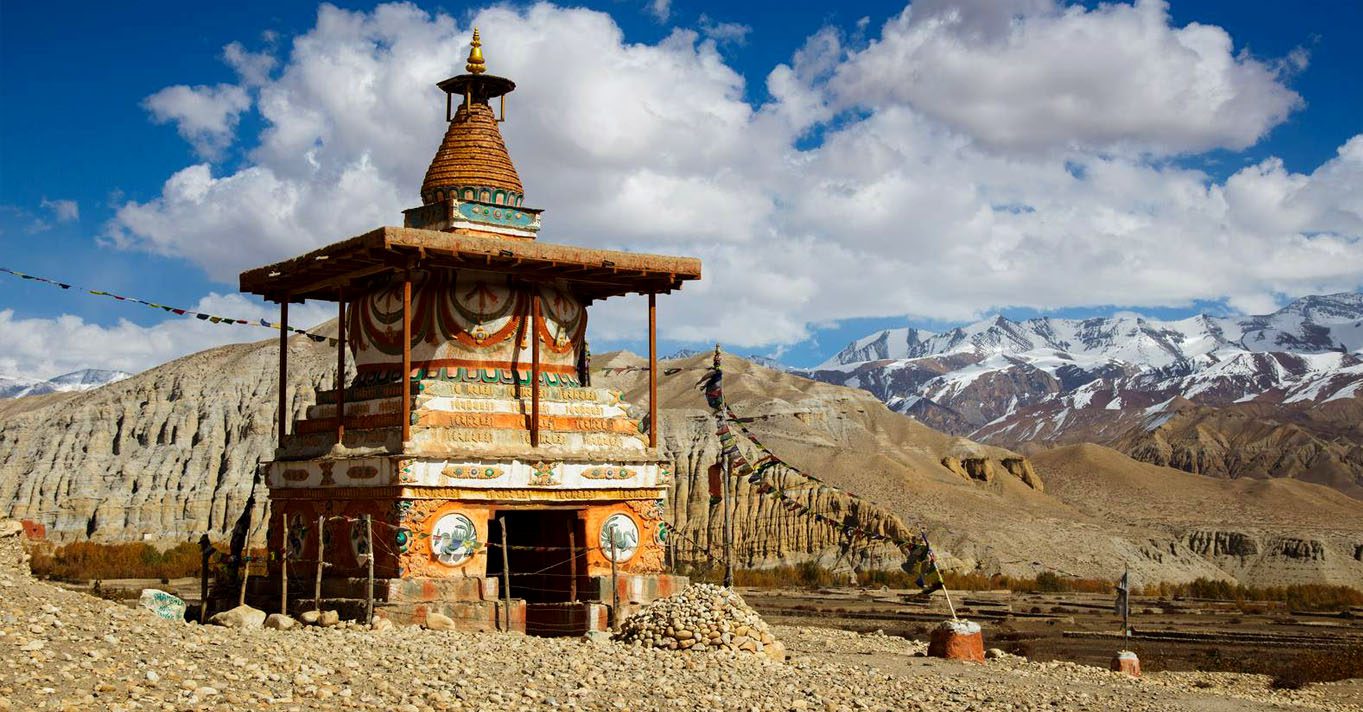
Upper Mustang and Dolpo stay mostly dry. The landscapes there are brown and red against the blue sky, and you’ll meet very few other trekkers.
The perk: you can still trek in Nepal while most of the country is wet, and wildflowers bloom in the high valleys.
Good choices: Upper Mustang, Upper Dolpo.
August
August is still monsoon, but it brings one big event. The Janai Purnima full moon draws thousands of Hindu pilgrims to Gosaikunda Lake to bathe in its sacred water. Teahouses fill up months ahead.
The perk: Janai Purnima at Gosaikunda, and Upper Mustang at its quietest.
Good choices: Upper Mustang, Upper Dolpo.
Possible for the festival: Gosaikunda, if you don’t mind rain on the way. Check road access before you go.
September
The monsoon usually fades in mid to late September. The hills are at their greenest, rivers and waterfalls are full and the air is clean. Early September can still bring rain and muddy trails.
Indra Jatra fills Kathmandu’s old squares with chariot processions, and in some years Dashain starts at the end of the month.
The perk: the greenest scenery of the year, with fewer people than October.
Good choices: Manaslu, Annapurna Circuit and Everest Base Camp from late September. Upper Mustang is still good.
Check first: Langtang. The August 2026 floods damaged roads and bridges around Syabrubesi, so confirm access with your trekking agency before booking.
October
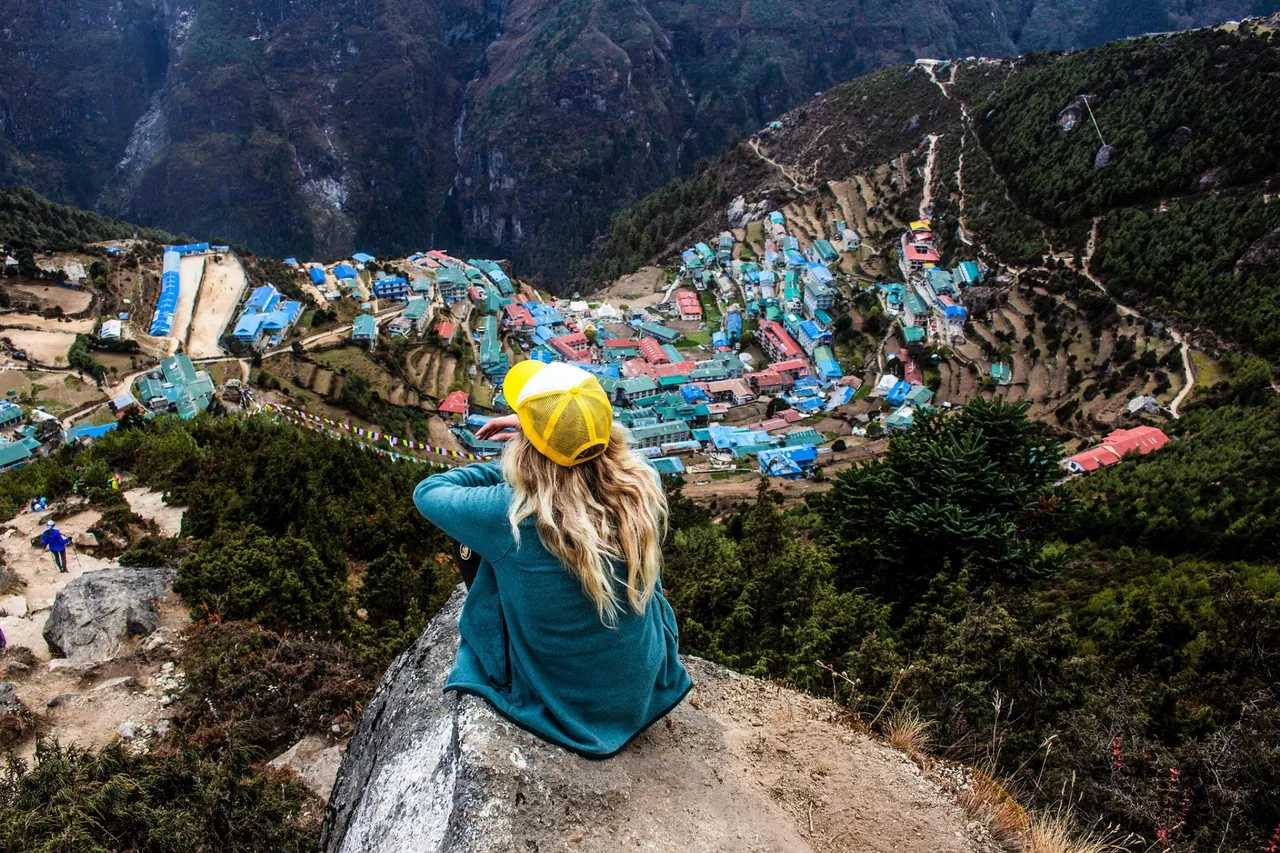
October is the best month to trek in Nepal for most people. The monsoon has washed the air clean, skies are clear and temperatures are comfortable. It’s also the busiest month, so popular teahouses and Lukla flights fill up.
Dashain, Nepal’s biggest festival, usually falls in September or October. Tihar, the festival of lights, follows a few weeks later.
The perk: the clearest views of the year, and festival season.
Good choices: Everest Base Camp, Annapurna Base Camp, Annapurna Circuit, Manaslu, Langtang, Gokyo, Mardi Himal. Book early. See our guide to trekking EBC in October.
November
November keeps October’s clear, dry weather but gets colder, especially at night. The second half of the month is noticeably quieter.
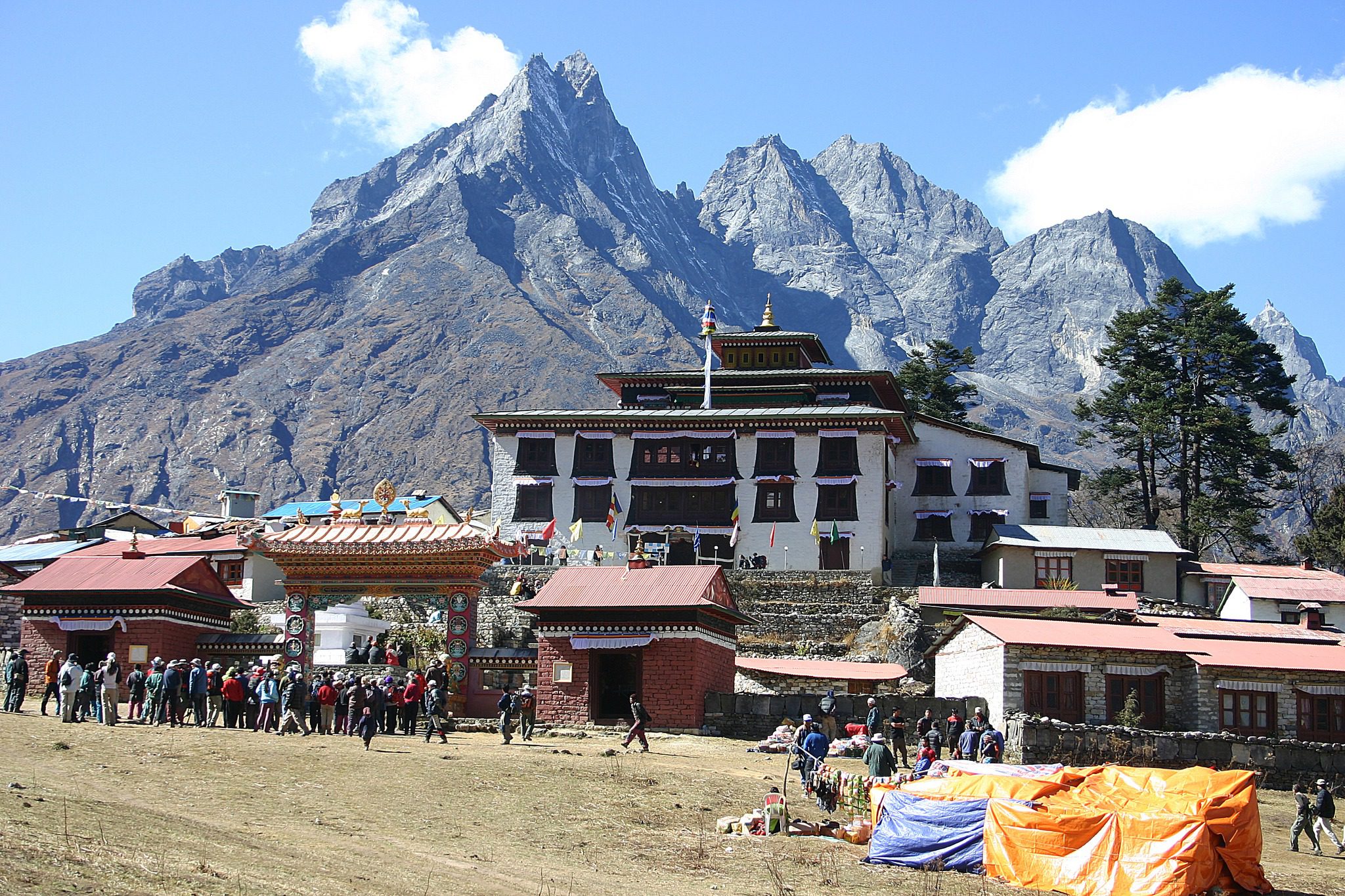
Mani Rimdu, a masked dance festival at Tengboche Monastery on the Everest trail, usually falls in October or November. Tihar sometimes falls in early November.
The perk: crisp views, stable weather and fewer people than October.
Good choices: Everest Base Camp, Gokyo, Three Passes, Annapurna Base Camp, Annapurna Circuit, Manaslu, Mardi Himal. See our guide to trekking EBC in November.
December
December is cold and quiet, with clear skies. Snow becomes more likely on high passes as the month goes on.
The perk: solitude, clear air and teahouses where you’re often the only guest.
Good choices: Ghorepani Poon Hill, Pikey Peak, Mardi Himal.
Possible if you want a winter trek: Everest Base Camp, best in early December and for trekkers ready for cold nights. Fewer lodges are open higher up.
Best Time for Each Major Trek
| Trek | Best months | Also possible | Avoid | More |
|---|---|---|---|---|
| Everest Base Camp | Late Sep to Nov, Mar to May | Dec, late Feb (cold) | Jul, Aug | EBC cost |
| Gokyo Valley | Late Sep to Nov, Mar to May | Dec (cold) | Jul, Aug | Gokyo cost |
| Annapurna Base Camp | Oct to Nov, Mar to Apr | Dec to Feb (snow risk higher up) | Jul, Aug | ABC cost |
| Annapurna Circuit | Oct to Nov, late Mar to Apr | Sep, May | Jan, Feb (Thorong La snow) | Circuit best time |
| Manaslu Circuit | Late Sep to Nov, Mar to mid May | None | Dec to Feb (Larkya La snow), monsoon | Manaslu cost |
| Langtang Valley | Mar to May, Oct to Nov | Sep, Dec | Jul, Aug | Langtang cost |
| Upper Mustang | Mar to Nov, including monsoon | None | Dec to Feb (many lodges close) | Upper Mustang cost |
| Gosaikunda | Mar to May, Oct to Nov | Sep, Dec | Jul to Aug, except for Janai Purnima | Gosaikunda guide |
| Mardi Himal | Oct to Nov, Mar to Apr | Dec to Feb | Jul, Aug | Mardi Himal cost |
| Ghorepani Poon Hill | Oct to Apr | Most of the year | Heavy monsoon weeks | Short treks guide |
On Annapurna Base Camp in winter and early spring, heavy snow can raise the avalanche risk on the section between Deurali and Machhapuchhre Base Camp. Your guide will decide if it’s safe to continue.
Crowds vs Weather: The Real Trade-Off
The months with the best weather are also the busiest. In October, the EBC trail is lively, teahouses near Gorak Shep can fill up and Lukla flights are fully booked.
If you want good weather with fewer people, the sweet spots are:
- Late November, when it’s colder but still clear
- Early March, before the spring rush
- Late September, if you don’t mind a little leftover rain
If you want the trail to yourself, December to February on lower treks, or the monsoon in Upper Mustang, are hard to beat.
Festivals Worth Planning Around
| Festival | Usually | Where |
|---|---|---|
| Losar (Tibetan and Sherpa New Year) | February or March | Sherpa and Tibetan villages, Boudhanath |
| Holi | March | Kathmandu, Pokhara and across Nepal |
| Nepali New Year | Mid April | Across Nepal |
| Tiji | May | Lo Manthang, Upper Mustang |
| Buddha Jayanti | April or May | Lumbini, Boudhanath, Swayambhu |
| Janai Purnima | August | Gosaikunda |
| Indra Jatra | September | Kathmandu |
| Dashain | September or October | Across Nepal |
| Tihar | October or November | Across Nepal |
| Mani Rimdu | October or November | Tengboche Monastery |
Dates move every year with the lunar calendar. If you want to time your trek around a festival, ask us for the exact dates for your year.
During Dashain and Tihar, some offices and shops close and buses are packed with people heading home. Trekking still runs normally, but plan your Kathmandu days around it.
Flights and the Season
Weather affects mountain flights more than anything else.
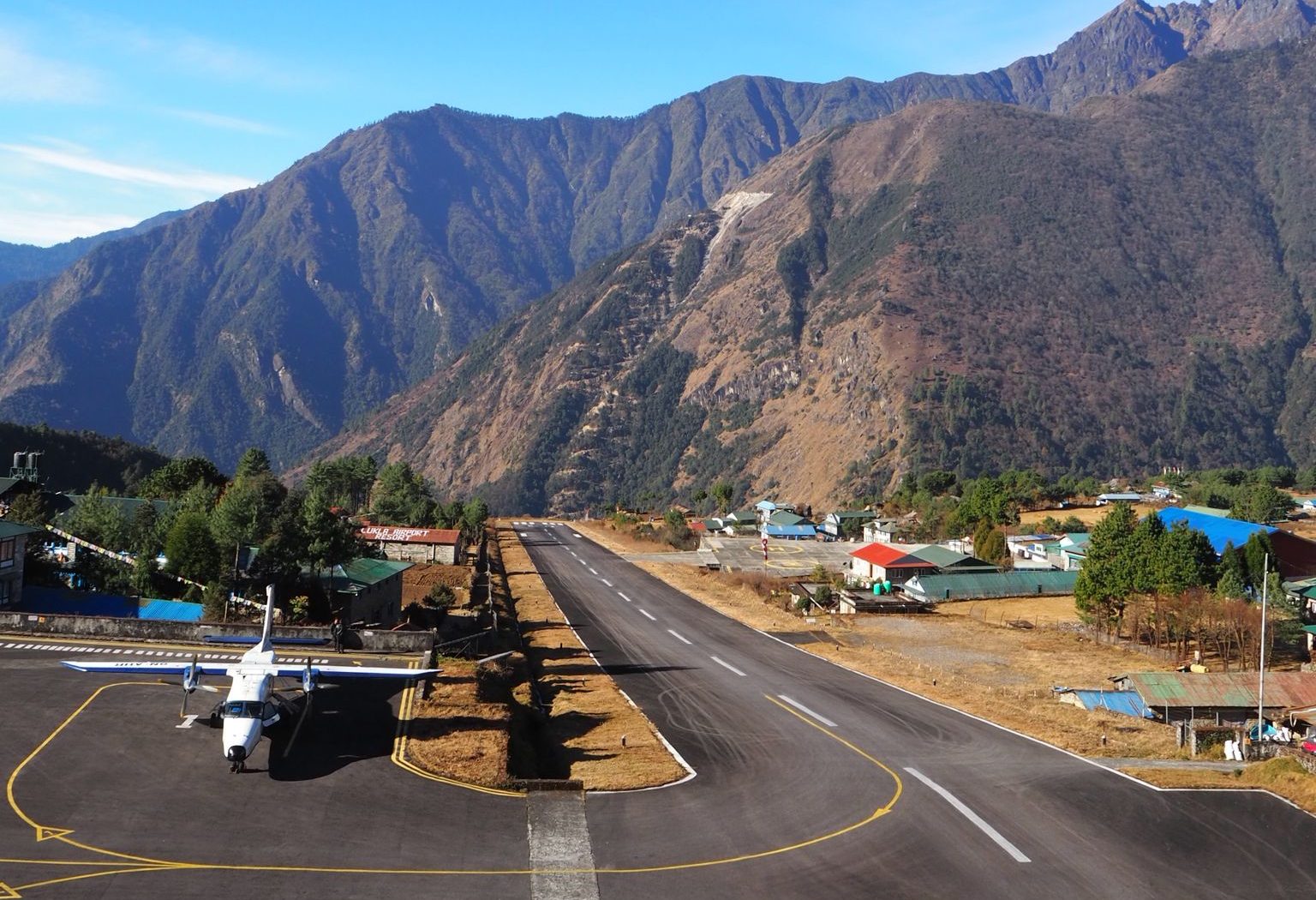
- Lukla (Everest region): delays are most common in the monsoon and can happen in any season when cloud sits in the valleys. In busy months, many flights run from Ramechhap instead of Kathmandu.
- Jomsom (Annapurna and Mustang): strong afternoon winds mean flights go early in the morning, and they’re often cancelled in the monsoon.
Build a spare day or two into your plans, especially for Everest treks. See our guides to Lukla flight delays and Lukla flights via Ramechhap. If you’d rather skip flights altogether, see Nepal treks you can do without flying.
Frequently Asked Questions
What is the best month to trek in Nepal?
October, for most people. Skies are clearest and the weather is most stable. November is a close second, with fewer people and colder nights.
Can you trek in Nepal during the monsoon?
Yes. Upper Mustang and Upper Dolpo sit in the rain shadow and stay mostly dry from June to August. On most other treks, expect rain, cloud, leeches and flight delays.
Is December too cold for Everest Base Camp?
It’s possible if you’re prepared, especially in early December. Nights at Gorak Shep can drop below -15°C and fewer lodges are open, so you’ll need a warm sleeping bag and down jacket. If you’d rather not deal with the cold, a lower trek like Poon Hill is a better choice.
When do the rhododendrons bloom in Nepal?
Usually March and April, between about 2,500m and 3,500m. The Annapurna region has some of the best displays.
What is the quietest time to trek in Nepal?
December to February and June to August. In winter it’s quiet because of the cold, so stick to lower treks. In the monsoon it’s quiet because of the rain, so head to rain shadow areas like Upper Mustang.
Is September a good time to trek in Nepal?
Late September is very good. The monsoon is usually ending, the hills are green and it’s quieter than October. Early September can still be wet.
When is the best time to trek the Annapurna Circuit?
October and November, then late March and April. Thorong La can be closed by snow in winter.
Do I need to book early for October?
Yes. October is the busiest month, so teahouses on popular routes and Lukla flights fill up. Booking a few months ahead is a good idea.