Nepal Trekking Permits 2027: Costs, Rules and What’s Changed
Nepal trekking permit costs depend on the route. Most national park and conservation area permits cost NPR 3,000 for foreign trekkers. Where TIMS applies, it adds NPR 2,000. Restricted areas like Manaslu, Upper Mustang and Upper Dolpo need an extra Restricted Area Permit, paid in US dollars.
For Everest Base Camp you need the Sagarmatha National Park permit (NPR 3,000) and the Khumbu Pasang Lhamu permit (NPR 3,000). For Annapurna treks you need ACAP (NPR 3,000) and TIMS (NPR 2,000).
A licensed guide is required on most major routes. Restricted area permits can only be arranged through a registered trekking agency. MountainKick includes all required permits in its trek packages. Want your exact total? Use the permit calculator.
- Everest Base Camp: NPR 6,000. Sagarmatha NP permit plus Khumbu Pasang Lhamu permit.
- Annapurna (ABC, Circuit, Poon Hill, Mardi Himal): NPR 5,000. ACAP plus TIMS.
- Langtang: NPR 5,000. Langtang NP permit plus TIMS.
- TIMS: NPR 2,000 for foreign trekkers, NPR 1,000 for SAARC nationals. Issued only through a registered agency.
- Manaslu: USD 100 for the first 7 days in autumn, USD 75 the rest of the year, plus MCAP, ACAP and a local fee.
- Upper Mustang and Upper Dolpo: USD 50 per person per day, no minimum.
- Solo trekkers: Since 22 March 2026 you can get a restricted area permit on your own. A licensed guide and a registered agency are still required.
- Children under 10: Free entry to national parks and conservation areas.
Nepal’s permit rules have changed a lot since 2023. A licensed guide is now required on most major routes. Upper Mustang and Upper Dolpo moved to a daily fee. And in March 2026, solo trekkers were allowed to get restricted area permits for the first time.
If your permit information comes from a blog written before 2025, some of it is probably out of date. This guide covers what you actually need for each trek, with fees checked against official sources.
In This Guide
Permits by Trek: Fees at a Glance
Fees below are for foreign trekkers, per person. SAARC rates are lower and listed under the table. The last column shows a worked example based on the days spent in the restricted area on MountainKick’s own itineraries.
| Trek | Permits needed | Fees | Season and day rules | Example total |
|---|---|---|---|---|
| Everest Base Camp, Gokyo, Three Passes | Sagarmatha NP permit + Khumbu Pasang Lhamu permit | NPR 3,000 + NPR 3,000 | One-time entry. NTB lists TIMS for these routes, but it isn’t issued or checked in the Khumbu in practice. | NPR 6,000 |
| Annapurna Base Camp, Annapurna Circuit, Poon Hill, Mardi Himal | ACAP + TIMS | NPR 3,000 + NPR 2,000 | One-time entry | NPR 5,000 |
| Langtang Valley, Gosainkunda, Tamang Heritage | Langtang NP permit + TIMS | NPR 3,000 + NPR 2,000 | One-time entry | NPR 5,000 |
| Manaslu Circuit | Manaslu RAP + MCAP + ACAP + local fee | RAP: USD 100 for the first 7 days (Sep to Nov), then USD 15 a day. USD 75 (Dec to Aug), then USD 10 a day. MCAP NPR 3,000. ACAP NPR 3,000. | ACAP is needed because the trek ends at Dharapani in the Annapurna region | About 11 days in the zone. October: USD 160 + NPR 6,000. April: USD 115 + NPR 6,000. Plus the local fee. |
| Tsum Valley | Tsum RAP + Manaslu RAP + MCAP + local fee | Tsum RAP: USD 40 for the first 7 days (Sep to Nov) or USD 30 (Dec to Aug), then USD 7 a day. Manaslu RAP as above. MCAP NPR 3,000. | The trail from Jagat to Lokpa is inside the Manaslu permit area, so you pay both permits | About 7 days in Tsum. October: USD 140 + NPR 3,000. April: USD 105 + NPR 3,000. Plus the local fee. |
| Nar Phu Valley | Nar Phu RAP + ACAP | RAP: USD 100 for the first 7 days (Sep to Nov) or USD 75 (Dec to Aug), then USD 15 a day all year. ACAP NPR 3,000. | The restricted zone runs from Koto to Ngawal | About 7 days. October: USD 100 + NPR 3,000. April: USD 75 + NPR 3,000. |
| Kanchenjunga Circuit | Kanchenjunga RAP + KCAP | RAP: USD 20 a week for the first 4 weeks, then USD 25 a week. KCAP NPR 2,000. | Charged per week or part of a week | About 17 days. USD 60 + NPR 2,000. |
| Upper Mustang | Upper Mustang RAP + ACAP | RAP: USD 50 a day, no minimum. ACAP NPR 3,000. | Days are counted inside the restricted zone, north of Kagbeni | About 10 days. USD 500 + NPR 3,000. |
| Upper Dolpo | Upper Dolpo RAP + Lower Dolpo RAP + Shey Phoksundo NP permit | Upper Dolpo RAP: USD 50 a day, no minimum. Lower Dolpo RAP: USD 20 for the first week. NP permit NPR 3,000. | The approach via Dunai and Phoksundo crosses the Lower Dolpo restricted area | About 14 days in Upper Dolpo. USD 720 + NPR 3,000. |
| Lower Dolpo | Lower Dolpo RAP + Shey Phoksundo NP permit | RAP: USD 20 for the first week, then USD 5 a week. NP permit NPR 3,000. | One of the cheapest restricted area permits in Nepal | Usually USD 20 to 30 + NPR 3,000, depending on your stay |
| Rara Lake | Rara NP permit | NPR 3,000 | Not a restricted area | NPR 3,000 |
- SAARC nationals pay less. ACAP, MCAP and TIMS are NPR 1,000. Sagarmatha, Langtang, Rara and Shey Phoksundo NP permits are NPR 1,500. KCAP is NPR 500. The Khumbu permit is NPR 2,000 for SAARC and Chinese nationals.
- Children under 10 don’t pay park or conservation area fees.
- TIMS on restricted treks: the Nepal Tourism Board’s list includes Manaslu, Tsum, Nar Phu, Kanchenjunga, Upper Mustang and Dolpo. Whether a separate card is issued can vary by route. We include it wherever it’s required. Restricted trek totals above don’t include TIMS.
- Local fee: the Chumnubri Rural Municipality charges a small local fee on the Manaslu and Tsum routes.
- Example totals are based on MountainKick itineraries. The final permit is charged on the exact dates your agency files.
- Every restricted area permit needs a registered agency and a licensed guide. All permits are included in MountainKick packages.
Last verified: 22 October 2026. Sources: NTB restricted area permit fees, NTB park entry fees, NTB TIMS card, Department of Immigration, Nepal.
Permit Cost Calculator
Pick your trek, month and nationality to see the permits you need and what they cost. Days are pre-filled from MountainKick’s own itineraries. You can change them.
Only changes the price for Manaslu, Tsum and Nar Phu.
Not needed for this trek.
Your permits
What Changed in Nepal Trekking Permits
1. A licensed guide is required on most major routes
Since April 2023, you need a licensed guide on most major trekking routes, including Annapurna and Langtang. On restricted area treks, the guide is a condition of the permit.
In the Khumbu, local authorities have pushed back on the rule, so enforcement there varies. Our guide on whether you need a guide to trek in Nepal explains where things stand region by region.
2. TIMS and the Khumbu
TIMS costs NPR 2,000 for foreign trekkers and NPR 1,000 for SAARC nationals. Only registered trekking agencies can issue it.
You may still read about a cheaper TIMS for group trekkers. That was the old two-card system. It ended in 2023, and everyone now pays the same rate.
The Khumbu works differently. The Nepal Tourism Board’s TIMS page still lists Everest routes. In practice, the Khumbu Pasang Lhamu Rural Municipality runs its own permit system. You buy their permit at Lukla or Monjo, and it does the job TIMS does elsewhere. TIMS isn’t issued or checked on the Everest Base Camp route.
The NTB list also includes the restricted areas. On those treks your Restricted Area Permit is the main document checked on the trail, and whether a separate TIMS card is issued can vary by route. Your agency should sort this for you.
3. Upper Mustang and Upper Dolpo moved to a daily fee
For over 30 years, both areas charged a flat USD 500 for the first 10 days, even if you stayed less. The government changed this to USD 50 per person per day. Upper Mustang changed in late 2025, and Upper Dolpo is now listed at the same daily rate.
You now pay only for the days you spend inside the restricted area. A 10-day stay still costs USD 500, but a shorter trip costs less.
4. Solo trekkers can now get restricted area permits
Until March 2026, restricted area permits were only issued to groups of two or more. Solo trekkers often had to pay for a second person who never came. On 22 March 2026 the Department of Immigration dropped that rule for all restricted areas.
You can now get the permit on your own for Manaslu, Upper Mustang, Nar Phu, Tsum, Dolpo, Kanchenjunga and the rest. You still need a licensed guide and a registered agency, so this doesn’t mean you can trek alone.
5. Permits are now processed online
The Department of Immigration now handles restricted area permits online. Agencies can apply with your Nepal visa number, even before you arrive.
NTNC also offers online permits for conservation areas, including Annapurna and Manaslu. After you pay, the permit is emailed to you. Permits can’t be transferred, and you need to carry them with your passport during the trek.
How Much Do Trekking Permits Cost in Nepal?
- Standard treks (Annapurna, Langtang): NPR 5,000 for the entry permit plus TIMS
- Everest Base Camp: NPR 6,000 for the park permit plus the Khumbu permit
- Manaslu Circuit: about USD 115 to 160 for the restricted area permit on a typical trip, plus NPR 6,000 for MCAP and ACAP and a small local fee
- Tsum, Nar Phu, Kanchenjunga, Lower Dolpo: roughly USD 20 to 140 in restricted area permits, plus park or conservation fees
- Upper Mustang and Upper Dolpo: USD 50 per day, so usually several hundred dollars depending on your stay
These are permit costs only. A licensed guide usually costs USD 30 to 40 a day if you hire one separately. With a MountainKick package, the guide and all permits are already included.
Permit Types Explained
National Park and Conservation Area Permits
You need one of these to enter most trekking regions. You pay once per entry. Children under 10 go free.
| Permit | Foreign | SAARC |
|---|---|---|
| Sagarmatha National Park (Everest) | NPR 3,000 | NPR 1,500 |
| Langtang National Park | NPR 3,000 | NPR 1,500 |
| Shey Phoksundo National Park (Dolpo) | NPR 3,000 | NPR 1,500 |
| Rara National Park | NPR 3,000 | NPR 1,500 |
| Annapurna Conservation Area (ACAP) | NPR 3,000 | NPR 1,000 |
| Manaslu Conservation Area (MCAP) | NPR 3,000 | NPR 1,000 |
| Kanchenjunga Conservation Area (KCAP) | NPR 2,000 | NPR 500 |
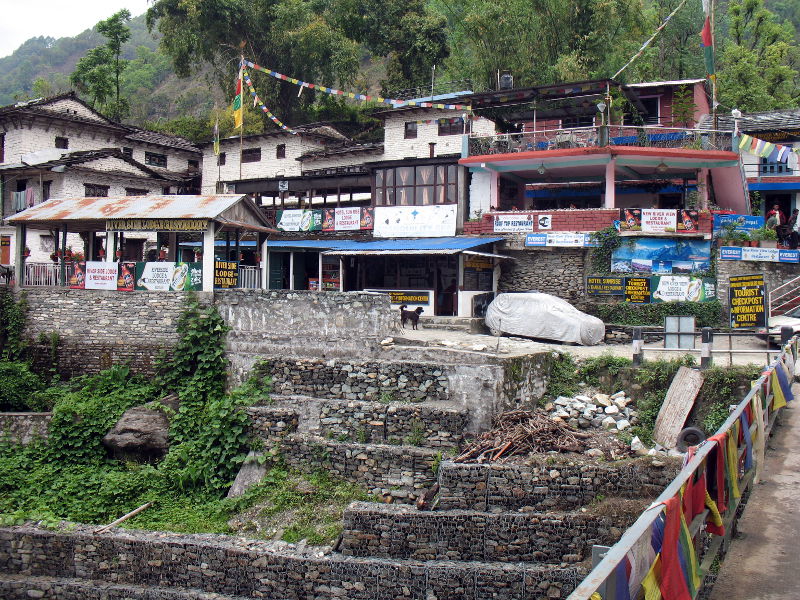
ACAP covers every Annapurna route, including Annapurna Base Camp, the Annapurna Circuit and Ghorepani Poon Hill. You can apply for ACAP and MCAP online through the NTNC e-permit portal at epermit.ntnc.org.np.
Restricted Area Permits
Restricted Area Permits are issued by the Department of Immigration and priced in US dollars. To get one you need:
- A registered Nepali trekking agency to apply for you
- A licensed guide for the whole time you’re in the restricted area
- A valid Nepal visa covering your trek dates
- Your passport and itinerary details
| Region | Permit fee | After that |
|---|---|---|
| Manaslu | USD 100 for the first 7 days (Sep to Nov), USD 75 (Dec to Aug) | USD 15 a day (Sep to Nov) or USD 10 a day (Dec to Aug) |
| Tsum Valley | USD 40 for the first 7 days (Sep to Nov), USD 30 (Dec to Aug) | USD 7 a day all year |
| Nar Phu | USD 100 for the first 7 days (Sep to Nov), USD 75 (Dec to Aug) | USD 15 a day all year |
| Kanchenjunga | USD 20 a week for the first 4 weeks | USD 25 a week |
| Upper Mustang | USD 50 a day | No minimum stay |
| Upper Dolpo | USD 50 a day | No minimum stay |
| Lower Dolpo | USD 20 for the first week | USD 5 a week |
Local Municipality Permits
Some areas charge a local fee that goes straight to the municipality:
- Khumbu Pasang Lhamu Rural Municipality (Everest region): NPR 3,000 for foreign trekkers, NPR 2,000 for SAARC and Chinese nationals. You buy it at Lukla or Monjo. It’s needed for Everest Base Camp, Gokyo and all Khumbu treks.
- Chumnubri Rural Municipality (Manaslu and Tsum): a small local fee collected near Jagat, used for trail upkeep.
Permit Requirements by Trek
Everest Base Camp, Gokyo and Three Passes
- Sagarmatha National Park permit: NPR 3,000
- Khumbu Pasang Lhamu permit: NPR 3,000
- TIMS: listed by NTB but not used in practice in the Khumbu (see TIMS and the Khumbu)
- Licensed guide: required under national rules, though local enforcement varies
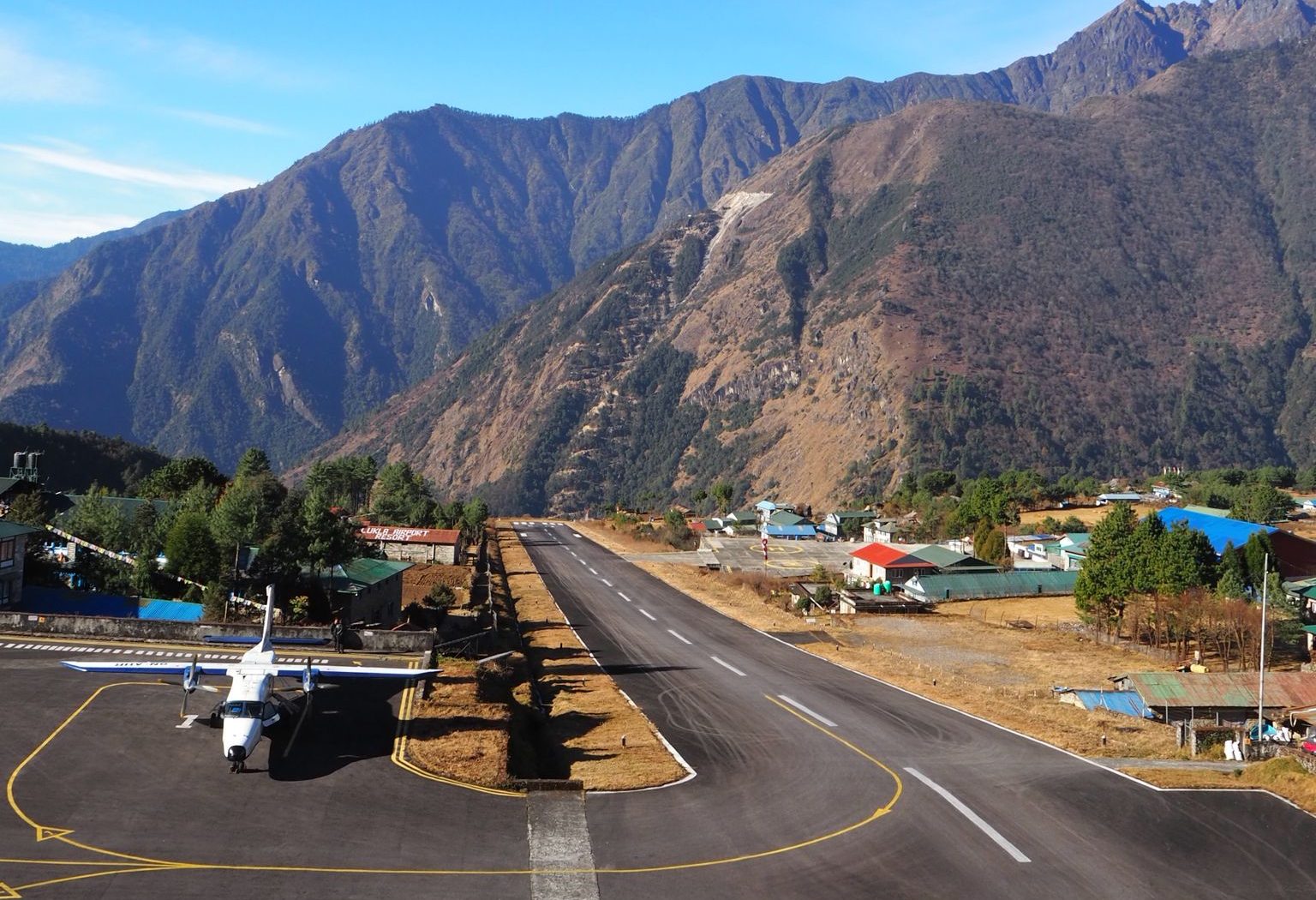
Total: NPR 6,000. The same permits cover Gokyo and the Three Passes. See our EBC trek cost breakdown, Gokyo trek cost guide and Everest Three Passes guide, or the Everest Base Camp Trek itinerary.
Annapurna Base Camp, Annapurna Circuit and Poon Hill
- ACAP: NPR 3,000
- TIMS: NPR 2,000
- Licensed guide: required
Total: NPR 5,000. See the cost guides for Annapurna Base Camp, the Annapurna Circuit and Mardi Himal.
Langtang Valley
- Langtang National Park permit: NPR 3,000
- TIMS: NPR 2,000
- Licensed guide: required
Total: NPR 5,000. See our Langtang Valley trek cost guide.
Manaslu Circuit
The Manaslu Circuit needs four permits, more than almost any other trek in Nepal.
- Manaslu Restricted Area Permit: USD 100 for the first 7 days from September to November, then USD 15 a day. From December to August, USD 75 for the first 7 days, then USD 10 a day.
- MCAP: NPR 3,000
- ACAP: NPR 3,000. You need it because the trek finishes in the Annapurna region at Dharapani.
- Chumnubri local fee: a small fee collected on the trail
- Licensed guide: required. Solo trekkers can now get the permit.
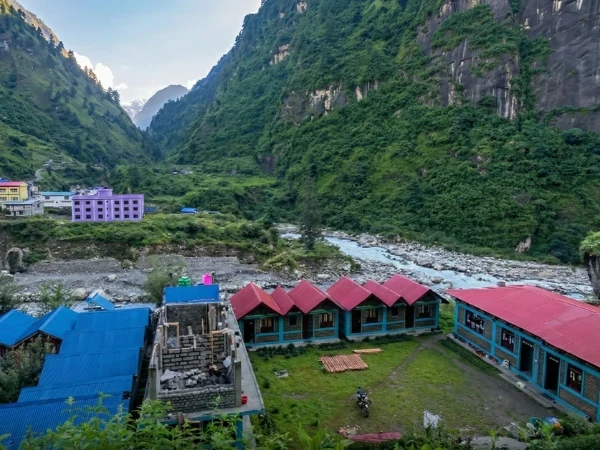
Example: our 15-day trek spends about 11 days in the restricted area. In October that’s USD 160 for the permit, plus NPR 6,000 for MCAP and ACAP. In April it’s USD 115 plus NPR 6,000. See our Manaslu Circuit trek cost guide and Manaslu Circuit vs Annapurna Circuit.
Tsum Valley
- Tsum Valley Restricted Area Permit: USD 40 for the first 7 days from September to November, USD 30 from December to August, then USD 7 a day all year
- Manaslu Restricted Area Permit: also needed, because the trail from Jagat to Lokpa runs through the Manaslu permit area
- MCAP: NPR 3,000
- Chumnubri local fee: a small fee collected on the trail
- Licensed guide: required
Example: about 7 days in Tsum plus the Manaslu approach comes to USD 140 in October or USD 105 in April, plus NPR 3,000 for MCAP. If you combine Tsum with the full Manaslu Circuit, you also pay ACAP and the Manaslu daily rate for the extra days. See our Tsum Valley trek cost guide.
Nar Phu Valley
- Nar Phu Restricted Area Permit: USD 100 for the first 7 days from September to November, USD 75 from December to August. Each extra day costs USD 15.
- ACAP: NPR 3,000
- Licensed guide: required
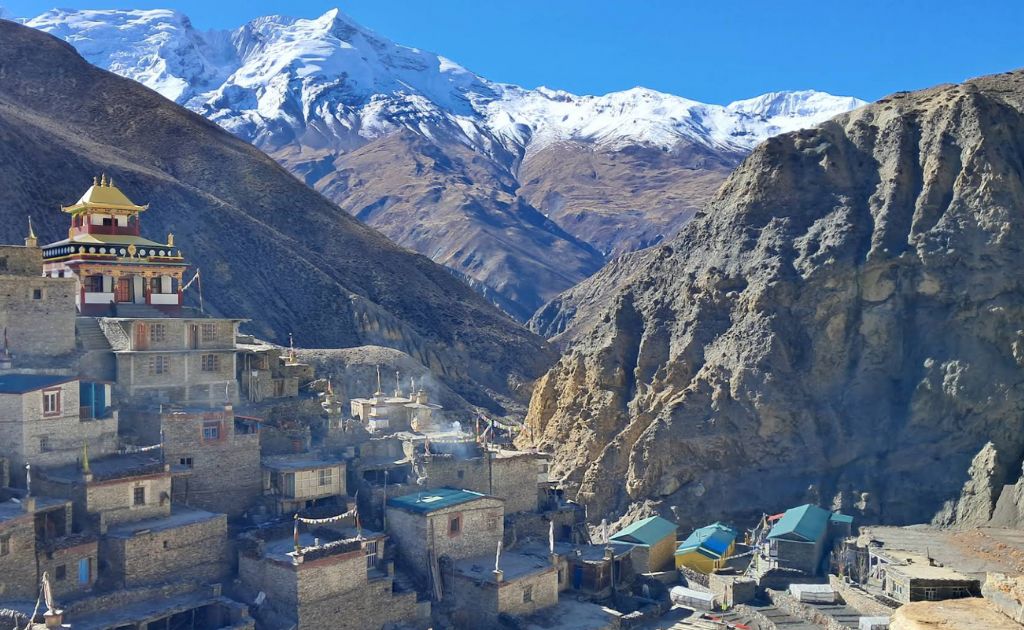
Most trekkers combine Nar Phu with the Annapurna Circuit, and one ACAP covers both. Our itinerary spends about 7 days in the restricted area, so the permit is USD 100 in autumn. See our Nar Phu Valley trek cost guide and the Nar Phu Valley Trek with Annapurna Circuit.
Kanchenjunga Circuit
- Kanchenjunga Restricted Area Permit: USD 20 a week for the first 4 weeks, then USD 25 a week
- KCAP: NPR 2,000
- Licensed guide: required
These are some of the cheapest restricted area permits in Nepal. Our 21-day circuit spends about 17 days in the zone, which comes to USD 60 plus NPR 2,000. See our Kanchenjunga Circuit trek guide and the Kanchenjunga Circuit Trek itinerary.
Upper Mustang
- Upper Mustang Restricted Area Permit: USD 50 per person per day, no minimum
- ACAP: NPR 3,000
- Licensed guide: required
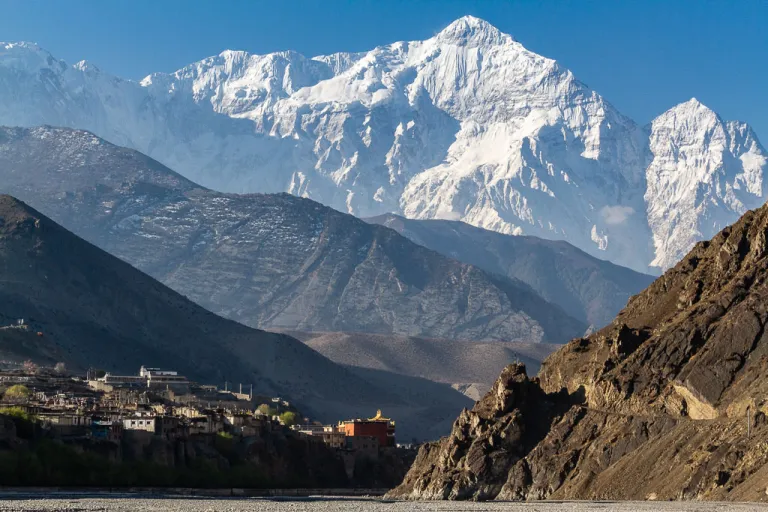
Our 16-day trek spends about 10 days in the restricted area, so the permit is USD 500. A shorter visit, like a few days for the Tiji Festival, now costs much less. See our Upper Mustang trek cost guide and Upper Mustang trek guide.
Upper Dolpo
- Upper Dolpo Restricted Area Permit: USD 50 per person per day, no minimum
- Lower Dolpo Restricted Area Permit: USD 20 for the first week. You need it because the approach via Dunai and Phoksundo crosses Lower Dolpo.
- Shey Phoksundo National Park permit: NPR 3,000
- Licensed guide: required
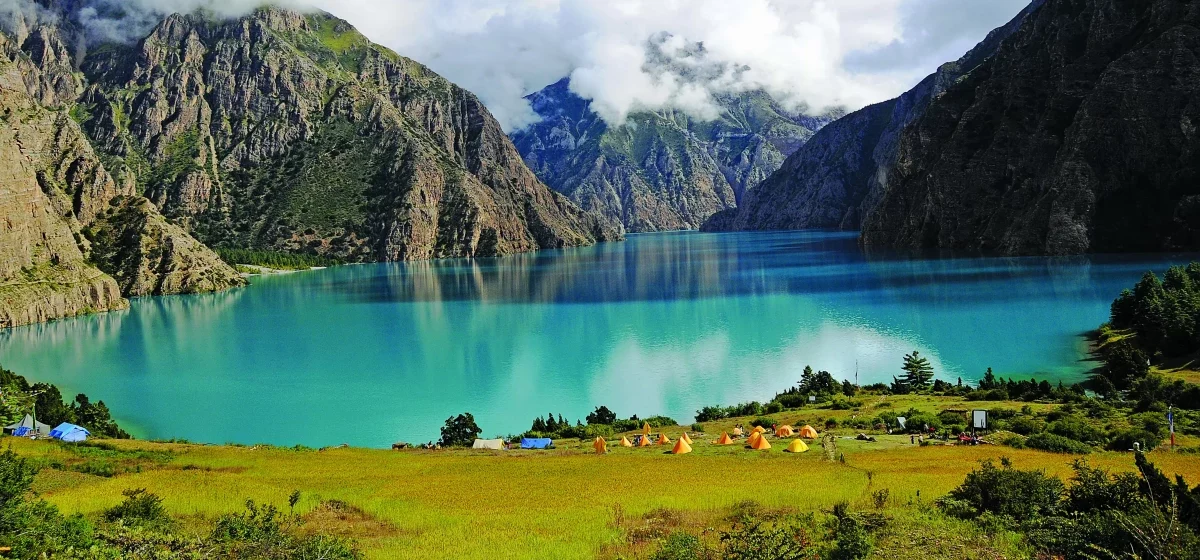
Upper Dolpo used to cost a flat USD 500 for the first 10 days. Now you pay by the day. Our 24-day trek spends about 14 days in Upper Dolpo, so the permits come to about USD 720 plus NPR 3,000. The trek is long, so the permit is still a big part of the cost. See the Upper Dolpo Trek.
Lower Dolpo
- Lower Dolpo Restricted Area Permit: USD 20 for the first week, then USD 5 for each week after that
- Shey Phoksundo National Park permit: NPR 3,000
- Licensed guide: required
Lower Dolpo reaches Phoksundo Lake for a small fraction of the Upper Dolpo permit cost. See the Lower Dolpo Trek.
Rara Lake
Rara is one of Nepal’s most remote treks, but it has some of the lowest permit costs. It isn’t a restricted area.
- Rara National Park permit: NPR 3,000
- TIMS and guide rules: these depend on your route, so confirm before you go
See the Rara Lake Trek.
How to Get Your Nepal Trekking Permits
Through your trekking agency (recommended)
If you trek with a registered agency like MountainKick, we sort your permits before the trek starts. You send a passport copy and your visa details. We arrange the park, conservation area, restricted area and municipality permits, and they’re all included in your package.
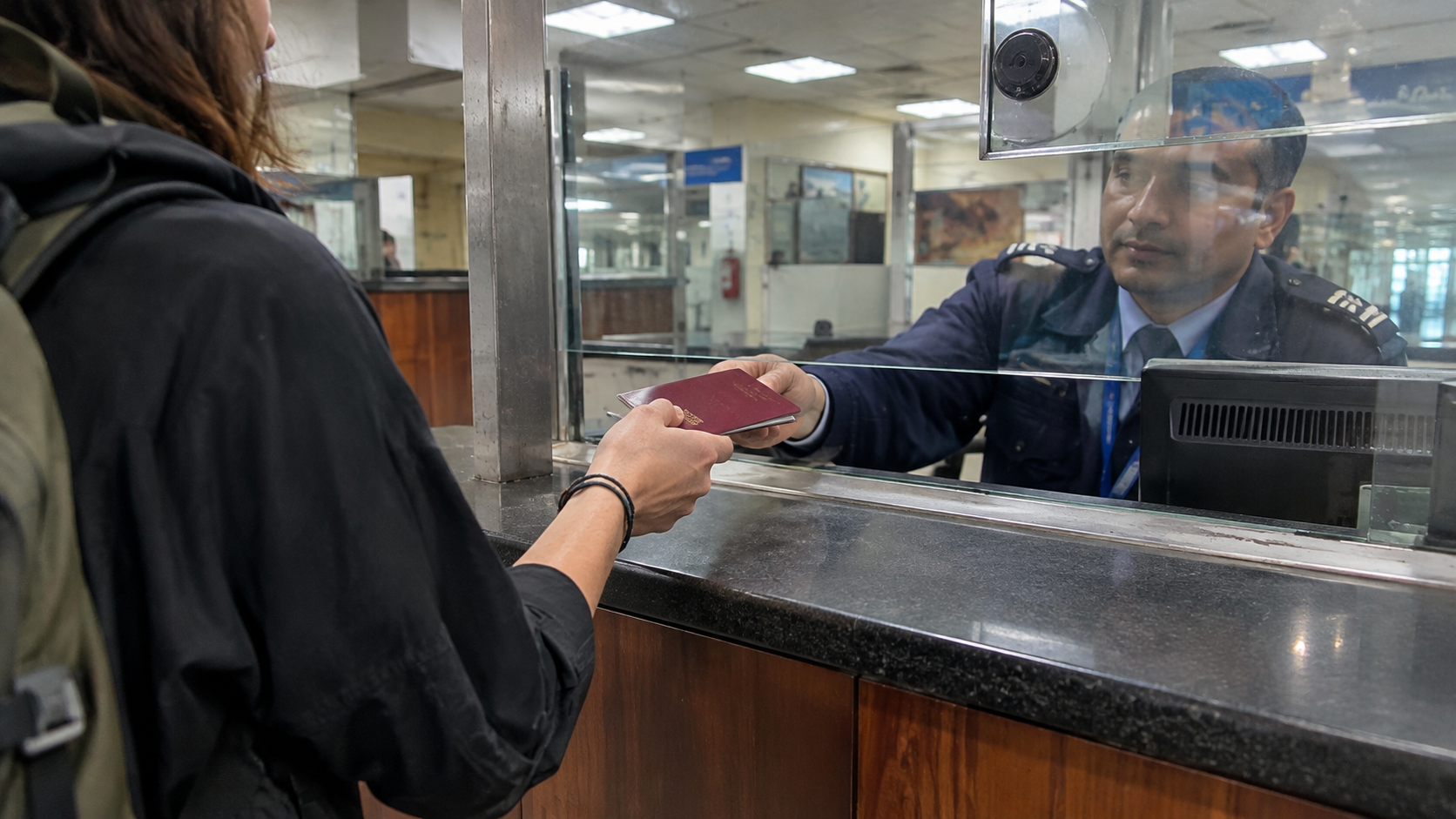
For restricted area permits, going through an agency is the only legal option. Our Nepal visa guide for trekkers covers the visa side.
Trekking with MountainKick? You don’t need to visit any permit office. We handle everything for you.
Arranging permits for non-restricted treks yourself
- National park and conservation area permits: at the Tourist Service Center in Kathmandu, at entry points, or online for Annapurna and Manaslu
- Khumbu municipality permit: at Lukla or Monjo
- TIMS: only through a registered trekking agency
- Restricted area permits: only through a registered agency
You need your passport, a Nepal visa and cash in Nepali rupees.
Frequently Asked Questions
Do I need a TIMS card for trekking in Nepal?
On most routes outside the Khumbu, yes. TIMS costs NPR 2,000 for foreign trekkers and NPR 1,000 for SAARC nationals, and only registered agencies can issue it. In the Khumbu, the local Pasang Lhamu permit is used instead, so TIMS isn’t checked on the EBC route. On restricted treks it can vary by route, and your agency will arrange it where needed.
Is a licensed guide mandatory for trekking in Nepal?
Yes, on most major routes. That includes Annapurna, Langtang and every restricted area. In the Khumbu the rule officially applies, but enforcement varies. See our guide on whether you need a guide to trek in Nepal.
How much does the Everest Base Camp permit cost?
NPR 6,000 for foreign trekkers. That’s NPR 3,000 for the Sagarmatha National Park permit and NPR 3,000 for the Khumbu Pasang Lhamu permit.
How much is the Khumbu Pasang Lhamu permit?
NPR 3,000 for foreign trekkers and NPR 2,000 for SAARC and Chinese nationals. You buy it at Lukla or Monjo. It’s needed for Everest Base Camp, Gokyo and all other Khumbu treks.
How much does an Annapurna trekking permit cost?
ACAP is NPR 3,000 for foreign trekkers. TIMS adds NPR 2,000, so the total is NPR 5,000.
How much is the Manaslu Circuit permit?
USD 100 for the first 7 days from September to November, or USD 75 from December to August. Each extra day costs USD 15 or USD 10. You also pay MCAP and ACAP at NPR 3,000 each, plus a small local fee. On a typical 15-day trek the restricted area permit comes to USD 115 to 160.
Can solo trekkers get a restricted area permit?
Yes, since 22 March 2026. The old two-person minimum is gone in all restricted areas. You still need a licensed guide and a registered trekking agency.
What is the most expensive trekking permit in Nepal?
Upper Mustang and Upper Dolpo, at USD 50 per person per day. A 10-day stay costs USD 500 in permit fees alone. Both used to charge a flat USD 500 for the first 10 days. Now you pay only for the days you’re there.
Can I get permits on arrival in Nepal?
Park and conservation area permits, yes. You can buy them in Kathmandu, Pokhara, online or at some entry points. Restricted area permits need an agency, which can apply online with your visa number before you arrive.
Are permits included in MountainKick trek packages?
Yes. Every required permit is included: park and conservation area permits, restricted area permits, TIMS where it applies and local fees.
What happens if I trek without the correct permits?
You can be stopped at a checkpoint, turned back or made to buy the permit before you continue. Always carry your permits and passport.
Do children need trekking permits in Nepal?
Children under 10 don’t pay national park or conservation area fees. Restricted area rules are different, so check what your route needs.
A Note on Accuracy
Nepal’s permit rules change often. National rules and local checkpoint practice don’t always match, especially in the Khumbu. We check this guide against official sources and our own permit applications. It was last verified on 22 October 2026. Before you trek, confirm the current rules with your trekking agency.