Nar Phu Valley Trek Cost: What It Adds to Your Annapurna Circuit
MountainKick’s 17-day Nar Phu Valley Trek with the Annapurna Circuit costs $990 to $1,450 per person, depending on group size. It’s $1,450 solo, $1,190 each for 2 to 3, $1,050 for 4 to 7 and $990 for 8 or more. The price covers the restricted area permit, ACAP, TIMS, a licensed guide, a porter, lodges, the private jeep to Dharapani and the Jomsom to Pokhara flight.
Compared with the Annapurna Circuit on its own, Nar Phu adds about $360 to $420 per person in a group, or $190 solo. With food, personal spending, visa and tips, most trekkers should budget around $1,700 to $2,700 before international flights and insurance.
- Trip: Nar Phu Valley Trek with Annapurna Circuit, 17 days
- Price: $990 to $1,450 per person, depending on group size
- Passes: Kang La (5,320m) and Thorong La (5,416m)
- Permits: Nar Phu Restricted Area Permit, ACAP and TIMS, included in the package
- Guide: A licensed guide is required
- Solo trekkers: can get the permit since 22 March 2026, with a guide
- Typical total: about $1,700 to $2,700 before flights and insurance
Last updated: October 2026
Why We Add Nar Phu to the Annapurna Circuit
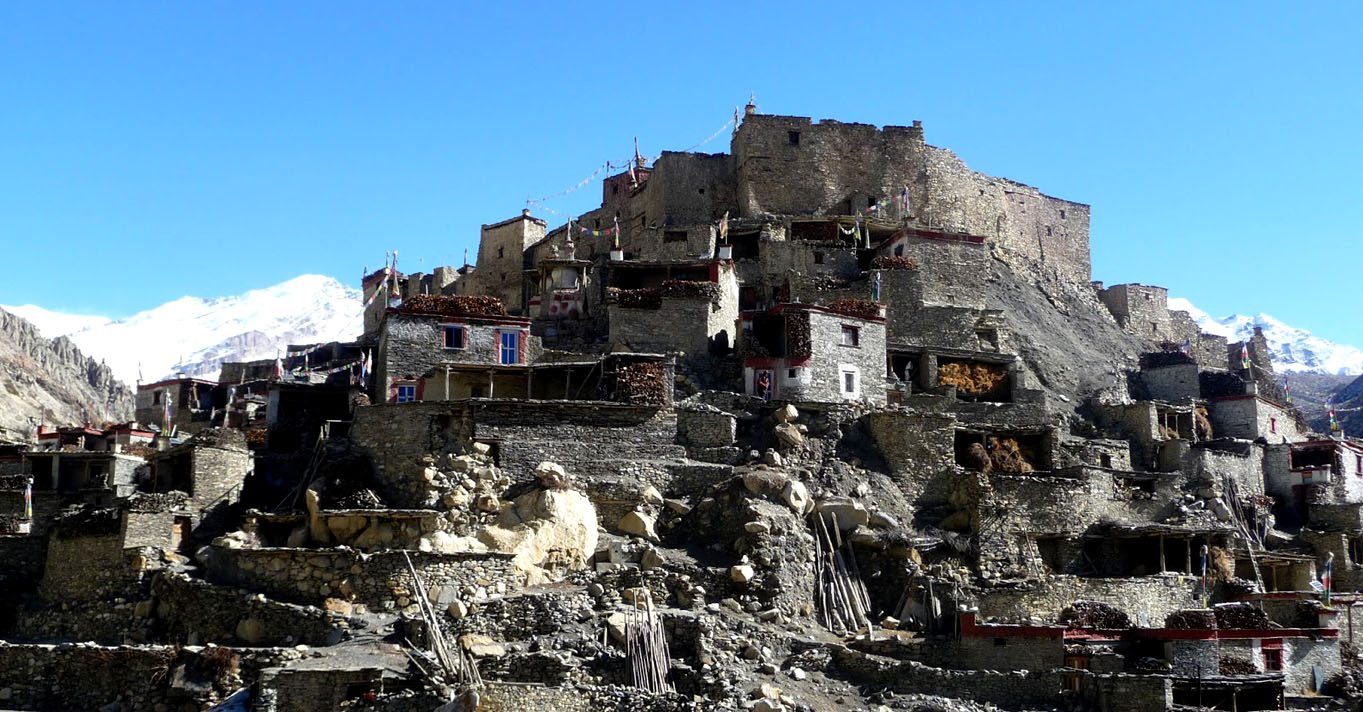
Nar Phu isn’t a loop of its own. You enter the restricted area from Koto, a village on the main Annapurna Circuit trail, walk up through Meta, Phu and Nar, then cross the Kang La to rejoin the Circuit at Ngawal. It’s a detour off the Circuit rather than a separate route.
That’s why MountainKick runs the Nar Phu Valley Trek together with the Annapurna Circuit instead of selling it on its own. Other operators sell standalone Nar Phu trips with different structures. With MountainKick, what you’re paying for is the Circuit with Nar Phu added.
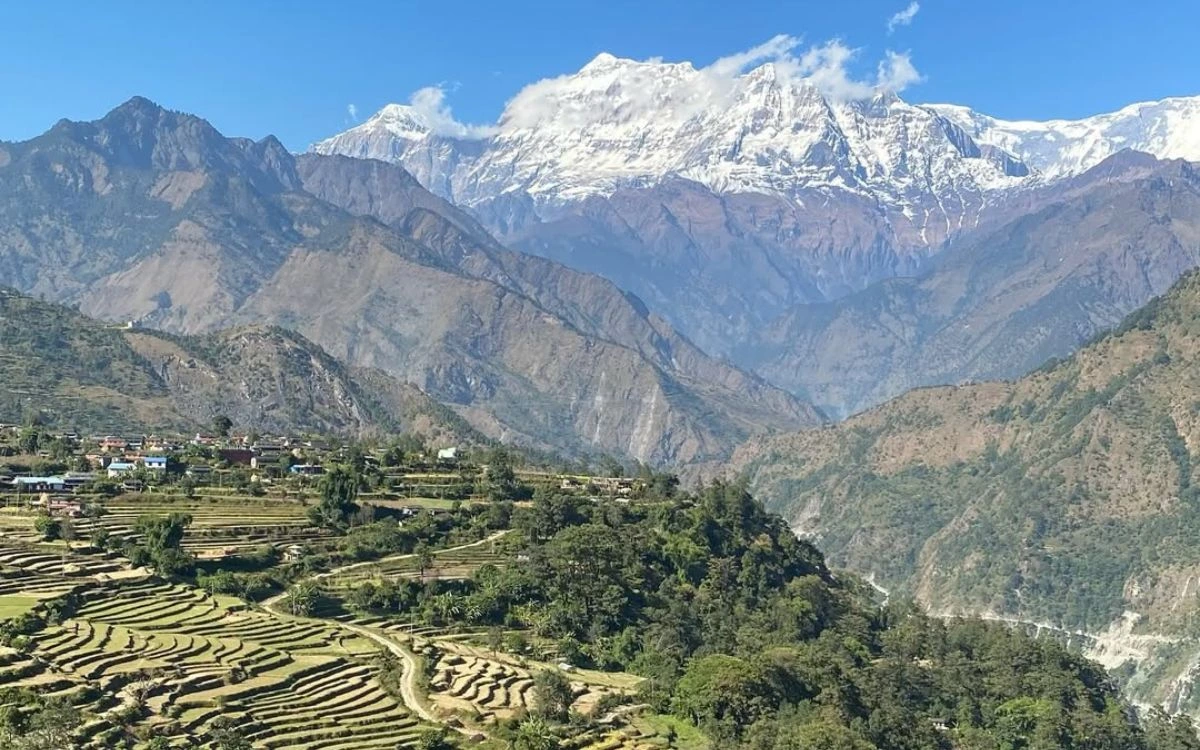
Nar Phu Trek Price vs the Annapurna Circuit
| Annapurna Circuit | Circuit + Nar Phu | |
|---|---|---|
| Days | 16 | 17 |
| Passes | Thorong La | Kang La and Thorong La |
| Solo | $1,260 | $1,450 |
| 2 to 3 people | $770 per person | $1,190 per person |
| 4 to 7 people | $643 per person | $1,050 per person |
| 8 or more | $630 per person | $990 per person |
| Restricted area permit | No | Yes |
| Way out | Drive from Marpha to Pokhara | Flight from Jomsom to Pokhara |
| Guide | Required | Required |
For 2 to 3 people, Nar Phu adds about $420 per person. In a group of 4 to 7 it’s about $410, and for 8 or more about $360. Solo, the gap is only $190, because a solo trekker on the Circuit already pays for a whole guide and porter alone.
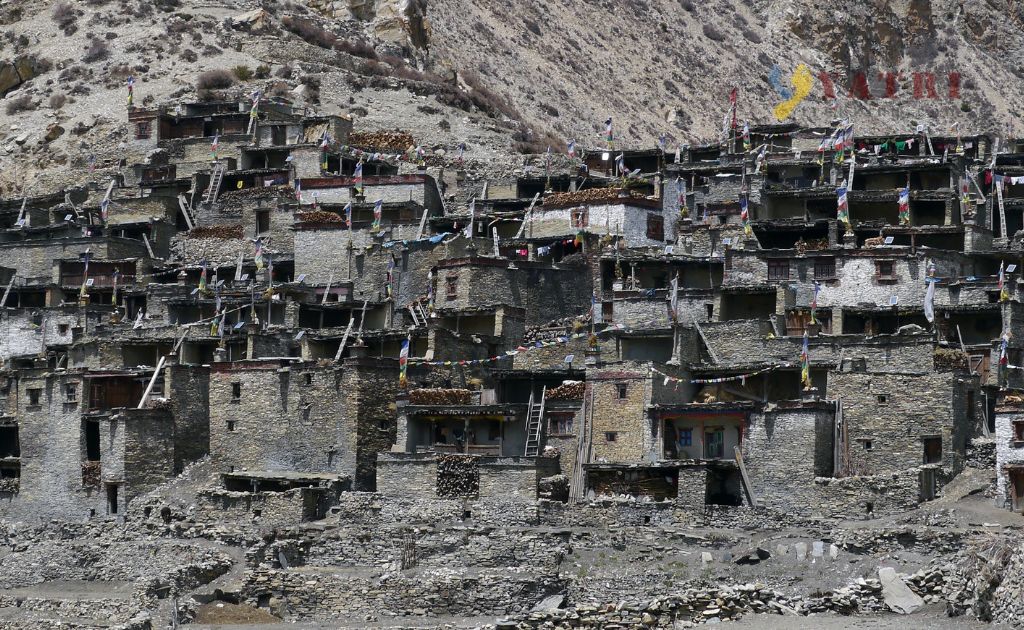
Nar Phu Trek Cost Breakdown
| Expense | Typical cost |
|---|---|
| MountainKick package | $990 to $1,450 |
| Food on the trail (about 14 days) | $420 to $630 |
| Personal spending (showers, charging, Wi-Fi, snacks) | $100 to $200 |
| Nepal visa (30 days) | $50 |
| Tips for guide and porter | $130 to $270 |
| Gear rental | $0 to $100 |
| Travel insurance | Depends on your policy |
| Typical total before international flights and insurance | about $1,700 to $2,700 |
For 2 to 3 people on the $1,190 package, most trekkers land around $1,900 to $2,450.
What the Extra Cost Pays For
- The Nar Phu restricted area permit, $75 to $100 per person
- Extra guide and porter time in a more remote section
- Accommodation in Nar and Phu, which have far fewer beds and higher costs than the main Circuit
- A private jeep to Dharapani, instead of the bus and shared jeep on the Circuit
- The flight from Jomsom to Pokhara at the end
- A second high pass, the Kang La
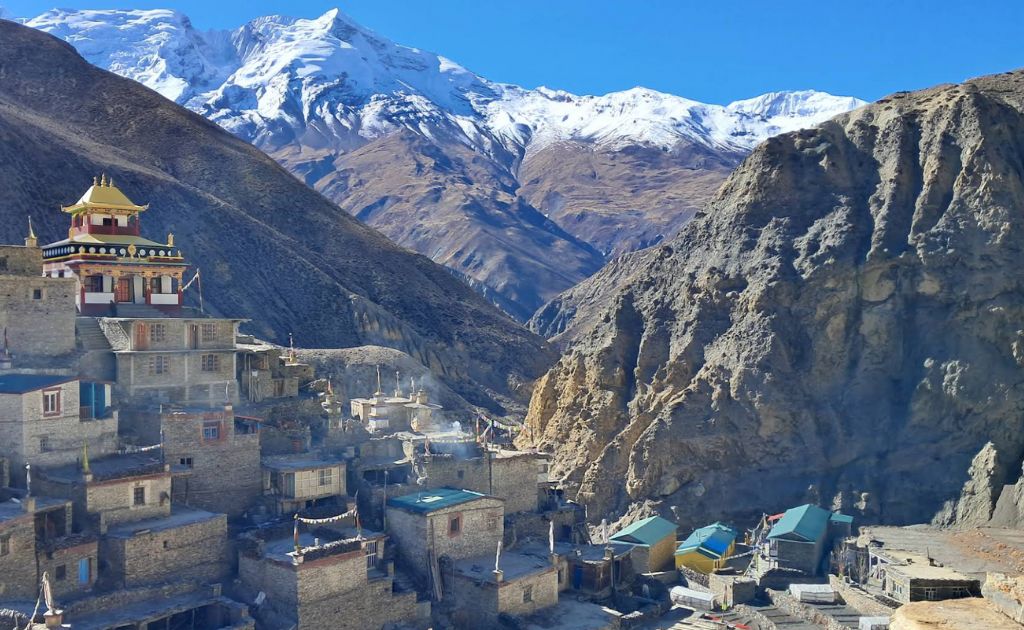
Nar Phu Permit Cost
All permits are included in the MountainKick package:
- Nar Phu Restricted Area Permit: $100 per person per week from September to November, or $75 per week from December to August
- Annapurna Conservation Area Permit (ACAP): NPR 3,000
- TIMS card: NPR 2,000 for most foreign trekkers
The Nar Phu Restricted Area Permit must be arranged through a registered trekking agency, and a licensed guide is required. Permit fees can change, so check our Nepal trekking permits guide for the latest information.
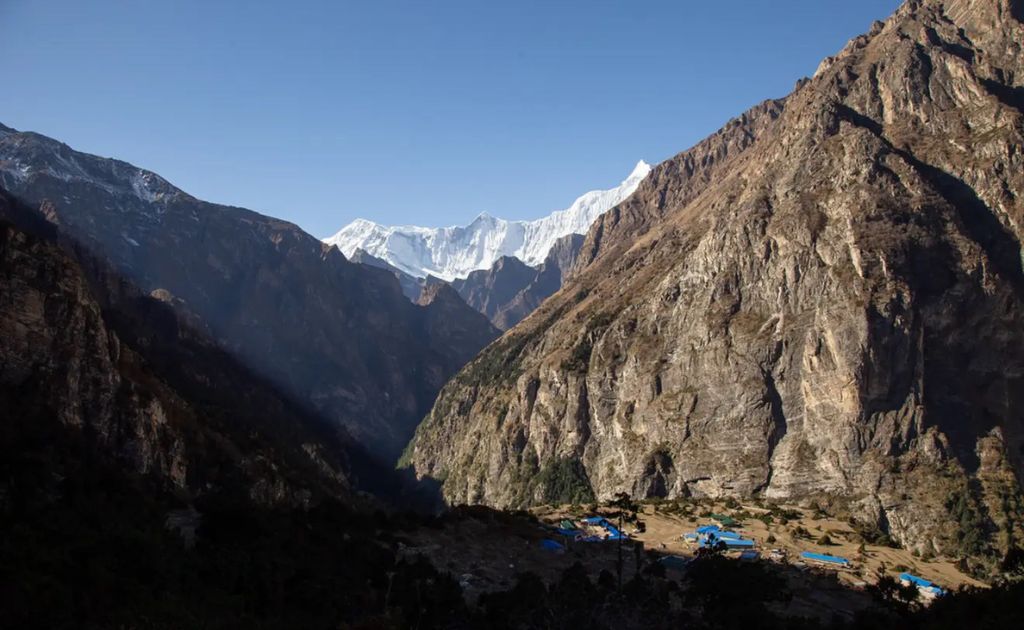
Food Costs in Nar Phu
Expect to spend a bit more on food inside the restricted area, generally $35 to $45 a day, compared with about $30 to $40 a day on the main Circuit. This is based on what our clients usually spend, so treat it as a planning estimate. Nar and Phu are harder to resupply than villages like Manang or Chame. Menus are smaller, and anything brought in, like chocolate or batteries, costs more.
Tips for Your Guide and Porter
Tips aren’t included and are up to you. For the 17-day trek, many trekkers budget around $130 to $270 for the guide and porter combined, depending on group size and service. See our guide to tipping guides and porters in Nepal.
How Much Cash to Bring
There are no ATMs in the Nar Phu Valley. Take out your trekking cash in Kathmandu or Pokhara before you start. For food and normal personal expenses, around $550 to $850 in cash is a reasonable starting budget, plus whatever you plan to give as tips. For ATM limits and fees, see our guide to money in Nepal for trekkers.
Travel Insurance
MountainKick requires travel insurance that covers trekking and helicopter evacuation at the maximum altitude on your itinerary. On this trip that’s the Thorong La at 5,416m. See our travel insurance guide.
Who Is the Nar Phu Add-On Best Suited To?
Consider it if:
- You want a quieter, more remote section of the Annapurna region
- You’re comfortable with a second high pass close to the Thorong La
- You want to see Tibetan villages that very few trekkers reach
The standard Circuit may suit you better if:
- You’re short on time
- You don’t want another pass above 5,000m
- You want the lowest price for the Annapurna region
For the Circuit on its own, see our Annapurna Circuit trek cost guide.
Treks in this guide


Frequently Asked Questions
How much does the Nar Phu Valley trek cost?
MountainKick’s 17-day Nar Phu Valley Trek with Annapurna Circuit costs $1,450 solo, $1,190 each for 2 to 3, $1,050 for 4 to 7 and $990 for 8 or more. With food, personal spending, visa and tips, most trekkers should budget about $1,700 to $2,700 before international flights and insurance.
Why does Nar Phu cost more than the Annapurna Circuit?
Mainly the permit and transport. You pay for the restricted area permit, a private jeep to Dharapani and the flight from Jomsom to Pokhara. Lodges in Nar and Phu also cost more because everything is carried in. For 2 to 3 people it adds about $420 per person.
Can you trek Nar Phu without the full Annapurna Circuit?
Not with MountainKick. We only run it combined with the Circuit, since the route enters and leaves through Circuit trail sections. Other operators may do it differently.
How much is the Nar Phu restricted area permit?
The permit costs $100 per person per week from September to November and $75 per week from December to August. ACAP and TIMS are also required for the Nar Phu Annapurna Circuit route. All are included in the MountainKick package.
Do you need a guide for Nar Phu?
Yes. A licensed guide through a registered agency is required, whatever your group size.
Can solo trekkers get a Nar Phu permit?
Yes. Since 22 March 2026, the two-trekker minimum for restricted area permits has been removed. A solo trekker can now get a Nar Phu permit through a registered trekking agency, but a licensed guide is still required.
How high is the Kang La?
5,320m, slightly lower than the Thorong La at 5,416m.
What’s the best season for Nar Phu?
Autumn (September to November) usually has the most stable weather, though it’s also when the permit fee is highest. Spring is the other main season.