Kyanjin Gompa: How to Spend Your Day at the Top of the Langtang Valley
Kyanjin Gompa is the last village on the Langtang Valley trek, at about 3,870m. Most trekkers spend two nights here, with one day for a hike.
Kyanjin Ri (about 4,773m) is the usual choice, a steep climb with big views of Langtang Lirung. Tserko Ri (about 4,984m) is a longer, harder day with an early start.
- Altitude: about 3,870m
- Nights here: usually two, with one hike day
- Usual hike: Kyanjin Ri, about 4,773m, about 3 to 5 hours return
- Harder hike: Tserko Ri, about 4,984m, about 6 to 8 hours return
- Main sights: the monastery, the yak cheese factory and Langtang Lirung (7,227m)
- Cash: don’t rely on finding an ATM, bring rupees from Kathmandu
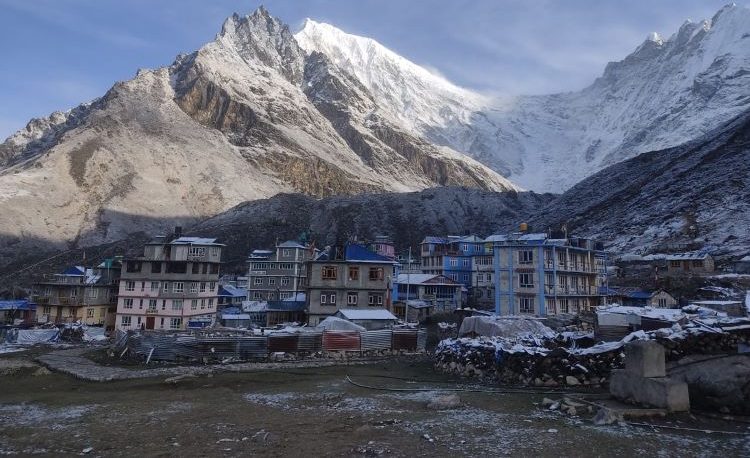
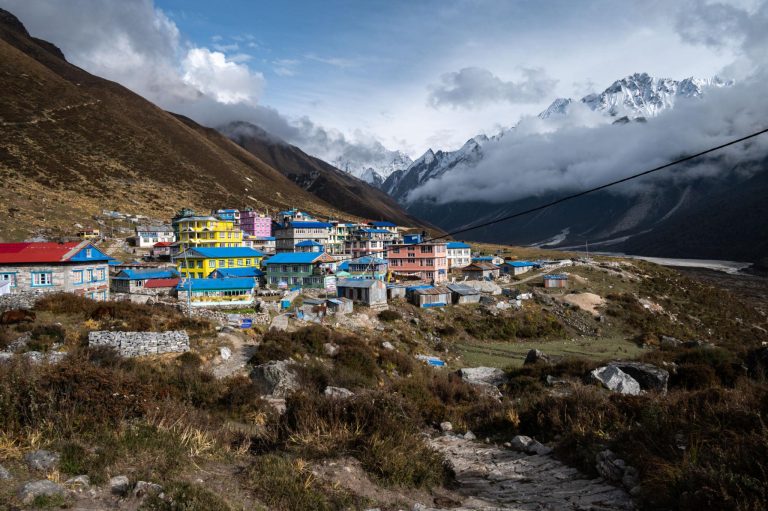
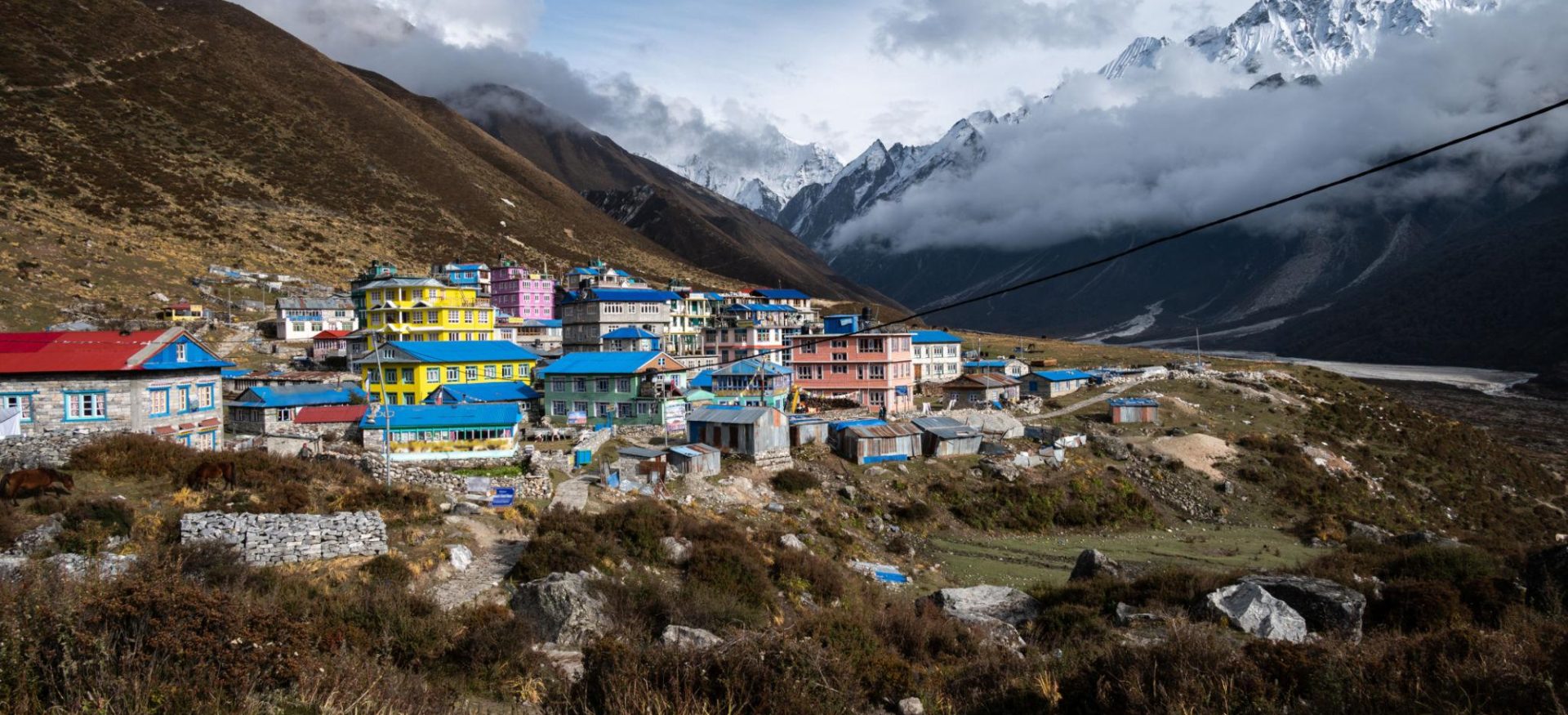
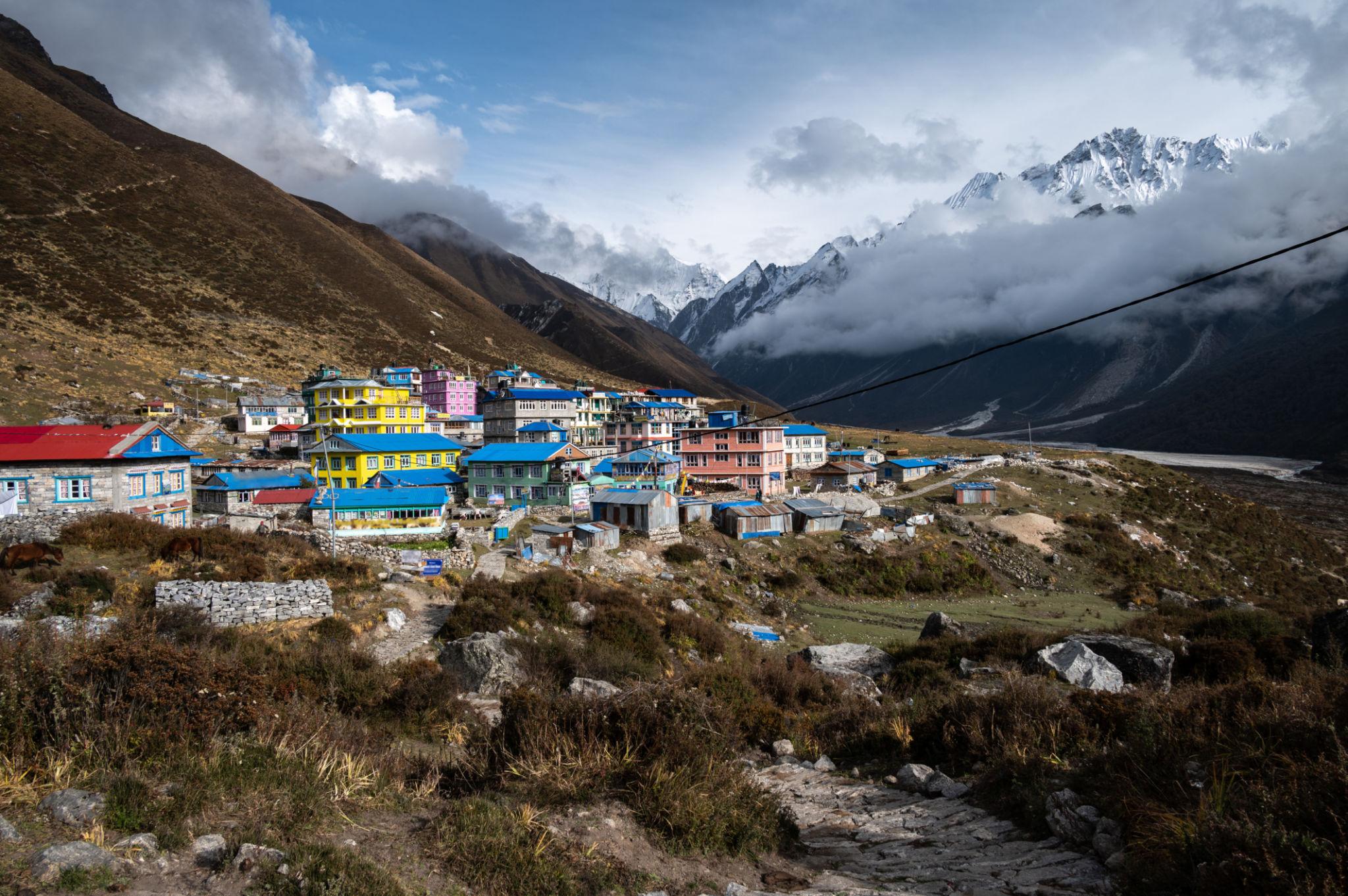
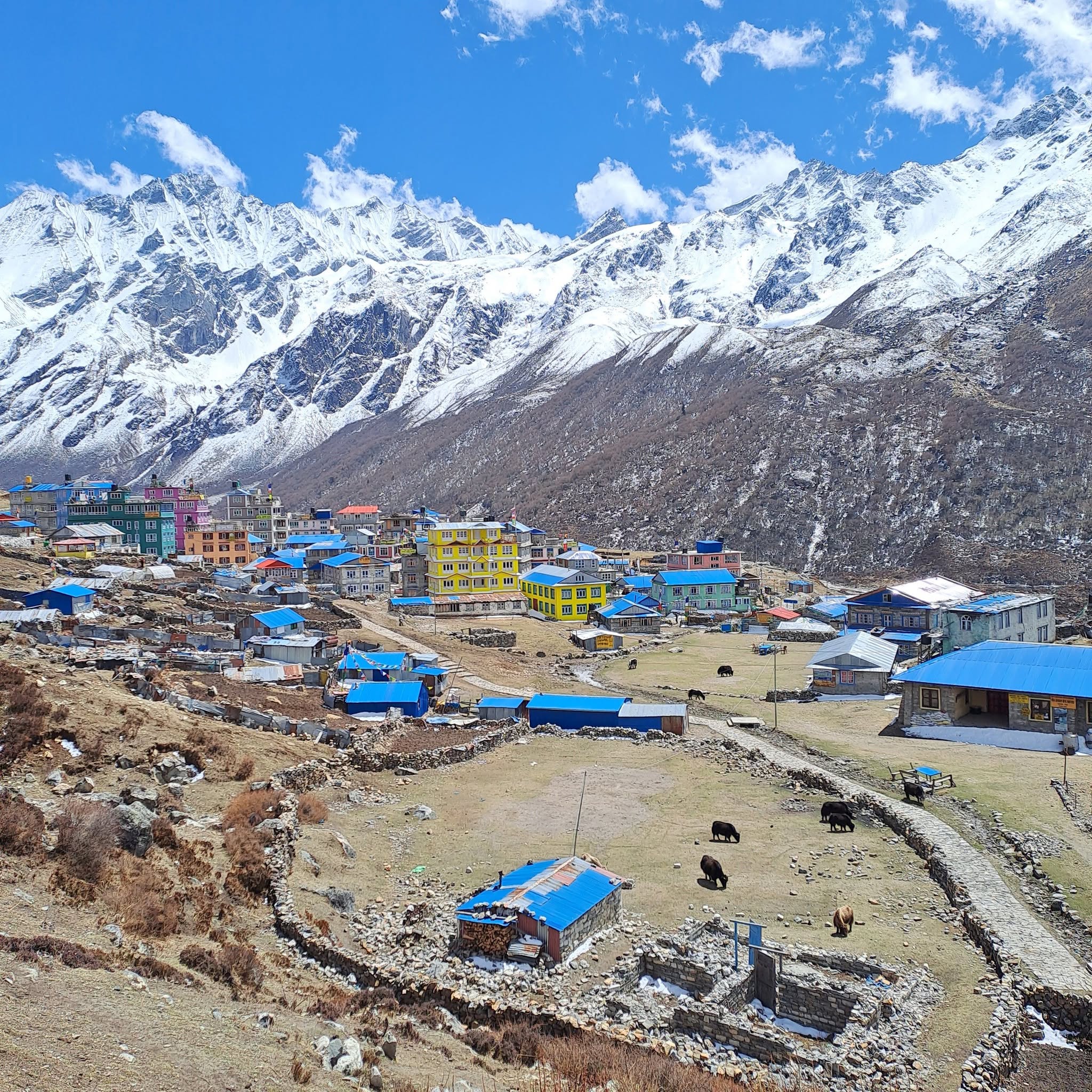
Kyanjin Gompa sits at the head of the Langtang Valley, in a wide meadow surrounded by glaciers and peaks. It’s the end of the trail for most trekkers, and the reason many choose Langtang in the first place.
You usually get one full day here. Here’s how to use it.
Kyanjin Ri or Tserko Ri?
| Hike | Highest point | Approximate time | Best for |
|---|---|---|---|
| Kyanjin Ri | about 4,773m | about 3 to 5 hours return | A steep climb, and the usual choice for most trekkers |
| Tserko Ri | about 4,984m | about 6 to 8 hours return | A longer, harder day with an early start and the best glacier views |
| Village walk | about 3,870m | 1 to 2 hours | A gentle option if you don’t want to climb higher |
These are rough planning times. Your pace, snow and the weather all make a difference, and your guide’s advice comes first.
Kyanjin Ri climbs steeply from behind the village. There’s a lower viewpoint at about 4,300m if you want to stop early, and the main top is at about 4,773m. You see Langtang Lirung, the glaciers and the whole valley below.
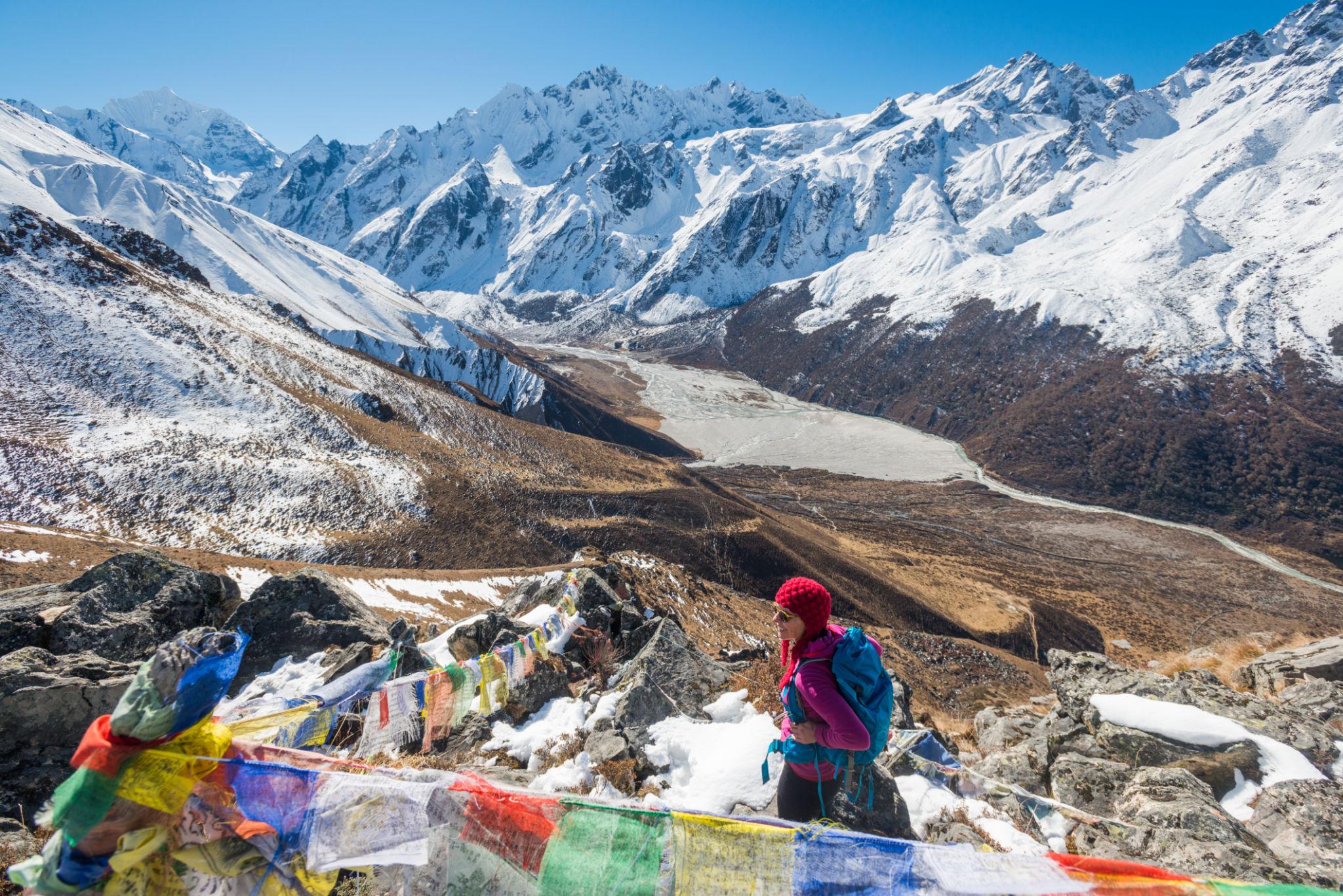
Tserko Ri is higher and much longer, with an early start. The views over the Langtang Glacier are the best in the valley, but it’s a demanding day.
Both hikes take you higher during the day before you return to sleep at Kyanjin Gompa. This can be part of acclimatisation, but it doesn’t prevent altitude sickness. Choose your hike based on how you feel and your guide’s advice. If you get a headache with nausea, dizziness or other worrying symptoms, stop going up and tell your guide. See our altitude sickness guide.
Where Is Kyanjin Gompa?
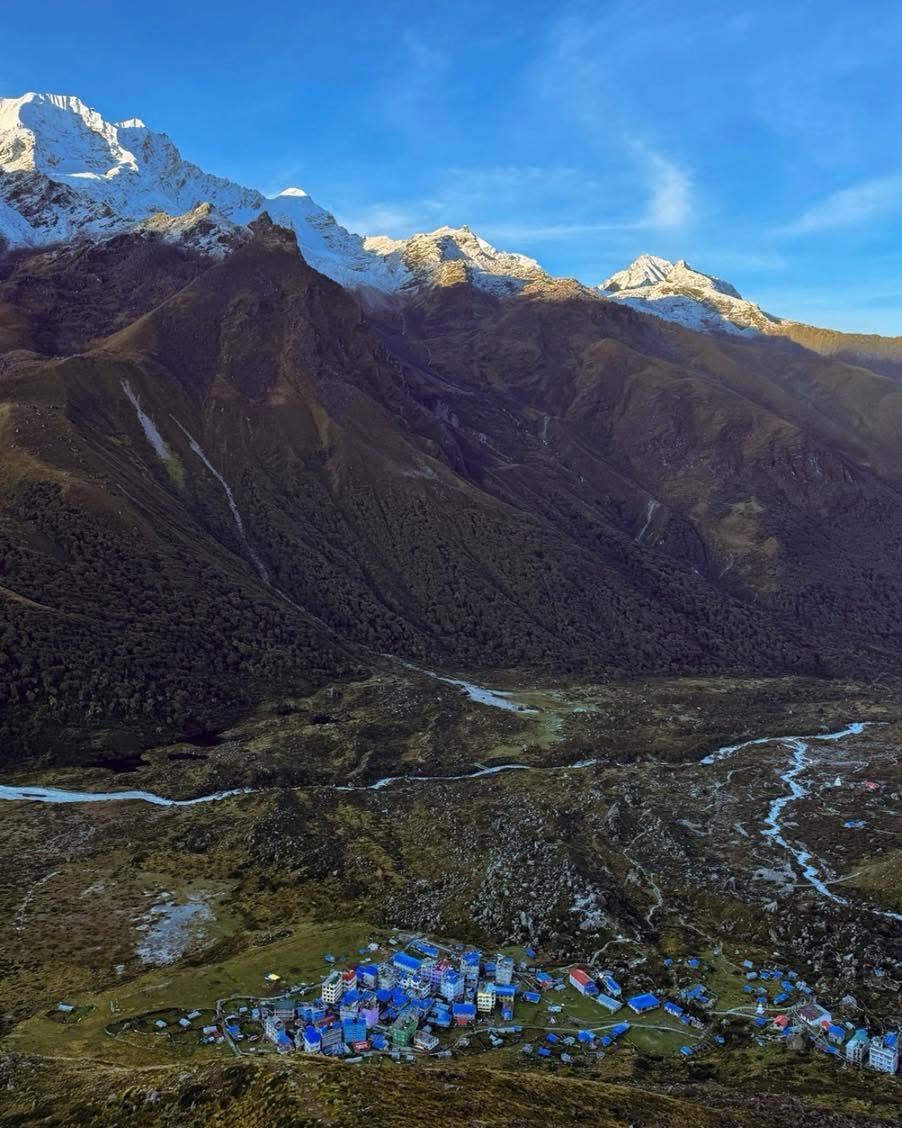
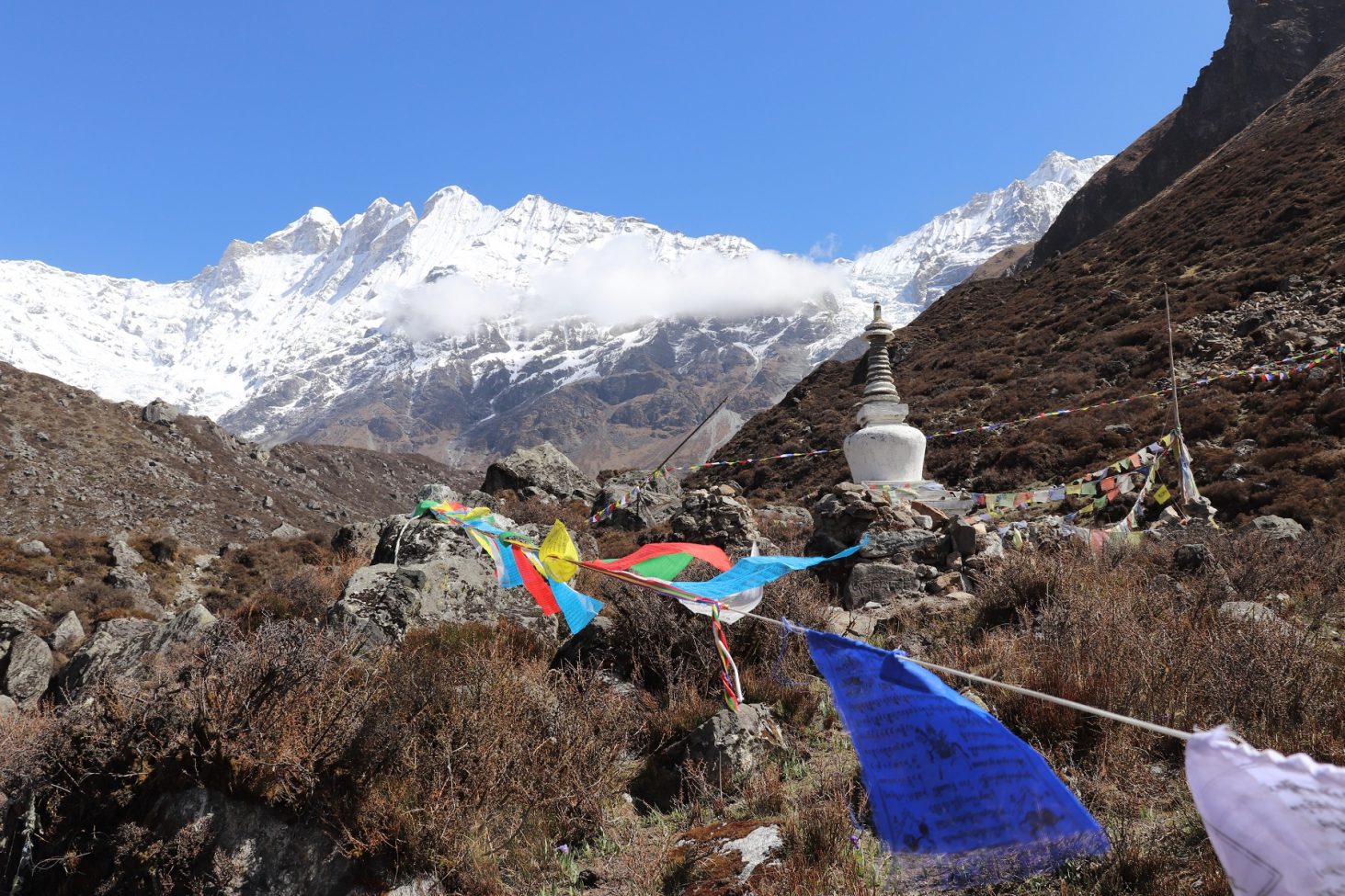
Kyanjin Gompa is about 3 to 4 hours’ walk above Langtang Village, in Langtang National Park, north of Kathmandu. Langtang Lirung (7,227m) rises right above the village, and the Langtang Glacier runs down to the east.
The 2015 earthquake hit the valley hard and destroyed Langtang Village lower down. Most lodges have been rebuilt since, and the trail is open again.
A Sample Day at Kyanjin
- Early morning: breakfast and start your hike. Leave earlier for Tserko Ri.
- Late morning or afternoon: back in Kyanjin Gompa, depending on your hike and the conditions.
- Later afternoon: if you have time and feel well, visit the monastery, check whether the cheese factory is open, or walk around the village.
- Evening: dinner and rest before the walk down the next day.
Other Things to Do
- The monastery: a small, active Buddhist gompa in the village, which gives Kyanjin its name.
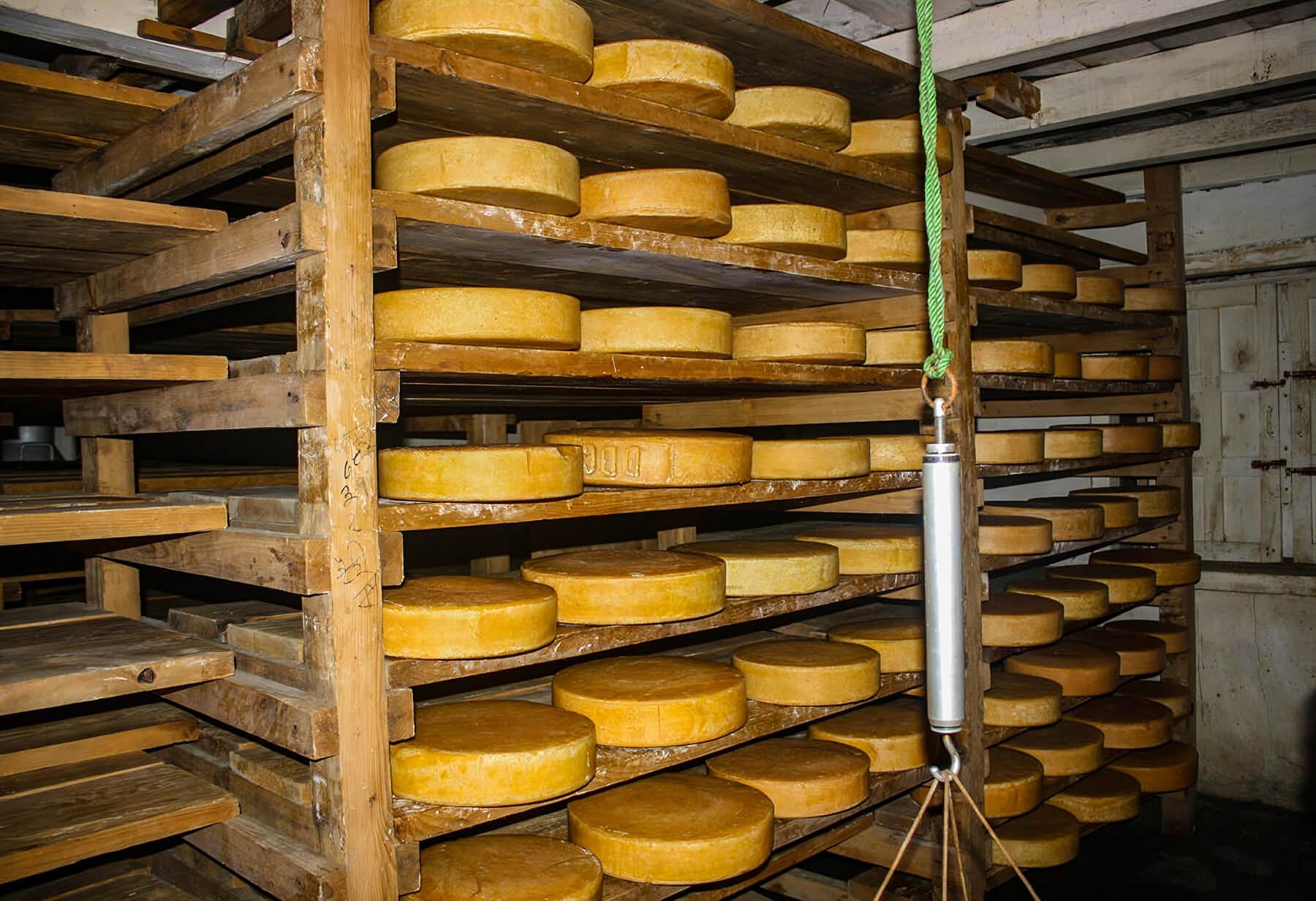
- The cheese factory: the yak cheese factory was set up in the early 1950s with help from the UN Food and Agriculture Organization (FAO). You can often buy locally made cheese when the factory is open.
- Bakeries and coffee: a few lodges serve cakes and real coffee.
- Glacier views: a short walk east of the village gives views up the valley towards the Langtang Glacier.
Food, Rooms and Services
- Rooms: simple twin rooms, many in rebuilt lodges, plus a warm dining room with a stove. On our treks, we book all your rooms in advance.
- Food: dal bhat, noodles, pasta and the local yak cheese. Prices are higher than lower down.
- Money: don’t rely on finding a working ATM on the Langtang trail. Bring enough Nepali rupees from Kathmandu for snacks, drinks, charging and other extras. See our money guide.
- Charging and WiFi: available in most lodges for a small charge. Power comes from solar or micro-hydro, so it isn’t always reliable.
- Phone signal: patchy.
- Nights: cold, especially from November to March. A warm sleeping bag helps.
Getting to Kyanjin Gompa
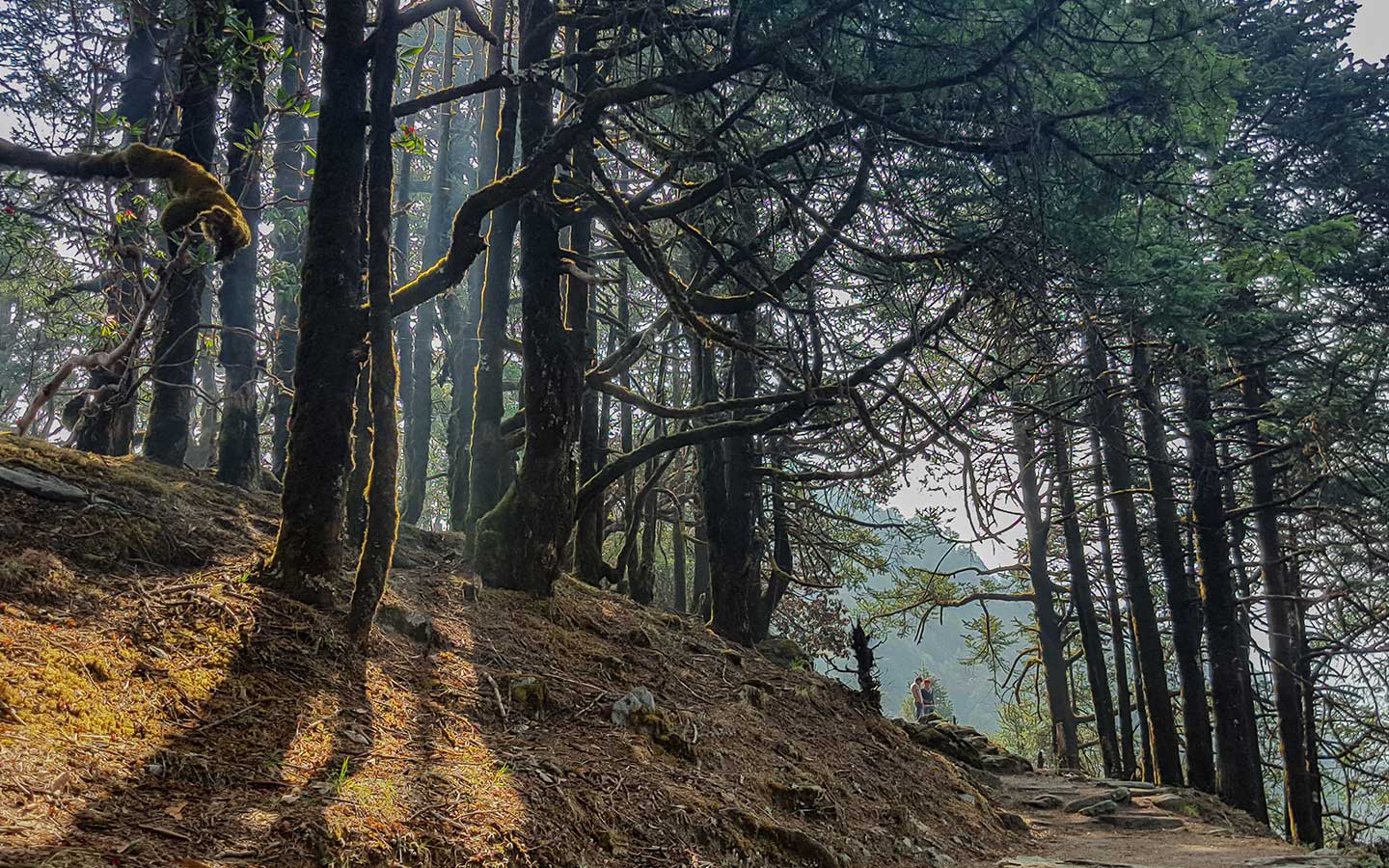
On our 10-day Langtang Valley Trek, we drive from Kathmandu to Thulo Syabru on the first day. You then walk through forest to Lama Hotel and up to Langtang Village, reaching Kyanjin Gompa on Day 5. Day 6 is your hike day, and you head back down on Day 7. It costs from USD 510 per person for 2 to 3 people.
For the day-by-day plan, see our Langtang itinerary. For how hard it is, see the Langtang difficulty guide. For seasons and costs, see the best time for Langtang and Langtang trek cost.
Treks in this guide


Frequently Asked Questions
How high is Kyanjin Gompa?
About 3,870m (12,697ft).
Is Kyanjin Ri or Tserko Ri better?
Kyanjin Ri suits most trekkers and takes about 3 to 5 hours return. Tserko Ri is higher, longer and harder, with better glacier views. Pick it only if you feel well and your guide agrees.
Is Kyanjin Ri worth climbing if I don’t do Tserko Ri?
Yes. You get close views of Langtang Lirung, the glaciers and the whole valley for about half the effort, and you’re back in time to see the village.
Can I get altitude sickness at Kyanjin Gompa?
Yes, it’s possible at this height. Walk up slowly, drink regularly, eat enough and tell your guide straight away if you feel unwell.
Is there an ATM at Kyanjin Gompa?
Don’t rely on finding a working ATM on the Langtang trail. Bring enough cash from Kathmandu.
Can I buy cheese at Kyanjin?
Often, yes, when the factory is open. It has made yak cheese since the early 1950s.