Annapurna Circuit Difficulty: How Hard Is the Trek?
The Annapurna Circuit is a moderate to challenging trek. Most of the trail is manageable for people with a reasonable level of fitness, but the altitude and the crossing of Thorong La Pass at 5,416m make the trek demanding. The hardest part is usually the high altitude rather than technical climbing.
Expect several days of 5 to 8 hours of walking, with the Thorong La day being the biggest challenge. No mountaineering experience or technical climbing skills are required on the standard route.
Annapurna Circuit Difficulty: Key Facts
- Overall rating: Moderate to challenging
- Hardest day: The Thorong La crossing
- Highest point: Thorong La Pass at 5,416m — you do not sleep at this altitude
- Technical climbing: None required — no ropes or mountaineering skills
- Daily walking: Typically 5 to 8 hours
- Main challenges: Altitude, long walking days, changing terrain, the pass itself
- Beginner friendly: Yes, with proper preparation and a sensible itinerary
- How difficult is the Annapurna Circuit?
- What makes it difficult?
- The hardest day
- How high is the Annapurna Circuit?
- Do you need to be very fit?
- How to train
- Can beginners do it?
- Can older trekkers do it?
- Annapurna Circuit vs Everest Base Camp
- Does it get easier after Thorong La?
- Tips for making it easier
- FAQs
The Annapurna Circuit is one of those treks that looks harder on paper than it feels at first.
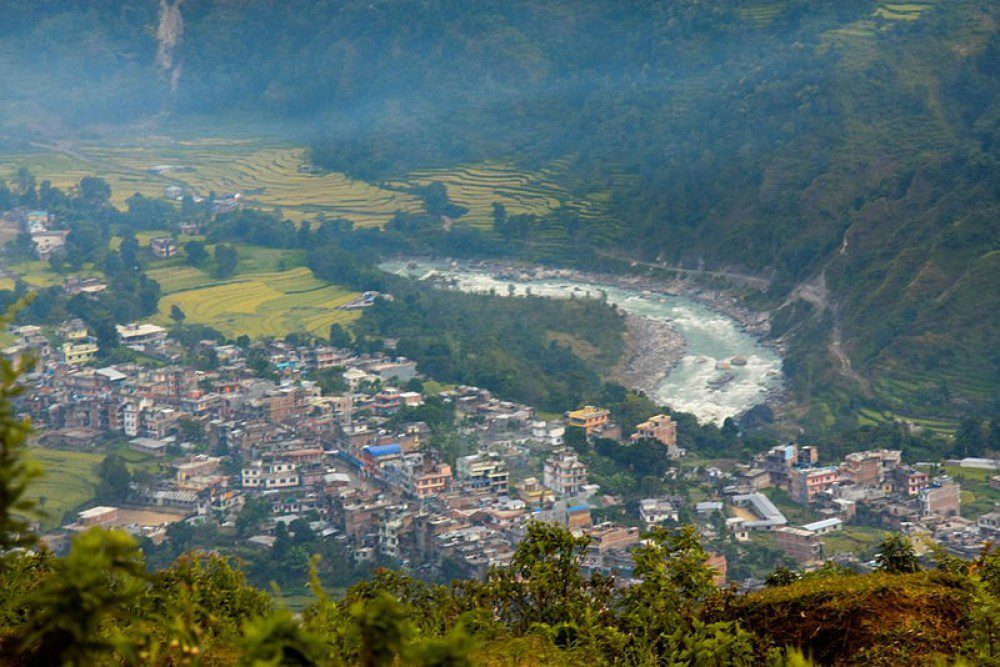
The lower sections have villages, farmland, forests and roads. As you get higher, the landscape changes quickly. The air gets thinner, the walking becomes more demanding and eventually you cross Thorong La at 5,416 metres.
So how difficult is the Annapurna Circuit really? For most trekkers, it is not a technical climb. You do not need mountaineering experience. You do need to be prepared for long walking days, changing terrain and high altitude.
If you’re also weighing this against another trek, see our Nepal Trek Difficulty guide for how it compares to EBC, ABC and the other major routes.
How Difficult Is the Annapurna Circuit?
We rate the Annapurna Circuit as moderate to challenging.
The difficulty changes throughout the trek. The lower sections are generally easier because you are walking at lower elevations. The challenge increases around Manang and becomes most serious when you approach Thorong La.
| Part of the trek | Difficulty | Main reason |
|---|---|---|
| Besisahar to Chame | Moderate | Long walking days with gradual elevation gain |
| Chame to Manang | Moderate | More elevation and longer mountain days |
| Manang acclimatisation | Moderate | Rest day with an optional acclimatisation hike |
| Manang to Yak Kharka | Moderate to challenging | Higher altitude and thinner air |
| Yak Kharka to Thorong Phedi | Challenging | High altitude and limited oxygen |
| Thorong La crossing | Very challenging | 5,416m altitude and a long day of walking |
| Muktinath and lower Mustang | Moderate | Long descent and changing terrain |
What Makes the Annapurna Circuit Difficult?
There are four main things that make the Annapurna Circuit challenging: altitude, long walking days, the terrain and the Thorong La crossing.
1. Altitude
Altitude is the biggest factor. Thorong La reaches 5,416m. That is higher than many people have ever been in their lives. Even fit trekkers can feel the difference when they get above 3,500m.
You may notice that your breathing becomes harder when walking uphill. Your pace naturally slows and simple climbs can feel surprisingly tiring.

Fitness helps you handle the physical work, but it does not prevent altitude sickness. Acclimatisation and a sensible itinerary matter. Read our Altitude Sickness on Nepal Treks guide for a more detailed explanation of altitude and the symptoms to watch for.
2. Long Walking Days
Most days involve several hours of walking. Depending on the itinerary, terrain and walking pace, many days can take around 5 to 8 hours.
The distance itself is not the only issue. You are walking day after day, so tired legs can become a bigger factor as the trek continues.
A good training plan should prepare you for spending several hours on your feet rather than only doing short intense workouts.
3. Terrain
The trail changes constantly.
- Stone steps
- Rocky mountain paths
- Forest trails
- Suspension bridges
- Uneven sections
- Steep uphill and downhill sections
- Some road sections in the lower and middle parts of the route

You do not need technical climbing skills, but comfortable trekking shoes and good balance are important.
4. Thorong La Pass
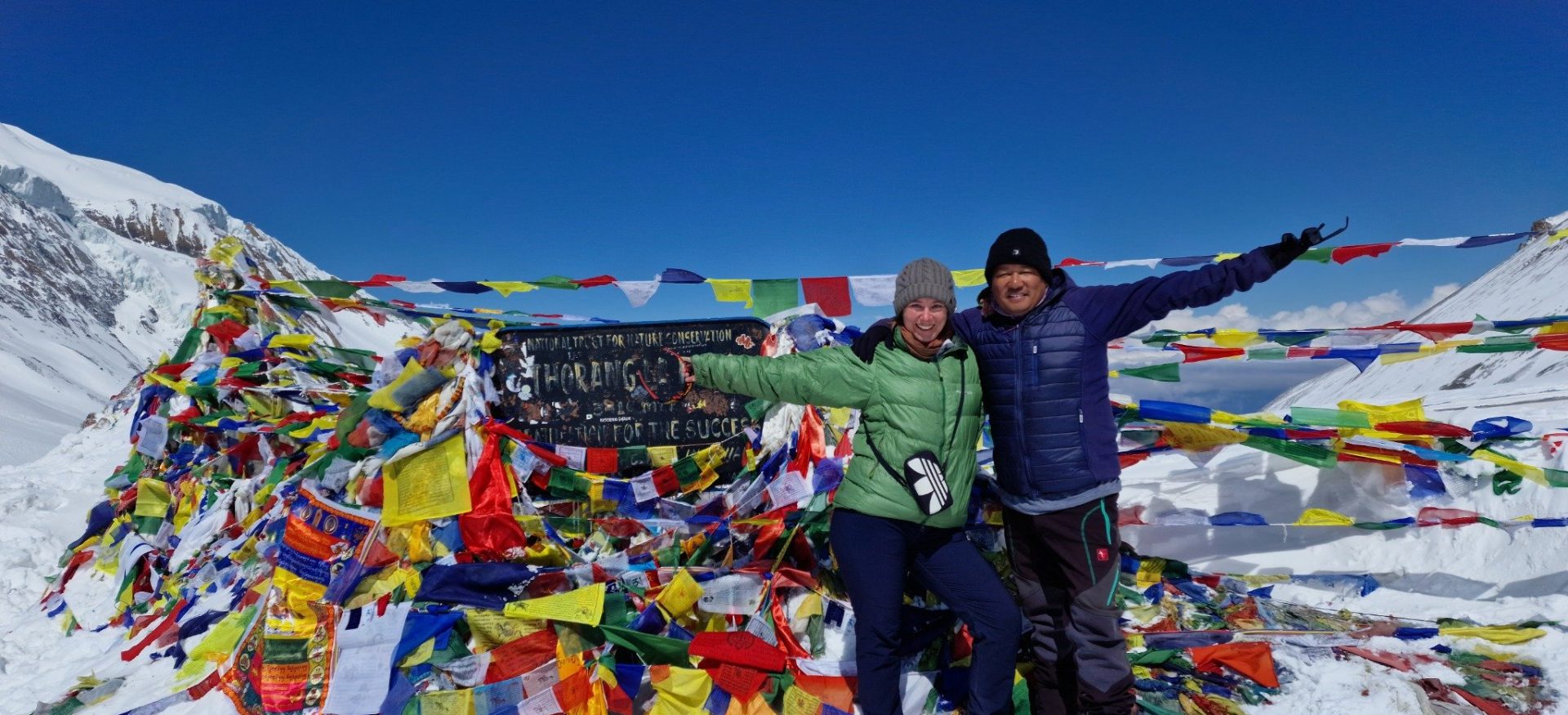
Thorong La is the day most trekkers worry about before starting the Annapurna Circuit.
At 5,416m, it is the highest point of the trek. Trekkers spend the night before at either Thorong Phedi (around 4,450 to 4,540m) or Thorong High Camp (around 4,925m), which sits higher up the same slope. MountainKick uses either option depending on the client and itinerary — High Camp puts you closer to the pass with less climbing on summit morning, while Phedi is lower and can suit trekkers who want a bit more altitude buffer the night before. You climb steadily to the pass and then descend towards Muktinath.

The climb itself is not technical. The difficulty comes from the altitude, cold, early start and the amount of walking involved.
Once you reach the pass, the job is not finished. The descent to Muktinath is long and can be hard on tired knees.
What Is the Hardest Day on the Annapurna Circuit?
For most trekkers, the hardest day is the Thorong La crossing.
You are starting early, walking at very high altitude and climbing to 5,416m before making a long descent to Muktinath.
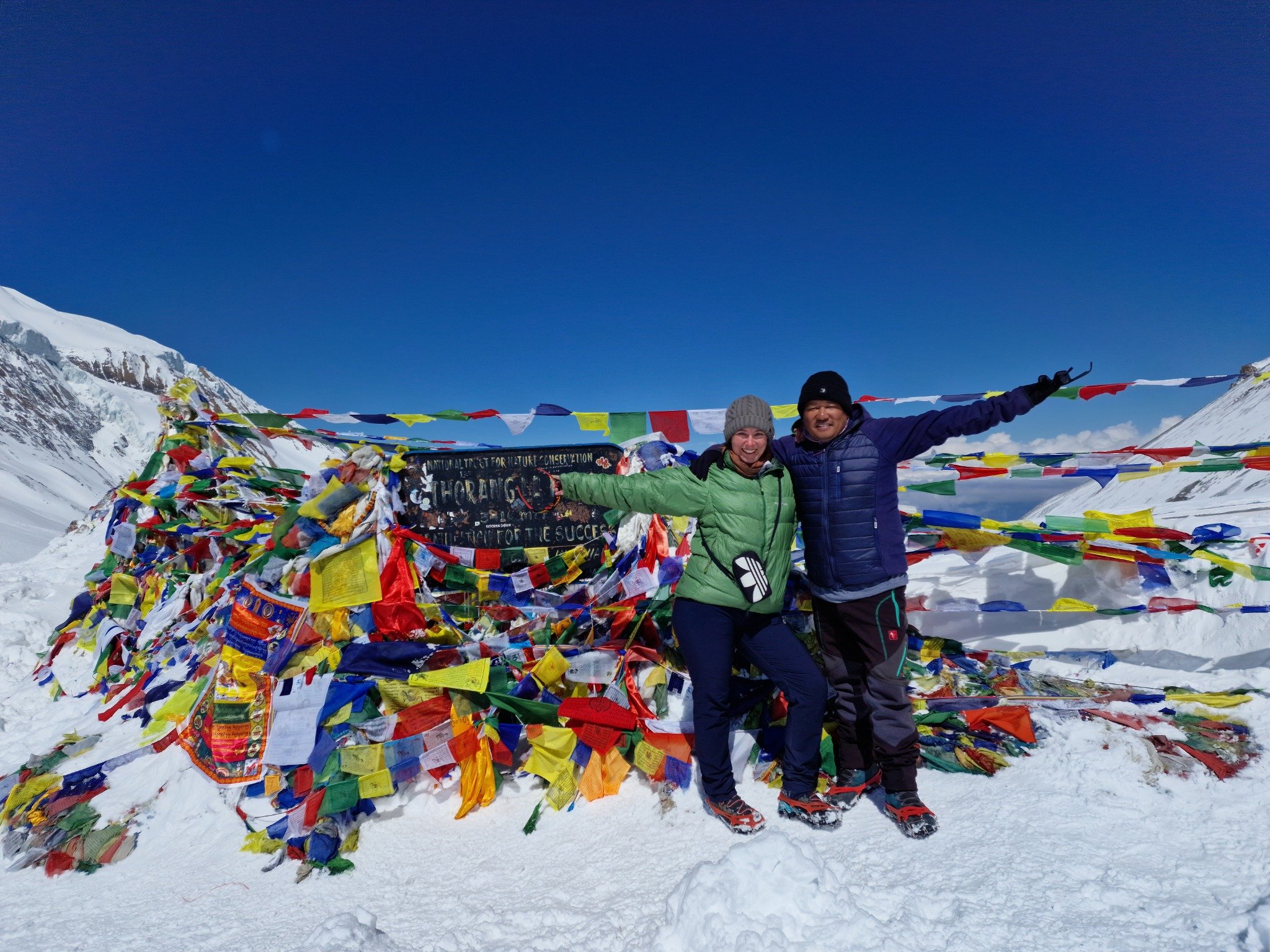
The exact walking time depends on where you start, weather, trail conditions and your pace. A typical crossing can take several hours from Thorong Phedi or High Camp to the pass and then down to Muktinath.
Other difficult sections can include the climb towards Thorong Phedi and the days around Manang when your body is adjusting to higher altitude.
How High Is the Annapurna Circuit?
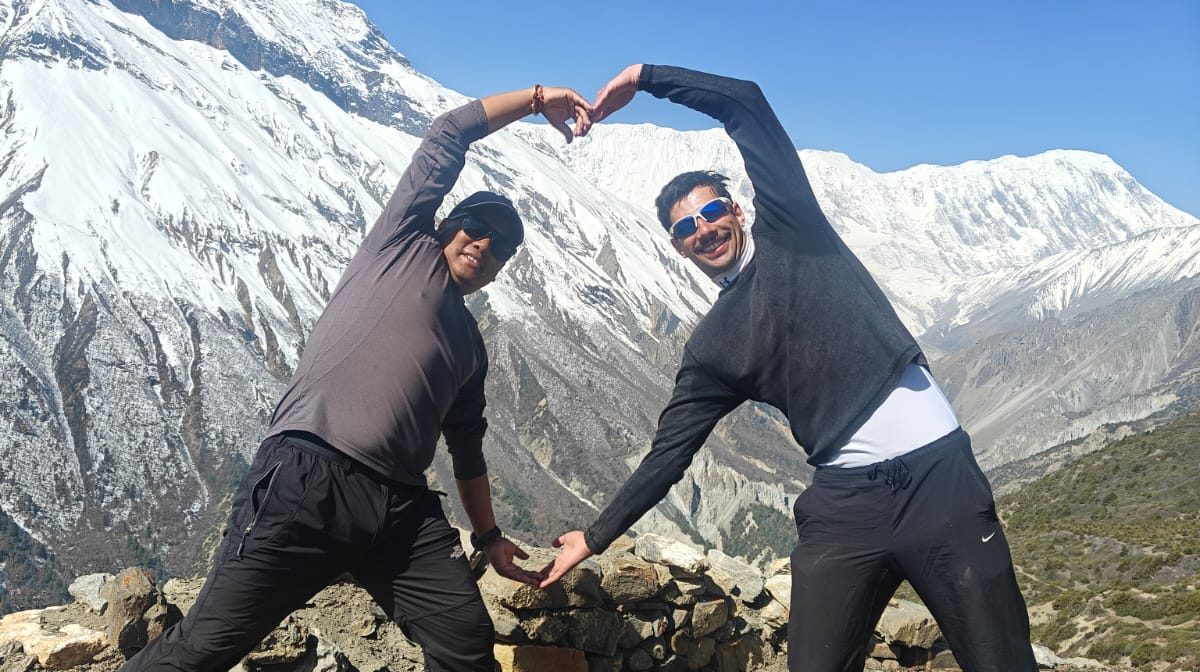
The highest point is Thorong La Pass at 5,416m. You do not sleep at 5,416m. That is important. The itinerary is designed so that you spend nights at lower elevations and cross the pass during the day.
| Location | Approx. elevation |
|---|---|
| Besisahar | 760m |
| Chame | 2,710m |
| Manang | 3,519m |
| Yak Kharka | 4,050m |
| Thorong Phedi | 4,450m to 4,540m |
| Thorong High Camp | 4,925m |
| Thorong La Pass | 5,416m |
| Muktinath | 3,760m |
Thorong Phedi and Thorong High Camp are two separate overnight options roughly 475 vertical metres apart, both commonly used the night before the pass. Which one you use depends on your itinerary and how your acclimatisation is going.
The rapid change from low valleys to high mountain terrain is one of the things that makes the Annapurna Circuit special. It is also why the itinerary needs sensible acclimatisation. If you’re travelling from Kathmandu, our Kathmandu to Besisahar guide covers the road journey to the trailhead.
Do You Need to Be Very Fit for the Annapurna Circuit?
You do not need to be an athlete.
You should, however, be comfortable walking for several hours a day on uneven terrain. Some days include substantial uphill and downhill walking.
If you already hike regularly, you have a good starting point. If most of your normal activity is walking around town, start preparing several weeks before the trek.
How to Train for the Annapurna Circuit
The best preparation is simple. Spend more time walking.
- Build up your weekly walking distance gradually.
- Include hills or stairs in your training.
- Do some longer walks on weekends.
- Train with the shoes you plan to use on the trek.
- Add a light backpack once your basic fitness has improved.
- Give your legs time to recover between harder sessions.
Strength work for your legs and core can also help, especially because the circuit includes long descents as well as climbs.
You can also read our Nepal Trekking Packing List before deciding what you actually need to carry.
Can Beginners Do the Annapurna Circuit?
Yes, beginners can complete the Annapurna Circuit.
Being new to trekking does not automatically mean you cannot do it. The important part is preparing properly and choosing an itinerary that gives your body enough time to adjust to altitude.
A beginner who is reasonably fit and takes the altitude seriously may have a much easier time than an experienced trekker who rushes the itinerary.

Can Older Trekkers Do the Annapurna Circuit?
Age by itself does not determine whether someone can complete the circuit.
What matters more is your general fitness, previous trekking experience, medical situation and how your body responds to altitude.
If you have an existing medical condition or concerns about exercising at high altitude, speak with your doctor before planning the trek.
How Does the Annapurna Circuit Compare With Everest Base Camp?
Both are challenging for different reasons.
The Annapurna Circuit reaches a higher pass than Everest Base Camp itself. Thorong La is 5,416m while Everest Base Camp is around 5,364m. The Annapurna Circuit also has a long descent immediately after crossing the pass.
Everest Base Camp has its own demanding sections and reaches 5,545m at Kala Patthar — see our Everest Base Camp Elevation guide for the full altitude profile. The choice between the two often comes down to the type of scenery, walking experience and altitude profile you prefer.
We compare the two treks in more detail in our Annapurna Circuit vs Everest Base Camp guide.
Does the Annapurna Circuit Get Easier After Thorong La?
In one important sense, yes. Once you cross Thorong La, the highest point of the trek is behind you and you descend significantly towards Muktinath.
But the descent can be tiring. After spending several days climbing higher, your legs may already be tired. Long downhill sections can put a lot of pressure on your knees and thighs.

Is the Annapurna Circuit Technically Difficult?
No, not in the mountaineering sense.
You do not need ropes, climbing equipment or previous mountaineering experience for the standard Annapurna Circuit route. The challenge is mainly endurance, altitude and walking over changing terrain.
What Can Make the Trek Harder?
Several things can make an otherwise manageable trek much harder:
- Rushing the itinerary
- Poor acclimatisation
- Carrying too much weight
- Starting without enough walking preparation
- Dehydration
- Not eating enough
- Trying to continue despite serious altitude symptoms
- Bad weather or poor trail conditions
This is why we do not judge the Annapurna Circuit only by kilometres. How high you are, how quickly you gain altitude and how you feel each day matter just as much.
What Makes a Good Annapurna Circuit Itinerary?
A good itinerary should not simply try to get you over Thorong La as quickly as possible.
You want enough time to adjust as you climb. The itinerary should also allow you to reach the higher villages without turning every day into a race.
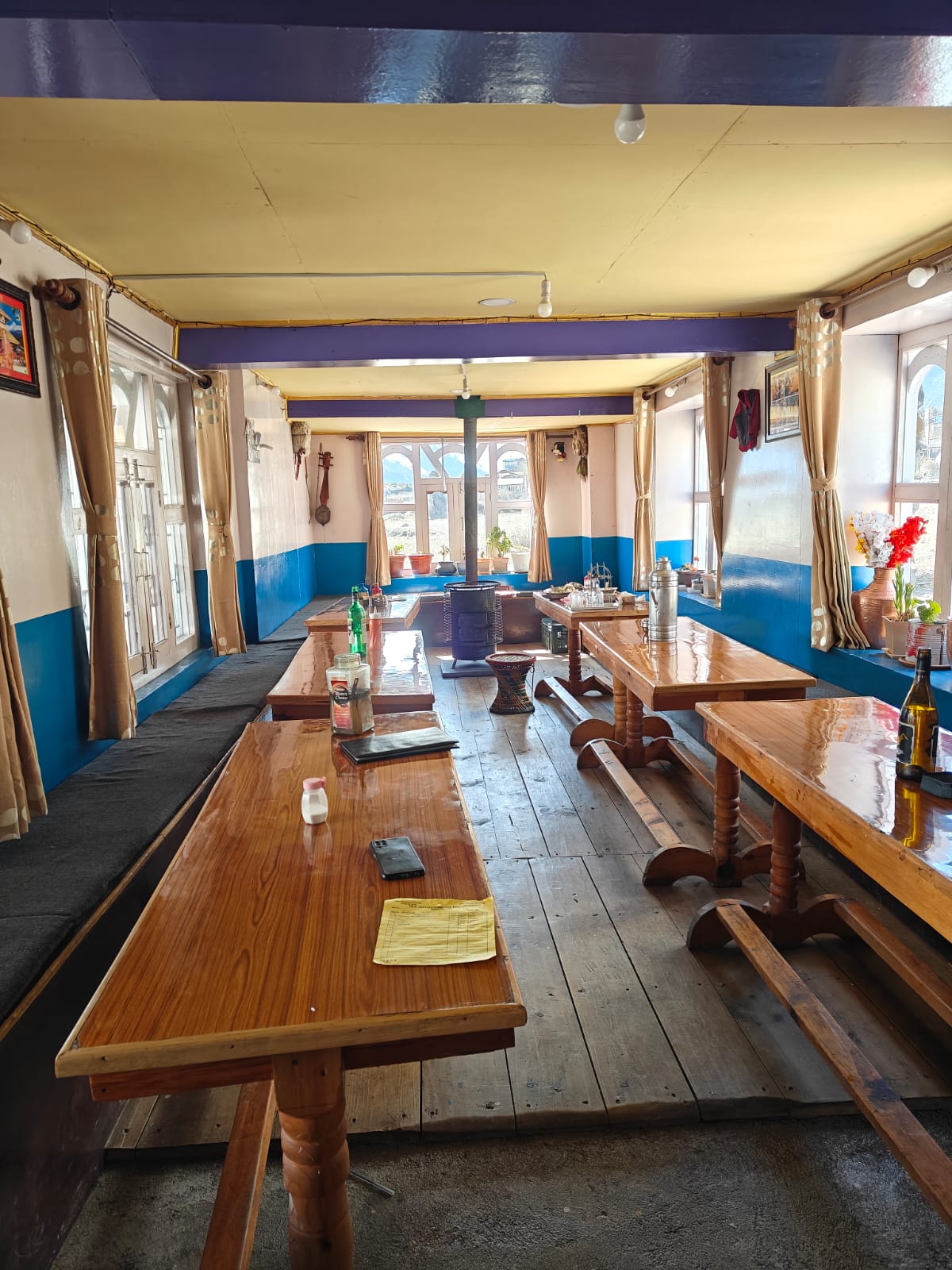
Our Annapurna Circuit Trek is designed around a gradual climb through the circuit before crossing Thorong La and descending into Mustang.
Tips for Making the Annapurna Circuit Easier
- Walk at a steady pace. There is no benefit in racing ahead early in the day.
- Drink regularly. Dehydration can make a hard day feel even harder.
- Eat enough. Your body is using more energy than usual. See our Annapurna Circuit Food Prices guide for what’s on the menu.
- Keep your backpack light. A porter can carry the bulk of your trekking gear.
- Take acclimatisation seriously. Do not treat rest days as wasted time.
- Listen to your guide. Local guides know the trail and can help you adjust the pace.
- Do not ignore altitude symptoms. Tell your guide if you feel unwell.
Frequently Asked Questions
How hard is the Annapurna Circuit?
The Annapurna Circuit is a moderate to challenging trek. The main difficulties are long walking days, altitude and the crossing of Thorong La at 5,416m.
What is the hardest part of the Annapurna Circuit?
The Thorong La crossing is usually the hardest part. You climb to 5,416m and then make a long descent towards Muktinath. The altitude makes the day much harder than the distance alone suggests.
Do I need previous trekking experience for the Annapurna Circuit?
No. Previous trekking experience is helpful but not essential. A reasonably fit beginner can complete the trek with proper preparation, a sensible itinerary and good acclimatisation.
How high is Thorong La Pass?
Thorong La Pass is approximately 5,416 metres above sea level. It is the highest point of the standard Annapurna Circuit.
Do you sleep at Thorong Phedi or Thorong High Camp?
Both are used, depending on the itinerary. Thorong Phedi sits at around 4,450 to 4,540m, while Thorong High Camp is higher at around 4,925m. MountainKick uses either option depending on the client and how the group is acclimatising.
Is the Annapurna Circuit harder than Everest Base Camp?
It depends on the person and itinerary. The Annapurna Circuit crosses Thorong La at 5,416m while the Everest Base Camp trek reaches 5,364m at Base Camp and 5,545m at Kala Patthar. Both are challenging high altitude treks, but the terrain, itinerary and daily walking pattern are different.
Can a beginner do the Annapurna Circuit?
Yes. You do not need technical climbing experience. You should be comfortable walking for several hours a day and prepare for sustained uphill and downhill walking.
How many hours do you walk each day on the Annapurna Circuit?
Many trekking days involve around 5 to 8 hours of walking, although the exact time depends on the route, altitude, weather and your walking pace. The Thorong La crossing is one of the longest and hardest days.
Can I do the Annapurna Circuit without a guide?
No. Nepal’s current trekking rules require a licensed guide and agency-issued TIMS on the Annapurna Circuit. A guide also provides practical support with accommodation, route conditions and altitude. See our guide to trekking with a guide in Nepal for the current rules.
Ready for the Annapurna Circuit?
The Annapurna Circuit is challenging, but you do not need to be an elite athlete to complete it. Good preparation, a sensible pace and enough time to adjust to altitude make a big difference. MountainKick’s guides have years of experience taking trekkers through the Annapurna region and over Thorong La.
WhatsApp: +977 985 118 2718
View Annapurna Circuit Trek Ask a Question