Everest Base Camp Elevation: Altitude by Day & What to Expect
Everest Base Camp sits at 5,364m (17,598ft), but it is not the highest point of the standard trek. The highest point is Kala Patthar at 5,545m (18,192ft), reached on the morning after visiting Base Camp. The route starts around 2,610m at Phakding after flying into Lukla and climbs gradually through Namche Bazaar, Tengboche, Dingboche, Lobuche and Gorak Shep.
The important thing is not simply how high you go, but how quickly you gain altitude. A well-planned EBC itinerary includes acclimatisation in Namche Bazaar and Dingboche before the trek moves above 4,500m. Altitude affects everyone differently, so symptoms such as headache, nausea, dizziness or unusual fatigue should never be ignored.
Everest Base Camp is high enough that altitude becomes one of the defining parts of the trek. You are not just walking through the Himalayas — you are spending several days above 4,000m, reaching 5,000m and then climbing higher for the final views.
That can make the numbers look intimidating. The good news is that the standard route is designed around gradual elevation gain, with acclimatisation built into the journey. Understanding the altitude profile before you leave makes it much easier to understand why certain days are short, why rest days matter, and why the final section feels so different from the first few days.
If you are comparing the altitude with the actual trek itself, see our Everest Base Camp Trek for the complete itinerary, inclusions, pricing and departure options.
How High Is Everest Base Camp?
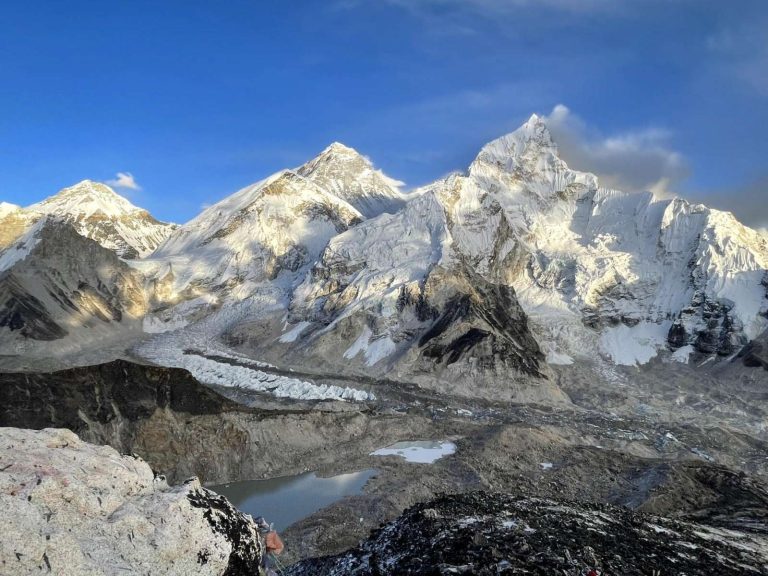
Everest Base Camp is 5,364m (17,598ft) above sea level. It sits beside the Khumbu Glacier at the foot of the Khumbu Icefall, where climbers begin the route toward the summit of Mount Everest.
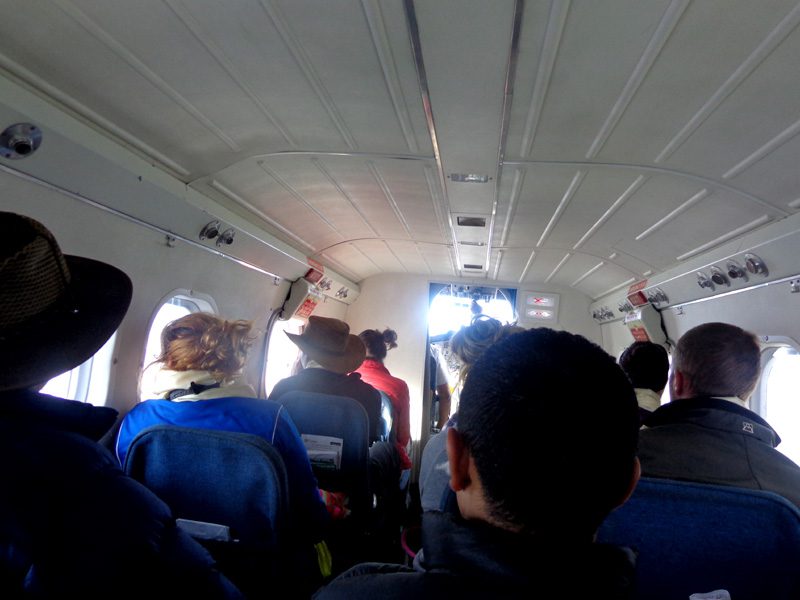
The journey there starts a long way below that. Almost every EBC trek begins with the short, dramatic flight from Kathmandu into Lukla at 2,860m — one of the more memorable starts to any trek in the world, and the point where the altitude story really begins.
However, if you are doing the standard Everest Base Camp trek, Base Camp itself is not the highest point you reach. The usual itinerary continues to Kala Patthar at 5,545m (18,192ft), a viewpoint above Gorak Shep that provides one of the best close views of Everest without a climbing permit. Both altitudes are high enough that proper acclimatisation matters — see our altitude sickness guide for what to watch for and how the standard itinerary manages the risk.
- Lukla: 2,860m / 9,383ft
- Phakding: 2,610m / 8,562ft
- Namche Bazaar: 3,440m / 11,286ft
- Tengboche: 3,860m / 12,664ft
- Dingboche: 4,360m / 14,304ft
- Lobuche: 4,940m / 16,207ft
- Gorak Shep: 5,164m / 16,942ft
- Everest Base Camp: 5,364m / 17,598ft
- Kala Patthar: 5,545m / 18,192ft
Everest Base Camp Elevation by Day
The exact altitude profile depends on the itinerary and where you spend each night. The table below follows MountainKick’s current 14-day EBC itinerary. The important pattern is the gradual increase, followed by acclimatisation in Namche and Dingboche before the route reaches the highest villages.
| Day | Route / Night | Sleeping Altitude | Highest Point That Day |
|---|---|---|---|
| 1 | Kathmandu | 1,400m | 1,400m |
| 2 | Lukla → Phakding | 2,610m | 2,860m at Lukla |
| 3 | Phakding → Namche Bazaar | 3,440m | 3,440m |
| 4 | Acclimatisation in Namche | 3,440m | approximately 3,880m near the Everest View Hotel |
| 5 | Namche → Tengboche | 3,860m | 3,860m |
| 6 | Tengboche → Dingboche | 4,360m | 4,360m |
| 7 | Acclimatisation in Dingboche | 4,360m | approximately 5,083m at Nangkartshang Peak |
| 8 | Dingboche → Lobuche | 4,940m | 4,940m |
| 9 | Lobuche → Gorak Shep → EBC | 5,164m | 5,364m at EBC |
| 10 | Gorak Shep → Kala Patthar → Pheriche | 4,371m | 5,545m at Kala Patthar |
| 11 | Pheriche → Namche | 3,440m | Descending gradually along the way |
| 12 | Namche → Lukla | 2,860m | 3,440m at Namche |
The shape of the route is often easier to take in from a chart than from a table. The two small peaks around Days 4 and 7 are the acclimatisation hikes — climbing higher during the day before coming back down to sleep at a lower altitude, the “climb high, sleep low” pattern explained below. The short spike around Days 9 and 10 is the push to Everest Base Camp and Kala Patthar, followed by a fast descent back toward Kathmandu.
Days 13 and 14 return you to Kathmandu at around 1,400m and are not part of the high-altitude trekking profile. The route therefore has a very clear shape: a steady climb, two acclimatisation points, a short period above 5,000m, and then a rapid return to lower elevations.
What Does 5,000m Actually Feel Like?
There is no single way that 5,000m feels. Some trekkers notice the altitude immediately. Others feel surprisingly normal while walking slowly. What everyone shares is that there is considerably less oxygen available than at sea level, so ordinary exertion becomes harder.
You may notice yourself breathing harder on climbs that would feel easy at home. Your pace naturally slows. Recovery after a steep section takes longer, and even simple tasks such as putting on boots or walking upstairs can feel more tiring.
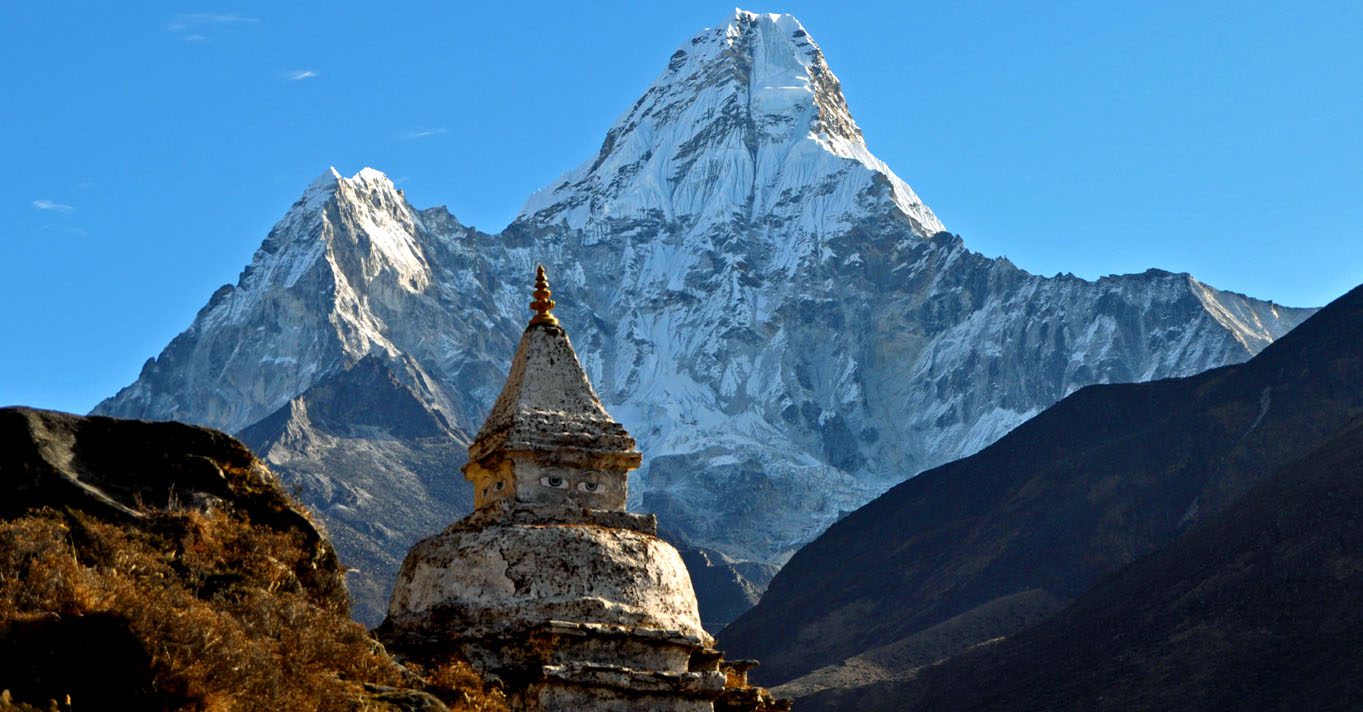
Sleep can also become more difficult at high altitude. Cold temperatures, unfamiliar surroundings and thinner air can all contribute to a restless night. That is one reason the itinerary matters so much: you are not expected to simply walk from Lukla to Base Camp as quickly as possible.
Our EBC difficulty guide explains how the altitude combines with long walking days and rough terrain to make the trek challenging.
Why the Acclimatisation Days Matter
The two main acclimatisation stops on the standard MountainKick itinerary are Namche Bazaar and Dingboche. These are not simply rest days where you stay inside your teahouse. The itinerary uses short acclimatisation hikes to expose your body to higher elevations before returning to sleep at a lower altitude.
In Namche, the itinerary climbs from 3,440m to around 3,880m at the Everest View Hotel before returning to Namche. In Dingboche, the hike reaches approximately 5,083m on Nangkartshang Peak before returning to sleep at 4,360m.
This is often described as “climb high, sleep low.” It does not make altitude sickness impossible, but gradual acclimatisation gives your body time to adjust as you climb.
For a detailed explanation of symptoms, prevention and what to do if you become unwell, read our altitude sickness guide.
The Biggest Elevation Jumps on the Trek
Looking at the entire trek can make the altitude gain seem manageable. It is more useful to look at the individual jumps between sleeping locations.
- Phakding to Namche: around 830m of elevation gain, making this the first major climb of the trek.
- Tengboche to Dingboche: around 500m of gain as the route moves above 4,000m.
- Dingboche to Lobuche: around 580m of gain, bringing you close to 5,000m.
- Lobuche to Gorak Shep: the sleeping altitude rises to 5,164m, even before the additional trip to Base Camp.
- Gorak Shep to Kala Patthar: the morning climb reaches 5,545m before the route descends all the way to Pheriche.
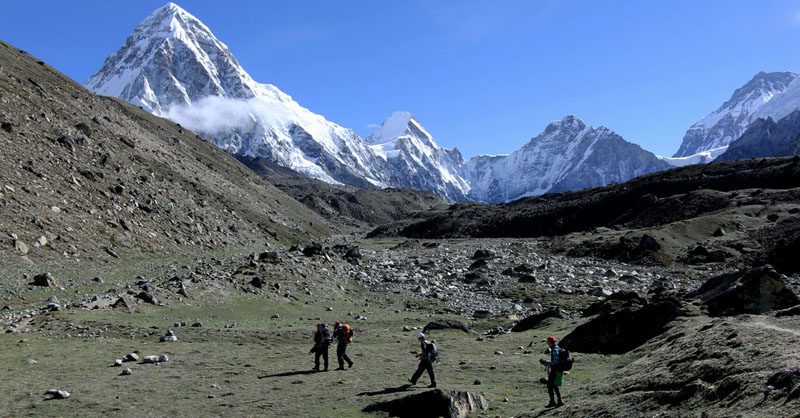
The final days are not simply about climbing higher. They are also about managing your effort at elevations where every step costs more energy. That is why the same distance can feel very different at 4,900m than it does at 2,600m.
Everest Base Camp vs Kala Patthar: Which Is Higher?
Kala Patthar is higher. Everest Base Camp is at 5,364m, while Kala Patthar reaches 5,545m. That is a difference of 181m.
The distinction matters because people often assume Base Camp is the highest point of the trek. On the standard route, it is not. You normally visit Base Camp from Gorak Shep and then return there to sleep. The next morning, you climb Kala Patthar before descending toward Pheriche. MountainKick’s current itinerary follows this pattern.
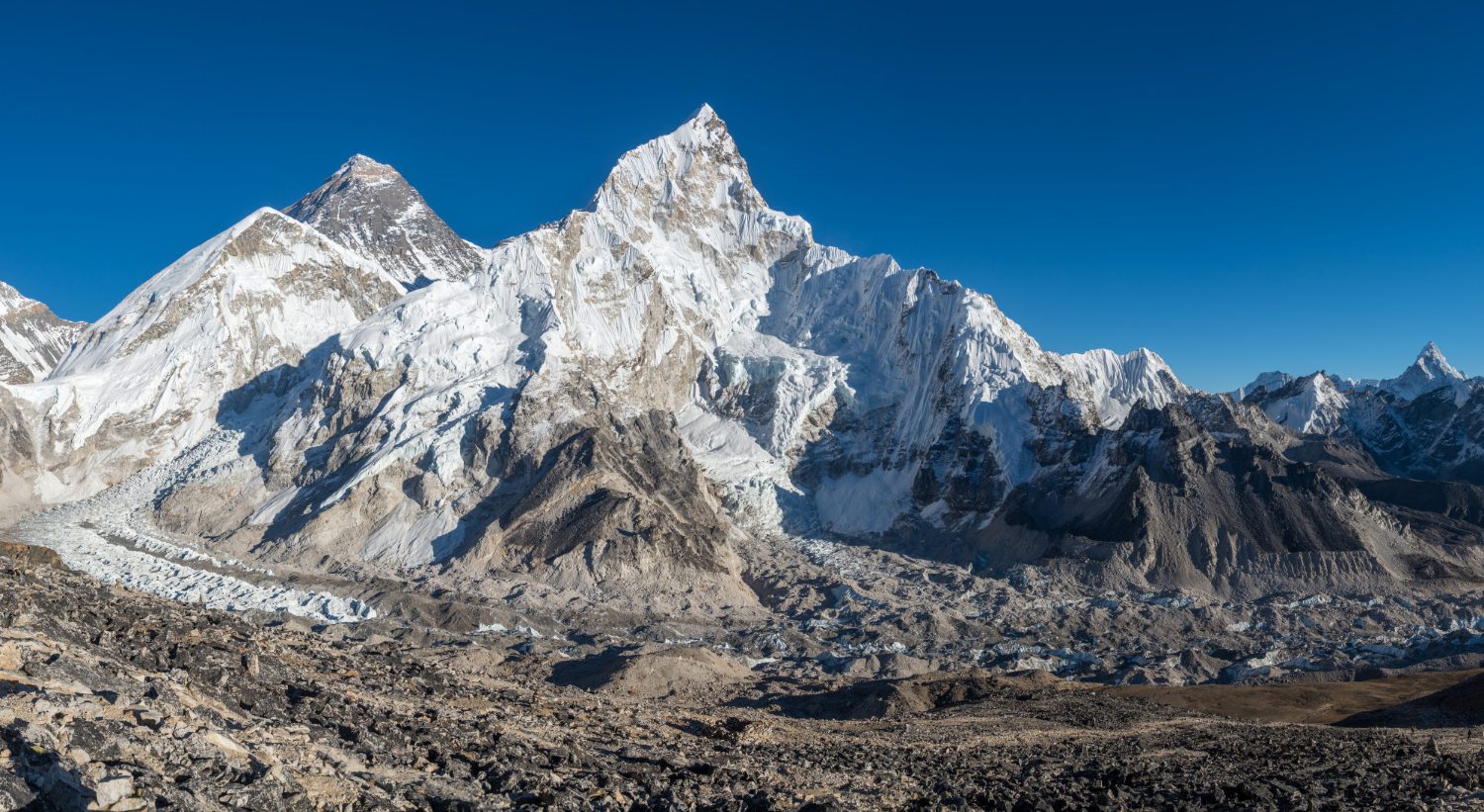
Kala Patthar is also the more important viewpoint if your main goal is actually seeing Everest. Base Camp itself sits close under the Khumbu Icefall, and the surrounding terrain blocks a clear view of the summit from there. Kala Patthar, further along the ridge above Gorak Shep, is where you get the classic close-up view of Everest that most trekkers are picturing.
How High Is Namche Bazaar?
Namche Bazaar sits at around 3,440m (11,286ft). For many trekkers, this is where altitude first becomes noticeable.
The trek from Phakding to Namche gains around 830m, so this is deliberately followed by an acclimatisation day. The morning hike to the Everest View Hotel reaches approximately 3,880m before returning to Namche to sleep.
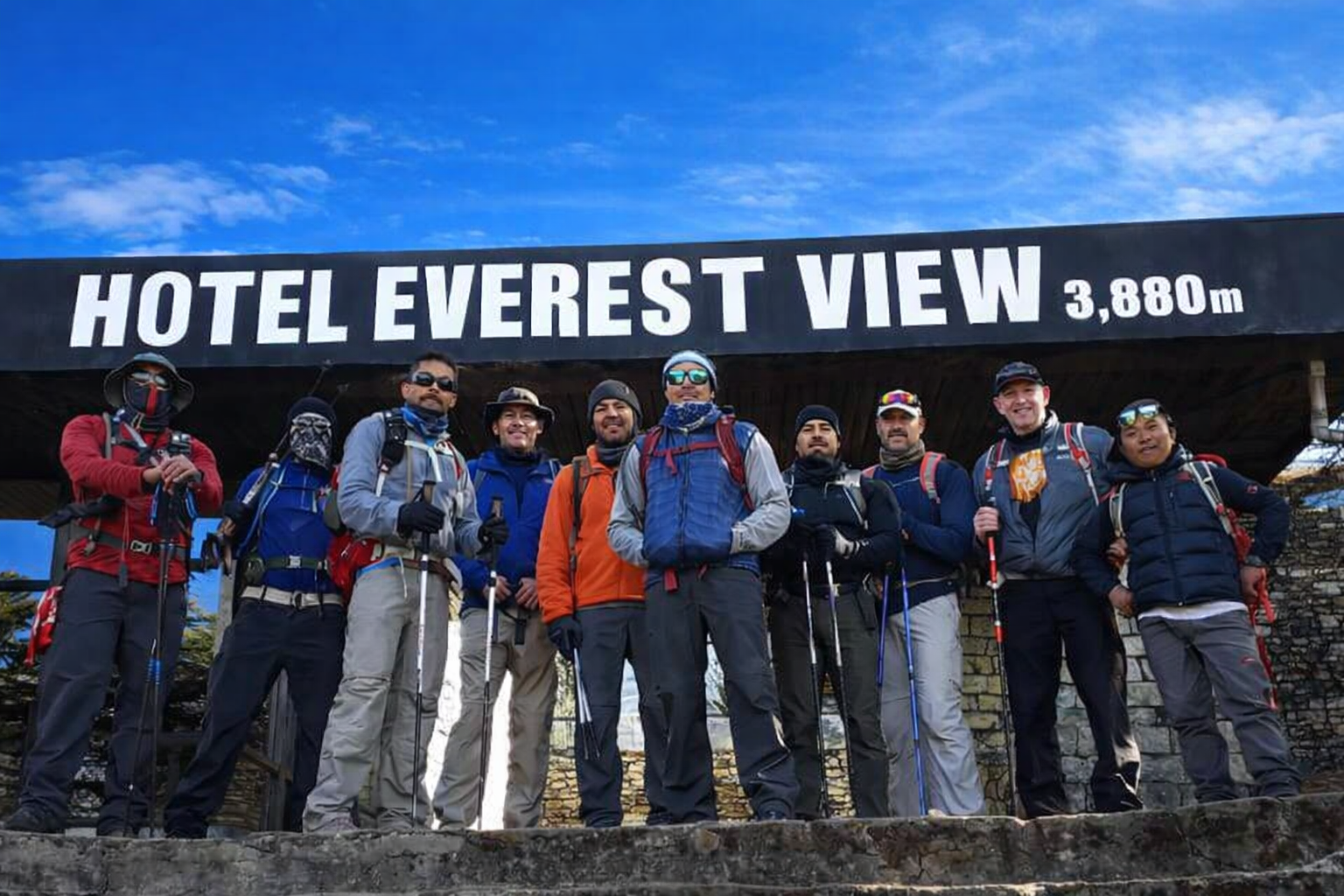
Namche is an important transition point. Below it, the trail still feels relatively green and forested. Above it, the landscape gradually becomes more open and alpine, while the altitude starts to dominate how quickly you walk and recover.
What Happens Above 4,000m?
Once you reach Dingboche at around 4,360m, altitude becomes something you need to think about every day.
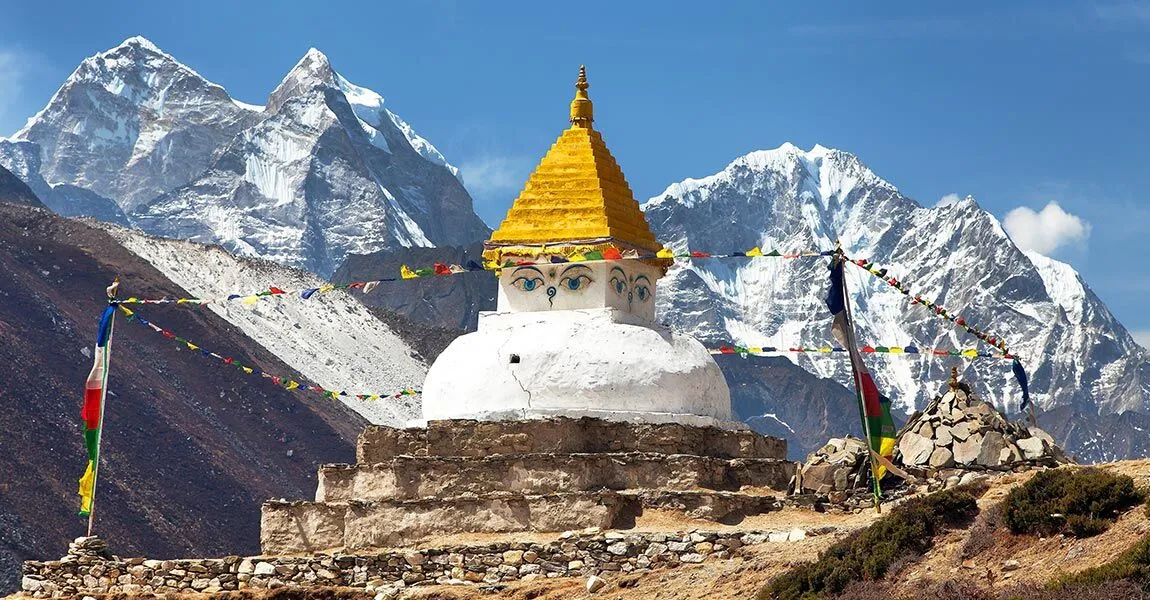
You should expect a slower walking pace, more frequent pauses and greater effort on climbs. The landscape also changes dramatically. Trees become scarce, the air feels colder and the trail becomes increasingly rocky and exposed.
Above 4,000m, it becomes particularly important to listen to your body. A mild headache or reduced appetite can occur during acclimatisation, but worsening symptoms should not simply be pushed through because you have a fixed itinerary.
If symptoms become significant or continue to worsen, tell your guide immediately. Altitude illness can become serious, and the appropriate response may involve stopping the ascent or descending.
For a more complete explanation, see our Altitude Sickness on Nepal Treks guide.
How to Prepare for the Altitude
You cannot train yourself to become immune to high altitude. Fitness helps you handle the physical demands of the trek, but acclimatisation still has to happen after you arrive in the mountains.
- Build your walking fitness. Regular hiking, stair climbing and leg strength work can make the long days easier.
- Ascend gradually. Do not try to rush the route simply to reach Base Camp sooner.
- Take acclimatisation days seriously. The short hikes on those days are part of the altitude strategy.
- Stay hydrated. Drink regularly throughout the day, especially when walking in cold, dry conditions.
- Eat even when your appetite drops. Regular meals provide useful energy when your body is working harder.
- Tell your guide about symptoms. Do not hide a headache, nausea, dizziness or unusual weakness because you are worried about slowing the group down.
- Be willing to descend. At high altitude, going lower is often the most important treatment when serious symptoms develop.
For a complete preparation plan, see our How to Train for Everest Base Camp guide.
Frequently Asked Questions
What is the elevation of Everest Base Camp?
Everest Base Camp is 5,364m (17,598ft) above sea level. It is reached from Gorak Shep on the standard trekking route and is one of the highest points of the journey.
What is the highest point on the Everest Base Camp trek?
Kala Patthar at 5,545m (18,192ft) is the highest point on the standard EBC trek. It is higher than Everest Base Camp by 181m and is normally climbed early in the morning for the sunrise view.
How high is Gorak Shep?
Gorak Shep is around 5,164m (16,942ft). It is the last settlement before Everest Base Camp and the usual overnight stop before or after the Base Camp visit.
How high is Namche Bazaar?
Namche Bazaar is around 3,440m (11,286ft). It is the first major high-altitude settlement on the standard route and normally includes an acclimatisation day.
At what altitude does altitude sickness become a concern?
Altitude sickness can occur once you are above roughly 2,500m, and the risk increases as you climb higher. There is no single altitude at which everyone becomes sick. Gradual acclimatisation, sensible pacing and paying attention to symptoms are important.
Is Everest Base Camp harder because of the altitude?
Yes, altitude is one of the main reasons the trek is challenging. Walking above 4,000m requires more effort and recovery takes longer. The standard route also includes long days on uneven terrain, particularly around Lobuche, Gorak Shep and Base Camp.
How long do you stay above 5,000m on the EBC trek?
The standard itinerary only spends a short period at or above 5,000m. Gorak Shep is around 5,164m, Everest Base Camp is 5,364m and Kala Patthar is 5,545m. After Kala Patthar, the route descends to Pheriche at around 4,371m, giving your body a substantial drop in elevation.
Can I prevent altitude sickness by being very fit?
Fitness helps with the walking but does not prevent altitude sickness. Someone who is extremely fit can still become unwell at high altitude. Acclimatisation, gradual ascent and recognising symptoms are more important than fitness alone.
Planning your Everest Base Camp trek?
The altitude profile is one of the most important things to understand before you start. MountainKick builds acclimatisation into the EBC itinerary and provides local guides who know the route and the signs of altitude problems.
View EBC Trek Ask a QuestionFurther Reading
- Everest Base Camp Trek: Full Itinerary, Cost and Inclusions
- Altitude Sickness on Nepal Treks: Symptoms, Prevention and What to Do
- Is Everest Base Camp Trek Hard? A Straight Answer From 20+ Years of Guiding
- How to Train for Everest Base Camp
- Nepal Trekking Packing List 2026
- Everest Three Passes Trek: Complete Guide