When Snow Closed Thorong La: A Real Story From Our September 2026 Group
If snow or a landslide closes Thorong La, your guide will take the group to a safe village and wait. If the pass doesn’t open in time, you go back the way you came and drive out where there is a road. In late September 2026 this happened to one of our groups. They waited in Manang, tried again, found the trail blocked by a landslide, then came back down and still reached Pokhara on their planned day.
- Trek: Annapurna Circuit Classical, 15 September to 2 October 2026
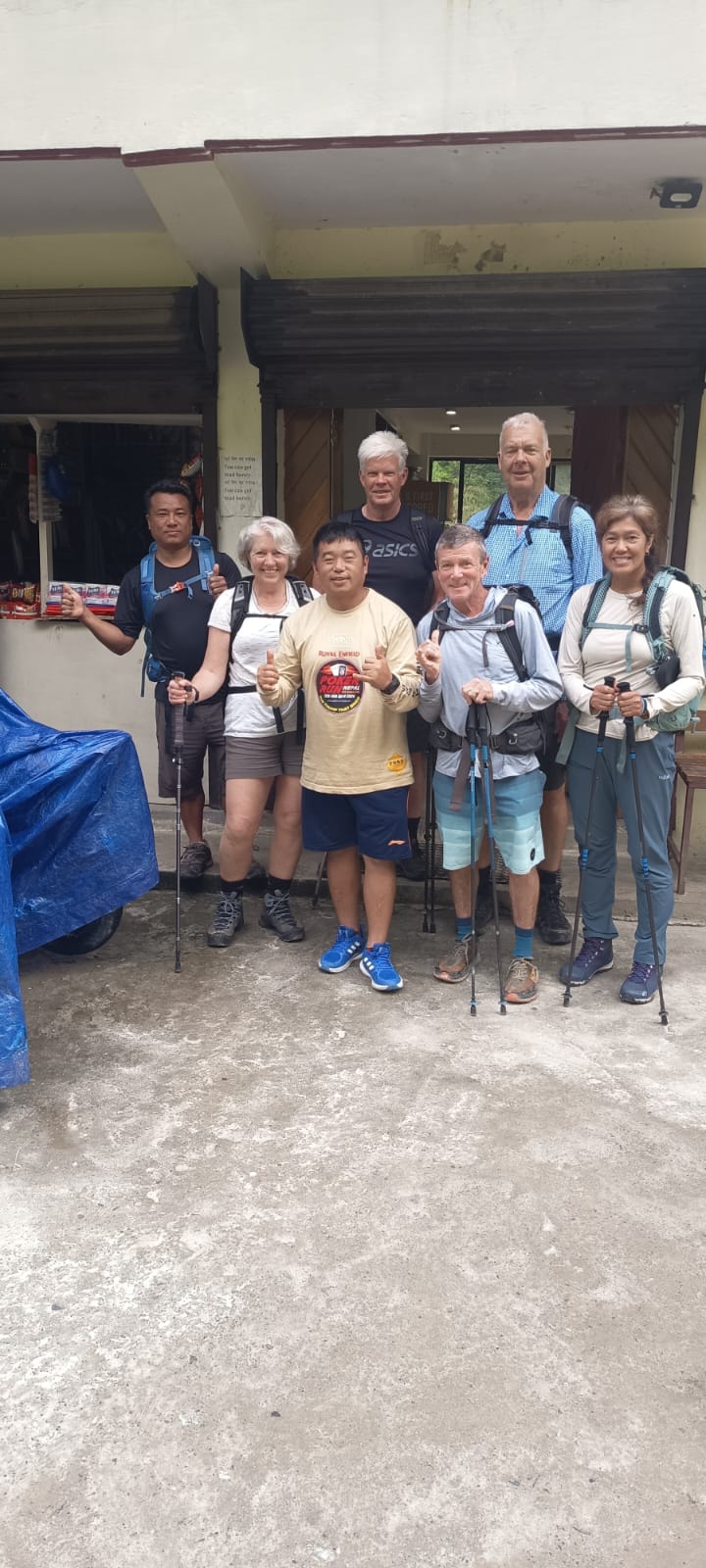
- Group: five trekkers from Australia and the USA, led by our guide Jiban Thapa
- Cause: heavy snow from the Bay of Bengal system known as Cyclone Arnab, then a large landslide near Thorong Phedi
- High point reached: Yak Kharka, about 4,010m
- Waiting days in Manang: 25 to 27 September
- Exit: back down the valley on foot and by jeep to Besisahar, then on to Pokhara
- Arrived in Pokhara: 2 October, as planned
In this story
- The trip started with a detour
- Everyone knew the cyclone was coming
- Why Manang and not Yak Kharka
- Cut off, but not alone
- A second try, and a landslide
- Getting out on time
- What this means for your trek
- FAQ
The trip started with a detour
Before the trek even began, the road was a problem. The Prithvi Highway was blocked at Krishnabhir after the Rasuwa flood. So our team took the group the long way round, via Hetauda. They stopped for a night in Sauraha near Chitwan to break up the drive. To keep the trek on schedule, we cut one of the Kathmandu days short. The group reached Besisahar on time, and the trek started as planned.
Everyone knew the cyclone was coming
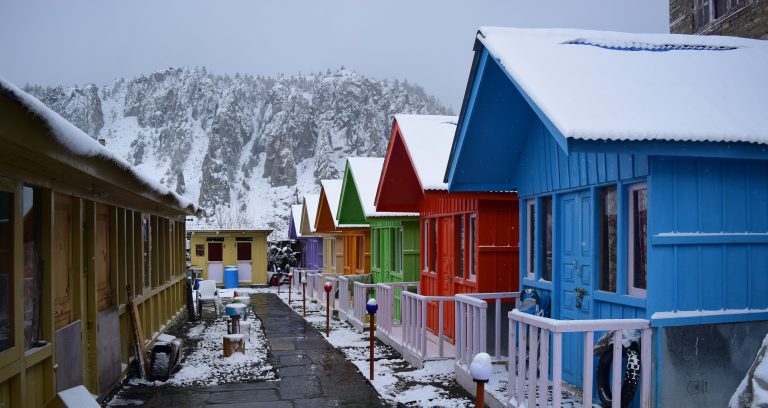
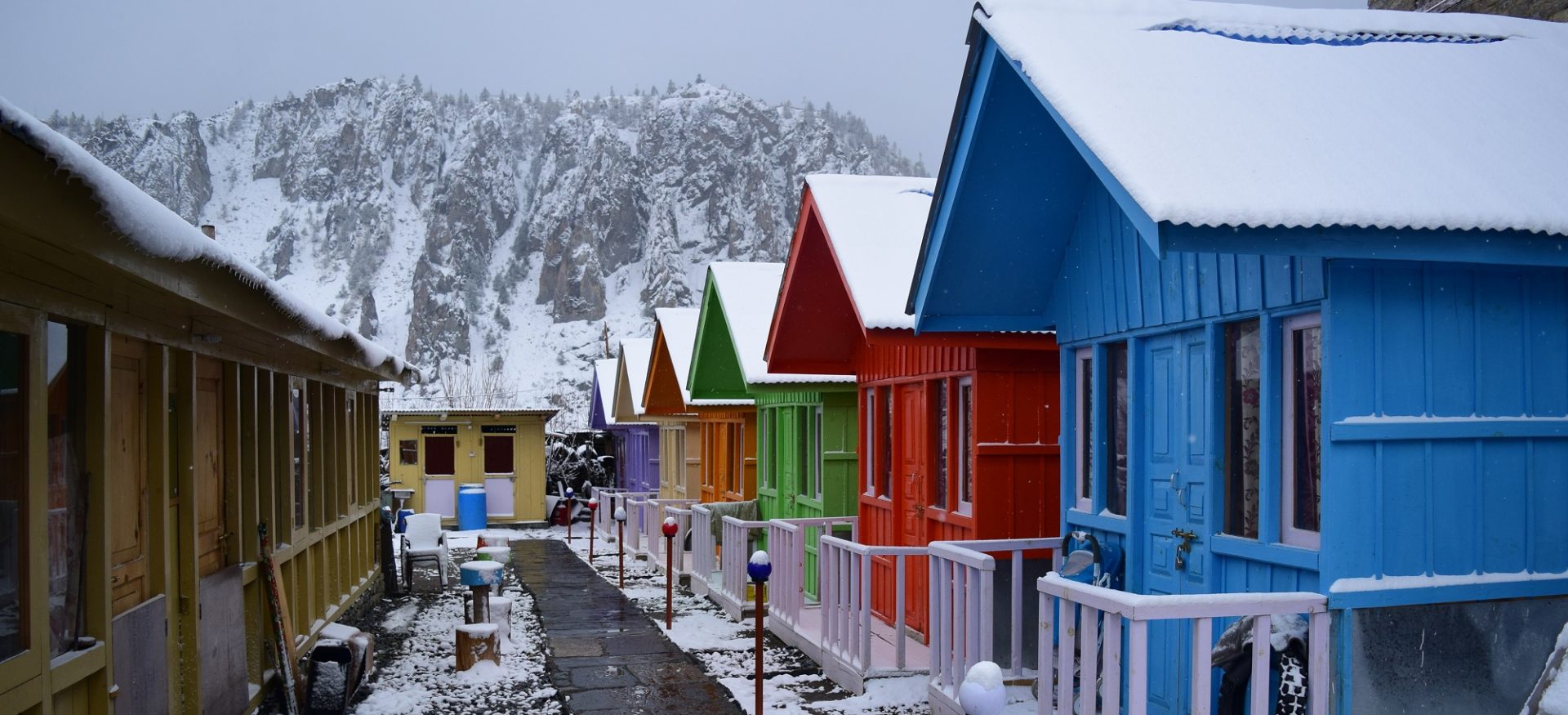
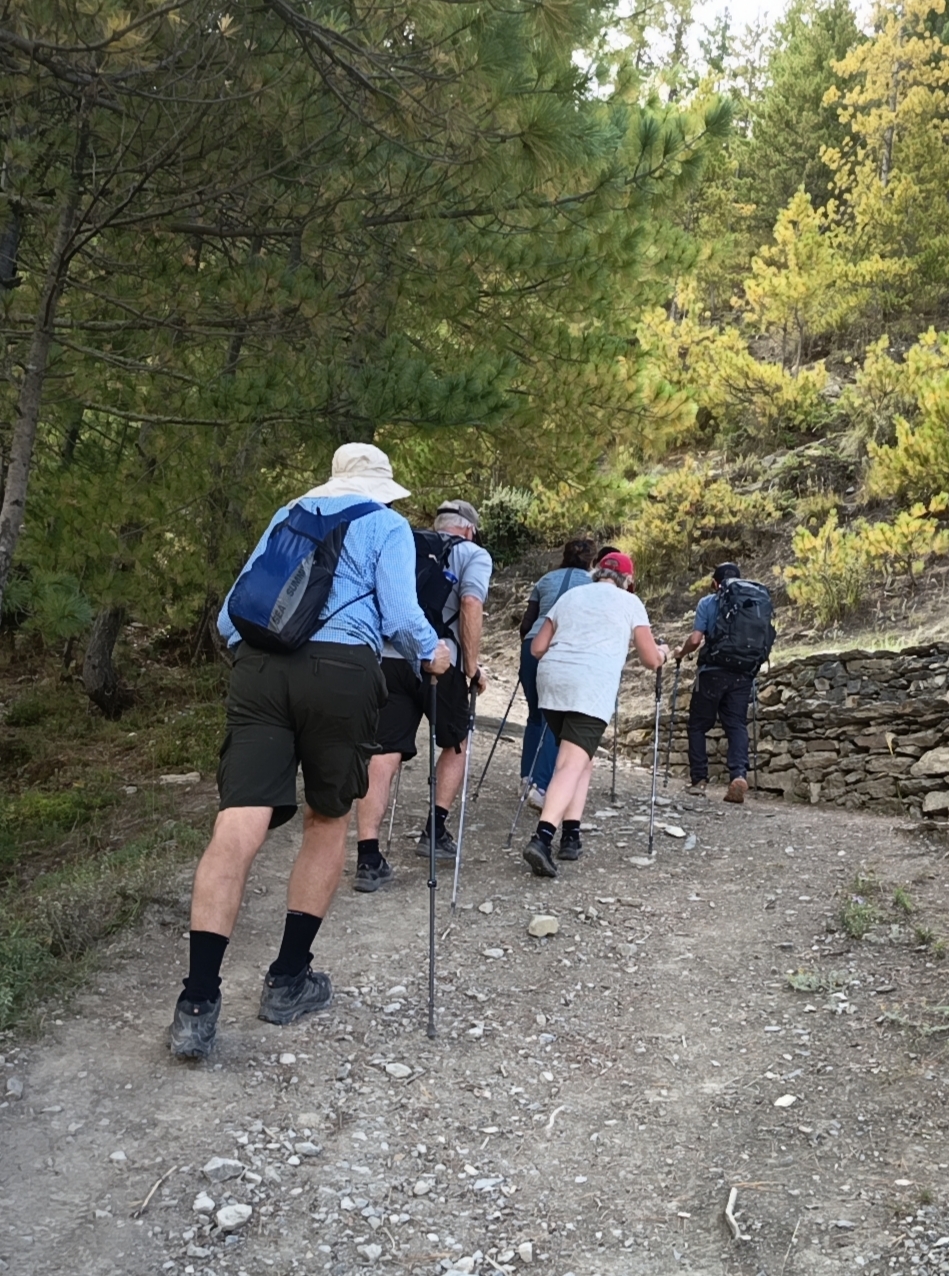
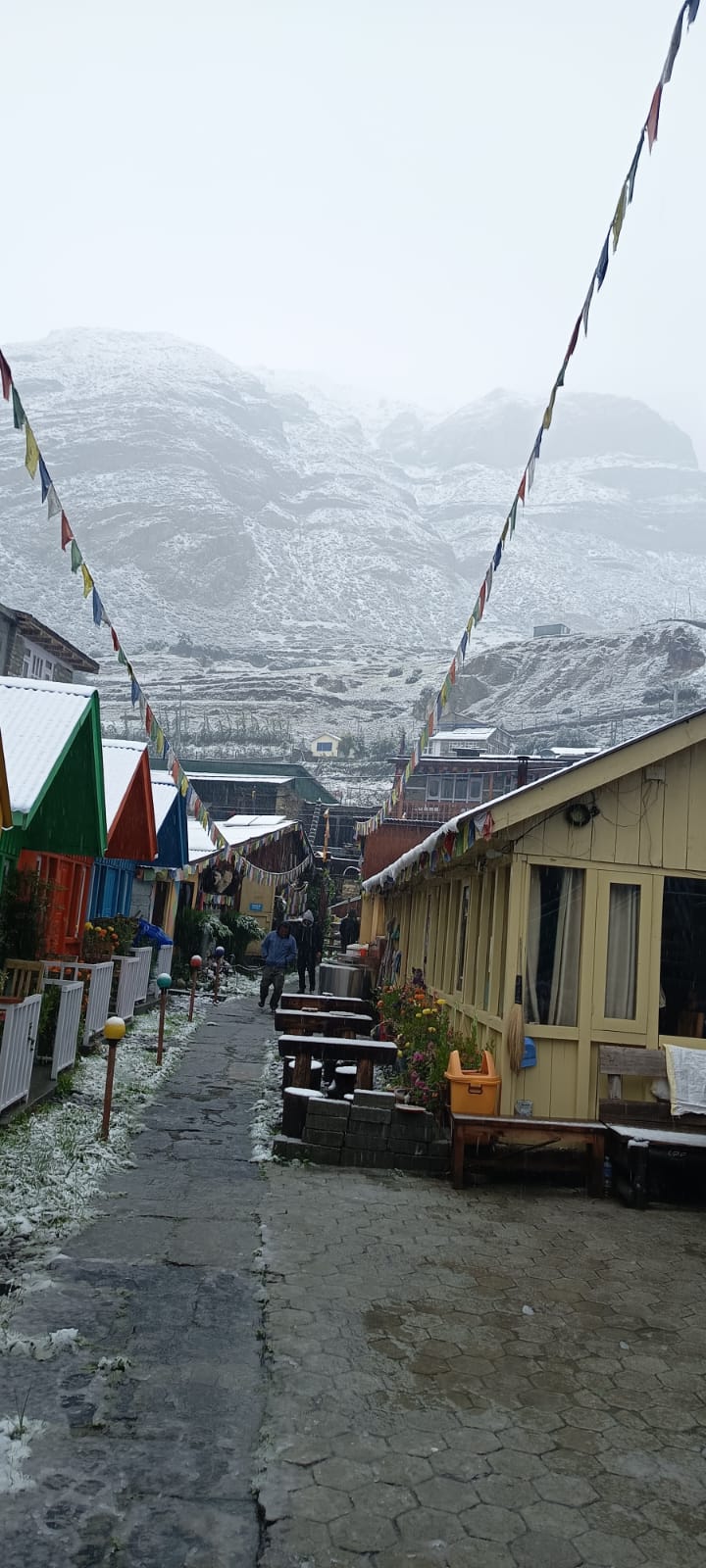
By the time the group reached Yak Kharka on 23 September, the forecasts and government warnings were already out. Everyone on the trail knew a big storm was on its way. Heavy snow then fell across the upper Manang valley.
“Crossing Thorong La was never a good idea,” Jiban says. “Going back to Manang to wait for the weather to clear was the best option.”
Why Manang and not Yak Kharka
On 24 September Jiban brought the group back down to Manang. Waiting higher up at Yak Kharka might sound like it saves time. But if you might wait two or three days, Manang is the better place. It’s lower and safer, and it has better lodges, food and facilities. You can read more about the village in our Manang guide.
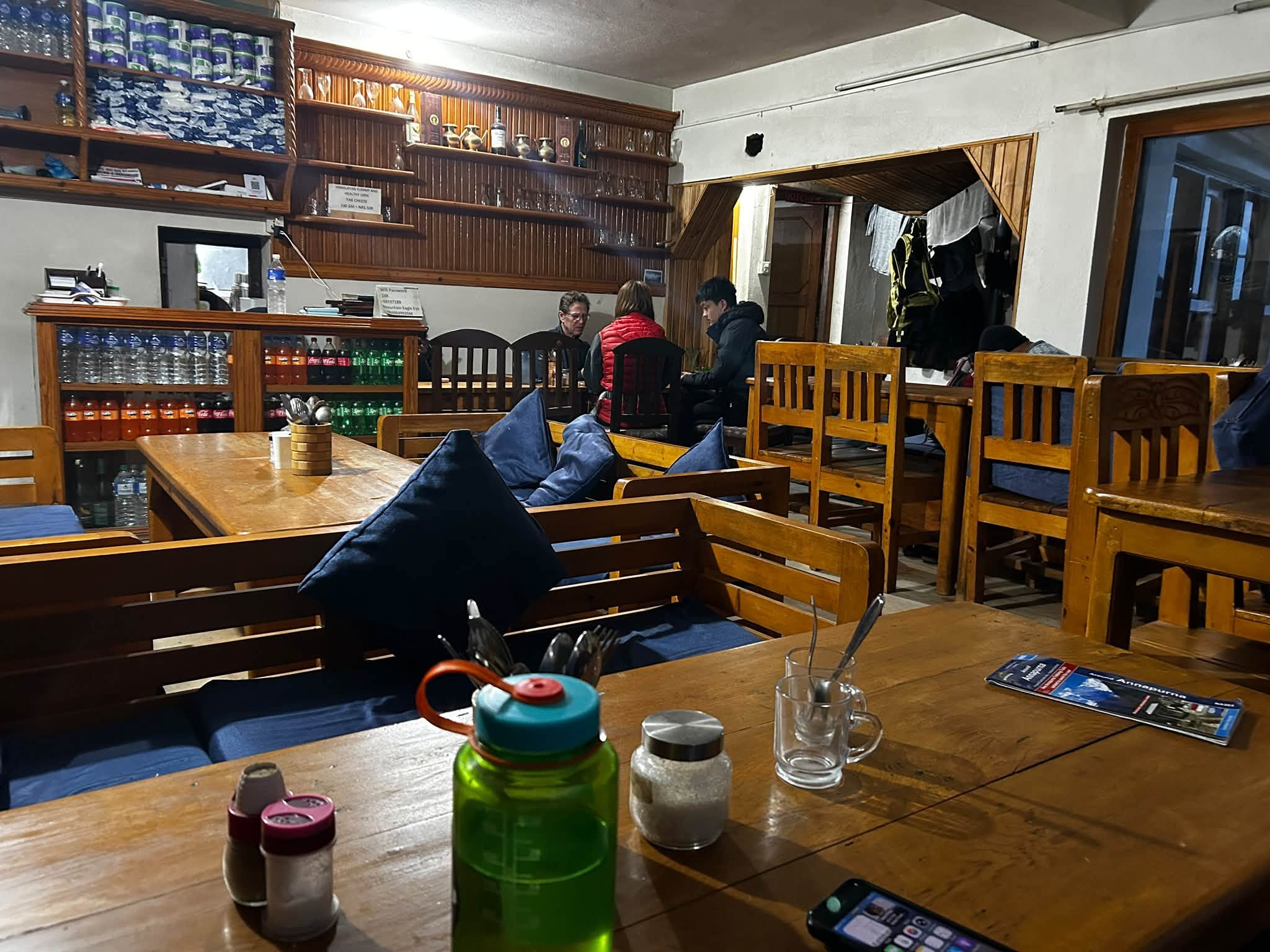
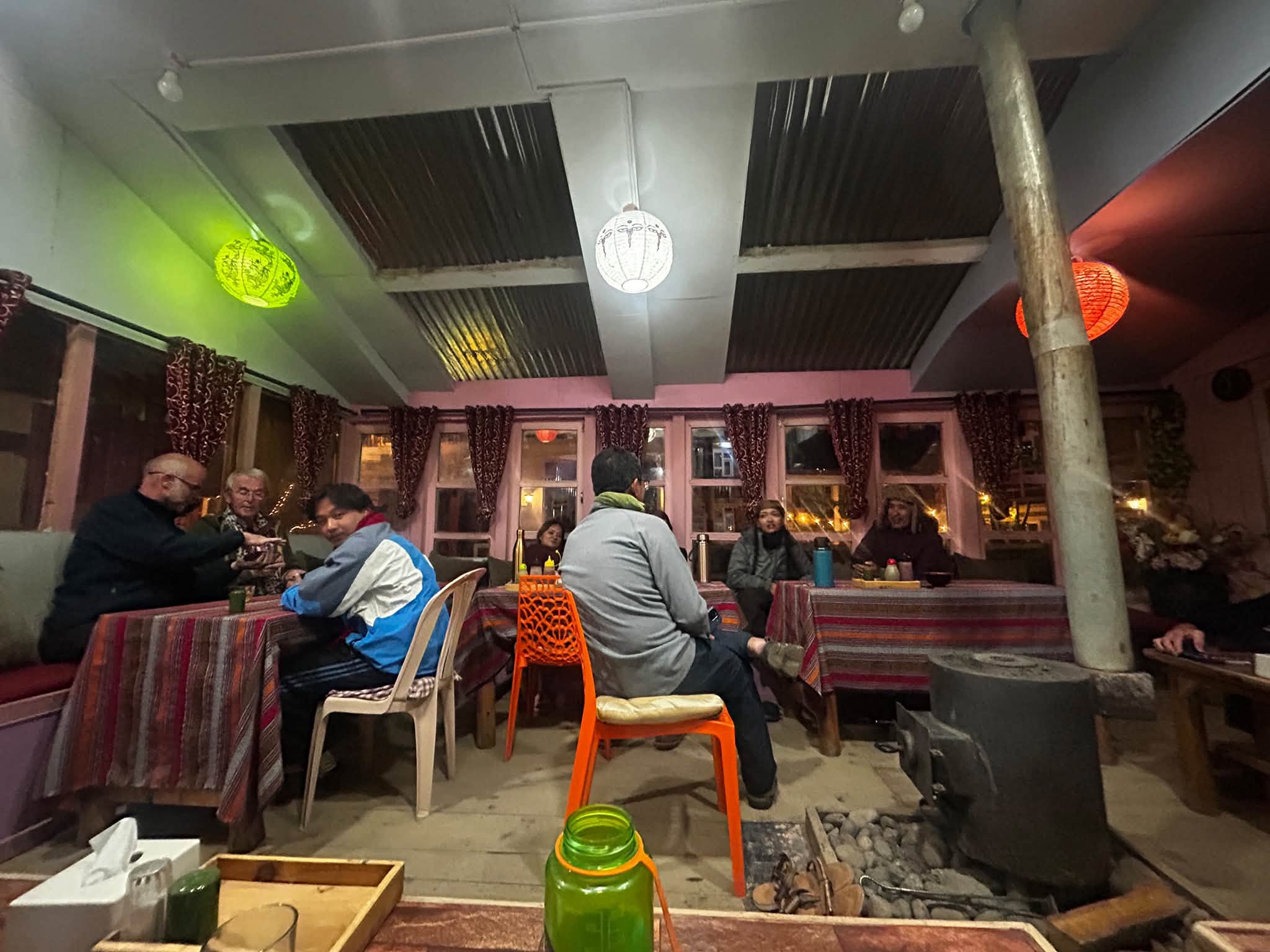
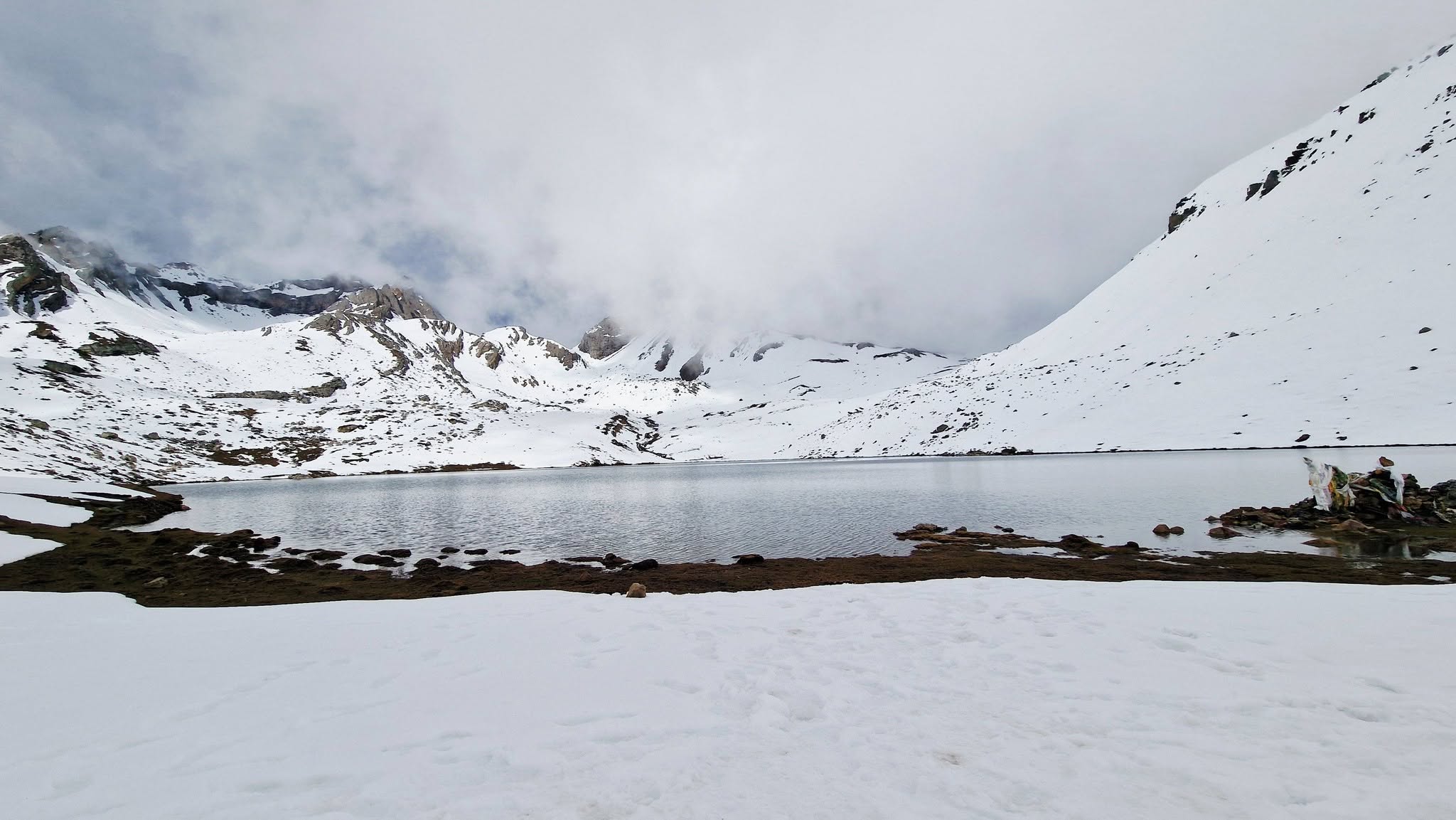
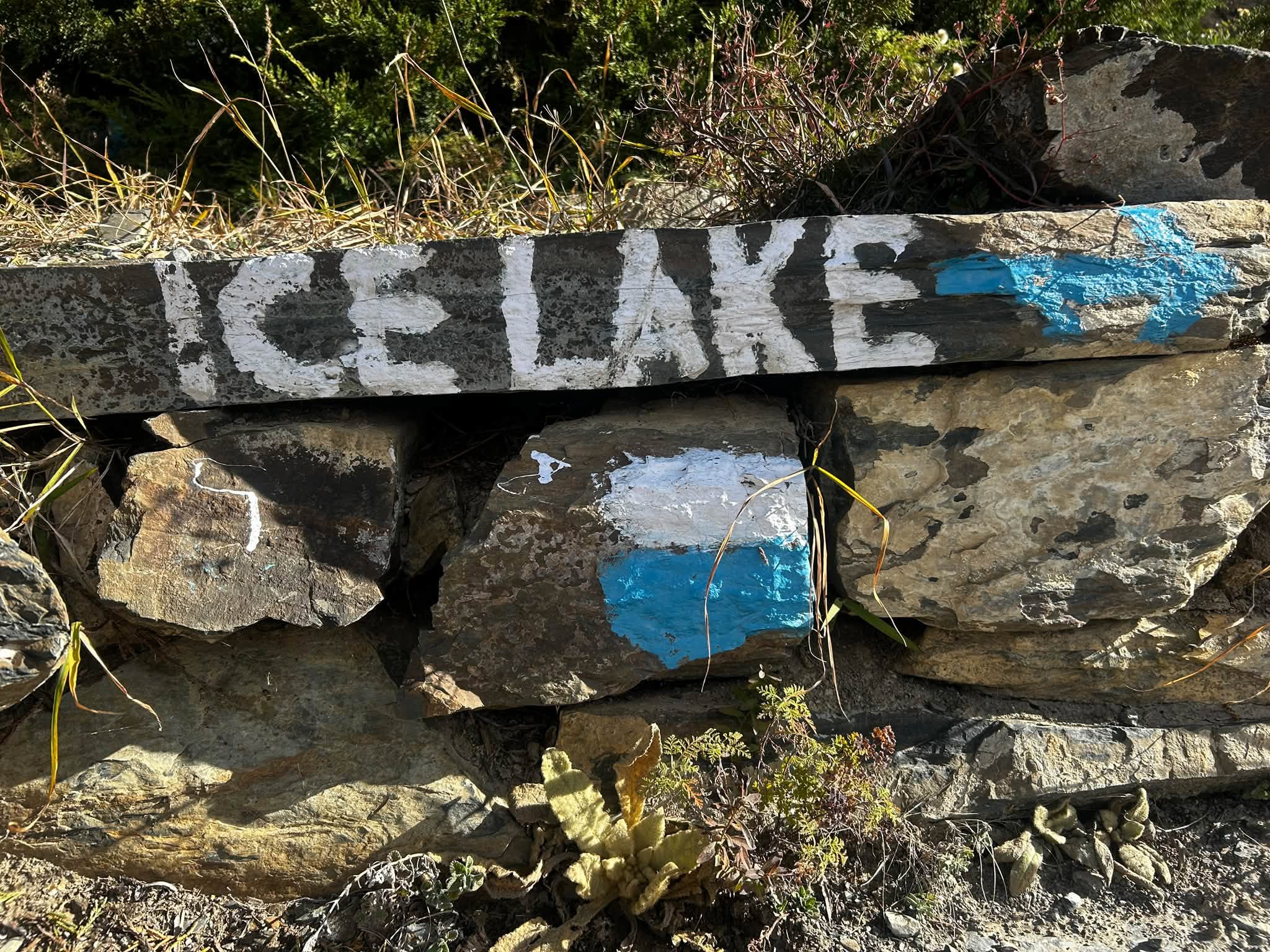
The group waited there from 25 to 27 September. They didn’t just sit inside. When the weather broke for a few hours, they walked around the village and the nearby lanes. On one clear spell they walked up towards Ice Lake above the village. They hopped between teahouses for tea and snacks. In the evenings it was cards by the stove. Manang is a good place to be stuck.
Cut off, but not alone
The storm brought down power poles and phone lines near Chame and the lower villages. For a while there was no normal phone contact between the group and our Kathmandu office.
Philippe, one of the trekkers, carried a Garmin satellite messenger. That was the group’s link to the outside. It worked, but it was slow. In a deep valley under heavy cloud, the device can take a while to find a satellite, so messages sometimes took hours to go through.
Back in Kathmandu, our team was getting emails and messages all day. The trekkers’ families wanted news. So did the families of our porters and of Jiban himself.
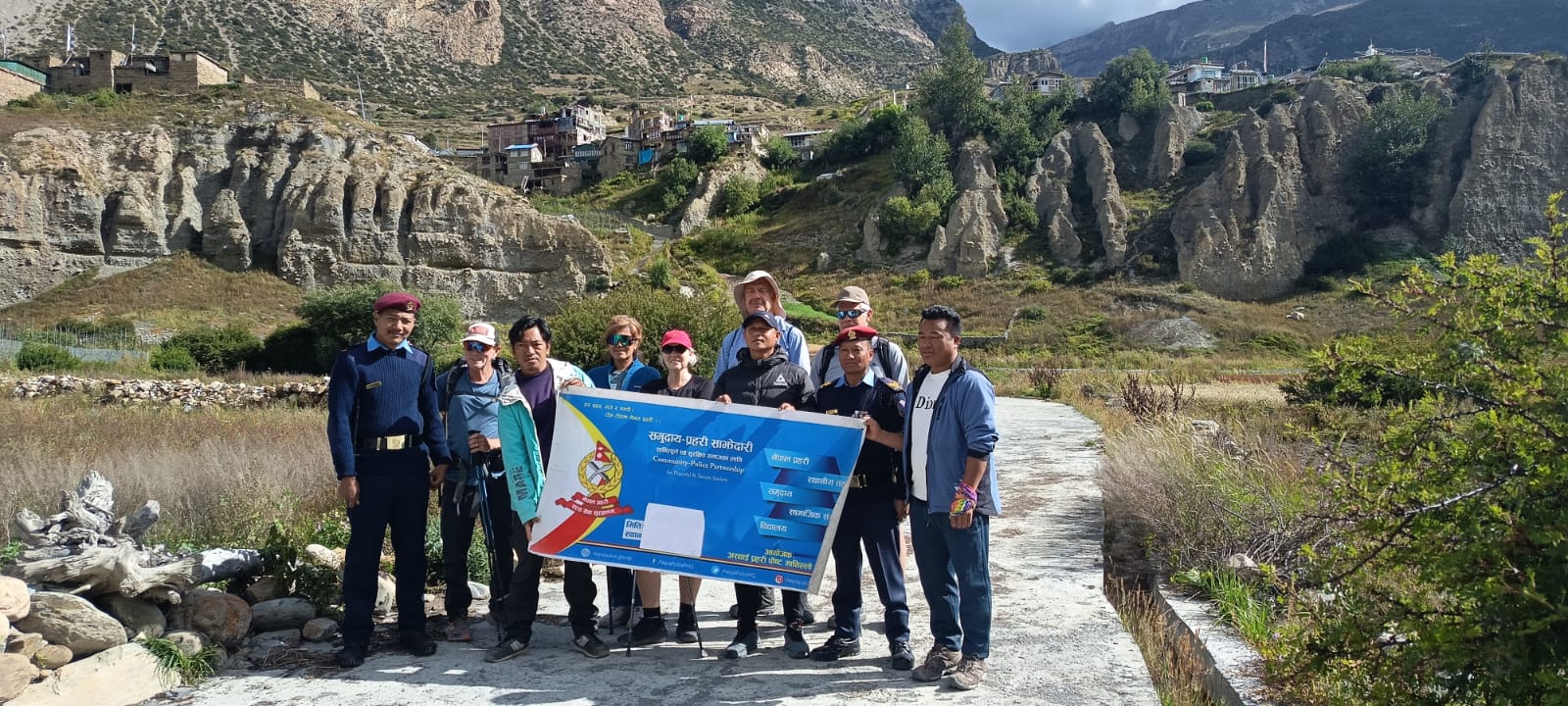
What gave everyone peace of mind was knowing who was on the ground. NTNC, which runs the Annapurna Conservation Area, and the armed forces both have a presence in the area. “We knew any emergency would be taken care of,” Jiban says.
A second try, and a landslide
On 28 September the weather cleared, so the group went back up to Yak Kharka. On 29 September they set off for Thorong Phedi. They didn’t get far. A huge landslide had blocked the trail near Phedi.
“No one was crossing it,” Jiban says. “We saw the destruction and had to turn back.”
The group returned to Yak Kharka.
Getting out on time
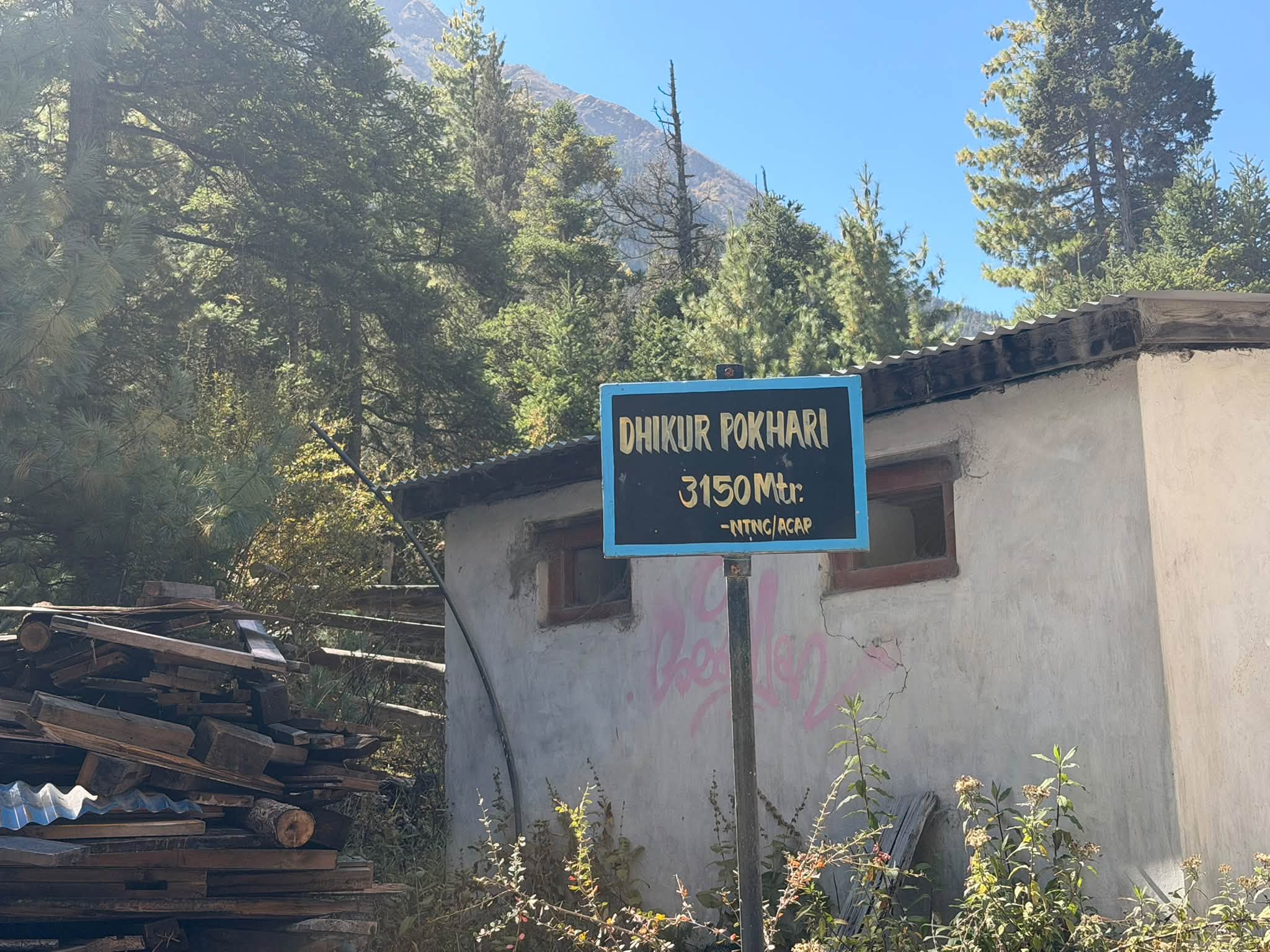
With the pass closed and only three days left, the safe choice was to go back the way they came. On 30 September the group walked down to Manang and took a jeep to Dhikurpokhari.
The storm had left its mark all the way down the valley. There was landslide damage on the trail, and locals were already working to make the way passable again.
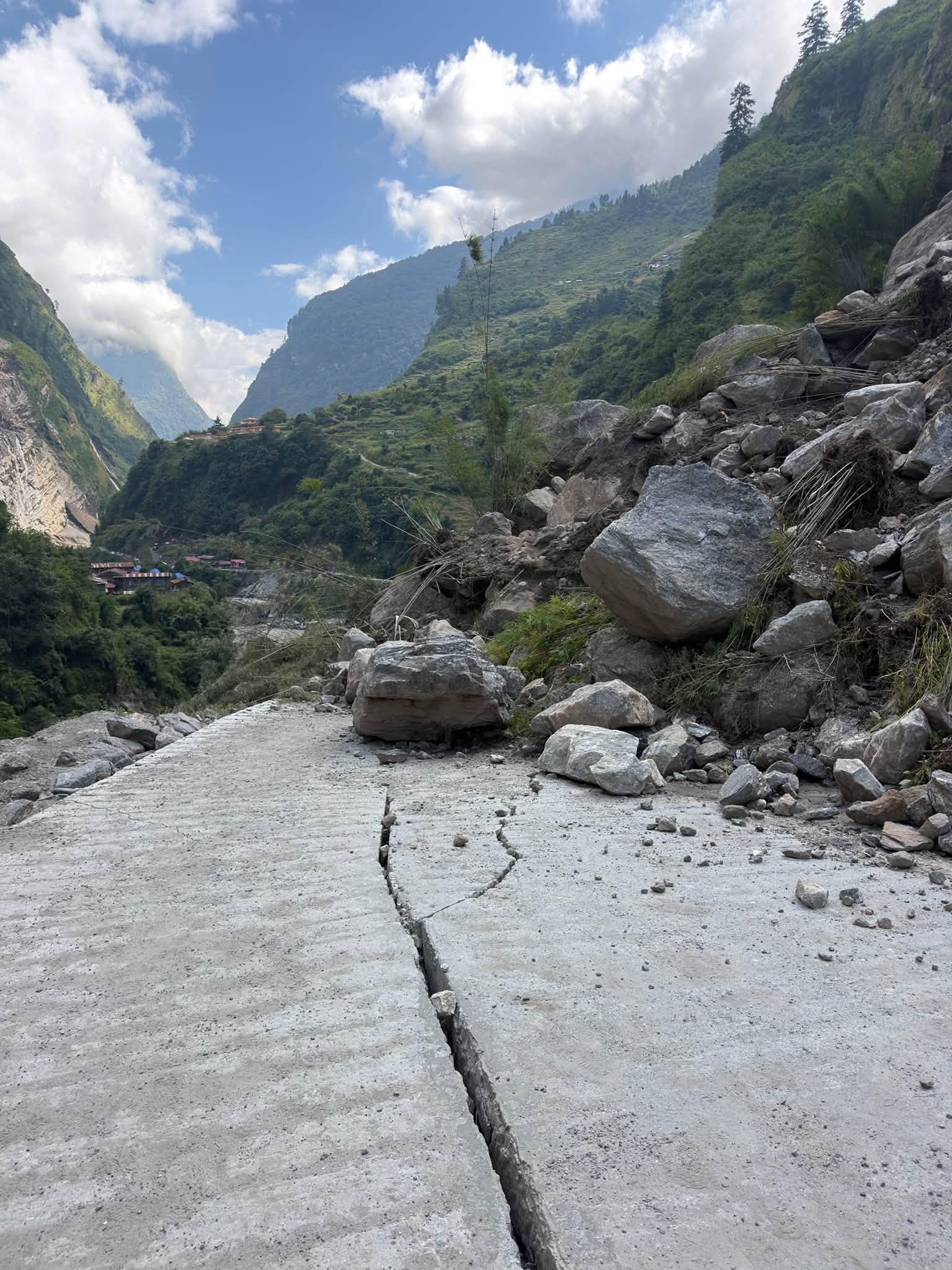
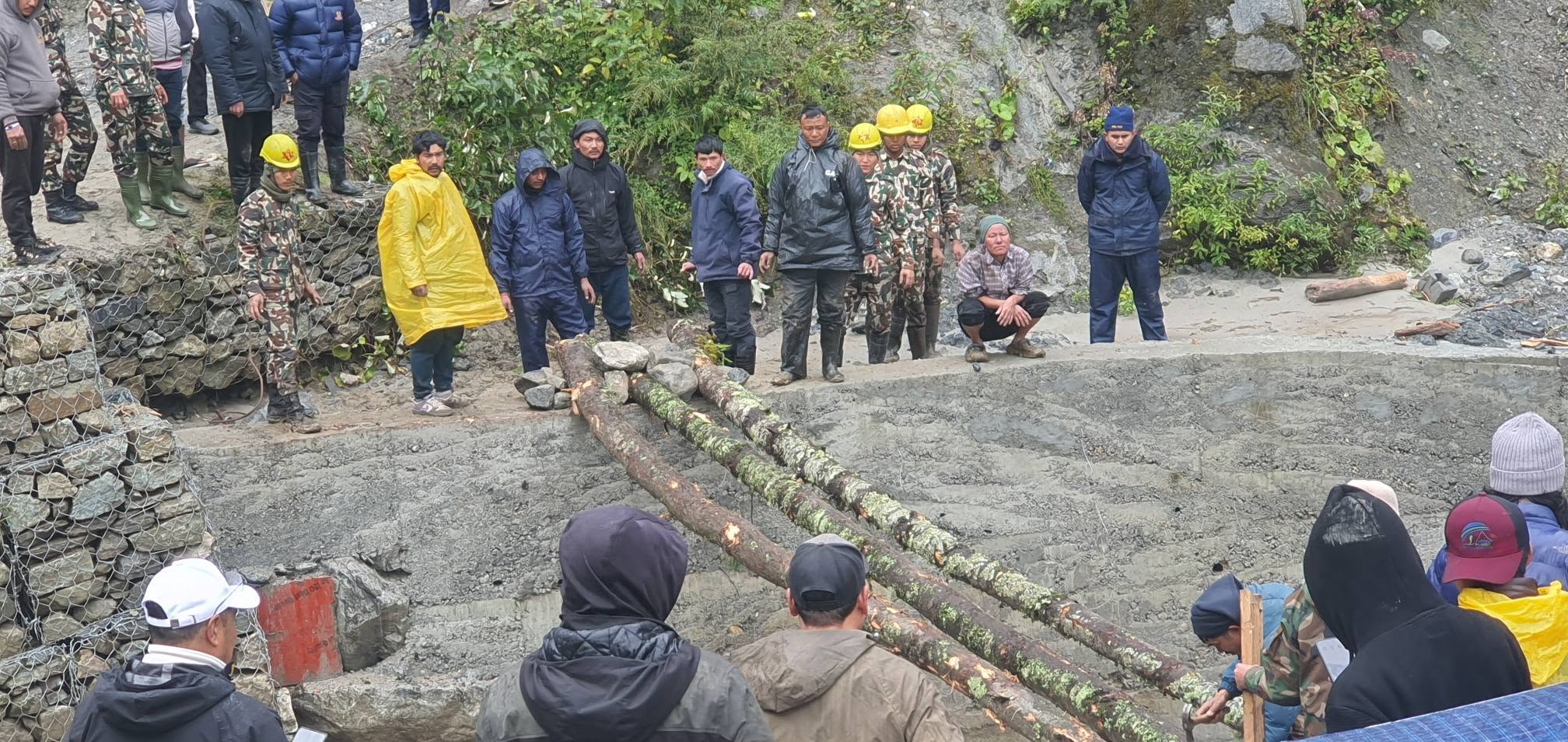
On 1 October they walked down past Bhratang to Koto, with jeeps on the stretches where the road was open, and reached Besisahar that evening.
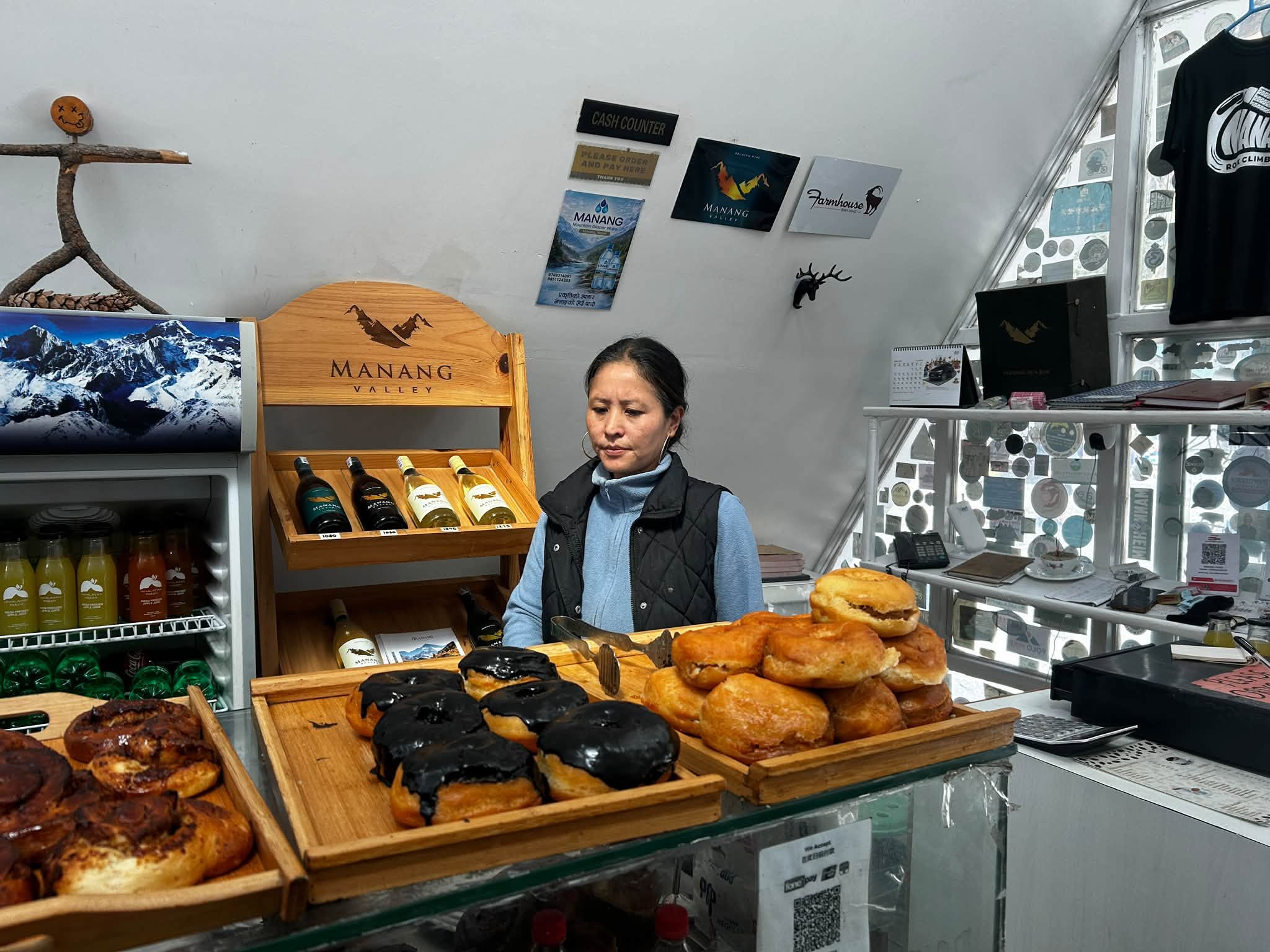
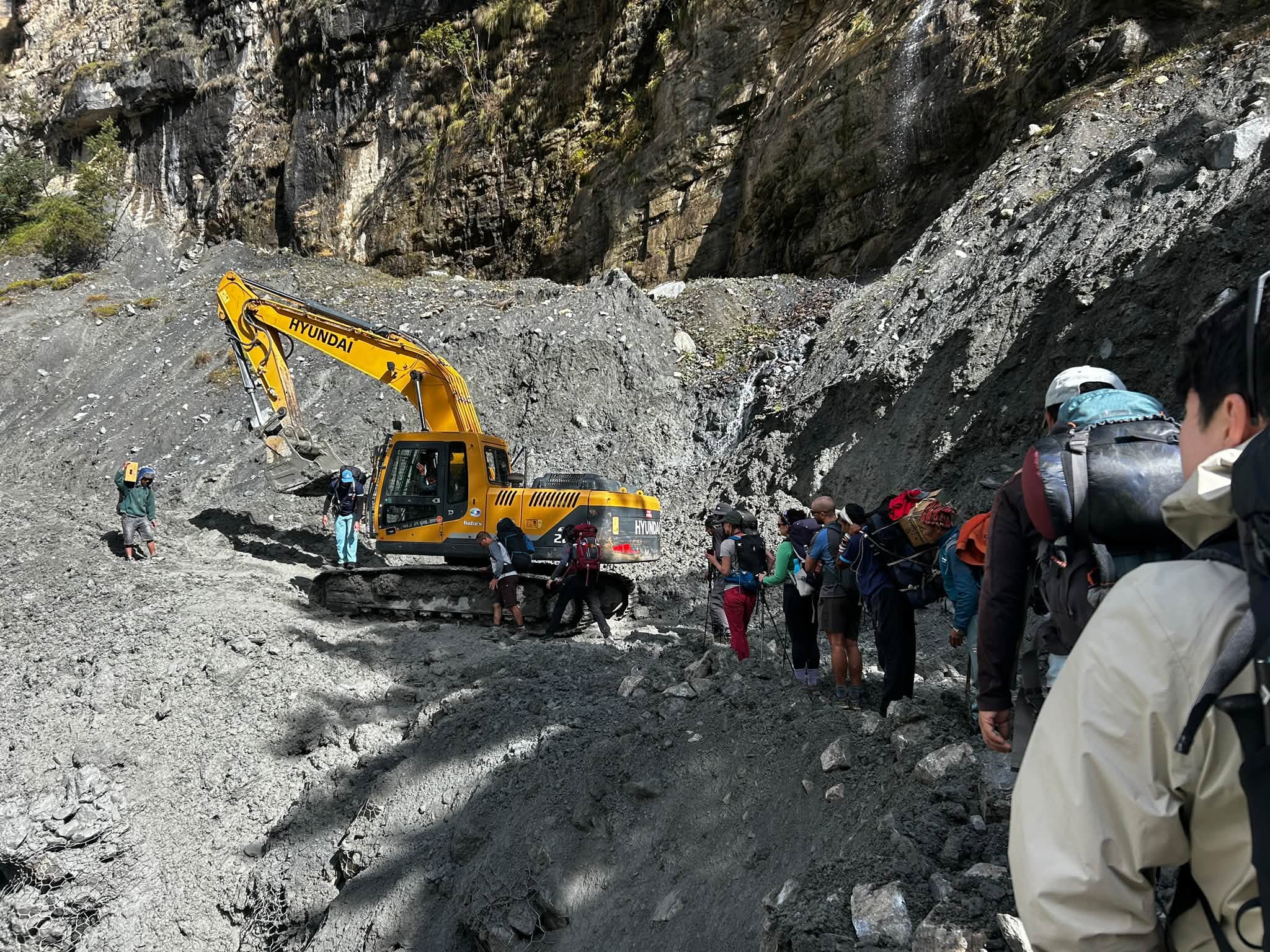
On 2 October they drove from Besisahar into Pokhara, the same day the original plan had them arriving.
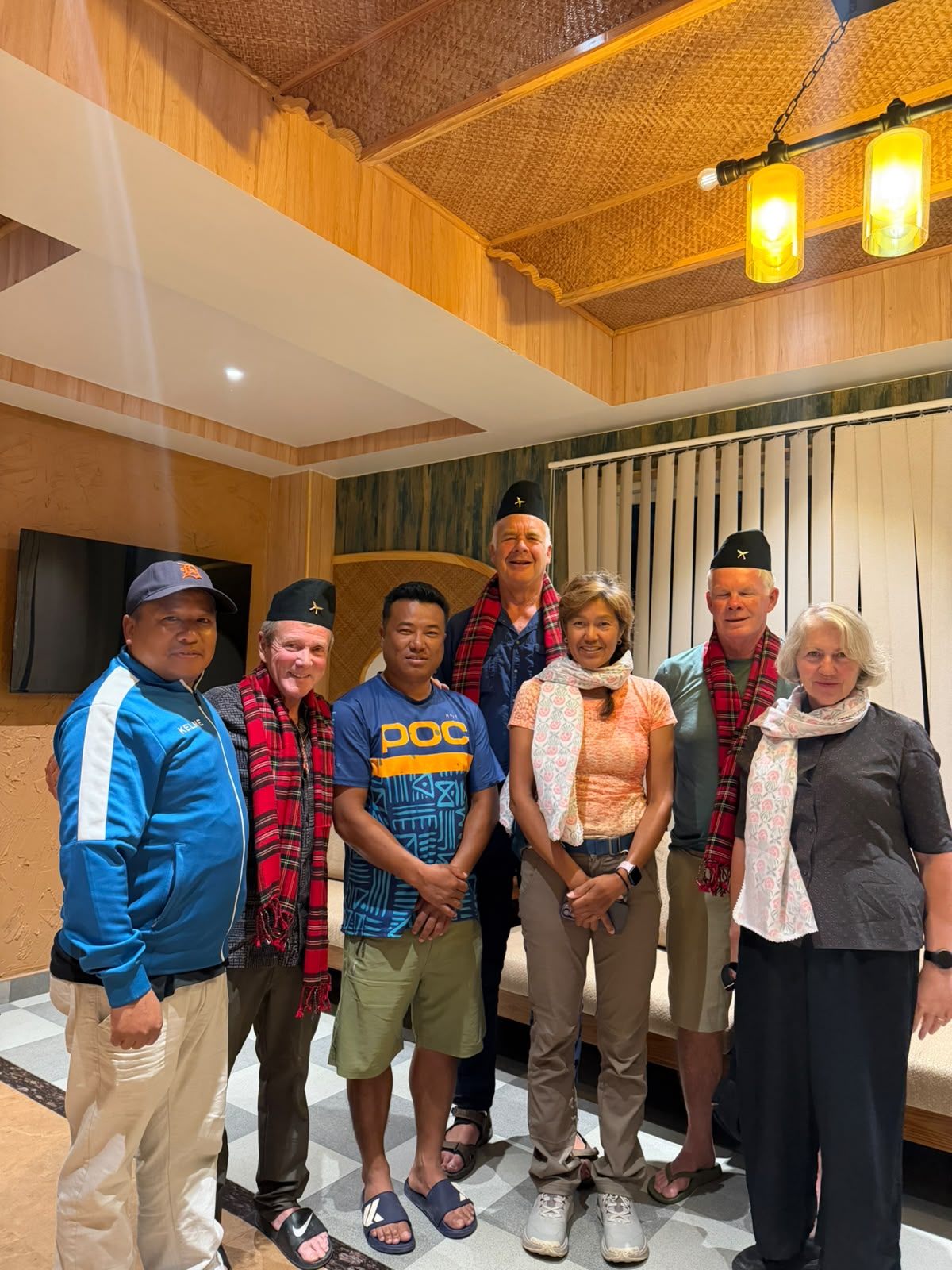
Back in Kathmandu, we ended the trip the way we always do, with a farewell dinner before the group flew home.
What this means for your trek
- Late September can still bring big storms at the end of the monsoon. October is usually more settled, but no month is a guarantee. See our Annapurna Circuit best time guide.
- Watch the forecast and government warnings before the pass. A good guide will wait or turn back rather than take a chance. Read more about the crossing in our Thorong La guide.
- Phone and power can go down in a big storm. Tell your family before the trek that a few quiet days don’t mean something is wrong.
- A satellite messenger like a Garmin inReach is worth carrying, but don’t expect instant messages. In deep valleys and bad weather they can be slow.
- Extra transport or nights caused by weather are paid by the trekker. That’s why your travel insurance should cover trip disruption as well as rescue.
- If you can, build a spare day into your plans after the pass.
- For the general rules, see what happens if you can’t finish your trek in Nepal.
Treks in this guide


FAQ
Can Thorong La close in late September?
Yes, it can. It’s not common, but a late monsoon storm can drop heavy snow on the pass, and landslides can block the trail for days after.
Where do you wait if the pass is closed?
Usually Manang. It’s lower and safer than Yak Kharka or Thorong Phedi, and it has better lodges and facilities for a wait of two or three days.
What happens to my trek if the pass doesn’t open?
You go back down the Manang side and drive out where the road allows. Your guide will plan the exit so you can still reach Pokhara or Kathmandu close to your planned date.
Can my family reach me during a storm?
Not always. Phone and power lines can go down in the lower valley. A satellite messenger helps, but messages can be slow in bad weather. Your family can contact our Kathmandu office, and we pass on news as soon as we have it.
Who pays for the extra jeeps?
The trekker pays for extra transport and nights caused by weather. Travel insurance with trip disruption cover can help get this back.