Manaslu Circuit Trek Difficulty: How Hard Is It Really?
The Manaslu Circuit is a hard trek, but it’s not technical. You walk 5 to 8 hours on most days for 11 days. The big test is crossing Larkya La at 5,160m, a 24km day of 8 to 9 hours that starts before dawn.
What makes Manaslu harder than many treks is the remoteness. Lodges are basic, medical help is very limited on the upper route and there’s no easy way out partway through. It’s best for fit trekkers who have done a multi-day trek before.
- Our grade: Level 4 of 5, Hard
- Highest point: Larkya La, 5,160m
- Trekking days: 11 on our 15-day trek
- Walking time: usually 5 to 8 hours a day
- Hardest day: Larkya La, 24km and 8 to 9 hours
- Total trekking distance: about 130km
- Acclimatisation: two nights at Samagaon (3,530m), with a hike on the second day
- Highest night: Dharamsala, 4,460m
- Technical climbing: none
- Medical help: very limited on the upper route. Helicopter for emergencies
- Best seasons: October to November, then March to April
Last updated: October 2026
In this guide
How Hard Is the Manaslu Circuit?
We grade our Manaslu Circuit Trek as Level 4: Hard on our Nepal trek difficulty scale. That means long trekking days and a high pass above 5,000m. It suits fit trekkers who have done multi-day hikes before, and it needs some mental toughness.
You don’t need ropes or climbing skills. But it’s physically and logistically serious. You’re far from roads for most of the trek, and the pass day is one of the longest on any of Nepal’s classic treks.
What Makes Manaslu Hard
The Larkya La pass day. You climb to 5,160m and then drop about 1,440m to Bimthang. It’s 24km and 8 to 9 hours, starting before dawn in the cold.
Long days at the start. The first three trekking days are 6 to 7 hours each, along the Budhi Gandaki gorge. The trail goes up and down a lot, and it’s rough and rocky in places.
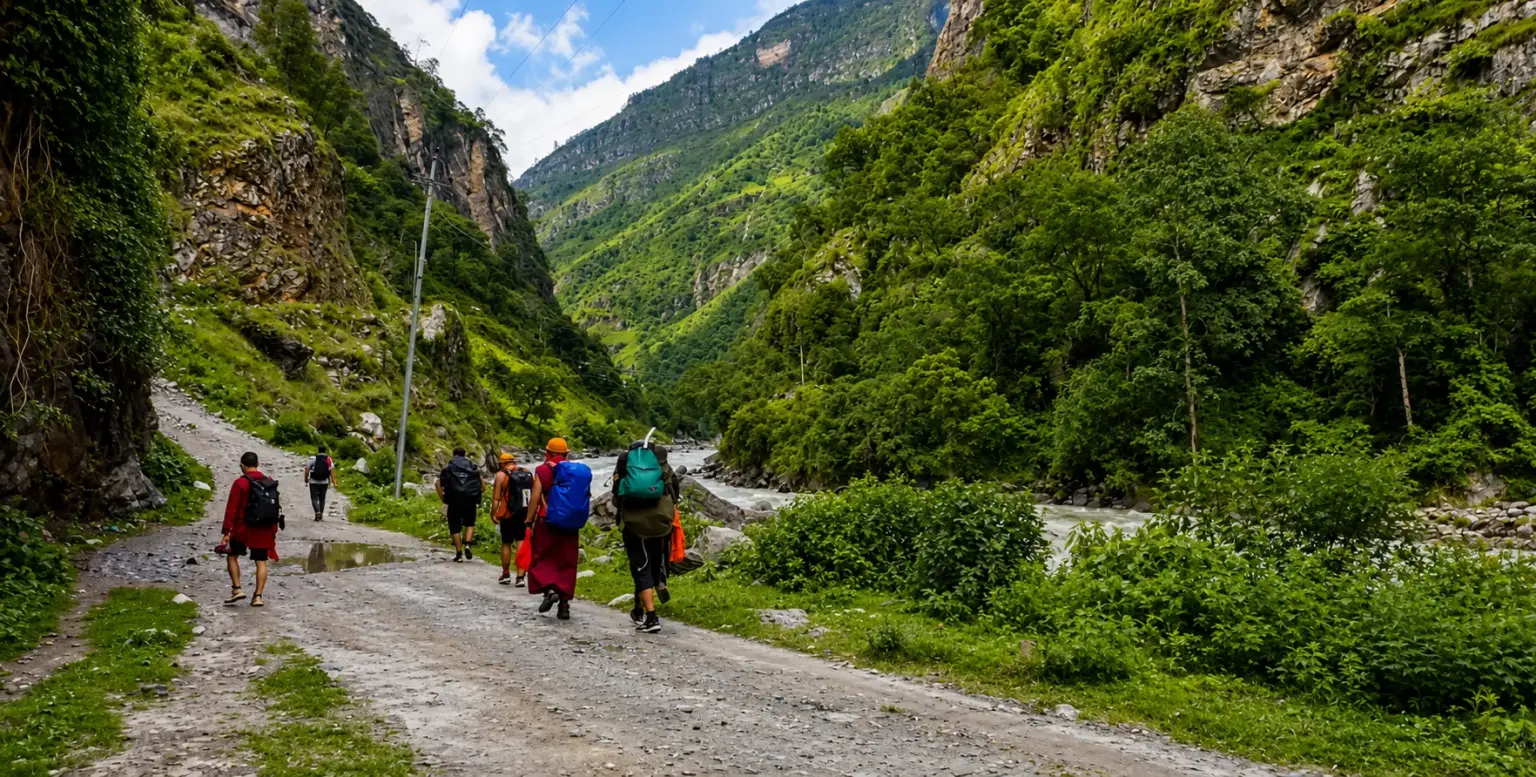
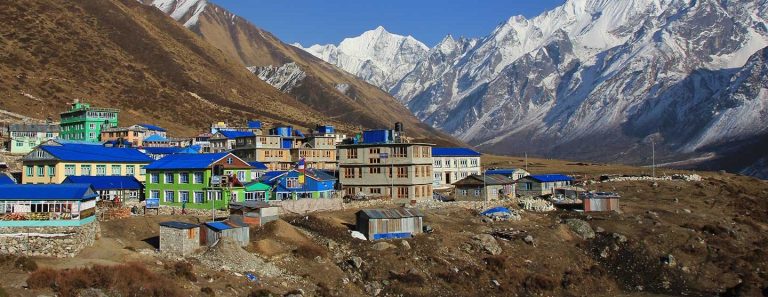
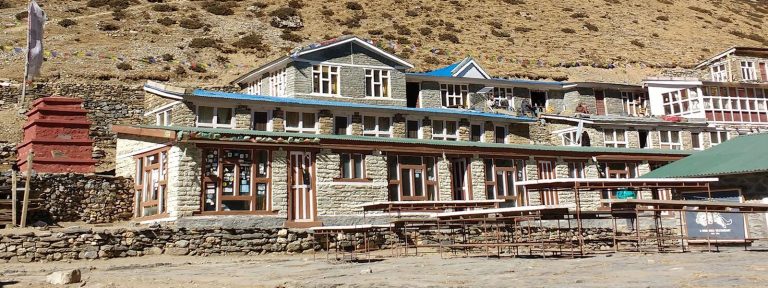
Remoteness. This is the big difference from Everest or the Annapurna Circuit. Lodges are smaller and more basic, especially above Samagaon. Medical facilities are very limited on the upper route, so you can’t rely on getting quick clinical care. A sprained ankle or a stomach bug matters more here. Helicopter rescue is the main option in an emergency, and bad weather can delay it.
Altitude. You spend several nights above 3,500m, and one night at 4,460m before the pass.
No easy way out. Once you’re a few days in, you’re committed. Turning back means walking all the way down the valley.
How Hard Each Day Feels
This is a quick guide to effort, not the full itinerary. For the day by day plan, see our Manaslu Circuit Trek page.
| Day | Route | Distance | Walking time | Ends at | How it feels |
|---|---|---|---|---|---|
| 3 | Machha Khola to Jagat | 16km | 6 to 7 hrs | 1,340m | Long and warm, lots of ups and downs |
| 4 | Jagat to Deng | 14km | 6 to 7 hrs | 1,804m | Rough gorge trail |
| 5 | Deng to Namrung | 15km | 6 to 7 hrs | 2,630m | Long climb, over 800m gain |
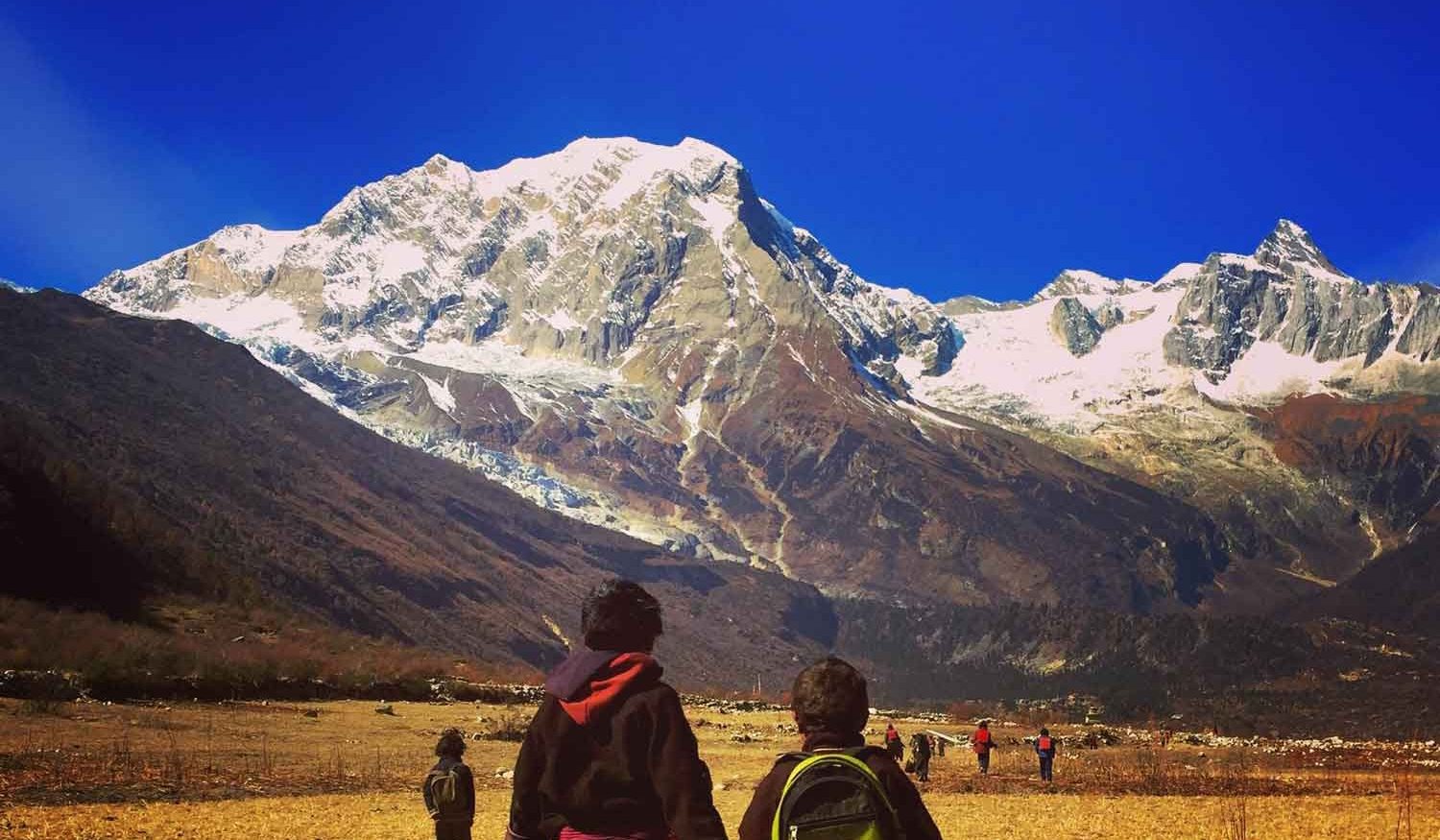
| 6 | Namrung to Lho | 10km | 4 to 5 hrs | 3,180m | Easier, first big mountain views |
| 7 | Lho to Samagaon | 10km | 4 to 5 hrs | 3,530m | Steady |
| 8 | Acclimatisation day | 8 to 14km | 4 to 6 hrs | 3,530m | Hike high, sleep low |
| 9 | Samagaon to Samdo | 9km | 3 to 4 hrs | 3,875m | Short on purpose |
| 10 | Samdo to Dharamsala | 10km | 4 to 5 hrs | 4,460m | Slow, you’ll feel the altitude |
| 11 | Larkya La to Bimthang | 24km | 8 to 9 hrs | 3,720m | Hardest day. Pass at 5,160m |
| 12 | Bimthang to Tilije | 16km | 6 to 7 hrs | 2,300m | Long descent, tough on knees |
| 13 | Tilije to Dharapani | 8km | 2 to 3 hrs | Jeep out | Easy last walk |
The Larkya La Pass Day
This is the day everyone talks about. You wake at 3 or 4am in Dharamsala. Before dawn it’s well below freezing, often -10°C to -20°C with the wind, so you start in your down jacket, a warm hat and waterproof gloves.
The climb to Larkya La is about 700m. It’s slow and steady over moraine, and sometimes snow. From the top, Himlung, Cheo Himal and Annapurna II fill the view. Then comes the long, steep descent of about 1,440m to Bimthang. For most people the way down is harder on the legs than the way up.
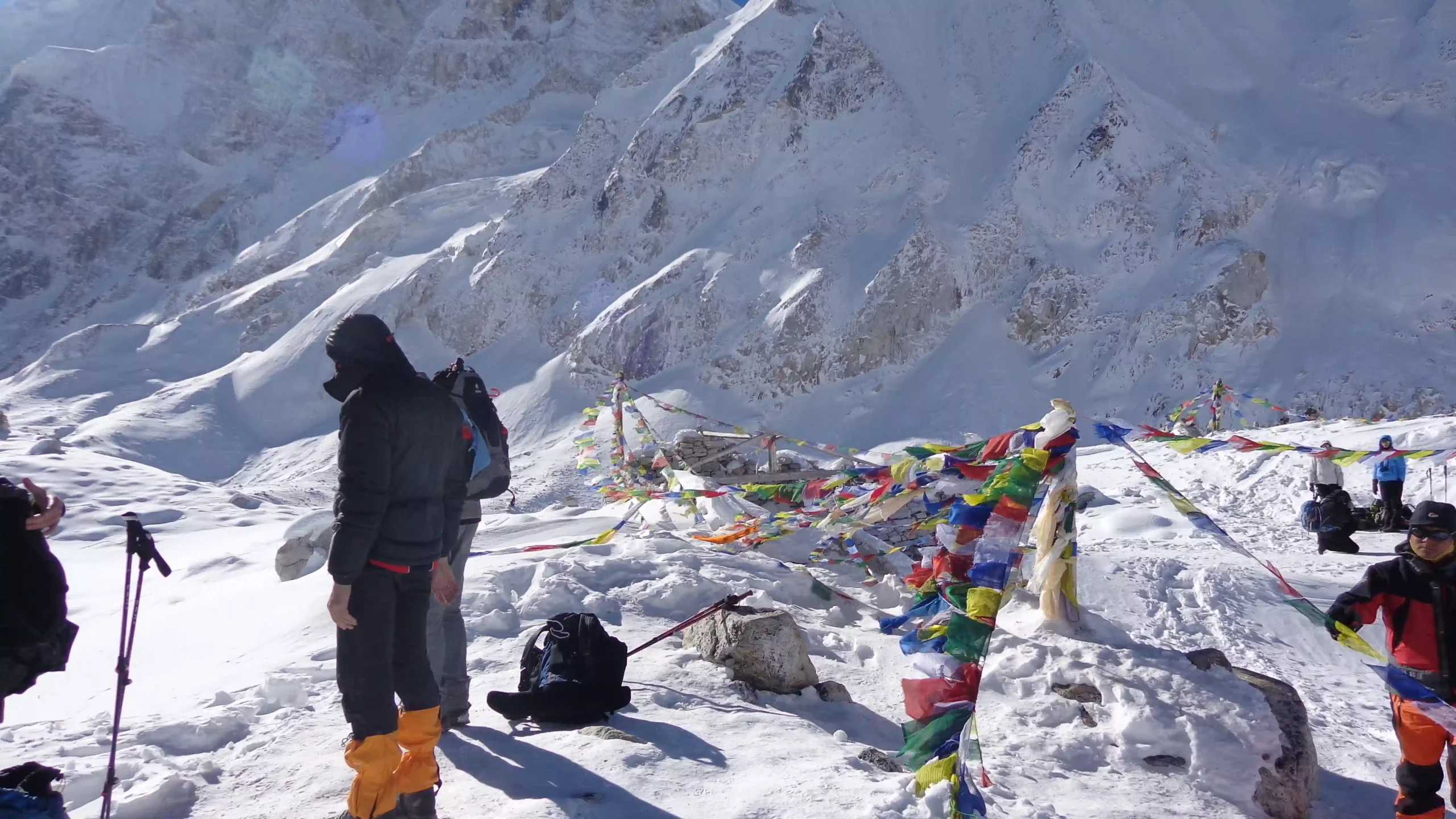
Leaving early matters. Wind often picks up later in the day, and an early start gets you over the pass while conditions are best. Your guide sets the pace and checks on everyone through the day.
Altitude and Acclimatisation
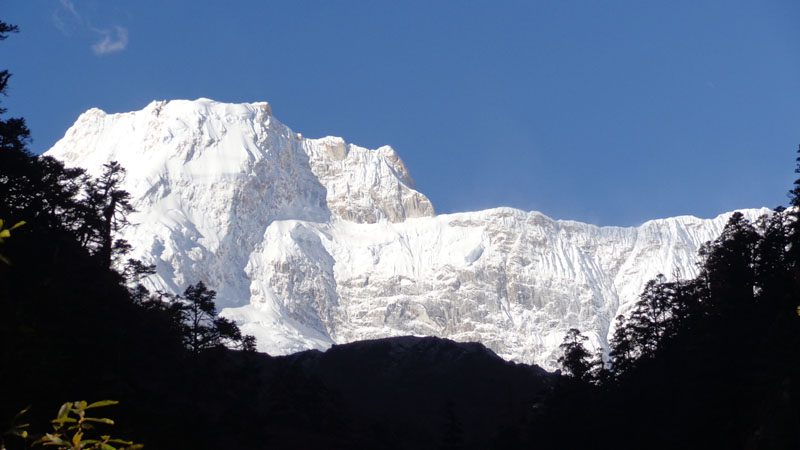
The itinerary is built to help you adjust. You spend two nights at Samagaon (3,530m). The second day is an acclimatisation day with a hike up to Pungyen Gompa (4,800m) or towards Manaslu Base Camp, and back down to sleep. Don’t spend it resting in your room. The next day to Samdo is short on purpose. Then you sleep at Dharamsala (4,460m) before the pass.
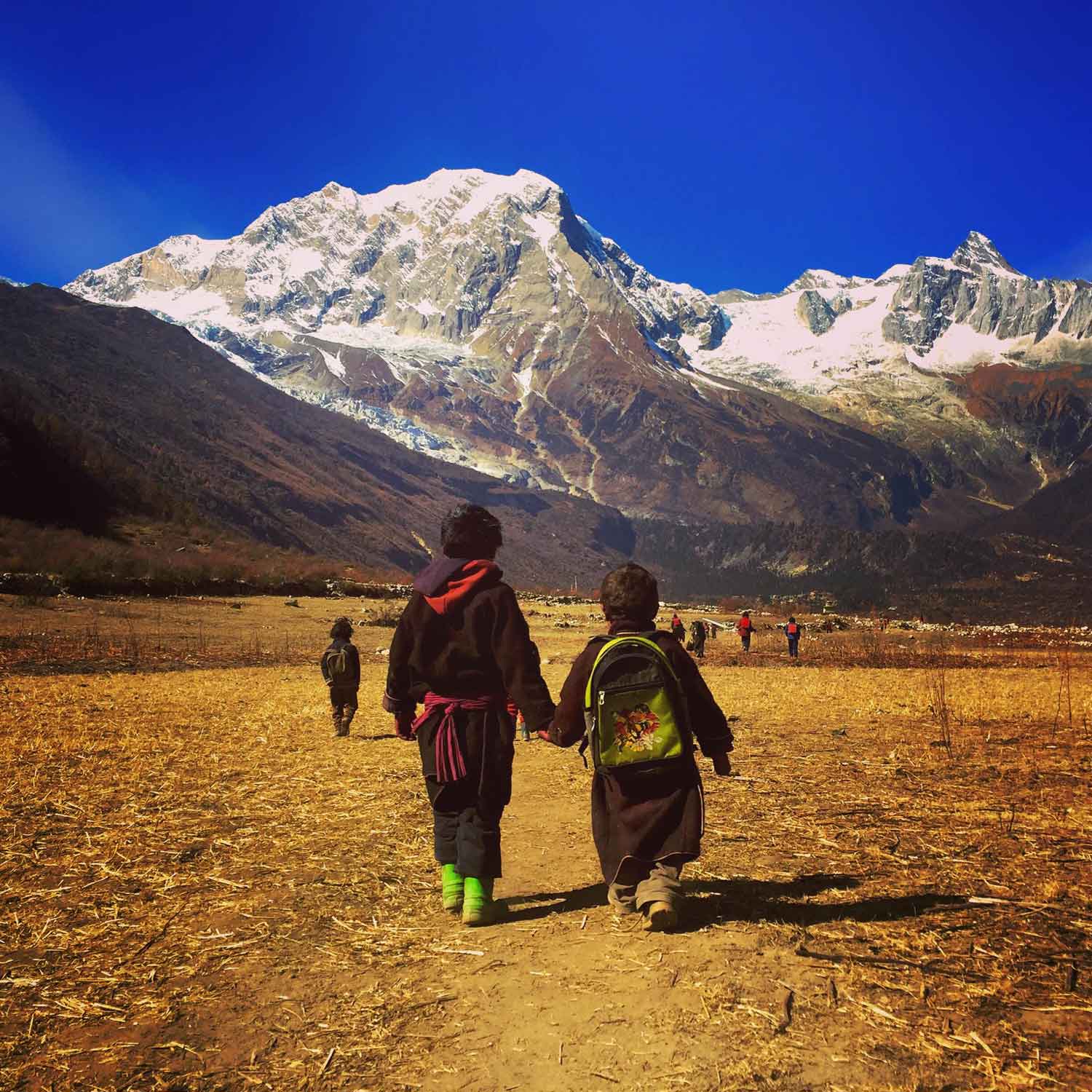
Altitude sickness is still the biggest risk on Manaslu, because help is far away. Watch for headache, nausea, dizziness, unusual tiredness and poor sleep, and tell your guide straight away. Your guide carries an oximeter and a first aid kit. Going down is the most reliable treatment. If symptoms get worse, descend straight away and get help. If you’re thinking about Diamox, talk to your doctor before you go.
Your insurance must cover helicopter evacuation to at least 5,500m. See our guides to altitude sickness on Nepal treks and travel insurance for trekking in Nepal.
Manaslu Compared With Other Treks
| Trek | Highest point | Our grade | How it compares |
|---|---|---|---|
| Annapurna Base Camp | 4,130m | Level 3: Challenging | Lower, no pass, easier to get help |
| Manaslu Circuit | 5,160m (Larkya La) | Level 4: Hard | Remote, long pass day, basic lodges |
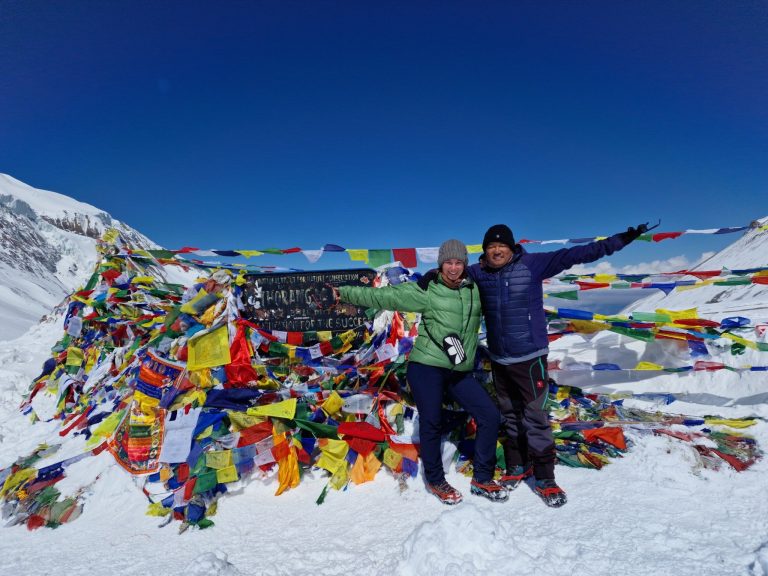
| Annapurna Circuit | 5,416m (Thorong La) | Level 4: Hard | Higher pass, but busier with more ways out |
| Everest Base Camp | 5,364m (Kala Patthar 5,545m) | Level 4: Hard | Higher, more nights above 4,000m, better facilities |
Manaslu’s pass is lower than Thorong La, and it doesn’t go as high as Everest Base Camp. What makes it feel just as hard is the remoteness and the long pass day. See our guides to Manaslu Circuit vs Annapurna Circuit and Manaslu Circuit vs Everest Base Camp.
Can Beginners Do the Manaslu Circuit?
It’s possible, but it’s not the trek we’d usually suggest for your first. Manaslu works best if you’ve done a multi-day trek before, ideally in the mountains. You’ll know how your body handles long days back to back, and you’ll cope better with basic lodges.
If this would be your first high-altitude trek, talk to us before you book. For many people, a lower trek like Annapurna Base Camp or Ghorepani Poon Hill is a better first experience. See our guide to the best treks in Nepal for beginners.
Who Should Choose Manaslu?
Manaslu is a great fit if you:
- are fit enough for 6 to 8 hour days, several days in a row
- have done at least one multi-day trek before
- are happy with simple lodges, basic rooms and shared toilets
- want quiet trails and village life more than comfort
- can be flexible if weather changes the plan
How to Train for the Manaslu Circuit
Start at least 8 to 10 weeks before you go, and earlier if you’re starting from a low fitness base.
- Long hikes: build up to back-to-back days of 6 to 8 hours with a light pack. This matters most for Manaslu.
- Hills and stairs: for the climbs and the long Larkya La descent.
- Downhills: practise walking down steep slopes so your knees and thighs are ready.
- Cardio, 3 to 4 times a week: uphill walking, cycling, running or swimming.
- Strength, twice a week: squats, lunges and step-ups, plus some core work.
Our guide on how to train for Everest Base Camp has a fuller plan that works for Manaslu too.
Difficulty by Season
Conditions change each year, and your guide checks the trail and weather every day.
Autumn (October to November). The most reliable time. Skies are usually clear and the trail dry, and Larkya La is at its most predictable.
Spring (March to April). Also good. There can still be snow near the pass early in the season, so gaiters can help.
Winter (December to February). Much harder. Larkya La can have deep snow and hard ice. Bring microspikes or crampons, and your guide will tell you when to wear them. Dharamsala can drop below -15°C, and some lodges above Samagaon may close.
Monsoon (June to August). Not recommended. The lower trail is wet with leeches, landslides are a risk and fresh snow can block the pass. See our guide to trekking in Nepal in the monsoon.
How to Make Manaslu Easier
- Use a porter. Our trek includes one porter for every two trekkers, so you carry only a daypack.
- Bring trekking poles. They help a lot on the Larkya La descent and in the gorge.
- Go in autumn. October and November give you the best chance of good pass conditions.
- Use the acclimatisation day well. Hike high at Samagaon, then come down to sleep. It makes the pass easier.
- Ask about a longer trip. Adding Tsum Valley makes the trek longer but gives you more time to adjust. Ask us about a custom itinerary.
For prices by group size and what to budget on top, see our Manaslu Circuit trek cost guide.
Frequently Asked Questions
How difficult is the Manaslu Circuit trek?
Hard, but not technical. It’s Level 4 of 5 on our scale. The main challenges are the Larkya La pass day, long trekking days and the remoteness.
Is Manaslu harder than the Annapurna Circuit?
In most ways, yes. Thorong La is higher, but Manaslu is more remote, with more basic lodges and fewer ways out.
Is Manaslu harder than Everest Base Camp?
They’re different kinds of hard. EBC goes higher and spends more nights above 4,000m. Manaslu has a longer pass day and is more remote.
How long is the Larkya La pass day?
About 24km and 8 to 9 hours on our itinerary. You start before dawn, climb about 700m to 5,160m, then descend about 1,440m to Bimthang.
Can a beginner do the Manaslu Circuit?
It’s possible for a fit beginner, but we usually suggest a multi-day trek first. Talk to us if Manaslu would be your first.
Is there an acclimatisation day on the Manaslu Circuit?
Yes, at Samagaon (3,530m). You spend two nights there and hike higher on the second day, then come back down to sleep.
Do I need a guide for the Manaslu Circuit?
Yes. Manaslu is a restricted area and a licensed guide is required. See our Nepal trekking permits guide.