Dingboche: How to Spend Your Acclimatisation Day on the Everest Base Camp Trek
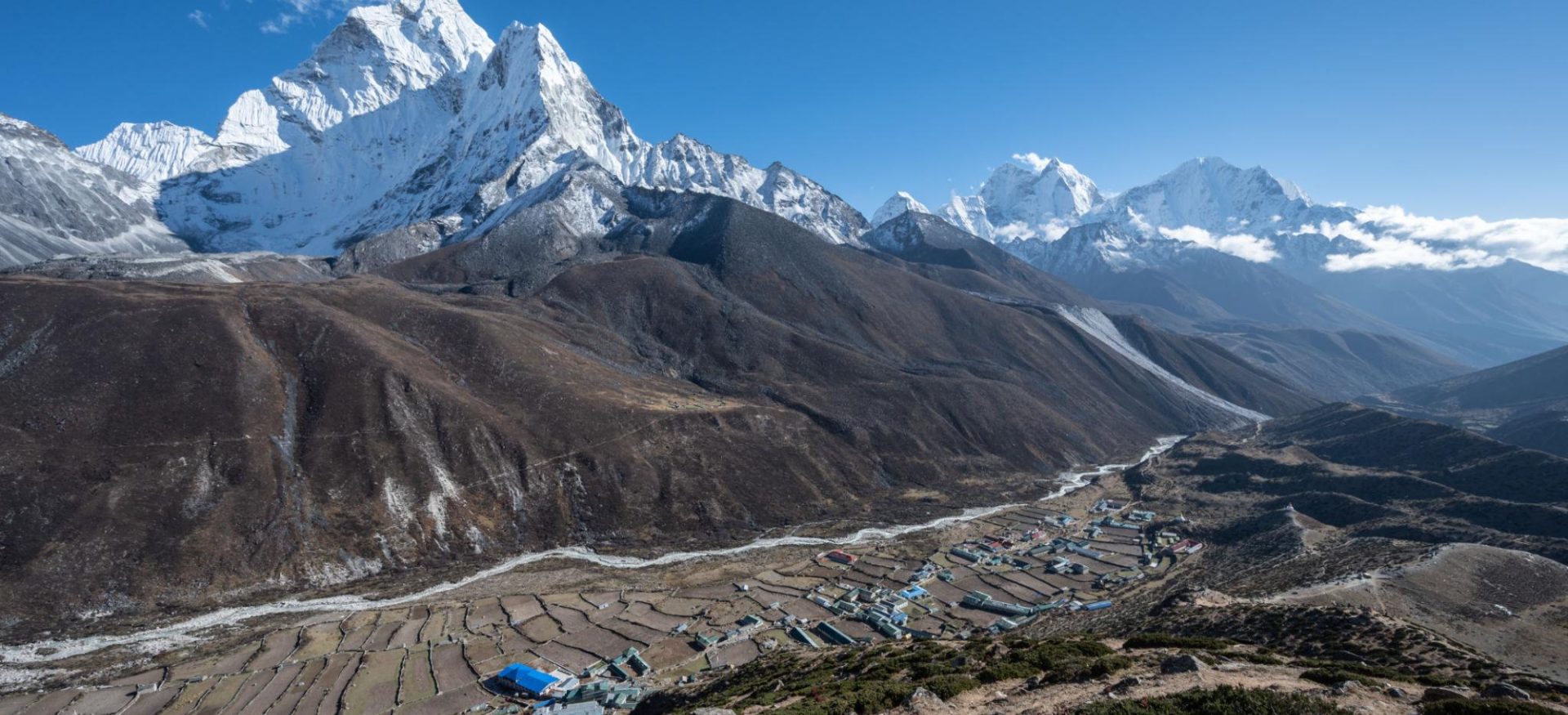
Dingboche is a village in the Imja valley at about 4,410m, and the last big acclimatisation stop on the Everest Base Camp trek. Most itineraries include two nights here, with one acclimatisation day before Lobuche.
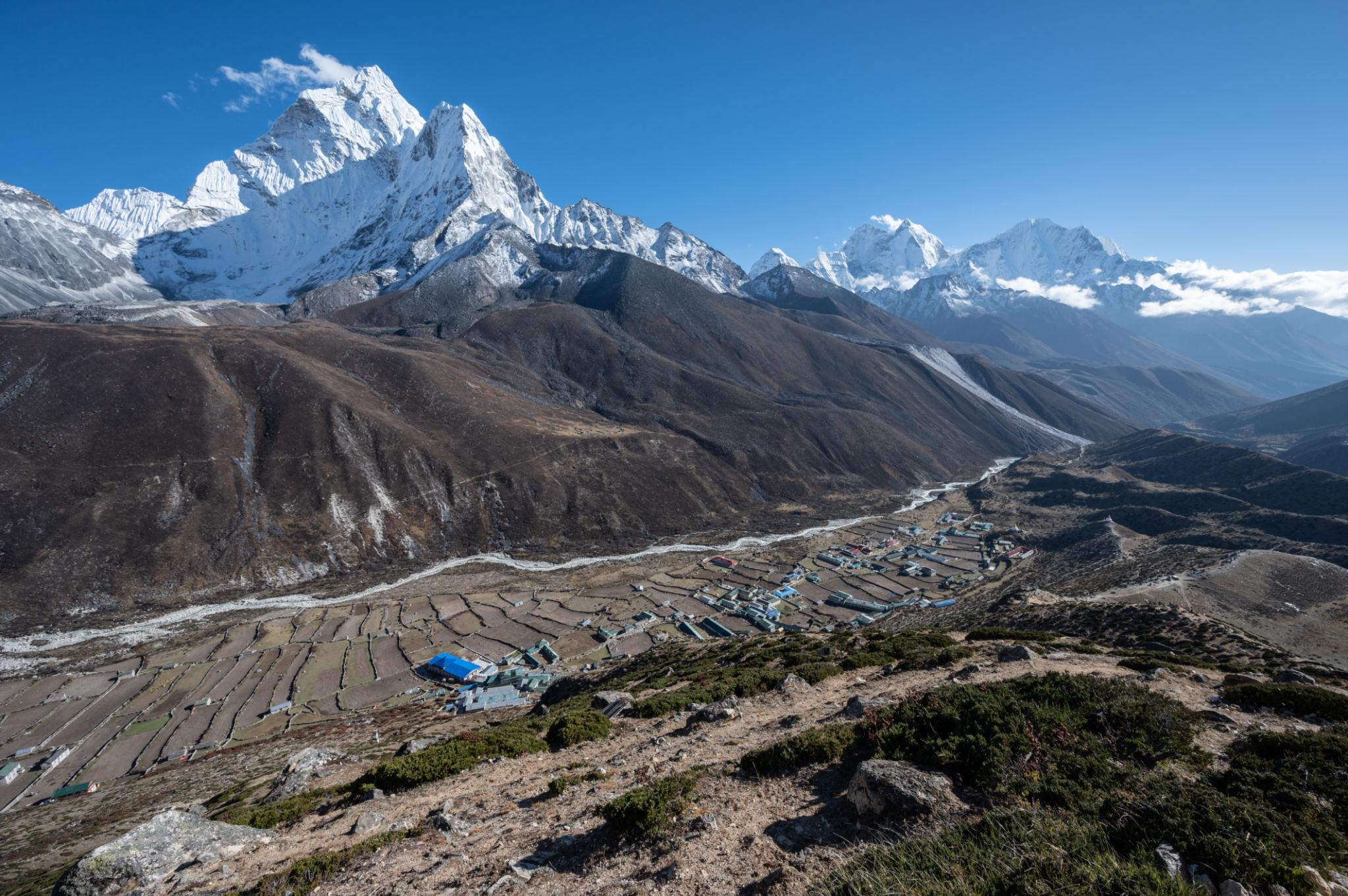
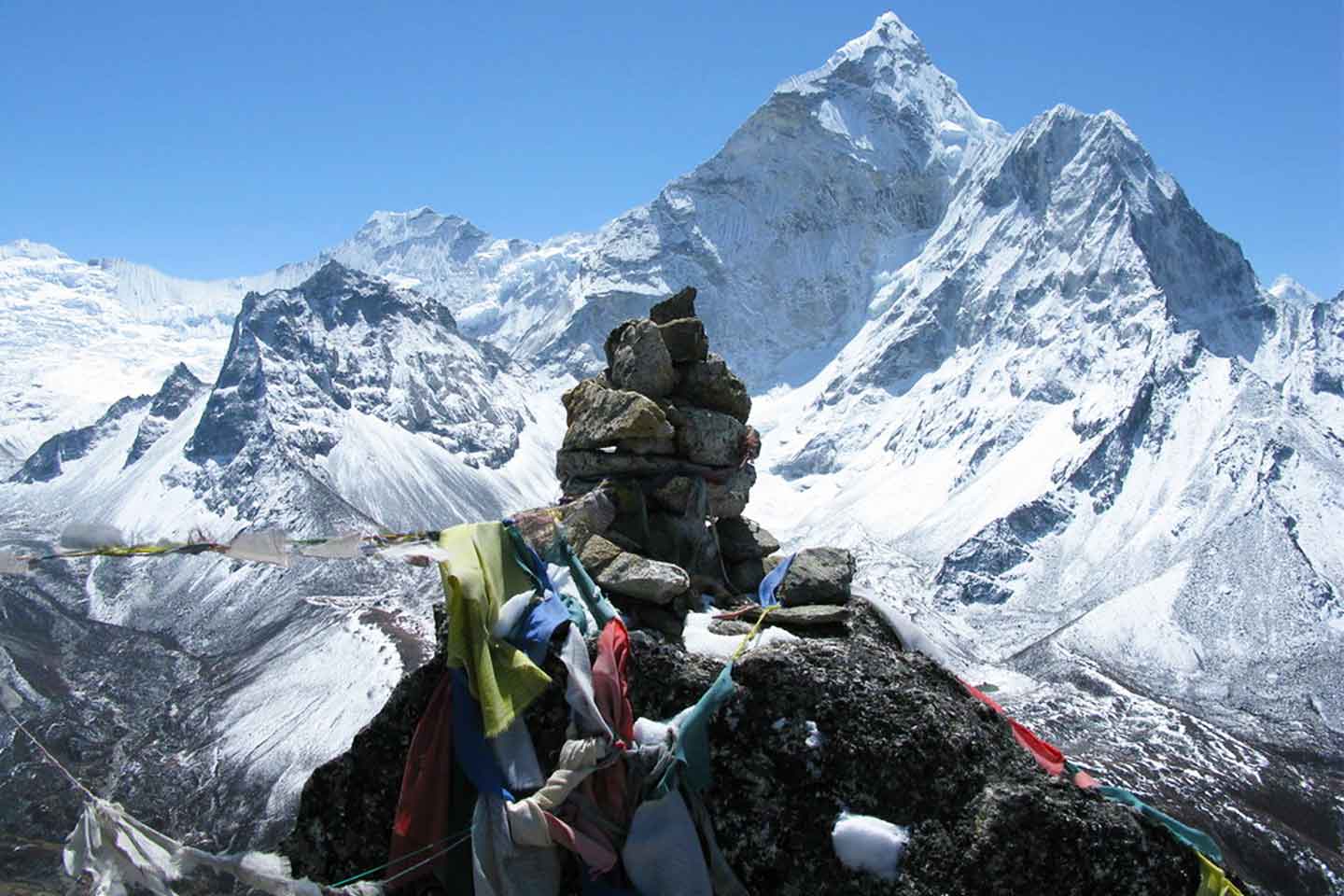
The usual hike is up the ridge towards Nangkartshang Peak (5,083m), with big views of Ama Dablam, Lhotse and Makalu.
- Altitude: about 4,410m
- Nights here: two, with one acclimatisation day
- Usual hike: the Nangkartshang ridge, up to 5,083m, about 3 to 4 hours return
- Other options: a walk towards Chhukung, or a short walk above the village
- Next stop: Lobuche (4,940m), then Gorak Shep and Base Camp
- Cash: don’t rely on an ATM beyond Namche, bring rupees from Kathmandu
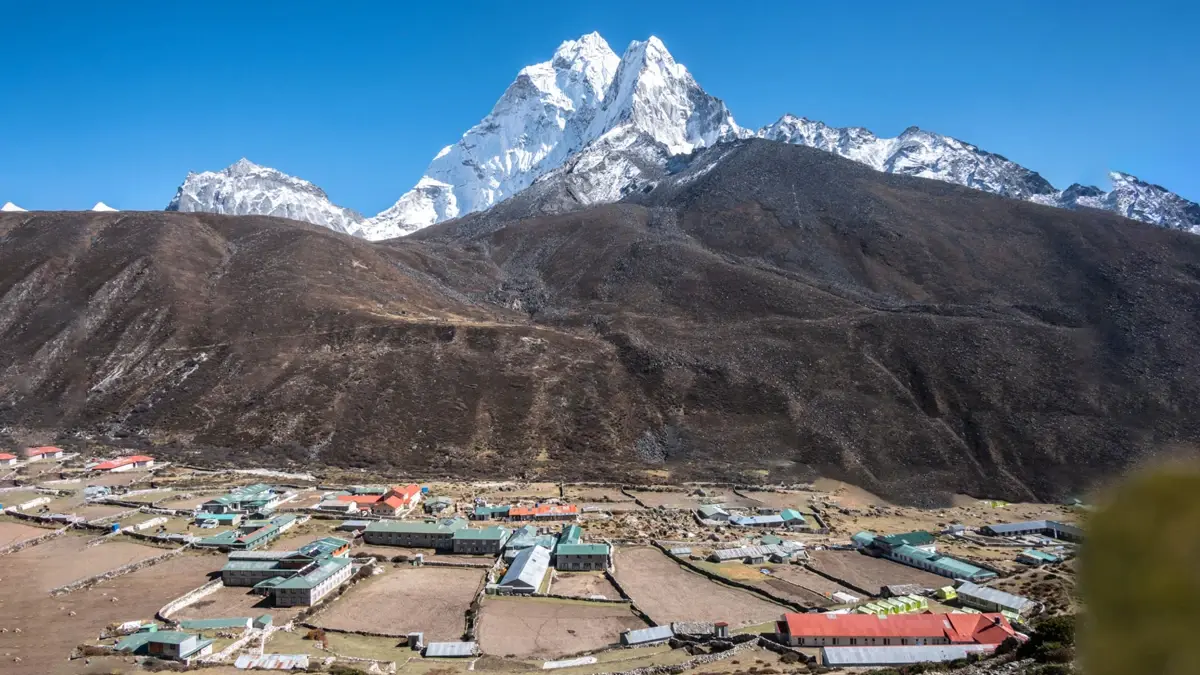
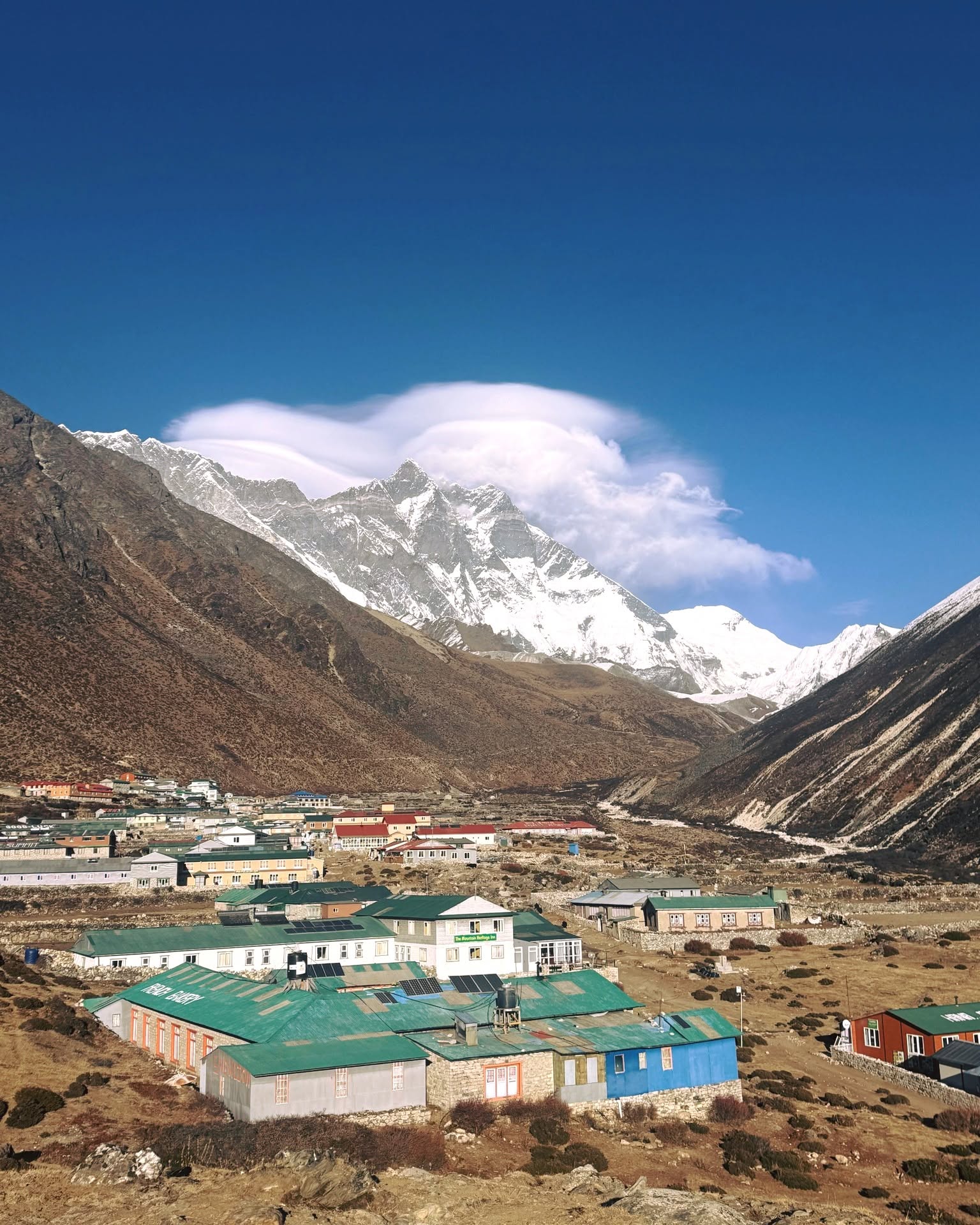
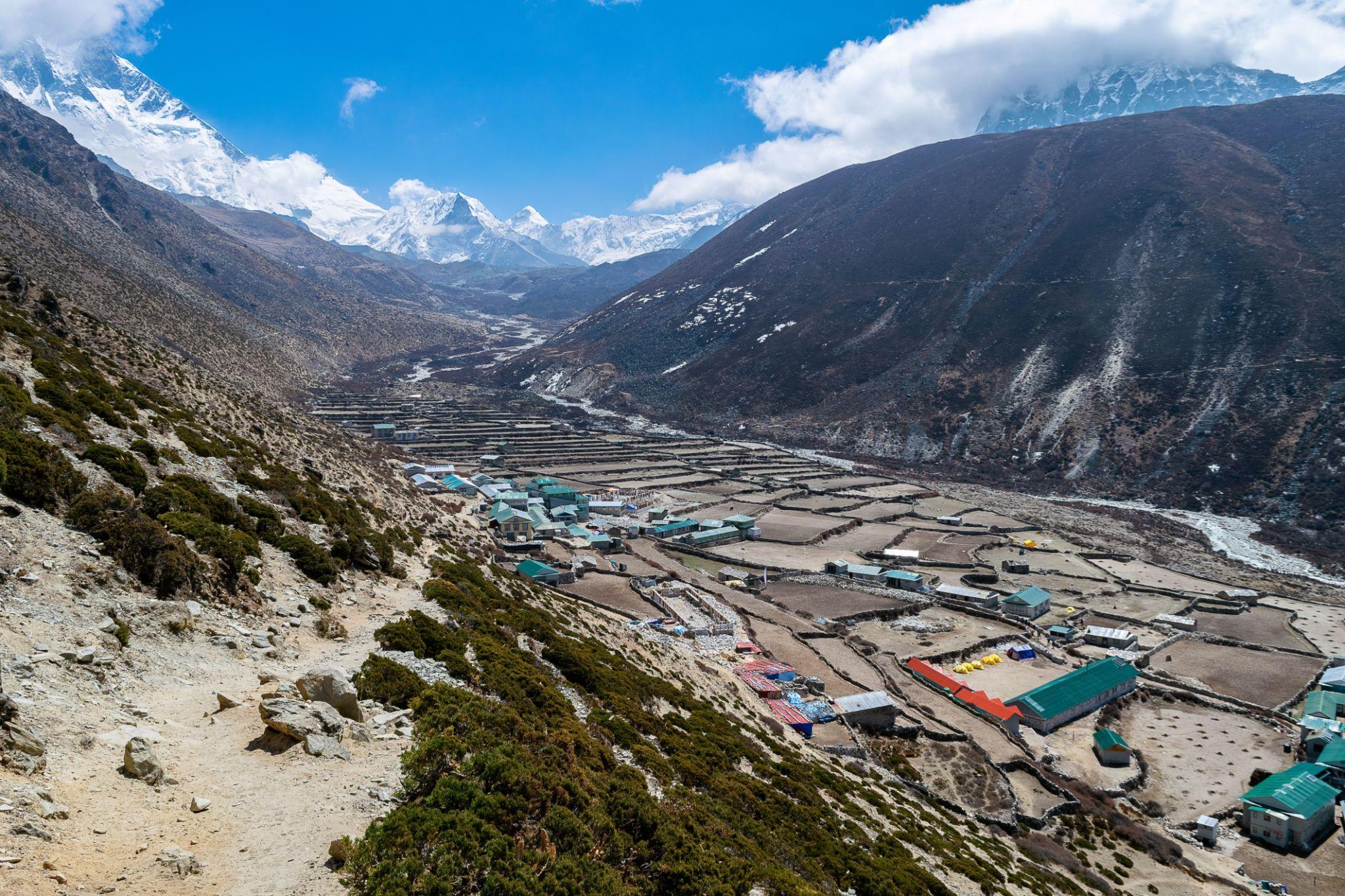
Dingboche sits in a wide valley under Ama Dablam, with stone-walled potato fields and Island Peak and Lhotse at the head of the valley. Above here, villages give way to seasonal lodges, and the air gets noticeably thinner.
That makes your day in Dingboche one of the most important of the trek. Here’s how to use it.
Acclimatisation Hikes Compared
| Hike | Highest point | Approximate time | Best for |
|---|---|---|---|
| Nangkartshang ridge | up to 5,083m | about 3 to 4 hours return | The usual acclimatisation hike. Turn around before the summit if needed |
| Walk to Chhukung | about 4,730m | about 4 to 5 hours return | A less steep walk up the Imja valley |
| Short walk above Dingboche | around 4,500m | 1 to 2 hours | A gentler option without a major climb |
These are rough planning times. Your pace, the weather and how you feel all make a difference, and your guide’s advice comes first.
Nangkartshang is the ridge right behind Dingboche. It’s steep from the start, but you don’t have to reach the summit. Climb only as high as you comfortably can, then return to Dingboche to sleep at the same altitude. The views of Ama Dablam, Lhotse and, on clear days, Makalu are some of the best on the trek.
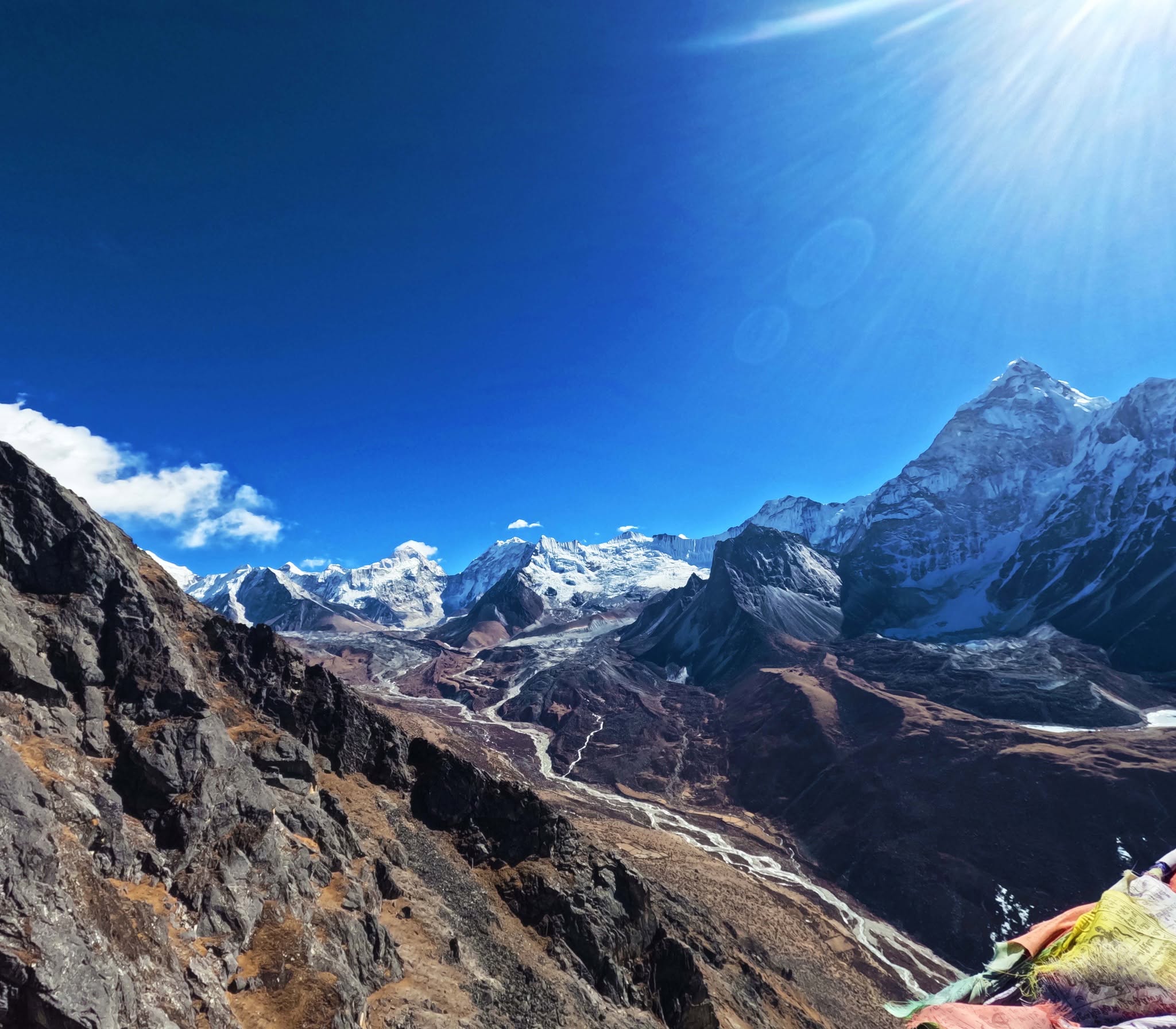
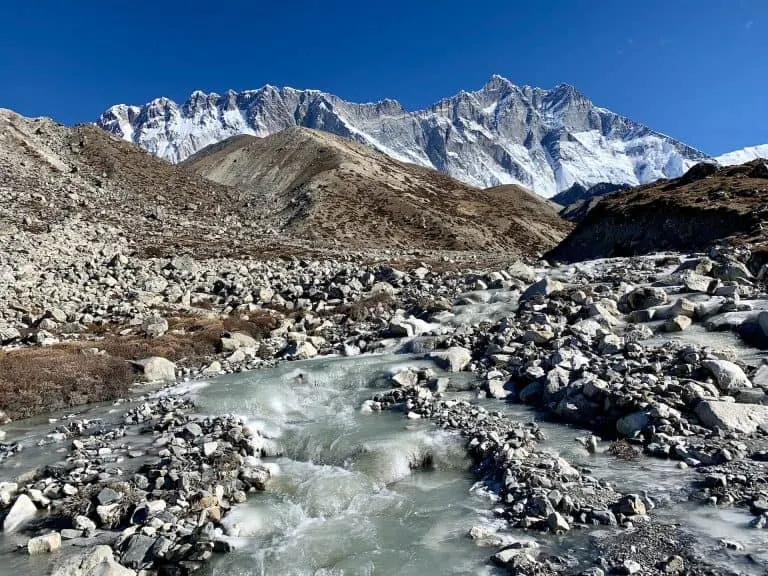
Chhukung is a small settlement further up the Imja valley, where Island Peak climbers start. The walk is much less steep, but it’s not always the easier choice, as it takes several hours.
These walks involve different levels of effort at an altitude where you need to pay attention to how you feel. None guarantees protection from altitude sickness. Choose according to your condition and your guide’s advice. If you get a headache with nausea, dizziness or other worrying symptoms, stop going up and tell your guide. Don’t push higher to finish the hike. If you have symptoms, get advice from your guide and medical staff rather than treating a shorter walk as a safe alternative. See our altitude sickness guide.
Where Is Dingboche?
Dingboche is in the Imja Khola valley, above Pangboche, in Sagarmatha National Park. It’s a day’s walk from Tengboche.
On our Everest Base Camp Trek, you reach Dingboche on Day 6 after a 5 to 6 hour walk from Tengboche, and spend Day 7 here acclimatising. The trek costs from USD 1,160 per person for 2 to 3 people.
A Sample Rest Day
- Early morning: breakfast and start your hike while the skies are usually clearest.
- Late morning: back in Dingboche for lunch.
- Afternoon: rest, a slow walk around the village and plenty of warm drinks.
- Evening: dinner and an early night before the walk to Lobuche.
Food, Rooms and Services
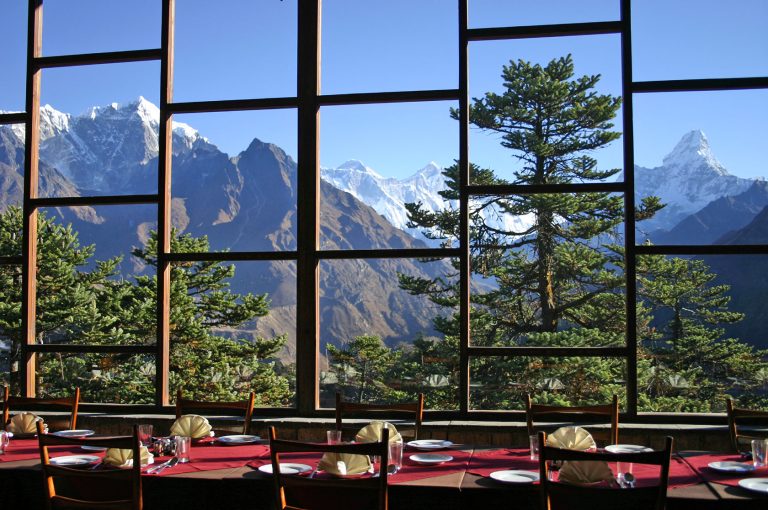
- Rooms: simple twin rooms, with a warm dining room heated by a stove in the evenings. On our treks, we book all your rooms in advance. See our EBC teahouse guide.
- Food: dal bhat, noodles, pasta and potatoes, and a few bakeries serve cakes and coffee. Prices are higher than in Namche. See our EBC food prices guide.
- Money: don’t rely on finding a working ATM beyond Namche. Bring enough Nepali rupees from Kathmandu for personal expenses, snacks, drinks, charging and other extras. See our money guide.
- WiFi and charging: usually available for a small charge, but not always reliable.
- Nights: very cold, often below freezing in autumn and spring. Bring the warm layers and sleeping bag on our EBC packing list, and ask whether your teahouse has extra blankets.
- Medical help: the Himalayan Rescue Association runs an aid post in nearby Pheriche during the main trekking seasons. Check locally for current opening dates.
From Dingboche to Base Camp
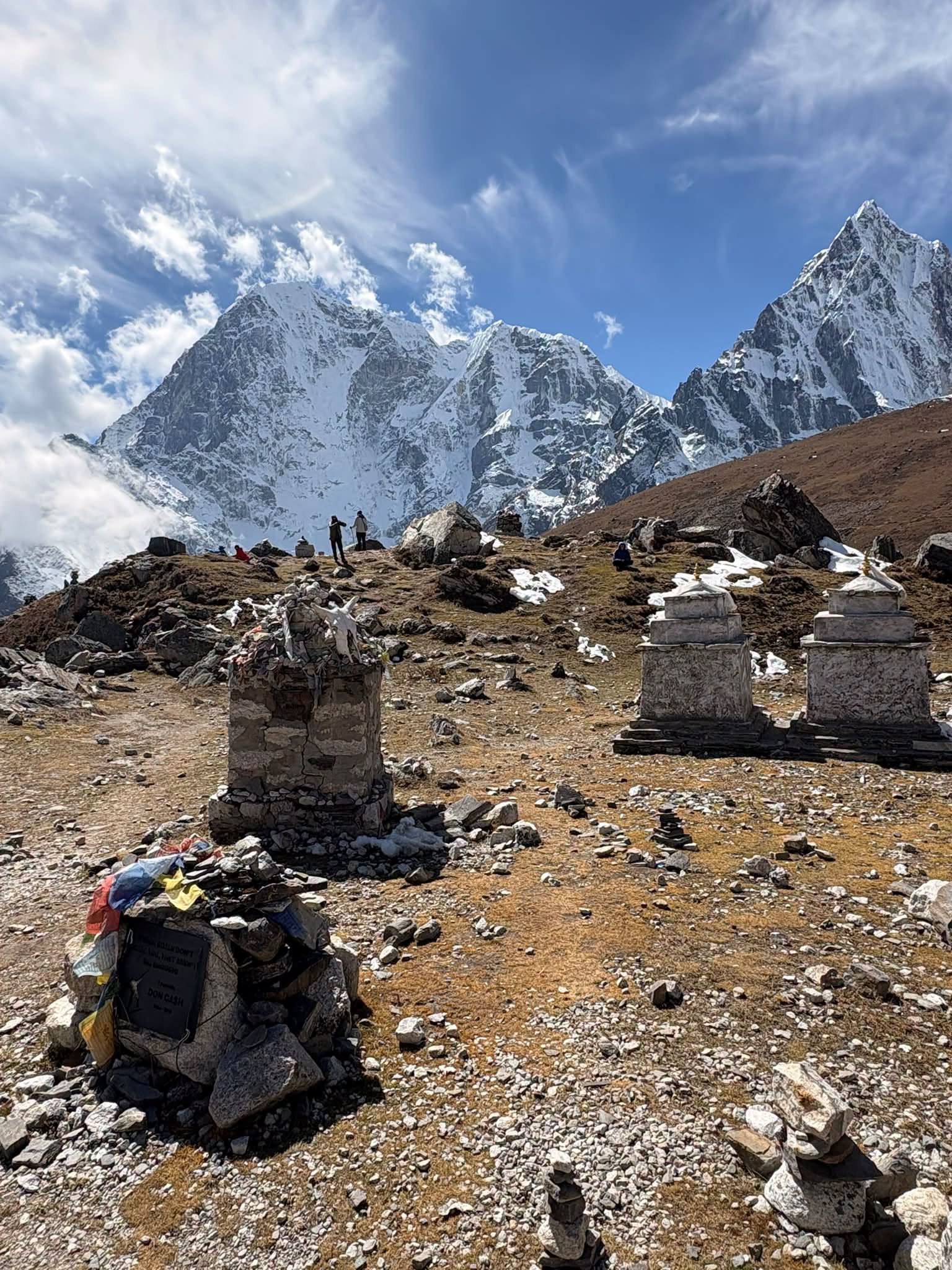
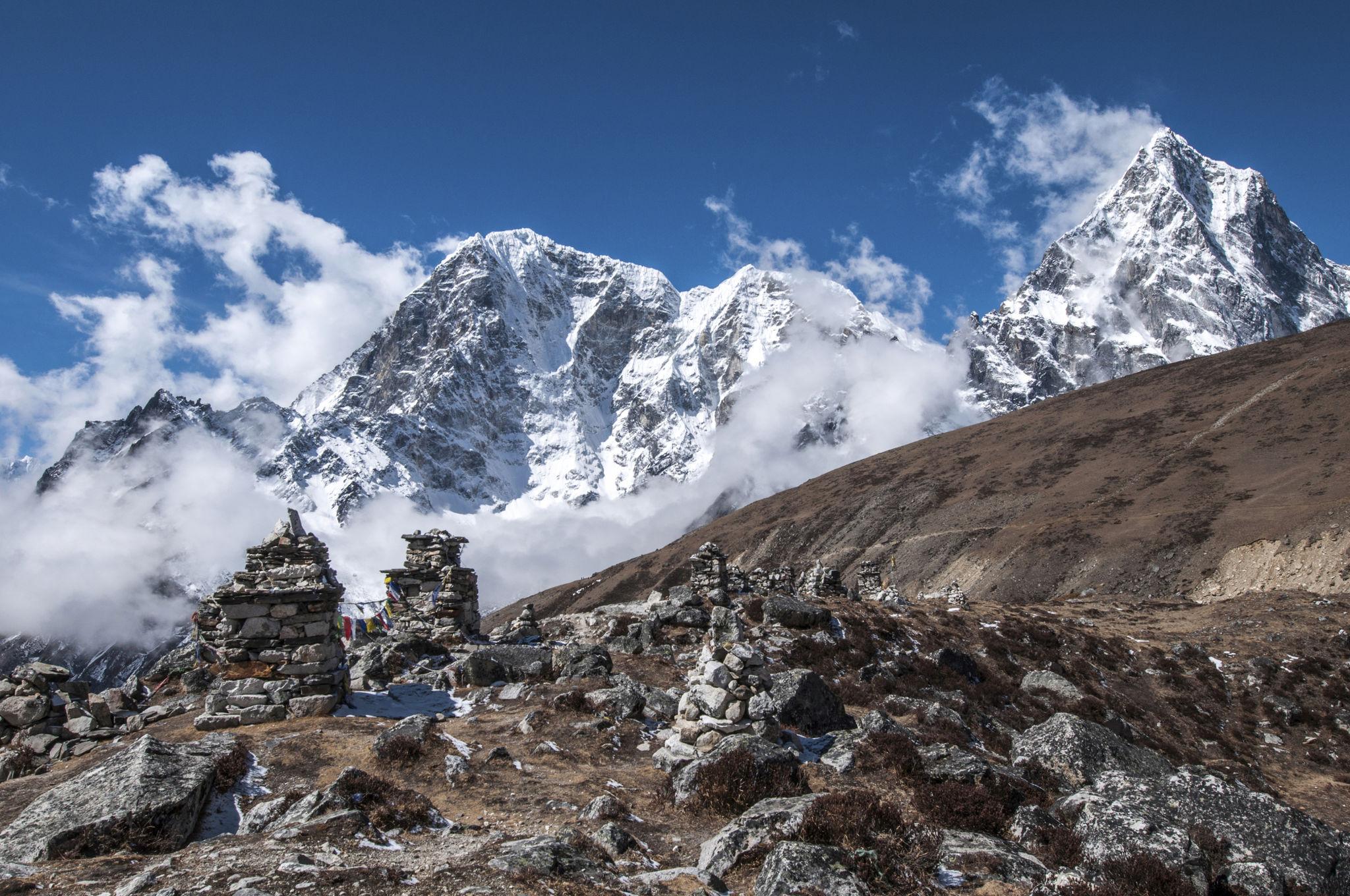
- Day 8: Dingboche to Lobuche (4,940m) via the Thukla Pass memorials, about 5 to 6 hours
- Day 9: Lobuche to Everest Base Camp, then back to Gorak Shep
- Day 10: Kala Patthar at sunrise, then down to Pheriche
See our Kala Patthar guide and our guide to how hard the EBC trek is.
Which Treks Stop in Dingboche?
- Everest Base Camp Trek: 14 days, from USD 1,160 per person for 2 to 3 people, with two nights in Dingboche
- Everest Three Passes Trek: goes from Dingboche up to Chhukung before Kongma La
- Everest Base Camp with Island Peak: heads up to Chhukung and Island Peak Base Camp
Treks in this guide


Frequently Asked Questions
How high is Dingboche?
About 4,410m (14,469ft).
How many nights should I spend in Dingboche?
Two nights, with one acclimatisation day. Our Everest Base Camp itinerary includes this.
Do I need to reach the top of Nangkartshang?
No. Climb only as high as you comfortably can, then come back down to sleep in Dingboche. Turn back if you feel unwell.
Is Dingboche or Pheriche better?
Both are on the EBC route. Dingboche is sunnier, with views of Ama Dablam and Island Peak. Our itinerary goes up via Dingboche and comes back down via Pheriche.
Is there an ATM in Dingboche?
Don’t rely on finding a working ATM beyond Namche. Bring enough cash from Kathmandu.