Mardi Himal Trek Cost: What You Actually Pay
MountainKick’s 10-day Mardi Himal Trek starts at $520 per person for groups of 4 to 9. It’s $615 for 2 to 3 trekkers and $945 for a solo trekker. The package covers permits, a licensed guide, a porter, transport, and hotels in Kathmandu and Pokhara as well as teahouses on the trail.
With food, personal spending, visa and tips, most trekkers should budget around $850 to $1,550 before international flights and insurance. That makes it one of the most affordable multi-day treks in the Annapurna region.
- Duration: 10 days, Kathmandu to Kathmandu
- Max altitude: 4,500m at Mardi Himal Base Camp
- Package: $520 to $945 per person depending on group size
- Typical total: about $850 to $1,550 before flights and insurance
- Permits: ACAP and TIMS, included. No restricted area permit needed.
- Guide: required, included in the package
- Best seasons: March to May and September to November
Last updated: October 2026
Package Price by Group Size
| Group size | Price per person |
|---|---|
| 4 to 9 trekkers | $520 |
| 2 to 3 trekkers | $615 |
| Solo | $945 |
Bigger groups pay less because the guide, porter and transport are shared. Prices can change with departure dates, so check the Mardi Himal Trek page for your dates.
Mardi Himal Trek Cost Breakdown
| Expense | Typical cost |
|---|---|
| MountainKick 10-day package | $520 to $945 |
| Food on the trail (about 6 days) | $150 to $210 |
| Lunch and dinner in Kathmandu and Pokhara | $60 to $100 |
| Personal spending (showers, charging, Wi-Fi, snacks) | $30 to $60 |
| Nepal visa (15 days) | $30 |
| Tips for guide and porter | $60 to $120 |
| Gear rental | $0 to $80 |
| Travel insurance | Depends on your policy |
| Typical total before international flights and insurance | about $850 to $1,550 |
A 15-day visa is enough for the trek itself. If you’re staying longer in Nepal, you’ll need the 30-day visa ($50) or longer.
What’s Included and What’s Not
Included: airport transfers in Kathmandu, 2 nights in a 3-star Kathmandu hotel and 2 nights in a 3-star Pokhara hotel (both twin sharing with breakfast), 5 nights of teahouse accommodation on the trek, the tourist bus between Kathmandu and Pokhara both ways, private transport between Pokhara and Kande, a licensed guide for the full trek, a porter (one per two trekkers, 20kg limit), ACAP and TIMS, an oximeter and first aid kit carried by your guide, a farewell dinner, and a duffel bag to keep.
Not included: international flights, Nepal visa, travel insurance, meals on the trek, lunch and dinner in Kathmandu and Pokhara (except the farewell dinner), personal gear, hot showers, Wi-Fi and charging on the trail, tips and personal expenses.
Mardi Himal Permits
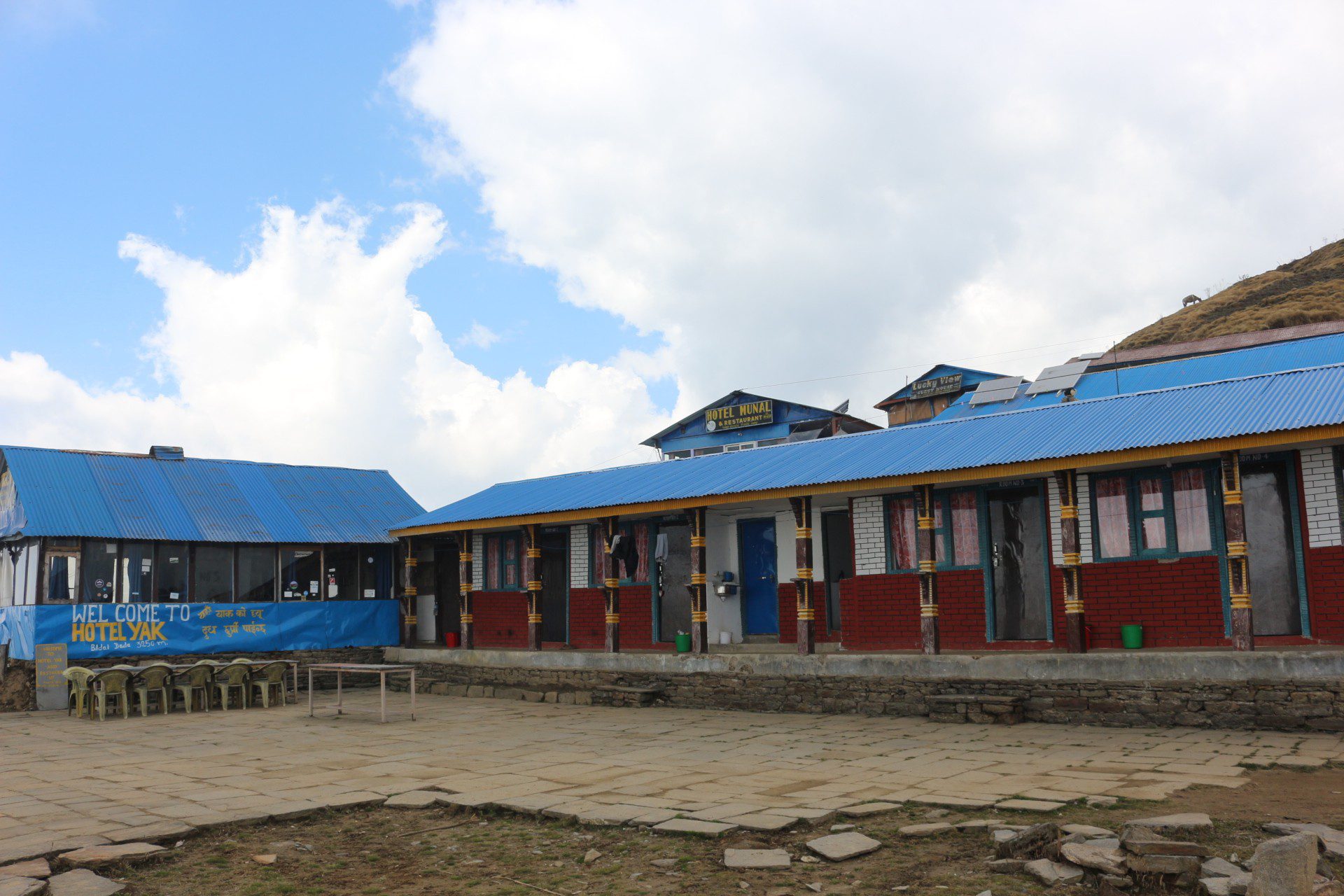
Mardi Himal is inside the Annapurna Conservation Area. Two permits are needed, and both are included in the MountainKick package:
- Annapurna Conservation Area Permit (ACAP): NPR 3,000
- TIMS card: NPR 2,000 for most foreign trekkers
No restricted area permit is needed. A licensed guide is required on this route. Fees can change, so check our Nepal trekking permits guide for the latest.
Food and Personal Spending
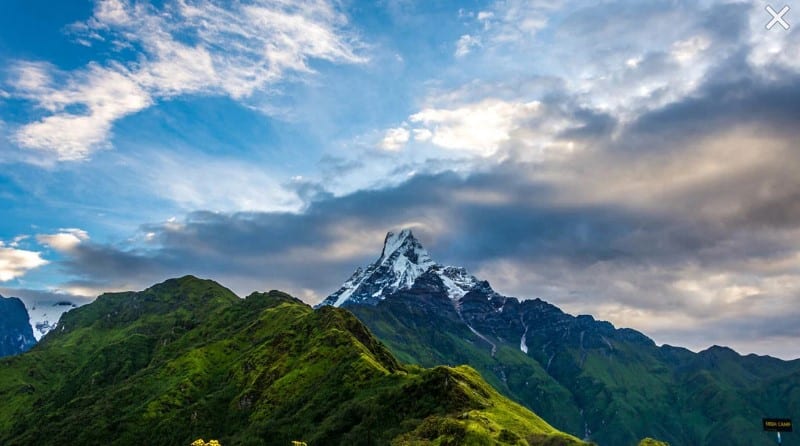
Meals on the trail aren’t included, so you only pay for what you eat. Budget around $25 to $35 a day. Prices go up the higher you climb, and High Camp is the most expensive stop because everything is carried up.
Hot showers, Wi-Fi and charging cost a few dollars each at most teahouses. Over the trek, personal extras usually come to about $30 to $60.
Tips for Your Guide and Porter
Tips aren’t included and are up to you. For the Mardi Himal trek, many trekkers budget around $60 to $120 for the guide and porter combined, depending on group size and service. See our guide to tipping guides and porters in Nepal.
How Much Cash to Bring
There are no reliable ATMs on the trail, so take out your trekking cash in Pokhara before you start. For food and normal personal expenses on the trek, around $200 to $300 in cash is a reasonable starting budget, plus whatever you plan to give as tips. For ATM limits and fees, see our guide to money in Nepal for trekkers.
Travel Insurance
MountainKick requires travel insurance that covers trekking and helicopter evacuation at the maximum altitude on your itinerary. On this trek that’s Mardi Himal Base Camp at 4,500m. See our travel insurance guide.
Why Mardi Himal Costs Less Than EBC or Manaslu
The trek is shorter, reaches a lower altitude, doesn’t need a restricted area permit, and starts from Pokhara. There’s no Lukla flight and no long jeep ride into a remote valley, which keeps both the package price and daily costs lower. For comparison, see our Everest Base Camp and Annapurna Base Camp cost guides.
Frequently Asked Questions
How much does the Mardi Himal Trek cost?
MountainKick’s 10-day trek costs $520 per person for groups of 4 to 9, $615 for 2 to 3 and $945 solo. With food, personal spending, visa and tips, most trekkers should budget about $850 to $1,550 before international flights and insurance.
Do I need a guide for the Mardi Himal Trek?
Yes. A licensed guide is required on this route, and one is included in the package.
What permits do I need?
ACAP and a TIMS card. ACAP is NPR 3,000 and TIMS is NPR 2,000 for most foreign trekkers. No restricted area permit is needed, and both permits are included in the package.
When is the best time to trek Mardi Himal?
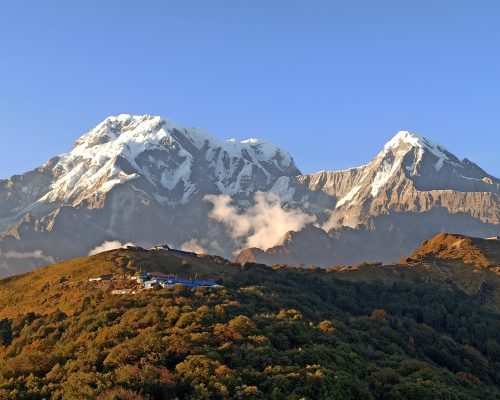
March to May and September to November. Autumn usually gives the clearest mountain views, and spring brings rhododendrons in the forest below High Camp.
How does Mardi Himal compare to other short Annapurna treks?
It’s higher and quieter than Poon Hill, and shorter than Annapurna Base Camp. See our Poon Hill vs Mardi Himal comparison for which suits which kind of trekker.
Planning a Mardi Himal trek?
Tell us your dates and group size and we’ll confirm availability and a realistic quote within a few hours. WhatsApp: +977 985 118 2718.
View the Mardi Himal Trek → Ask us anything →