

Nepal Trek Difficulty Guide — Which Level Is Right for You?
Every MountainKick trip is rated on the same five-level scale, whether you are trekking, biking or climbing. Each level looks at five things: hours on your feet each day, top altitude, terrain, how remote it is and the experience you need.
Not sure which level fits you? Answer 3 quick questions.
- Daily effort
- 2-3 hrs
- Max altitude
- Below 2,500m
- Terrain
- Paved paths, flat trails
- Remoteness
- Urban / accessible
- Experience
- None needed
Ideal for families with young children, seniors, first-time visitors to Nepal, or travellers on a short layover wanting fresh air and scenery without strenuous effort.
- Daily effort
- 3-5 hrs
- Max altitude
- Below 3,500m
- Terrain
- Forest trails, village paths
- Remoteness
- Same-day access to care
- Experience
- Basic fitness
Ideal for casual walkers who want rewarding views without extreme effort. Good for older children and couples. Some prior walking fitness helps.
- Daily effort
- 5-7 hrs
- Max altitude
- Up to 5,000m
- Terrain
- Stone steps, rocky uphills
- Remoteness
- 1-2 hrs from care
- Experience
- Good fitness, some hiking
Ideal for regular walkers with solid fitness wanting a genuine mountain experience. You will feel the thin air but no technical skills are required.
- Daily effort
- 6-8+ hrs
- Max altitude
- High passes above 5,000m
- Terrain
- Rocky trails, glacial moraines
- Remoteness
- Very remote
- Experience
- Prior trek experience
Ideal for fit trekkers who have completed multi-day hikes before. Mental toughness required. Expect basic teahouses, cold nights, and long summit-push days.
- Daily effort
- 8-12 hrs
- Max altitude
- Summits above 6,000m
- Terrain
- Technical - crampons, ice axes
- Remoteness
- Extremely remote
- Experience
- Prior expedition experience
Ideal for seasoned adventurers and aspiring mountaineers in peak physical and mental condition. Prior high-altitude and technical terrain experience is mandatory.
Questions
It applies well to trekking and biking - a Level 3 bike ride and a Level 3 trek demand similar overall fitness, even though the terrain differs. Climbing trips add a technical skill requirement on top of fitness, such as crampon use and fixed-rope ascending, so check the specific trip page for what training or experience is expected. Tours, safaris, and day trips are generally accessible to most fitness levels regardless of their listed level.
Yes. Peaks like Island Peak, Mera Peak, and Yala Peak require skills beyond general fitness, including using crampons, ascending fixed ropes, and basic glacier travel. We recommend prior trekking at altitude at minimum, and some climbs benefit from prior mountaineering training. Check the specific trip page for exact requirements before booking.
Not meaningfully, since altitude and remoteness do not really apply to something like a Chitwan Safari or a Kathmandu city tour. These trips are generally accessible to most fitness levels - check the specific trip page for any physical requirements.
Yes. Most healthy adults who commit to 6-8 weeks of regular cardio and day hikes can complete a Level 3 trek such as Annapurna Base Camp or Langtang Valley. Our guides set the pace and our pre-trip guidance helps you prepare.
Always choose the lower level if you are uncertain. It is far better to feel strong throughout the journey than to struggle. You can always step up on a future trip.
Yes. Above 3,500m, altitude is an independent difficulty factor regardless of hours walked. A 4-hour day at 4,800m can feel harder than a 7-hour day at 2,000m. All our ratings account for both effort and elevation.
Use the All Level trips link on any level above to see every trip at that difficulty. You can also use the Difficulty filter on the main Trip Search page.
Tales from the Himalayas
 Travel
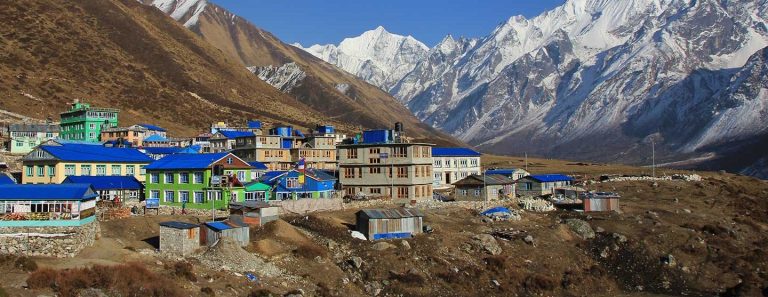
 Best Time to Trek Langtang Valley: Month by Month
Langtang is close to Kathmandu and good for much of the year, but the season changes everything from the views…
 Annapurna Region
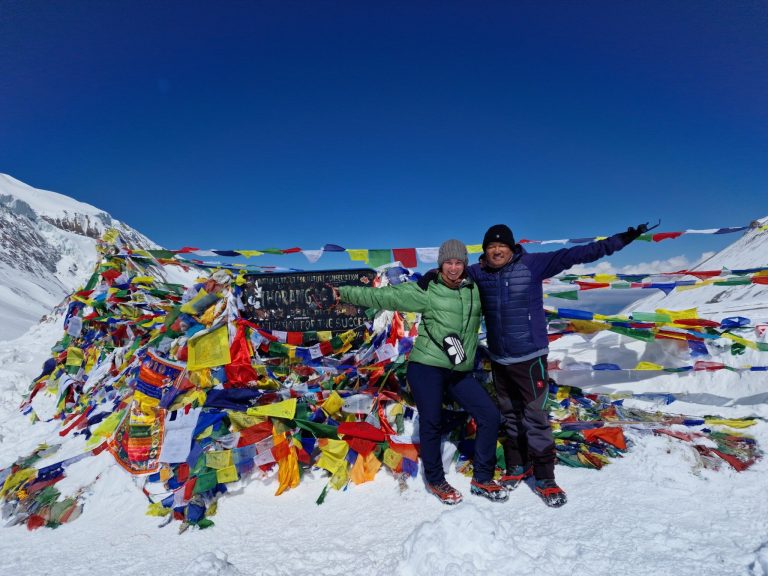
 Thorong La Pass: A Guide to the Big Day on the Annapurna Circuit
Thorong La at 5,416m is the highest point of the Annapurna Circuit. Here’s what crossing day is really like, from…
 Everest Region
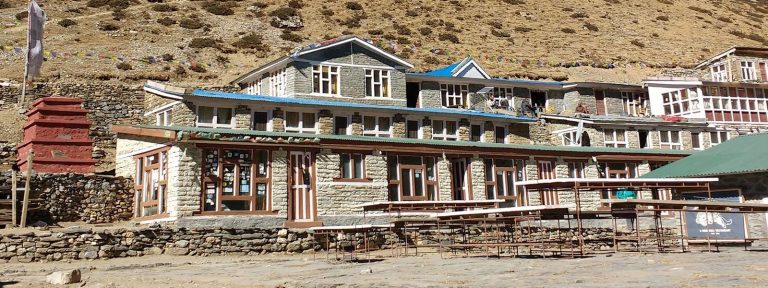
 Annapurna Circuit Teahouses: What the Rooms Are Really Like
Teahouses on the Annapurna Circuit range from comfortable lodges in Manang to bare rooms at Thorong Phedi. Here’s what to…