
Everest Base Camp Trek with Helicopter Return
●●●●● 4.9 · 60+ TripAdvisor reviewsWalk all the way up to Everest Base Camp, then fly out over the Khumbu instead of retracing your steps
On The Trail
What It Really Looks Like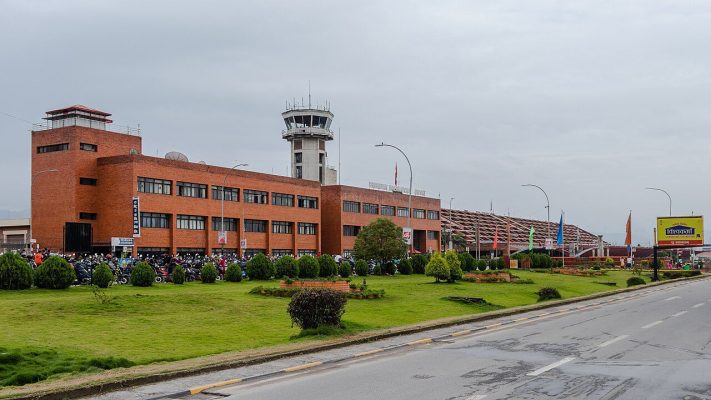
Everest Base Camp Trek with Helicopter Return: What to Expect
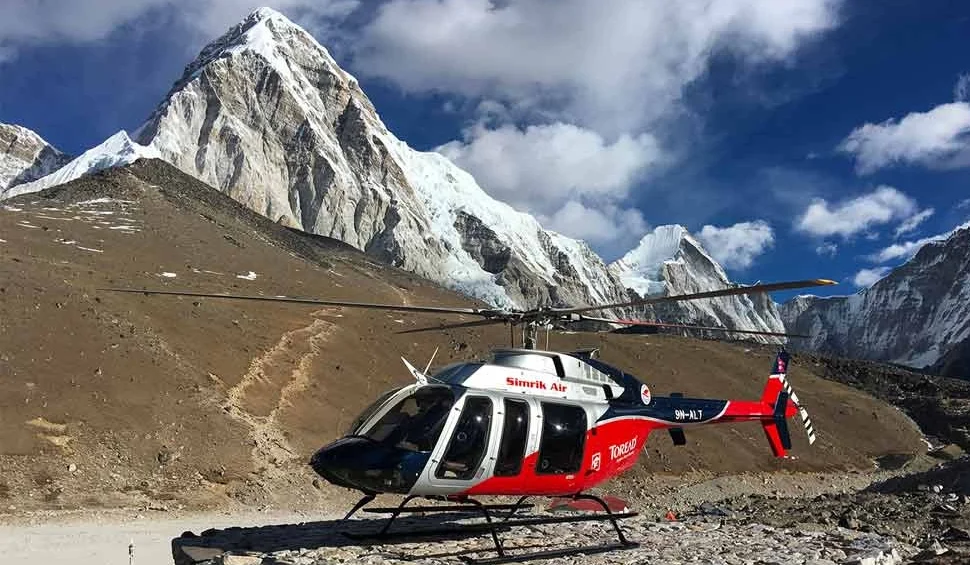
Gorak Shep to Lukla by helicopter, past Ama Dablam and Tengboche
Stand below the Icefall, then watch sunrise on Everest from 5,545m
The full climb up, without the three-day walk back down
Your guide and porters walk back and are paid for every day
Everest Base Camp trek with helicopter return
Most of the Everest Base Camp trek is the walk up. The last three days are the same trail back down to Lukla, often tired and in dust. This trip keeps everything that matters and cuts the part most people don’t need.
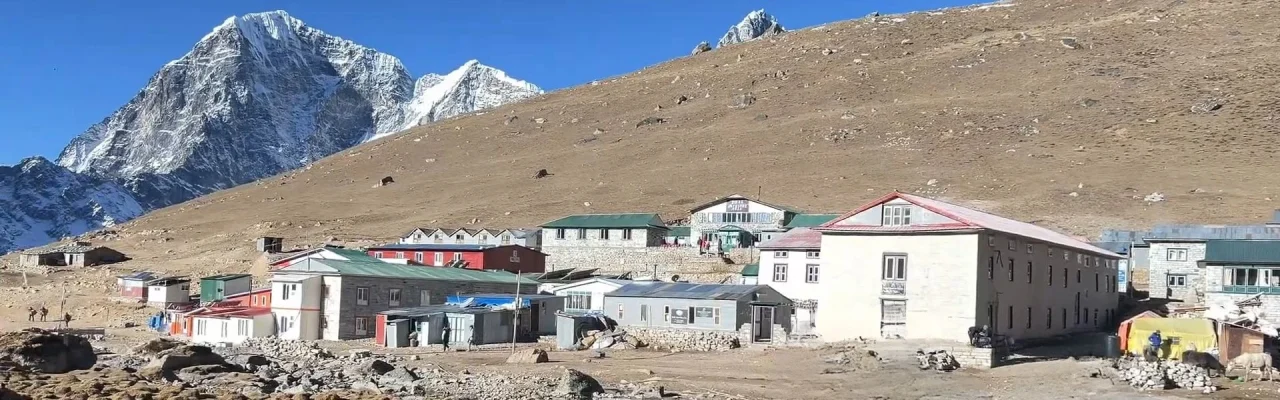
You walk the full route from Lukla to Everest Base Camp over eight days, with acclimatisation days in Namche Bazaar and Dingboche. There’s no rushing the altitude. After sunrise on Kala Patthar, you fly from Gorak Shep to Lukla by helicopter, down the Khumbu valley past Ama Dablam and Tengboche. The next morning you fly on to Kathmandu.
It suits trekkers who are short on time, who want a gentler finish on their knees, or who just want to see the Khumbu from the air.
How the helicopter works
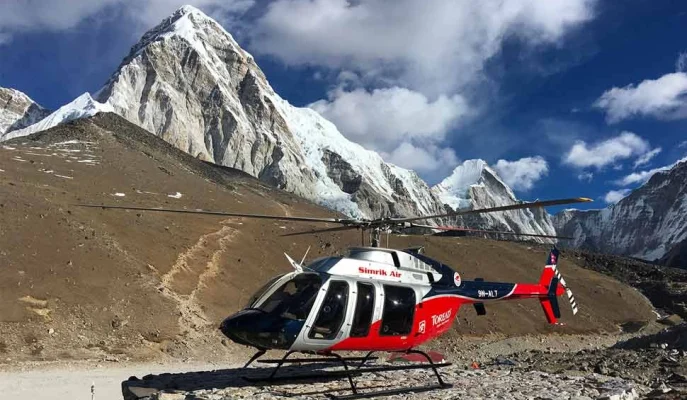
You fly on a shared helicopter, which takes up to 4 people depending on weight, so bigger groups fly in turns. Your duffel flies with you, with the same baggage limit as the Lukla flight. Your guide and porters walk back down, and we pay them for every day. If you’d rather fly straight to Kathmandu, or have a private helicopter with your guide on board, we can arrange it.
If the weather is bad
Helicopters can’t fly in cloud or strong wind. If yours is cancelled, the helicopter cost is refunded, and you choose whether to wait for the next day or walk down to Lukla.
Want the classic version with the walk back down? See our 14-day Everest Base Camp Trek.
Day-by-Day Itinerary
Arrival in Kathmandu
We meet you at the airport and drive you to your hotel in Thamel. In the evening your guide sits down with you to go through the plan, check your gear and talk about the helicopter day. Ask anything now. Leave spare luggage at the hotel, as you’ll pick it up when you’re back.

Fly to Lukla and Walk to Phakding
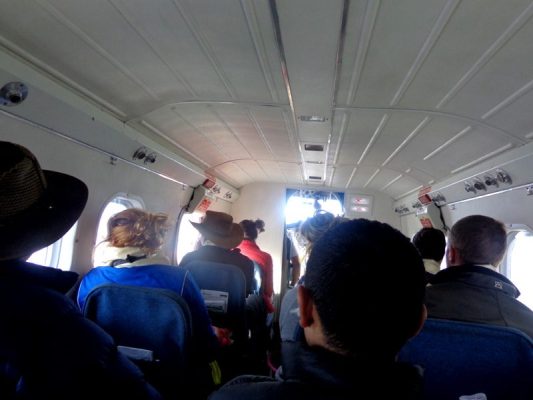
An early flight lands you on Lukla’s short hillside runway. After tea, you meet your porters and set off downhill beside the Dudh Koshi to Phakding. It’s an easy afternoon on purpose. In peak season, flights leave from Ramechhap, so you start with a drive of 4 to 5 hours from Kathmandu.
Climb to Namche Bazaar
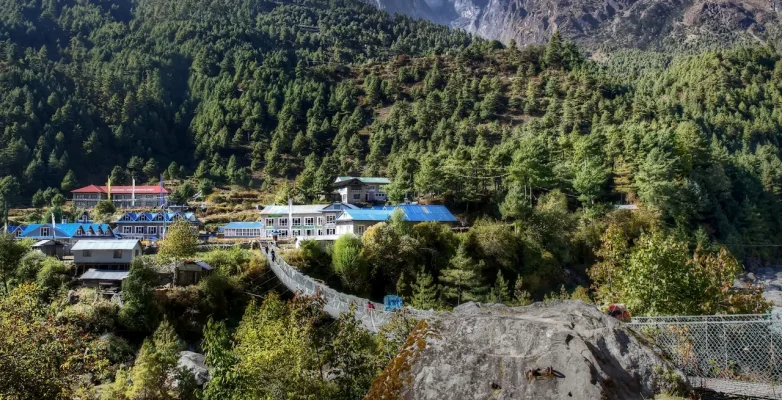
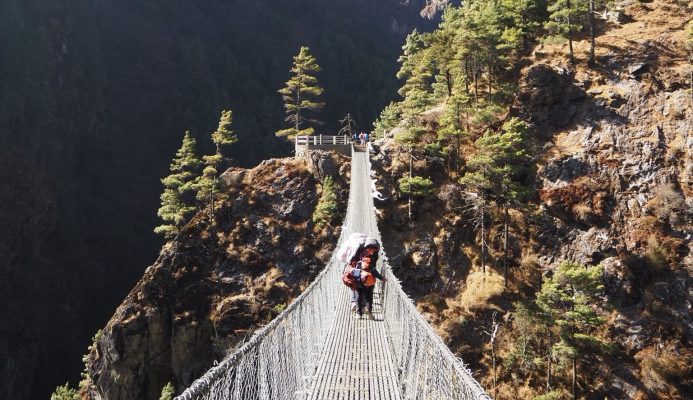
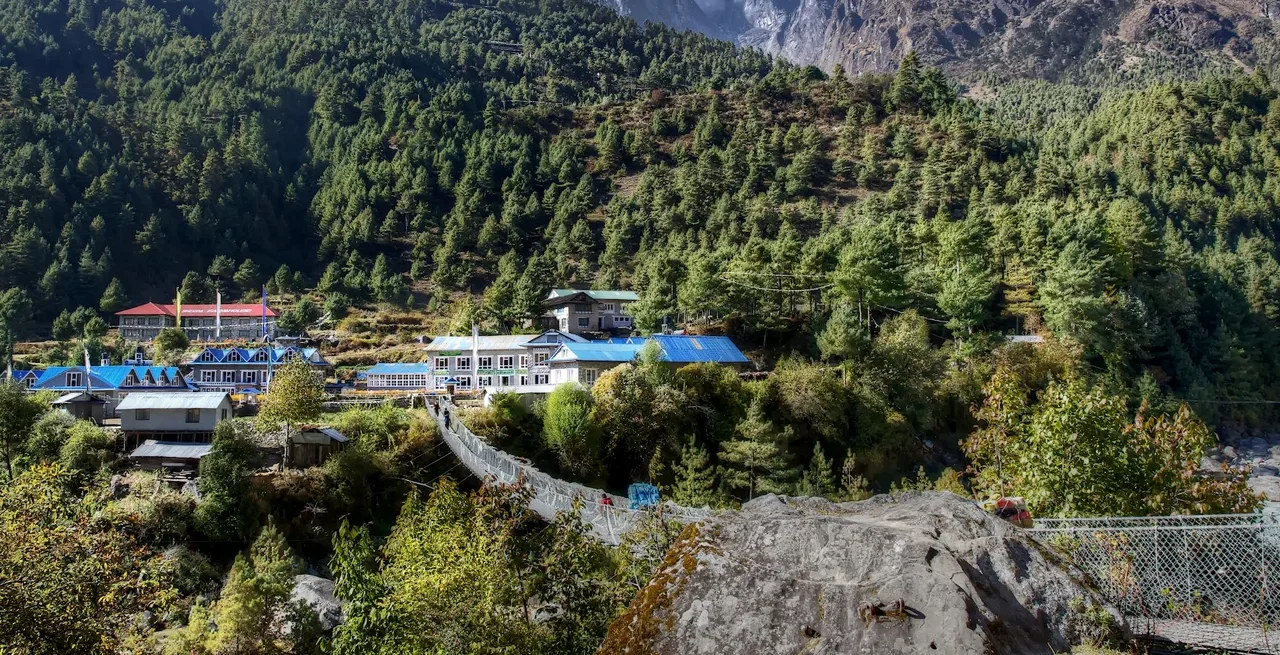
You cross the river on long suspension bridges and enter Sagarmatha National Park at Monjo. After the Hillary Bridge, the trail climbs steeply for about two hours. Take it slowly. If the sky is clear, you get your first look at Everest on the way up. Namche sits in a horseshoe of houses at the top.

Acclimatisation Day in Namche
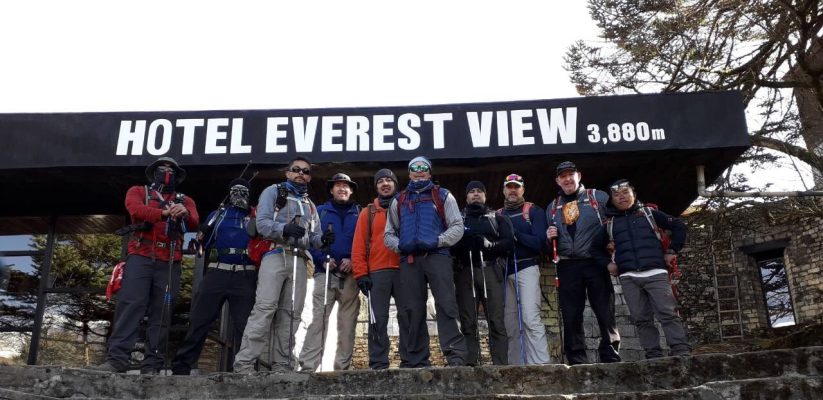
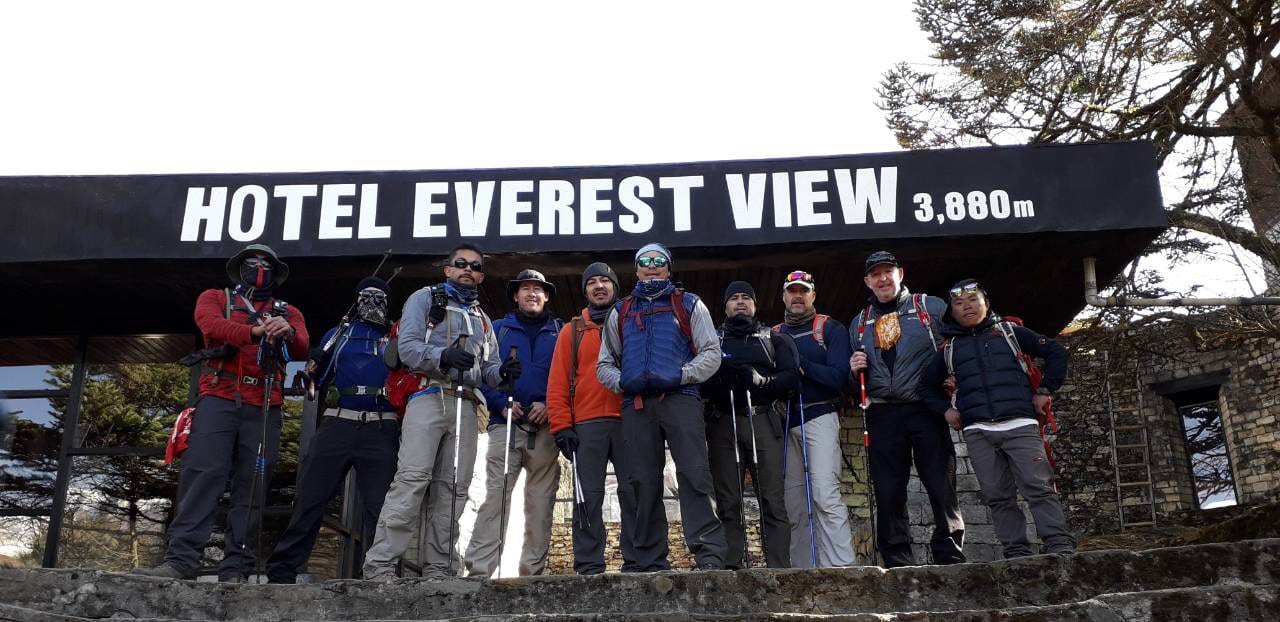
A rest day with a short climb. You walk up to Hotel Everest View at 3,880m for tea on the terrace with Everest, Lhotse and Ama Dablam in front of you. Then you come back down to sleep in Namche. The afternoon is free for the bakeries, the Saturday market or the Sherpa museum.
Walk to Tengboche Monastery
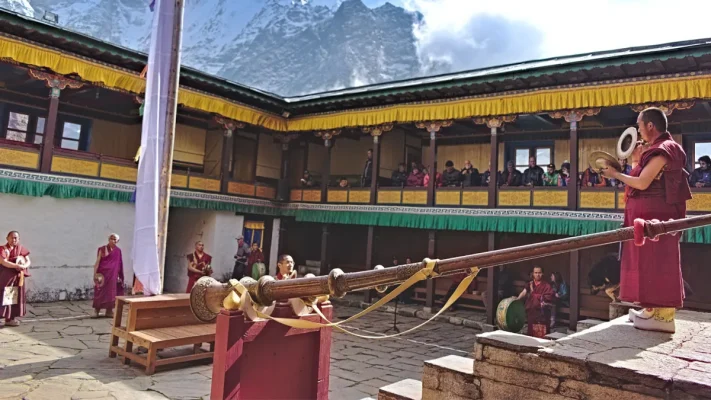
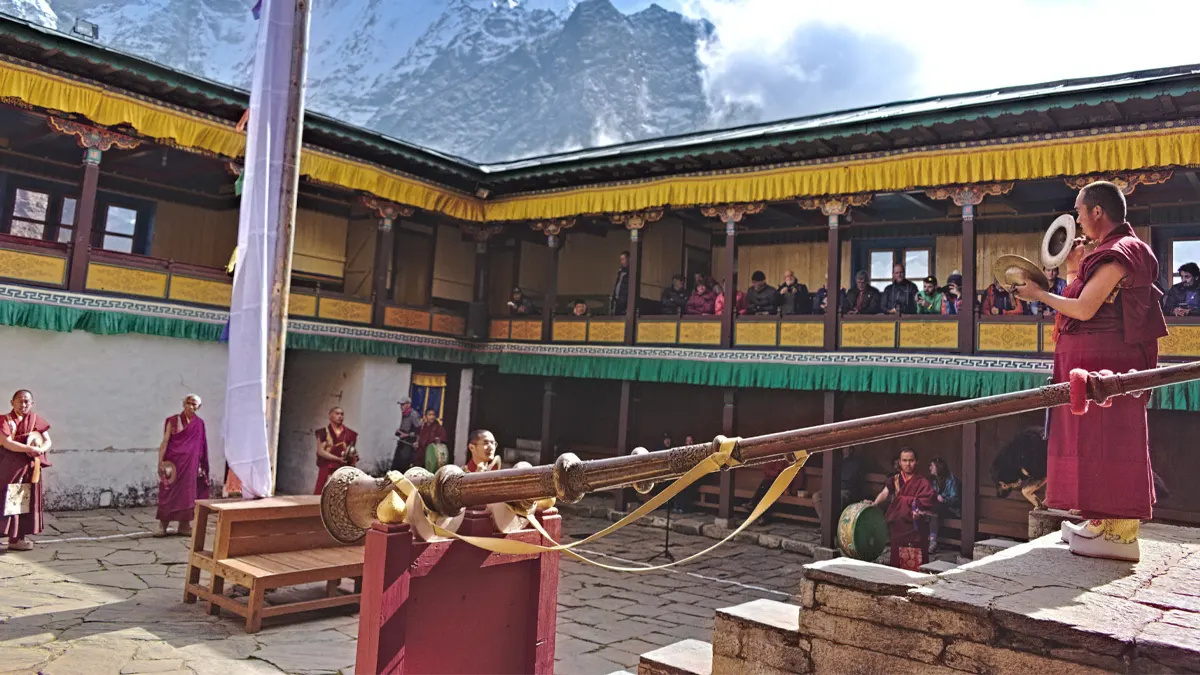
A balcony trail with big views leads down to the river at Phunki Tenga. Then a steady two-hour climb through rhododendron forest brings you to Tengboche, the Khumbu’s largest monastery. Arrive in time for afternoon prayers, and look back for Ama Dablam and Everest at sunset.
Up the Imja Valley to Dingboche
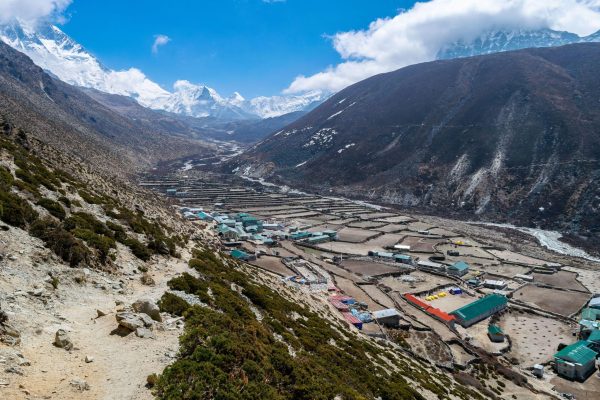
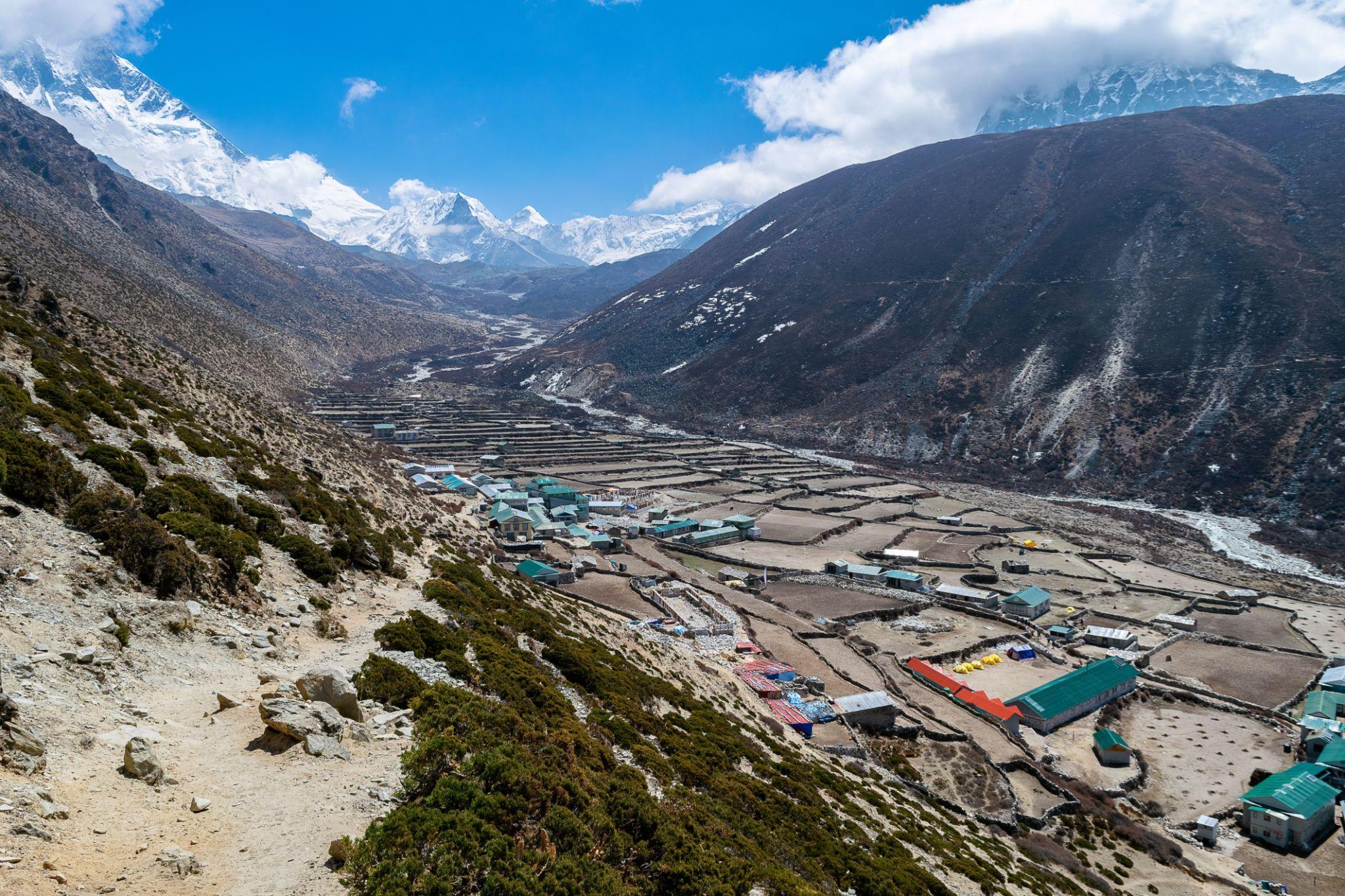
You drop through the forest, cross the Imja Khola and climb to Pangboche, a good lunch stop with an old monastery above the village. The trees thin out and the valley opens up. Dingboche sits among stone-walled potato fields, with Ama Dablam towering over it. You’ll feel the thinner air tonight.
Acclimatisation Day in Dingboche
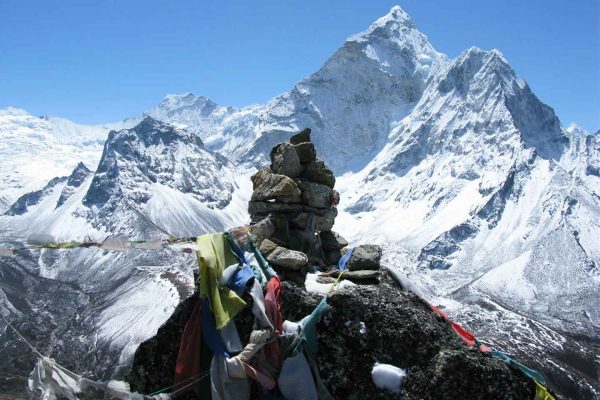
A steep morning walk up the Nangkartshang ridge behind the village, going only as high as you feel good. On a clear day you can see Makalu, Lhotse, Island Peak and Ama Dablam. You’re back down by lunch, with a quiet afternoon to rest before the last push to the high camps.
Past the Thukla Memorials to Lobuche
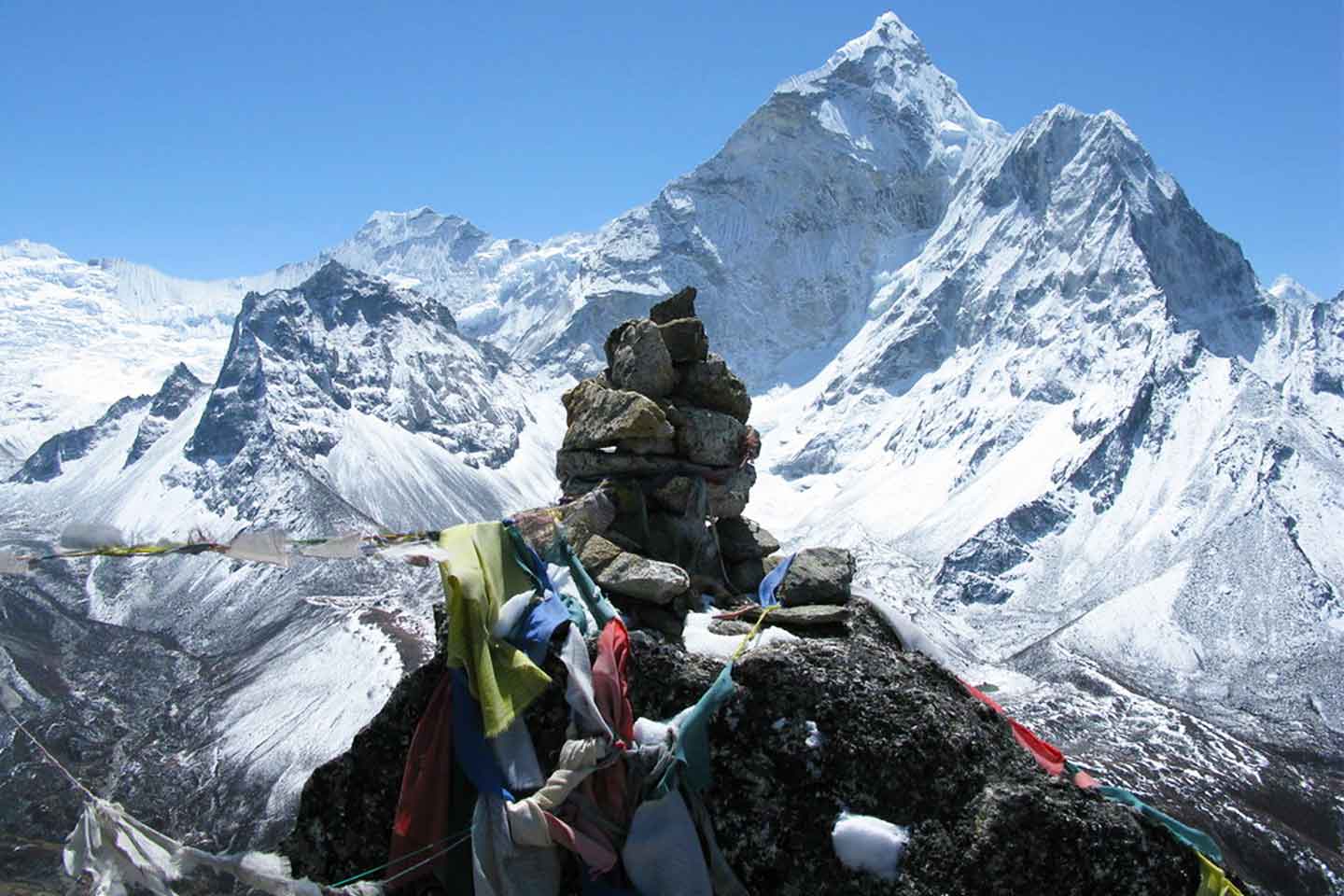
A gentle walk across open pasture to Thukla for lunch. Then you face a steep climb to the Thukla Pass at 4,830m, where stone memorials remember climbers lost on Everest. Beyond, the path runs beside the Khumbu Glacier to Lobuche, a cold, small cluster of lodges below Nuptse.

Everest Base Camp
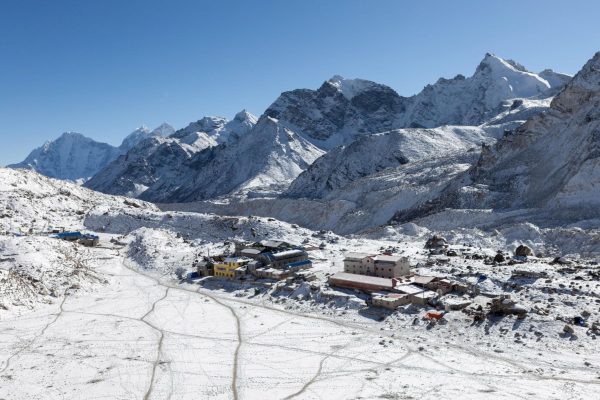
Start early for Gorak Shep, drop your bags and have lunch. In the afternoon you walk across the rocky glacier moraine to Everest Base Camp, marked by prayer flags below the Khumbu Icefall. Take your time there. Walk back to Gorak Shep for an early night, as tomorrow starts before dawn.
Kala Patthar Sunrise and Helicopter to Lukla
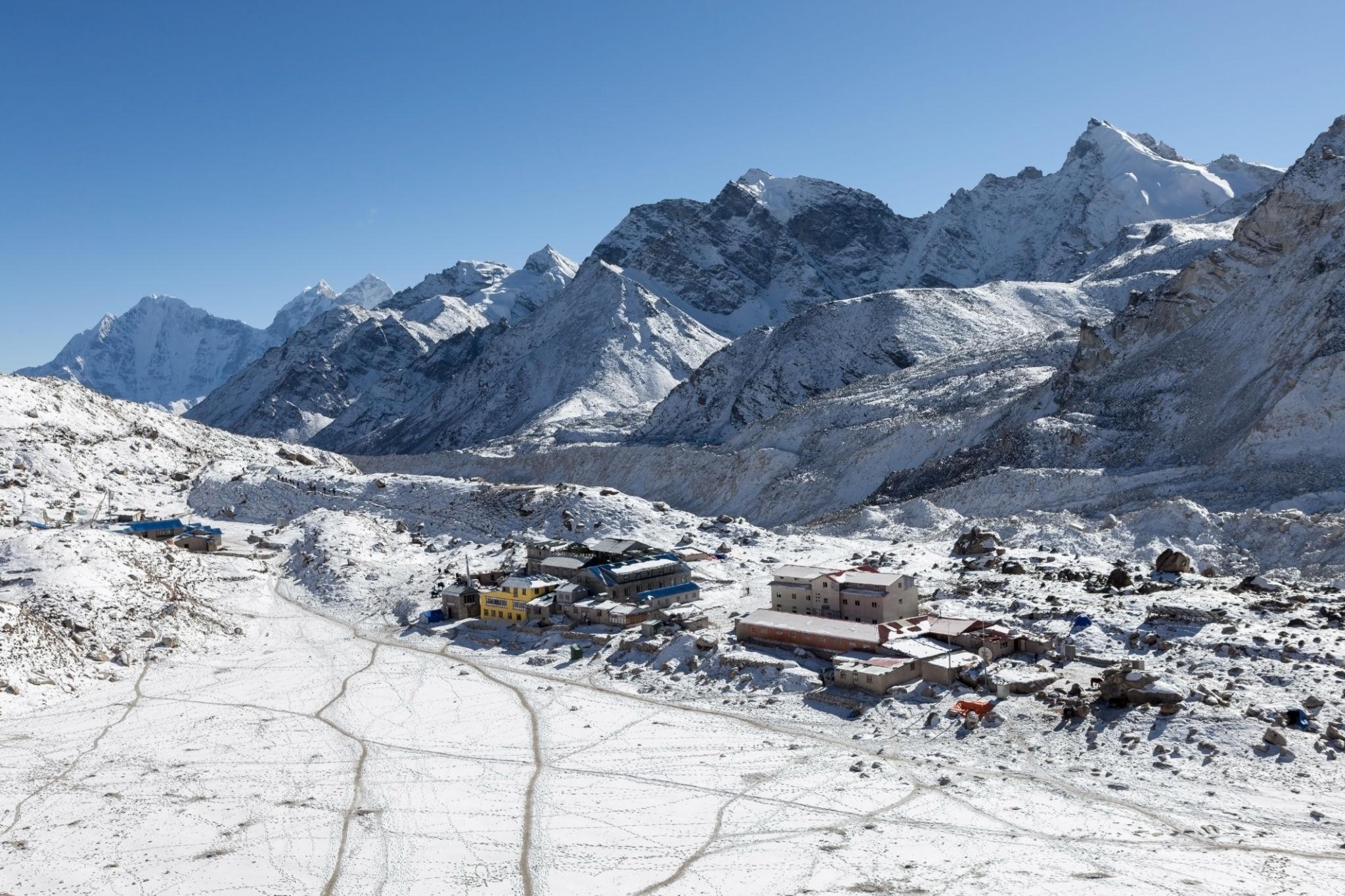
A dark, cold climb to Kala Patthar to watch the sun reach Everest’s summit first. Back at Gorak Shep for breakfast, then your helicopter lifts off down the Khumbu valley, past Ama Dablam and Tengboche. Twenty minutes later you’re in Lukla. Your duffel flies with you. Your crew walks down and is paid for every day.
Fly Back to Kathmandu
A morning flight out of Lukla, weather permitting. In peak season it lands at Ramechhap and you drive the rest of the way. Otherwise you fly straight to Kathmandu. Back at the hotel, enjoy a long shower, then join your guide in the evening for a farewell dinner.

Final Departure
Breakfast at the hotel and a transfer to Tribhuvan International Airport in time for your flight. Pick up any luggage you left with us. If your flight is late in the day, Thamel is an easy place for a last walk or some shopping.
3D Route Map
Includes & Excludes
-
Airport transfers Arrival and departure, Kathmandu
-
Hotel Vistara or similar class 2 nights, twin-sharing, breakfast included
-
Teahouse accommodation on trek Twin-sharing throughout, 9 nights including Lukla
-
Licensed local guide NTB-certified, English speaking, full trek
-
Porter service 1 porter per 2 trekkers, up to 20kg load limit
-
Shared helicopter, Gorak Shep to Lukla Up to 4 per flight depending on weight, duffel flies with you
-
Kathmandu to Lukla flight Via Ramechhap in peak season
-
Lukla to Kathmandu flight Day 11, via Ramechhap in peak season
-
Sagarmatha National Park permit Required for all EBC trekkers
-
Khumbu Pasang Lhamu permit Rural municipality entrance fee
-
TIMS card Trekkers Information Management System
-
Guide and porter wages and insurance Paid for every day, including their walk back down
-
Oximeter and first aid kit Carried by guide throughout the trek
-
Duffel bag Yours to keep as a souvenir
-
All ground transport Private vehicle, Kathmandu transfers and Ramechhap drive
-
Farewell dinner Kathmandu, with your guide
-
International flights To and from Kathmandu
-
Nepal visa fee On arrival at Tribhuvan Airport. 15 days $30, 30 days $50, 90 days $125
-
Travel insurance Compulsory. Must cover trekking to 5,545m and helicopter evacuation up to at least 6,000m
-
All meals on trek Available at teahouses along the route
-
Extra baggage Over the flight limit of about 10kg duffel plus 5kg daypack
-
Guide and porter tips Customary and appreciated. Roughly 10 to 15% of trip cost
-
Hot showers and wifi Small charge at teahouses, $2 to $5 each
-
Alcohol and personal drinks
-
Extra nights from weather delays Hotel and meals if weather holds the helicopter or the Lukla flight
-
Lukla flight change fee About 10 to 15% of the fare if a helicopter delay means moving your flight
-
Helicopter rescue Paid by your travel insurer, or by you if your policy doesn’t cover it
-
Personal expenses Laundry, calls, souvenirs, snacks
Enhance Your Trek
We Handle the Details
FreeWhere You'll Sleep & What You'll Eat
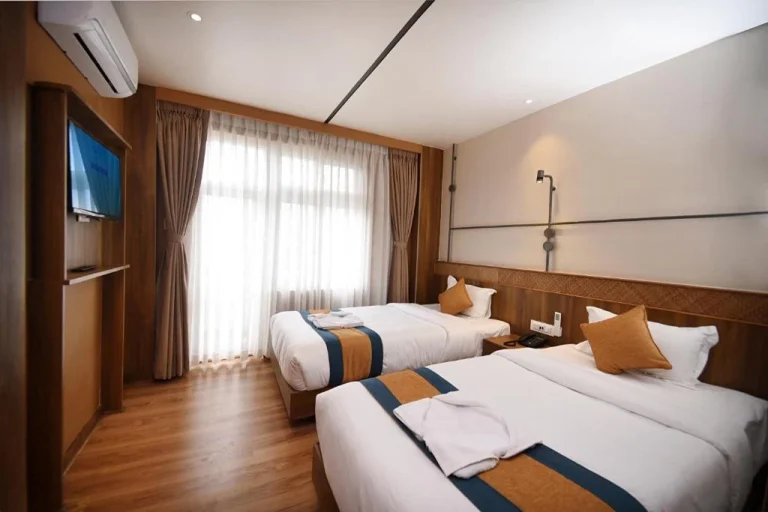

You stay in twin rooms the whole way. That’s a hotel in Kathmandu at the start and end, family-run teahouses on the trail, and a guesthouse in Lukla on the night you fly down.
- Kathmandu: tourist-class hotel, private bathroom, hot shower, breakfast included
- Trail: twin-sharing teahouses, mostly shared bathrooms
- Lukla: guesthouse near the airport, ready for the morning flight
- Rooms are comfortable lower down and simpler above 4,500m
- Single rooms are available in Kathmandu and on most of the trail, for an extra charge
 A typical Dal Bhat set
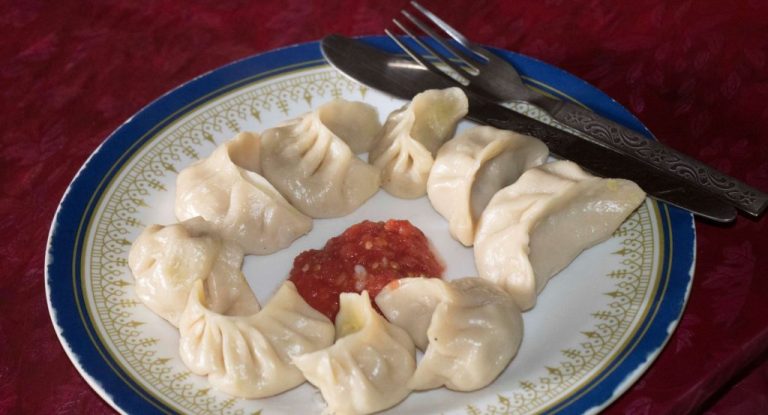
Trail meals are pay as you go, so you only pay for what you eat. Your appetite changes a lot with altitude. Teahouses serve dal bhat, garlic soup, noodles, eggs, potatoes and hot drinks. We suggest skipping meat above Namche, as it’s carried up for days. Breakfast is included in Kathmandu, and there’s a farewell dinner on your last night. Bring purification tablets or a filter for water.
| Meals on trail | $25 to $40 a day |
| Hot shower and charging | $2 to $5 each |
| Bottled water | $1 to $3, more higher up |
| Wifi (where available) | $3 to $5 a day |
What Our Trekkers Say
“Amazing Everest Base Camp Trek with MountainKick”
Trekking to Everest Base Camp with MountainKick was one of the best decisions I made this year. Everything about the trip was well organized from day one, and the whole journey felt smooth rather than stressful. Kumar guided us, and his experience really showed on the tougher days, he was…
“Unforgettable Everest Base Camp Experience”
From start to finish, our Everest Base Camp trek with MountainKick felt genuinely well looked after. Kumar led our group and struck a great balance, friendly and easy to talk to, but also clearly experienced in the mountains, which mattered a lot on the higher days. He'd stop and explain…
“Fantastic Everest Base Camp Trek”
We booked our Everest Base Camp trek through MountainKick and came away really impressed. Jeevan was our guide, easygoing, sharp, and clearly on top of the logistics the whole way. He kept things comfortable for us even on the harder stretches. Getting to Base Camp itself was a genuinely unforgettable…
“Great Everest Base Camp Trek”
Our group trek to Everest Base Camp with MountainKick went better than we expected. Balram kept everyone together and on pace, which isn't easy with a bigger group, and he was helpful and approachable the entire time. The whole thing was tightly organized and the trek itself was an experience…
“An Unforgettable Everest Base Camp Experience”
I put together this Everest Base Camp trek for a college group, and MountainKick made the organizing side far easier than I expected. Kumar guided us and was patient with a mixed-ability group, keeping everyone motivated when the altitude started to bite. Watching the whole group reach Base Camp together…
Frequently Asked Questions
How long is the Everest Base Camp trek with helicopter return?
12 days from Kathmandu to Kathmandu. You trek for 9 days up to Everest Base Camp and Kala Patthar, fly by helicopter from Gorak Shep to Lukla on Day 10, then fly to Kathmandu on Day 11. That’s two days shorter than our 14-day trek, which walks back down.
How much does the EBC helicopter return trek cost?
See the price table above. It covers the full trek, the shared helicopter seat from Gorak Shep to Lukla, your flights, permits, guide, porters and accommodation. Trail meals, tips and travel insurance are extra. The more of you there are, the less you pay each.
Is it safe to fly back after reaching Base Camp?
Yes. You walk up slowly, with acclimatisation days in Namche and Dingboche, exactly like our standard trek. The helicopter only takes you down, which is the direction your body wants to go. Flying up to altitude is what’s risky, and you don’t do that.
Where does the helicopter pick you up?
At the helipad in Gorak Shep (5,164m), after your sunrise climb of Kala Patthar. It flies down the Khumbu valley to Lukla in about 15 to 20 minutes.
Is the helicopter shared or private?
Shared. The helicopter takes up to 4 people depending on total weight, so bigger groups fly in turns. A private helicopter for your group, with your guide on board, is available on request.
What happens if the weather is bad?
Helicopters can’t fly in cloud or strong wind. If yours is cancelled, the helicopter cost is refunded and you choose what to do. You can wait for a flight the next day, or walk down to Lukla in about 3 days. Extra nights and meals are paid by you. If a delay means moving your Lukla flight, the airline charges about 10 to 15% of the fare.
How much luggage can I take on the helicopter?
The same as the Lukla flight: about 10kg in your duffel and 5kg in your daypack. Your duffel flies with you, so you have all your things in Lukla and Kathmandu. Helicopters are weighed before take-off, so please keep to the limit.
Does my guide fly with me?
On a shared helicopter, your guide and porters walk back down to Lukla. We pay them for every day of the walk. On a private helicopter, your guide can fly with you.
Can I fly straight to Kathmandu instead of Lukla?
Yes, as an upgrade. You skip the night in Lukla and the Lukla flight, and get an extra free day in Kathmandu. Ask us for the price for your dates.
Is the helicopter return worth it?
It’s worth it if you’re short on time, have sore knees, or want to see the Khumbu from the air. The walk down retraces the same trail you walked up. If you’d rather walk the whole way, our 14-day Everest Base Camp Trek is the better choice.
What travel insurance do I need?
Your policy must cover trekking to 5,545m and emergency helicopter evacuation up to at least 6,000m. The helicopter in this trip is a planned flight, not a rescue, so it’s included in the price, not claimed on insurance. See our travel insurance guide.
What is the best time for this trek?
March to May and late September to November. Mornings are usually clearest, so helicopters fly early. In winter the weather is often clear but very cold. In the monsoon, cloud often stops flights, so we don’t recommend it. See best time for Everest Base Camp.
Can I do this trip on my own?
Yes. Solo trekkers fly on a shared seat with other trekkers. If you’d like a date where others are booked, check our fixed departures or ask us.
Departure Dates & Pricing
No upcoming fixed departures are scheduled at the moment. Contact us to arrange a private departure on dates that suit you.
Your dates, your group, your way
Same route and guides, just your group. Tell us when you'd like to go and how many of you there are, and we'll send you a day by day plan with a price.
- Nothing to pay now
- Plan and price by email
- Confirm with a 20% deposit
Rather chat? Message us on WhatsApp
-
1
20% deposit: due on booking Secures your place on the departure. The deposit is non-refundable. We also need a copy of your passport.
-
2
80% balance: due on arrival Pay the rest in Kathmandu before the trip starts. Bank transfer, cash, or card (4% card fee).
| Cancel before you arrive | Deposit not refunded, nothing more to pay |
| Cancel after the pre-trip meeting | No refund |
| Date or name change | USD 200 per person |
| MountainKick cancels trip | Full refund or reschedule |
Weather delays and extra days cost extra, so travel insurance is required. We give you documents for any claim.
Read the full terms and conditionsPacking List
Footwear
ⓘ Do not bring new boots. Break them in on at least 3 to 4 long walks before you fly.
Clothing and Layers
ⓘ The layering system is everything on this trek. Temperature swings 20 degrees between midday and evening above 4,000m.
Head, Hands and Neck
Gear and Equipment
ⓘ Your porter carries the duffel on the way up. On helicopter day it flies with you, and bags are weighed before take-off, so keep the duffel to 10kg and your daypack under 5kg.
Health and Hydration
ⓘ Talk to your doctor about Diamox before you leave. It is available in Kathmandu but better discussed beforehand. We do not provide or recommend it ourselves.
Toiletries
ⓘ Laundry tip: Laundry services are limited on the trek, but you can hand-wash quick-dry clothes during acclimatization days.
Documents and Money
ⓘ No ATMs exist past Namche. Carry all cash from Kathmandu in small denominations.
Trekking in Winter (Dec to Feb)
Leave at home
-
Jeans Heavy, zero insulation when wet, takes days to dry
-
Cotton clothing Absorbs sweat, stays wet, causes chills at altitude
-
Full-size towel Heavy and bulky. Microfiber only.
-
Laptop No need and you will regret the weight
-
Excessive toiletries Wet wipes are your friend above 4,000m
-
Valuables / jewellery Unnecessary risk. Leave at the hotel in Kathmandu.
Rent a sleeping bag and down jacket through us in Kathmandu. Trekking poles are lent free, so just ask. At the briefing we point you to trusted shops for anything else. Every trekker gets a duffel bag to keep.
Everest Base Camp Trek with Helicopter Return
Talk to Kumar and the team before you commit. Ask about gear, fitness, altitude or a private group.


Tales from the Himalayas
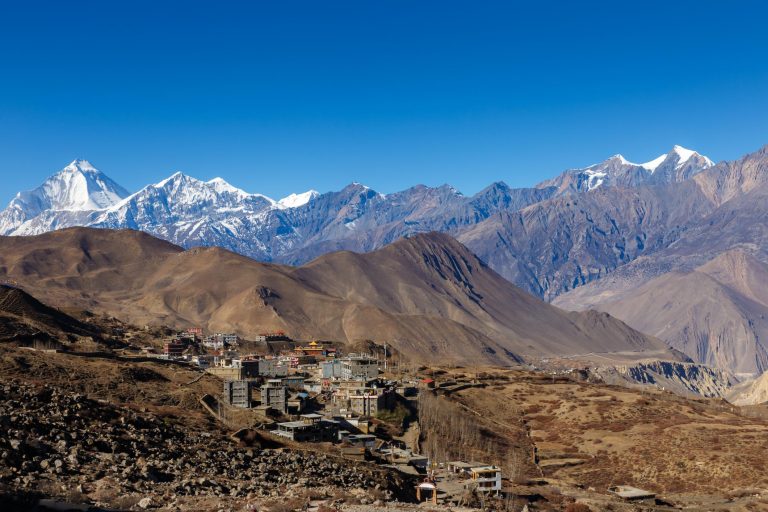 Annapurna Region
Muktinath Temple: A Guide for Trekkers and Visitors
A practical guide to Muktinath Temple in Mustang: the 108 water spouts, the eternal flame, how to get there and…
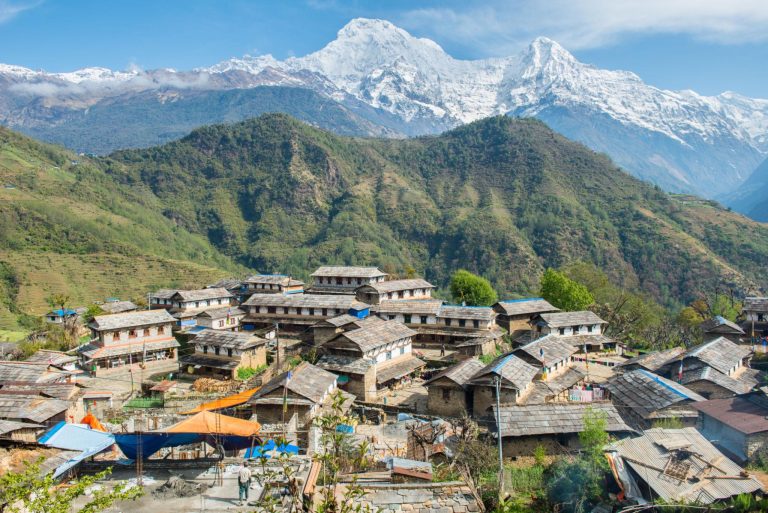 Annapurna Region
Ghandruk Village: A Guide to the Gurung Village Below Annapurna
A short guide to Ghandruk, the Gurung village on the Poon Hill and Annapurna Base Camp treks, with its views,…
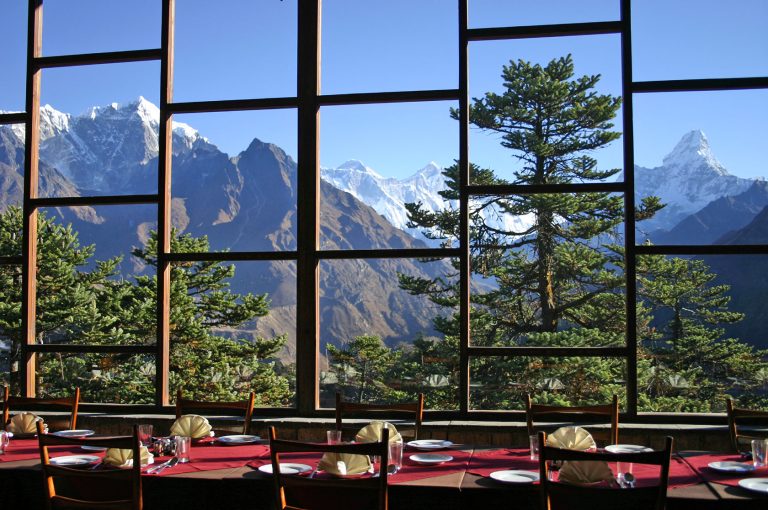 Everest Region
Hotel Everest View: The Hike From Namche Bazaar and What to Expect
How to hike from Namche Bazaar to Hotel Everest View for your first big view of Everest, with timings, the…