Everest Base Camp Trek in Winter: What December to February Is Really Like
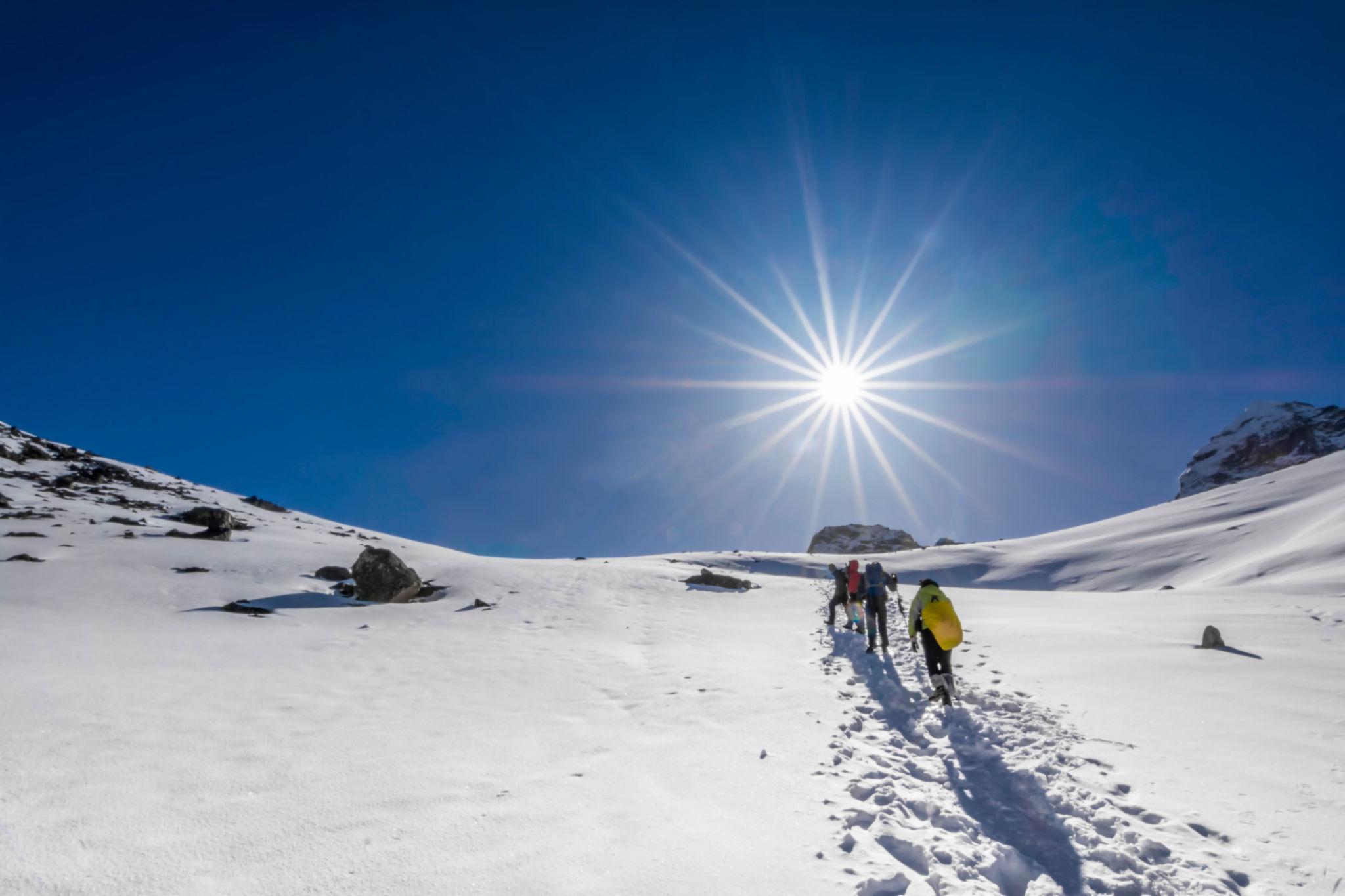
Yes, you can trek to Everest Base Camp in winter, from December to February. Skies are often clear, the trails are quiet and you share teahouses with only a few other trekkers.
It is also much harder than spring or autumn. Nights at Gorak Shep can drop below -20°C, snow can hold you up for a day or two, and some lodges higher up close or cut back their services. Early December is usually the easiest winter month and January the coldest.
Winter suits fit, well prepared trekkers with proper cold weather gear and a few spare days. If this is your first high altitude trek, October or April is a better choice.
- Winter season: December, January and February
- Easiest winter month: usually early December
- Coldest month: January
- Nights at Gorak Shep: can fall below -20°C
- Lodges: fewer open higher up, check ahead
- Lukla flights: often from Kathmandu in winter
- Crowds: very quiet
- Last updated: October 2026
In This Guide
Is Winter a Good Time for Everest Base Camp?
Winter has real advantages, but it is not just the normal EBC trek with fewer people.
The good:
- Clear, dry air and sharp mountain views on most days
- Very few trekkers, so quiet trails and peaceful teahouses
- Snow on the peaks and a very different feel from peak season
- Lukla flights often go from Kathmandu, not Ramechhap
The hard part:
- Severe cold at night, especially above 4,000m
- Snow and ice can make the trail slippery or block it for a day or two
- Fewer lodges open higher up, and frozen water pipes
- Fog and bad weather can delay Lukla flights
- Shorter days, so less time on the trail
December, January and February Compared
EBC in December
Usually the easiest winter month, especially the first half. Days are often sunny and clear and the trails are quieter than November. Nights get colder as the month goes on, and some lodges higher up start closing or cutting back services towards the end of December.
Best for: trekkers who want quiet trails before the deepest cold.
EBC in January
The coldest month. Sunny days can still give excellent views, but temperatures fall fast after sunset. Water freezes overnight and batteries drain quickly. Very few trekkers are on the trail. Morning fog in Kathmandu can also delay flights from mid December into January.
Best for: experienced trekkers who are comfortable in serious cold and happy for the plan to change.
EBC in February
Still very cold, especially in the first half. It starts to warm up towards the end of the month, but winter weather can still bring snow, ice and flight delays. Do not expect late February to feel like spring on the trail.
Best for: trekkers who want quiet trails and hope for slightly milder weather late in the month.
How Cold Is EBC in Winter?
| Place | Daytime | Night |
|---|---|---|
| Namche (3,440m) | Around 5 to 10°C in sun | Around -5 to -12°C |
| Dingboche (4,410m) | Around 0 to 5°C in sun | Around -10 to -20°C |
| Lobuche and Gorak Shep (4,900m to 5,160m) | Often below freezing, warmer in direct sun | Can fall below -20°C in cold spells |
These are rough planning figures, not forecasts. There are no long term weather records for Gorak Shep, and wind makes it feel much colder. A sunny afternoon does not mean a warm evening. The temperature drops fast once the sun goes behind the mountains.
Teahouses in Winter
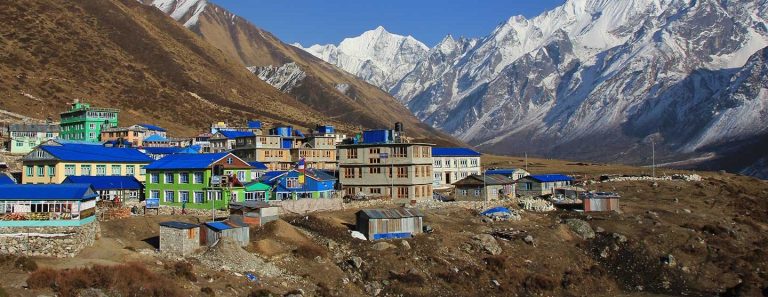
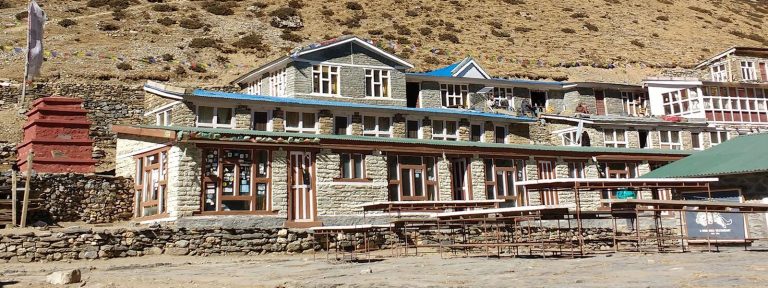
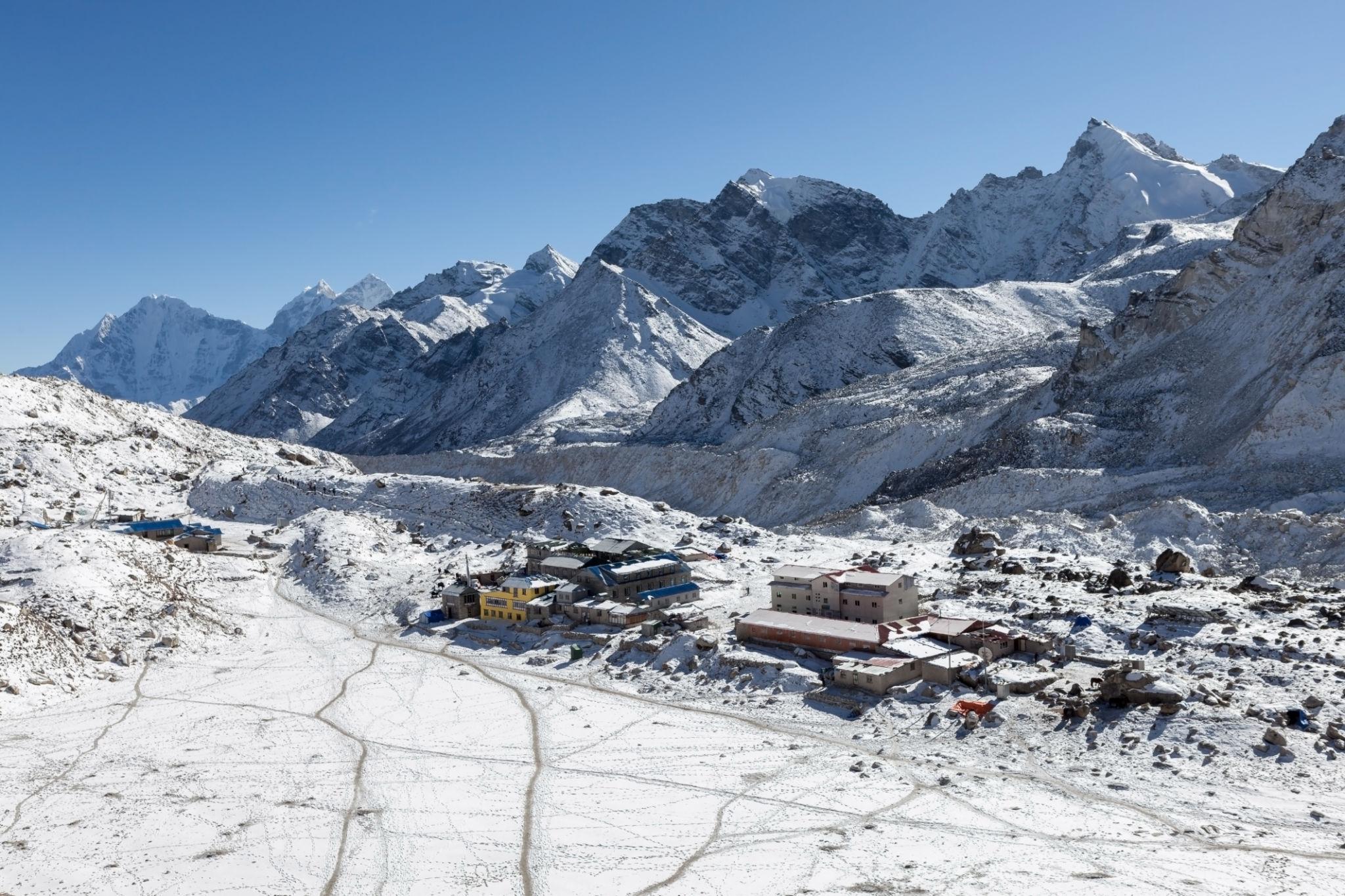
Namche and the lower villages have plenty of lodges open in winter. Higher up, some close for the season and others run with fewer rooms or a smaller menu. Gorak Shep needs the most care because there are only a few lodges there to begin with.
Bedrooms are not heated. The dining room has a stove, usually lit in the evening, and that is where everyone gathers. Higher up, water pipes can freeze, so you may wash with a bucket of hot water instead of a shower. Charging and hot water cost a little more.
On our Everest Base Camp trek we book your lodges ahead and check which ones are open for your dates, so you are not looking for a bed at 5,000m.
Lukla Flights in Winter
In the busy seasons, many Lukla flights leave from Ramechhap, a 4 to 5 hour drive from Kathmandu. In winter, flights often run from Kathmandu instead, which saves that early drive. The arrangement can change, so we confirm your airport before you travel.
The main winter problem is fog and poor visibility, which can delay or cancel flights. Leave a spare day or two at the end of your trip, and do not book your flight home for the day after you return from Lukla. Read about Lukla flight delays.
Snow on the Trail
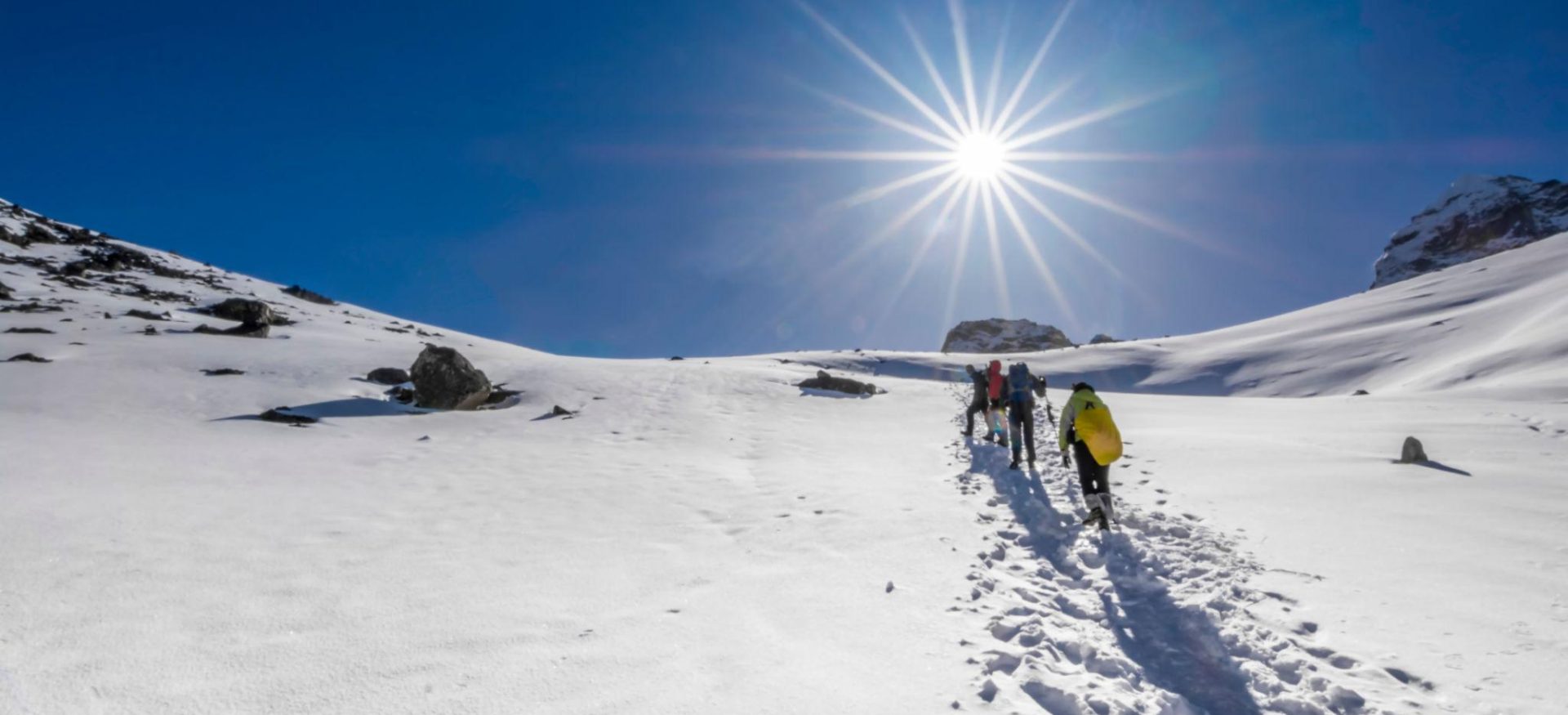
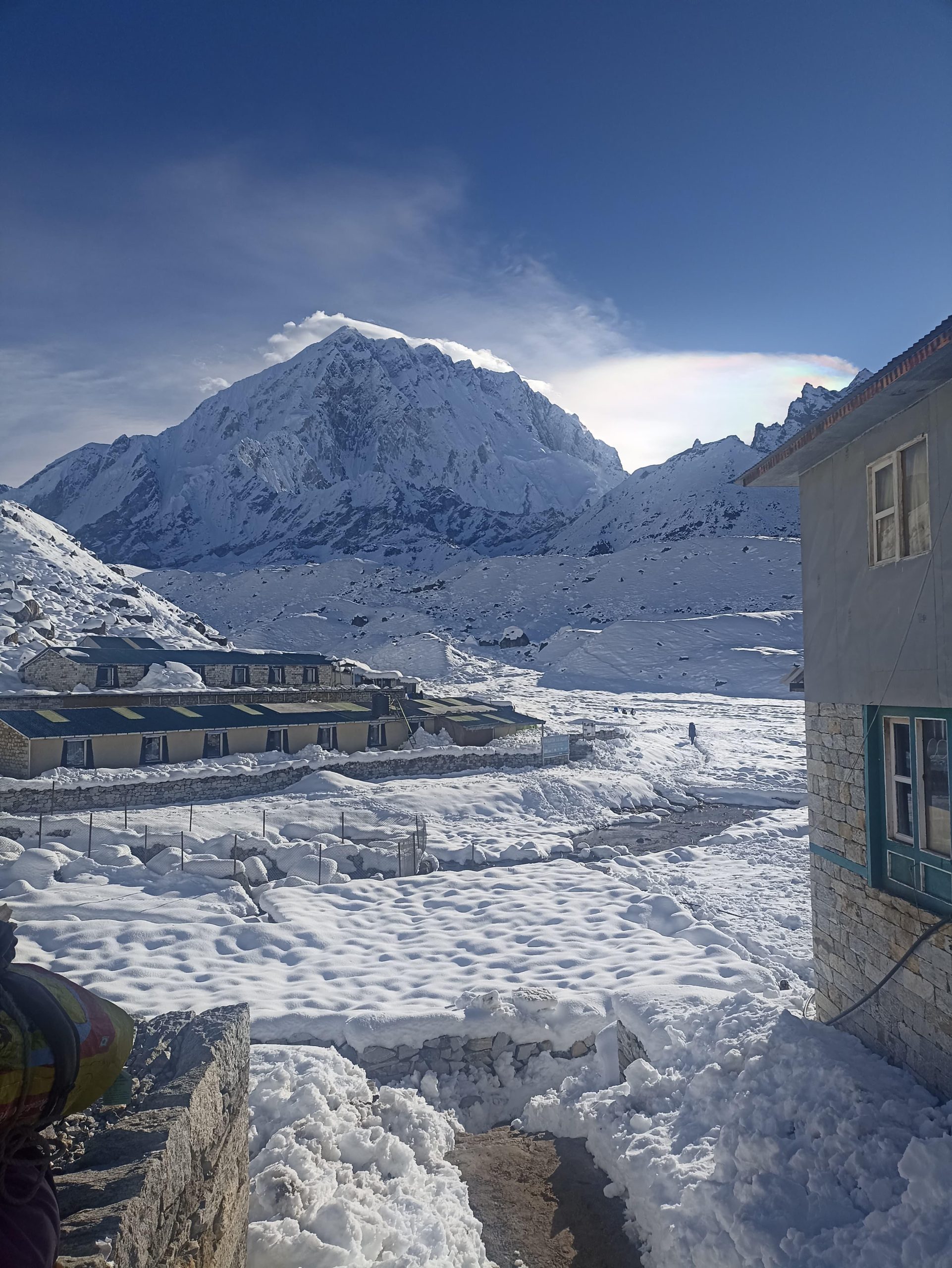
Snow and ice are possible all winter, mostly higher up. After a heavy snowfall, the trail above Dingboche can be hard going or blocked for a day or two until it is opened again. Your guide decides if it is safe to keep going, wait or change the plan.
The standard EBC route does not cross any high passes, so it is easier in winter than routes like the Three Passes. But that does not mean it always stays open. Never push on to an icy section just to stay on schedule.
What to Pack for a Winter EBC Trek
- A warm sleeping bag. Rated to at least -20°C. Check if that is the comfort rating or the limit, and bring a liner for extra warmth.
- A big down jacket for evenings and the early start to Kala Patthar.
- Thermal base layers for walking and sleeping.
- Warm gloves and liner gloves, so you can still use your poles and phone.
- A warm hat and a buff for the wind.
- Spare warm socks, with a dry pair kept just for sleeping.
- Microspikes for icy sections. Ask your guide if you need them.
- Hand warmers, as an extra, not instead of good gloves.
- A water bottle with a good lid that you can take into your sleeping bag so it does not freeze.
- A power bank and spare batteries, kept warm when not in use.
See our EBC packing list for everything else.
Tips for a Winter EBC Trek
- Keep your phone and batteries in your sleeping bag at night.
- Start walking a bit later, once the sun is on the trail.
- Drink plenty. Cold air is dry and you lose water without noticing.
- Test your cold weather gear before the trek, not at 5,000m.
- Keep a spare day or two for snow or flight delays.
- Take altitude symptoms seriously. The cold does not protect you from altitude sickness, so tell your guide if you feel unwell. Read our guide to altitude sickness on Nepal treks.
Who Should Trek EBC in Winter?
A good choice for: fit trekkers who have been at altitude before, people who want to avoid the crowds, and anyone comfortable in serious cold with a few spare days.
Not the best choice for: a first high altitude trek, anyone who struggles in the cold, or people with no spare days before their flight home.
If you want mountain views without the deep cold, see our guide to trekking in Nepal in December for lower treks. For the best overall months, see our guide to the best time for Everest Base Camp.
Frequently Asked Questions
Can you trek to Everest Base Camp in winter?
Yes. It is much colder than spring or autumn, and snow, lodge closures or flight delays can change the plan, but with the right gear and a few spare days it is very possible.
How cold is Everest Base Camp in winter?
Nights in Namche drop well below freezing, and nights around Gorak Shep can fall below -20°C in cold spells. Days can feel pleasant in direct sun but freezing in the wind.
Which winter month is best for EBC?
Early December is usually the easiest, before the deepest cold. January is the coldest month, and conditions start to ease in late February.
Is January a good month for Everest Base Camp?
It can be for experienced trekkers with proper winter gear and a flexible plan. It is the coldest month, and snow and fewer open lodges make it harder.
Do Lukla flights run in winter?
Yes, and they often leave from Kathmandu in winter. Fog and bad weather can cause delays, so leave a spare day or two at the end of your trip.
Are teahouses open in winter?
Yes, but fewer are open higher up, especially around Lobuche and Gorak Shep. Book with an operator who checks which lodges are open for your dates.