
Pikey Peak Trek
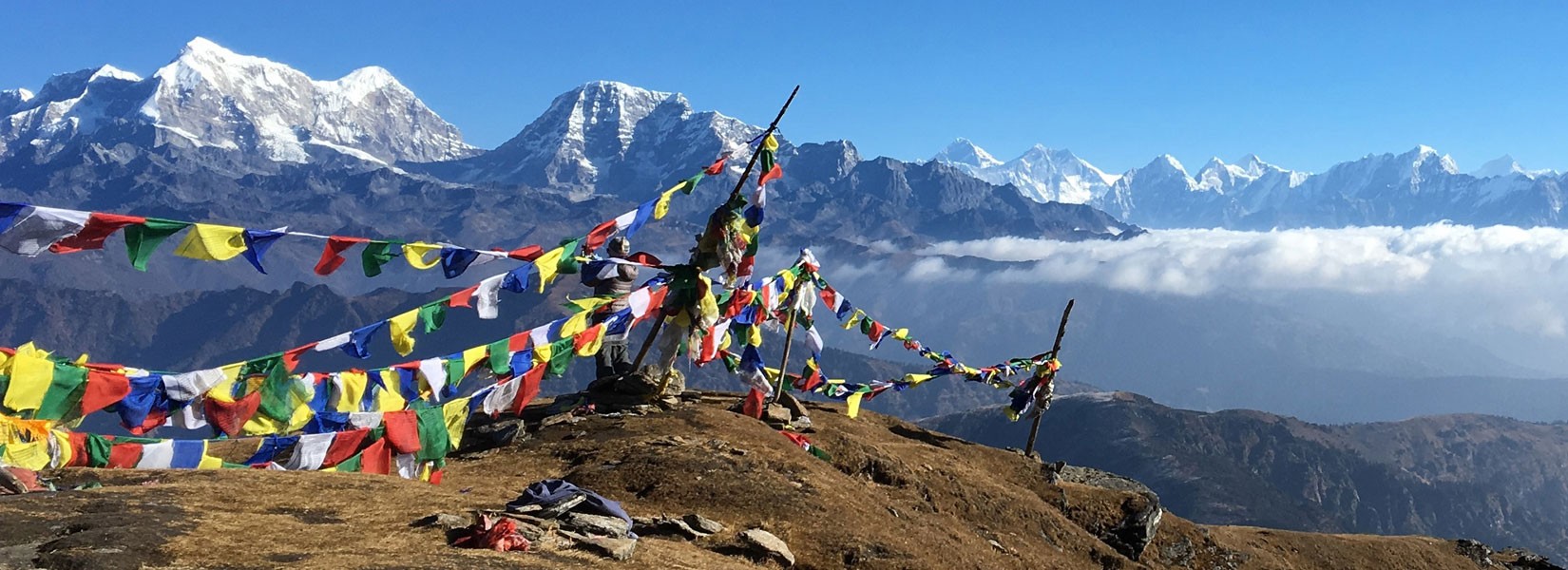
●●●●● 4.9 · 60+ TripAdvisor reviewsSee Everest, Makalu and Kanchenjunga at sunrise from one summit, with no Lukla flight needed.
On The Trail
What It Really Looks Like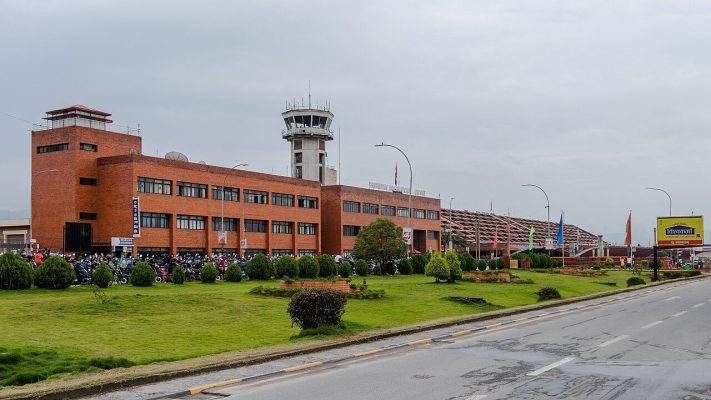
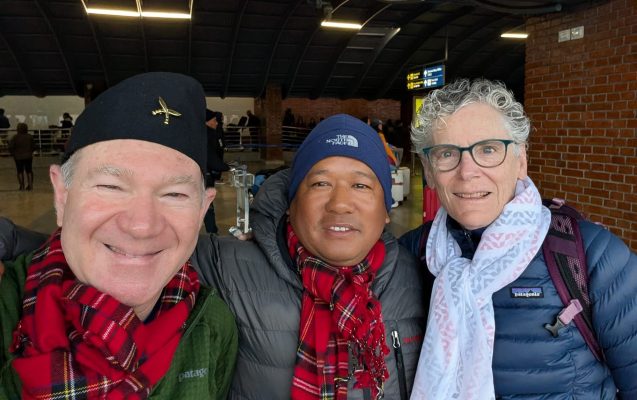
Pikey Peak Trek: What to Expect
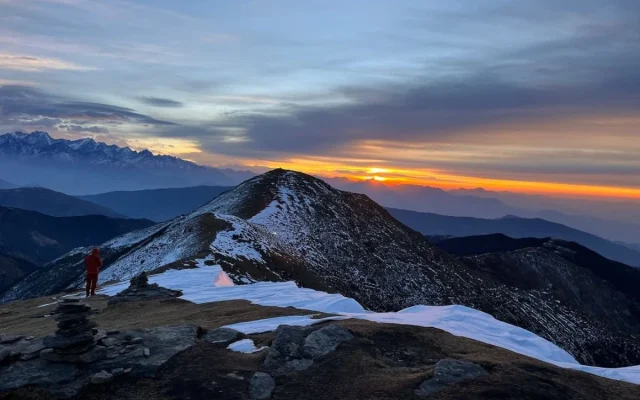
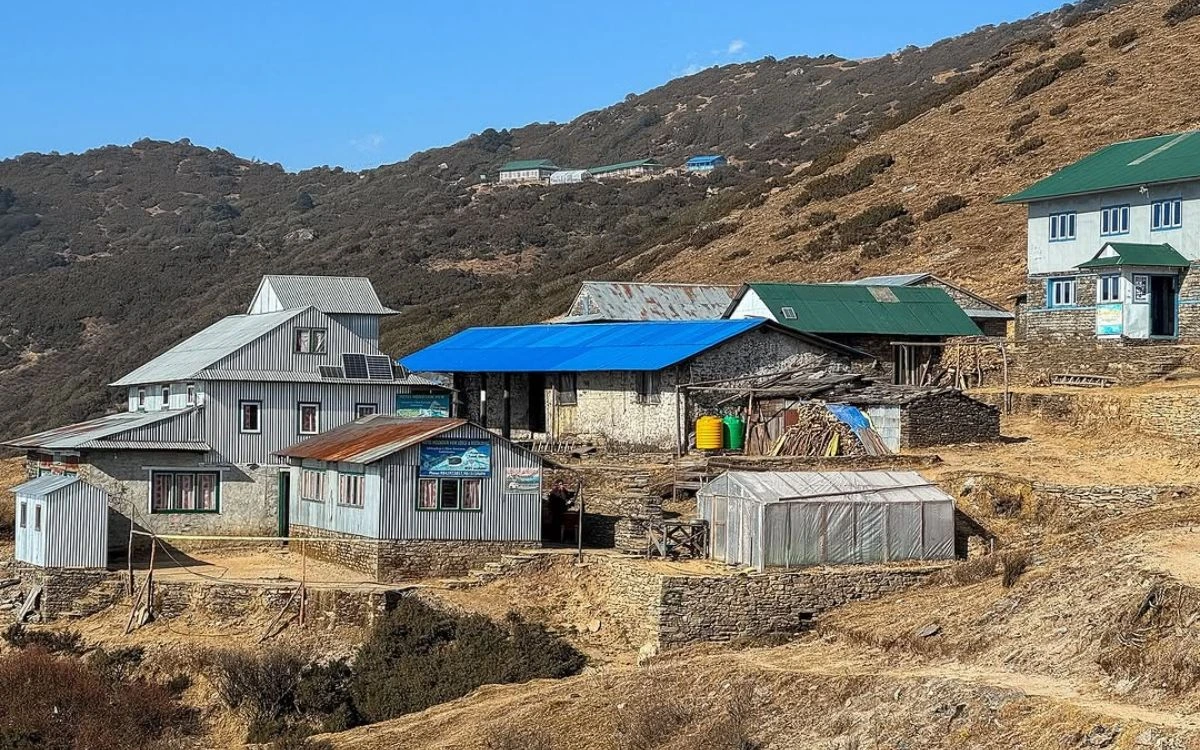
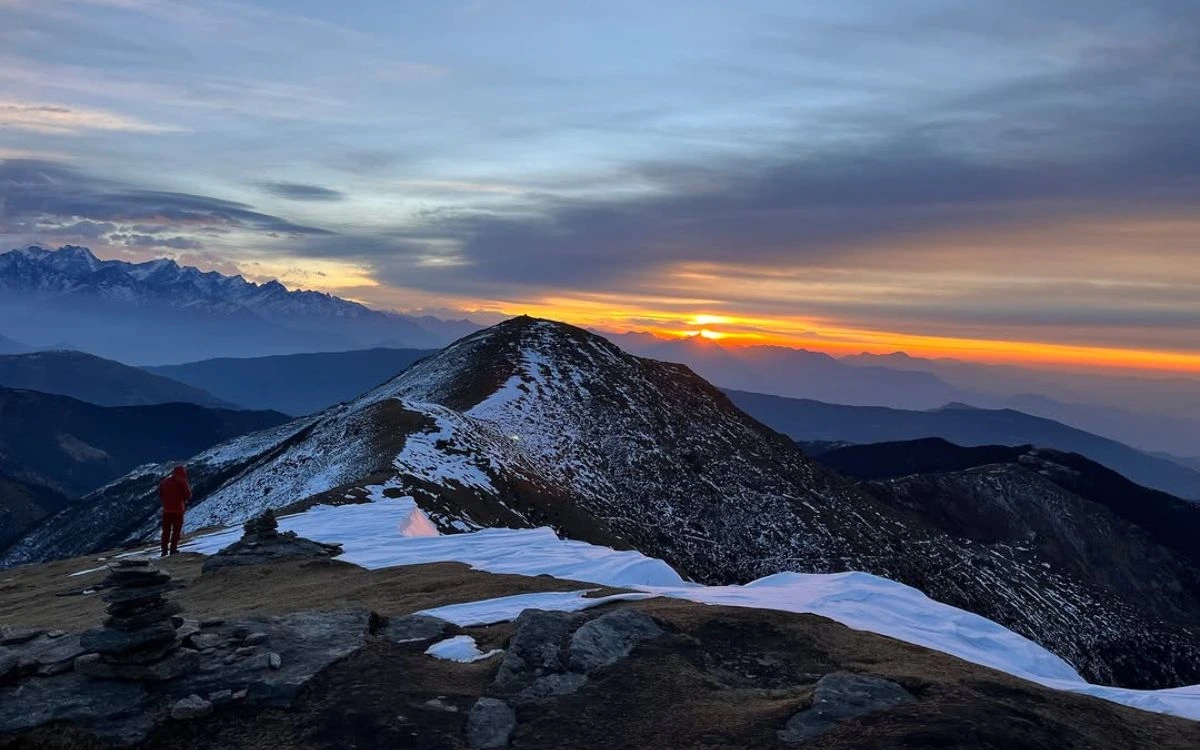
On a clear morning the summit lines up Everest, Lhotse, Makalu, Cho Oyu, Kanchenjunga, Numbur, Dhaulagiri and the Annapurnas
Private jeep both ways, so Lukla and Ramechhap weather delays never touch your dates
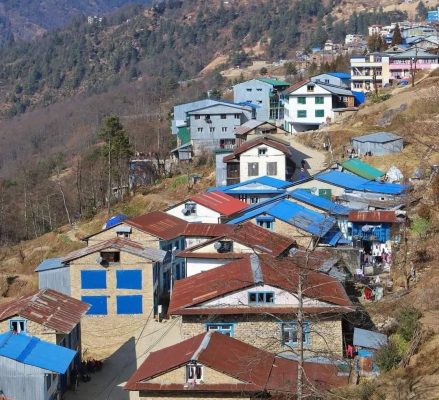
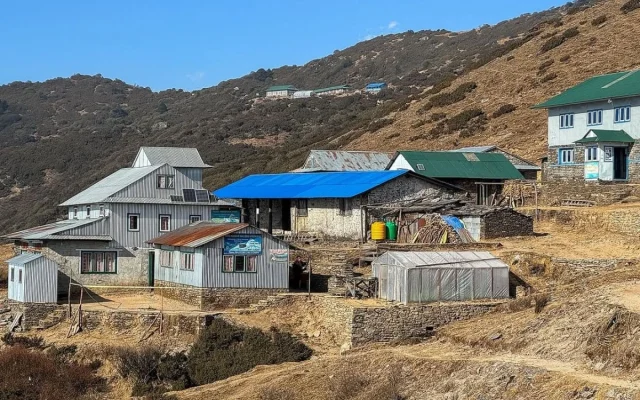
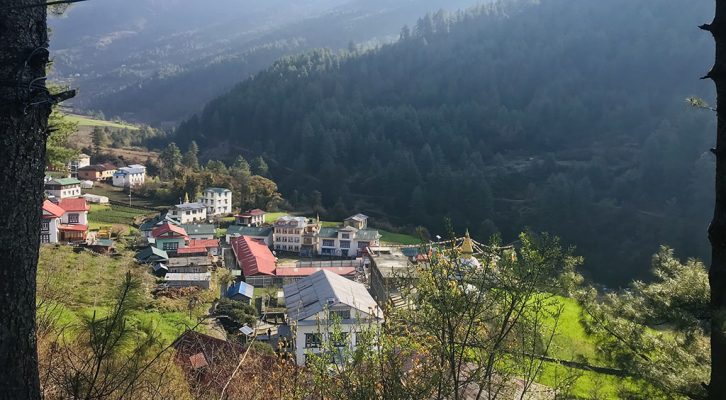
Sleep in Junbesi and Jhapre, small Sherpa villages with stone houses, mani walls and local gompas
One of the quietest viewpoint treks in the Everest region, even in October
Pikey Peak is a short teahouse trek in lower Solukhumbu, the green hills south of the Khumbu. You drive east from Kathmandu to Dhap, then walk up through forest and herding pastures to Pikey Base Camp. You reach the summit before dawn. After that the trail drops to Junbesi and Phaplu for the drive home. Days are 5 to 7 hours on good trails with no technical sections, so it suits first timers and anyone short on leave. Our guides have walked this route themselves and plan the summit morning around the weather.
Route
Kathmandu → Dhap → Jhapre → Pikey Base Camp → Pikey Peak → Loding → Junbesi → Ringmo → Taksindu → Phaplu → Kathmandu
On the trail
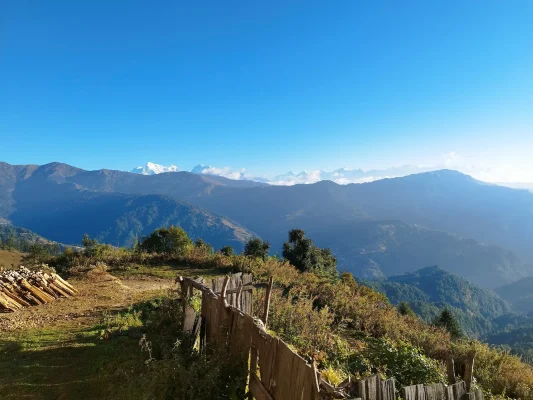
- Rhododendron and pine forest above Jhapre, red with bloom in March and April
- The pre-dawn walk from base camp to the summit, the hardest and best hour of the trek
- Yak herders’ huts, prayer flags and mani walls around Pikey Base Camp
- Phaplu, where Hillary’s Himalayan Trust built the local hospital in the 1970s
Ready for something higher next time? See our Everest Base Camp Trek.
Day-by-Day Itinerary
Arrival in Kathmandu
Our team meets you at Tribhuvan International Airport and drives you to your hotel in Thamel. In the evening your guide goes through the route, checks your gear and collects your passport details for the permits. Tomorrow’s drive east starts early, so pick up snacks and enough cash in Thamel tonight.

Drive from Kathmandu to Dhap
An early start to get clear of Kathmandu traffic. The road runs east on the BP Highway along the Sun Kosi River, then climbs past Okhaldhunga on a narrower, rougher track for the last three hours. It is a long day sitting down, so keep snacks and a warm layer close. No walking today, just dinner and an early night.
Trek to Jhapre
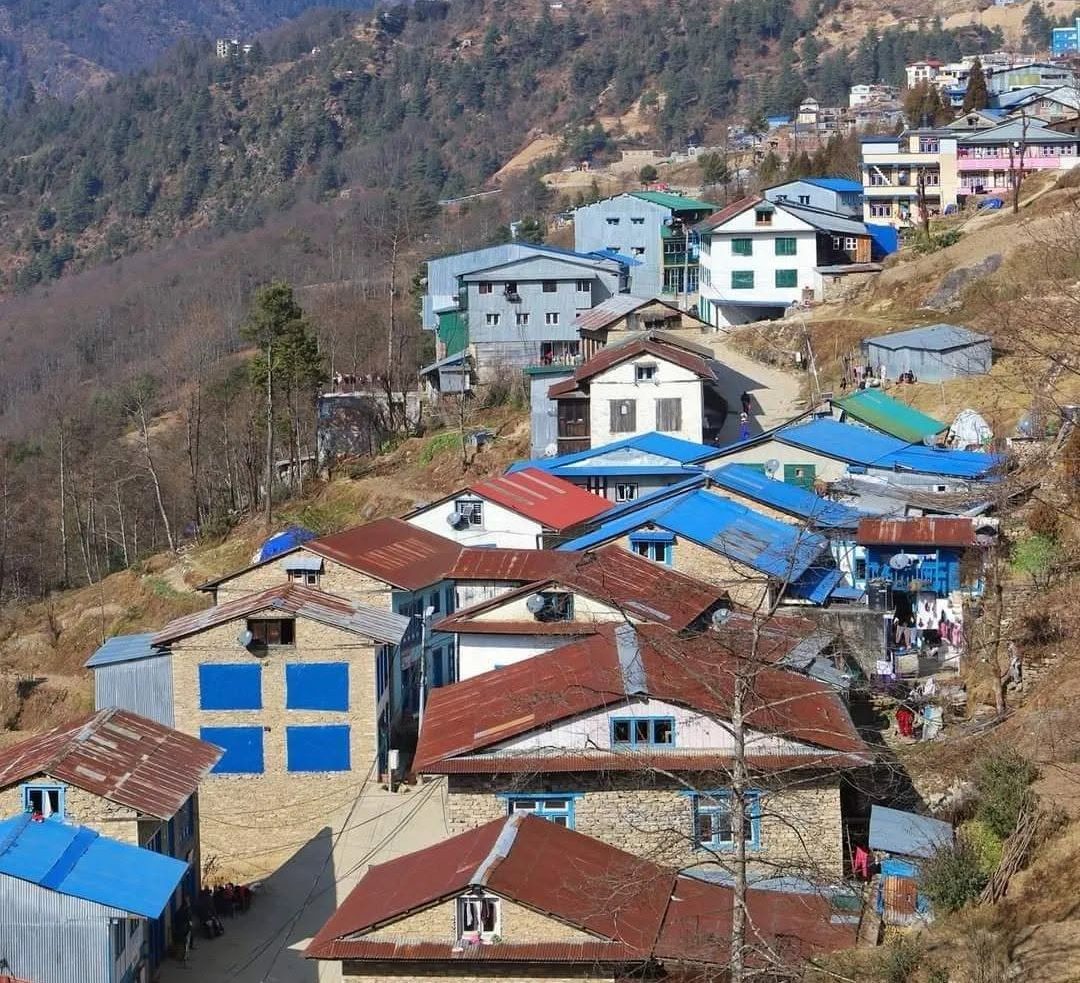
A gentle first trekking day after the long drive. The route follows a dirt road through Sigane for the first couple of hours, then joins a quieter trail into Jhapre. The village has a small gompa and stupa, and a viewpoint just north of the houses looks toward Numbur Himal. Arrive by early afternoon with time to rest.
Trek to Pikey Base Camp
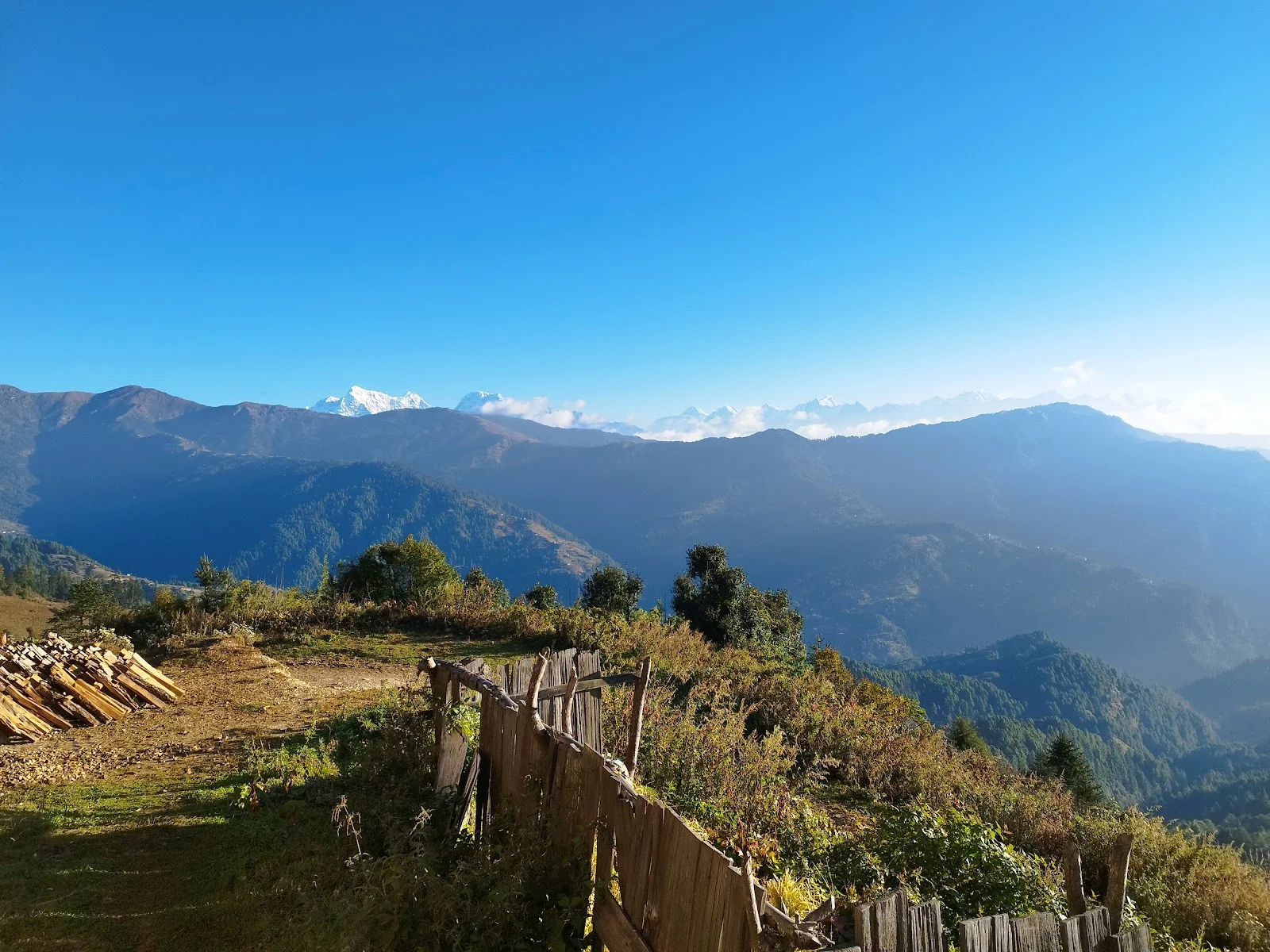
The main climb of the trek, taken at an easy pace. The trail passes the small settlements of Bhulbule and Lhamuje and climbs steadily through forest into open grazing land. You arrive at base camp by early afternoon, with time to rest and drink plenty of water. If the sky is clear, the evening light on the peaks is a good preview of tomorrow.
Sunrise on Pikey Peak, Trek to Loding
Trek to Junbesi
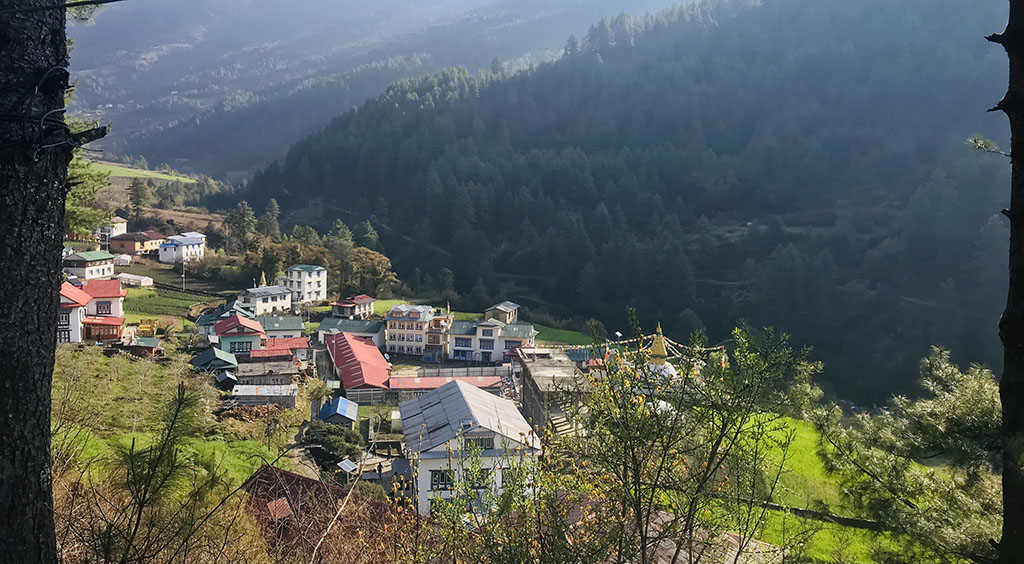
A short, gentle walk after yesterday’s big effort. Junbesi is one of the prettiest Sherpa villages in lower Solukhumbu, with stone houses, a river running through and an old gompa at its centre. You have the afternoon to visit the gompa and wander the lanes. Stronger walkers can ask the guide about the hike to Thubten Chholing monastery.
Trek to Taksindu via Ringmo
Today follows part of the old Everest expedition trail from Jiri. Climb out of Junbesi to Salung, where on a clear day Everest shows far to the east. Drop to Ringmo, known for its apple orchards, then climb gently to the stupa on Taksindu La. A short descent brings you to Taksindu and its quiet monastery.
Trek to Phaplu
The last walking day is mostly downhill through forest and farmland. Stop at Chiwong Monastery, set on a cliff above the valley and home to the Mani Rimdu festival each autumn. Phaplu is a small town with proper shops and lodges, a good place to celebrate the end of the trek with your guide and porter.
Drive from Phaplu to Kathmandu
An early start for the long drive back west, through Salleri and Okhaldhunga and down to the Sun Kosi valley before joining the highway to Kathmandu. Arrive by evening with time to shower and change. The day ends with a farewell dinner of traditional Nepali food and a cultural performance.

Final Departure
Breakfast at the hotel, then a private transfer to Tribhuvan International Airport in time for your flight. With a late flight, we can store your bags and arrange a final morning at Boudhanath or Pashupatinath. Plan to reach the airport at least 3 hours before departure.
3D Route Map
Includes & Excludes
-
Airport and hotel transfers Private vehicle on arrival and departure days
-
3-star hotel in Kathmandu 2 nights, twin-sharing with breakfast
-
Teahouse accommodation on trek Twin-sharing for all 7 trekking nights
-
Licensed guide NTB licensed, full time, dedicated to your group
-
Porter service One porter carries your duffel for every two trekkers
-
Trekking permits and local fees Arranged in Kathmandu before departure
-
Private jeep Kathmandu to Dhap Day 2
-
Private jeep Phaplu to Kathmandu Day 9
-
Farewell dinner with cultural show Traditional Nepali food and performance, Kathmandu
-
Duffel bag MountainKick kit, yours to keep
-
All taxes and official charges No hidden fees added after booking
-
International flights To and from Kathmandu, booked independently
-
Nepal visa $30 / $50 / $125 on arrival at Kathmandu airport
-
All meals during the trek Budget $25 to $35 per day
-
Lunches and dinners in Kathmandu Breakfast only is covered at the hotel
-
Travel insurance Must include helicopter rescue to 4,500m minimum
-
Personal trekking gear Rental options available in Kathmandu through us
-
Hot showers, Wi-Fi, charging on trail Small extra charge at each teahouse
-
Drinks and bottled water Available at every teahouse
-
Tips for guides and porters 10 to 15% of trip cost is the standard across Nepal
-
Costs from illness or itinerary changes Travel insurance covers most of these scenarios
Enhance Your Trek
We Handle the Details
FreeWhere You'll Sleep & What You'll Eat
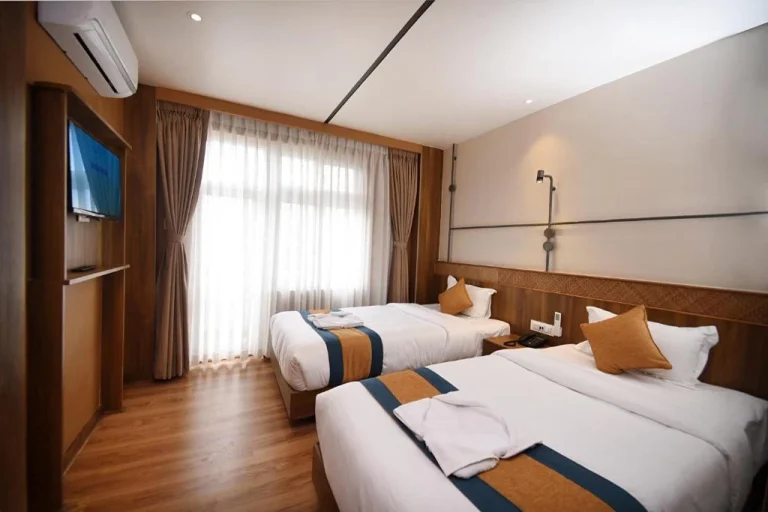
In Kathmandu you stay two nights in a 3-star hotel on a twin-sharing basis with breakfast included. Rooms have private bathrooms, hot water and Wi-Fi. Single rooms are available on request.
On the trek you stay in simple family-run teahouses. Rooms are twin-sharing with foam mattresses, pillows and thick quilts, and most bathrooms are shared. Junbesi and Phaplu have the most comfortable lodges, and some rooms there have attached bathrooms for a small extra cost. Pikey Base Camp has only a few basic lodges that can fill up in October, so we book ahead. Nights at base camp drop below freezing, so a good sleeping bag matters.
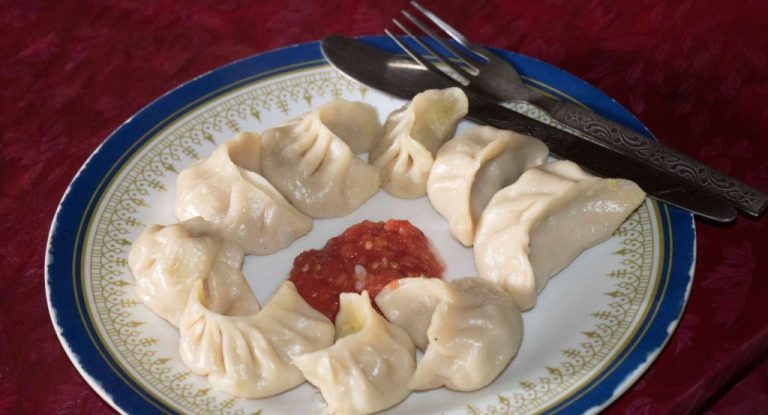
Every teahouse serves dal bhat, noodle soup, fried rice, momos, eggs, porridge and Tibetan bread. Prices are lower than on the Everest Base Camp trail because supplies come by road, not by porter from Lukla. Try fresh yak cheese near Pikey Base Camp and apple juice or apple pie in Ringmo, where the orchards are. Phaplu has small shops if you want to stock up on snacks for the drive home.
| Meals and drinks per day | $25 to $35 /day |
| Hot shower | $2 to $4 |
| Wi-Fi | Limited, mobile data works better |
| Battery charging | $1 to $2 per device |
| Bottled water | $1 to $3 per litre |
What Our Trekkers Say
“I’m already planning for the trip AGAIN and you would know which company I’d choose AGAIN…”
Finally, I had the opportunity to meander across the splendor of the Himalayas. My first concern after researching everything there was to know about Nepal was my safety and my child’s welfare. But upon our arrival at the airport, I found out that Kathmandu is one of the meanest places…
“MountainKick is haven for trekkers and one cannot afford to miss it if you are interested in trekking in Nepal.”
To whoever reading this and wondering about the legitimacy of this company, they are for real. The team is genuinely dedicated to making your trekking memorable and rewarding. Such is the professionalism of the company that they went steps further to assist us that included the tracking down of the…
“We liked the concern of this company for its staffs and the environmental awareness and it has.”
There was always a response from Jagat as we had so many things to ask. We had insisted on having a Nepali guide instead of a westerner because we had to make sure the money we spend actually goes to Nepali people. We chose this company because we had heard…
“We had the trip of our lifetime”
We had the trip of our lifetime thanks to the warm hospitality bestowed upon us and the beauty of such amazing country. From well-organized trips, exotic locations, cultural sightseeing to the thrill of safari, “soft” trekking to Poon Hill, everything was memorable. Our trekking guide was Shiva, apparently named after…
Frequently Asked Questions
How difficult is the Pikey Peak Trek?
It is rated Moderate. There are no technical sections, and most days are 3 to 6 hours on good trails. The hardest day is Day 5, with an early summit climb followed by a long descent of about 1,550m to Loding. Trekking poles help a lot on that stretch. Regular walking or cardio for a month or two before you arrive makes the trek much more enjoyable. See our trek difficulty guide for how this compares with other routes.
Do I need a guide for this trek?
Yes. Nepal requires foreign trekkers to walk with a licensed guide arranged through a registered agency. Every MountainKick departure includes a full-time licensed guide and a porter. On a quieter trail like this one, a guide also helps with lodge bookings at base camp, which can fill up in peak season. Read more in do you need a guide to trek in Nepal.
How likely am I to see Everest from the summit?
Your best chance is October to December, when post-monsoon skies are usually clear in the early morning. Clouds often build by late morning, which is why we start for the summit around 4am. In spring the views are good but haze is more common from April. If the first morning is cloudy, tell your guide. Sometimes a second try is possible.
Will I get altitude sickness?
The risk is low but not zero. The highest night is at Pikey Base Camp at 3,640m, and some people feel a mild headache there. The itinerary gains height slowly over three days before the summit. Drink plenty of water, walk at an easy pace and tell your guide early if you feel unwell. Going down is always the first fix. Read our full altitude sickness guide before you go.
Why drive instead of flying?
The road to Dhap is long but reliable. Flights into small mountain airstrips like Phaplu often get delayed or cancelled by cloud, which can upset the whole plan. Driving keeps your dates fixed. If you’d rather fly back from Phaplu at the end, we can arrange it as an upgrade, weather permitting.
Can I switch to this trek if my Lukla flight is cancelled?
Often, yes. Pikey Peak needs no flight, so it works well as a backup when Lukla or Ramechhap flights are grounded. Let us know as early as possible and we can usually change your plan within 48 hours, depending on permits and lodge space. Our Lukla flight delays guide explains what usually happens and your options.
Is there mobile signal and cash on the trail?
Mobile data works in most villages on this route, though it can drop at base camp. There are no ATMs on the trail itself. Salleri, close to Phaplu, has banks, but don’t rely on them. Bring enough Nepali rupees from Kathmandu to cover the whole trek. See money in Nepal for trekkers for how much to carry.
Can I do this trek in winter?
Yes. December to February brings some of the clearest mountain views of the year, but nights at Pikey Base Camp drop well below freezing and snow is possible on the summit path. Some higher lodges may close in the coldest weeks. Ask us before booking a January or February date and we’ll check what’s open.
Is this trek suitable for older trekkers or families?
Yes, it is one of the better choices in Nepal for both. The altitude stays moderate, the days are short and the pace is relaxed. Children who are used to hiking usually manage well from about 10 years old. We can add a rest day anywhere on the route at no stress to the plan. Read our guide to family trekking in Nepal for more on ages and routes.
Can I add Dudh Kunda lake to this trek?
Yes. From Junbesi you can head north via Ringmo to Dudh Kunda, a sacred lake below Numbur Himal. It adds about 3 to 4 days and a higher night above 3,800m. Ask us for a custom itinerary if you want to include it.
Departure Dates & Pricing
No upcoming fixed departures are scheduled at the moment. Contact us to arrange a private departure on dates that suit you.
We never force our customers to follow our set itinerary. You can customize your itinerary exactly the way you want. Please share with us your ideas.
"*" indicates required fields
-
1
20% deposit: due on booking Secures your place on the departure. The deposit is non-refundable. We also need a copy of your passport.
-
2
80% balance: due on arrival Pay the rest in Kathmandu before the trip starts. Bank transfer, cash, or card (4% card fee).
| Cancel before you arrive | Deposit not refunded, nothing more to pay |
| Cancel after the pre-trip meeting | No refund |
| Date or name change | USD 200 per person |
| MountainKick cancels trip | Full refund or reschedule |
Weather delays and extra days cost extra, so travel insurance is required. We give you documents for any claim.
Read the full terms and conditionsPacking List
Clothing and Layers
ⓘ Wear your warmest layers for the summit. You stand still for up to an hour waiting for the sun.
Footwear
Sleeping and Warmth
ⓘ Sleeping bags and down jackets can be rented through us. Collect them on arrival day.
Trekking Equipment
Documents and Money
Personal and Toiletries
First Aid
Trekking in Winter (Dec to Feb)
Trekking in Monsoon (Jun to Aug)
⚠ Pikey Peak is not recommended in monsoon. The road to Dhap can be blocked by landslides, trails are muddy and the summit view is usually hidden by cloud. Speak to us before booking June to August.
Leave at home
-
Cotton clothing Stays wet and cold.
-
Heavy camera kit A phone or small camera is enough.
-
More than two pairs of shoes Boots and sandals cover everything.
-
Valuables and jewellery Leave them in Kathmandu luggage storage.
-
Full-size toiletries Space and weight matter more.
Sleeping bags and down jackets can be rented through us. Trekking poles are best purchased in Thamel. We'll connect you with trusted shops during your pre-trip meeting. We provide a duffel bag for every trekker as part of the package.
Pikey Peak Trek
Talk to Kumar and the team before you commit. Ask about gear, fitness, altitude or a private group.
Tales from the Himalayas
 Essentials
 Family Trekking in Nepal: Best Treks for Kids, Ages and Tips
The best treks in Nepal for families with kids, which ages suit which routes, altitude and safety, and how we…
 Everest Region
 EBC Trek in March: Weather, Snow, Crowds and What to Expect
March brings clear mountain views and quieter trails to the Everest Base Camp trek, but nights stay very cold up…
 Annapurna Region
 Tilicho Lake Trek: Altitude, Route, Difficulty and Best Time
One of the highest lakes of its size in the world, three days off the Annapurna Circuit. Here’s how to…