

Ghorepani Poon Hill Trek
●●●●● 4.9 · 60+ TripAdvisor reviewsWalk through rhododendron forest and Gurung villages to the sunrise view from Poon Hill, with our own licensed guides
Friends paying separately still get the group price.
On The Trail
What It Really Looks Like
Ghorepani Poon Hill Trek: What to Expect
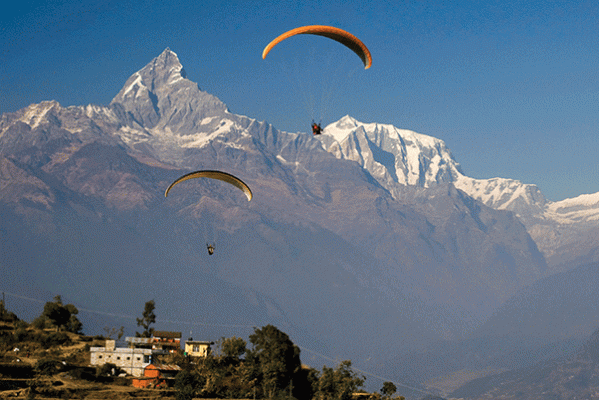
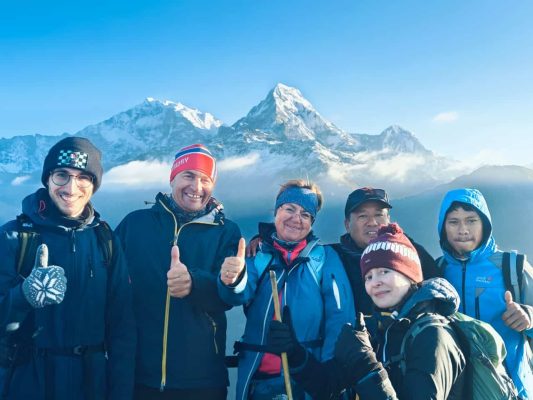
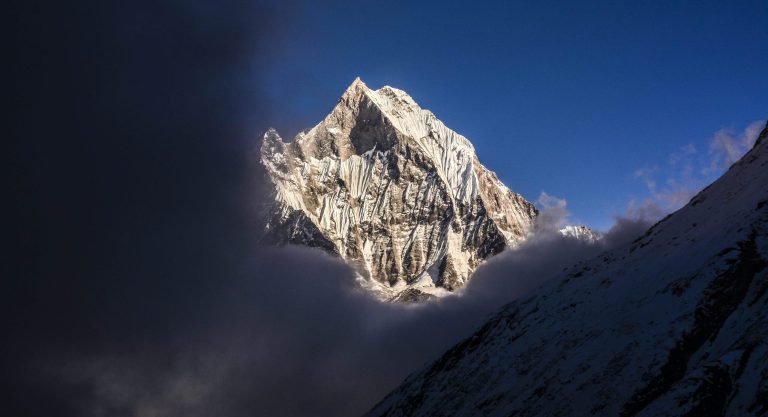
Sunrise over Dhaulagiri, Annapurna South and Machhapuchhre from 3,210m
Every trek is led by one of our own guides, not a freelancer hired for the trip
Permits, guide, porter, transport, and hotels in Kathmandu and Pokhara all included from $550
Hot meals and a bed at the end of every day. No camping required
The Ghorepani Poon Hill Trek covers around 46km over 5 days on trail, starting from Nayapul and looping through Tikhedhunga, Ghorepani, Tadapani, and Ghandruk before dropping back to the road at Syauli Bazaar. The total trip is 9 days including Kathmandu and Pokhara. Maximum altitude is 3,210m at Poon Hill.
The hardest day is Day 4: a sustained stone-step climb of over 1,000m from Tikhedhunga to Ghorepani, taking 5 to 6 hours. The rest of the trek averages 4 to 5 hours on well-marked trails. No prior trekking experience is required, but you should be comfortable walking uphill for several hours with a 4 to 5kg daypack. Fit beginners complete this trek every week. ACAP and TIMS permits are included. Since April 2023, Nepal’s rules require foreign trekkers on most routes to trek with a licensed guide. Every MountainKick trek includes one
Porters carry your main bag so you hike with just a daypack. Your guide handles permits, pace, teahouse bookings, and any health concerns on trail. If you are deciding between this and a longer route, our Poon Hill vs Mardi Himal comparison breaks down the key differences.
Trail highlights:
- Poon Hill at 3,210m: views of Dhaulagiri (8,167m), Annapurna South, Nilgiri, and Machhapuchhre before 6am
- Thick rhododendron forest between Ghorepani and Tadapani, in full bloom in March and April
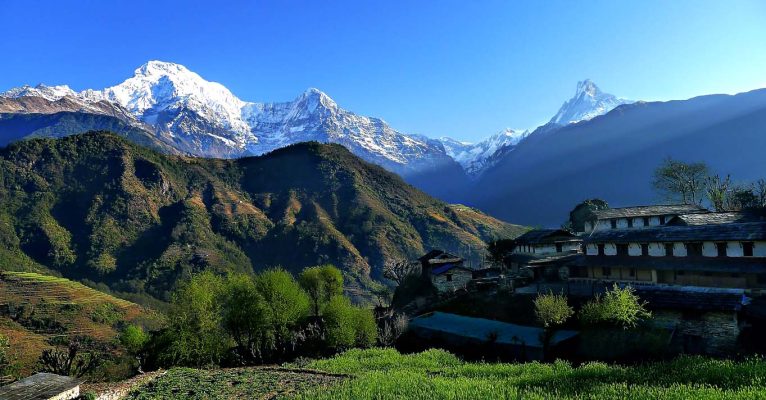
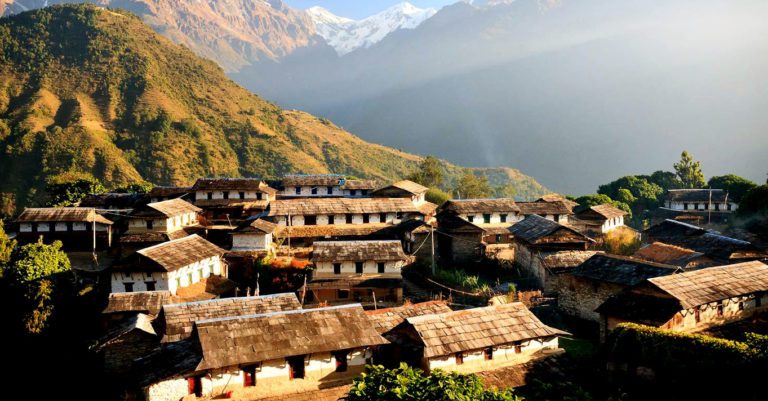
- Ghandruk: one of the region’s largest Gurung villages, with stone houses, slate roofs, and a local cultural museum
- Ulleri’s stone staircase, thousands of steps long
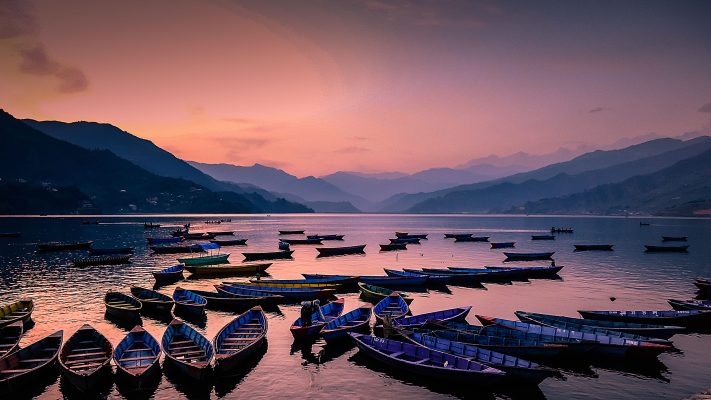
- Pokhara on both ends of the trek, with time to explore Phewa Lake, the World Peace Pagoda, or add paragliding
- The route stays below 3,210m, so the risk of altitude sickness is low. Mild headaches at Ghorepani are still possible
Day-by-Day Itinerary
Arrival in Kathmandu
Your guide meets you at arrivals and transfers you to the hotel in Thamel, about 20 to 30 minutes by road. That evening we hold a pre-trip briefing covering the full itinerary, kit check, and permits. Bring your passport. If you need last-minute gear, Thamel’s shops open from 8am and stock everything from trekking poles to sleeping bags.

Drive to Pokhara
The bus departs at 7am from Sorakhutte, a short walk from Thamel. The 200km drive along the Prithvi Highway takes 8 to 10 hours with two scheduled stops, following the Trishuli river through river valleys and terraced hillsides. If you are prone to motion sickness take medication before boarding. Arrive in Pokhara by late afternoon with the rest of the day free.

Drive to Nayapul, Trek to Tikhedhunga
A private vehicle takes you from Pokhara to Nayapul in about 90 minutes, where the trail begins. Permits are checked at Birethanti, 30 minutes in, before the path follows the Bhurungdi river through farmland and small settlements to Tikhedhunga. It is a gentle first day on the trail with one short steep section near the end.

Trek to Ghorepani
The hardest day on the trek. The trail crosses the Bhurungdi river then climbs over 3,000 stone steps to the Magar village of Ulleri, where the valley opens up below you. From Ulleri the path continues through oak and rhododendron forest via Banthanti and Nangethanti to Ghorepani. Start early, take the steps slowly, and use your poles. Set an alarm for tomorrow.

Poon Hill Sunrise, Trek to Tadapani
Alarm at 4:30am. The 45-minute climb to Poon Hill in the dark is worth every step. At 3,210m, Dhaulagiri, Annapurna South, Nilgiri, and Machhapuchhre spread across the horizon as the first light hits the ridges. Back to Ghorepani for breakfast, then a long descent through Nepal’s largest rhododendron forest to Tadapani, spectacular in bloom from March to May.

Trek to Ghandruk
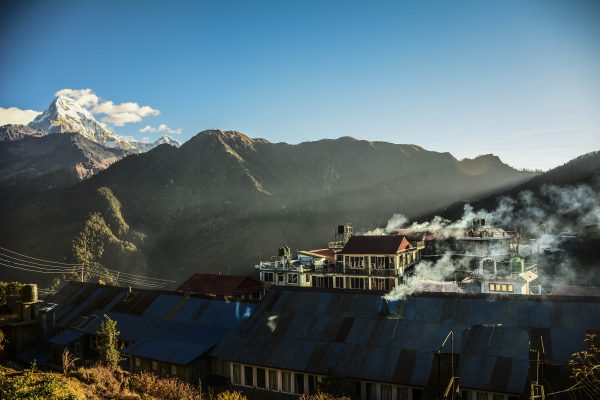
A short, mostly downhill day through rhododendron and oak forest with direct views of Annapurna South and Machhapuchhre opening up as the trees thin. Ghandruk is one of the largest Gurung villages in the region, with stone houses, slate roofs, and a local cultural museum worth an hour of your afternoon. Your knees will appreciate the gentler pace after yesterday.

Trek to Syauli Bazaar, Drive to Pokhara
A steady descent through terraced fields and small villages to Syauli Bazaar, where a vehicle picks you up for the drive back to Pokhara. You arrive with the afternoon free. Phewa Lake is a 10-minute walk from most hotels. The International Mountain Museum is worth two hours if you have the energy.

Drive to Kathmandu, Farewell Dinner
The return bus departs at 7am and takes 8 to 10 hours back to Kathmandu along the same Prithvi Highway. That evening your guide takes you to a local restaurant for a farewell dinner of dal bhat, momos, and traditional Nepali dishes. A good night to sit back and let the trek sink in.

Final Departure.
Breakfast at the hotel, then a private transfer to the airport timed to your flight. Luggage stored with us during the trek can be collected from the hotel before you head out. If you have time to spare, Thamel is worth one last walk.
3D Route Map
Includes & Excludes
-
Airport transfers in Kathmandu Private vehicle, arrival and departure
-
3-star hotel in Kathmandu 2 nights, twin-sharing, breakfast included
-
3-star hotel in Pokhara 2 nights, twin-sharing, breakfast included
-
Teahouse accommodation on trek 4 nights, twin-sharing throughout
-
Tourist bus Kathmandu to Pokhara return Both directions, departs 7am from Sorakhutte
-
Jeep to and from the trail Pokhara to Nayapul on Day 3, Syauli Bazaar to Pokhara on Day 7
-
Our own licensed guide English-speaking, with your group for the whole trek
-
Porter service One porter for every two trekkers. Keep your duffel to about 10 to 15kg
-
All staff costs Salary, insurance, equipment, food and accommodation
-
Annapurna Conservation Area Permit (ACAP) Required entry permit for the Annapurna region
-
TIMS card Trekkers' Information Management System
-
Oximeter and first aid kit Carried by guide throughout the trek
-
Farewell dinner in Kathmandu Traditional Nepali meal with your guide
-
Duffel bag Yours to keep as a souvenir
-
International flights To and from Kathmandu
-
Nepal visa fee 15 days $30 / 30 days $50 / 90 days $125, available on arrival
-
Travel insurance Mandatory. Must cover helicopter evacuation to at least 4,000m
-
All meals on trek Budget $25 to $35 per day. Teahouses serve breakfast, lunch and dinner
-
Lunch and dinner in Kathmandu and Pokhara Except the farewell dinner
-
Personal trekking gear Sleeping bag, trekking poles. Rentable in Kathmandu or Pokhara
-
Hot showers, Wi-Fi, battery charging Small charge at teahouses, typically $2 to $5 each
-
Guide and porter tips Customary. Roughly 10-15% of the trip price
-
Personal expenses Snacks, bottled water, laundry, souvenirs
Enhance Your Trek
We Handle the Details
FreeWhere You'll Sleep & What You'll Eat
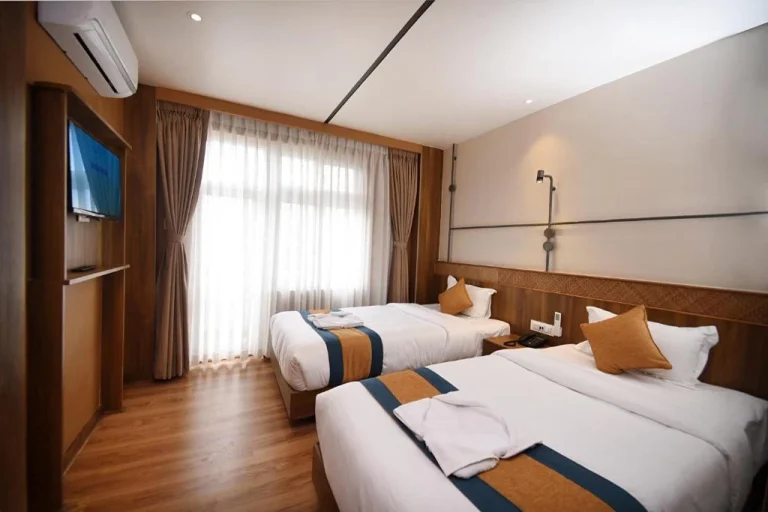
Twin-sharing rooms throughout. A comfortable hotel in Kathmandu and Pokhara on arrival and return nights, traditional teahouses on trail — simple, warm, run by local families.
- Kathmandu and Pokhara: 3-star hotel, private bathroom, hot shower, breakfast included
- Trail: twin-sharing teahouse rooms, shared bathroom facilities throughout
- Tikhedhunga and Tadapani: basic teahouses, shared squat or western toilets, cold water
- Ghorepani and Ghandruk: better facilities due to size and popularity, some attached bathrooms and reliable hot showers available at extra cost
- Single supplement available on request
- Sleeping bag recommended in winter months, December to February
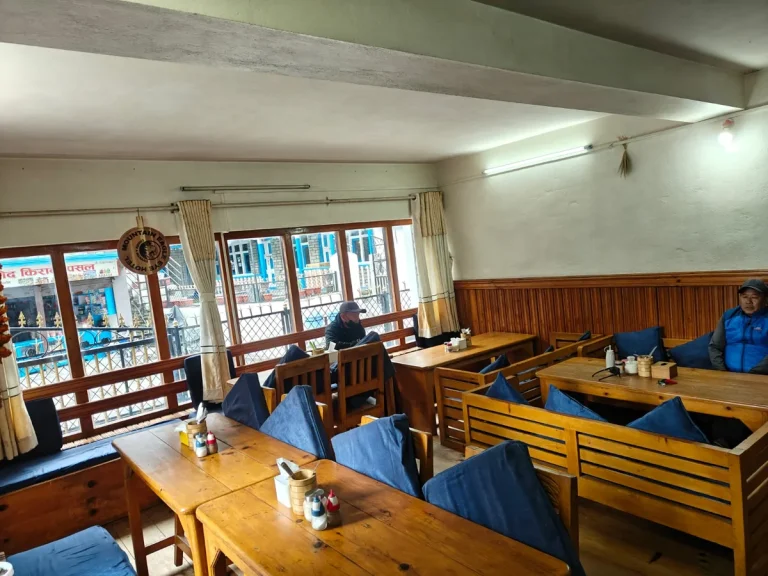
Meals on trail are pay as you go. Teahouses serve dal bhat, garlic soup, noodle soup, fried rice, eggs, momos, pancakes, and ginger tea. Dal bhat is cooked fresh per order and is the best value and safest option at any stop. Vegetarian options are available everywhere on the route. Avoid meat above Ghorepani as freshness cannot be guaranteed. Drink boiled or purified water only — available at all teahouses for a small charge.
| Meals on trail | $25 to $35 / day |
| Hot shower | $2 to $5 |
| Wi-Fi (where available) | $2 to $3 |
| Battery charging per device | $2 to $3 |
| Bottled water | $1 to $2 |
What Our Trekkers Say
“Perfect short trek in Nepal”
Kumar was a great guide for our Poon Hill trek, we only had a short time in Nepal, so this was the perfect way to see the mountains without spending too long on the trail. The sunrise from Poon Hill was beautiful, and the villages along the way were a…
“Beautiful trek and wonderful guide”
Rajkumar looked after our family really well. The kids loved the forests, stone steps, and small villages along the trail, and he was very patient with everyone. Poon Hill at sunrise was absolutely worth the early wake-up call. A lovely few days, and we'd happily recommend MountainKick.
“A great introduction to trekking in Nepal”
We did this as a group of friends and had a brilliant time. Gopal was friendly, relaxed, and clearly knew the route well. The scenery was fantastic, especially around Ghorepani and Poon Hill, challenging enough to feel like a proper trek, but still very manageable for us.
“Poon Hill sunrise was unforgettable”
Kumar made our trek genuinely enjoyable from start to finish. The early morning climb to Poon Hill was tough in the dark, but watching the sun come up over the Annapurna and Dhaulagiri ranges made it entirely worth it. We also loved staying in the small mountain villages, a very…
“Lovely few days in the mountains”
Jeevan was excellent and very easy to travel with, he took his time, explained things along the way, and made sure we were comfortable each day. The trek suited our group well and the scenery was beautiful. We especially enjoyed the quieter trails away from the larger villages.
Frequently Asked Questions
How difficult is the Ghorepani Poon Hill Trek?
This trek is rated Moderate (Level 2 on our scale). You walk 4 to 6 hours a day on well-marked trails with one genuinely hard day — the stone-step climb from Tikhedhunga to Ghorepani, which gains 1,320m over 13km. The maximum altitude is 3,210m at Poon Hill, well below where serious altitude sickness becomes a concern. No prior trekking experience is required, but you should be comfortable walking uphill for several hours with a 4 to 5kg daypack. If you can manage stairs for 90 minutes without stopping, you can manage Ulleri. Trekking poles are strongly recommended for both the ascent and the knee-heavy descents. See our full trek difficulty guide for where Poon Hill sits against other Nepal routes.
Is Poon Hill suitable for beginners with no trekking experience?
Yes. It is one of Nepal’s most beginner-friendly treks. The maximum altitude is 3,210m, daily hiking averages 4 to 6 hours on well-marked trails, and you sleep in teahouses with hot meals every night. The steepest section is the 3,000-step climb on Day 4, which is challenging but short. If you can walk uphill at a steady pace for 5 to 6 hours, you can complete this trek. We recommend 4 to 6 weeks of preparation with regular cardio and stair climbing before you arrive.
How fit do I need to be and how should I prepare?
You should be comfortable hiking 4 to 6 hours per day carrying a daypack of 3 to 5kg. Prepare with cardiovascular training three to four times a week for 4 to 6 weeks before departure. Hiking, jogging, stair climbing, and cycling all work well. Practice hikes of 3 to 5 hours on varied terrain are the best preparation. Pay particular attention to downhill training — the descents from Tadapani to Ghandruk put real pressure on the knees. You do not need to be an athlete, but better fitness means a more enjoyable trek.
What is the best time to do the Poon Hill Trek?
The two best seasons are autumn (September to November) and spring (March to May). Autumn brings clear skies and excellent mountain visibility after the monsoon clears. Spring is equally good with warmer temperatures and the rhododendron forests in full bloom between Ghorepani and Tadapani, most spectacular in March and April. Winter (December to February) is possible but cold above Ghorepani with some risk of snow on the trail. The monsoon (June to August) brings heavy daily rainfall and is generally not recommended.
Can altitude sickness be a problem on the Poon Hill Trek?
Altitude sickness is unlikely at the maximum elevation of 3,210m, but some trekkers arriving from sea level experience mild headaches, fatigue, or disrupted sleep above 2,500m. Stay well-hydrated, maintain a steady pace, and avoid rushing the ascent to Ghorepani. Our guides are trained to monitor symptoms and will always recommend descending if anything more serious develops. For a full breakdown of symptoms and prevention read our altitude sickness guide.
Is the Poon Hill Trek suitable for families?
Yes. Poon Hill is one of Nepal’s most family-friendly treks, recommended for children aged 12 and above. Daily distances are manageable at 4 to 6 hours, teahouses provide warm meals and basic comfortable accommodation throughout, and the maximum altitude of 3,210m is safe for healthy children acclimatizing gradually. The one exception is Day 4 — the Ulleri stone steps are steep and long and demand patience from younger trekkers. Contact us to discuss your group and we can adjust the daily pace accordingly.
What permits do I need and are they included?
Two permits are required: the Annapurna Conservation Area Permit (ACAP) and the TIMS card. Both are included in the MountainKick package price. You do not need to visit any permit office yourself — we handle all paperwork before you leave Kathmandu. Bring your passport and two passport-sized photos. Permits are checked at Birethanti at the start of the trail and at several checkpoints along the route, so carry them throughout the trek. For current 2026 permit fees and rules read our Nepal trekking permits guide.
Do I need a licensed guide for the Poon Hill Trek?
Yes. Since April 2023 Nepal requires all foreign trekkers on designated routes including the Annapurna region to trek with a licensed guide. Trekking independently is no longer permitted and checkpoints on the trail enforce this. Your MountainKick package includes an NTB-licensed, English-speaking guide for the full trek. Beyond the legal requirement, having a guide who knows the trail, the teahouses, and the local conditions makes a real practical difference — especially on the pre-dawn Poon Hill climb.
What transport is used and what is included?
All city transfers in Kathmandu and Pokhara use private vehicles. The Kathmandu to Pokhara journey both ways is by tourist bus, departing at 7am and taking 8 to 10 hours. Transport between Pokhara and the trek start and finish points is by private vehicle. All transport listed in the itinerary is covered in the package price. If you prefer to fly between Kathmandu and Pokhara (25 minutes) or travel by private vehicle, both are available as optional upgrades.
What food is available on the trail and is it safe?
Teahouses along the Poon Hill route serve dal bhat, noodle soup, fried rice, pasta, eggs, pancakes, momos, and garlic soup. Dal bhat is cooked fresh to order and is the safest and most nutritious option at every stop. Vegetarian food is available everywhere. Avoid meat above Ghorepani — freshness cannot be guaranteed at that elevation. For drinking water, use boiled water from teahouses (small charge) or bring purification tablets. Budget $25 to $35 per day for meals on trail.
What should I budget beyond the package price?
Budget for: international flights, Nepal visa (15-day $30 / 30-day $50 / 90-day $125), travel insurance, all meals on trek ($25 to $35 per day), hot showers and Wi-Fi ($2 to $5 each), and tips for your guide ($8 to $12 per day) and porter ($5 to $8 per day). Most trekkers spend an additional $350 to $450 on top of the $550 package price.
What travel insurance do I need?
Travel insurance is mandatory and must cover emergency helicopter evacuation to at least 4,000m. Even on a moderate trek, evacuations happen — a bad fall or acute illness can require helicopter rescue from terrain with no road access. A single evacuation without insurance can cost $2,000 to $4,000. Make sure your policy also covers trip cancellation and medical expenses. Carry a printed or digital copy of your policy and emergency contact number throughout the trek. For a full guide on what to look for read our travel insurance guide.
How does Poon Hill compare to Mardi Himal or Annapurna Base Camp?
Poon Hill (9 days, $550) is the shortest and lowest of the three, reaching 3,210m with a focus on the sunrise panorama and Gurung village culture. Mardi Himal (10 days, $615) is slightly longer and reaches 4,500m at the high camp, with a quieter trail and closer views of Machhapuchhre. Annapurna Base Camp (14 days, $820) continues into the Sanctuary, reaching 4,130m in a dramatic glacial amphitheatre surrounded by 8,000m peaks. Poon Hill suits limited time or a first Himalayan trek. Our Poon Hill vs Mardi Himal comparison and Annapurna region guide break down the differences in detail.
Departure Dates & Pricing
Your dates, your group, your way
Same route and guides, just your group. Tell us when you'd like to go and how many of you there are, and we'll send you a day by day plan with a price.
- Nothing to pay now
- Plan and price by email
- Confirm with a 20% deposit
"*" indicates required fields
Rather chat? Message us on WhatsApp
-
1
20% deposit: due on booking Secures your place on the departure. The deposit is non-refundable. We also need a copy of your passport.
-
2
80% balance: due on arrival Pay the rest in Kathmandu before the trip starts. Bank transfer, cash, or card (4% card fee).
| Cancel before you arrive | Deposit not refunded, nothing more to pay |
| Cancel after the pre-trip meeting | No refund |
| Date or name change | USD 200 per person |
| MountainKick cancels trip | Full refund or reschedule |
Weather delays and extra days cost extra, so travel insurance is required. We give you documents for any claim.
Read the full terms and conditionsPacking List
Footwear
ⓘ Break your boots in before you arrive. New boots on 3,000 stone steps will ruin your trek.
Clothing
ⓘ You need layers, not volume. The same fleece that keeps you warm at dinner is what you wear up Poon Hill at 4:30am.
Head and Hands
ⓘ The Poon Hill summit at 4:30am is cold regardless of season. Pack these even in spring.
Gear
ⓘ Trekking poles are not optional. The stone steps and wet descents below Ghandruk are slippery. Poles prevent falls and protect your knees.
Health and First Aid
ⓘ Your guide carries a full kit and oximeter. Your personal kit covers the everyday issues. Blisters are the most common problem on this trek.
Toiletries
ⓘ Keep it minimal. You are staying in small teahouse rooms with limited space.
Documents and Money
ⓘ Documents and Money category_note: No ATMs past Pokhara. Carry all cash from Pokhara in small denominations — 100, 500 and 1,000 rupee notes. Large notes are hard to change at small teahouses.
Trekking in Winter (Dec to Feb)
Trekking in Monsoon (Jun to Aug)
⚠ Monsoon is not recommended for Poon Hill. Trails are slippery, mountain views are rare, and leeches are active on the lower sections.
Leave at home
-
Jeans or cotton clothing Takes days to dry and has zero insulation when wet.
-
Full-size towel Heavy and bulky. Microfiber only.
-
Laptop No need and the weight is punishing on steep trails.
-
Excessive snacks from home Dal bhat and teahouse food is cheap and abundant.
-
Valuables and jewellery Leave at the hotel in Kathmandu.
Sleeping bags and down jackets can be rented in Pokhara. Trekking poles are cheap to buy there and worth keeping. MountainKick provides a duffel bag for every trekker and connects you with trusted shops at the pre-trip briefing.
Ghorepani Poon Hill Trek
Talk to Kumar and the team before you commit. Ask about gear, fitness, altitude or a private group.

Tales from the Himalayas
 Travel
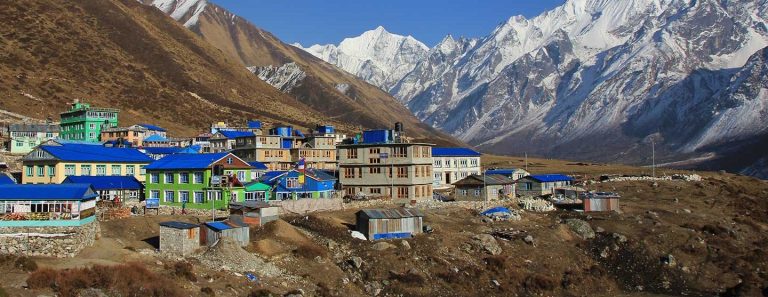
 Best Time to Trek Langtang Valley: Month by Month
Langtang is close to Kathmandu and good for much of the year, but the season changes everything from the views…
 Annapurna Region
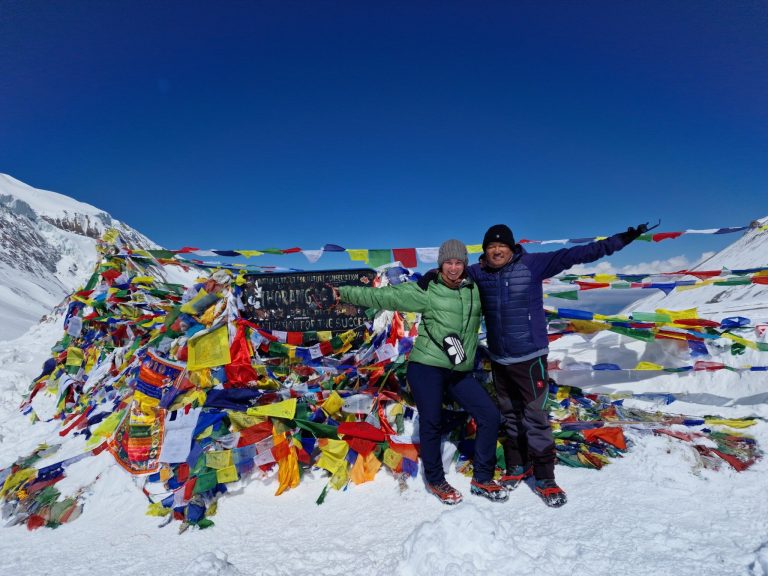
 Thorong La Pass: A Guide to the Big Day on the Annapurna Circuit
Thorong La at 5,416m is the highest point of the Annapurna Circuit. Here’s what crossing day is really like, from…
 Everest Region
 Annapurna Circuit Teahouses: What the Rooms Are Really Like
Teahouses on the Annapurna Circuit range from comfortable lodges in Manang to bare rooms at Thorong Phedi. Here’s what to…