Gokyo Valley Trek: A Complete Guide to the Route, Lakes and Gokyo Ri
The Gokyo Lakes trek is a 13-day trek in the Everest region. You fly to Lukla, walk to Namche, then turn up the quiet Dudh Koshi valley to a chain of turquoise glacial lakes at around 4,700 to 4,800m. The highlight is the sunrise climb of Gokyo Ri, at about 5,357m, with views of Everest, Lhotse, Makalu and Cho Oyu.
We grade it Hard. The trail is not technical, but the altitude is serious. Our Gokyo Valley trek starts from USD 1,010 per person, and the best months are September to November and March to May.
- Length: 13 days from Kathmandu
- Grade: Hard, mainly because of the altitude
- Highest point: Gokyo Ri, about 5,357m
- Highest night: Gokyo village, about 4,790m
- Walking days: usually 4 to 7 hours
- Price: USD 1,010 to 1,415 per person, depending on group size
- Best months: September to November and March to May
- Last updated: October 2026
In This Guide
What Is the Gokyo Lakes Trek?
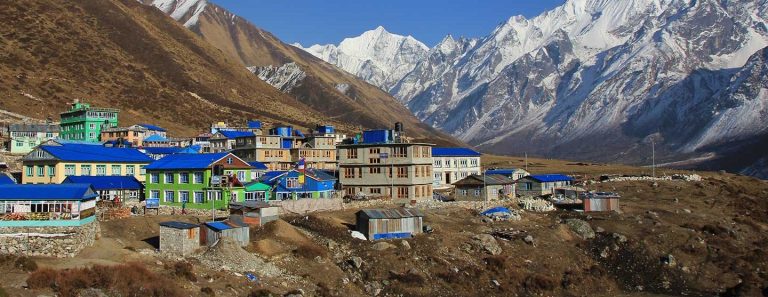
Gokyo is the quieter valley next to the Everest Base Camp route. Instead of following the crowds to Base Camp, you head north-west from Namche through Dole and Machhermo to a chain of glacial lakes beside the Ngozumpa Glacier, often described as the longest glacier in Nepal.
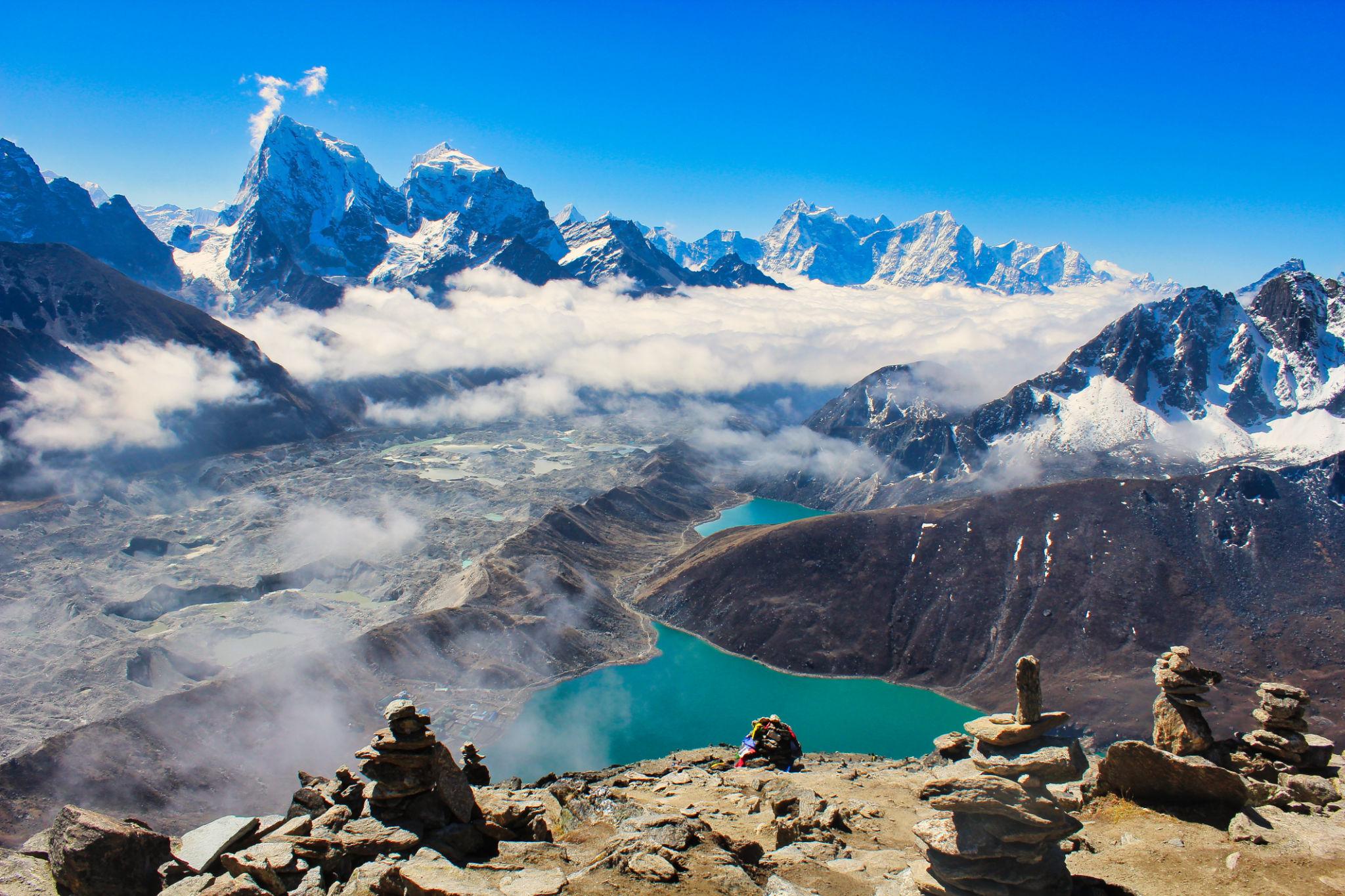
The main viewpoint is Gokyo Ri. From the top you see four of the world’s 8,000m peaks at once: Everest, Lhotse, Makalu and Cho Oyu. Kala Patthar on the EBC trek gives you a closer view of Everest, while Gokyo Ri gives you the wider panorama.
Gokyo Lakes Trek Itinerary
| Day | Route | Overnight | Altitude | Walking |
|---|---|---|---|---|
| 1 | Arrive in Kathmandu | Kathmandu | 1,400m | |
| 2 | Fly to Lukla, walk to Monjo | Monjo | 2,835m | 4 to 5 hrs |
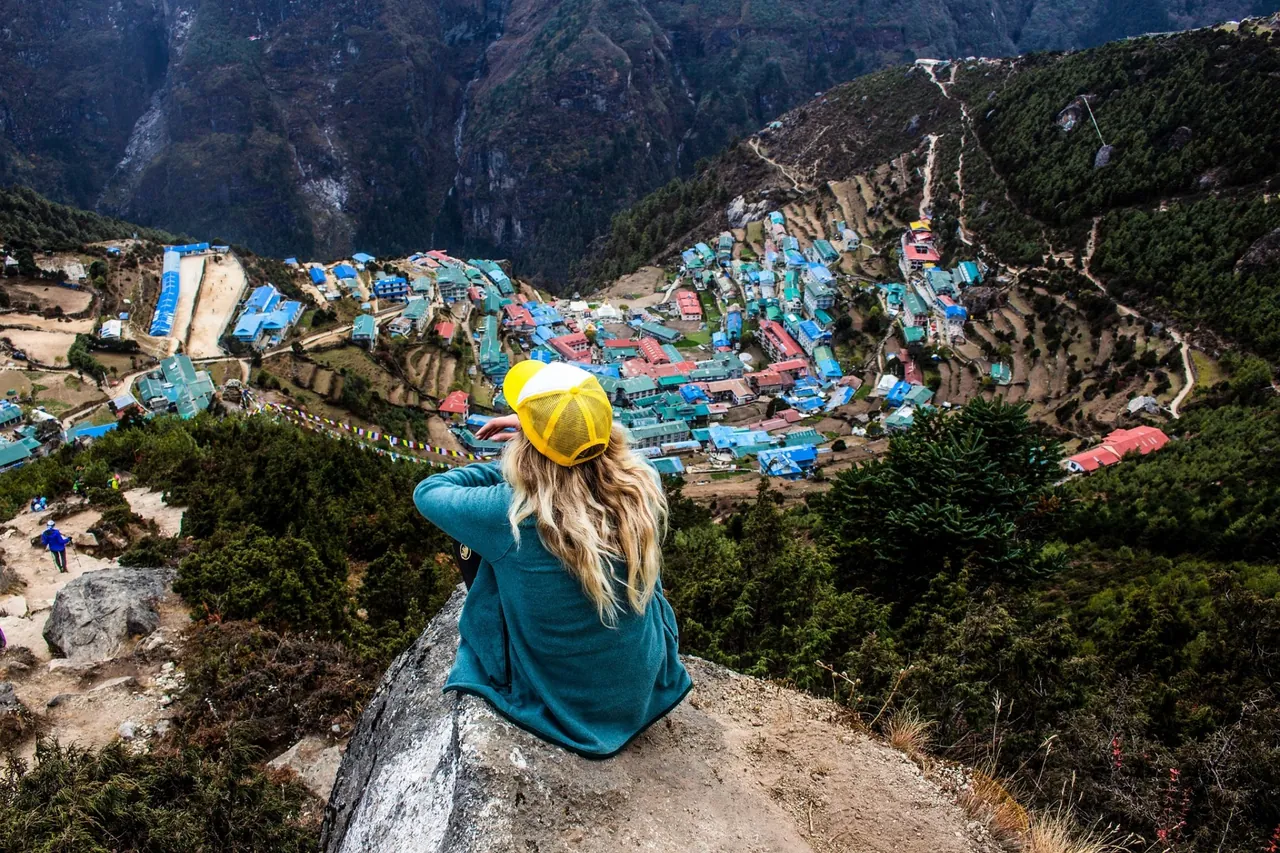
| 3 | Monjo to Namche Bazaar | Namche | 3,440m | 4 to 5 hrs |
| 4 | Rest day, Everest View Hotel hike | Namche | 3,440m | 3 to 4 hrs |
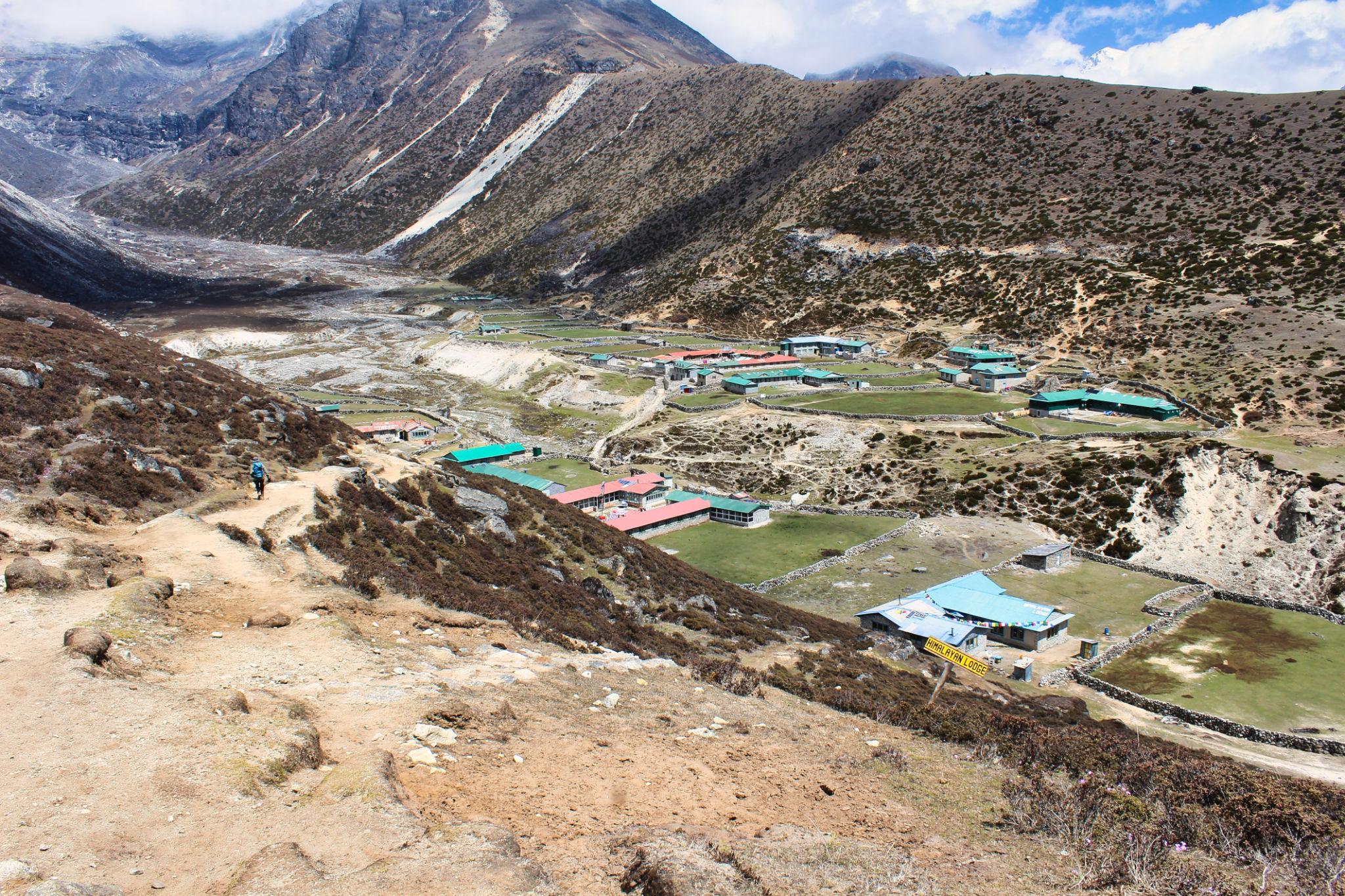
| 5 | Namche to Dole | Dole | 4,038m | About 5 hrs |
| 6 | Dole to Machhermo | Machhermo | 4,470m | About 4 hrs |
| 7 | Machhermo to Gokyo | Gokyo | 4,790m | 5 to 6 hrs |
| 8 | Gokyo Ri at sunrise, down to Machhermo | Machhermo | 5,357m at the top | 6 to 8 hrs |
| 9 | Machhermo to Tengboche | Tengboche | 3,860m | 6 to 7 hrs |
| 10 | Tengboche to Namche | Namche | 3,440m | 4 to 5 hrs |
| 11 | Namche to Lukla | Lukla | 2,860m | 6 to 7 hrs |
| 12 | Fly to Kathmandu | Kathmandu | 1,400m | |
| 13 | Departure |
Times vary with your pace, the weather and the trail. See the full Gokyo Valley trek itinerary.
The Gokyo Lakes
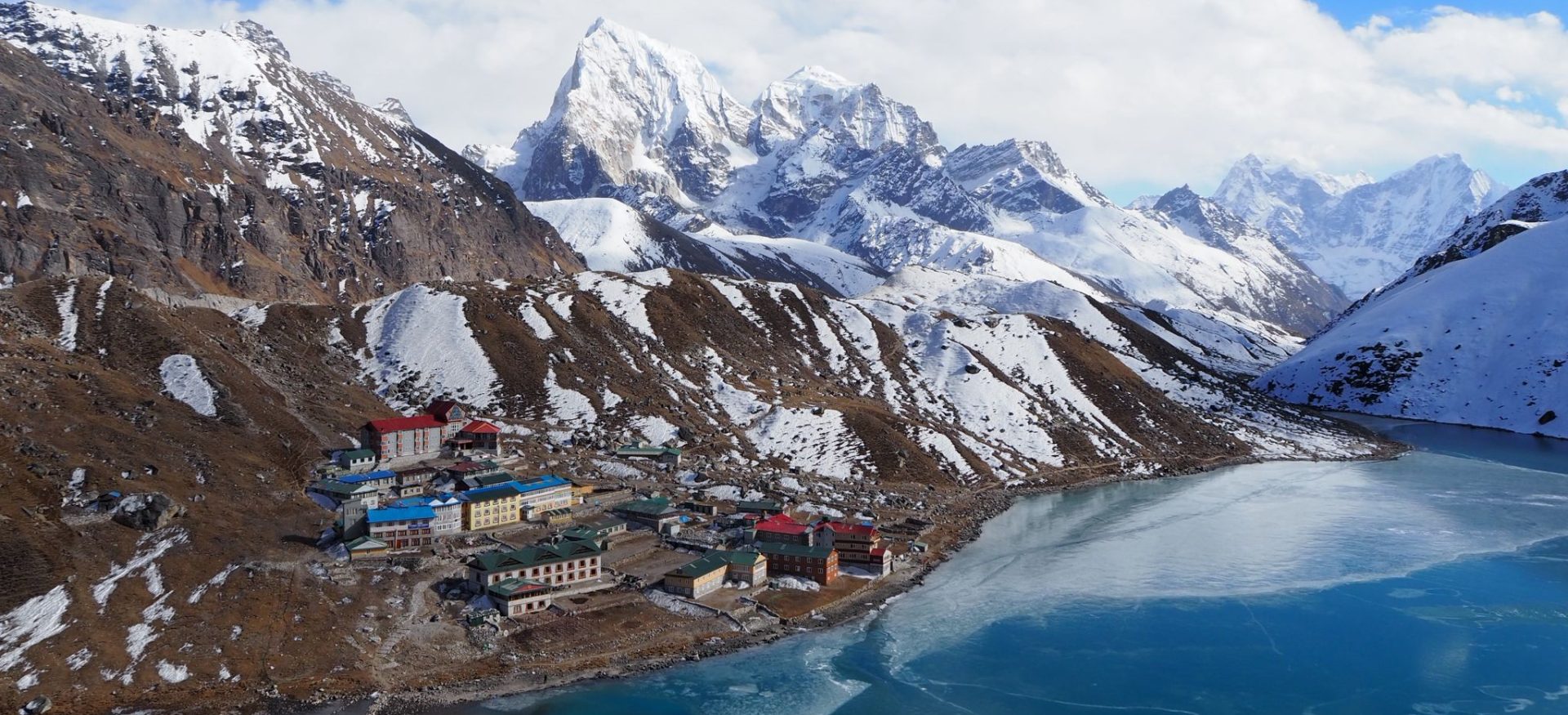
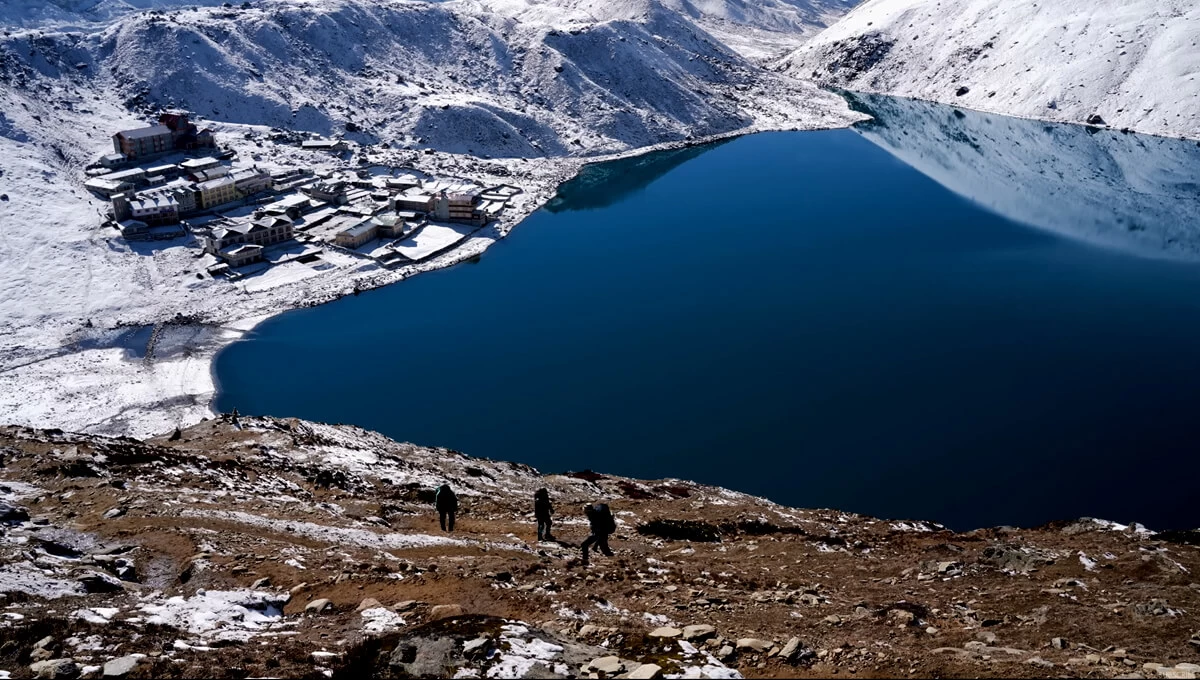
You pass the first lakes on the way up from Machhermo. Gokyo village sits beside the third and largest of the main lakes, Dudh Pokhari. More lakes lie further up the valley. If you have energy on your afternoon in Gokyo, the walk towards the fifth lake and the views of Cho Oyu makes a good extra half day. You can also walk up onto the edge of the Ngozumpa Glacier, keeping the effort easy.
The water is a bright turquoise from glacier melt. On a still, clear morning the lakes reflect the peaks around them, and in the colder months the edges freeze.
Climbing Gokyo Ri
You leave Gokyo village before sunrise, cross the lake outlet and climb straight up a steep hill of zigzags. It is about 570m of climbing and usually takes 2 to 3 hours. From the top you see Everest, Lhotse, Makalu and Cho Oyu, with the Ngozumpa Glacier and the lakes below.
Then you come back down to Gokyo and walk on to Machhermo, so it is a long day. It is also your first time above 5,000m. Go slowly, tell your guide if you feel unwell, and do not push on to the top if symptoms are getting worse.
How Hard Is the Gokyo Lakes Trek?
We grade it Hard. The challenge is the altitude, not the trail.
- Altitude. You sleep at about 4,790m and climb to about 5,357m.
- A quick ascent. After the Namche rest day you reach Gokyo in three days and climb Gokyo Ri the next morning. If you want a slower pace, we can add a night at Machhermo or Gokyo, depending on your dates and lodge space.
- A long summit day. The Gokyo Ri climb is followed by the walk down to Machhermo.
- Cold. Nights at Gokyo are well below freezing for much of the year.
Train for 8 to 12 weeks with hill walks and longer hikes, so you can manage several hours of walking on back to back days. Fitness helps with the walking, but it does not protect you from altitude sickness. Talk to your doctor about altitude medicine before you go, and read our guide to altitude sickness on Nepal treks.
Permits for the Gokyo Trek
- Sagarmatha National Park permit: NPR 3,000
- Khumbu Pasang Lhamu Rural Municipality permit: NPR 3,000
- Licensed guide: required
Both permits are included in our package. See our Nepal trekking permits guide for the details.
Extending the Trek: Renjo La and Cho La
Two high passes lead out of the Gokyo valley. Both are much harder than the standard route and need good weather and acclimatisation.
- Renjo La (about 5,360m): crosses west from Gokyo to Thame and the Bhote Koshi valley, making a loop back to Namche.
- Cho La (about 5,420m): crosses east from Gokyo towards Everest Base Camp. Our EBC via Gokyo Valley trek takes this route.
Gokyo or Everest Base Camp?
Gokyo is quieter, with the lakes and the bigger panorama. EBC has Base Camp itself and views of the Khumbu Icefall. The altitude challenge is similar on both. See our full EBC vs Gokyo comparison.
If you want both, our EBC via Gokyo Valley trek links them over the Cho La pass, and the Everest Three Passes trek crosses all three high passes.
Best Time for the Gokyo Lakes Trek
- September to November: one of the best times. October and November often bring clear skies.
- Early December: can be clear and quiet, but it is cold and some lodges start to close.
- Mid-December to February: very cold, with snow, frozen lakes and lodge closures possible. Only for well prepared trekkers.
- March to May: the spring season, with warmer days, though snow can stay higher up.
- June to August: monsoon cloud and rain, and Lukla flights are often delayed. Not the best time for views.
Weather changes fast at altitude, so no month guarantees clear skies.
Lodges and Costs
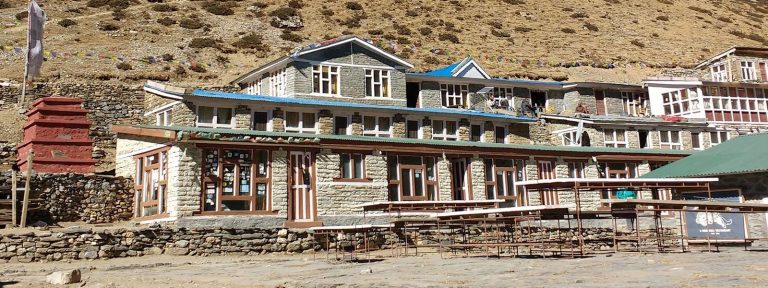
Teahouses on the Gokyo route are simple. Above Namche, rooms are cold, bathrooms are usually shared, and hot showers, charging and WiFi cost extra. Prices rise the further you go from Namche because everything is carried in.
Plan for around USD 25 to 40 a day for meals and USD 2 to 5 for a hot shower. For a full budget, see our Gokyo trek cost guide.
Tips for the Gokyo Lakes Trek
- Never skip the Namche rest day. See our Namche Bazaar guide.
- Ask for an extra night at Machhermo or Gokyo if you are slow to acclimatise.
- Start Gokyo Ri early, before the clouds come in.
- Bring warm layers and a warm sleeping bag for Gokyo.
- Carry water and snacks on the longer days.
- Leave a spare day in your plans for Lukla flight delays.
Frequently Asked Questions
How high is Gokyo Ri?
Gokyo Ri is about 5,357m. Published figures vary slightly.
How long is the Gokyo Lakes trek?
Our itinerary takes 13 days from Kathmandu, including arrival, the Lukla flights and departure.
How hard is the Gokyo Lakes trek?
Hard, mainly because of the altitude and the steep Gokyo Ri climb. No technical climbing is needed, but you need good fitness and proper acclimatisation.
Is Gokyo Ri better than Kala Patthar?
It depends on what you want. Gokyo Ri gives a wide panorama of Everest, Lhotse, Makalu and Cho Oyu with the lakes below. Kala Patthar gives a closer view of Everest.
How many lakes are there at Gokyo?
There are usually said to be six main lakes. Gokyo village sits beside the third, Dudh Pokhari.
When is the best time for the Gokyo Lakes trek?
September to November and March to May. Weather can change quickly at altitude in any month.
Can I combine Gokyo and Everest Base Camp?
Yes, on our EBC via Gokyo Valley trek, which crosses the Cho La pass. It is a demanding crossing that needs good weather and acclimatisation.
Can I add an extra acclimatisation night?
Yes, we can add a night at Machhermo or Gokyo, depending on your dates and lodge space. It helps, but it does not remove the risk of altitude sickness.