Muktinath Temple: A Guide for Trekkers and Visitors
Muktinath is a temple complex at about 3,710m in Mustang, sacred to both Hindus and Buddhists. It’s known for its 108 sacred water spouts and the nearby Jwala Mai shrine, linked with a natural gas flame.
Trekkers commonly visit after crossing Thorong La on the Annapurna Circuit, while other visitors reach Ranipauwa by road from Jomsom. You can also walk to Muktinath from Jomsom via the Kali Gandaki valley.
- Altitude: about 3,710m
- Sacred to: Hindus (Vishnu) and Buddhists (Avalokiteshvara)
- Main sights: 108 water spouts, two sacred pools and the Jwala Mai shrine
- Nearest village: Ranipauwa, just below the temple
- From Jomsom: around five hours on foot, depending on the route, or a shorter journey by road when conditions allow
- Permit: ACAP, since it’s in the Annapurna Conservation Area
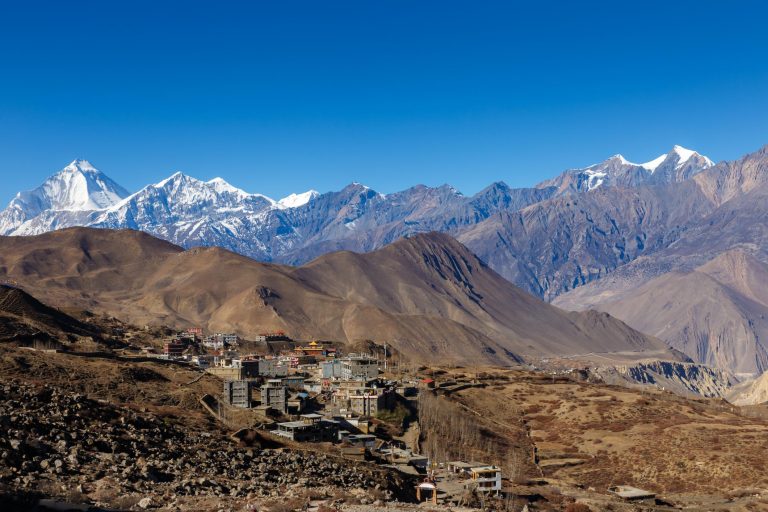
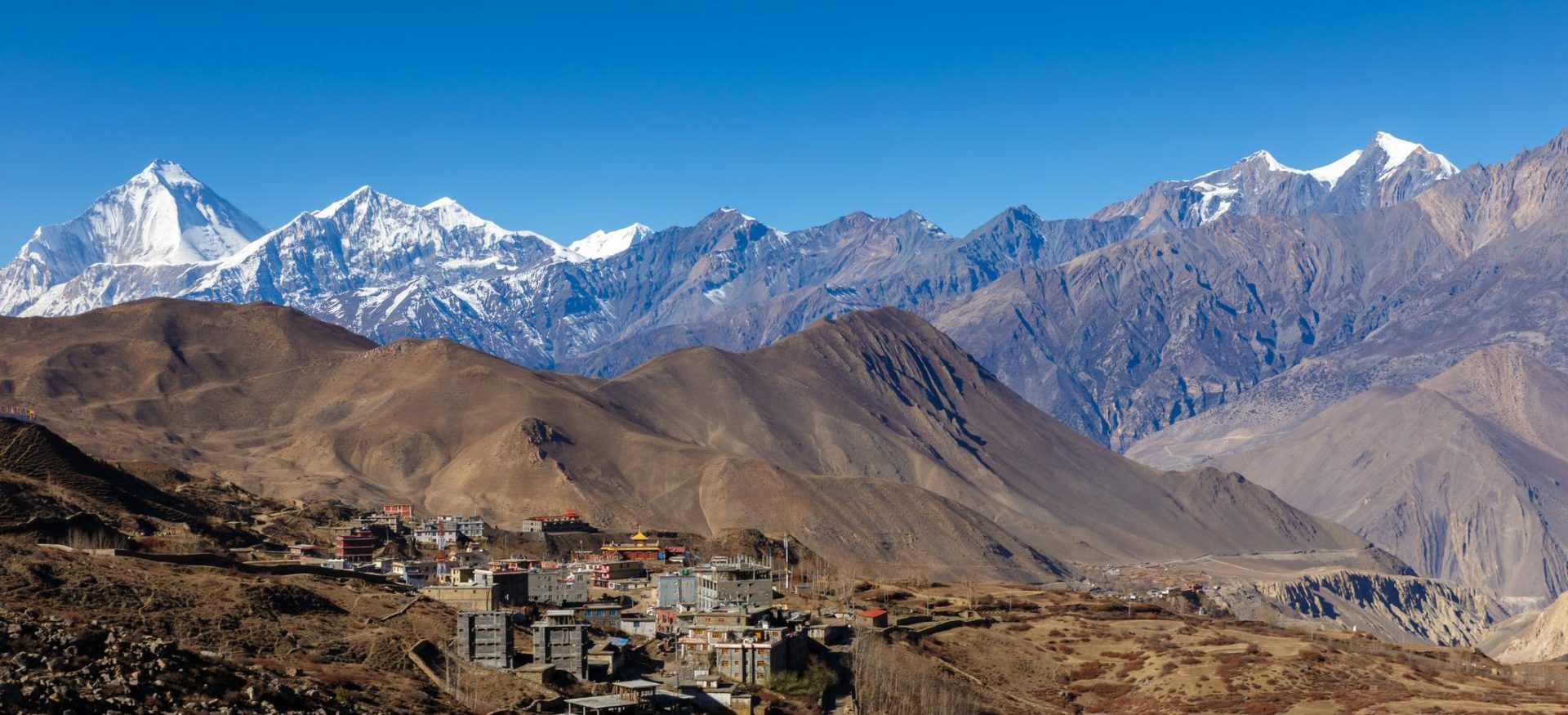
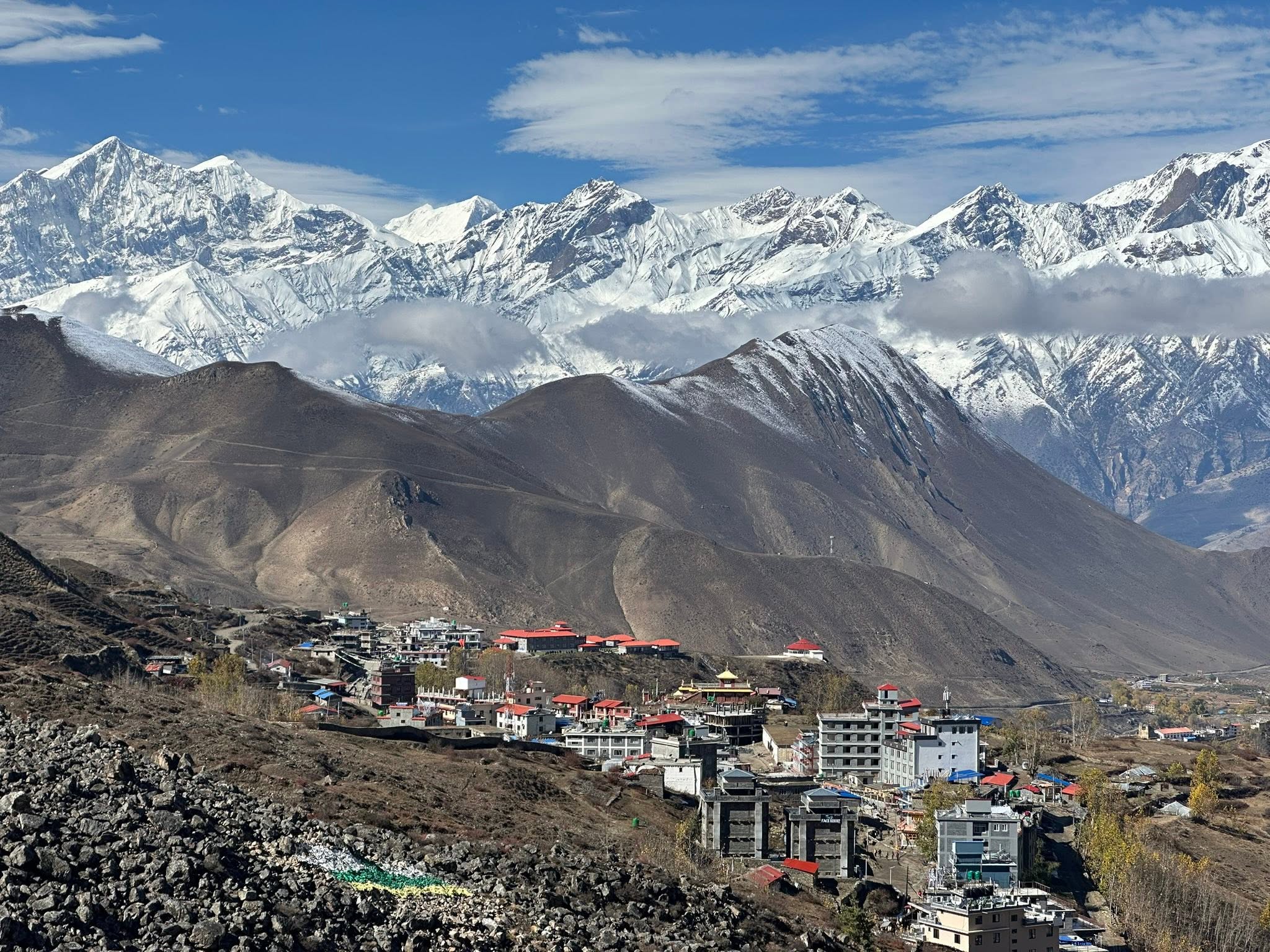
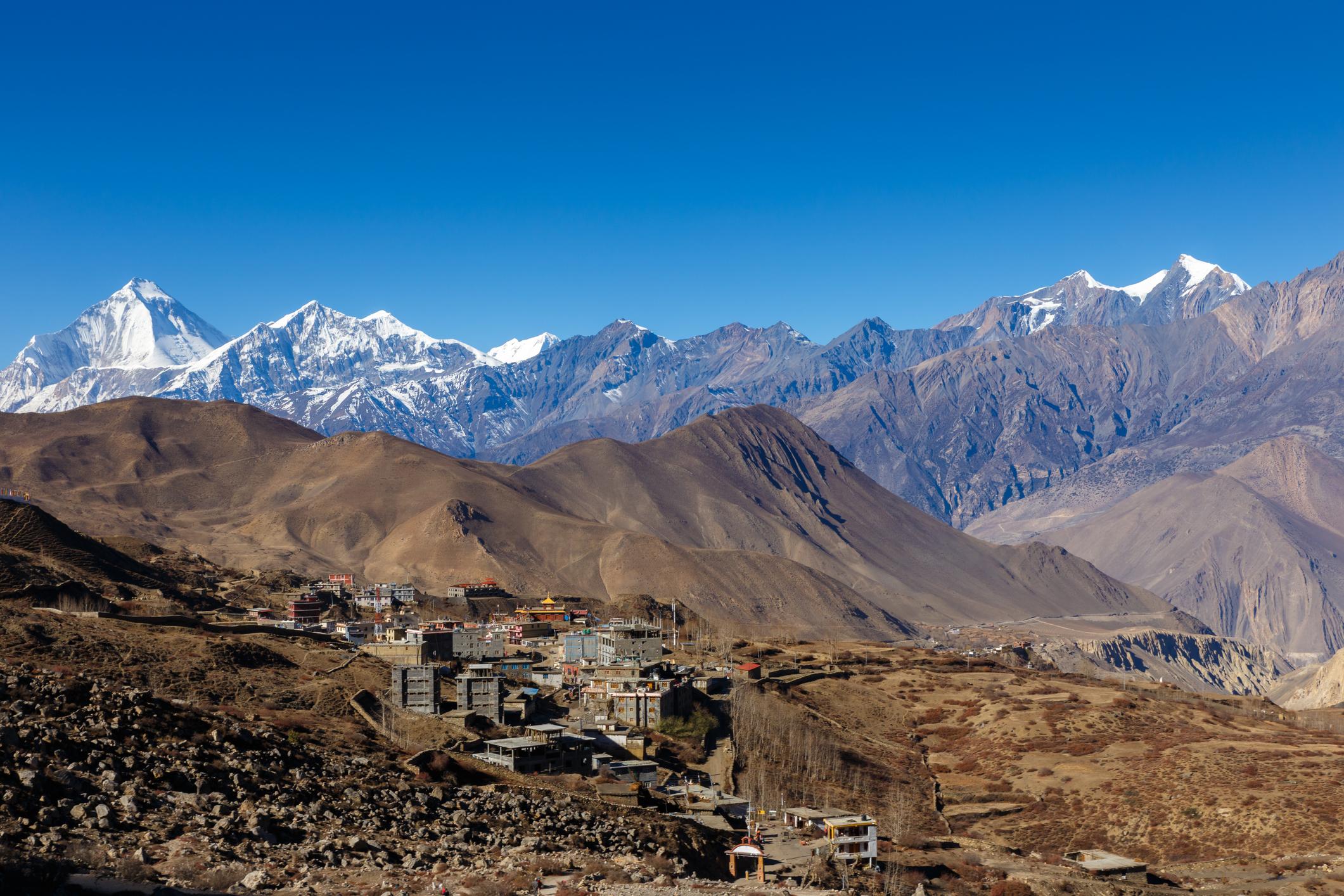
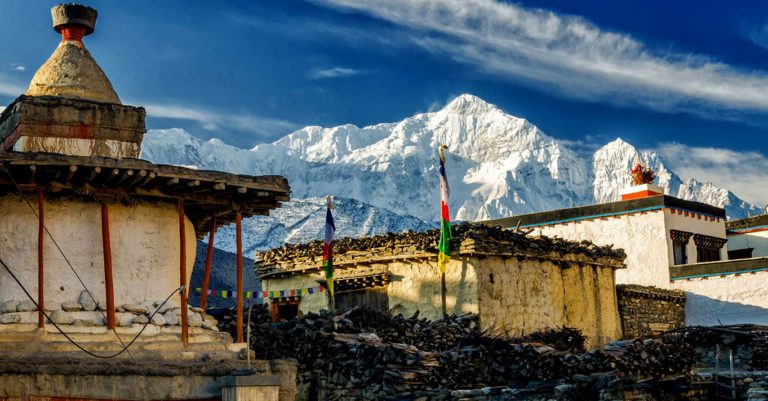
Muktinath sits on a dry, windswept slope below Thorong La, with views over the Mustang hills. For Hindus, it’s one of the most important pilgrimage sites in Nepal. For Buddhists, it’s an important site in Tibetan Buddhism.
For trekkers, it’s often the first stop after the big day over Thorong La, or the high point of a walk up from Jomsom. Here’s what to expect.
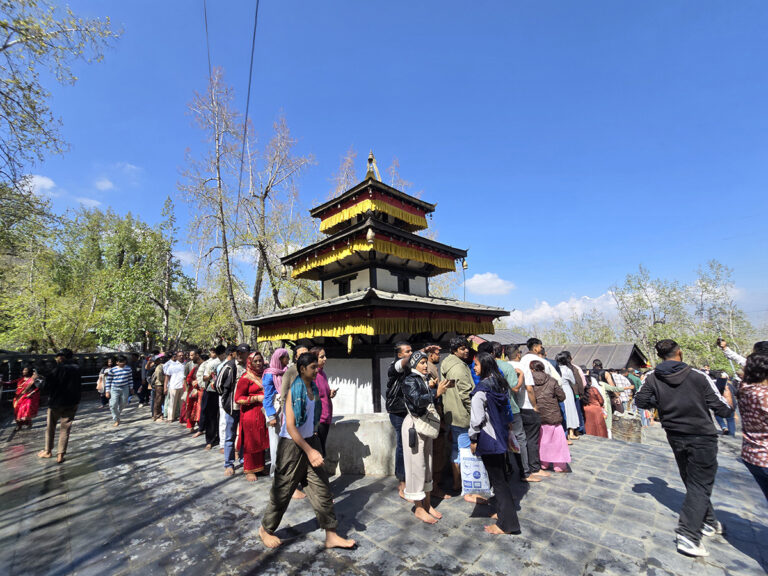
Why Muktinath Is Sacred
- For Hindus: the temple is dedicated to Vishnu and counted among the 108 Divya Desams, his holiest temples. Many pilgrims believe bathing here helps bring liberation, or mukti.
- For Buddhists: Muktinath is known as Chumig Gyatsa, often translated as “a hundred waters”, and is an important pilgrimage site in Tibetan Buddhism. In Buddhist tradition, Guru Rinpoche is said to have meditated here.
Pilgrims and trekkers visit side by side, so dress modestly and follow local customs inside the temple area.
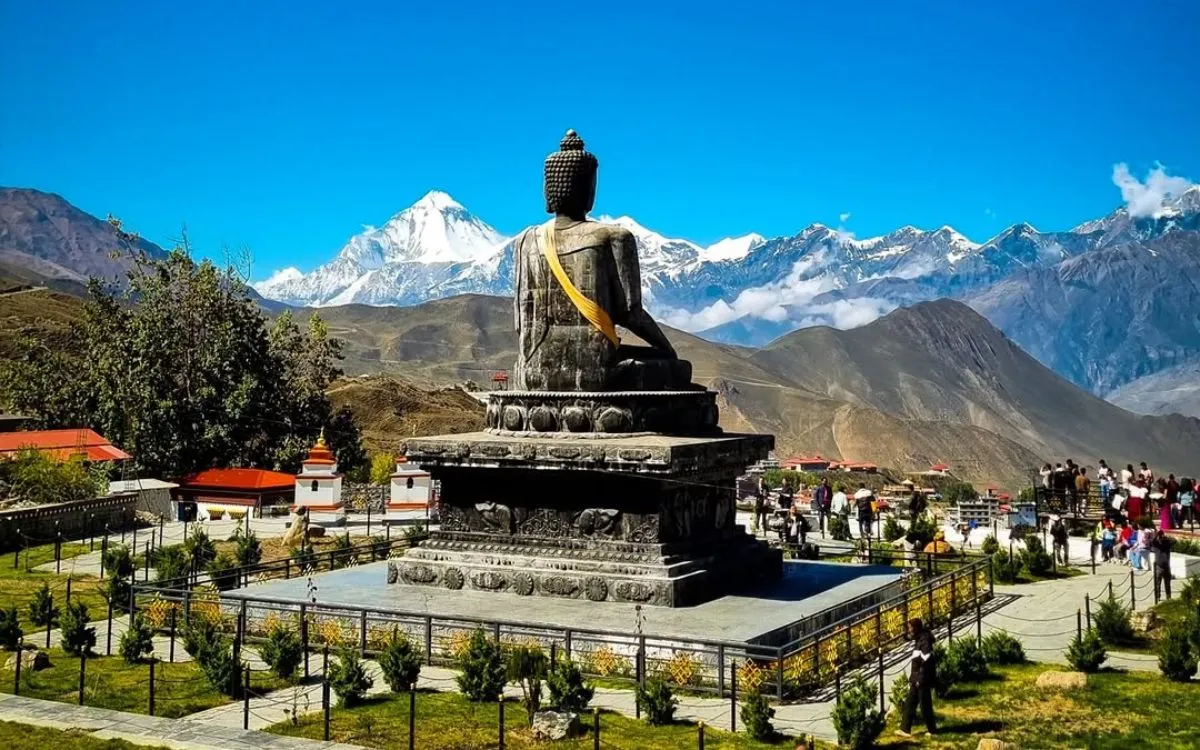
What to See at the Temple
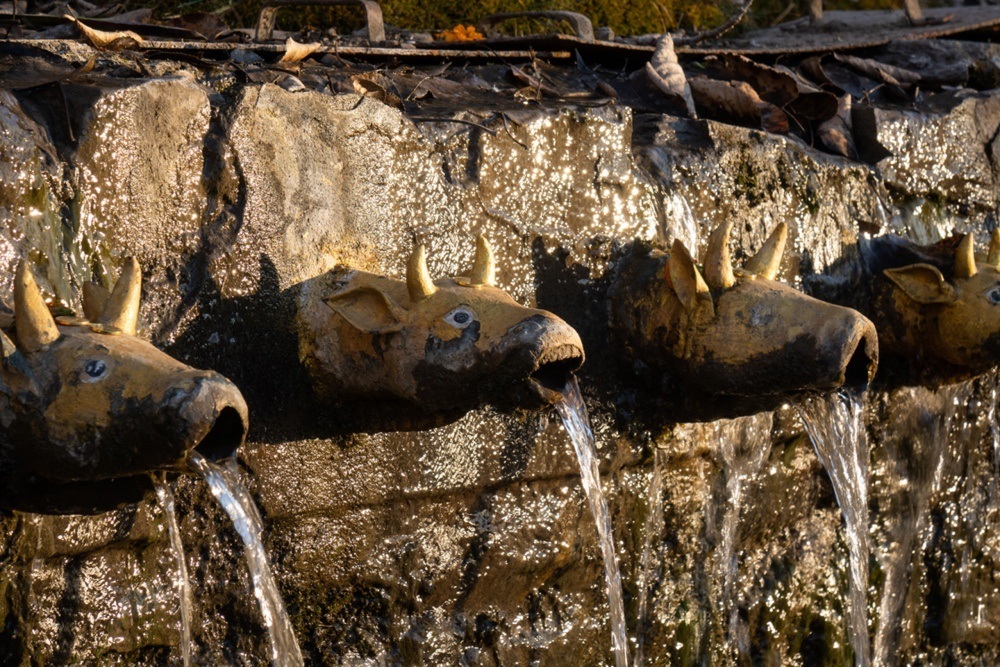
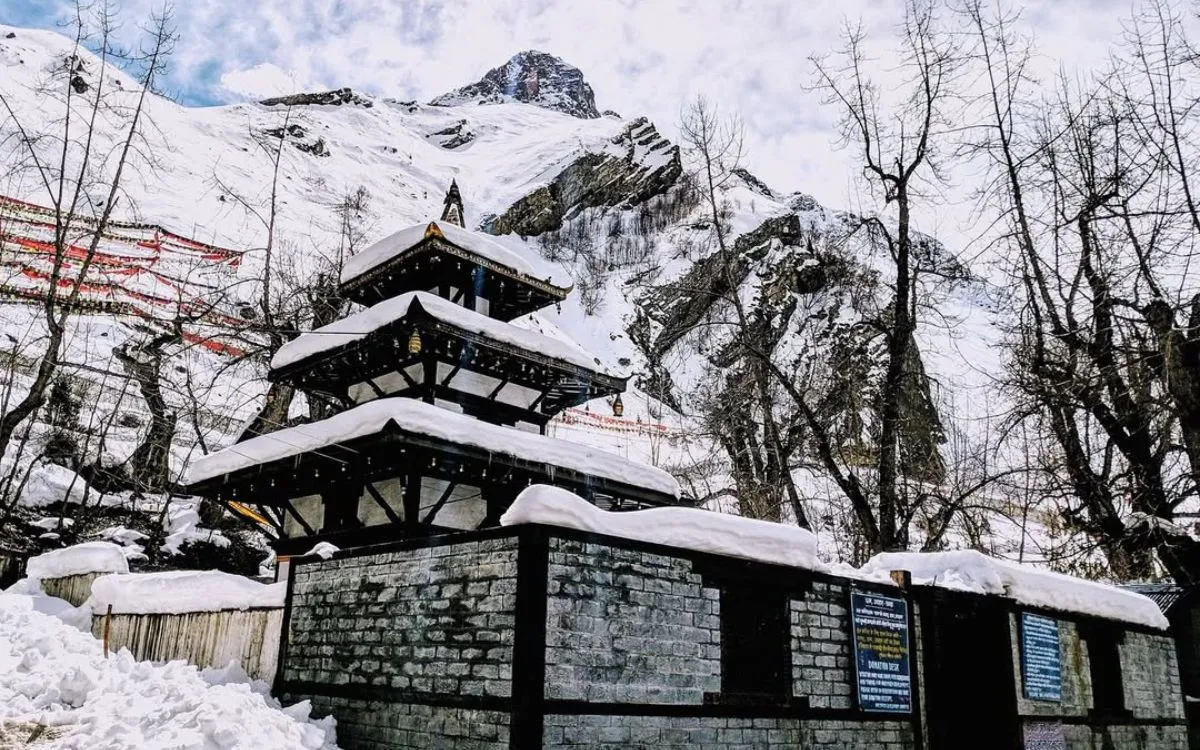
- The 108 water spouts: sacred springs where pilgrims perform ritual bathing in cold mountain water.
- The sacred pools: two pools in front of the main temple where pilgrims carry out religious rituals.
- Jwala Mai shrine: a nearby shrine linked with a natural gas flame, sacred to both Hindus and Buddhists.
- The main temple: a pagoda-style shrine dedicated to Vishnu.
- The landscape: views across the dry Mustang hills towards the Himalaya on clear days.
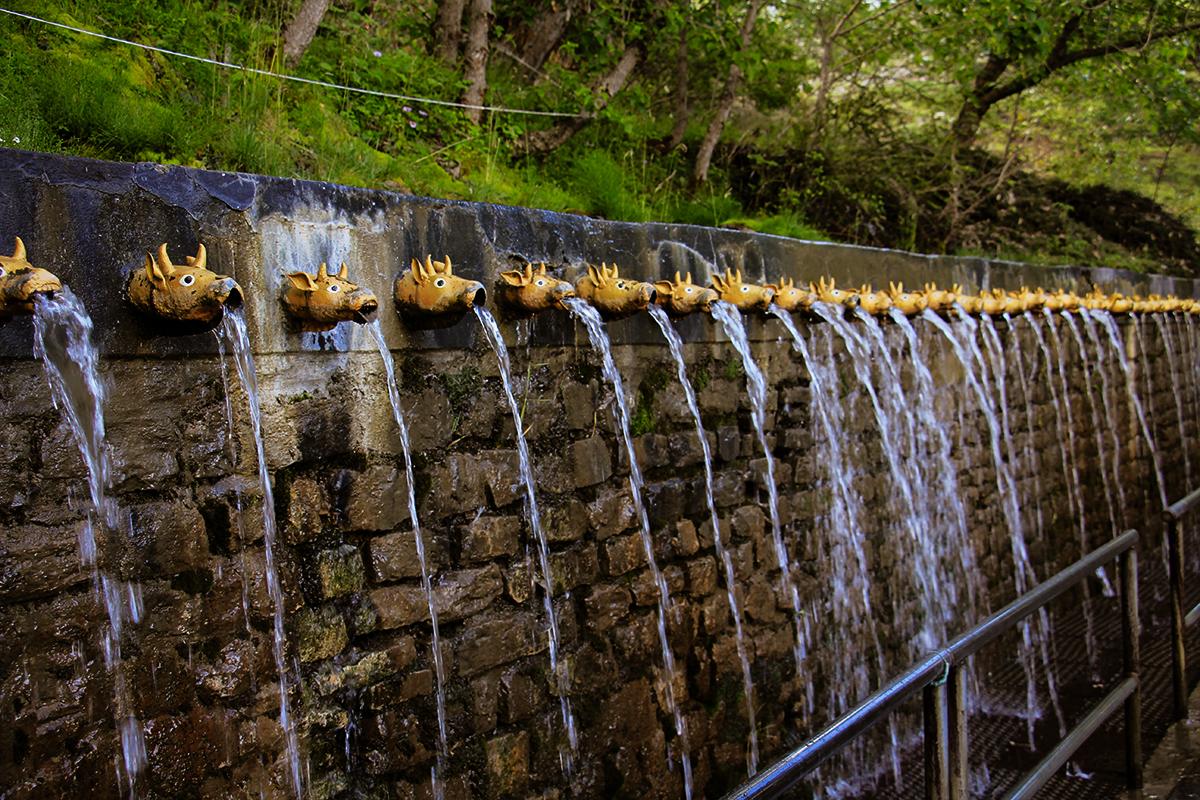
Going early in the day is often quieter, though pilgrim numbers vary with the season and religious festivals.
Getting to Muktinath
- On the Annapurna Circuit: trekkers commonly descend to Muktinath after crossing Thorong La (5,416m). The crossing is a demanding high-altitude day, and the descent to Muktinath is long. See our Thorong La guide.
- On foot from Jomsom: walk up the Kali Gandaki valley through Kagbeni, a medieval village on the edge of Upper Mustang. It takes around five hours, depending on the route and your pace.
- By road: jeeps run from Jomsom to Ranipauwa when conditions allow. Pokhara to Jomsom is a short flight or a long drive. See our Pokhara to Jomsom guide.
Altitude at Muktinath
At about 3,710m, Muktinath is high enough for altitude sickness to occur. Visitors who fly to Jomsom or drive quickly uphill should be especially careful about how they feel. Walking from lower down may give a more gradual ascent, but it doesn’t remove the risk. If you get a headache with nausea, dizziness or other worrying symptoms, stop going up and tell your guide. See our altitude sickness guide.
Where to Stay
Most visitors stay in Ranipauwa, the village just below the temple. It has a good range of lodges, simple restaurants and small shops. Nights are cold, and it’s often windy in the afternoon. On our treks, we arrange your rooms in advance.
Which Treks Include Muktinath?
All prices are per person for 2 to 3 people.
- Jomsom Muktinath Trek: 14 days, from USD 980. Poon Hill, Tatopani, the Kali Gandaki valley, Marpha and Kagbeni, then Muktinath before flying back from Jomsom.
- Annapurna Circuit Trek: 16 days, from USD 770. Muktinath is the overnight stop after the Thorong La crossing.
- Tilicho Lake and Thorong La Pass Trek: 17 days, from USD 973. Crosses Thorong La and descends to Muktinath.
Treks in this guide


Frequently Asked Questions
How high is Muktinath?
About 3,710m (12,172ft).
Do I need a permit to visit Muktinath?
Yes. Muktinath is in the Annapurna Conservation Area, so you need an ACAP permit. Visiting Muktinath doesn’t by itself need the restricted area permit for Upper Mustang, but extra permits apply if your route continues into Upper Mustang. We arrange permits on our treks.
Can I visit Muktinath without trekking?
Yes. You can fly or drive to Jomsom, then take a jeep to Ranipauwa when conditions allow. Take care with the altitude if you go up quickly.
What’s the best time to visit Muktinath?
March to May and September to November are usually best. Muktinath is in a rain shadow, so the monsoon affects it less than Pokhara, but flights and roads can still be disrupted. Winter is very cold, with snow at times.
Can Buddhists and Hindus both visit?
Yes. Muktinath is sacred to both, and visitors of any faith are welcome if they’re respectful.