Everest Base Camp Without Flying: Salleri, Surke and the Road Route
Yes, you can trek to Everest Base Camp without taking a domestic flight to Lukla. The most practical alternative is to travel overland from Kathmandu toward Salleri and then continue by jeep toward the current roadhead before joining the Everest trekking trail. Depending on road conditions, vehicles may reach areas around Thamdanda or further toward Surke.
This route adds road travel and extra trekking compared with flying to Lukla, but it lets you avoid the Lukla flight and gives you a longer approach through the Solu region.
Road conditions can change quickly, so the exact point where the jeep stops should be confirmed shortly before departure.
Everest Base Camp Without Flying: Key Facts
- Route: Kathmandu → Salleri → Thamdanda/Surke area → Phakding → main Everest trail
- Kathmandu to Salleri: around 9 to 11 hours by jeep or bus
- Roadhead beyond Salleri: varies between Thamdanda and Surke depending on current road conditions
- Extra time needed: more than a standard Lukla itinerary, depending on where the road ends
- Permits: the same Khumbu and Sagarmatha National Park permits are still required
- Alternative: a Jiri-based road approach also exists, and is considerably longer than the Salleri route
- Can you really do EBC without flying?
- The main road route to Everest Base Camp
- Kathmandu to Salleri
- Salleri to Thamdanda or Surke
- From the roadhead to Phakding
- Does this route join the normal EBC trek?
- How many extra days does it add?
- Why avoid the Lukla flight?
- Is it cheaper?
- What about the Lukla flight back?
- Road route vs Lukla flight
- Do you need different permits?
- Is the road route harder?
- Who should choose the road route?
- What is the best time for the road route?
- FAQs
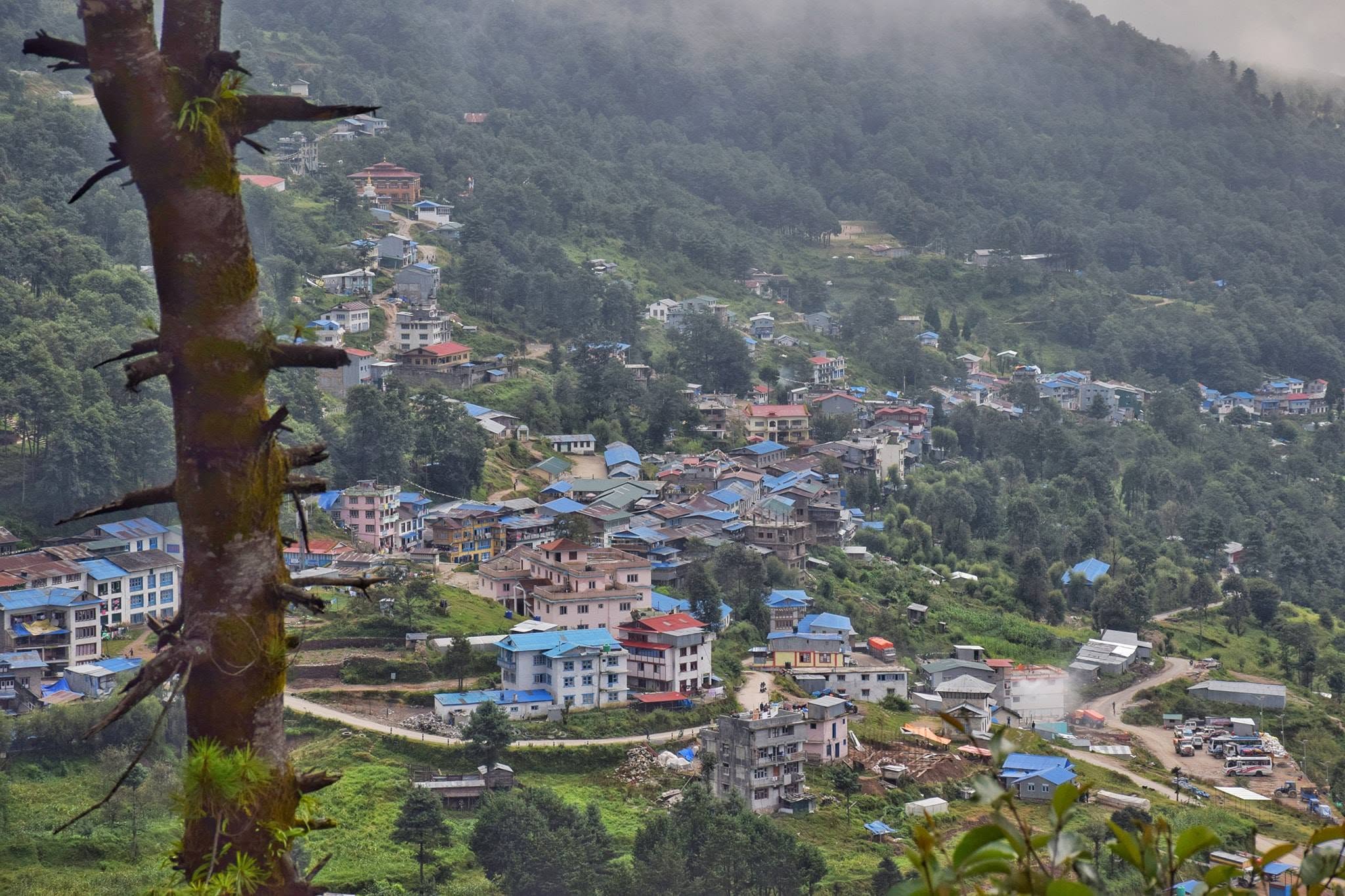
Can You Really Do Everest Base Camp Without Flying?
Yes. Flying to Lukla is the standard way to start the Everest Base Camp trek, but it is not the only option. You can travel from Kathmandu by road toward Salleri and continue into the Everest region from there. The road route eventually connects with the established trail toward Phakding, Namche Bazaar and Everest Base Camp.
The traditional alternative is the longer Jiri route. For most trekkers who simply want to avoid flying while keeping the trek reasonably practical, the Salleri road approach makes more sense.
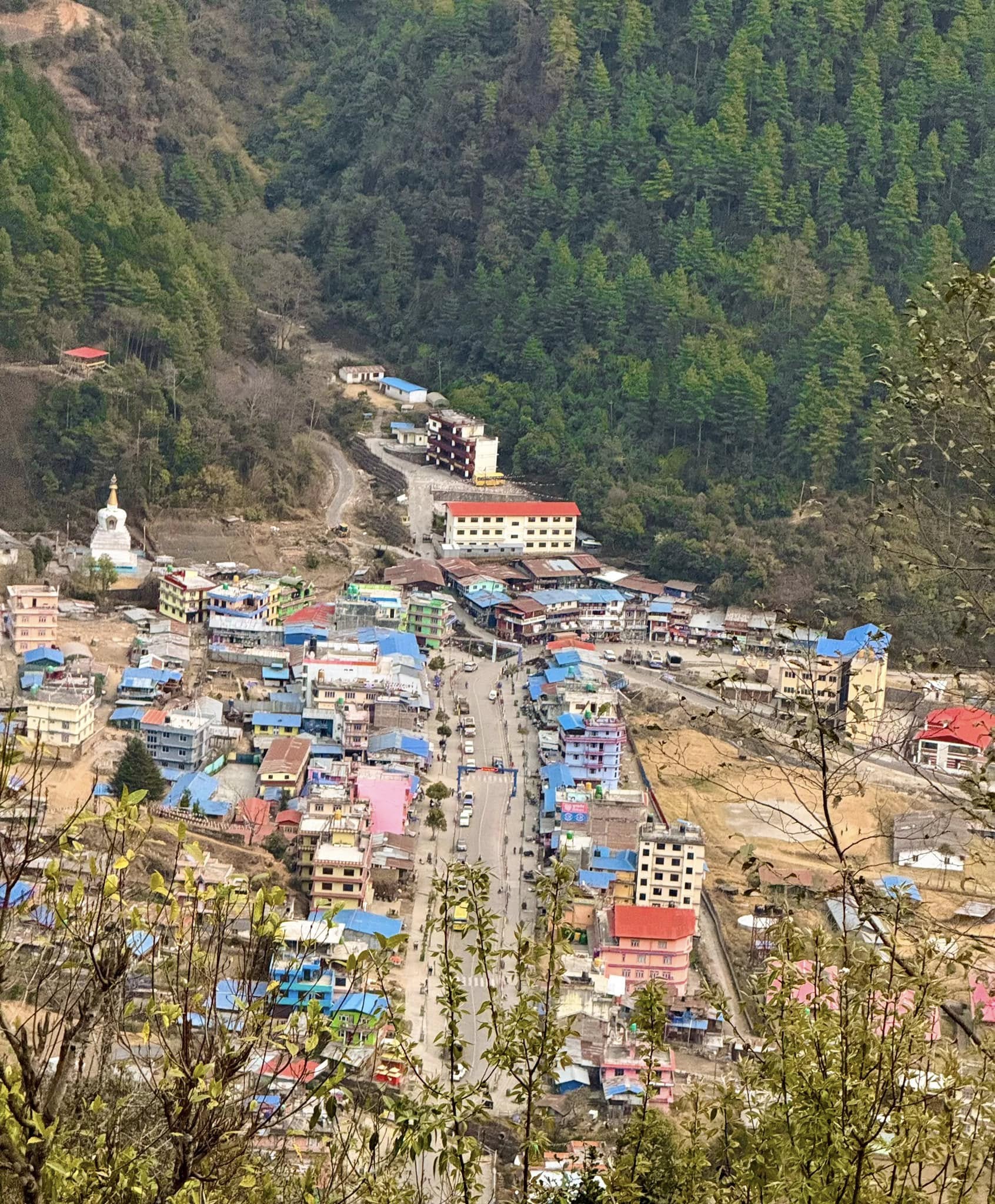
The current road network has also moved further into the Solu and lower Khumbu region. Some 2026 itineraries use Thamdanda as the practical roadhead, while others report jeep access toward Surke. The condition of the final section can vary, so it is better to think of Salleri → Thamdanda/Surke → main EBC trail as a flexible route rather than a fixed road journey.
The Main Road Route to Everest Base Camp
The basic journey looks like this:
Kathmandu → Salleri → Thamdanda/Surke area → Phakding → Namche Bazaar → Tengboche → Dingboche → Lobuche → Gorak Shep → Everest Base Camp
The first section is by road. Once you join the main Everest trail, the rest of the journey is on foot. A typical road approach can look something like this:
| Section | Transport | Approximate time |
|---|---|---|
| Kathmandu → Salleri | Jeep or bus | 9–11 hours |
| Salleri → current roadhead | 4WD jeep | Several hours |
| Roadhead → Phakding | Trek | Depends on where the road ends |
| Phakding → Namche | Trek | 5–6 hours |
| Namche → Tengboche | Trek | 5–6 hours |
| Tengboche → Dingboche | Trek | 5–6 hours |
| Dingboche → Lobuche | Trek | 5–6 hours |
| Lobuche → Gorak Shep → EBC | Trek | 5–7 hours |
These times are approximate. The road section in particular depends heavily on weather, road conditions and the actual point vehicles can reach.
Kathmandu to Salleri
The first part of the journey is a long road trip from Kathmandu toward Solukhumbu. A private jeep is the most comfortable option for trekkers travelling as a small group. Local buses are another possibility and can cost less, although the journey is generally less comfortable.
The drive takes roughly 9 to 11 hours in normal conditions, although delays can make it longer. Salleri is the administrative centre of Solukhumbu and has hotels, restaurants, shops and other services. It is therefore a practical overnight stop if you do not want to push the entire road journey farther into the hills.
Salleri to Thamdanda or Surke
This is where the route becomes less predictable. Road construction has pushed vehicle access farther toward the Everest trail, and 2026 trekking itineraries report jeep access toward Thamdanda and, in some conditions, Surke.
Some operators currently use Thamdanda as the practical roadhead before continuing on foot. Other reports describe jeeps continuing toward Surke when road conditions allow. That distinction matters because Surke is much closer to the established Everest Base Camp trail.
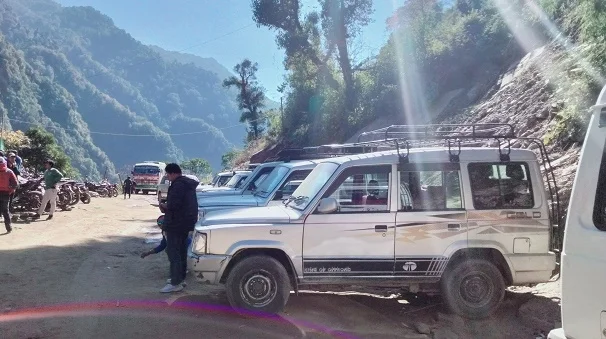
Do not book the route assuming a jeep will always reach Surke. Road conditions, weather and local restrictions can change the usable endpoint. If the road stops at Thamdanda, you simply begin trekking earlier.
From the Roadhead to Phakding
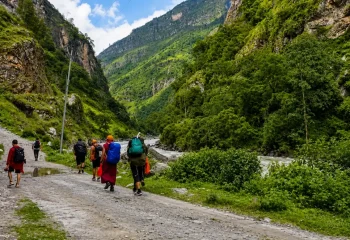
Once you leave the jeep, the journey becomes a trekking route. The exact number of walking hours depends on where the vehicle stops.
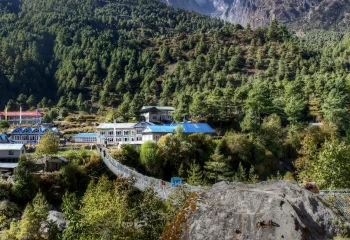
If you reach Surke, you are already close to the main Everest Base Camp route and can continue toward Phakding. If the road ends around Thamdanda, you will have more walking before reaching the main trail. This is one reason the road route does not have one fixed itinerary length. Your total trekking days depend partly on road access at the time of your trip.
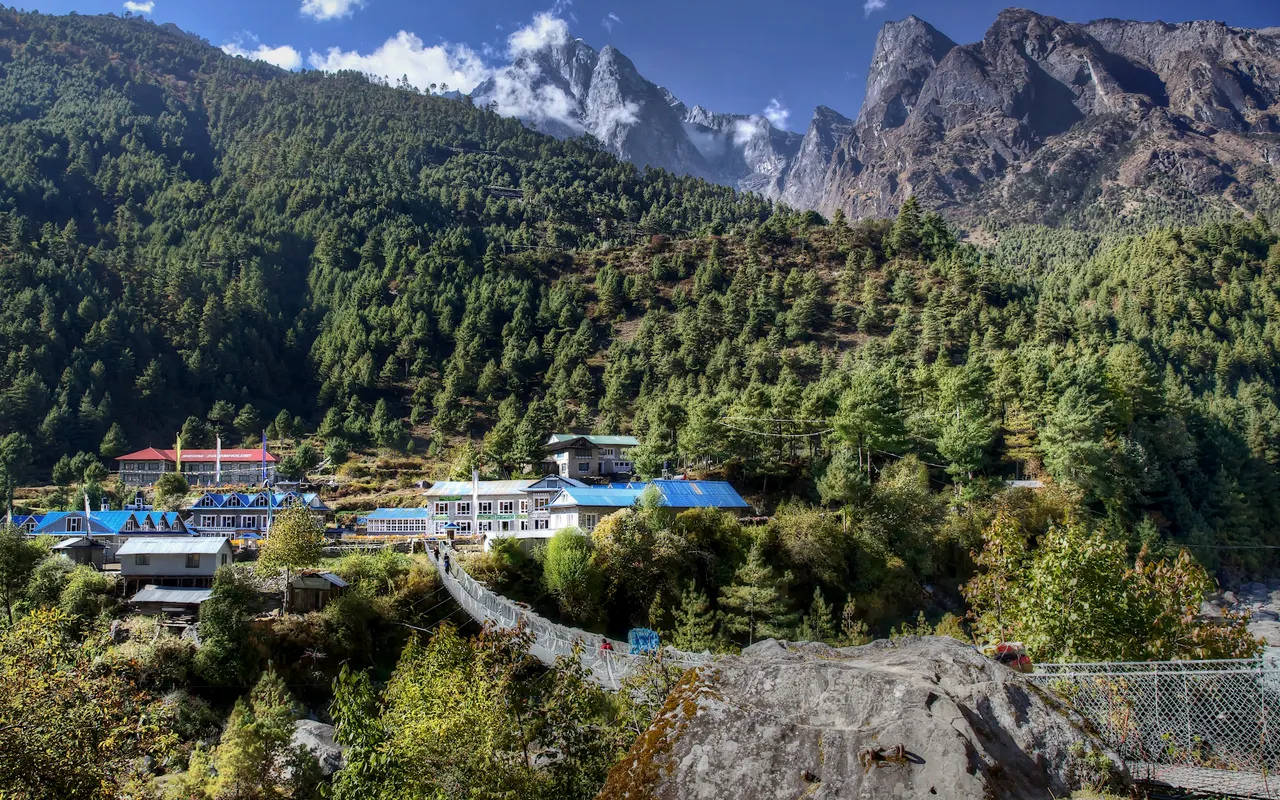
Does This Route Join the Normal EBC Trek?
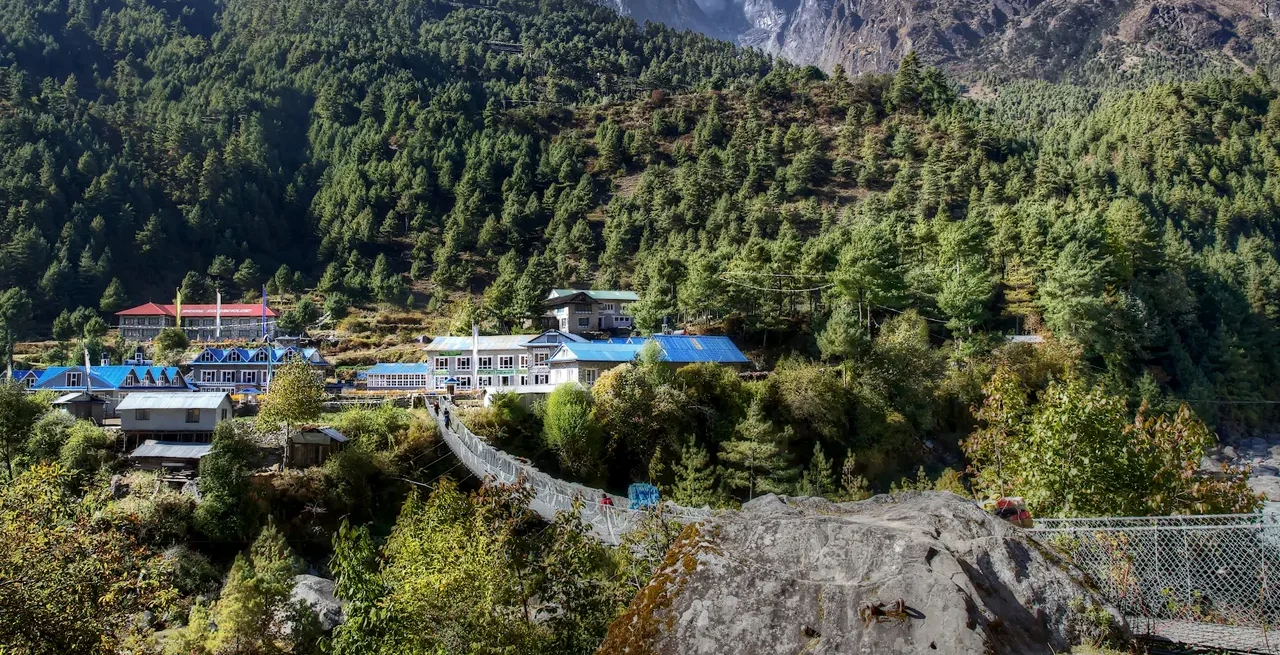
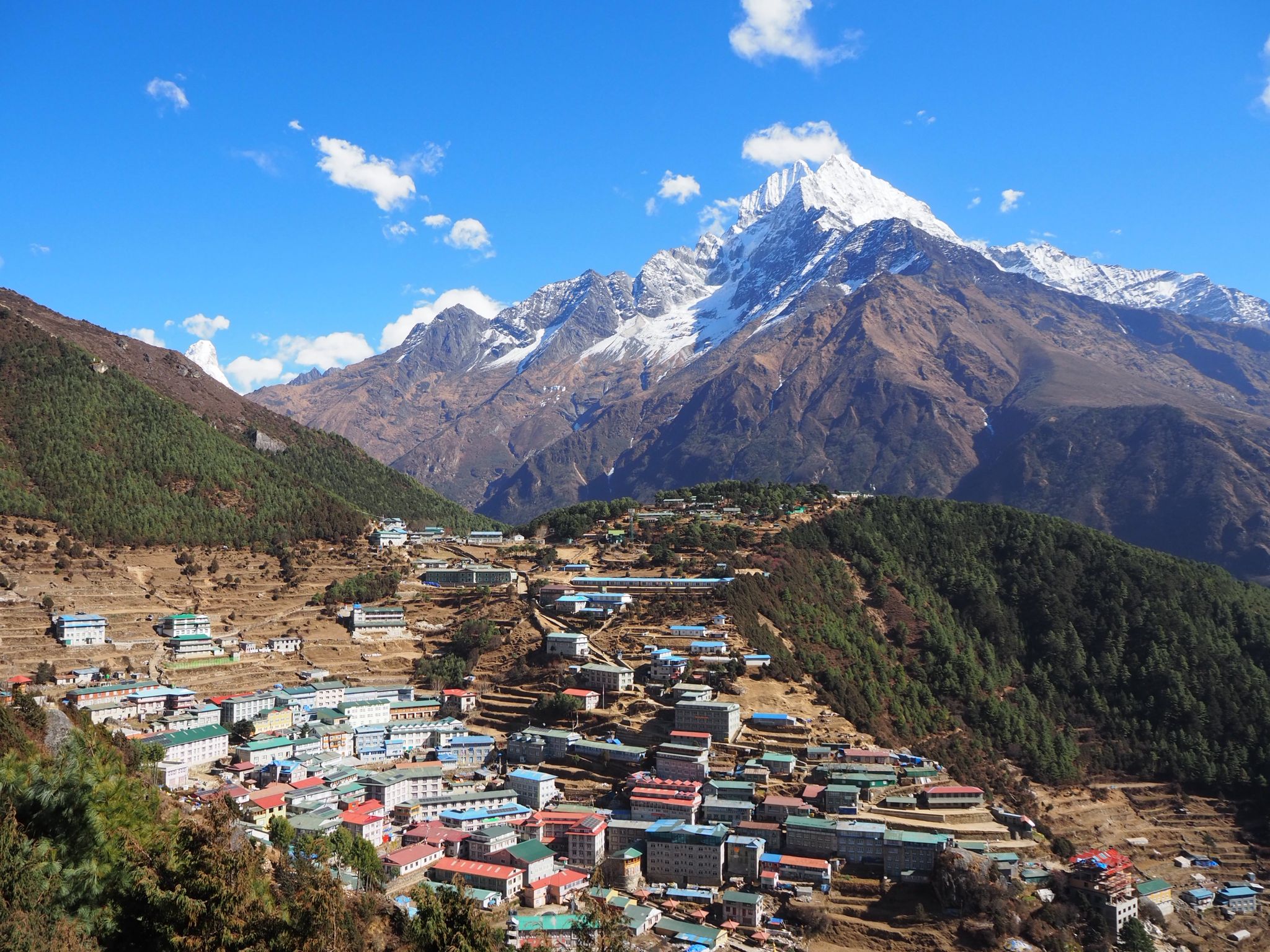
Yes. Once you reach the main trail around the lower Khumbu, you follow the same route used by trekkers who arrive by air. You continue through Phakding, Namche Bazaar, Tengboche, Dingboche, Lobuche, Gorak Shep, and on to Everest Base Camp. You can also include the usual acclimatization day in Namche and the high-altitude acclimatization schedule around Dingboche.
The scenery is the same once you are on the main Khumbu trail. The difference is how you get there.
How Many Extra Days Does It Add?
That depends on the roadhead. If a jeep reaches close to Surke, the additional trekking compared with a Lukla start is relatively small. If road conditions mean you stop around Thamdanda, you will need more walking before joining the main route.
A road-based EBC itinerary from Kathmandu generally needs more time than the standard Lukla itinerary, because you have to allow for the overland journey and the additional approach trekking. For travellers with enough time, this is not necessarily a disadvantage. It gives you the chance to see more of the Solu region before reaching the busy Khumbu trail.
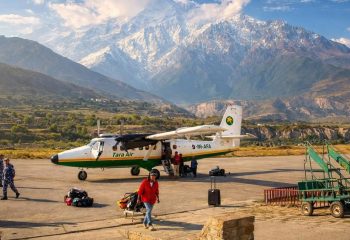
Why Avoid the Lukla Flight?
There are several reasons trekkers choose the road route.
- You do not have to fly. Some travellers simply prefer travelling overland. The road route removes the need for the Kathmandu–Lukla flight.
- It can be useful when flights are disrupted. Lukla flights are affected by weather and operating conditions. A road approach provides another way into the Everest region, though it is not immune to disruption either. Roads can also be affected by rain, landslides and difficult conditions.
- You get a longer approach. The road route takes you through the Solu region before you reach the main Khumbu trail.
- It can work for travellers with more time. If you have extra days available, the slower approach can be part of the experience rather than simply a transport problem.
Is Everest Base Camp Without Flying Cheaper?
It can be, but do not assume it automatically is. You save the cost of a Kathmandu–Lukla flight, but you still need to pay for road transportation and you spend additional days travelling and trekking.
Your total cost depends on: private jeep or local bus, number of people sharing the vehicle, accommodation during the longer itinerary, extra trekking days, food, guide and porter services, permits, and personal expenses.
For a small private group, sharing a jeep can make the road approach more practical. If your main reason for choosing the road is saving money, compare the complete trip cost, not just the price of the Lukla flight. See our Everest Base Camp Trek Cost guide for the standard route’s full cost breakdown to compare against.
What About the Lukla Flight Back?
This is an important point when planning a road approach. You do not necessarily have to return by road. Some itineraries travel to Everest Base Camp by road and return to Lukla, then fly back to Kathmandu, sometimes via the Ramechhap routing depending on season. That gives you the overland approach without adding the entire road journey again at the end.
Another option is to trek back out and travel overland. The better option depends on your available time, budget and current flight and road conditions.
Road Route vs Lukla Flight
| Road approach | Lukla flight | |
|---|---|---|
| Flight required at the start | No | Yes |
| Kathmandu travel | Long road journey | Flight |
| Trekking approach | Longer | Shorter |
| Travel time | Longer | Shorter |
| Road/flight risk | Road conditions can affect journey | Weather can affect flights |
| Scenery | More Solu countryside | Immediate Khumbu approach |
| Best for | Travellers with extra time | Travellers wanting a shorter itinerary |
Neither option removes all possible delays. Flights can be delayed by weather, while roads can be affected by rain, landslides and rough conditions.
Do You Need Different Permits If You Go by Road?
The road approach does not mean you avoid the normal Everest-region permits. Trekkers entering the Khumbu region by the Salleri, Phaplu, Thamdanda or Surke approach still need the relevant Khumbu and Sagarmatha National Park permits.
The permit requirements are route-dependent if you choose the older Jiri approach, so do not confuse the Jiri route with the shorter Salleri road approach. MountainKick handles the required trekking permits as part of its guided EBC arrangements.
Is the Road Route Harder?
It is longer rather than simply harder. The additional approach means more walking days, but it also gives your body more time to gain altitude gradually before reaching the higher sections of the Khumbu.
Once you reach the main trail, you still face the same high-altitude trekking challenges as anyone doing the standard EBC route. You still need to prepare for long walking days, cold temperatures, high altitude, the 5,000m-plus elevation around Everest Base Camp and Kala Patthar, basic mountain accommodation, and changing weather. Choosing the road route does not remove the need for proper acclimatization, and travel insurance covering high-altitude trekking and emergency evacuation matters just as much on this route as on the standard one. See our travel insurance guide for trekking in Nepal for what to look for.
Who Should Choose the Road Route?
The road approach can make sense if you want to avoid the Lukla flight, have several extra days, enjoy overland travel, want to see more of the Solu region, want an alternative if flights are disrupted, or are comfortable with a long jeep journey. If you have a very tight schedule, flying to Lukla remains the more time-efficient starting option.
If you have enough time, the road approach is a genuine alternative to flying to Lukla, but it’s not worth choosing purely on the assumption it will be dramatically cheaper. The main advantage is flexibility and avoiding the flight, along with experiencing more of the lower Solu region. Access beyond Salleri has improved in 2026, but the final section toward Thamdanda and Surke is still developing, so always confirm the exact road endpoint shortly before departure. If you’re planning around a fixed international flight, allow some flexibility rather than building your itinerary around a perfectly timed road connection.
What Is the Best Time for the Road Route?
The main trekking seasons are spring and autumn. March to May and September to November generally offer the best trekking conditions, although both roads and flights remain dependent on weather.
The road can become rough during periods of heavy rain. Autumn road conditions can improve as the monsoon ends, but local conditions still need to be checked. Do not assume that a road route guarantees travel when Lukla flights are cancelled. Heavy weather can affect both transport options.
Can You Do EBC Without Flying at All?
Yes, but there is an important distinction. If you mean without flying at the beginning, you can travel by road and then trek to EBC. If you mean without taking any domestic flight during the entire trip, you can also return by road after completing the trek. That takes longer but removes domestic flights completely.
Another common option is: Kathmandu → road → EBC → Lukla → Kathmandu by flight. This is a useful middle ground for travellers who want to avoid the flight into Lukla but do not want to spend extra days returning by road. For the full flight-free picture across other Nepal treks, see our Nepal Treks Without Flying guide.
Frequently Asked Questions
Can I reach Everest Base Camp without flying to Lukla?
Yes. You can travel from Kathmandu by road toward Salleri and continue by jeep and trekking into the Everest region.
Can I drive all the way to Surke?
Not reliably at all times. Road access beyond Salleri changes with local conditions. Some 2026 itineraries report jeep access toward Surke, while others use Thamdanda as the practical roadhead. Confirm the current road condition before travelling.
Is Salleri to EBC harder than Lukla to EBC?
It is longer because of the additional approach. The high-altitude section after joining the main Khumbu trail is essentially the same.
How many days do I need for EBC without flying?
A road-based itinerary normally needs several more days than a standard Lukla itinerary. The exact duration depends on where the road ends and whether you return by road or fly from Lukla.
Can I return from Lukla by flight after going to EBC by road?
Yes. This is one of the most practical ways to avoid the flight into Lukla while keeping the overall itinerary shorter.
Is the road route cheaper than flying?
It can be, but not always. Compare the full cost of transportation, extra accommodation, food and additional trekking days rather than comparing only the flight price.
Can I do the Everest Base Camp trek from Jiri instead?
Yes. Jiri is the traditional overland approach to Everest and is considerably longer than the Salleri road approach.
Further Reading
- Everest Base Camp Trek
- Everest Base Camp Trek Cost
- Lukla Flights and the Ramechhap Routing
- Nepal Treks Without Flying: Road Access and Alternatives
- Travel Insurance for Trekking in Nepal
For current road conditions and the best starting point, check with our Kathmandu team before your departure, since access can change during the trekking season.