

Lower Dolpo Trek
●●●●● 4.9 · 60+ TripAdvisor reviewsTrek to Phoksundo Lake and the Bon heartland of Dho Tarap, crossing two passes above 5,000m through Nepal's rain-shadow desert.
On The Trail
What It Really Looks Like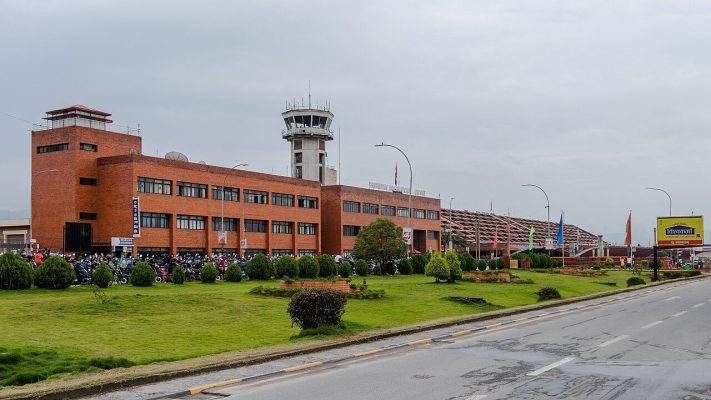
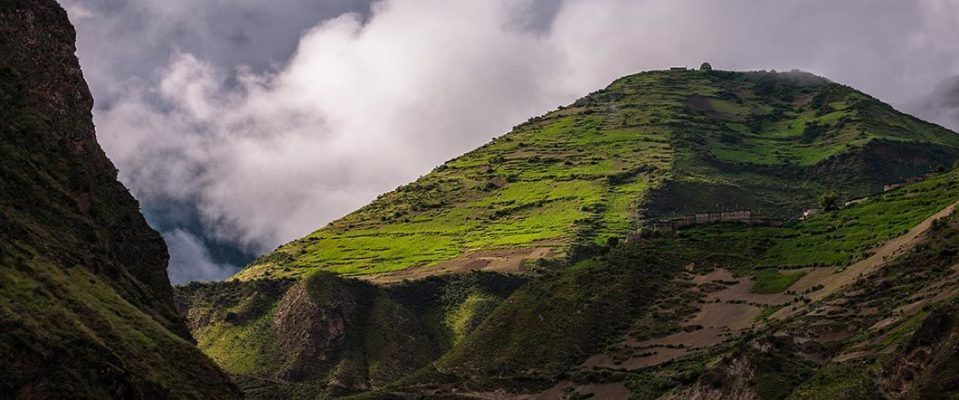
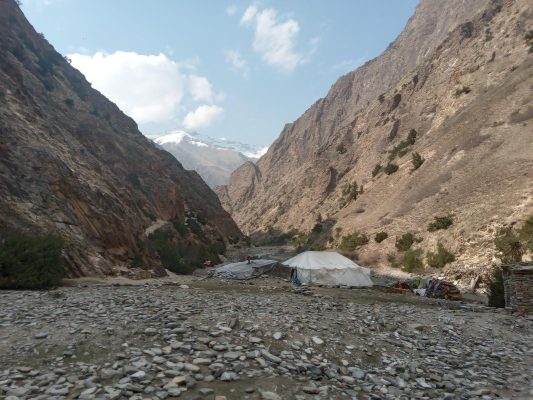
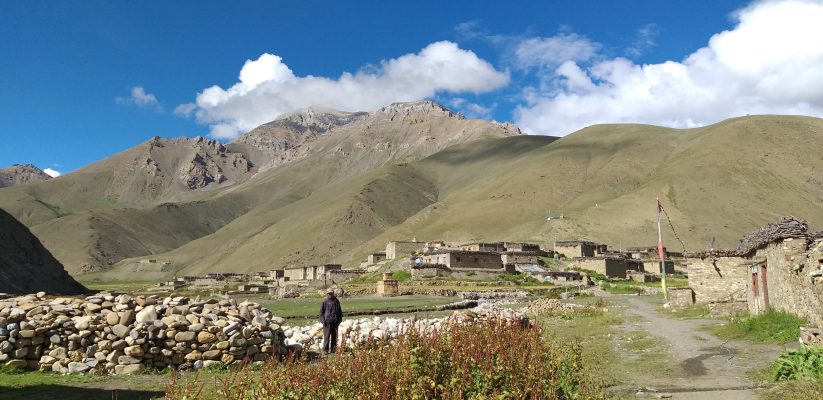
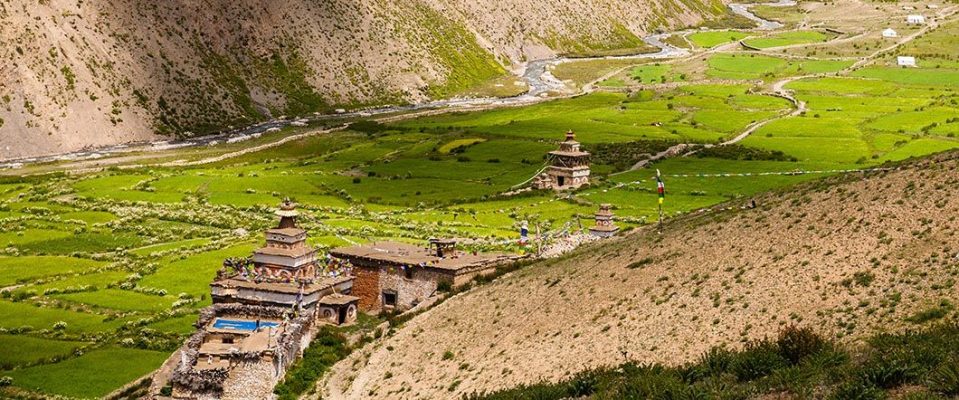
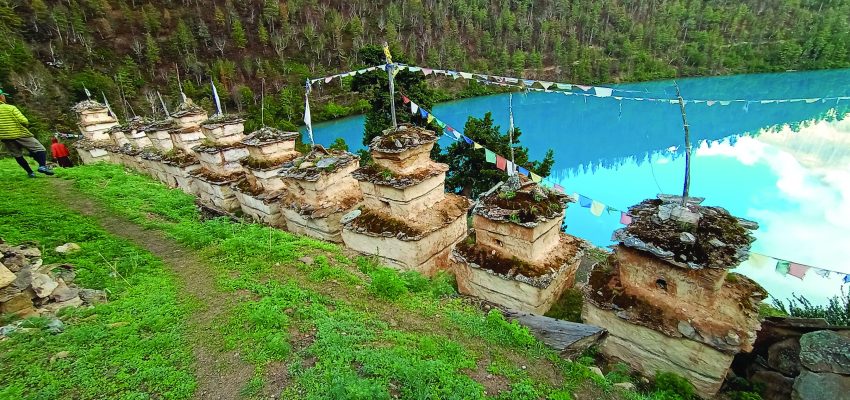
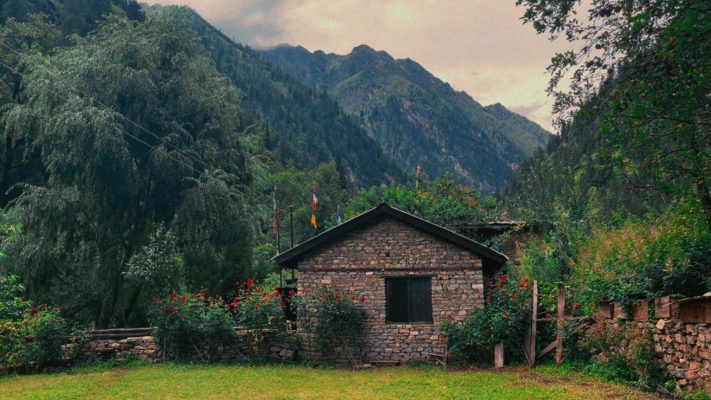
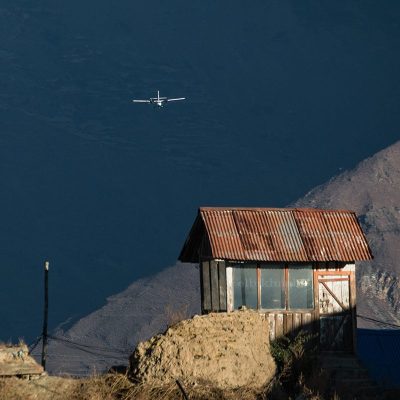
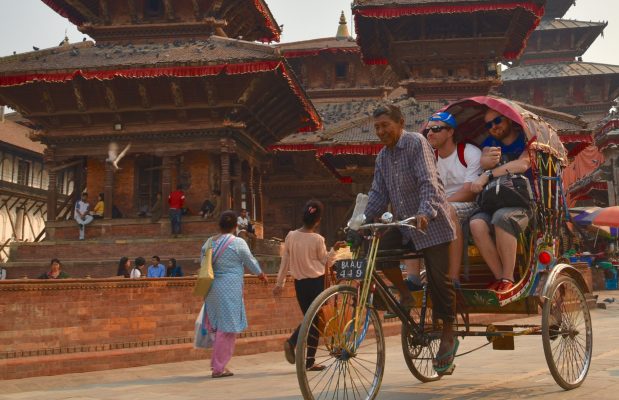
Lower Dolpo Trek: What to Expect
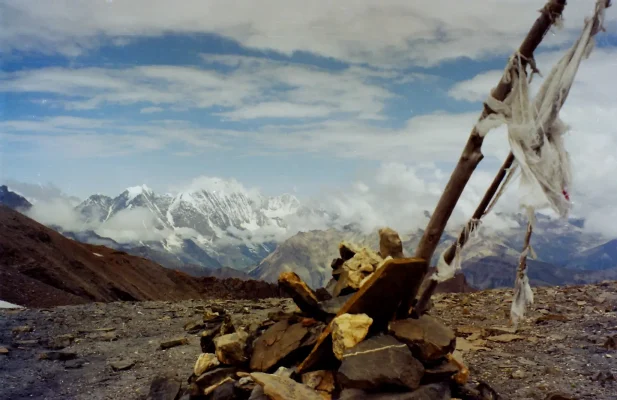
Numa La at 5,190m and Baga La at 5,070m crossed on consecutive days
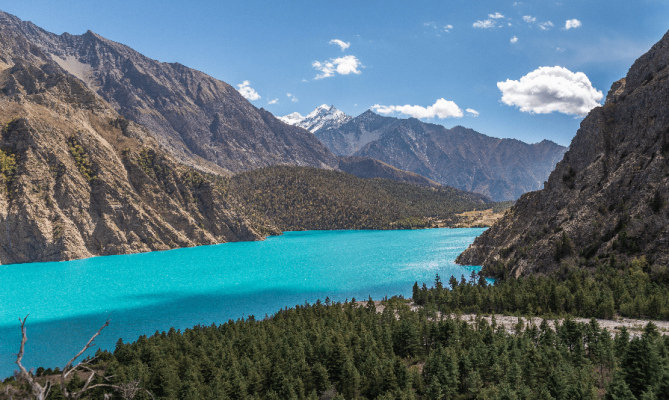
Nepal's deepest lake at 3,611m, turquoise water, 167m waterfall
The largest Bon religion village in Nepal at 4,090m
RAP, national park, TIMS and municipality permit all included
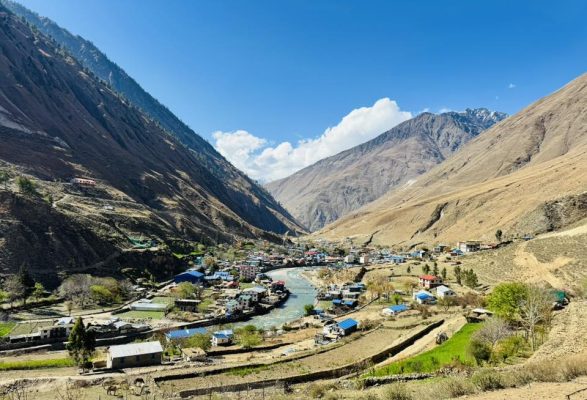
Lower Dolpo is a 19-day semi-camping trek through the Dolpa district of western Nepal, a restricted area sitting behind the Dhaulagiri massif in the rain shadow of the Himalayas. Annual rainfall in the upper Tarap Valley drops below 200mm. The landscape shifts from pine-forested river gorges near Dunai to high-altitude desert above Laini in a single day’s walk. You fly from Kathmandu to Nepalgunj and on to Juphal at 2,320m, then walk through the Tarap Valley to Dho Tarap at 4,090m before crossing Numa La at 5,190m and Baga La at 5,070m on consecutive days and descending to Phoksundo Lake. The route French director Eric Valli followed for nine months while filming “Himalaya” in 1999, the first Nepalese film nominated for an Academy Award, runs through the same valleys, villages and lake on this itinerary.
This is a demanding trek with two consecutive high pass crossings and a total of 12 to 14 days without reliable mobile signal or medical facilities above Dunai. Previous high-altitude experience above 4,500m is required. The terrain is remote and self-sufficient by design. Where teahouses exist in Dunai, Tarakot, Ringmo and Chhepka the group stays in local lodges. Above teahouse range MountainKick’s cook and kitchen crew set up a full tented camp with individual sleeping tents, mess tent and hot meals. You carry only a daypack on the trail. The reward is access to a landscape and culture that fewer than a few hundred trekkers reach each year. Dho Tarap is one of the last places in Nepal where the Bon religion is still the primary practice of an entire village community, with prayer wheels spinning anti-clockwise and monasteries oriented differently from Buddhist gompas.
MountainKick handles all four permits before departure including the Restricted Area Permit, Shey Phoksundo National Park entry, TIMS card and Dolpa Municipality permit. A licensed guide is mandatory by law and a minimum group of two trekkers is required to obtain the RAP. For trekkers who want to go deeper into Dolpo, the Lower Dolpo Trek connects naturally with the Upper Dolpo Trek for a 30-plus day combined expedition. Read our Altitude Sickness guide and Travel Insurance guide before booking.
Day-by-Day Itinerary
Arrive in Kathmandu
Your guide meets you at Tribhuvan Airport and transfers you to your hotel in Thamel. The evening briefing covers the full 19-day route, permit logistics, gear check and the Nepalgunj flight schedule. Download offline maps before you sleep as reliable internet ends at Dunai. This is also the last chance to withdraw cash for the full trek.

Preparation Day in Kathmandu
A full day for permit processing, gear check and trek briefing with your guide. MountainKick handles the RAP, Shey Phoksundo National Park permit, TIMS card and Dolpa Municipality permit paperwork. Use the afternoon to purchase any last-minute gear, withdraw cash and confirm domestic flight tickets. This is the only day with reliable internet before Dunai so back up devices, sort communications and download offline maps.

Fly to Nepalgunj
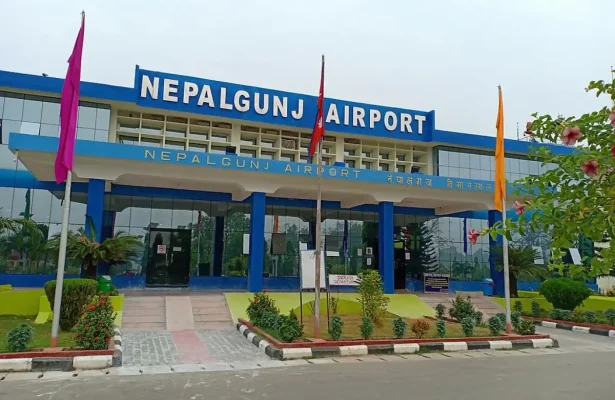
A one-hour flight from Kathmandu drops you into the western Terai plains. Nepalgunj sits at 150m, noticeably hotter and more humid than Kathmandu, and serves as the transit hub for all Dolpo flights. The afternoon is free. Charge every device fully tonight as reliable electricity ends here. An early night is essential as the Juphal flight departs before sunrise tomorrow.

Fly to Juphal, Trek to Dunai
The 35-minute mountain flight to Juphal crosses the Chure Hills and approaches a short gravel airstrip flanked by steep ridges. From Juphal the trail descends through terraced maize and barley fields above the Thuli Bheri River to Dunai, the administrative headquarters of Dolpa district. Dunai has a small hospital, a police post and a permit checkpoint. It is the largest and best-equipped settlement on the entire route.

Trek to Tarakot
The trail follows the southern bank of the Bheri River upstream through deep gorges crossing several suspension bridges strung above the fast-moving river. Blue pine forest lines the gorge walls and views of Kang Tokal at 6,294m appear to the north as elevation is gained. Tarakot sits on a hilltop above the river with terraced fields of buckwheat and barley visible from the trail below. It is the last reliable teahouse before the route enters the Tarap Valley.
Trek to Laini
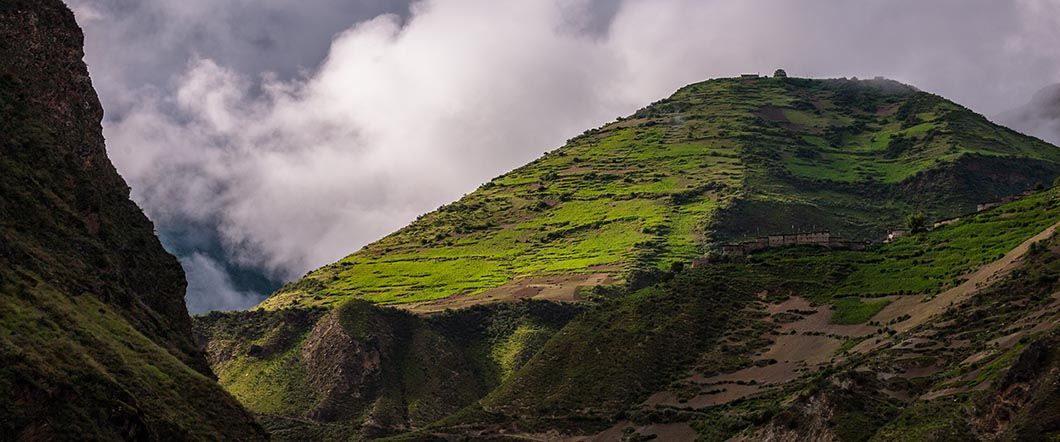
Leaving Tarakot the trail enters the Tarap Chu river valley, the main drainage of the upper Tarap. The landscape transitions from pine-forested gorges to a wider, drier valley as altitude increases. The route passes through Khani Gaon and Chhyujar, where the 11th-century Sandul Gompa sits just off the trail and rewards a short detour. Shey Phoksundo National Park begins at Laini where permits are checked. Mani walls and chortens become more frequent from here.
Trek to Nawarpani
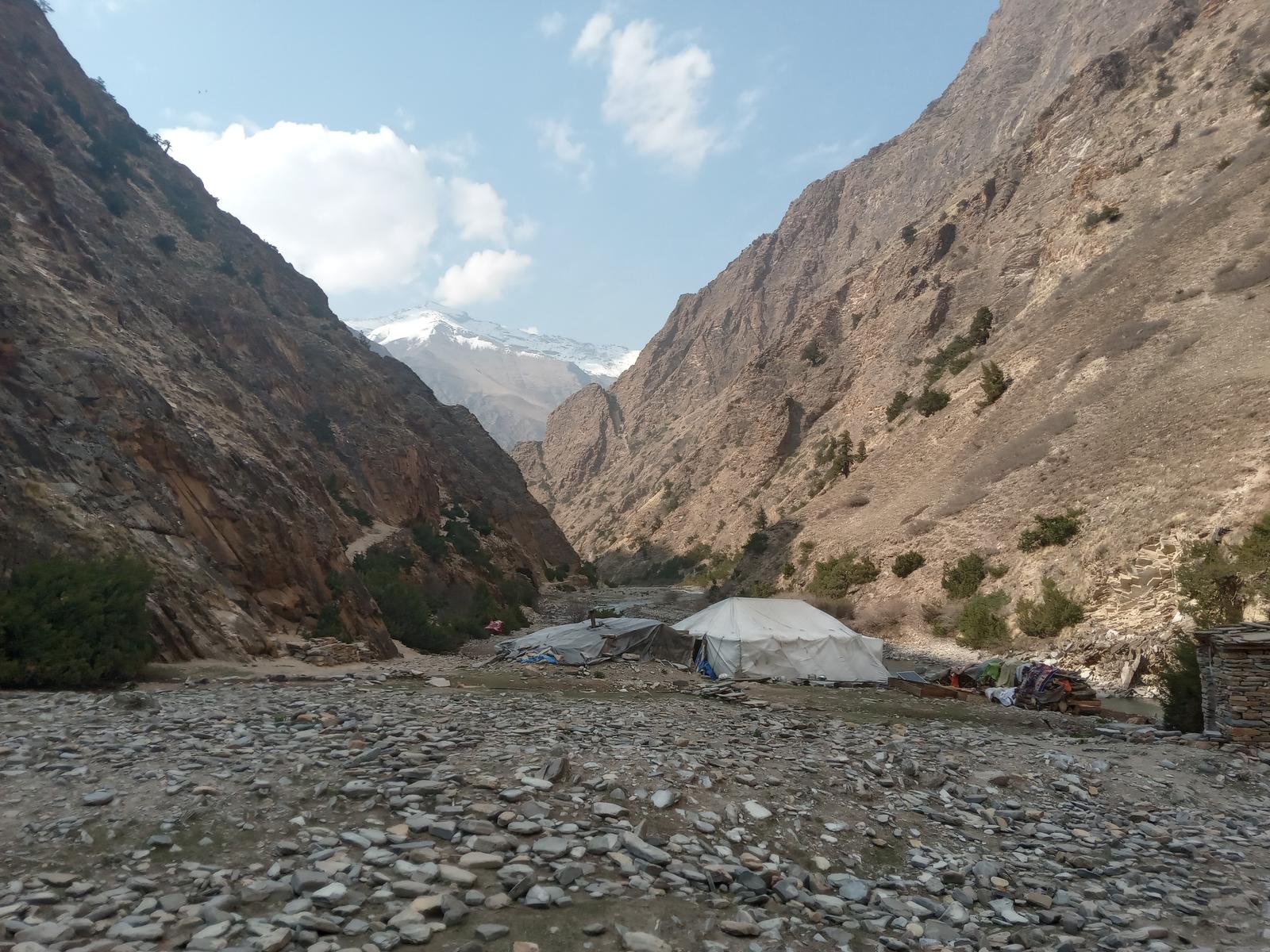
The valley walls close in and the trail climbs through increasingly arid terrain carved directly into cliff faces in several sections, passing naturally formed rock tunnels and overhangs. Vegetation is sparse from here: juniper, scrub and high-altitude grasses replace the pine forest of the lower valley. Blue sheep are commonly sighted on the surrounding ridges from this point. Nawarpani marks the gateway to the high Tarap plateau and the last water source before the final climb to Dho Tarap.
Trek to Dho Tarap
The plateau opens dramatically as the trail approaches Dho Tarap, shifting from tight canyon walls to broad open sky in less than two hours. Dho Tarap has 34 stone houses divided into three clusters, two Bon monasteries including the Sipchok Dedhen Phuntsokling Bon Monastery, and a small health post. The Ribo Bhumpa Gompa, a Nyingmapa Buddhist monastery built in the sacred vase style, sits above the village on the ridge. This is the highest permanently inhabited village in Nepal and the cultural heartland of the Bon religion.

Acclimatisation Day at Dho Tarap
A full rest day before the two consecutive high pass crossings. Spend the morning visiting the Bon monasteries and watch for prayer wheels spinning anti-clockwise and circumambulation paths oriented counter to Buddhist practice. A short afternoon walk on the plateau above the village assists acclimatisation. If timing aligns with a yak caravan departure or arrival from Tibet it is one of the most vivid travel experiences available anywhere in Nepal. Do not skip this day.

Dho Tarap to Numa La Base Camp
Leaving Dho Tarap the trail heads north through the arid upper valley passing Tokyu Gaun, a small settlement with a Buddhist monastery worth a short stop. The landscape is fully above the tree line as the route climbs through yak pastures and rocky moraines toward the base of Numa La. Views of the Dhaulagiri massif build as altitude is gained. Arrive at base camp early, eat well and sleep early. Tomorrow is the hardest day on the trek.
Cross Numa La Pass to Pelung Tang
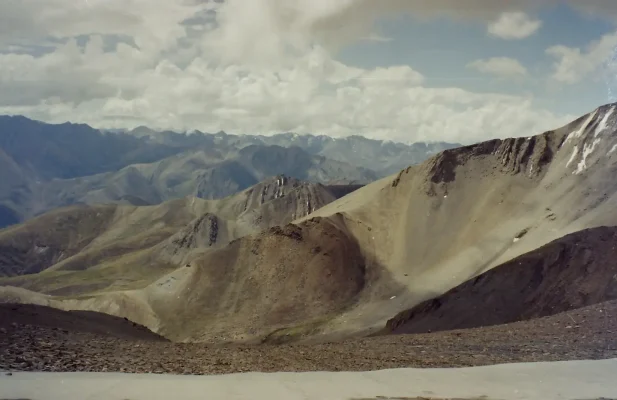
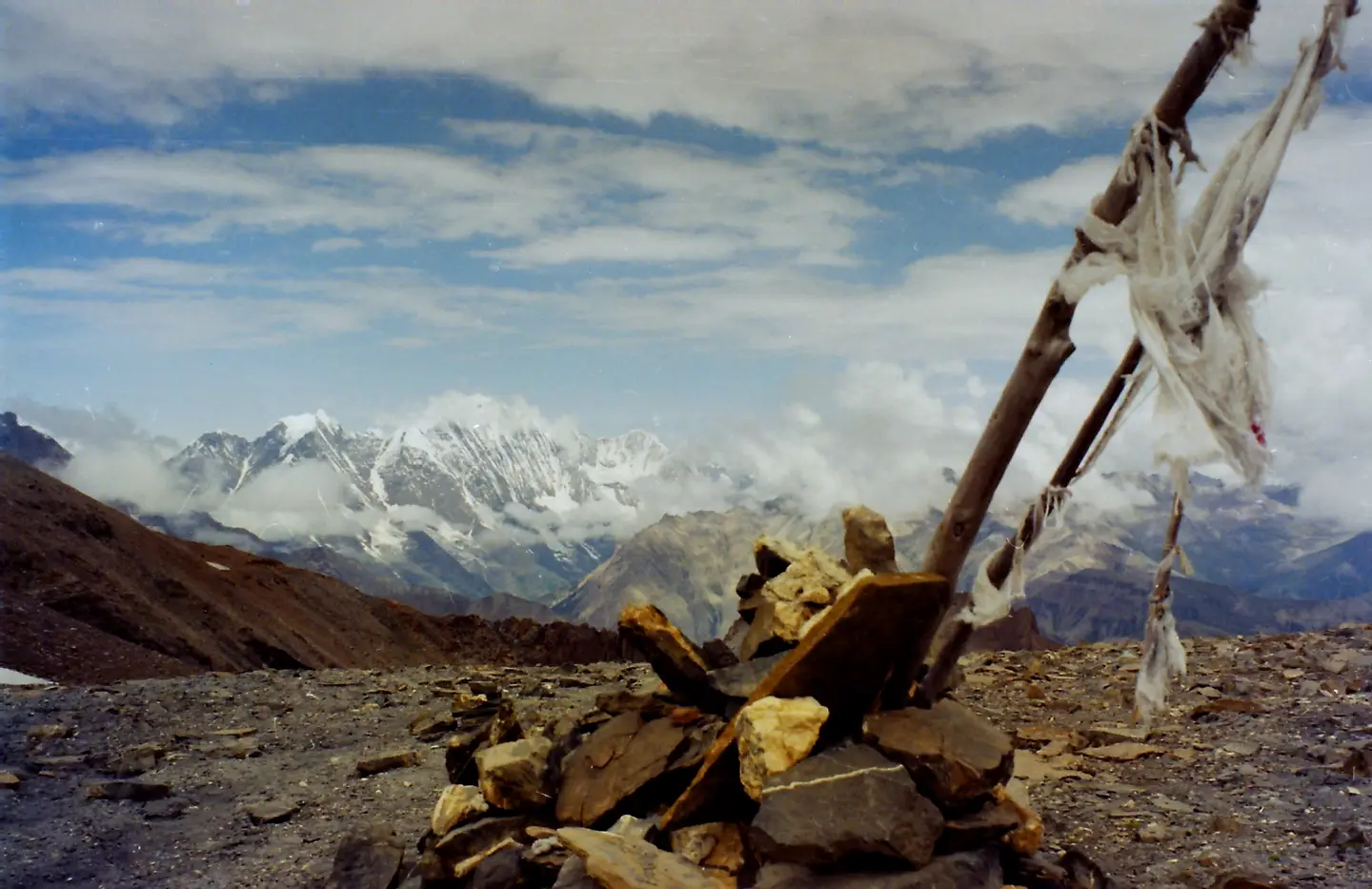
Departure at 4am by headtorch. The climb to Numa La at 5,190m gains 750m from base camp over 3 to 4 hours on steep rocky terrain. Prayer flags and chortens mark the pass. Views extend across the Kanjiroba Himal, the Dhaulagiri range and the vast arid plateau of inner Dolpo. The descent to Pelung Tang is long on tired legs. Pelung Tang is an isolated grassy plateau at 4,445m with no teahouse. From here the first glimpse of Phoksundo Lake is visible far below on clear days.
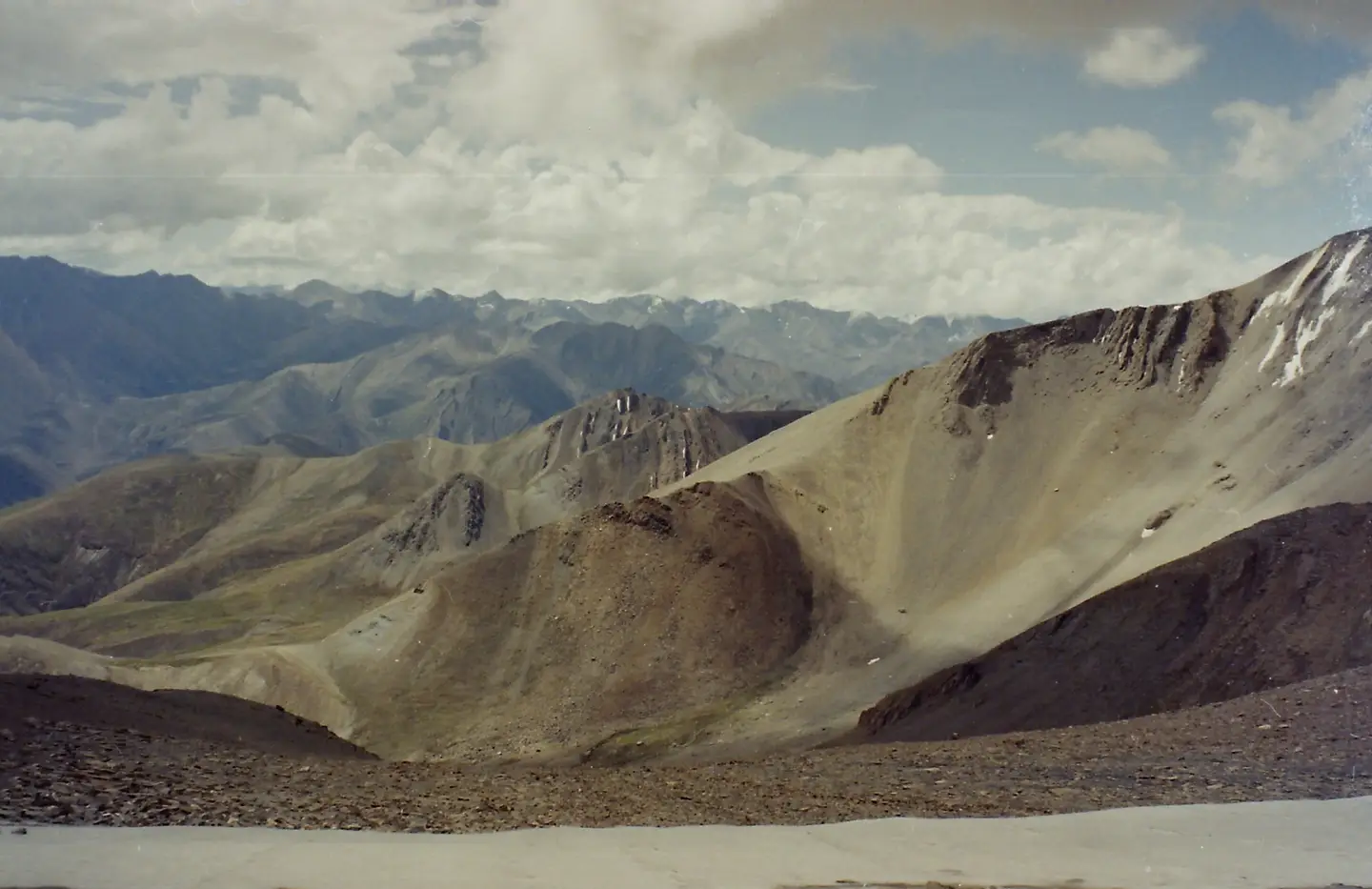
Cross Baga La Pass to Dajok Tang
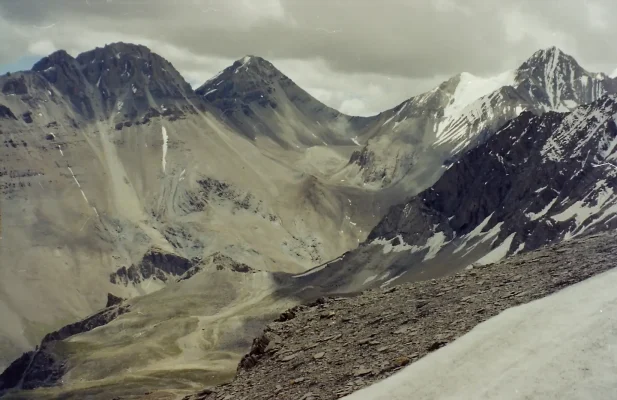
A second consecutive high pass crossing with yesterday’s exertion still felt at altitude. The ascent to Baga La at 5,070m is shorter than Numa La but demands the same careful pacing. Views from the top include Norbung Kang at 6,085m, Kanjiroba Himal at 6,612m and on a clear day the turquoise surface of Phoksundo Lake visible far below. The descent to Dajok Tang follows a steep gorge before levelling into green juniper forest and meadow. Phoksundo is now one day away.
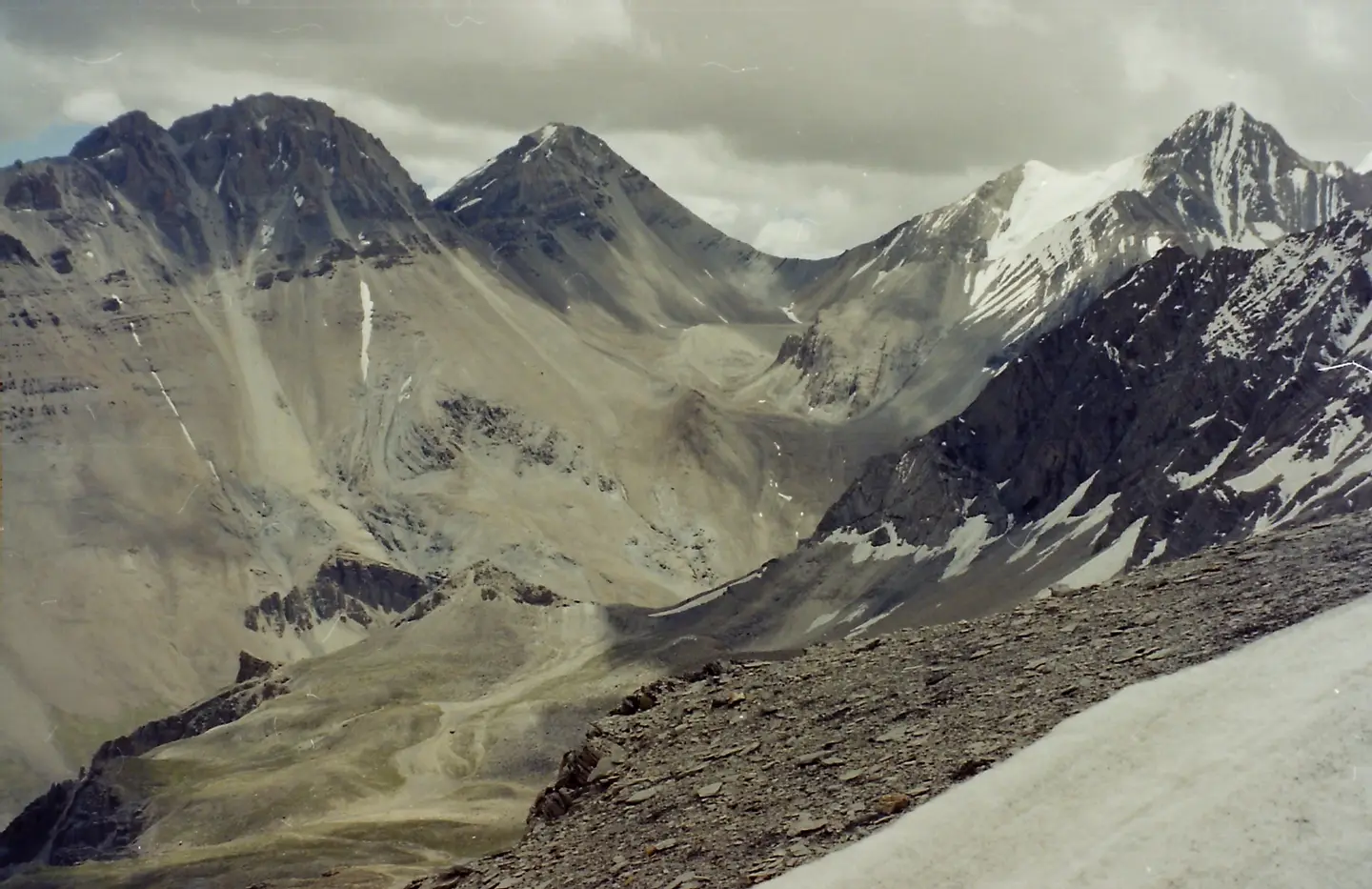
Dajok Tang to Ringmo and Phoksundo Lake
A shorter, easier day after two consecutive high passes. The trail descends through pine and birch forest with the Maduwa Khola visible far below before the path climbs back up over beautifully carved high rocks toward Ringmo. The lake comes into full view on the final approach. Ringmo is a small Bon community of roughly 30 households with flat-roofed stone houses, a working monastery and terraced barley fields above the turquoise water. After five days of high camp, a teahouse bed feels like a luxury.

Exploration Day at Phoksundo Lake
A full day at Nepal’s deepest lake. Phoksundo sits at 3,611m, covers nearly 500 hectares and reaches 145m depth. Its turquoise color comes from dissolved minerals and the complete absence of aquatic life. A trail circuits part of the shoreline with views of the 167m waterfall dropping from the lake’s northern outlet. Sandul Gompa, an 11th-century monastery on the opposite shore, is reachable by a 2 to 3 hour walk from Ringmo. Eric Valli filmed key scenes of “Himalaya” on these shores in 1999 and the landscape has changed very little since.
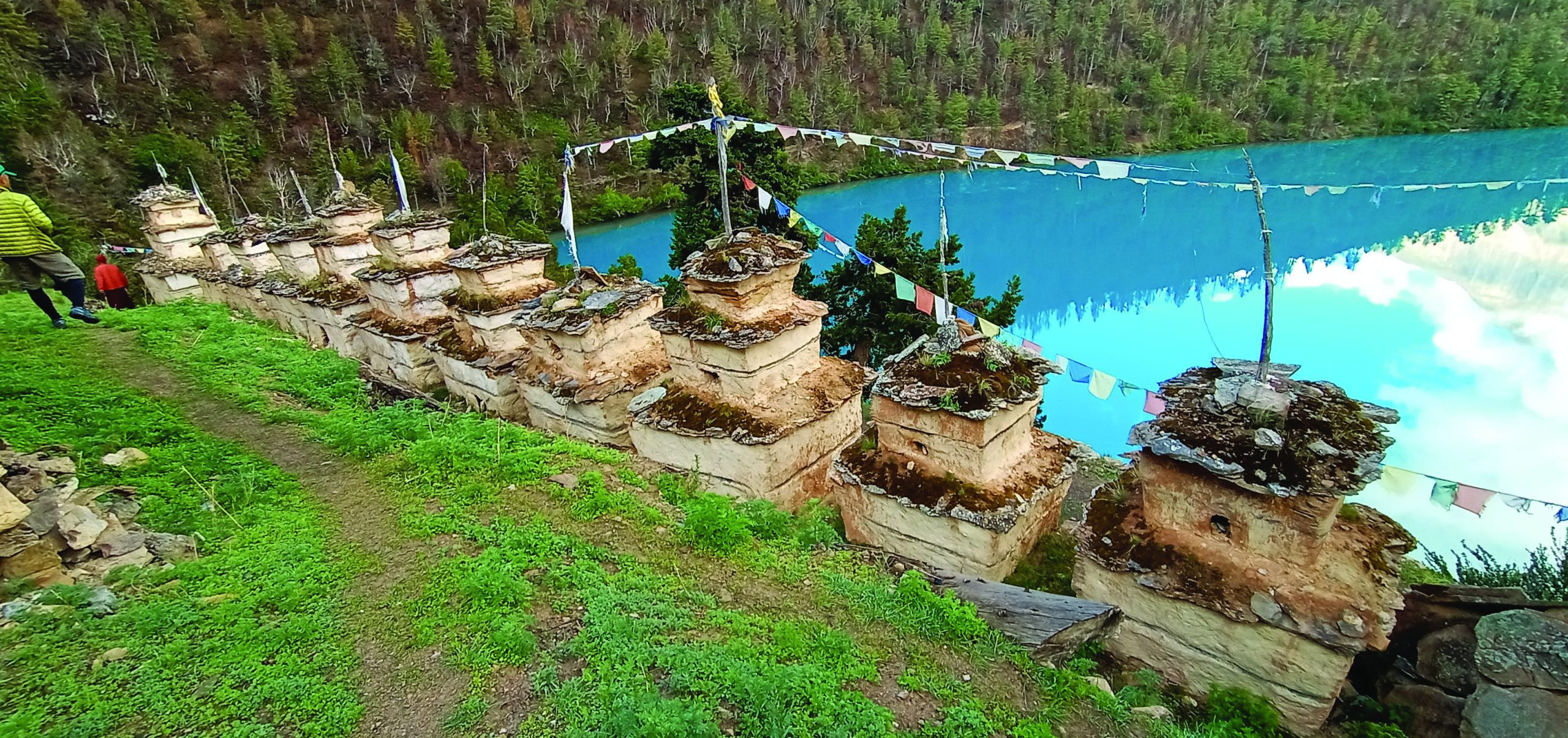
Ringmo to Chhepka
Leaving Phoksundo the trail descends steeply through pine and birch forest along the Phoksundo Khola gorge passing beneath enormous overhanging cliffs. The descent from 3,657m to 2,530m in a single day is significant and the knees feel it on the rocky trail. The route passes settlements where traditional mineral medicines are still traded and exits Shey Phoksundo National Park at the checkpoint near Chhepka. Basic teahouse facilities and a lower altitude make the night here noticeably warmer than anything since Tarakot.

Trek to Juphal
The final trekking day follows the Phoksundo Khola downstream through birch forest crossing the Dhim Khola suspension bridge before the trail climbs through Shyanta and Kageni villages. The national park checkpoint is crossed for the last time here. A gradual ascent through open meadow leads to Juphal where the crew is thanked and tipped at the airstrip. The Juphal flight departs early morning so an early night is essential. Fifteen days of remote trail ends here.
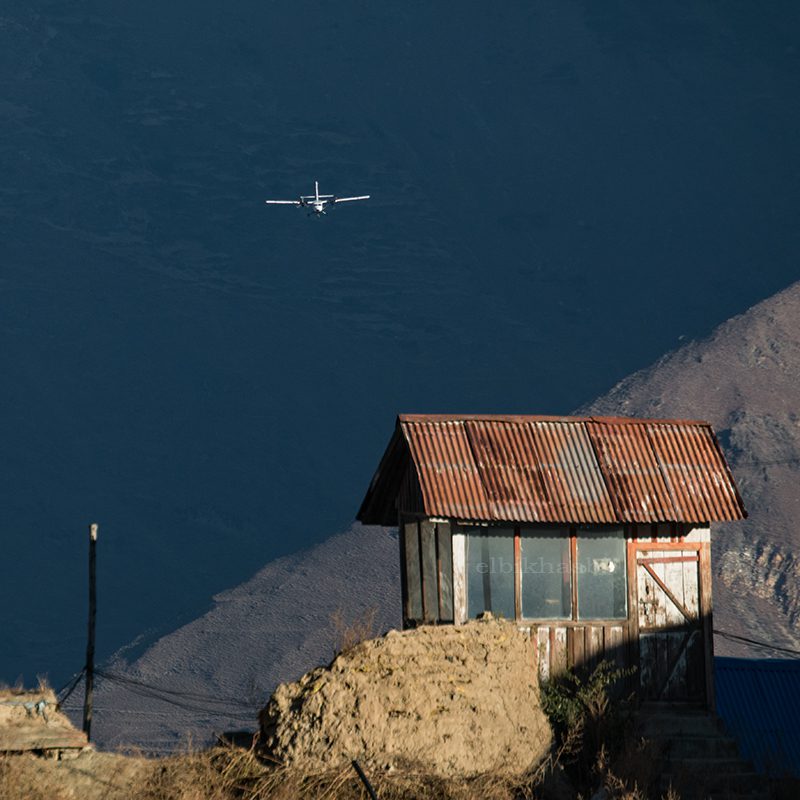
Fly to Nepalgunj
Morning flight from Juphal to Nepalgunj, 35 minutes. Mountain weather can delay departure so early morning slots have the best chance. Nepalgunj is warm, flat and a complete contrast to the landscape of the past two weeks. Use the afternoon to rest, shower properly, do laundry and eat fresh food unavailable on the trek. The cook and kitchen crew are thanked here before parting ways. MountainKick arranges a farewell dinner this evening to mark the end of the route.
Fly Back to Kathmandu
A one-hour flight returns you to Kathmandu where a vehicle transfers you back to your hotel in Thamel. The afternoon is free for last-minute shopping, a final visit to Boudhanath or Pashupatinath, or simply recovering with good food and a hot shower. Use the evening to sort permits, tips and any remaining logistics before tomorrow’s departure.

Final Departure
Your guide transfers you to Tribhuvan International Airport for your onward flight. If your flight departs late the morning is free for a final walk through Thamel. Build at least one buffer day before long-haul international connections given the Juphal flight variability two days prior. Nineteen days, two passes above 5,000m, Nepal’s deepest lake and the Bon heartland of Dho Tarap. Safe travels.
3D Route Map
Includes & Excludes
-
3-star hotel in Kathmandu Days 1, 2 and 18, same hotel on arrival and return
-
Hotel in Nepalgunj, twin-sharing Days 3 and 17, air conditioning and hot water
-
Kathmandu to Nepalgunj return flights Domestic flights both ways included
-
Nepalgunj to Juphal return flights Mountain flights both ways included
-
All ground transfers in private vehicle Airport pickups, drops and city transfers
-
Full camping equipment throughout Sleeping tents, mess tent, kitchen tent, foam mattress
-
Sleeping bag and down jacket loan Returned at end of trek
-
All meals during the trek Breakfast, lunch and dinner from Day 4 to Day 17
-
Breakfast and farewell dinner in Kathmandu Days 1, 2, 3 and 23
-
Government licensed English speaking guide Licensed by Nepal Tourism Board
-
Required number of porters 20kg load limit strictly enforced
-
Full medical insurance for all crew Guides, porters and kitchen staff
-
Restricted Area Permit (RAP) $20 per person per week, significantly cheaper than Upper Dolpo. Arranged before departure.
-
Shey Phoksundo National Park entry permit $30 per person, no time limit
-
Dolpa Municipality permit Arranged in Kathmandu before departure
-
TIMS card
-
All government taxes and official fees
-
MountainKick duffel bag, sun hat and t-shirt Yours to keep
-
International airfare Book separately before contacting us
-
Nepal entry visa Available on arrival at Tribhuvan Airport
-
Travel insurance Mandatory, must cover helicopter evacuation
-
Lunch and dinner in Kathmandu and Nepalgunj Budget $15 to $25 per meal in the city
-
Personal trekking gear and clothing Full list in the packing section below
-
Alcoholic and soft drinks Available at Dunai, Ringmo and Saldang
-
Tips for guides, porters and kitchen crew Customary and appreciated
-
Helicopter evacuation costs Covered by your travel insurance
-
Any costs due to delays or itinerary changes Weather, flight cancellations, illness
Enhance Your Trek
We Handle the Details
FreeWhere You'll Sleep & What You'll Eat
2 nights in Kathmandu: Three-star hotel in Thamel with twin sharing rooms, hot shower, WiFi and daily breakfast included. Same hotel on arrival and return.
2 nights in Nepalgunj: Standard hotel with private bathroom, air conditioning and hot water. Nepalgunj has reliable electricity and internet — the last chance to charge devices fully before the trek.
Teahouse nights (Dunai, Tarakot, Ringmo, Chhepka): Basic twin sharing rooms with shared bathrooms and blankets provided. Dunai is the most comfortable with a small hospital and a few decent lodges. Ringmo on the lake shore is the highlight teahouse stay of the trip. Chhepka is functional and basic.
Tented camp nights (Laini, Nawarpani, Dho Tarap, Numa La Base Camp, Pelung Tang, Dajok Tang): MountainKick sets up individual sleeping tents, a mess tent for group meals and a separate kitchen tent. Foam sleeping mats provided. A sleeping bag rated to -15C is mandatory for the high camp nights above 4,000m. Single tents are standard for all trekkers.
All meals included from Day 4 to Day 17. Dal bhat, noodle soups, fried rice and eggs at teahouses. The cook prepares three hot meals daily at camp. Fresh vegetables disappear above Tarakot. Meat avoided above Dunai. In Kathmandu and Nepalgunj only breakfast is included. Farewell dinner on Day 18 is included.
| Meals in Kathmandu and Nepalgunj | $10 to $20 per meal |
| Alcoholic drinks on trek | $3 to $8 per drink where available |
| Soft drinks and bottled water | $1 to $3 per bottle |
| Personal snacks and energy bars | $50 to $100 total recommended |
What Our Trekkers Say
“A real adventure away from the crowds”
Lower Dolpo was exactly the kind of trek we were after, the area feels incredibly remote, with huge open valleys, small villages, and very few other trekkers around. Our guide was excellent and the MountainKick team handled the logistics really well. Some days were tough, but the scenery and sense…
“Beautiful and completely different from other treks”
Travelling as a small group, we had an unforgettable time in Lower Dolpo. The landscape was incredible and felt almost untouched, and we especially enjoyed the remote villages and peaceful trails through the mountains. It was demanding, but our guide and the MountainKick crew took great care of us throughout,…
Frequently Asked Questions
How does Lower Dolpo differ from Upper Dolpo?
Lower Dolpo centers on the Tarap Valley, Dho Tarap village and Phoksundo Lake with a maximum altitude of 5,190m at Numa La Pass. Upper Dolpo goes deeper into the restricted zone to Shey Gompa and Crystal Mountain, costs significantly more due to the Upper Dolpo permit at $500 per person for the first 10 days versus $20 per week for Lower Dolpo, and requires more time at 24 days minimum. Lower Dolpo is the better starting point for anyone new to Dolpo. The two can be combined into a single 30-plus day expedition. Read about the Upper Dolpo Trek for comparison.
What permits do I need and what do they cost?
Four permits are required: the Restricted Area Permit at $20 per person per week, the Shey Phoksundo National Park entry permit at $30 per person, a TIMS card and the Dolpa Municipality permit. All four are arranged and paid for by MountainKick as part of your package. You do not need to visit any government office yourself. Bring four passport-sized photos and your passport details when you contact us to begin the process. For a full breakdown of Nepal permit costs read our Nepal Trekking Permits 2026 guide.
What is the Bon religion and how is it different from Buddhism?
Bon is the pre-Buddhist spiritual tradition of Tibet and the Himalayas, predating the arrival of Buddhism by several centuries. In practice the differences are visible on the trail: Bon practitioners walk anti-clockwise around stupas, chortens and mani walls while Buddhists walk clockwise. Bon monasteries are oriented differently and the iconography uses distinct symbols. Dho Tarap at 4,090m is one of the last places in Nepal where Bon is still the primary religion practiced by an entire village community. Your guide will explain the specific practices visible at each monastery on the acclimatisation day.
What is semi-camping and what does it mean in practice?
Semi-camping means the trek uses teahouses where they exist — Dunai, Tarakot, Ringmo and Chhepka — and tented camps where they do not. MountainKick provides a full camping setup for the high sections: individual sleeping tents, a mess tent for group meals, a kitchen tent and foam sleeping mats. The cook prepares three hot meals per day at camp. You carry only a daypack on the trail. A sleeping bag rated to -15C is required for the high camp nights above 4,000m.
How difficult is the Lower Dolpo Trek?
We rate this trek Hard. Previous high-altitude trekking experience above 4,500m is strongly recommended. The two consecutive pass crossings on Days 11 and 12 — Numa La at 5,190m and Baga La at 5,070m — are the hardest days and require a 4am start with 8 to 9 hours of walking. Above Dunai there is no road access, no mobile signal and no medical facility. Lower Dolpo is more demanding and more remote than Manaslu or Everest Base Camp. If you have not previously trekked above 4,500m start with the Everest Base Camp Trek or Manaslu Circuit Trek first.
What happens if the Juphal flight is cancelled?
Juphal is a high-altitude gravel airstrip in a narrow valley and flights are frequently delayed or cancelled due to cloud cover, wind or visibility. Morning slots have the best chance of departing on time. If the outbound Juphal flight is cancelled the group waits in Nepalgunj until conditions improve — this is why Day 3 in Nepalgunj is built into the itinerary as a buffer. On the return a night in Nepalgunj on Day 17 serves the same purpose before the Kathmandu flight. A buffer day in Kathmandu before your international departure is strongly recommended. Read our Lukla Flight Delays guide for context on mountain flight variability in Nepal.
What travel insurance do I need?
Your policy must cover helicopter evacuation above 5,200m to a minimum of $100,000. Standard travel policies often exclude high-altitude rescue so check the fine print carefully before purchasing. Helicopter evacuation from a remote location in Dolpo can cost $5,000 to $15,000 without insurance. We ask to see proof of insurance before the trek begins. Read our Travel Insurance guide for what to look for in a policy covering Nepal restricted area trekking.
Is Lower Dolpo possible during monsoon?
Partially. Dolpo sits in the rain shadow of the Dhaulagiri massif which blocks most monsoon moisture from the south. Annual rainfall in the upper Tarap Valley is below 200mm — drier than many European cities. July and August are possible but the lower trail sections below Laini receive more rain, leeches are present in forested areas and trails can be muddy. The passes are generally clear of snow in monsoon. Autumn from September to October remains the most reliable window. If your schedule only allows a summer trip Dolpo is one of the few Nepal regions where it is worth considering.
Can I extend the Lower Dolpo Trek?
Yes, two extensions work well. The Upper Dolpo Trek extends the journey deeper into Dolpo via Shey Gompa and Crystal Mountain, adding 6 to 8 days for a combined 30-plus day expedition. Alternatively Nepalgunj is the gateway to Bardia National Park, one of Nepal’s best wildlife destinations with rhino, tiger, elephant and gharial crocodile in the Karnali floodplain. A 3 to 5 day Bardia safari can be added as a complete contrast to the high-altitude landscape of Dolpo. Contact Kumar when booking if interested.
What is Phoksundo Lake actually like in person?
The turquoise color comes from dissolved minerals and the complete absence of aquatic life — no fish, no algae, no insects on the water surface. The lake is 145m deep and covers nearly 500 hectares at 3,611m. The surrounding cliffs drop directly into the water on the northern shore. A 167m waterfall drops from the lake’s outlet gorge. Eric Valli spent nine months filming on these shores for “Himalaya” in 1999 and the landscape has changed very little since. Ringmo village on the southern shore has roughly 30 households and a working monastery. Most trekkers describe the lake as the visual highlight of the entire trip.
Departure Dates & Pricing
No upcoming fixed departures are scheduled at the moment. Contact us to arrange a private departure on dates that suit you.
Your dates, your group, your way
Same route and guides, just your group. Tell us when you'd like to go and how many of you there are, and we'll send you a day by day plan with a price.
- Nothing to pay now
- Plan and price by email
- Confirm with a 20% deposit
"*" indicates required fields
Rather chat? Message us on WhatsApp
-
1
20% deposit: due on booking Secures your place on the departure. The deposit is non-refundable. We also need a copy of your passport.
-
2
80% balance: due on arrival Pay the rest in Kathmandu before the trip starts. Bank transfer, cash, or card (4% card fee).
| Cancel before you arrive | Deposit not refunded, nothing more to pay |
| Cancel after the pre-trip meeting | No refund |
| Date or name change | USD 200 per person |
| MountainKick cancels trip | Full refund or reschedule |
Weather delays and extra days cost extra, so travel insurance is required. We give you documents for any claim.
Read the full terms and conditionsPacking List
Clothing
ⓘ Layers are more important than single heavy pieces. You will go from hot river valleys at 2,000m to freezing passes at 5,000m sometimes in the same day. Pack for both.
Footwear
ⓘ There are no boot repair shops on the Lower Dolpo route. If a sole comes loose above Tarakot you are dealing with it yourself. Carry a small tube of shoe glue.
Sleeping
ⓘ Camp temperatures at Numa La Base Camp and Pelung Tang regularly drop below -10C at night even in peak season. A bag rated to -15C is the minimum, not a recommendation.
Backpack and Bags
ⓘ Your porter carries the duffel. Your daypack carries everything you need on the trail each day including water, snacks, layers, camera and first aid. Keep it under 8kg.
Health and Hygiene
ⓘ Giardia is common in untreated water sources in this region. Tablets are fine but a filter bottle is more practical over 19 days.
Electronics and Navigation
ⓘ There is no electricity beyond Dunai. Charge every device fully in Nepalgunj before the Juphal flight. Solar charging panels are available but unreliable in overcast conditions. Bring enough battery capacity to last the full 14 days on trail without relying on charging.
Documents and Money
ⓘ Keep a physical copy of your passport, insurance documents and emergency contacts separate from your originals. Leave a full set of copies with someone at home who can be contacted in an emergency.
Trekking in Winter (Dec to Feb)
Trekking in Monsoon (Jun to Aug)
⚠ Lower Dolpo sits in the rain shadow of the Dhaulagiri massif and is drier than most Nepal trekking regions during monsoon. However the lower Tarap Valley sections below Laini become slippery and leechy, Juphal flights become unreliable and both passes carry increased risk of fresh snow. Plan accordingly.
Leave at home
-
Heavy camera equipment Weight is critical on a camping trek. A mirrorless camera or phone is sufficient.
-
Jeans or cotton trousers Cotton holds moisture and dries slowly. Dangerous at altitude in cold and wet conditions.
-
Perfume or scented products Attracts insects in lower valleys and disrespectful near monasteries
-
Excessive jewellery or valuables No secure storage on a camping trek
-
Portable speakers Remote areas deserve the quiet
We connect you with trusted shops during your prep day briefing the evening before the Nepalgunj flight. Do not buy gear at the airport.
Lower Dolpo Trek
Talk to Kumar and the team before you commit. Ask about gear, fitness, altitude or a private group.


Tales from the Himalayas
 Travel
 Best Time to Trek Langtang Valley: Month by Month
Langtang is close to Kathmandu and good for much of the year, but the season changes everything from the views…
 Annapurna Region
 Thorong La Pass: A Guide to the Big Day on the Annapurna Circuit
Thorong La at 5,416m is the highest point of the Annapurna Circuit. Here’s what crossing day is really like, from…
 Everest Region
 Annapurna Circuit Teahouses: What the Rooms Are Really Like
Teahouses on the Annapurna Circuit range from comfortable lodges in Manang to bare rooms at Thorong Phedi. Here’s what to…